
Ted and Gil guided us on an amazing adventure in Costa Rica. We experienced many environments from sea level (southwest and northeast) to almost 12,000 feet. Unlike the visit Jann and I made in 1992, we did not peer into any volcanos nor walk a trail filled with White-faced Capuchin monkeys. But we did almost everything else, and boy did we experience wildlife.
This post briefly summarizes the first half of our adventure. You can see many more photos and learn about the locations we visited if you click this link: Costa Rica 2025 Main Page. From that page, which will open in a new tab, you can click other links for bite-size pieces of our trip.
Our very knowledgeable and enthusiastic leaders were Ted Levin of Vermont and Gil Calvo of Costa Rica. They sure could spot and identify birds. And they knew the country well. As we travelled around in our air-conditioned and very comfortable bus/van Gil told us about Costa Rican life, politics, culture, agriculture, and economy.
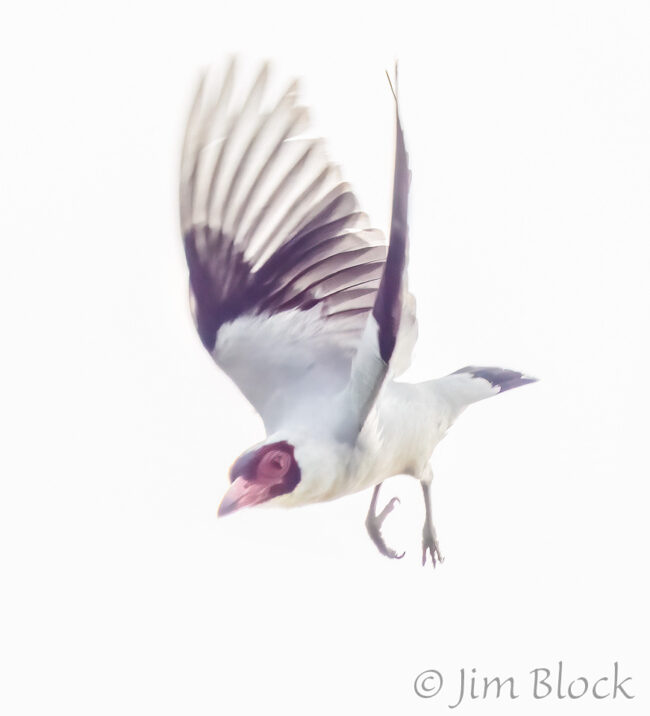
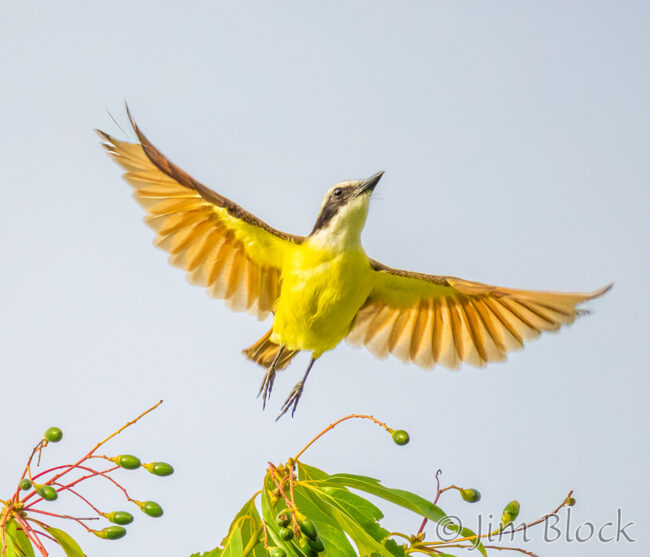
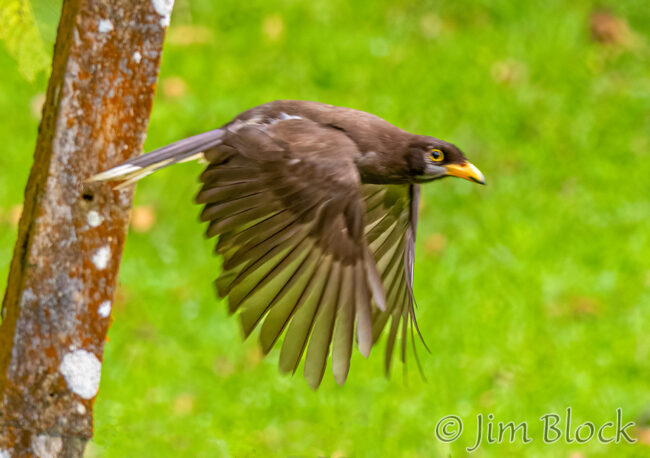
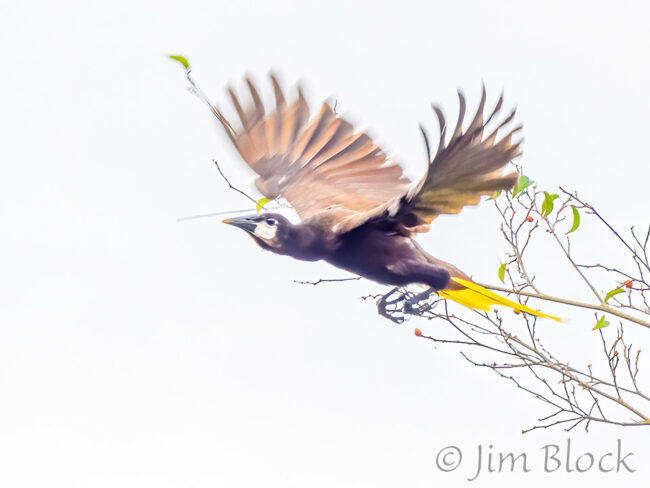
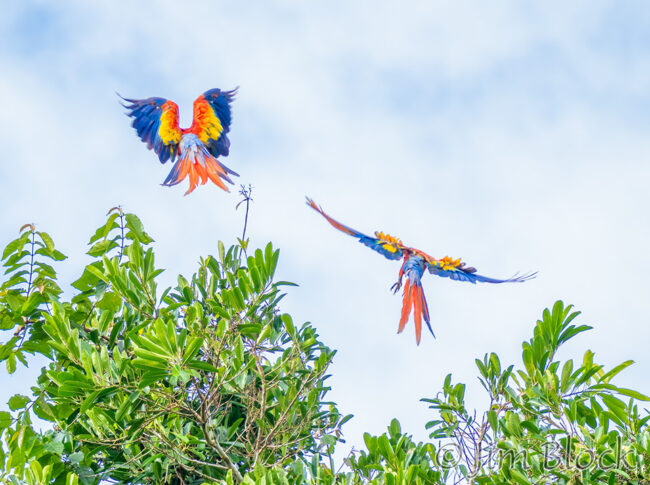
We spent three non-consecutive nights in a charming small hotel near the airport in San Jose. The grounds were enclosed and many of the birds we saw were actually in trees outside the walls, like the two birds in flight above.
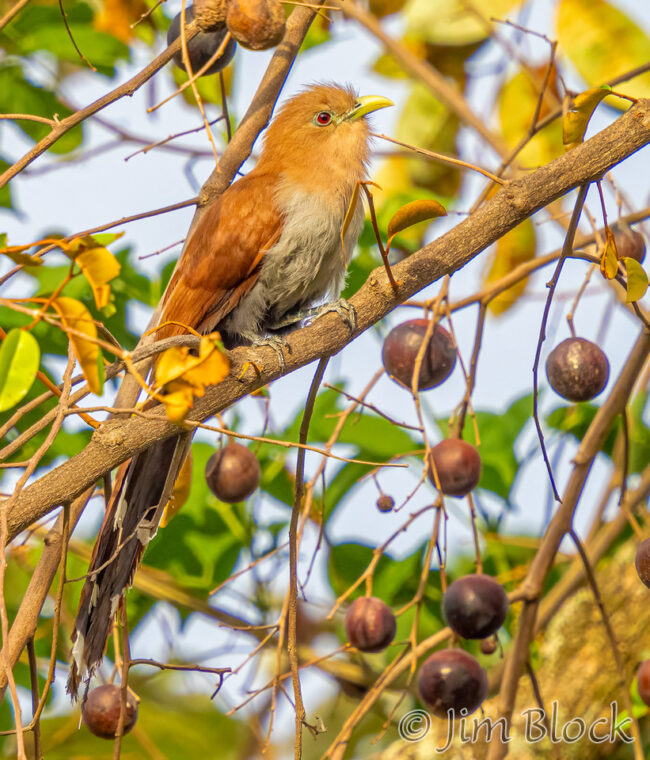
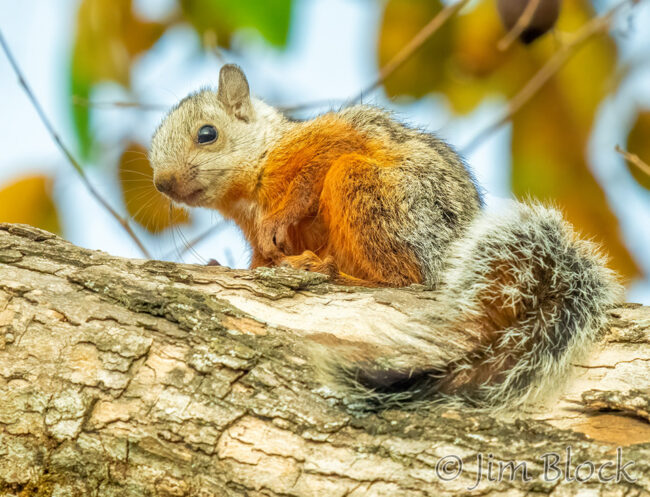
After our 3:20 a.m. bus to Boston and our flights to Costa Rica, we reached the hotel at 3 p.m. and during 90 minutes that evening and 30 minutes the next morning I photographed 10 bird species and a cute Variegated Squirrel from the hotel grounds.
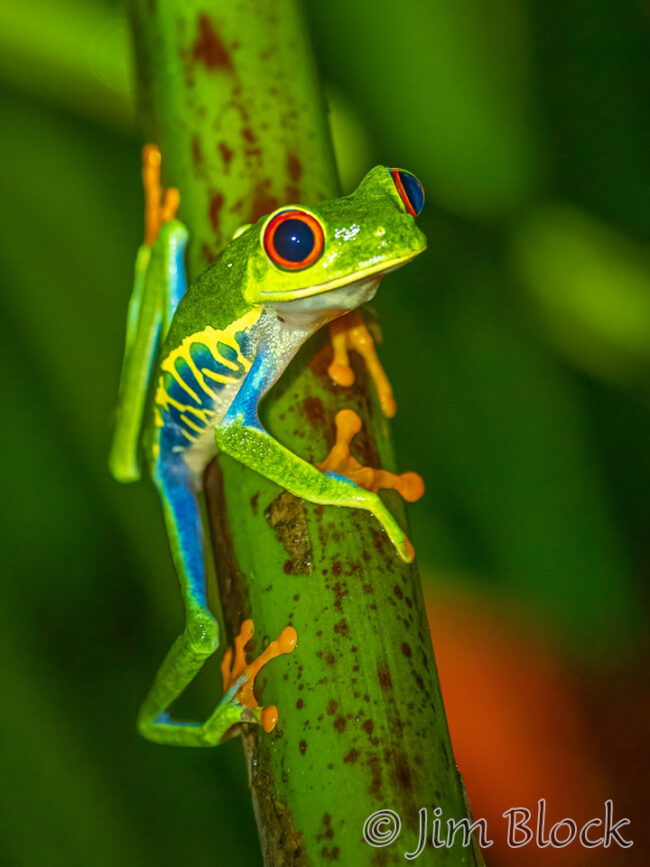
We stopped at many wonderful spots the first full day: fresh strawberries in milk with a small garden nearby, La Pas waterfall, a deck overlooking a forest filled with birds, a river with American Dippers, a tour of a pineapple plantation with a super enthusiastic host/owner, and night photography of red-eyed tree-frogs. Here is a sample:
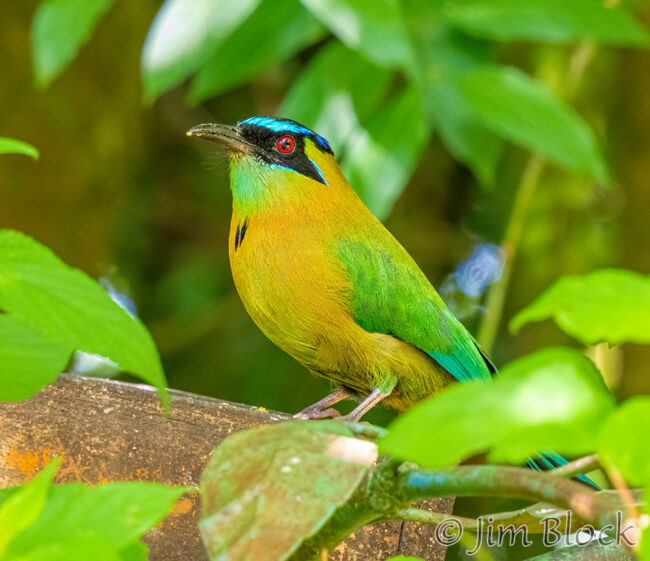
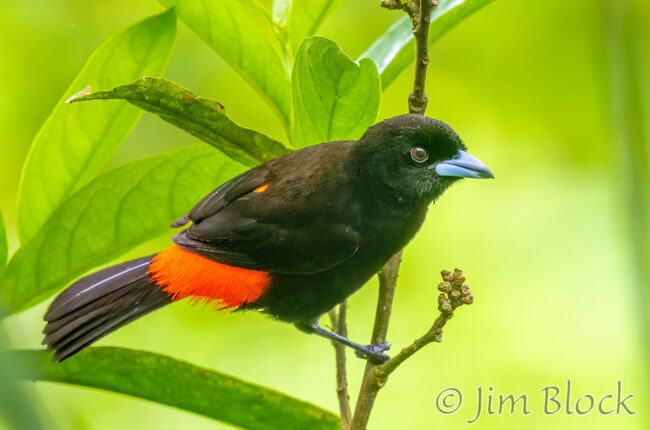
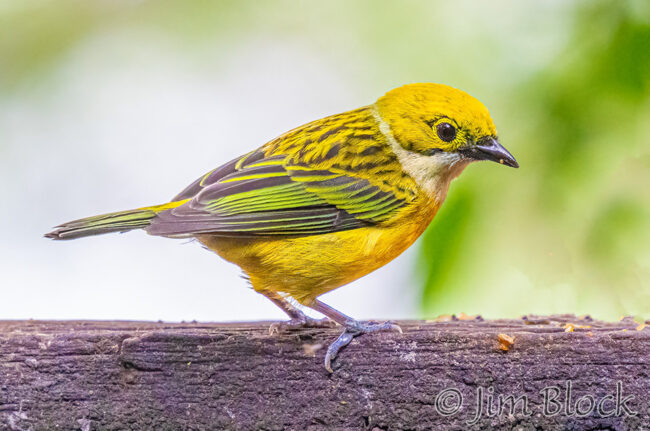
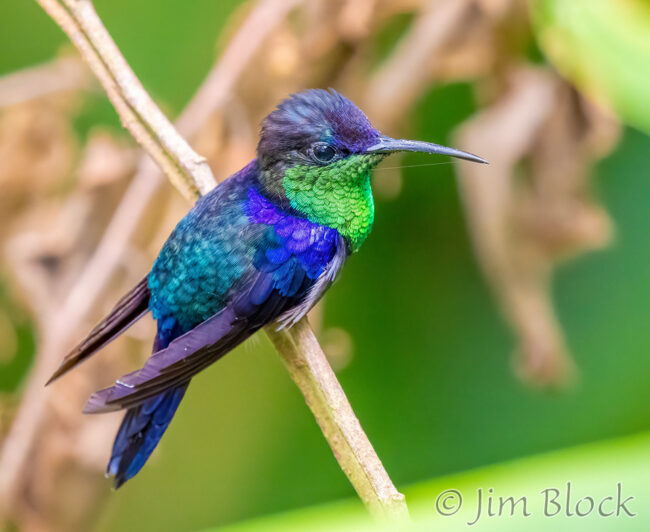
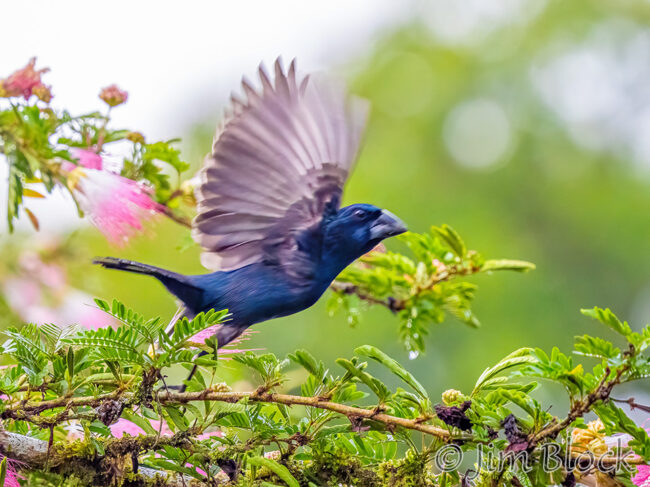
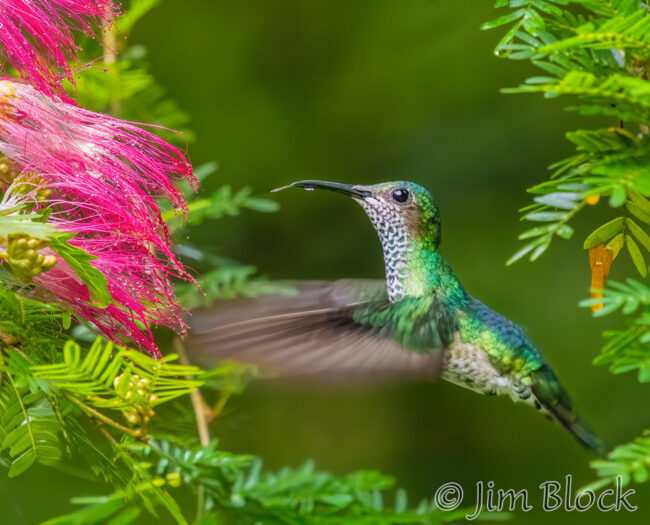
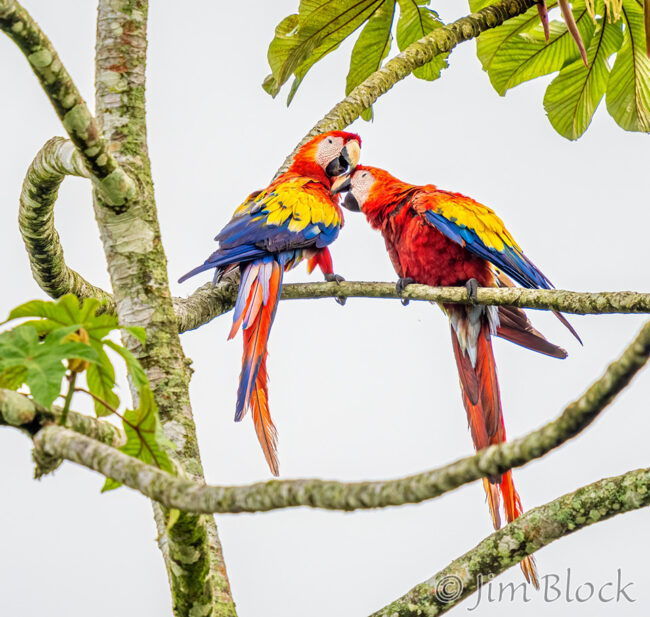
Our second full day started with a Blue-black Grassquit in flight, a White-necked Jacobin tasting nectar, and a pair of Scarlet Macaw high in a tree as we headed to La Selva.
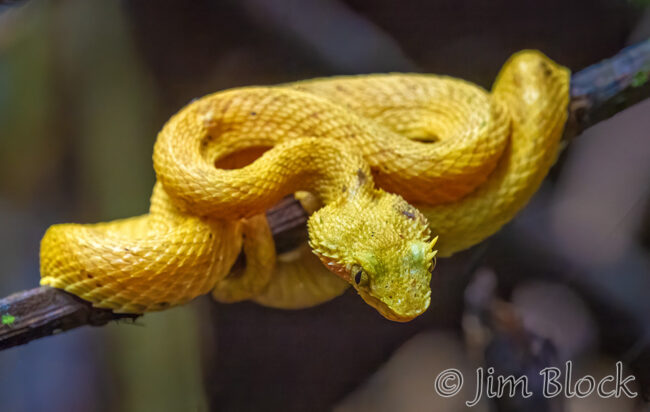
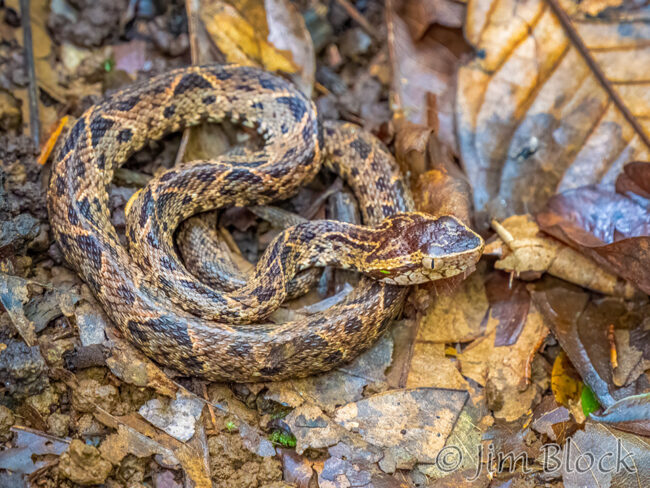
At La Selva we saw two very venomous snakes that I was able to photograph from a distance of less than two yards:
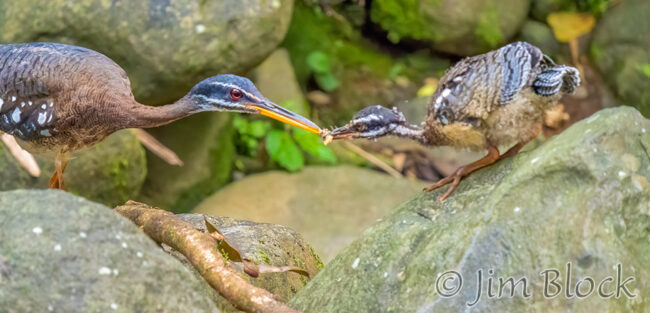
We spent two nights at Rancho Naturalista, a fantastic spot. While there we saw a Sunbittern feeding its chick along a stream just below the entrance road.
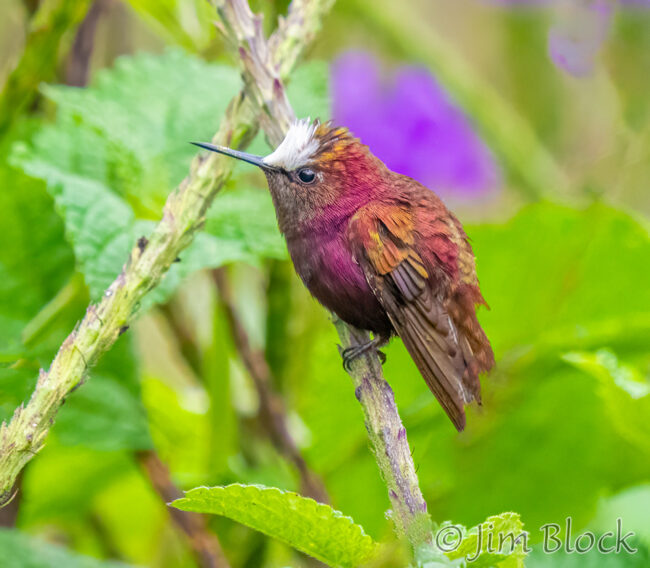
Here are a few of the birds I photographed at Rancho Naturalista:
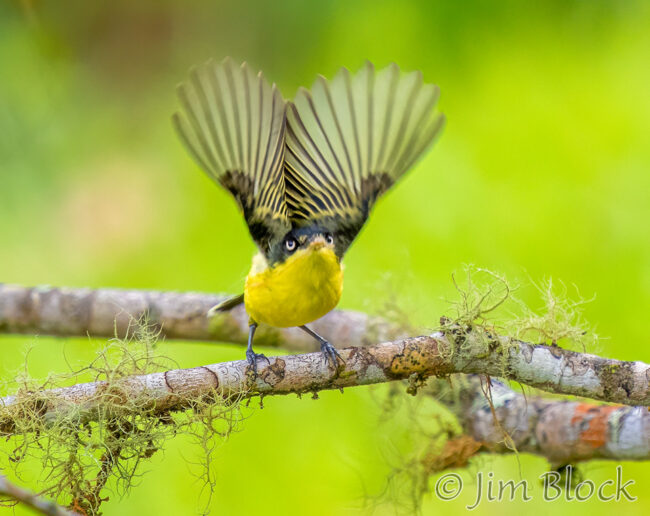
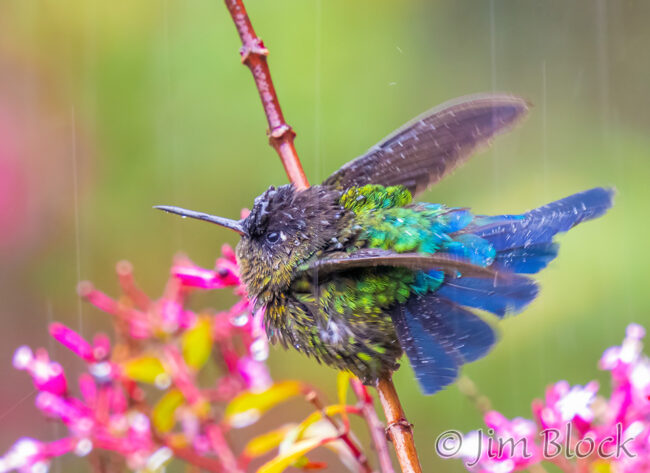
We reluctantly departed Rancho Naturalista and had lunch at over 9,000 ft at a wonderful family run nature area, Iyok Ami. The rainbow trout was delicious, and I photographed a Fiery-throated Hummingbird in the rain.
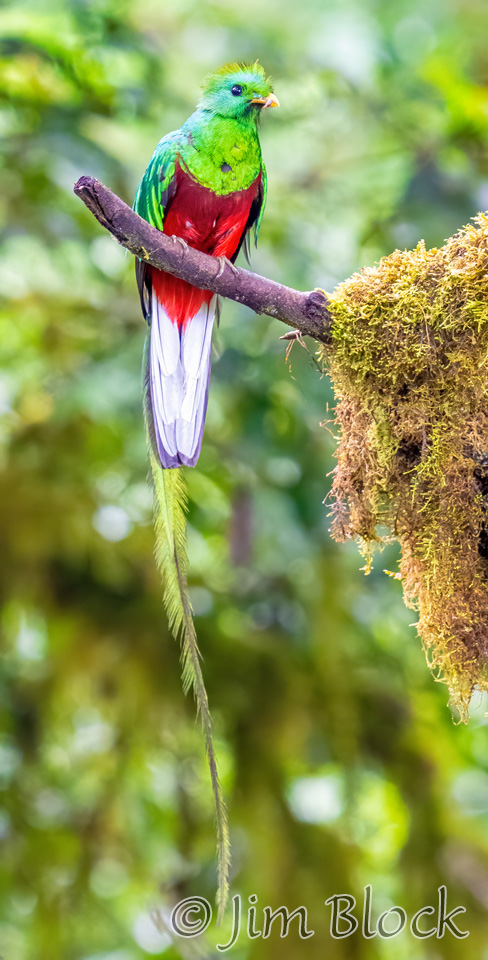
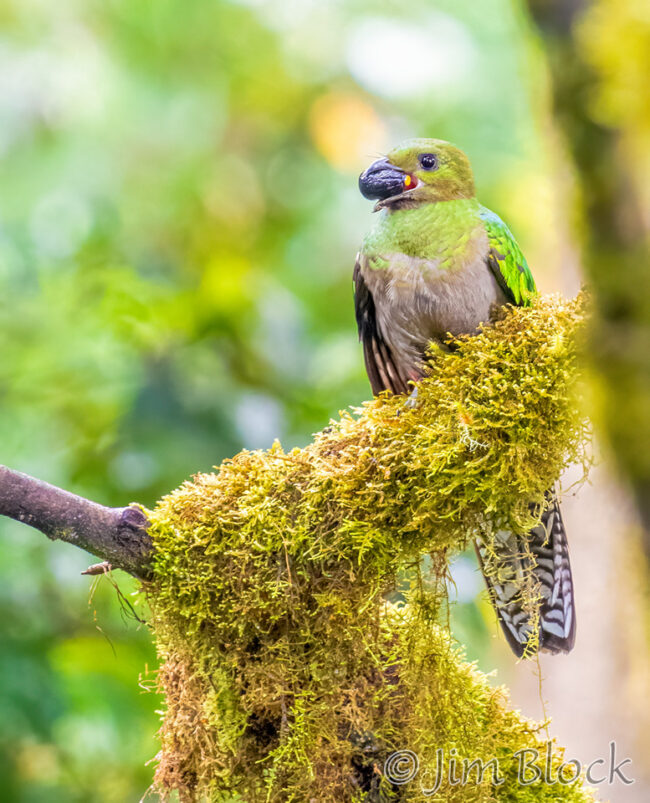
After a somewhat scary drive down a steep, narrow, long and winding road in rain and fog, we spent an hour very early morning with a pair of Resplendent Quetzal. The male has a very long tail and the female shown here is holding an avocado. They were going in and out of a small nest hole in a dead tree.
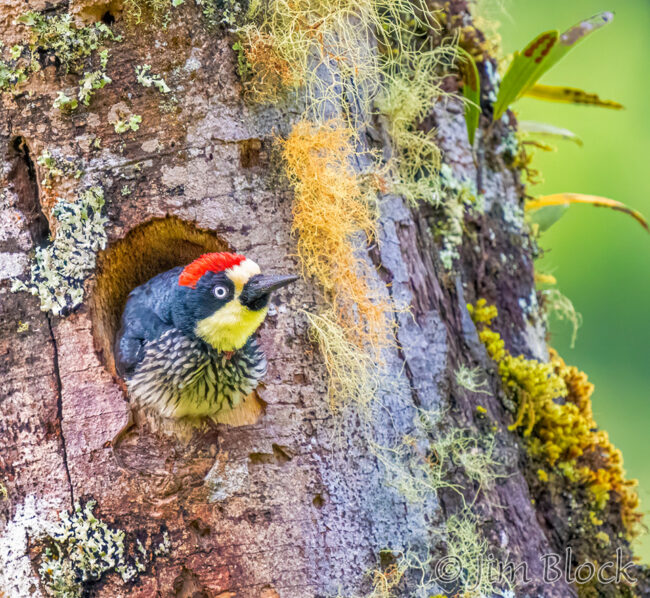
Walking back to our hotel, I found a cute Acorn Woodpecker also going in and out of its nest hole.
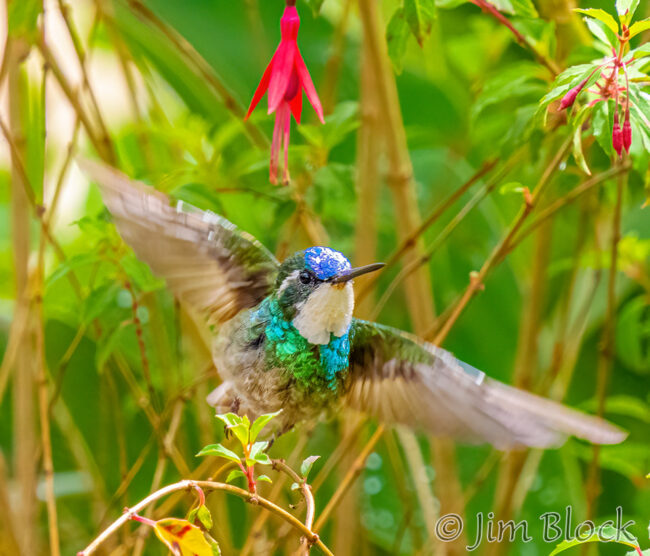
Near the hotel I photographed many hummingbirds including the endemic Grey-tailed Mountaingem.
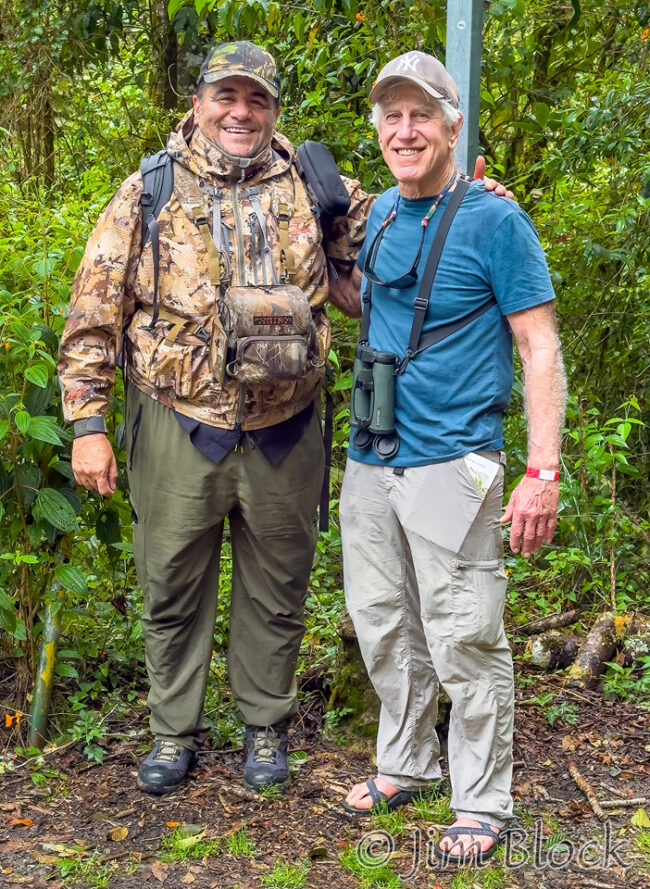
Near the end of a late-morning walk, Gil and Ted posed for a photo.
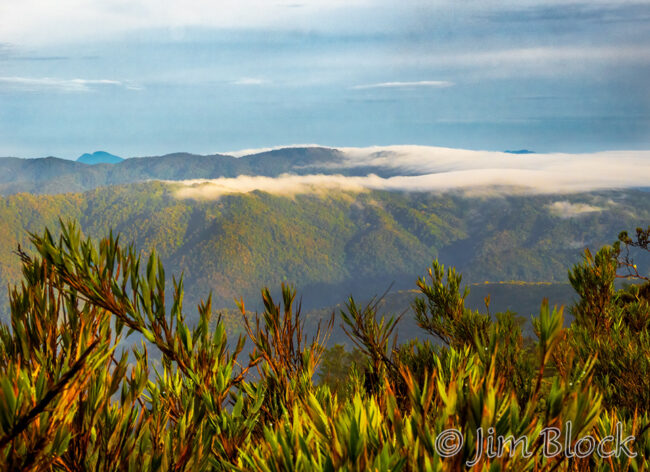
An early morning stop at Mirador Torres took us to almost 12,000 ft.
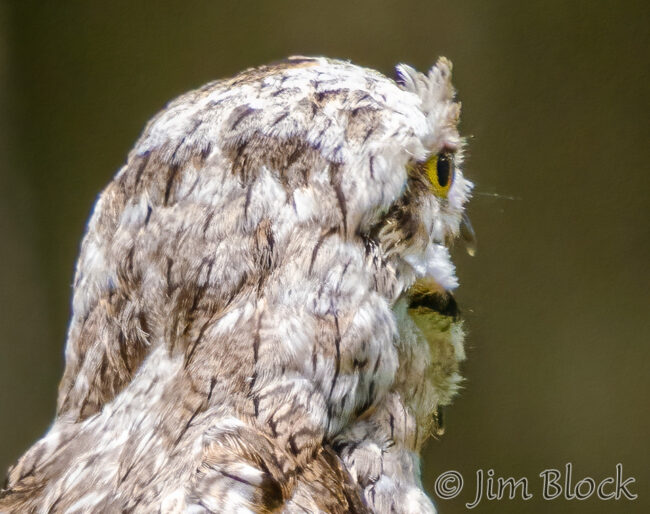
A few hours later we were cruising the Pacific Ocean at, naturally, sea level, although the sea was definitely not level. Departing the boat in knee-deep water with crashing waves was an interesting experience as we arrived at Corcovado National Park for two nights. Along the river leading to the ocean, we saw a Common Potoo, a very uncommon bird.
Corcovado National Park is a gem of a park in a country with a large percent of its land conserved as national parks. It is a lowland tropical rainforest renowned for its high biodiversity and is considered one of the most biologically intense places on Earth.
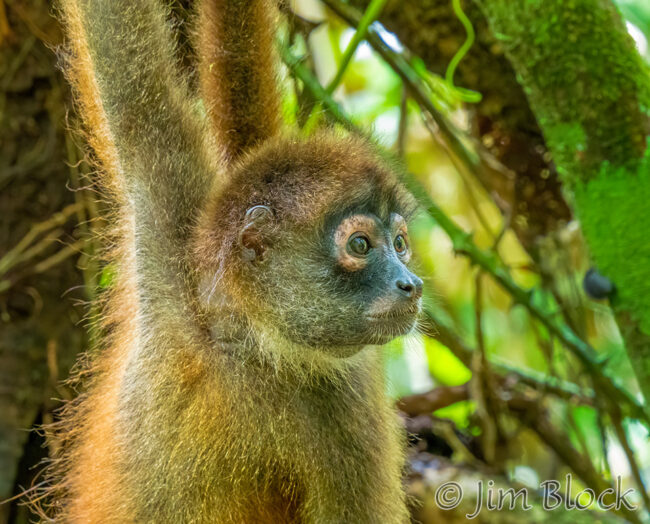
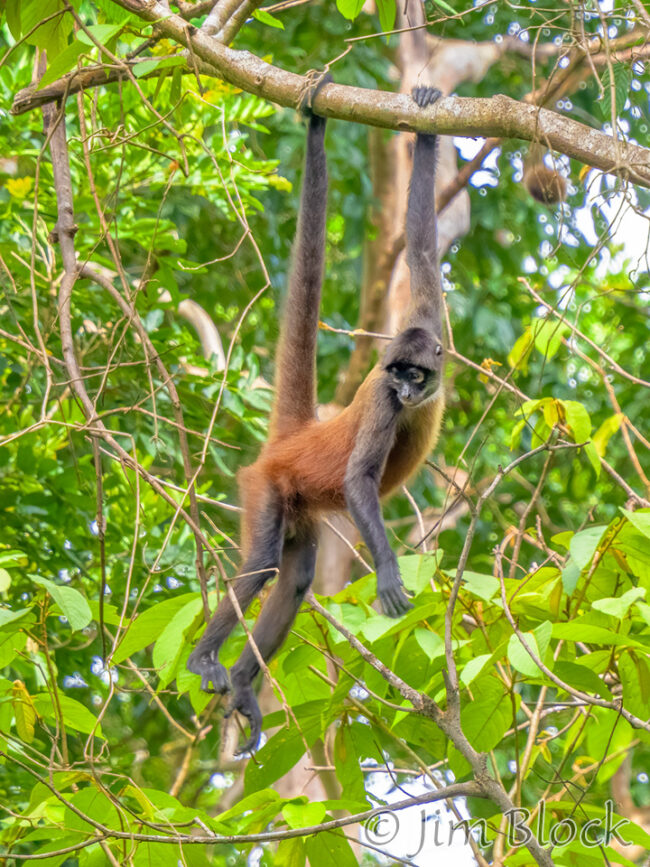
We were only a short distance along our half-mile walk from the beach to the Sirena Ranger Station when we saw the first of many spider monkeys, this one part of a group on the ground.
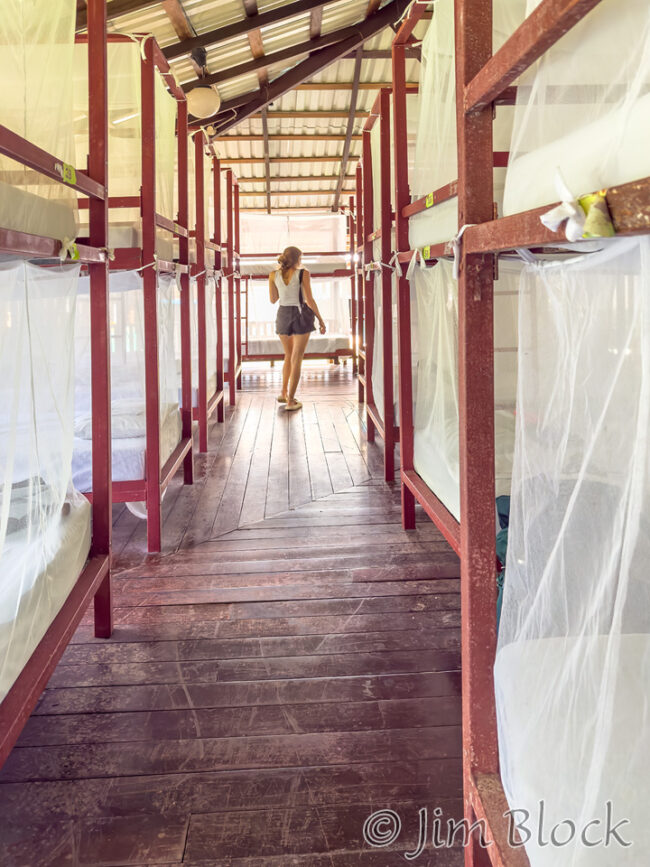
We stayed in one of two 50 bunk dorms without walls.
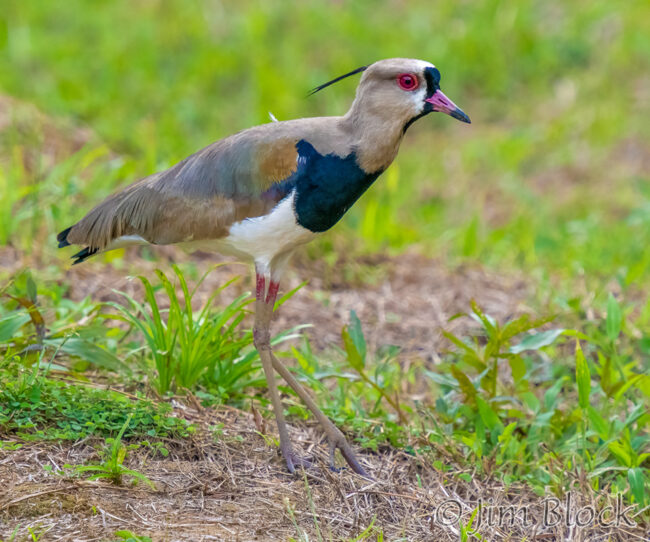
The first bird I photographed in Corcovado was a beautiful Southern Lapwing.
Spider monkeys were swinging in the trees.
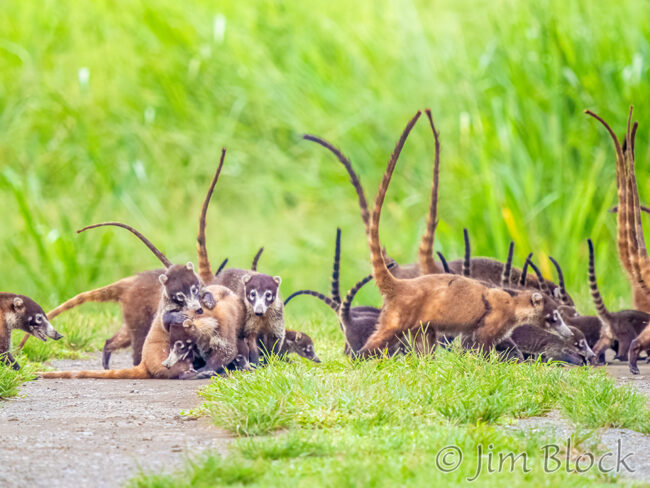
Several families of Coatimundi walked across the path a distance away, just out for a stroll with the kids.
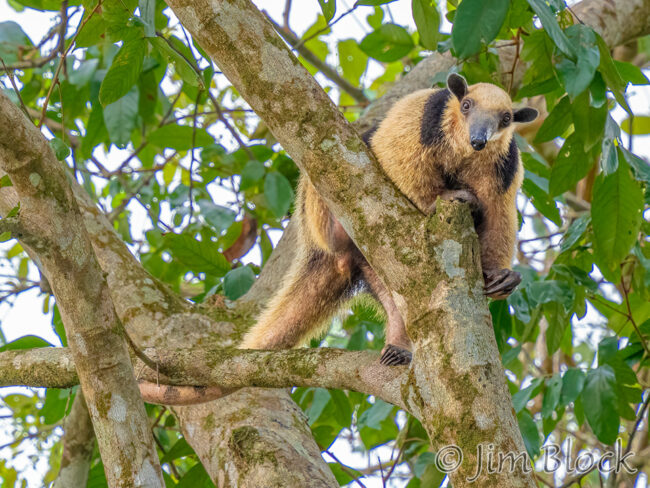
It was a great afternoon for mammals. We found an anteater, a Tamandua, in a tree along the beach.
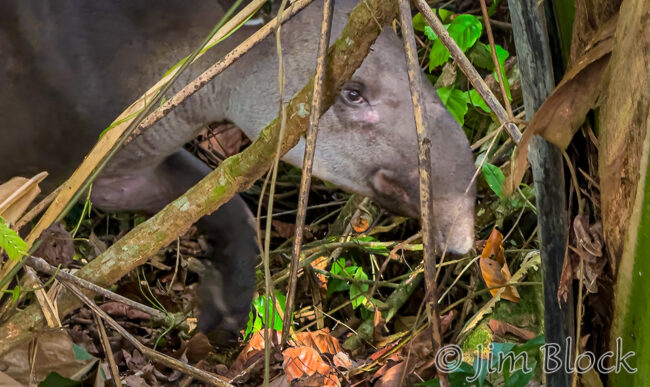
We also saw a Tapir in the heavy brush. These creatures can weigh over 600 lbs.
We had torrential rain that night with rolling thunder and lightening. Still, I had my two best night’s sleep of the trip at Corcovado. Lights out and quiet at 8 p.m., but all was hushed and I was soon asleep at 7:30 p.m. Nothing like walking 5-7 miles in heat and humidity and sleeping in the open air.
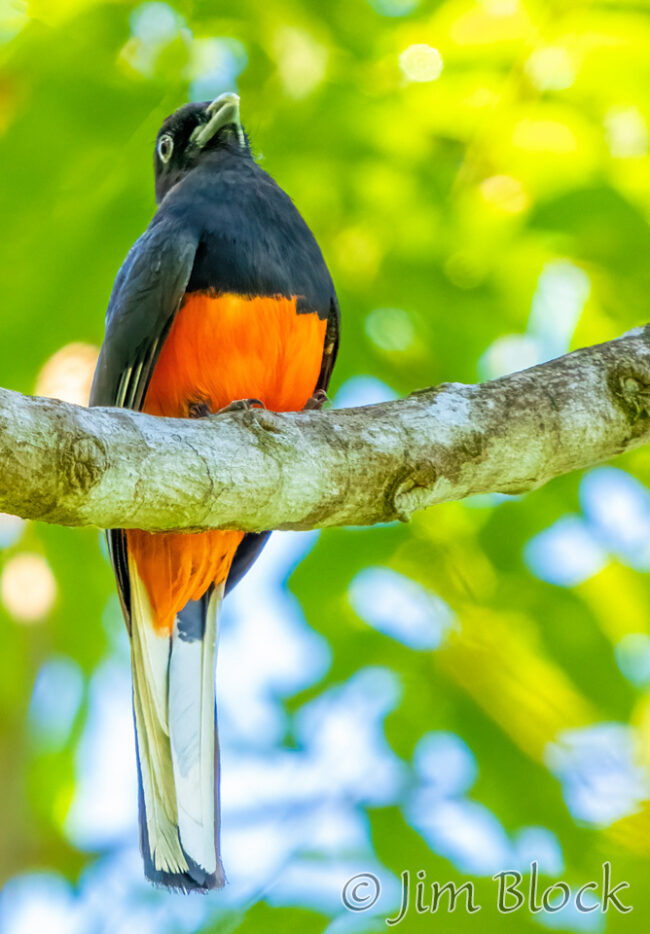
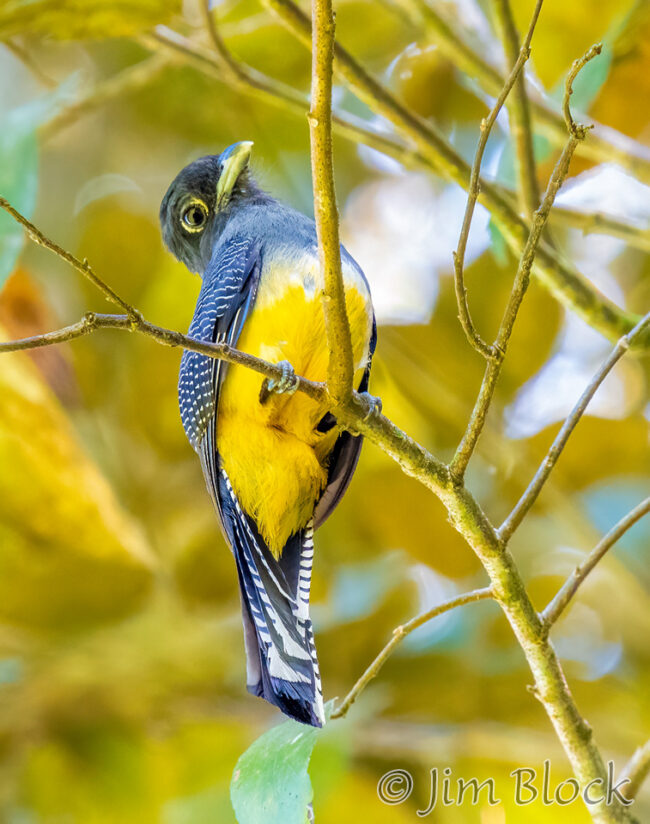
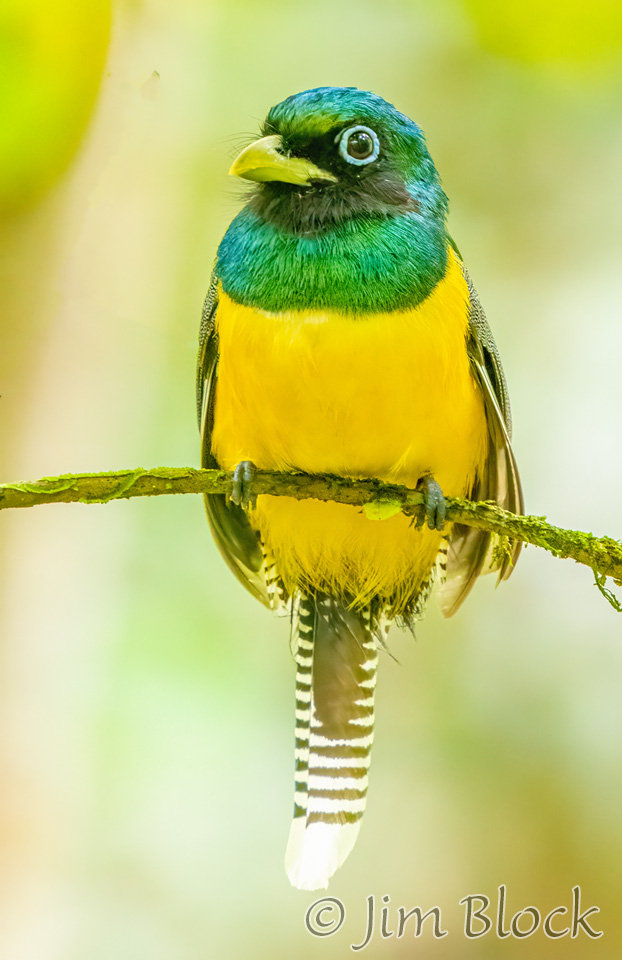
The next day we found six trogon species. My favorite three are below.
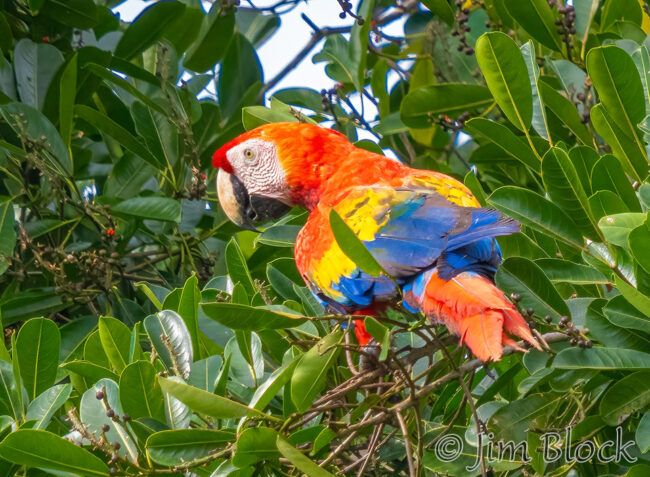
After lunch we watched a pair of Scarlet Macaw feeding and flying high in the trees.
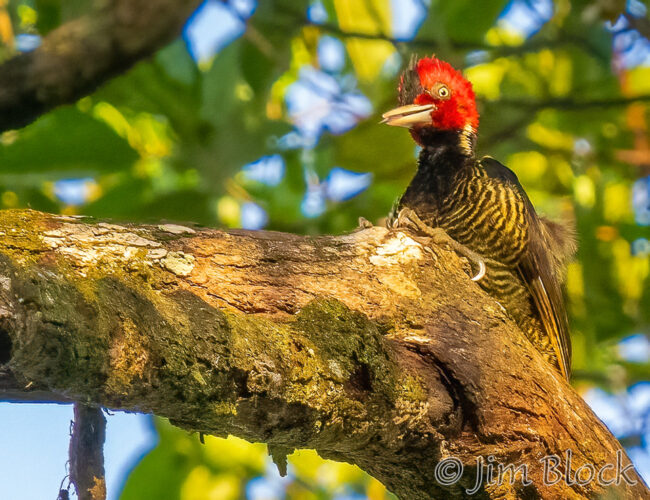
Before we departed the next morning we saw a bird that resembles the extinct ivory-billed woodpecker. This is a Pale-billed Woodpecker.
Our boat ride back to civilization was rougher than the trip to Corcovado, but very enjoyable.
I hope you will visit this page: Costa Rica 2025 Main Page and explore in more detail the animals and sights of this amazing country. Just click the bold words and you will get to a page with links to pages revealing individual pieces of our natural history adventure.