
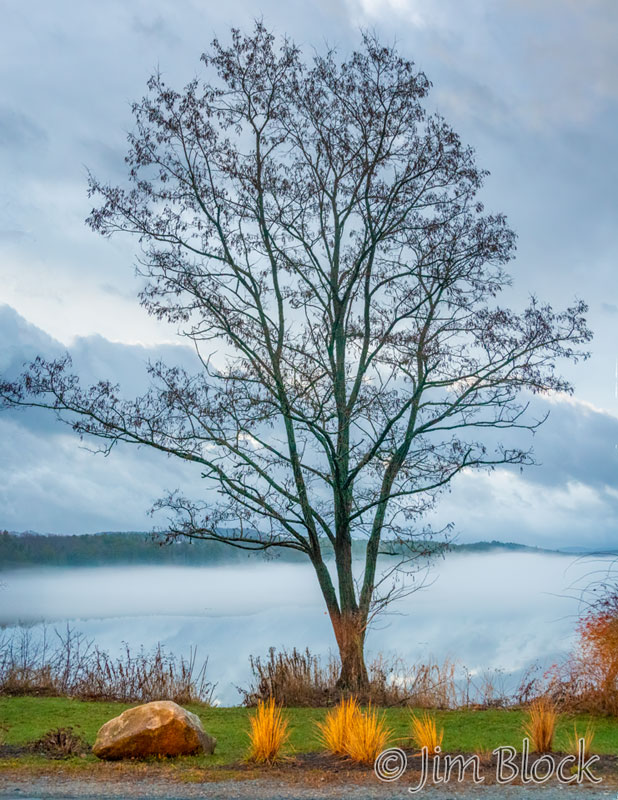
The last night of November was very rainy. On the first morning of December, I headed out early hoping to get a colorful sunrise from Lakeside Park in Enfield. It was foggy. That in itself was nice over the calm lake.
I photographed a tree standing before the fog with the foreground lit by my car lights.
I took a few more photos waiting for some color to appear in the sky.
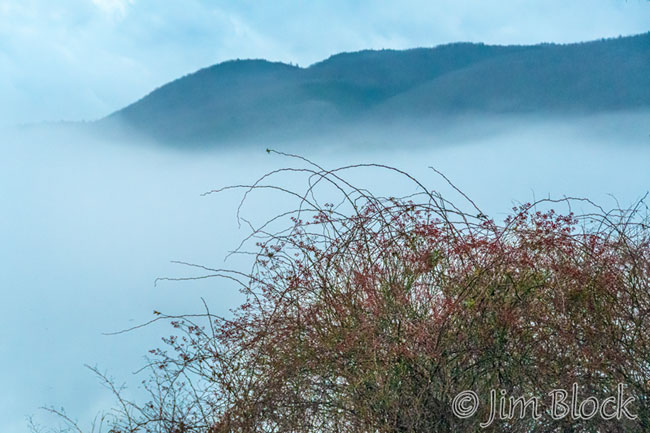
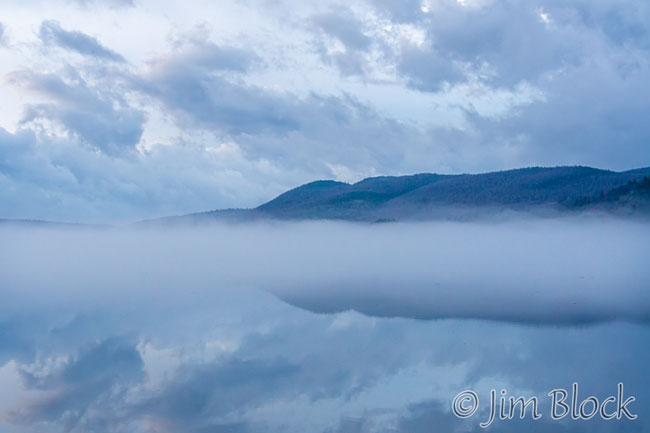
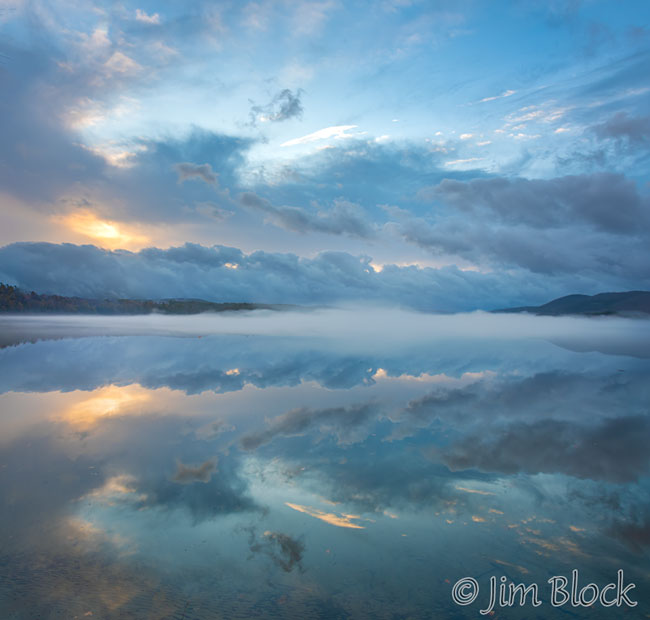
I stayed 20 minutes and only got a brief glimpse of color in the sky.
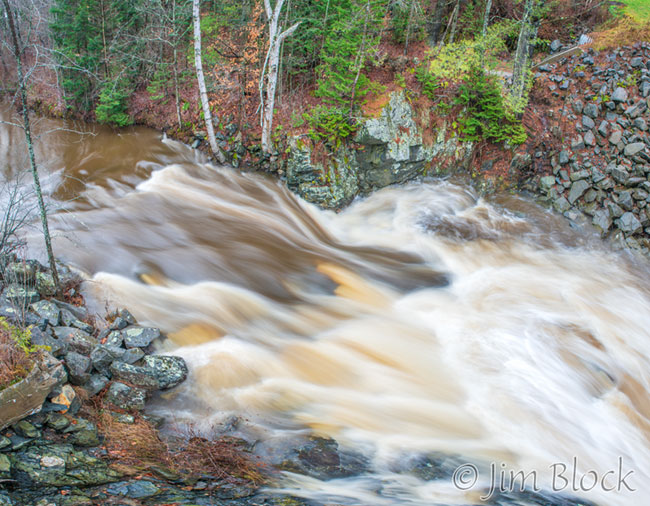
As I often do, I wandered without a specific destination in mind. I found myself on Route 4 heading east to and through Canaan. Short of Canaan I stopped and photographed an interesting waterfall in the Indian River.
The recent rains had caused rivers and brooks to run full, so I considered spending part of the morning photographing moving water. I remembered a small stream in Grafton that provided some very colorful fall reflections three years earlier and headed that way. Here are three photos of Mill Brook from October 17, 2017.
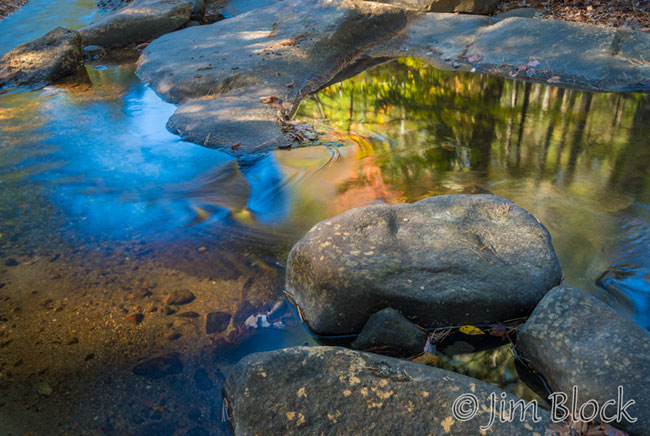
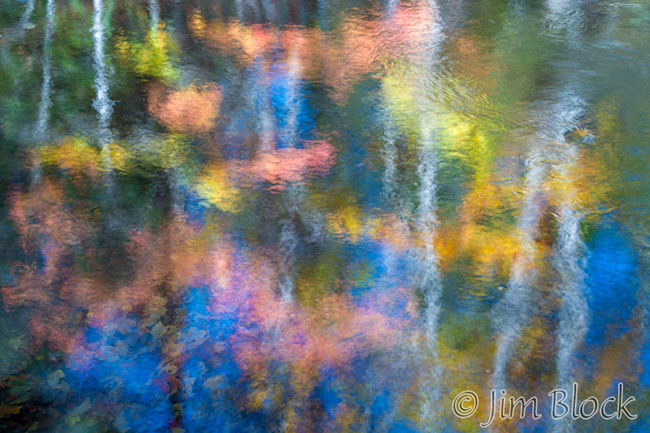
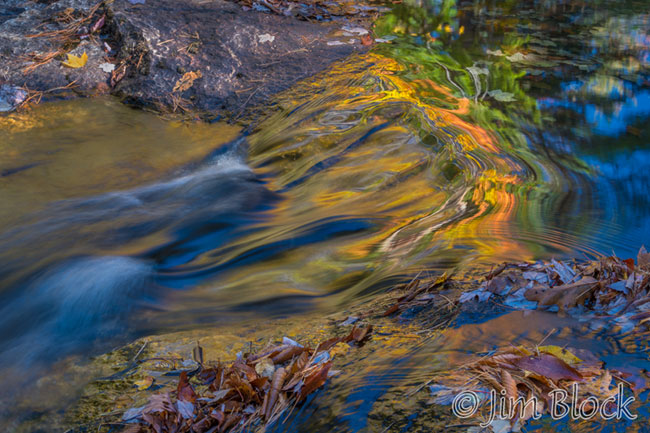
I spent the next two hours photographing various scenes along Mill Brook. Here are six photos.
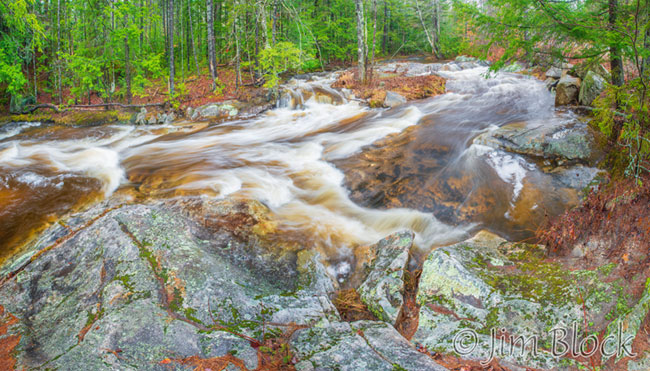
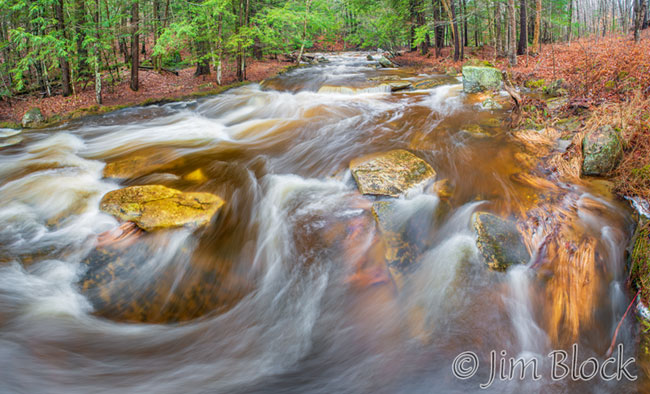
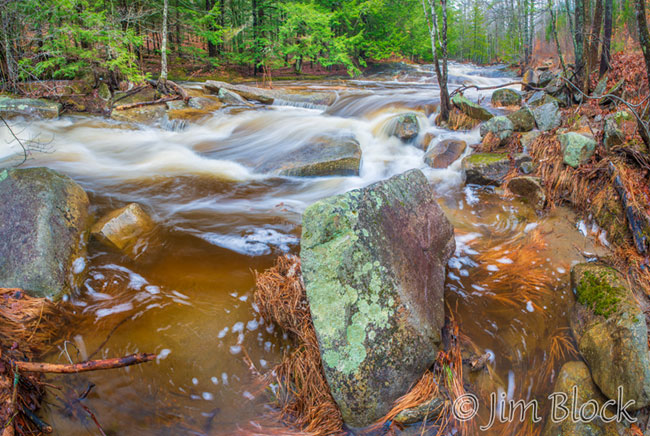
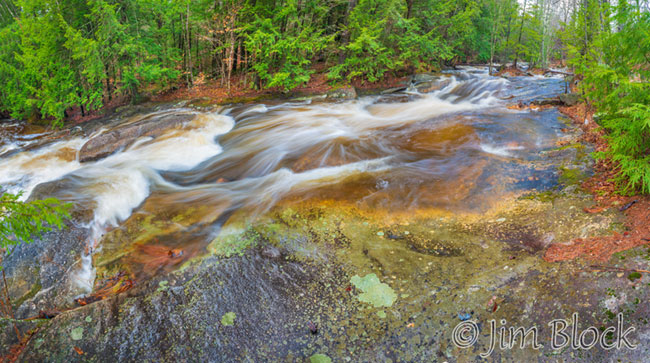
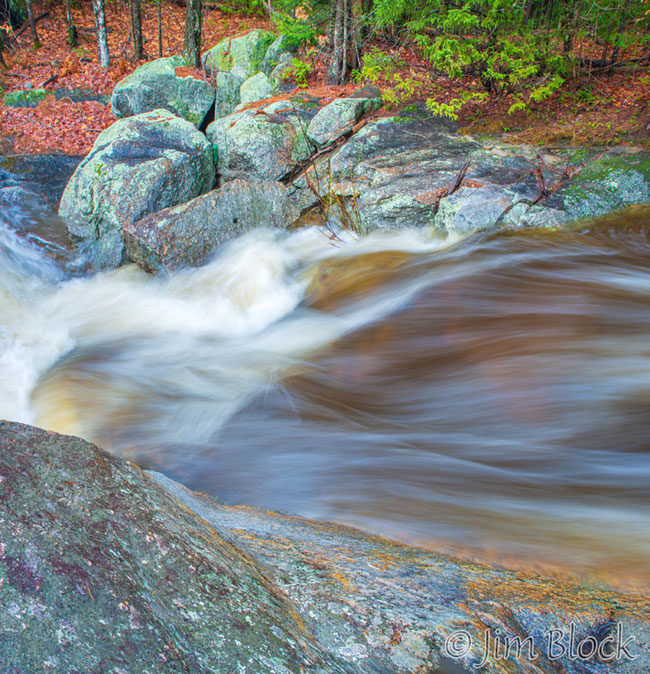
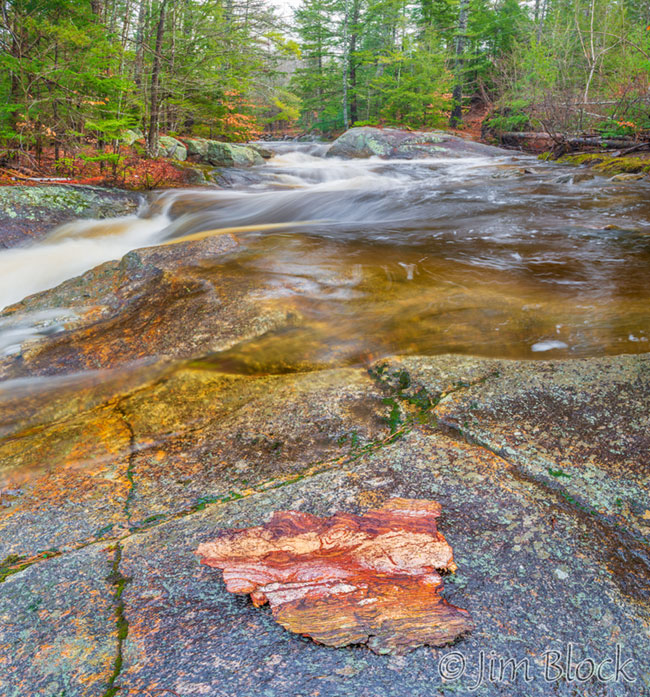
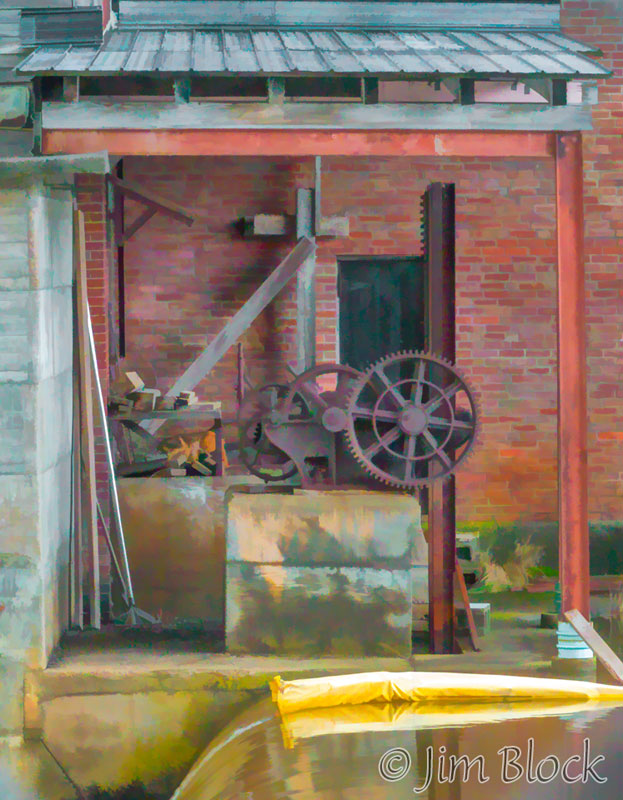
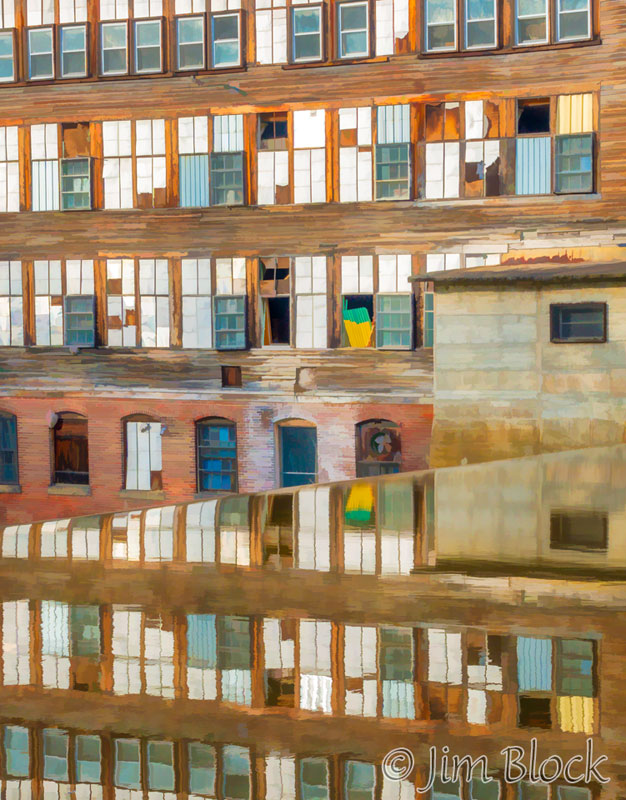
Jann and I started the month of December, the last month of a year filled with highs and lows, with hikes by some interesting spots. I had some fun with two of these images rendering them with less details than normal.
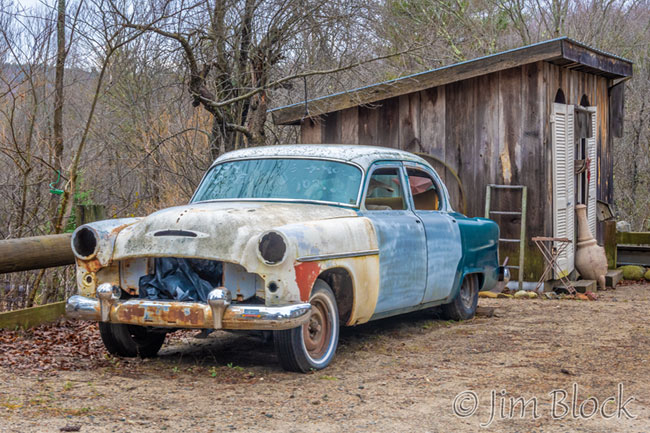
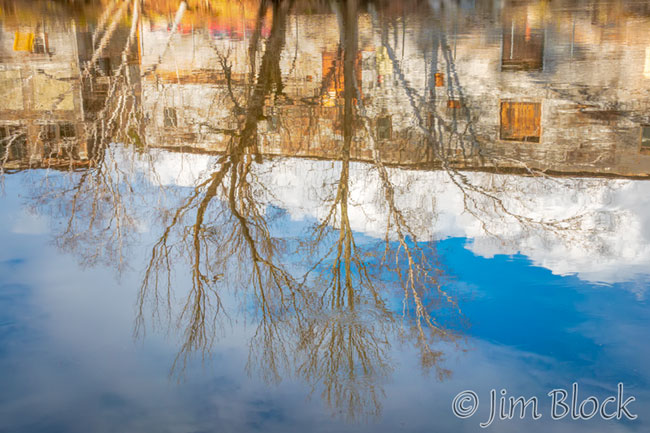
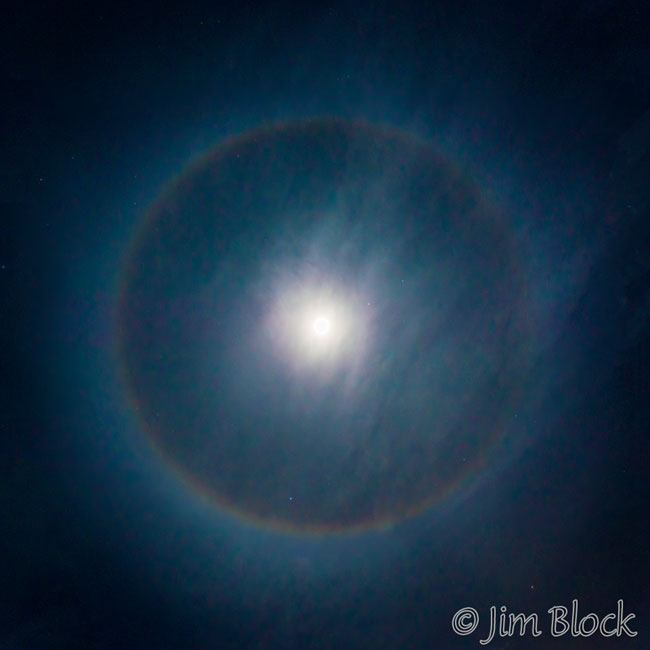
I was up at 4 am December 4 and happened to look at the sky. I saw a dramatic 22° halo around the moon. I have seen and photographed 22 degree halos before around both the sun and moon, but it is always nice to experience another one.
The following indented paragraphs can be skipped without missing much if you are short of time and/or geometrically challenged.
A 22° halo is produced by hexagonal ice crystals in the sky as light refracts through one crystal face and out another face. If you draw a regular hexagonal figure you will note that two sides, which are neither adjacent nor opposite, are 60° oriented from each other. The crystal forms a series of truncated 60° prisms. Light coming in one side is refracted and some of it exits the side which is neither adjacent nor opposite and again changes its direction such that the incoming beam is affectively diverted by 22°. This means that only the light refracted from those crystals which lie at around a 22° angle away from the sun as viewed by the observer will reach the observer’s eyes or camera.
The ring of light or halo is sometimes red on the inside, but often it appears mostly white. Some of the rays are bent at greater angles and this accounts for the fading from light to dark outside the rim. No light is bent less than 22°. Thus the halo’s center is dark.
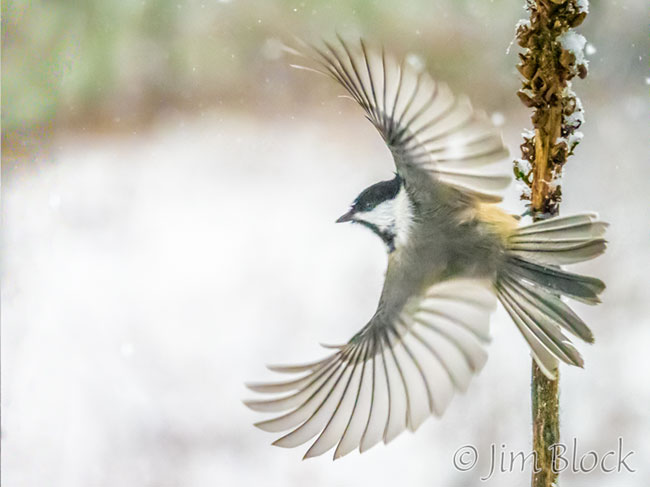
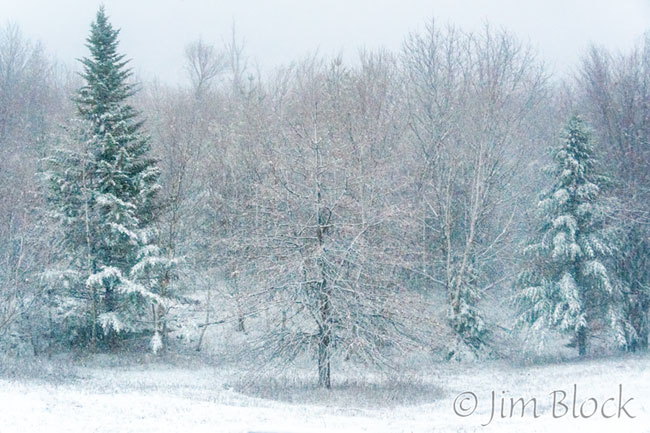
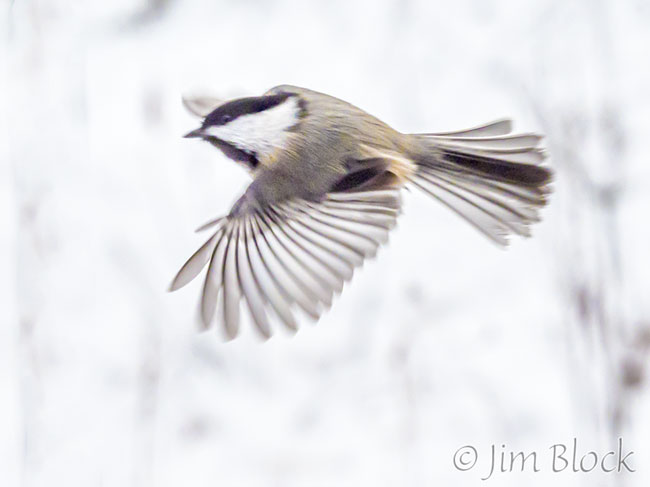
It snowed the night of December 4. In the morning there were two inches of snow in our yard, but none down in the village of Etna. Altitude matters. I figured this might be a good day to photograph chickadees and titmice flying around our yard.
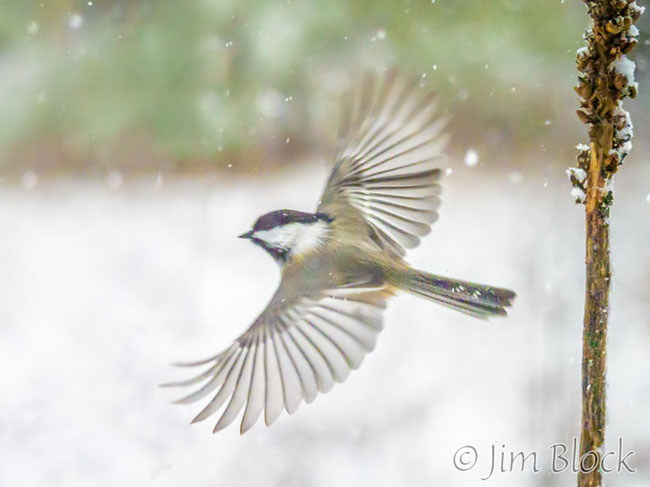
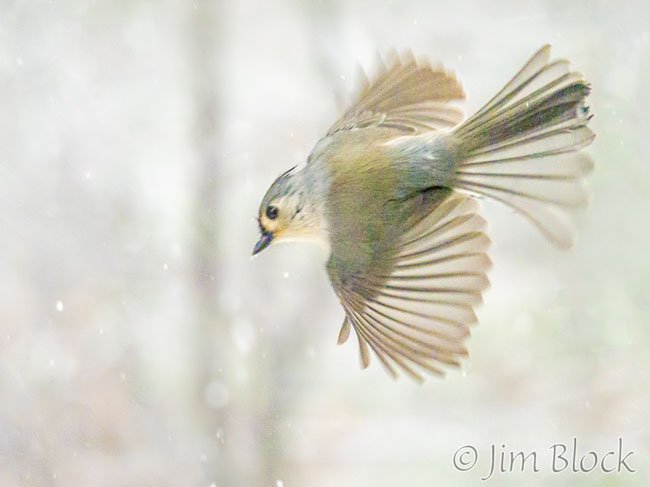
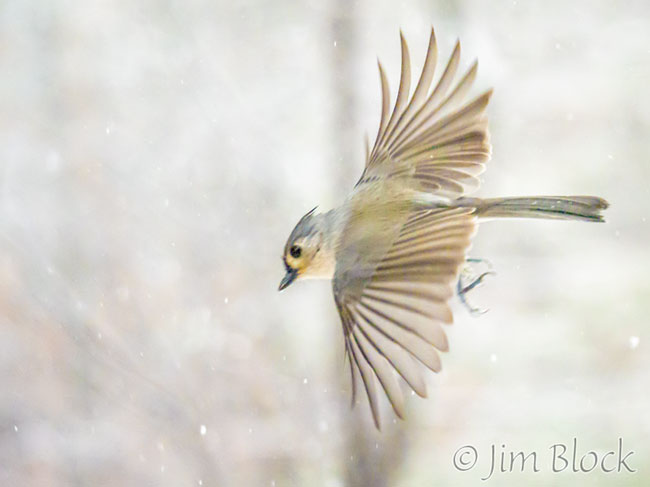
I ventured out near home to photograph the snow that stayed for many days.
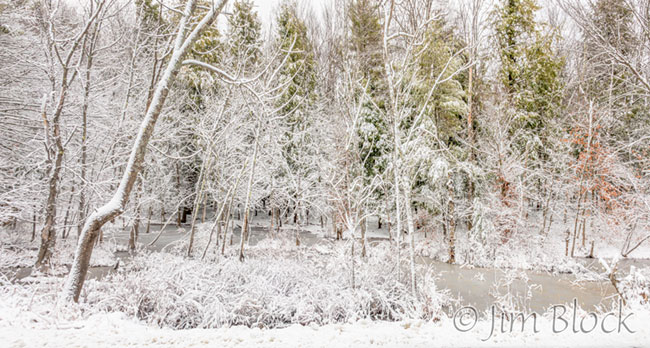
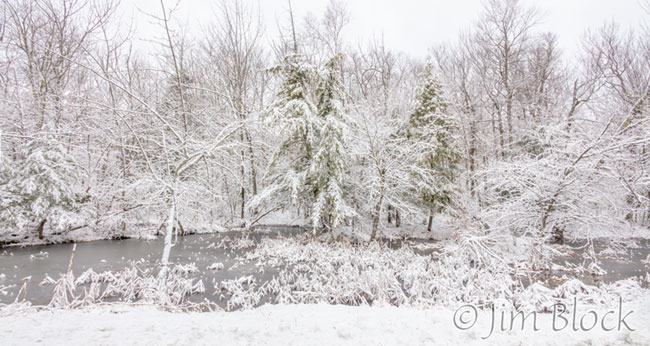
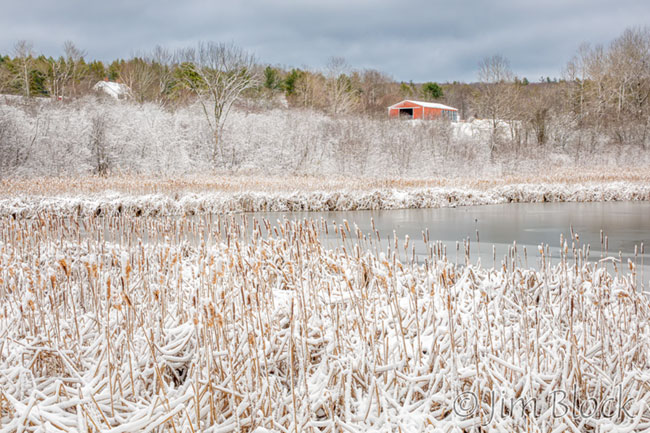
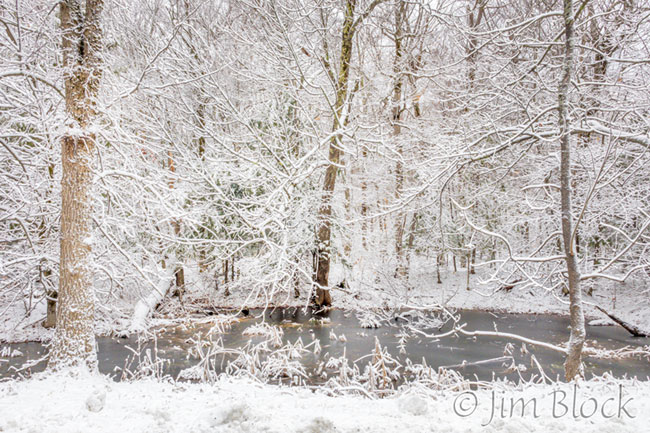
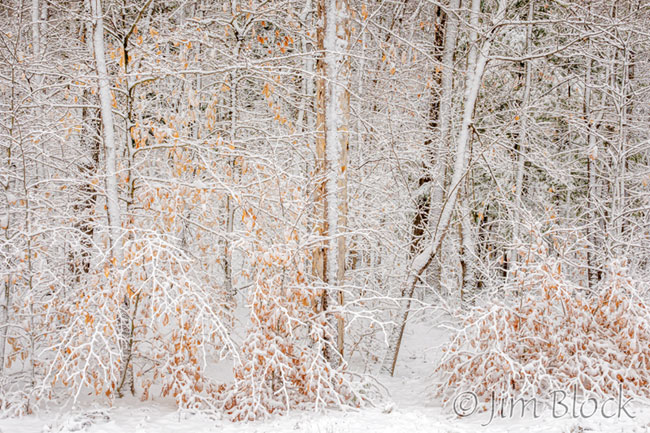
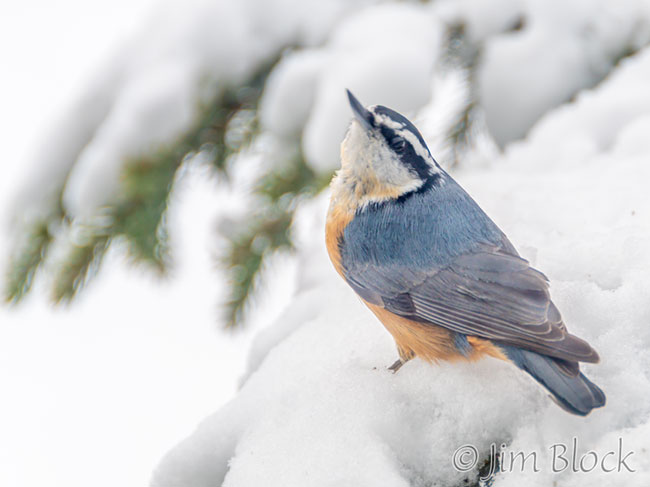
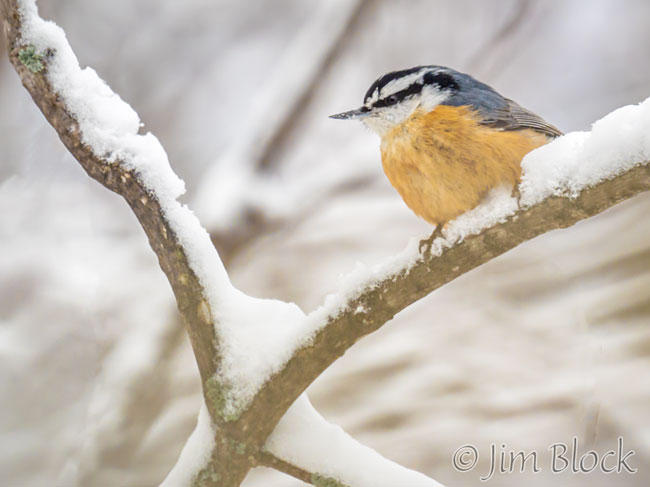
While the snow remained I used the opportunity to photograph more birds, scenes, and even a gray squirrel. We are fortunate this year to have a number of beautiful Red-breast Nuthatches around, three of them are seen here.
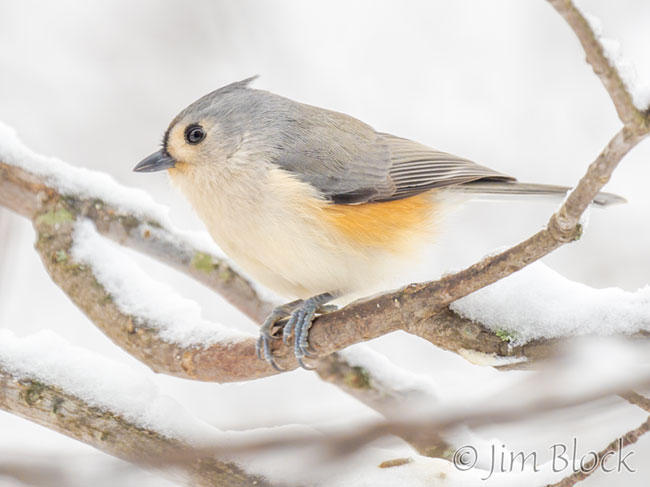
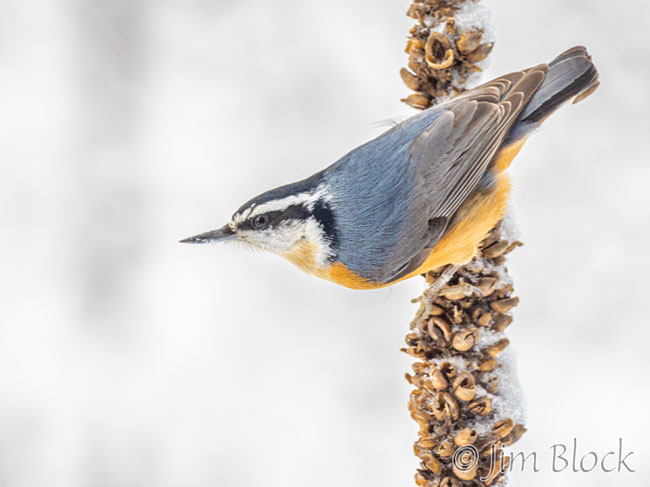
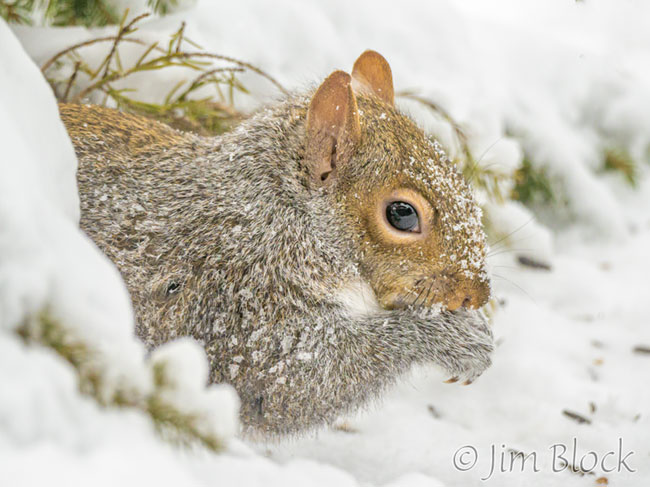
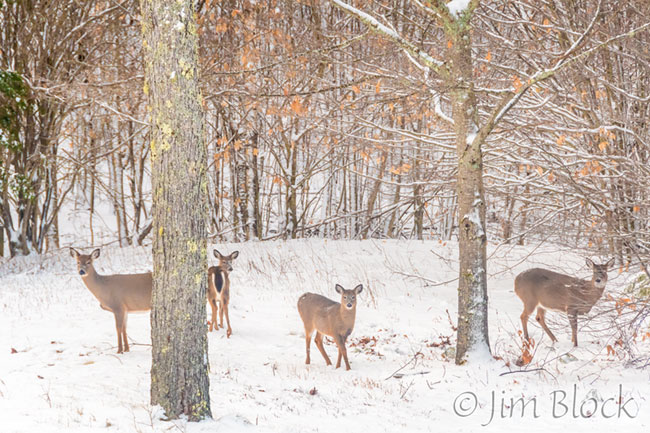
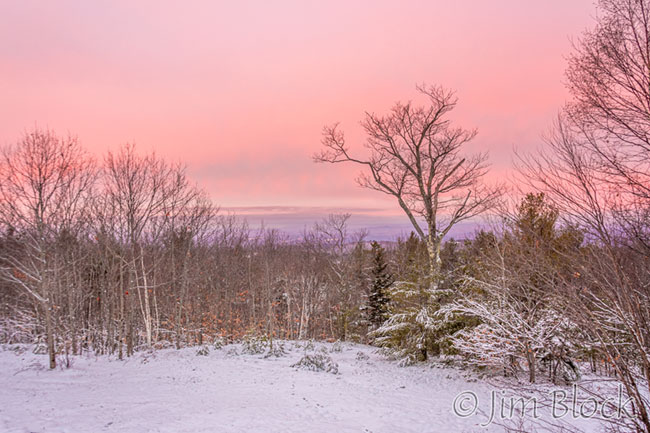
The morning of December 9 was colorful to the west over Vermont.
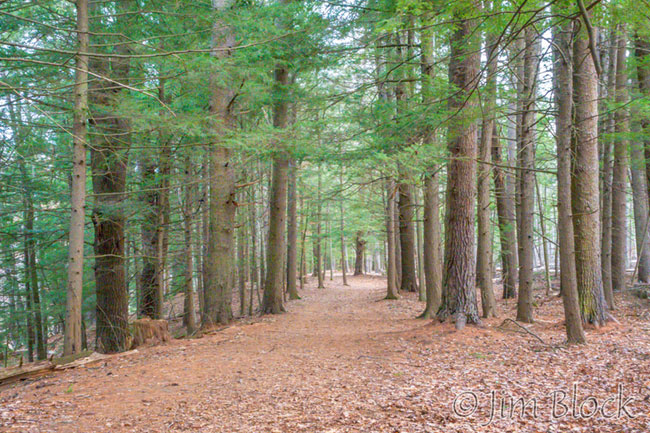
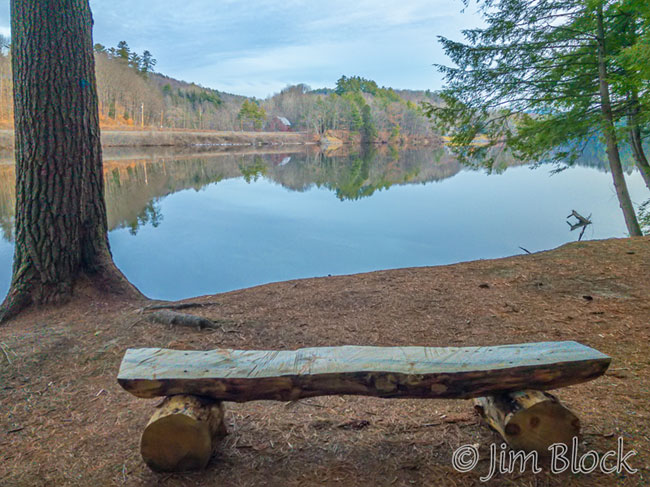
That morning found Jann and me hiking in Pine Park in Hanover along the Connecticut River.
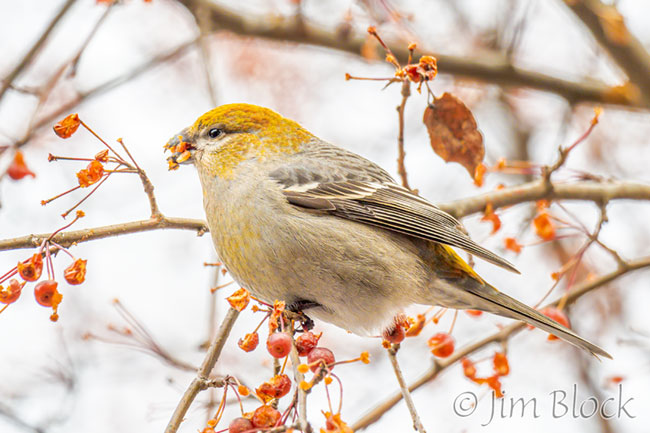
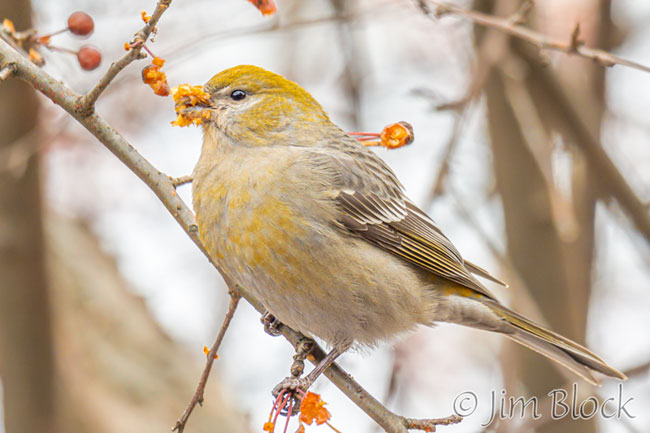
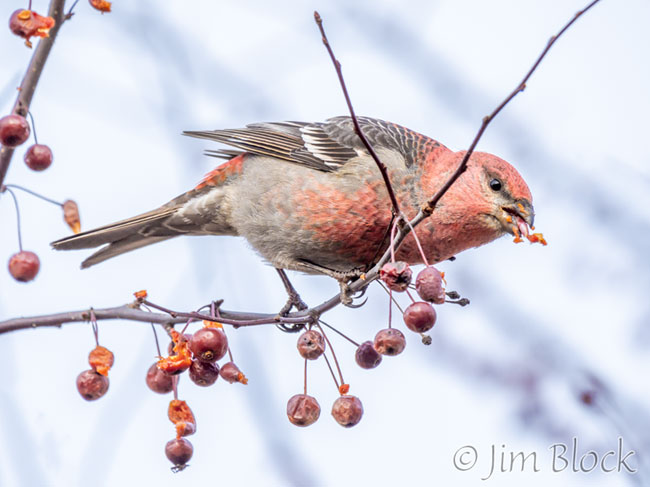
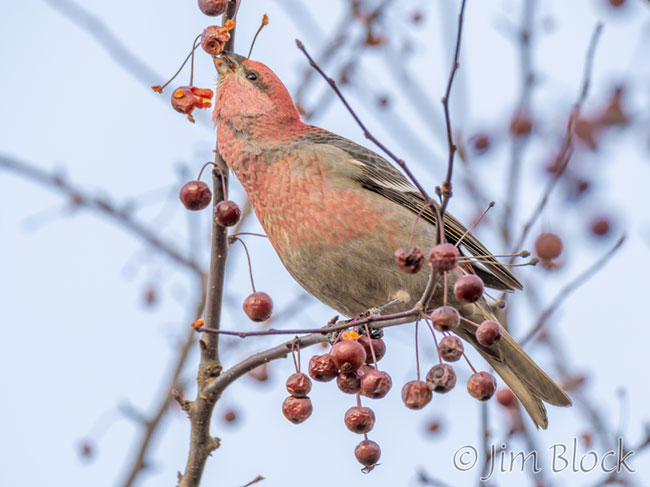
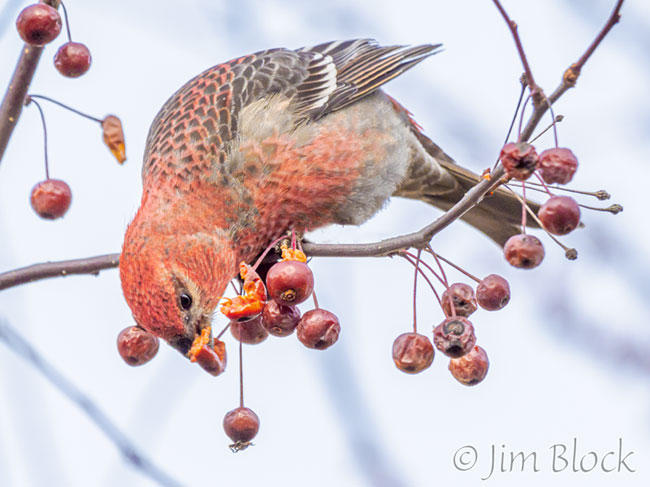
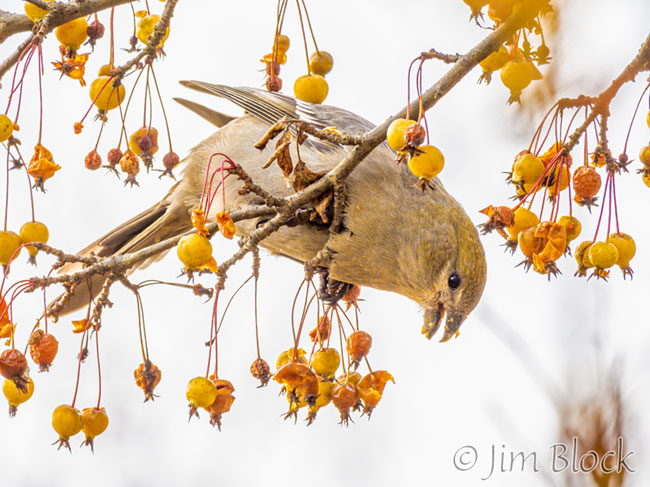
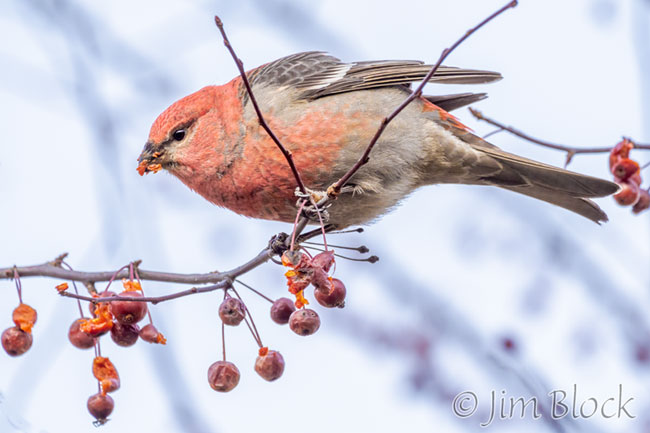
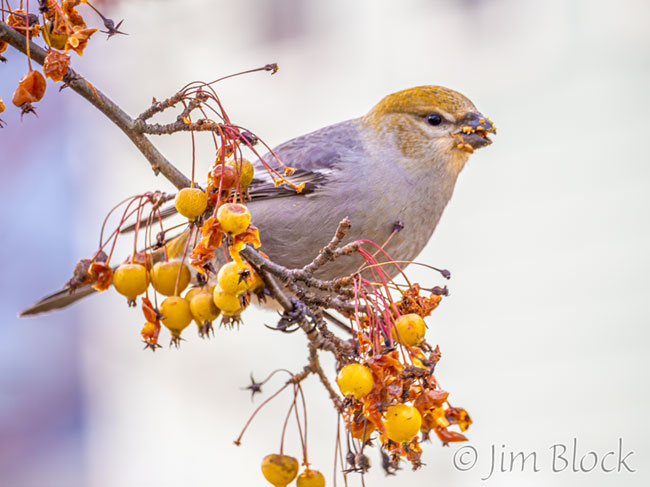
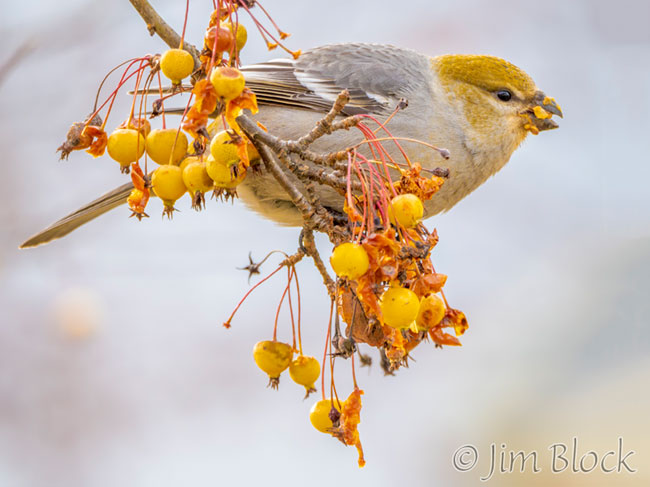
Heading home we found a flock of Pine Grosbeaks at a spot a photo student of mine told me about. I have stopped there perhaps 10 times but only seen them this once. The males are pinkish red. The females are yellow. Unlike waxwings that swallow berries whole, grosbeaks squish them.
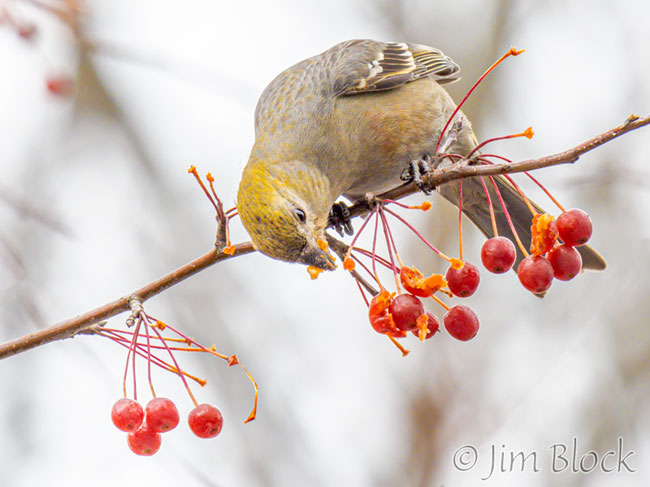
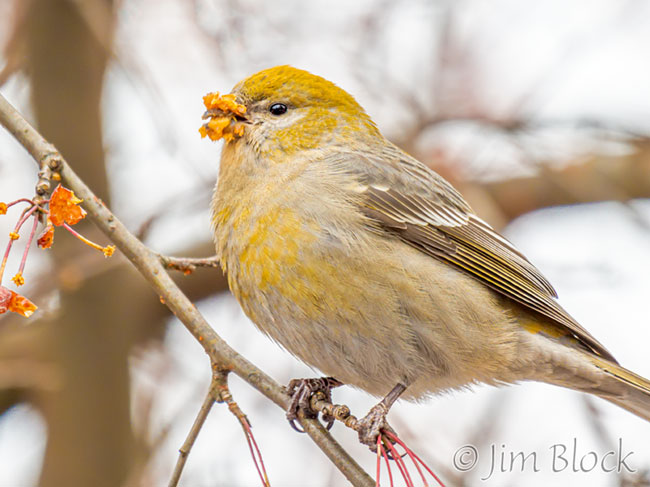
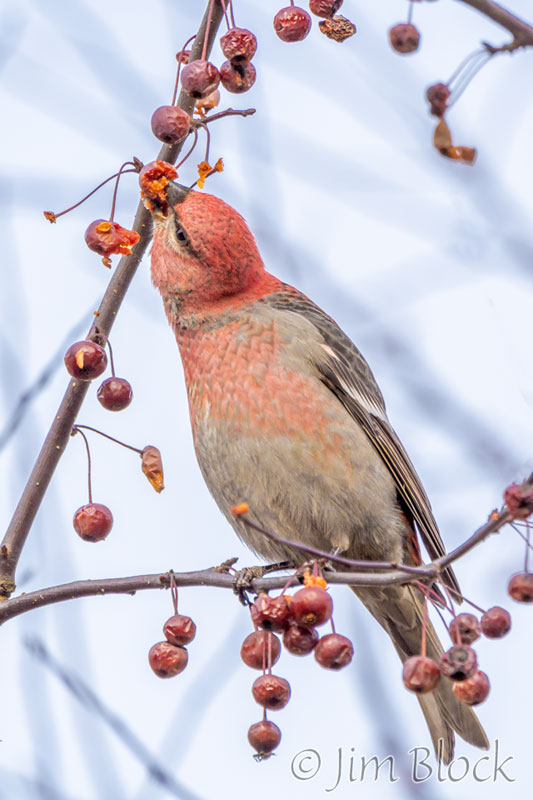
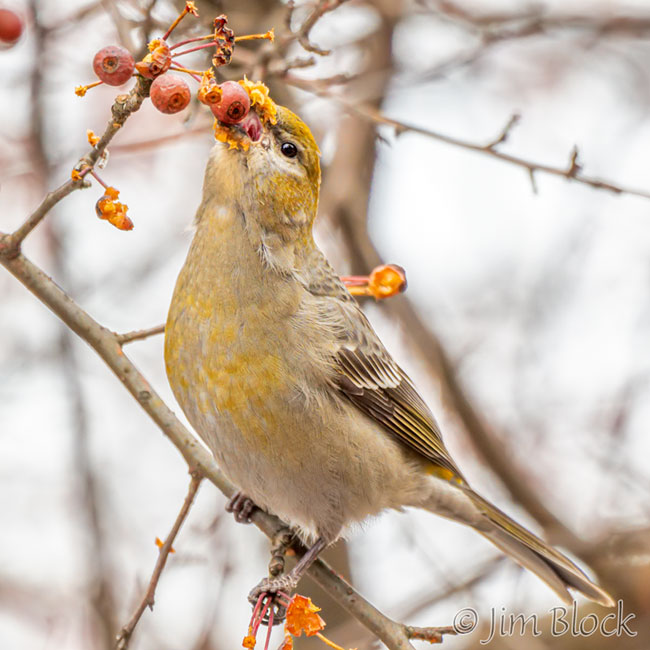
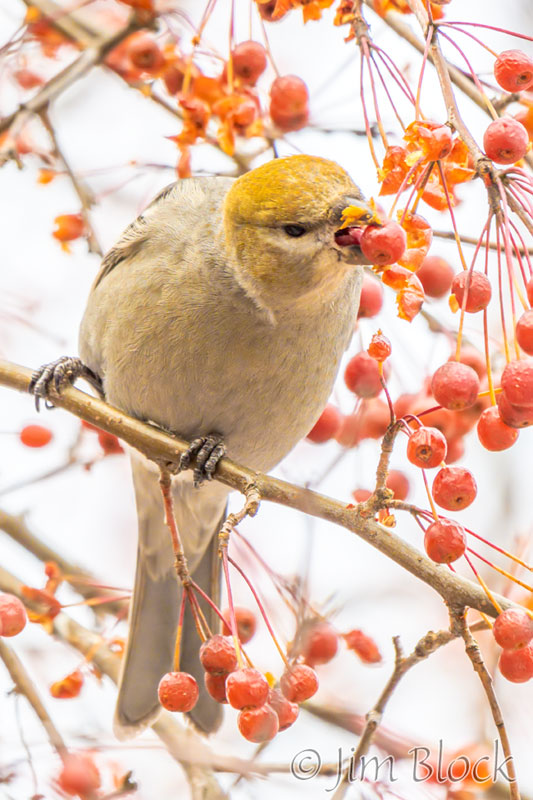
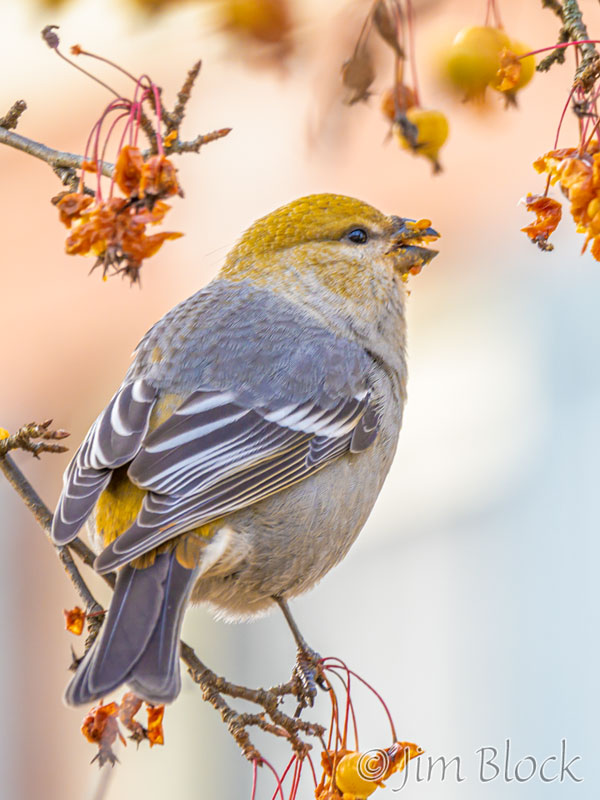
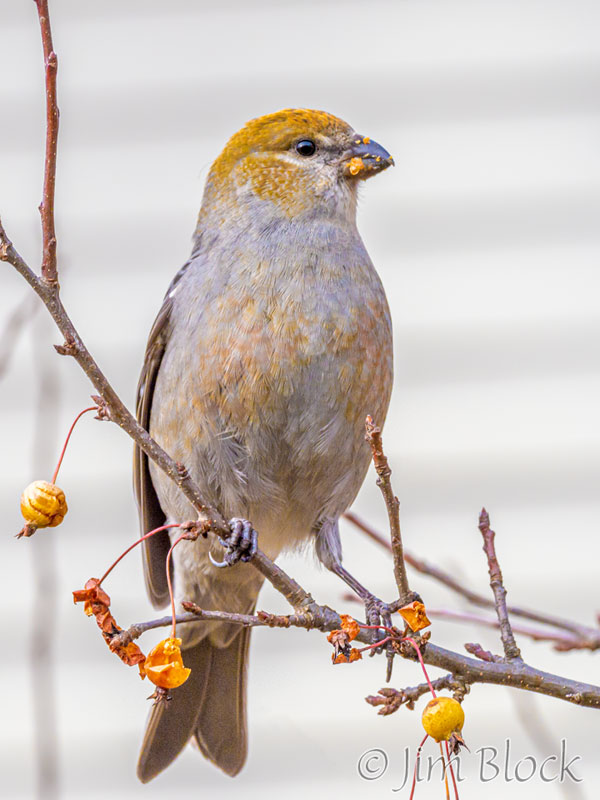
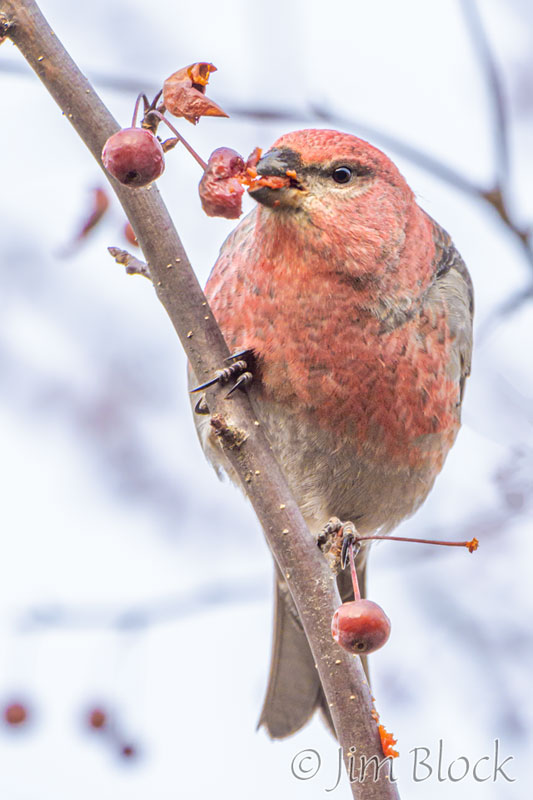
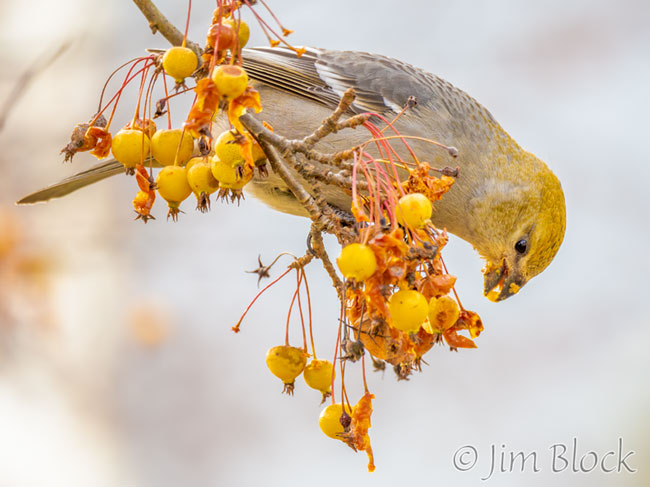
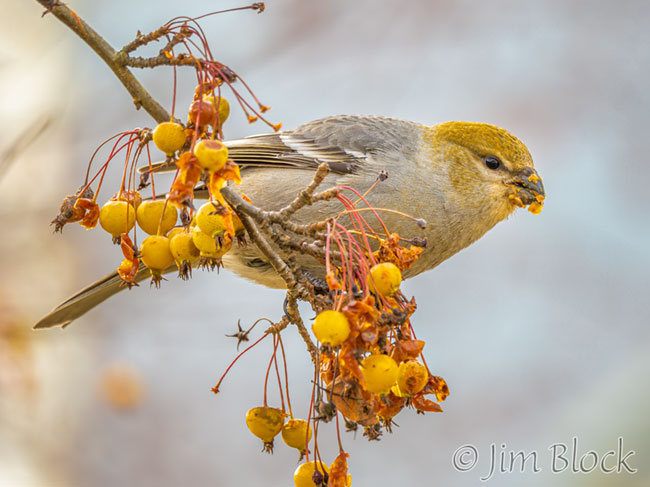
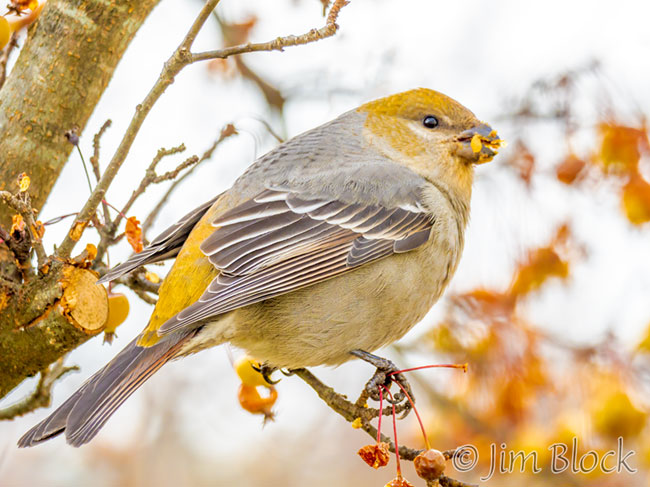
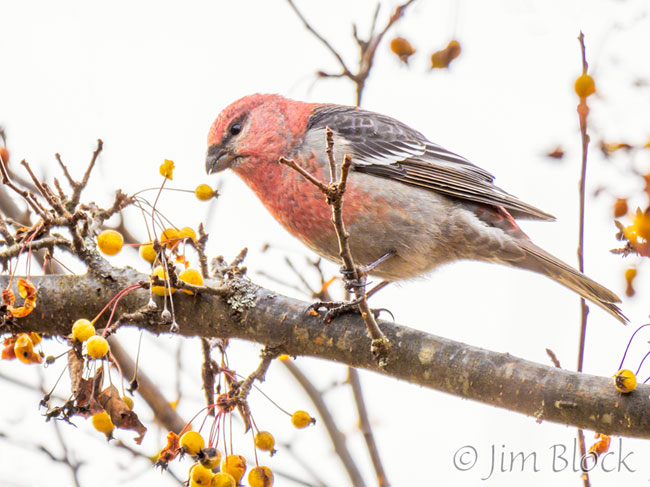
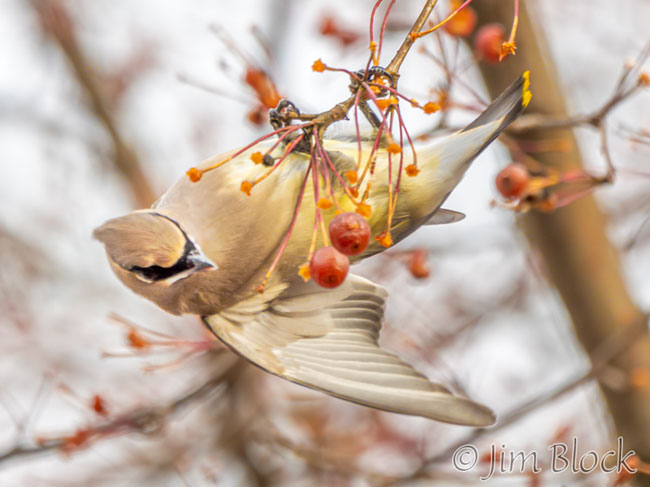
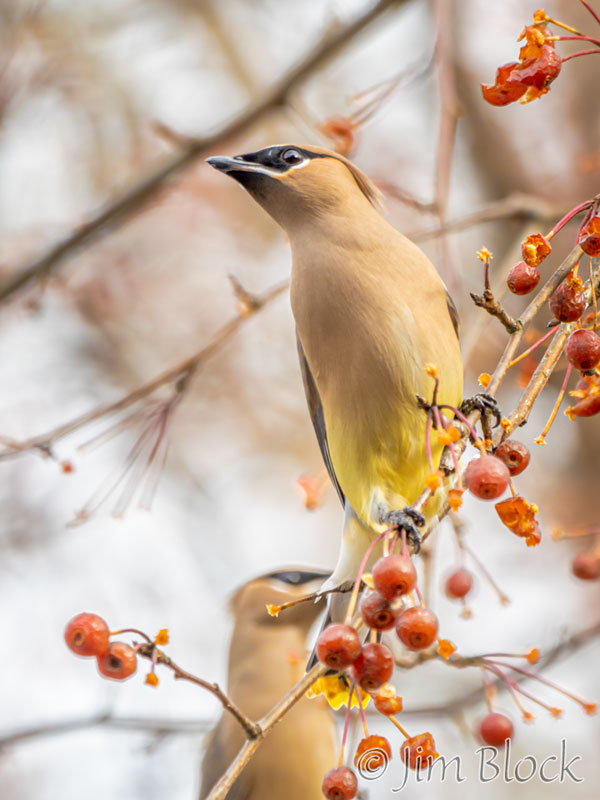
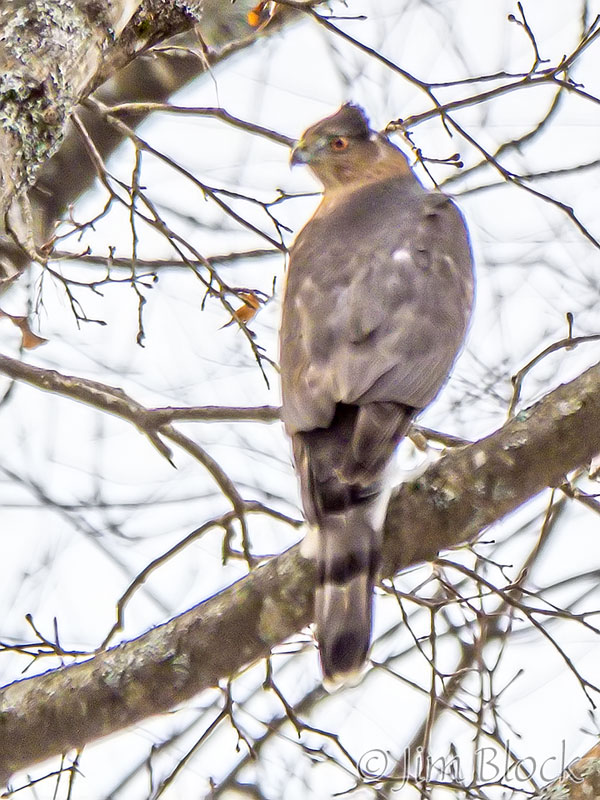
I also photographed some Cedar Waxwings and took a very distant shot of a Cooper’s Hawk.
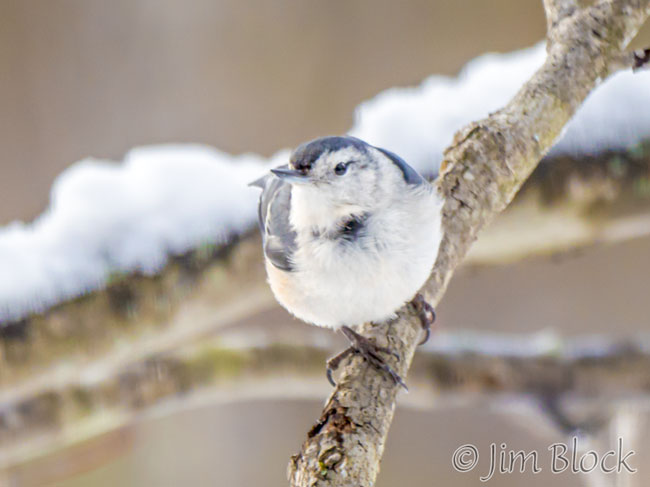
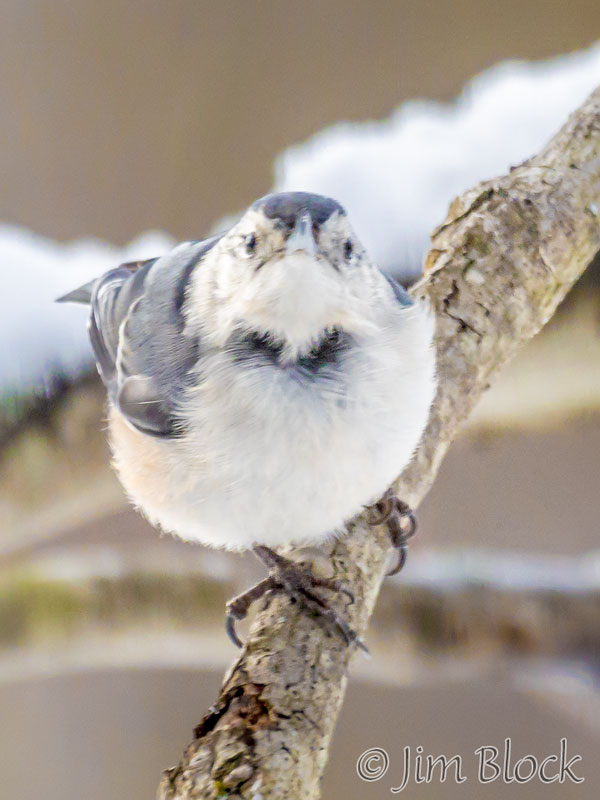
On December 10, we were visited by two unusual birds. One was a White-breasted Nuthatch with a strange black spot on its white breast. Perhaps someone can explain this to me.
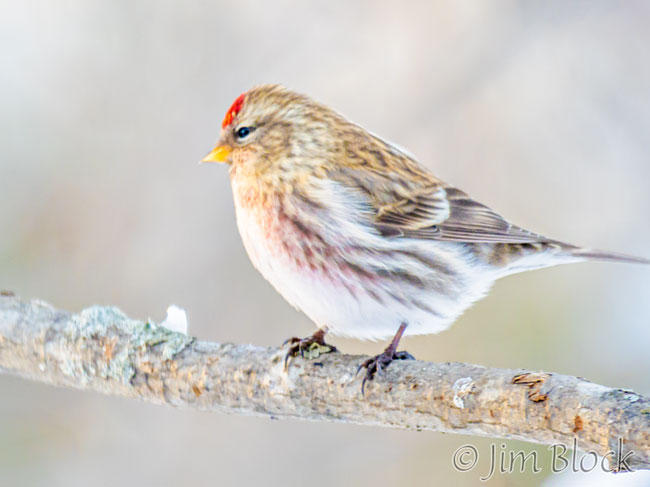
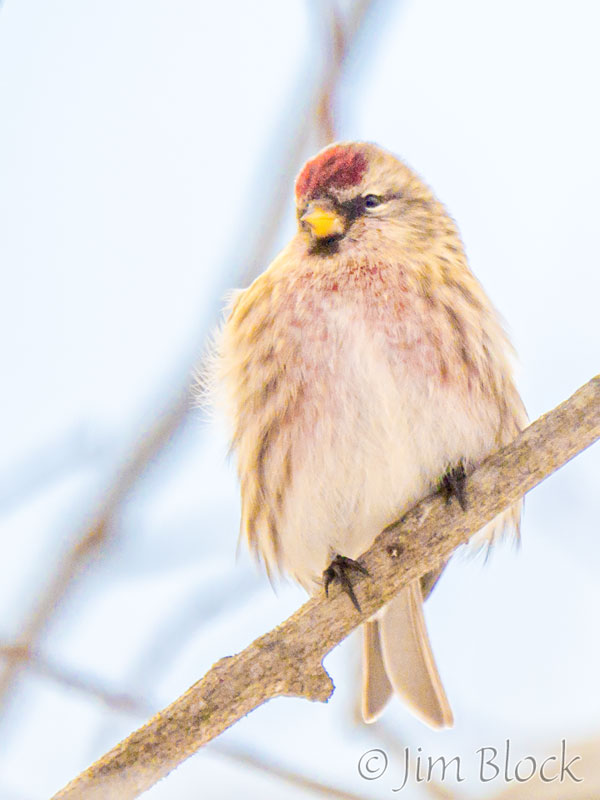
The second was a pair of Common Redpolls that stayed for just a few minutes. A number of years ago we had around 100 in our yard for several months. But this is a rare “interruptive” species that only ventures down from Canada when food is scarce up north.
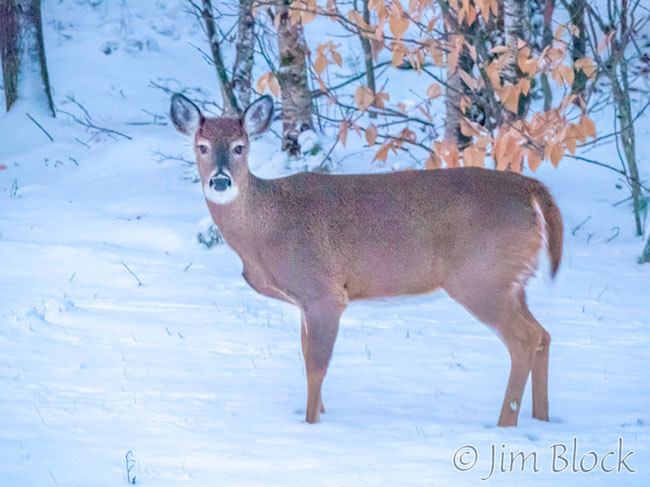
I took two photos 35 seconds apart a bit before 7 am on December 11 — a deer and a sunrise.
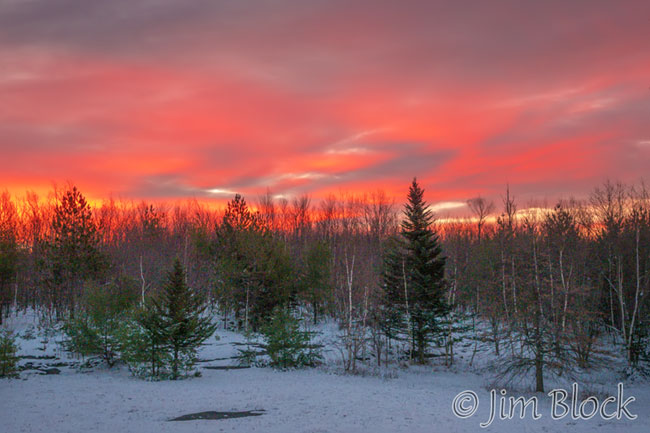
Later that morning we hiked the Silent Brook Trail in Hanover.
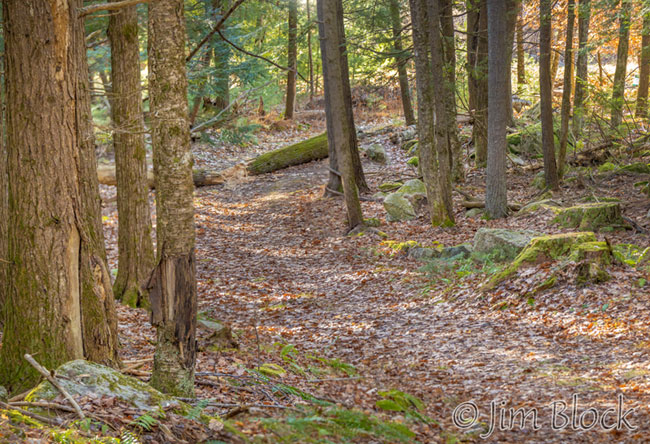
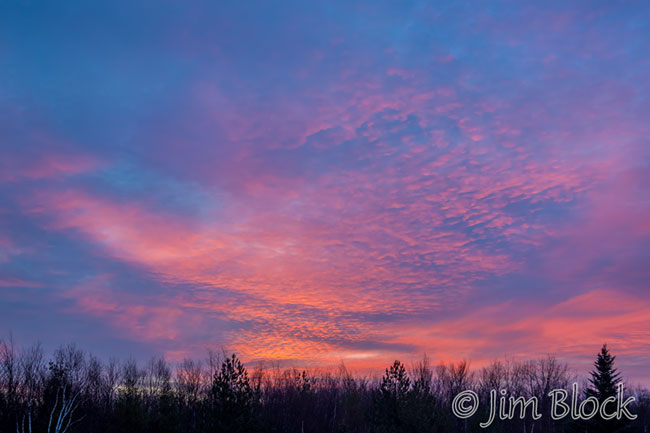
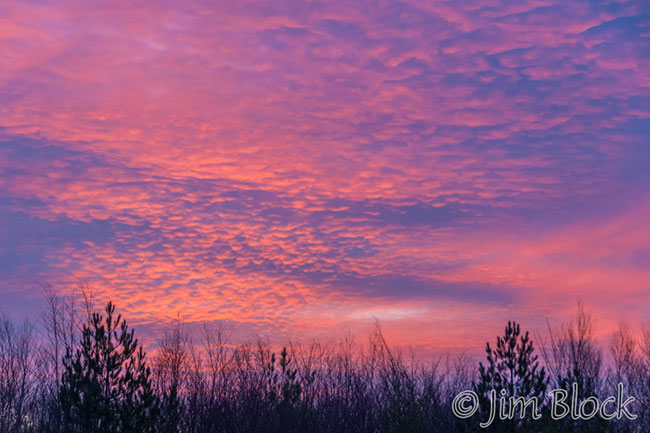
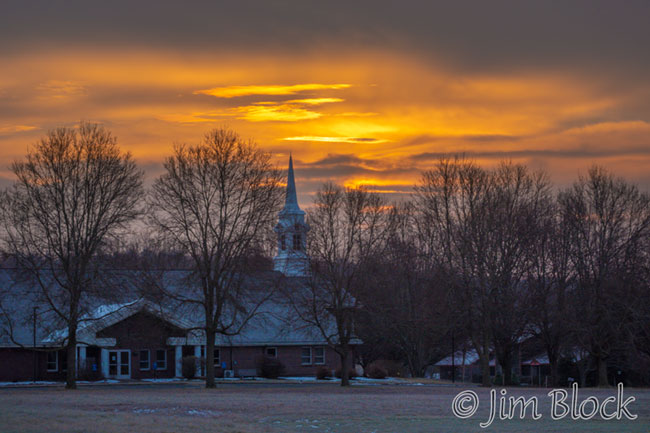
December 12 was an early morning hike at Farnum Hill in Lebanon. But first I had to attend to some sunrise photos.
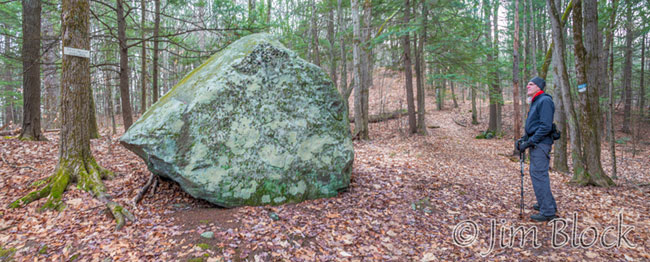
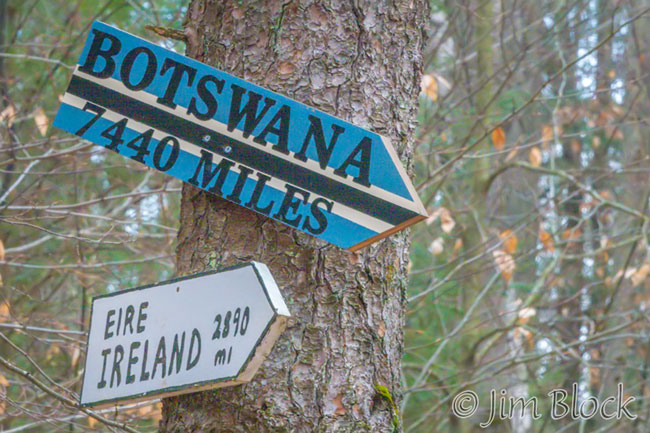
Here are three photos from Farnum Hill. Someone had helpfully installed some signs in case hikers wanted to carry on well past NH.
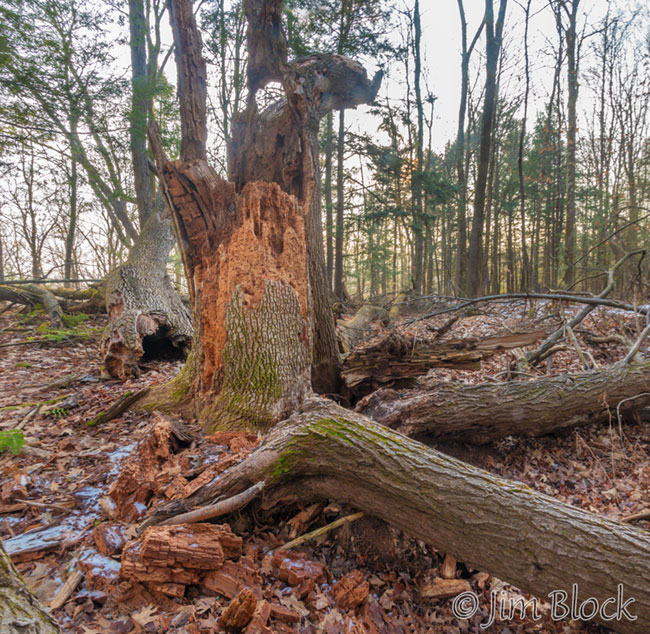
Jann and I hiked around Etna on December 12. I took this opportunity to photograph some small “scenes”.
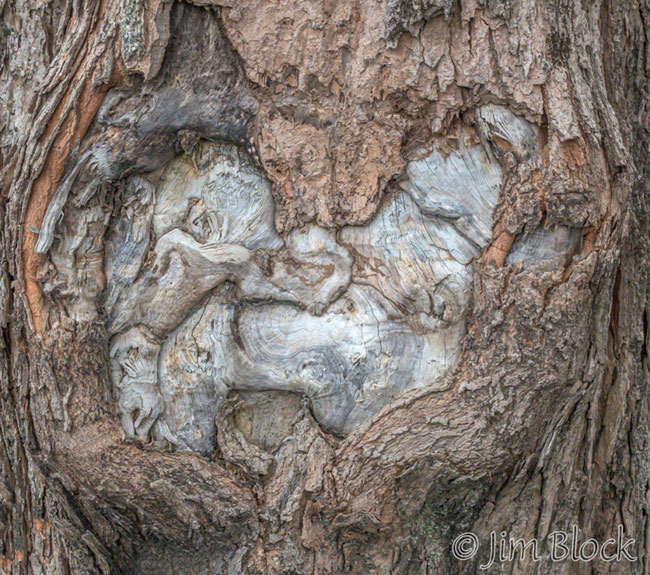
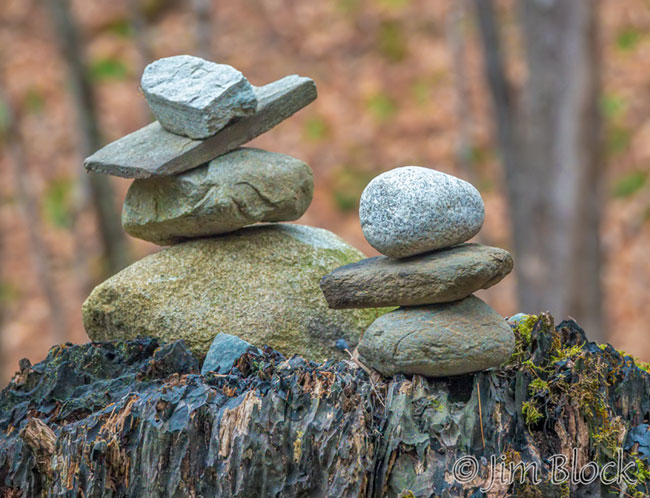
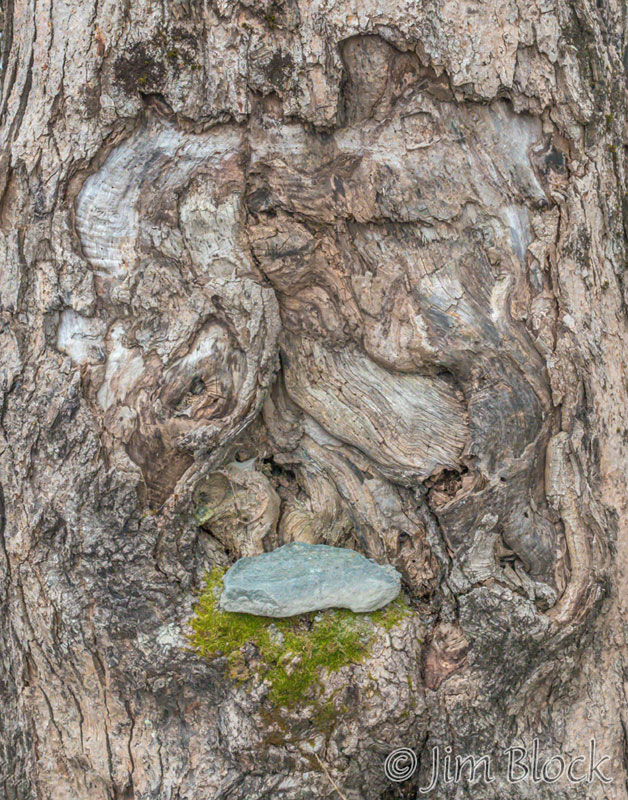
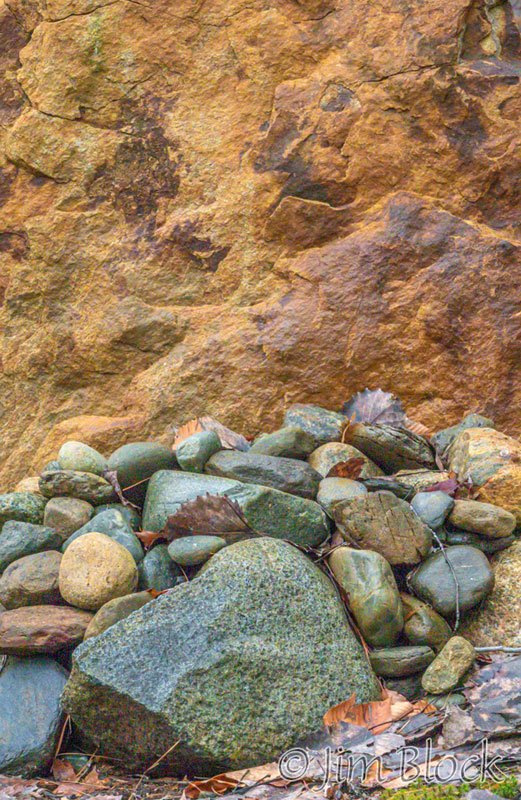
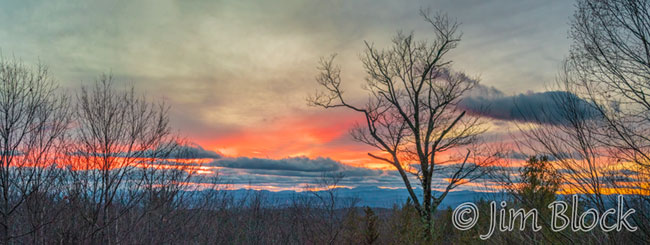
The sunset on December 13 was nice.
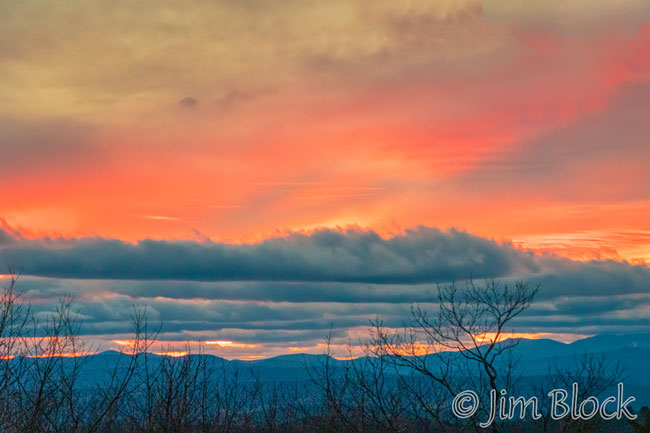
On the last day of the first two weeks of December 2020, a friend and I hiked up to the South Peak of Moose Mountain. It was surprisingly icy. I wished I had taken my spikes that I carried needlessly on Farnum Hill but foolishly took out of my pack for this hike. On the way down, I was sure glad I had my poles or, as the Sherpas in Nepal called them, sticks.
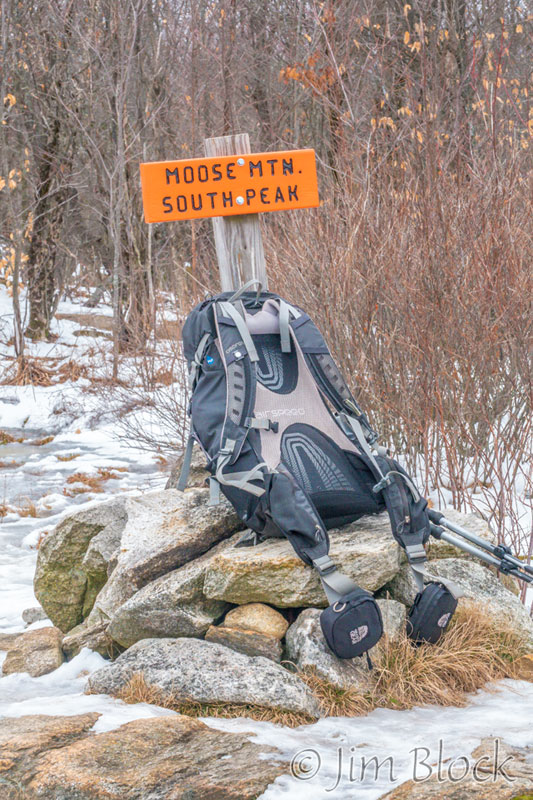
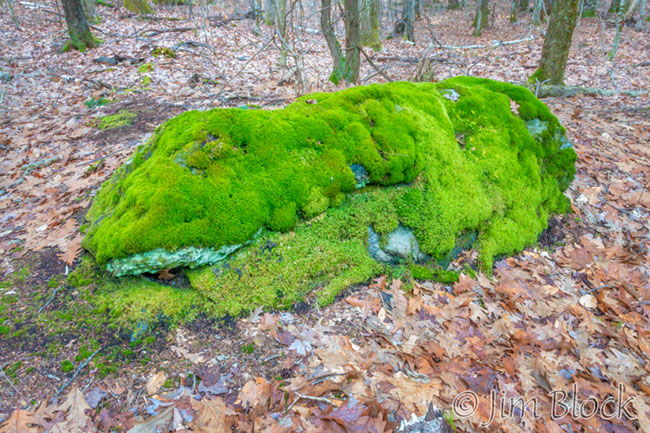
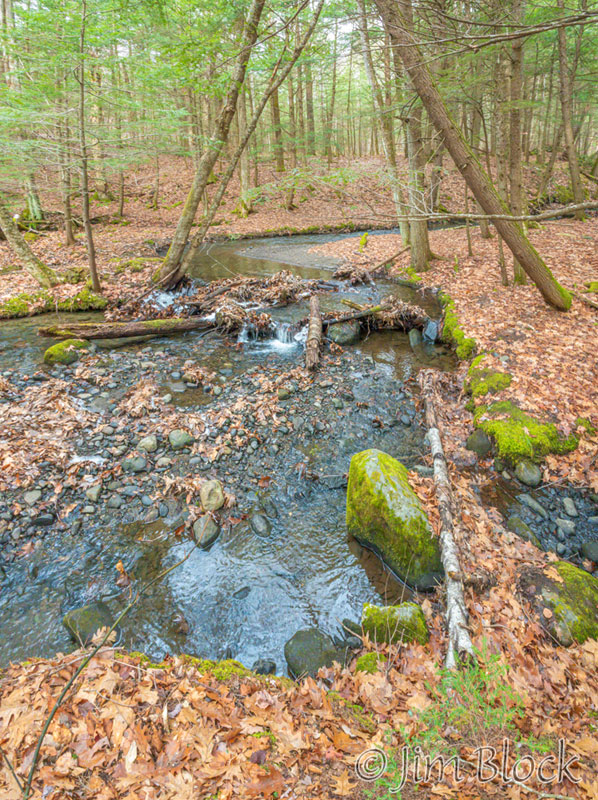
Near the end of our hike and the end of the first two weeks of December, we came upon this sign.
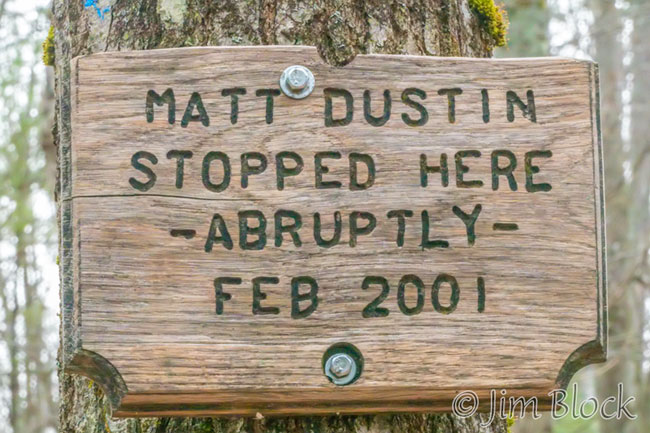
I was curious so I did some searching. I’m guessing Matt was skiing and hit a tree here. This is something I did many years ago coming down from South Peak with Jann on xc-skis along a very icy trail. Not a great way to stop.
In any case, I believe Matt survived and is currently a Paramedic in Gorham, New Hampshire. From 1983-2010 he was a back country ski guide and mountain host at the adjacent Moose Mountain Lodge in Etna that was run by my friends Kay and Peter Shumway.
If you missed them, you can see photos from the Second Half of November HERE.