Iyok Ami, San Gerardo, and Mirador Torres
We had a lot of ups and downs the next 48 hours. Specifically we bounced up to over 9,000 feet; then down into a valley in rain, fog, and darkness along a very steep, narrow, curving road with Luis the van driver and Gil both wiping the condensation off the van window ever minute; then back to almost 12,000 feet and then down to sea level a few hours later.
We stopped at a great lunch spot and hiked in the rain, spent two nights at a supposed 4-star hotel that was by far my least favorite of the trip, photographed a Resplendent Quetzal pair in the early morning darkness, and spent an afternoon in our rooms while hard rain fell.
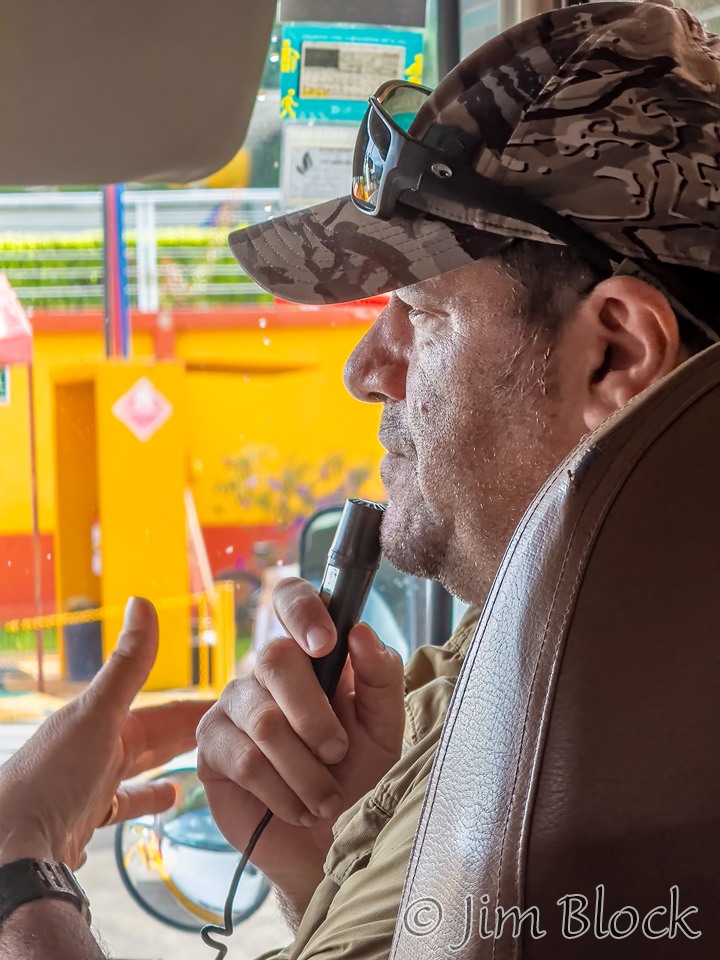
We departed the wonderful resort that is Rancho Naturalista after a great breakfast and Gil resumed his informative talks on the life, culture, and environment of Costa Rica. Although he has spent a few years in the Boston area, he plans to live in Costa Rica for the rest of his life.
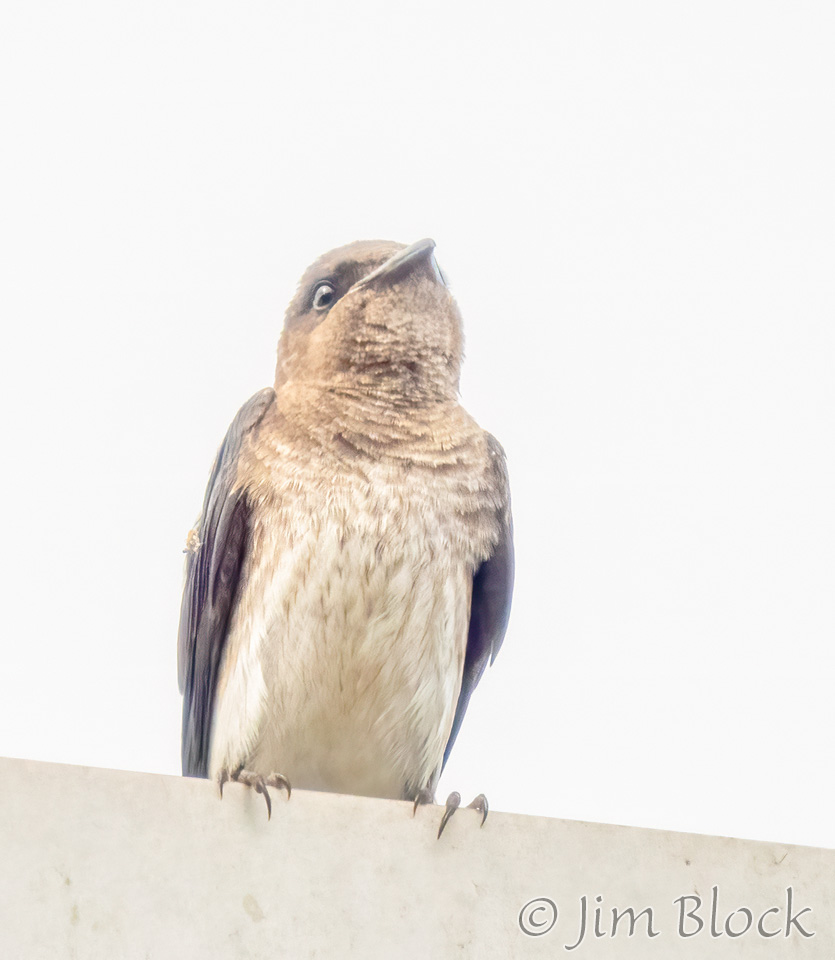
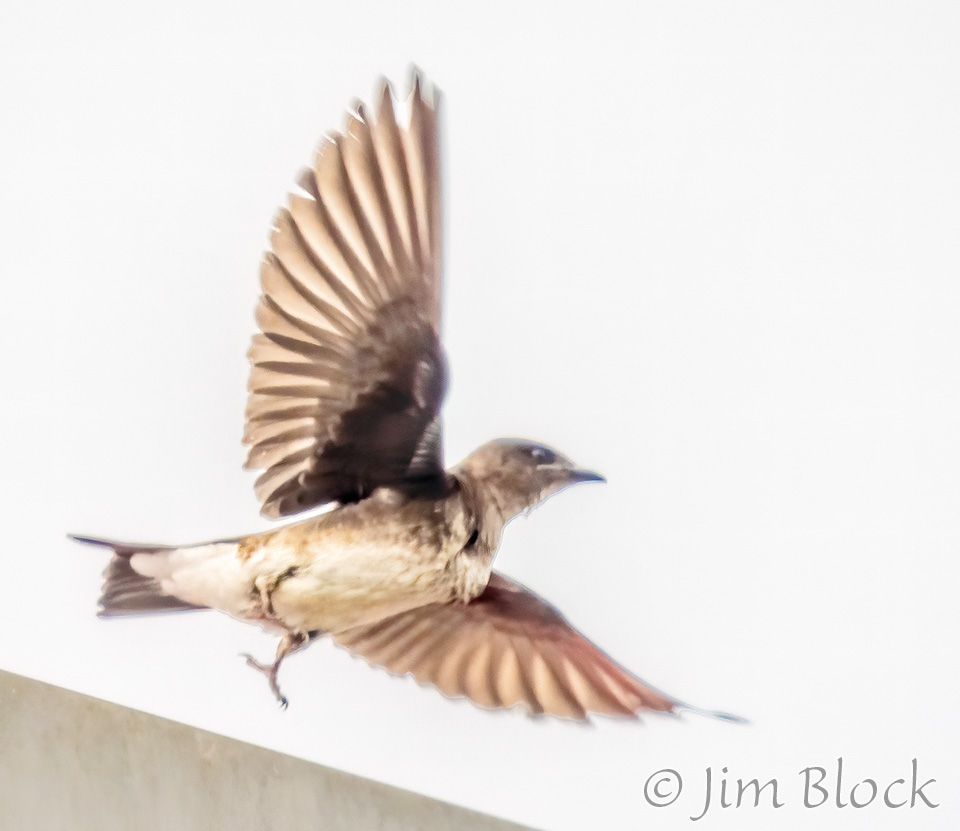
We stopped for gas and I photographed a Gray-breasted Martin out the bus window. It was the only bird I would photograph this day when it was not raining — sometimes lightly, sometimes fairly hard.
In Cartago we visited the Basílica de Nuestra Señora de los Ángeles otherwise known as the Basílica de los Ángeles.
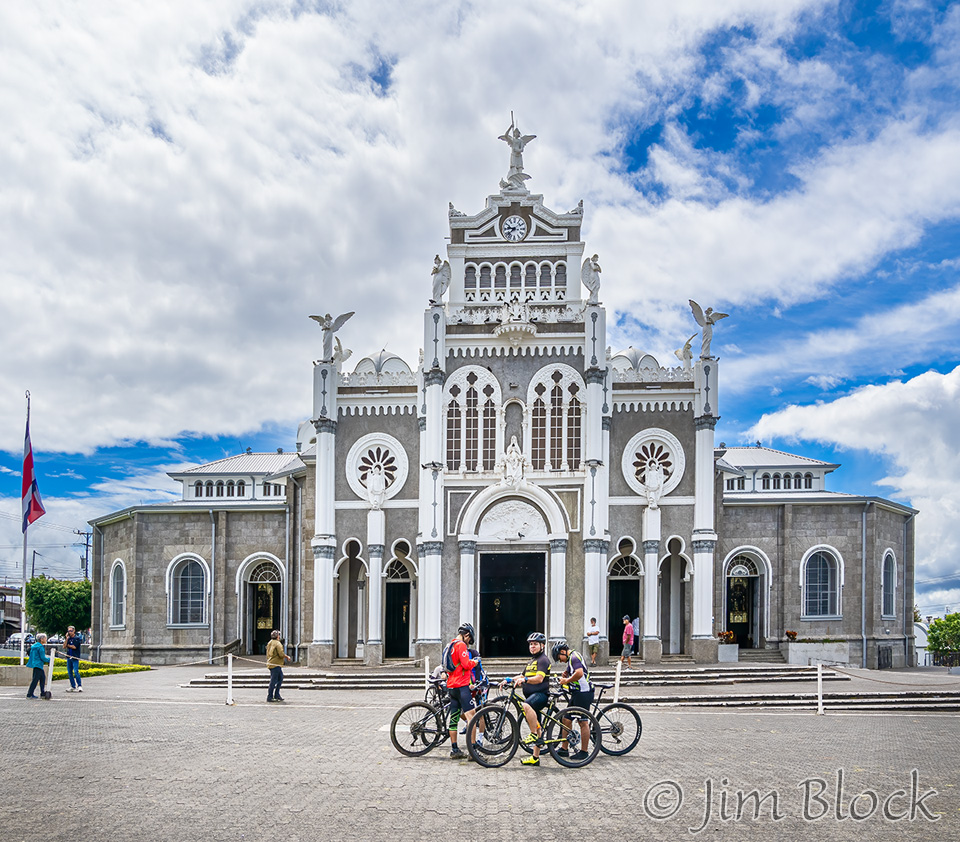
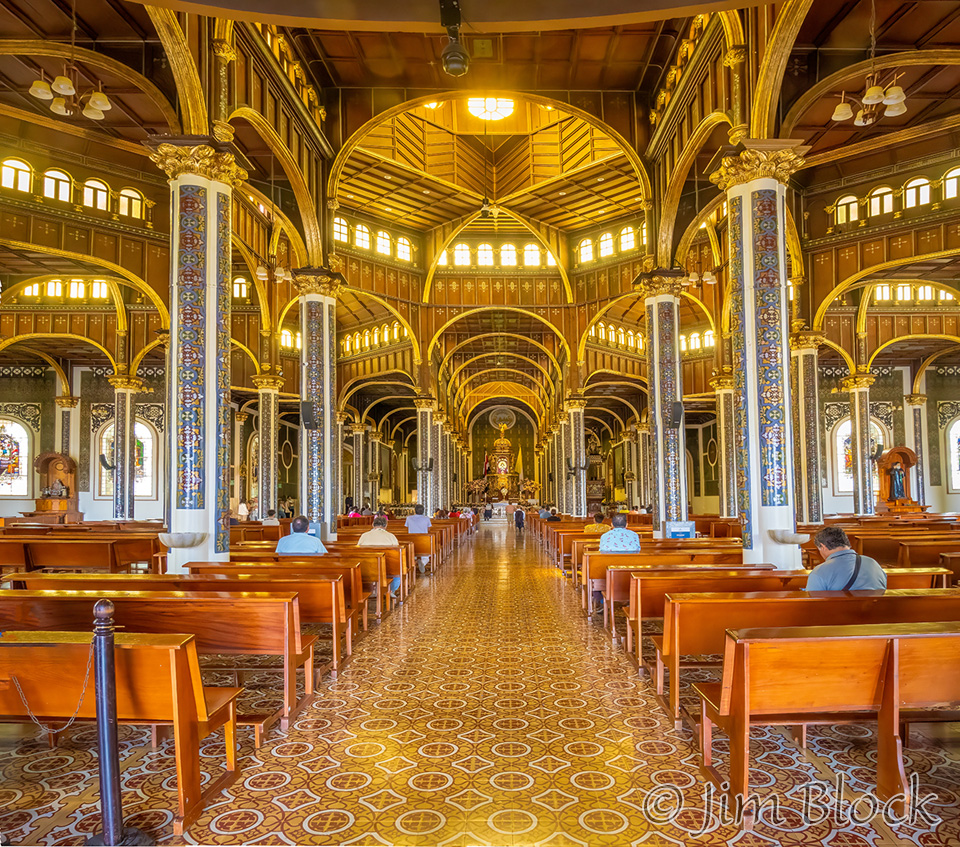
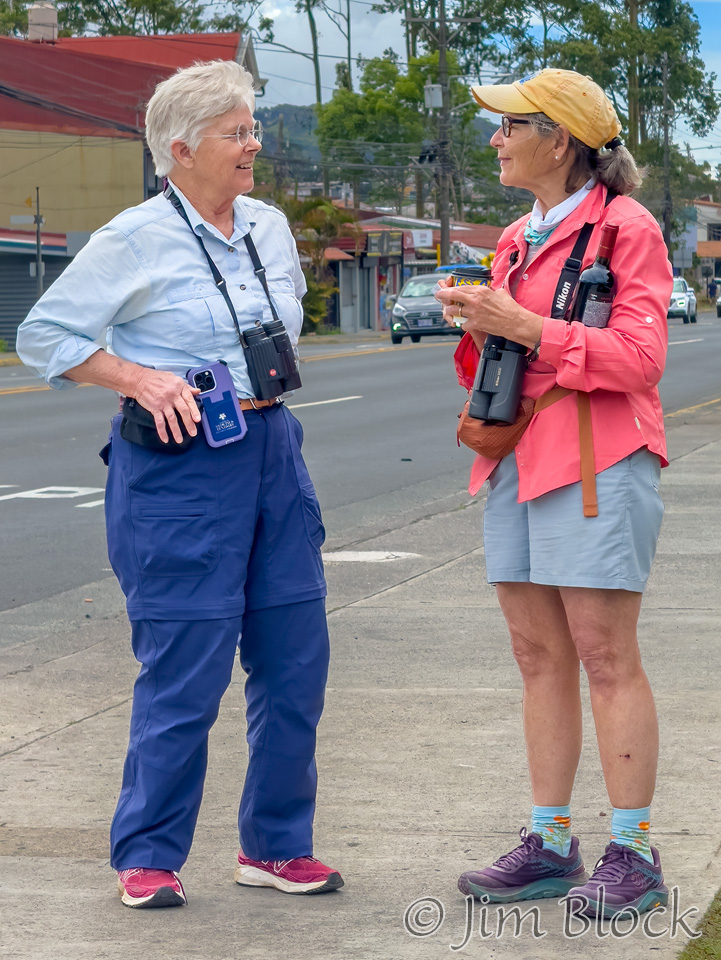
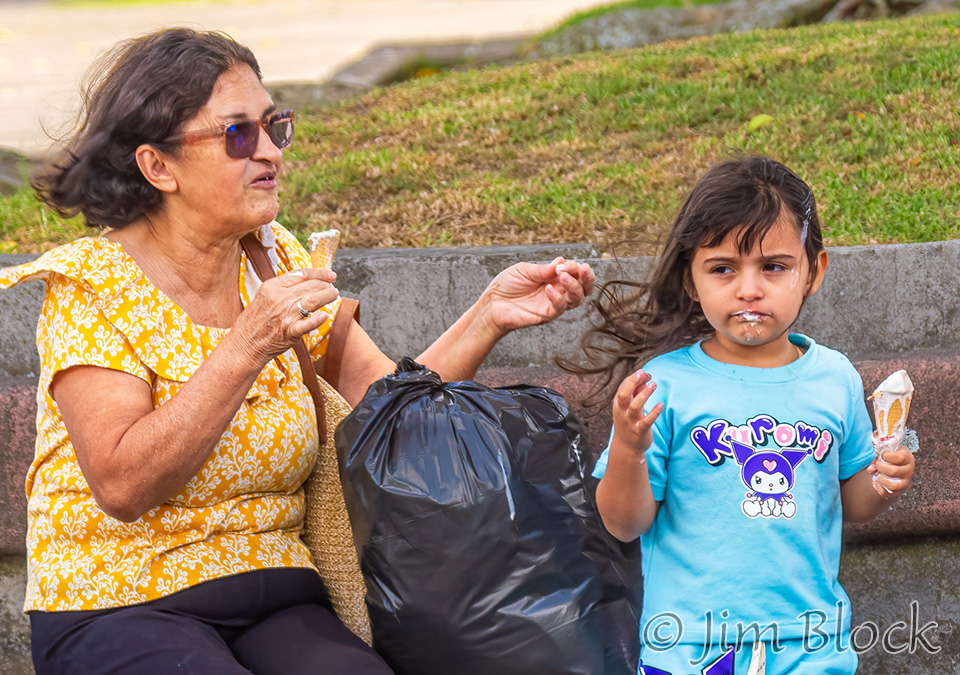
It was an impressive place but I spent much time photographing people on the street, including Martha and Judy.
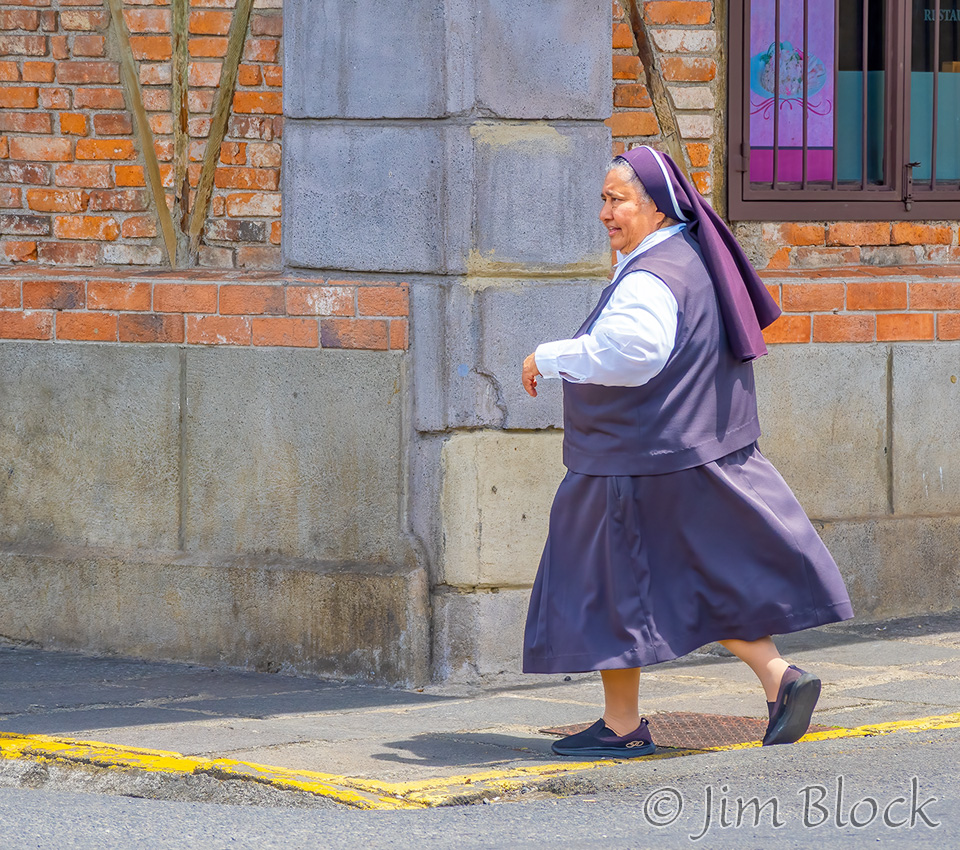
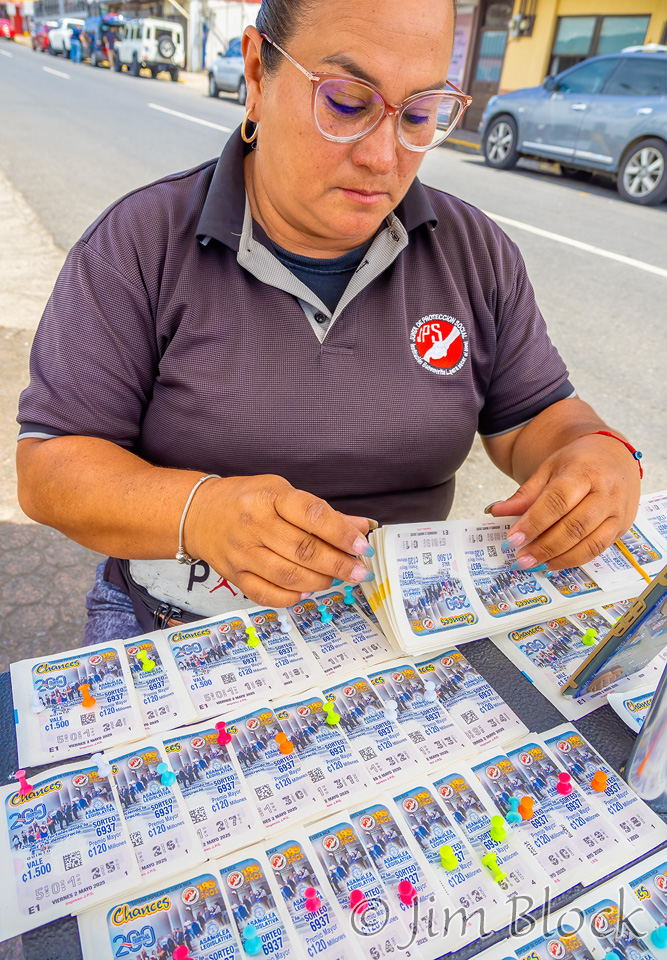
This woman was selling national lottery tickets. Apparently winners get to keep the money tax free.
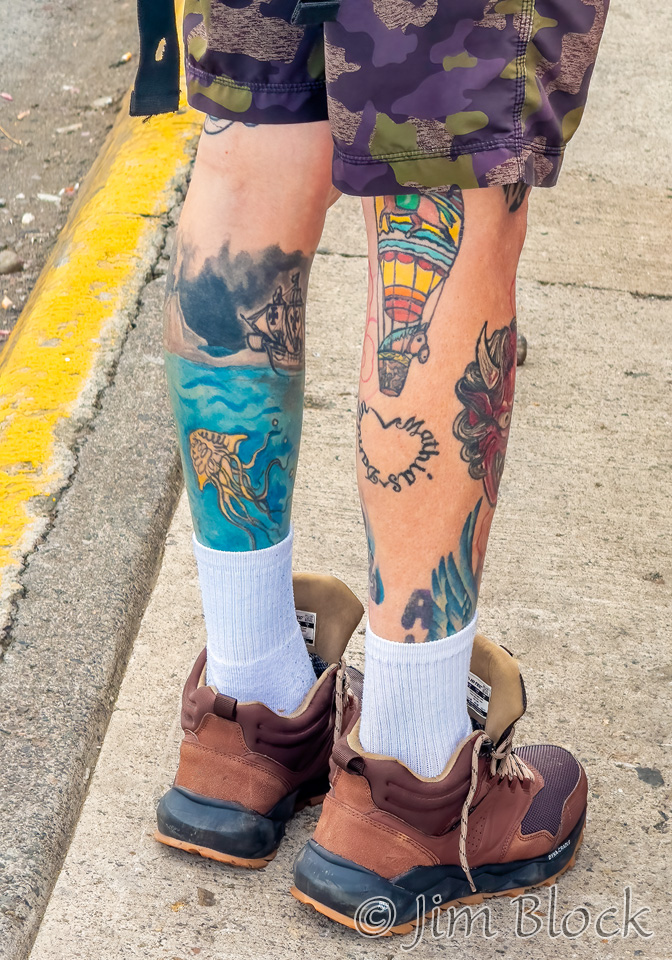
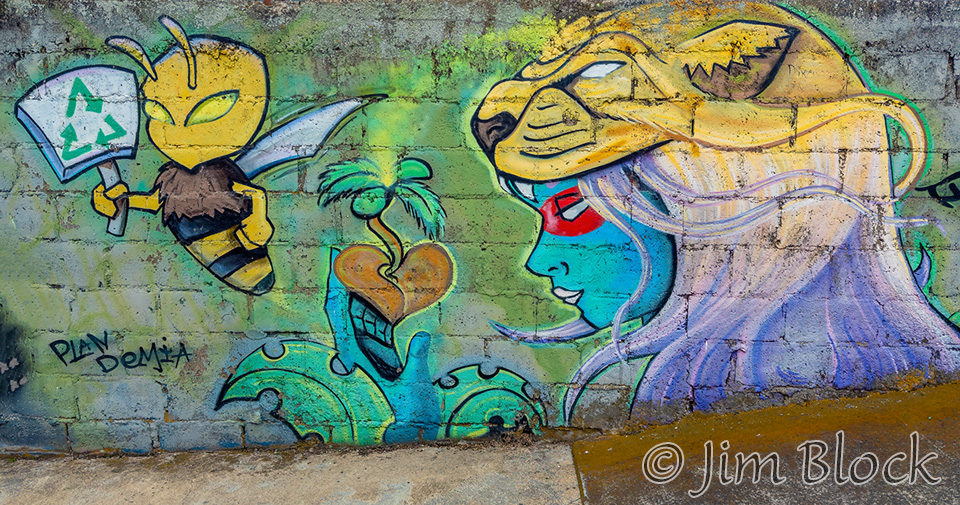
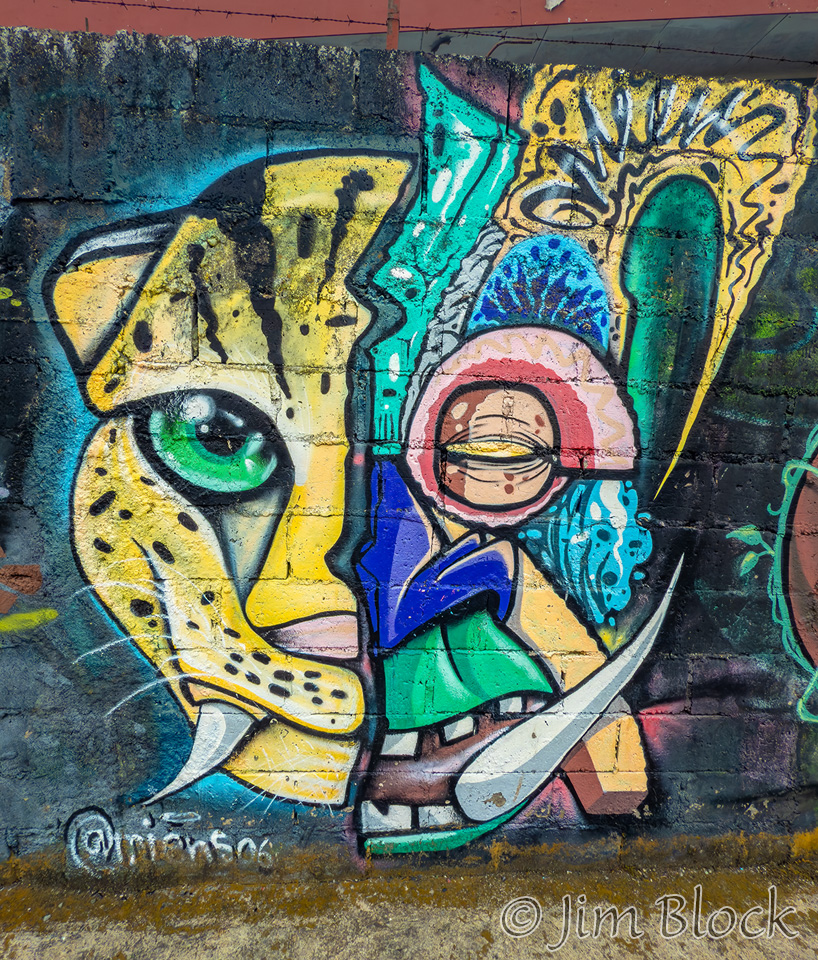
Other sights intrigued me also.
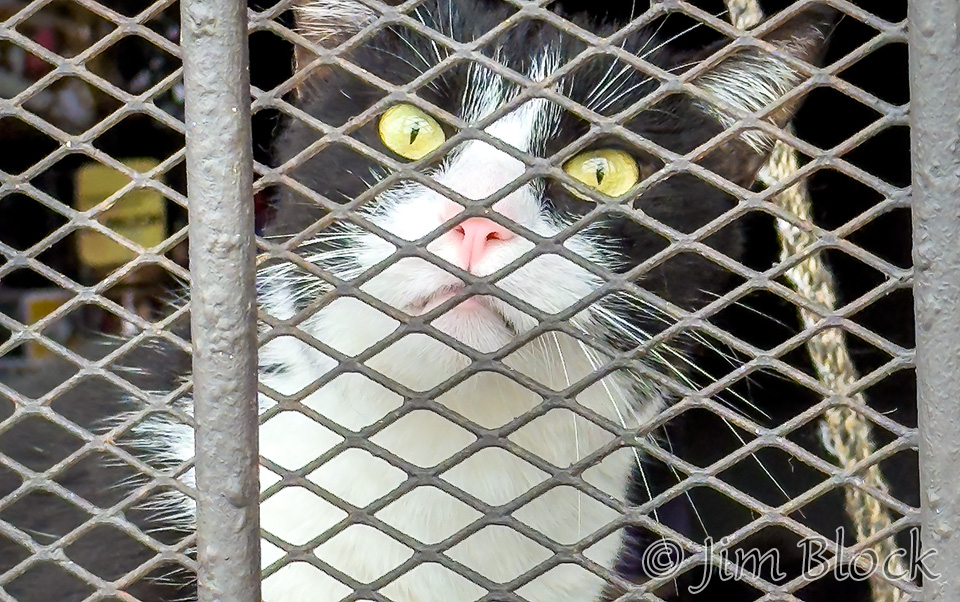
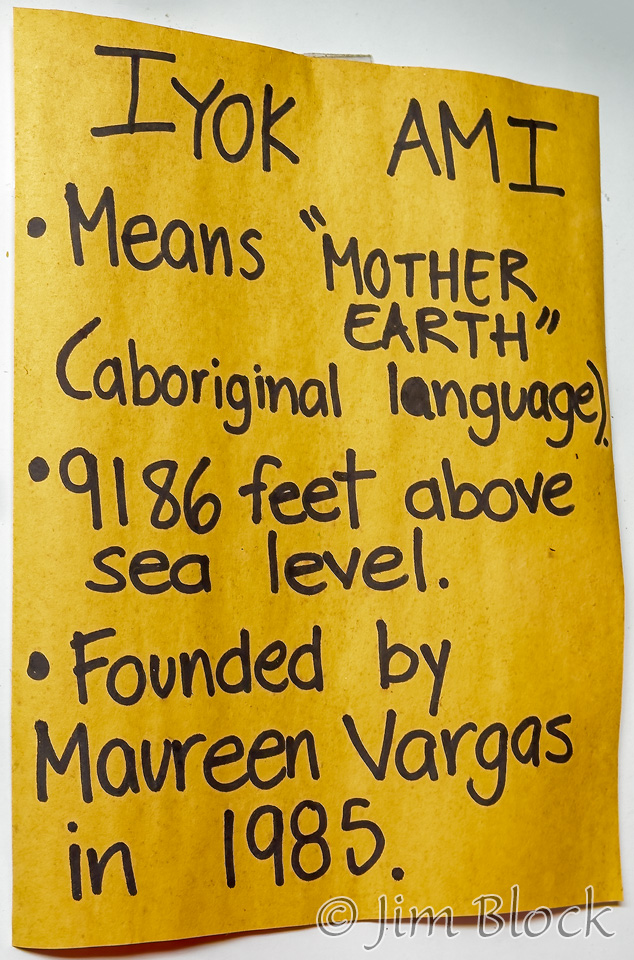
Lunch was at a beautiful family-owned nature resort, Iyok Ami.
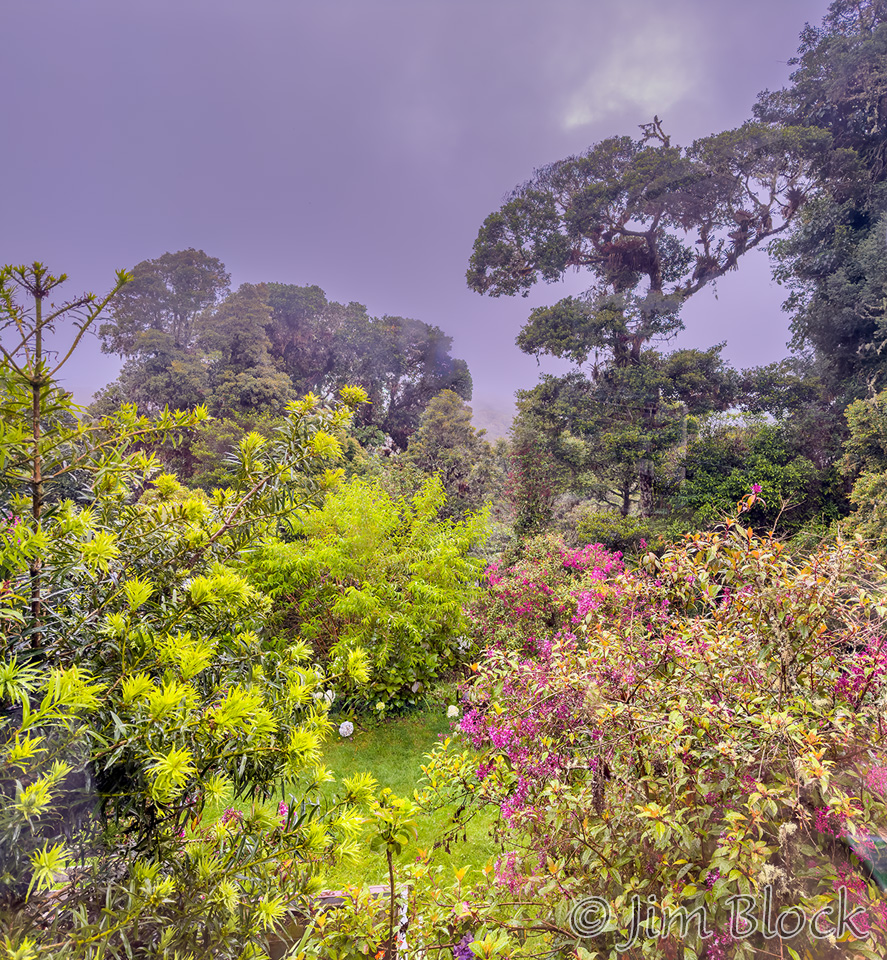
The view through their dining room window of a tiny piece of their extensive trail-filled property showed signs that rain was coming.
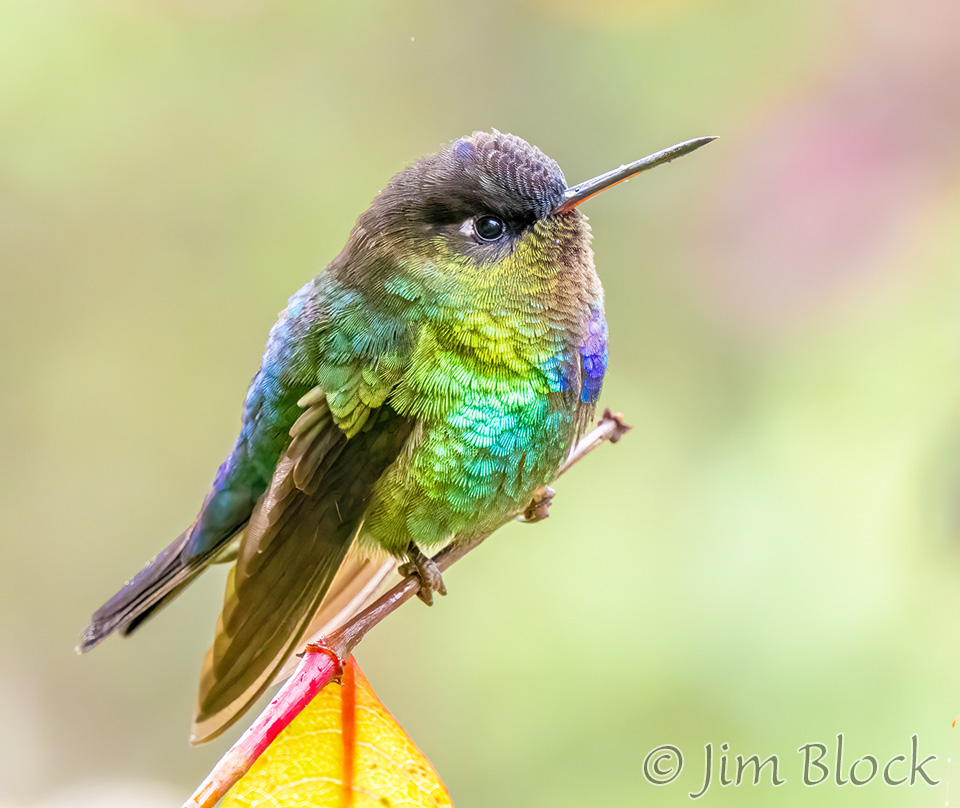
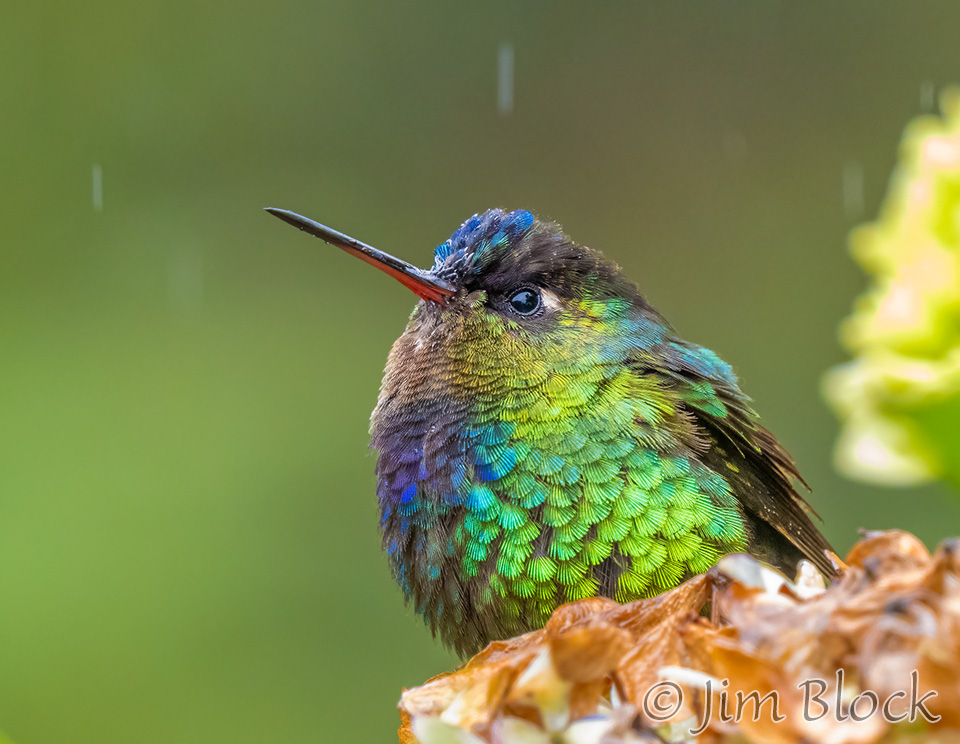
I walked down into the yard and took photos of a Fiery-throated Hummingbird up close. It was starting to rain lightly.
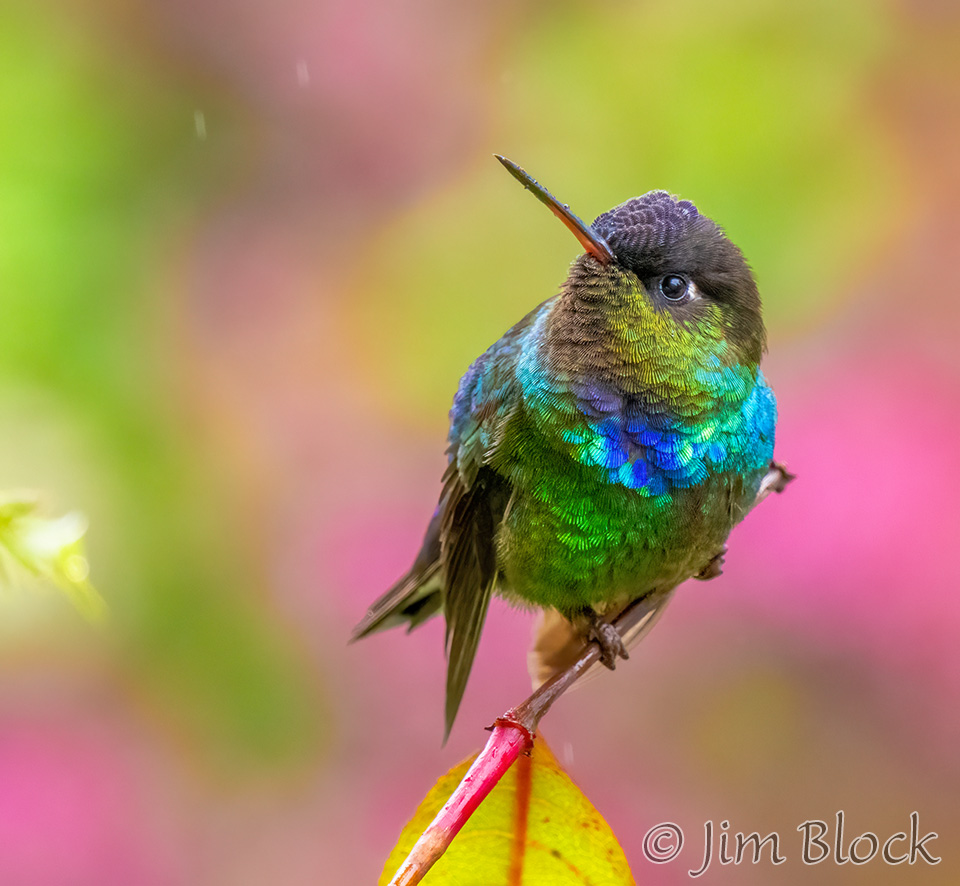
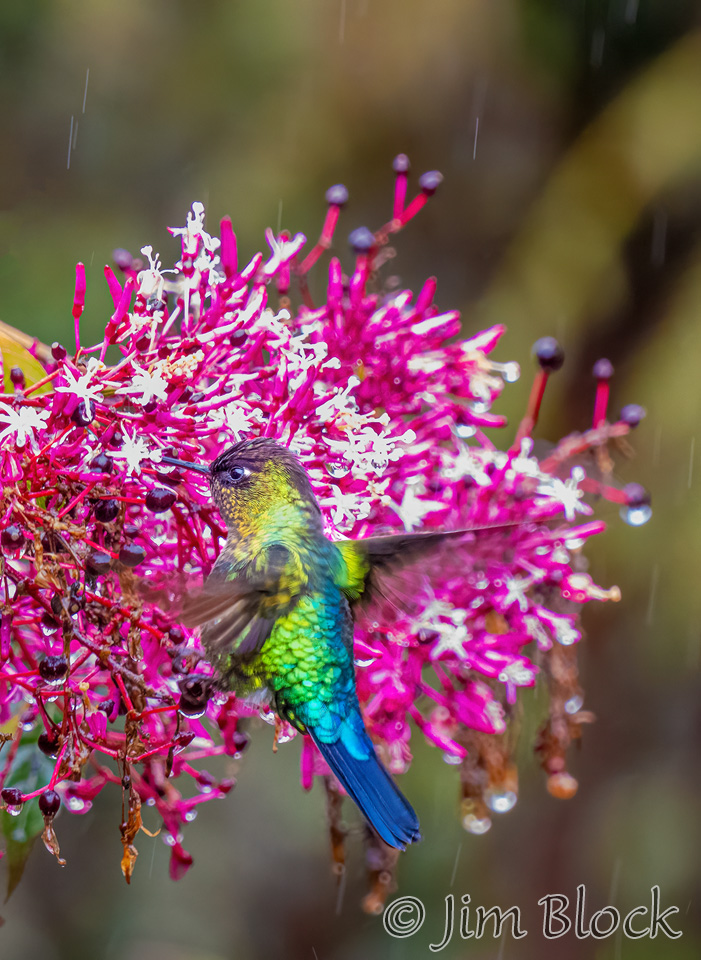
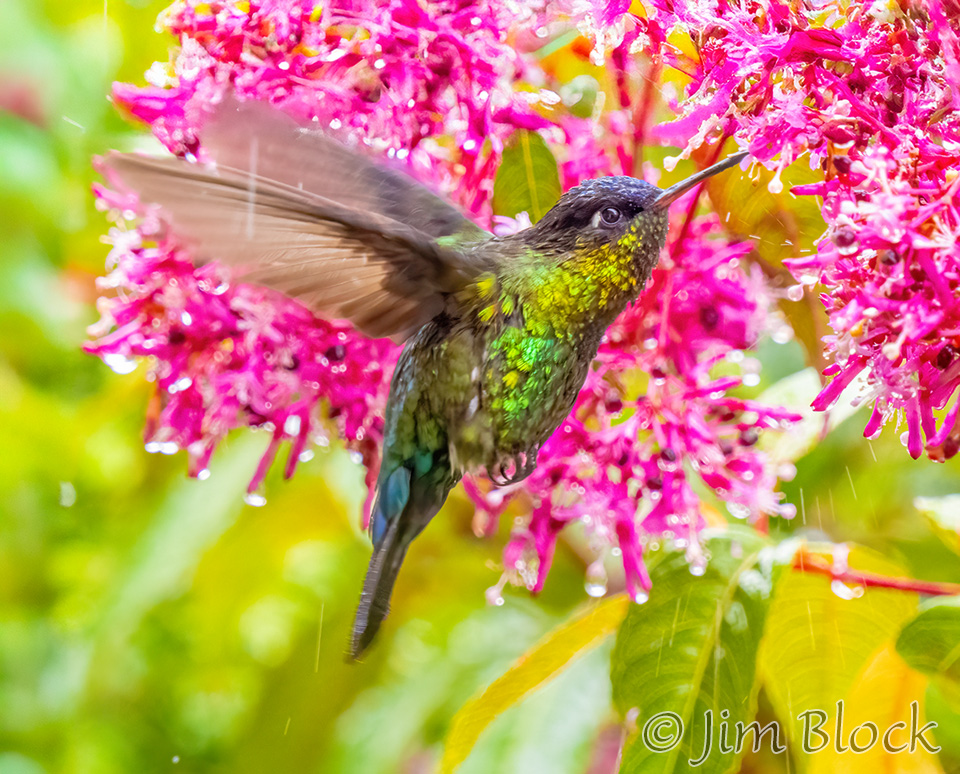
Then to prove how close I could get I took this photo with my iPhone.
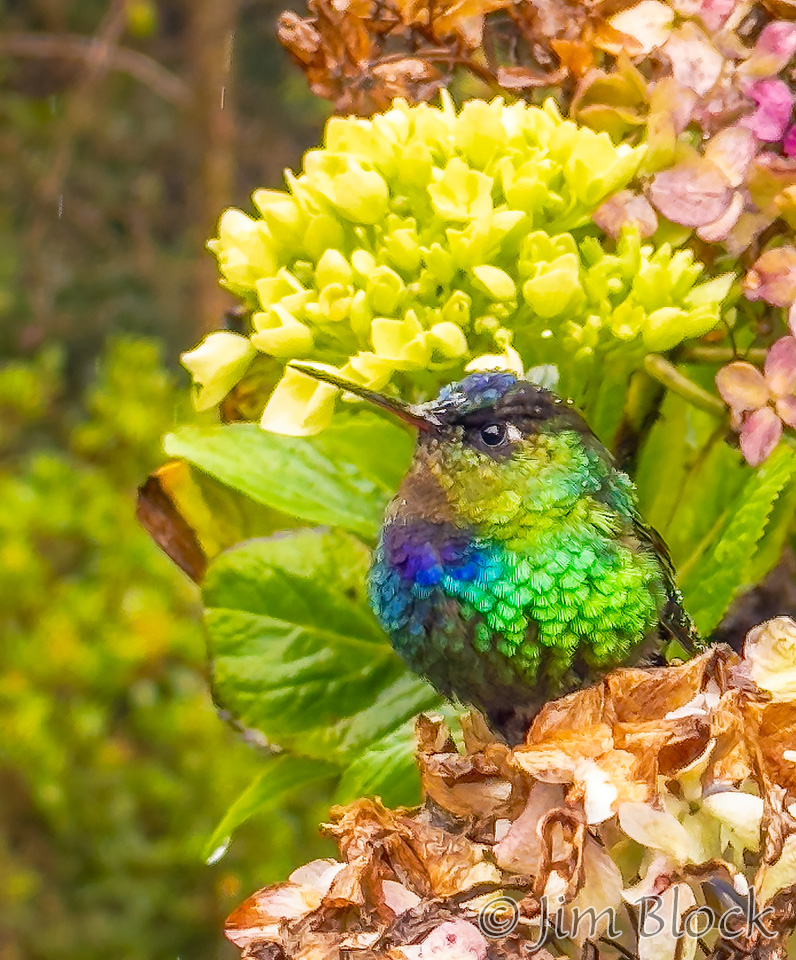
Here is a similar photo with my long lens. Note that the much smaller sensor of the phone results in greater depth of field.
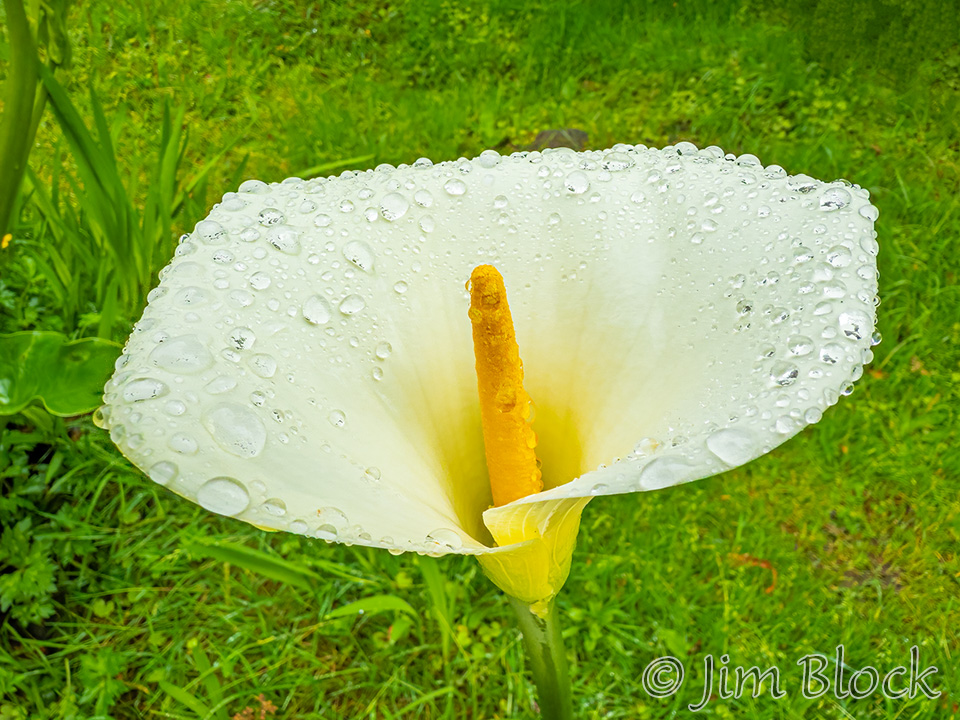
The water was beading up on the plants in the gardens.
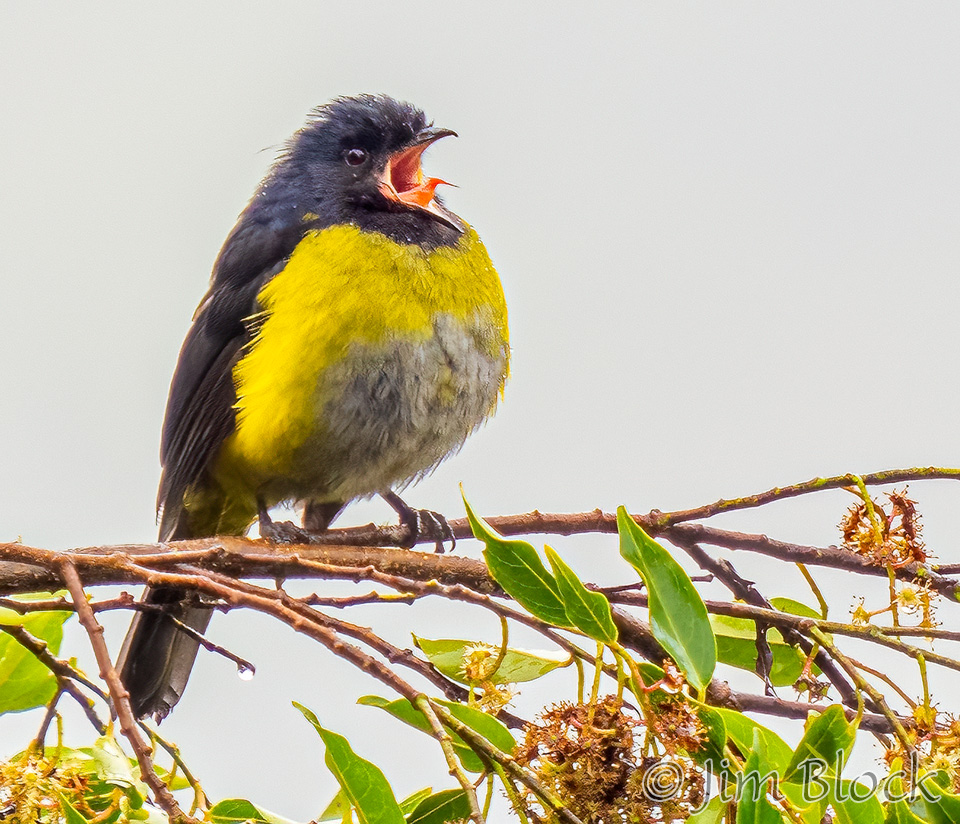
I spotted a Black-and-yellow Silky-flycatcher from the deck just outside the dining room.
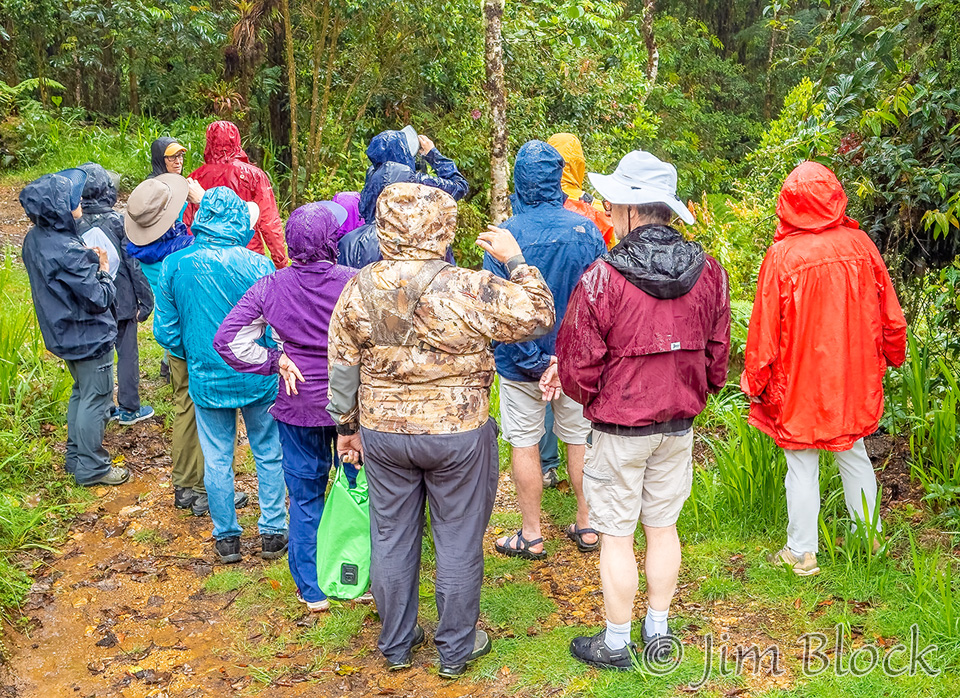
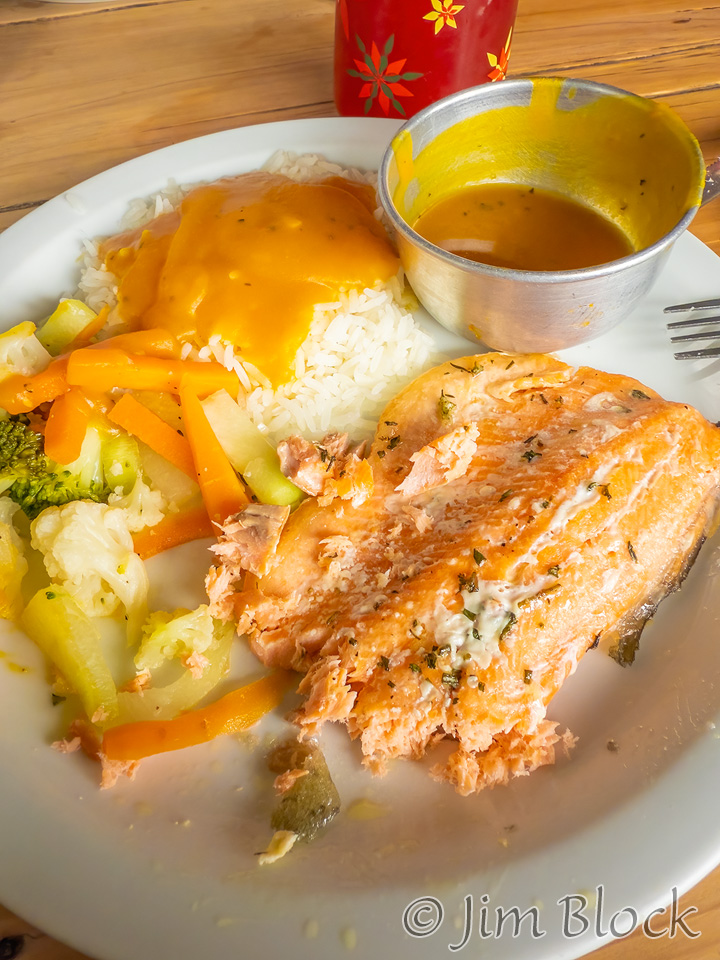
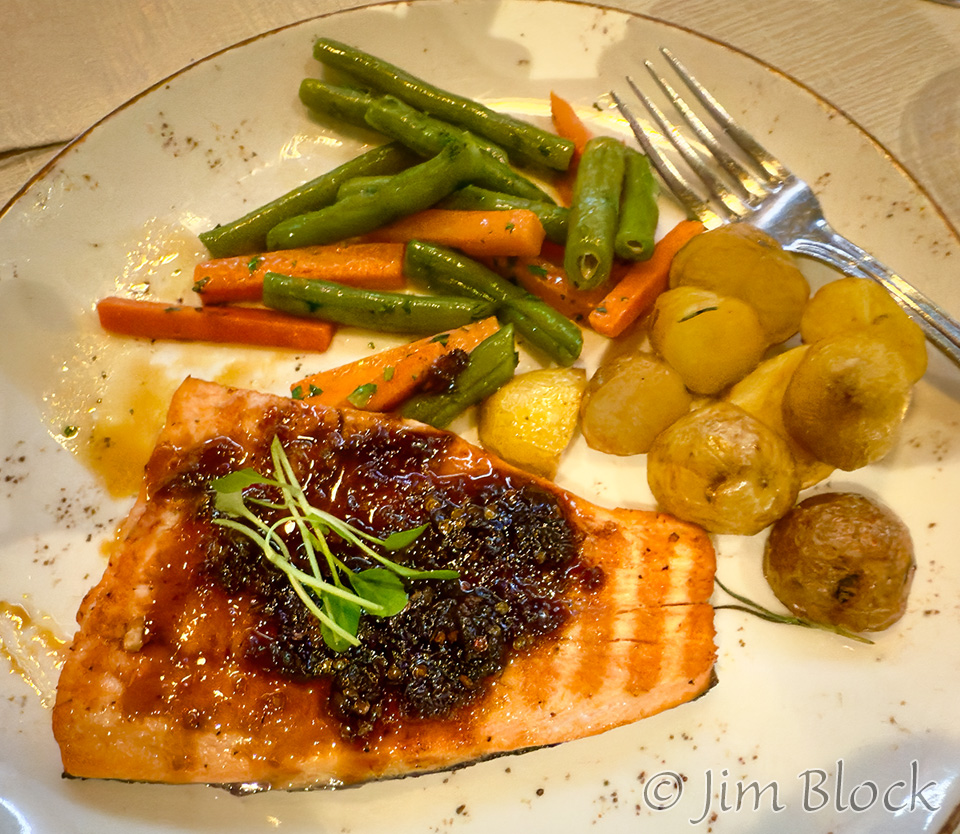
We ordered lunch; I chose rainbow trout. Their property has an extensive trail system that we decided to explore while lunch was prepared.
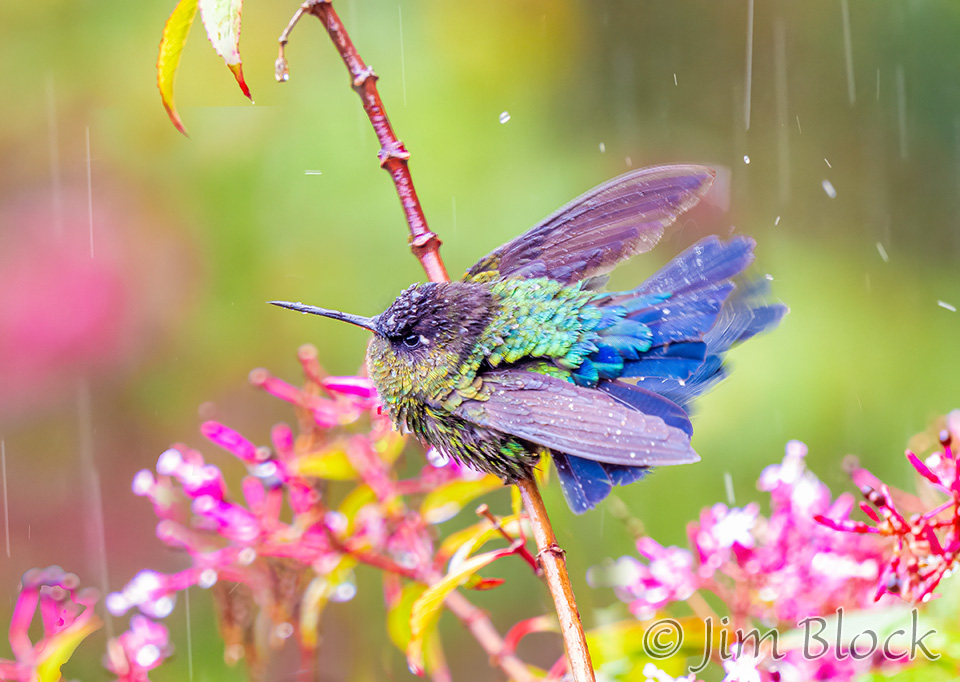
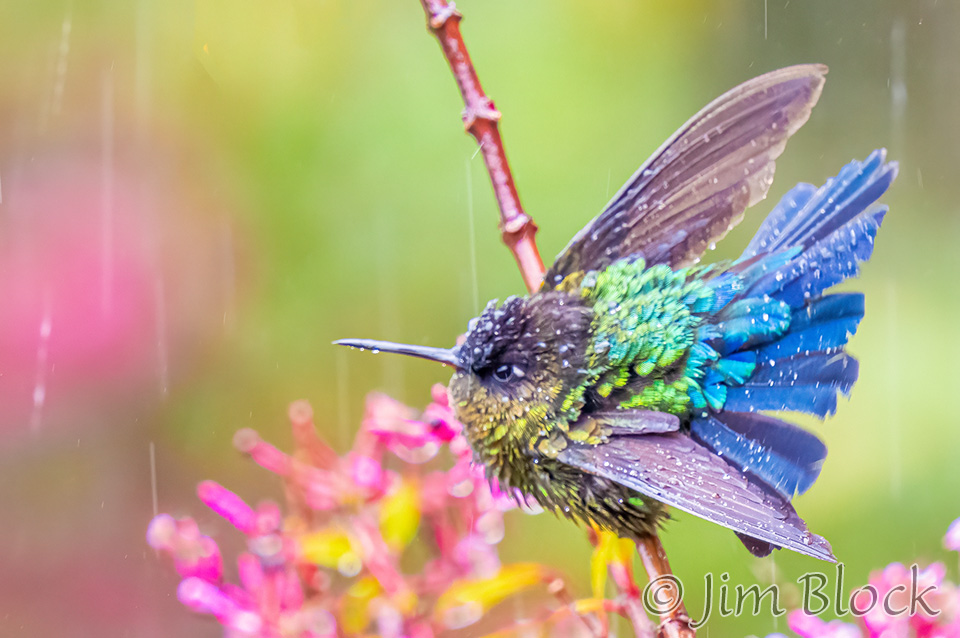
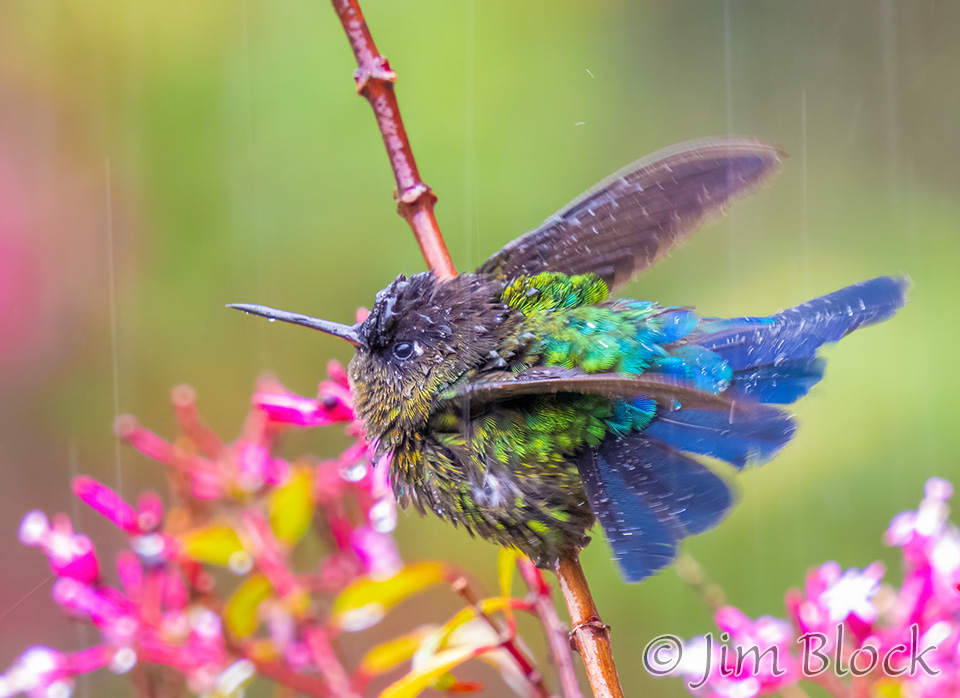
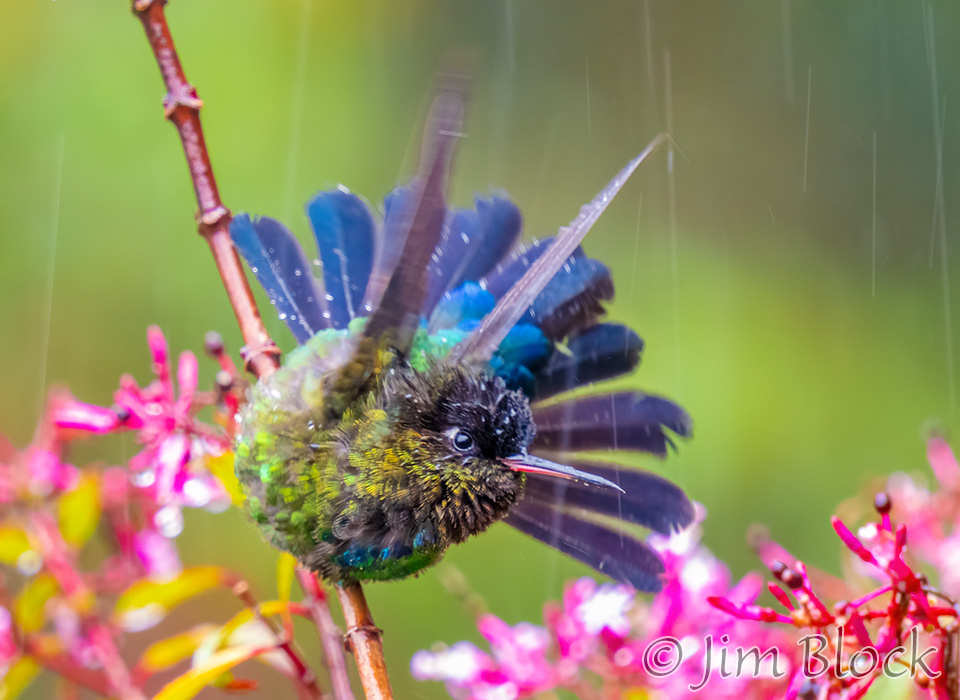
But it started to rain fairly hard so I turned around and photographed hummingbirds from the dining room. A Fiery-throated Hummingbird sat just below a small deck and shook off the rain frequently. I enjoyed photographing it with a variety of shutter speeds, some down to 1/40 sec.
We had a great lunch, thanked our hosts, and headed to the San Gerardo valley.
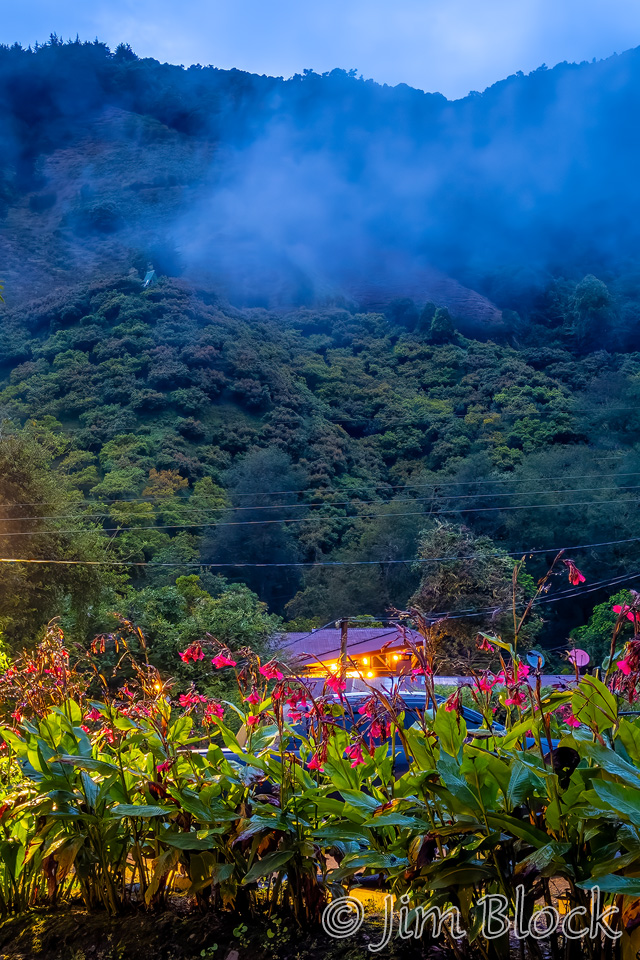
It was a scary ride down into the valley in rain, fog, and darkness along a very steep, narrow, curving road with the van driver and Gil both wiping the condensation off the van window ever minute.
When we finally arrived I got this photo while walking from my room to dinner.
We would spend two night at the Savegre Hotel. It had beautiful grounds, many hummingbirds, and a huge dining room, part of which is shown below. And its main feature was its location in the area of Resplendent Quetzal, a trophy bird for many.
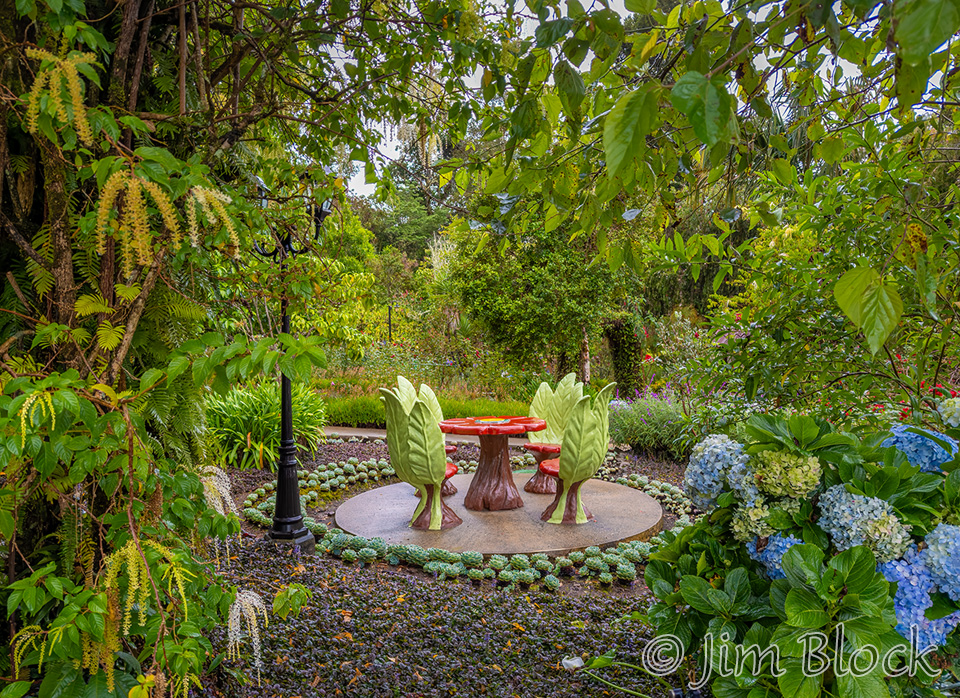
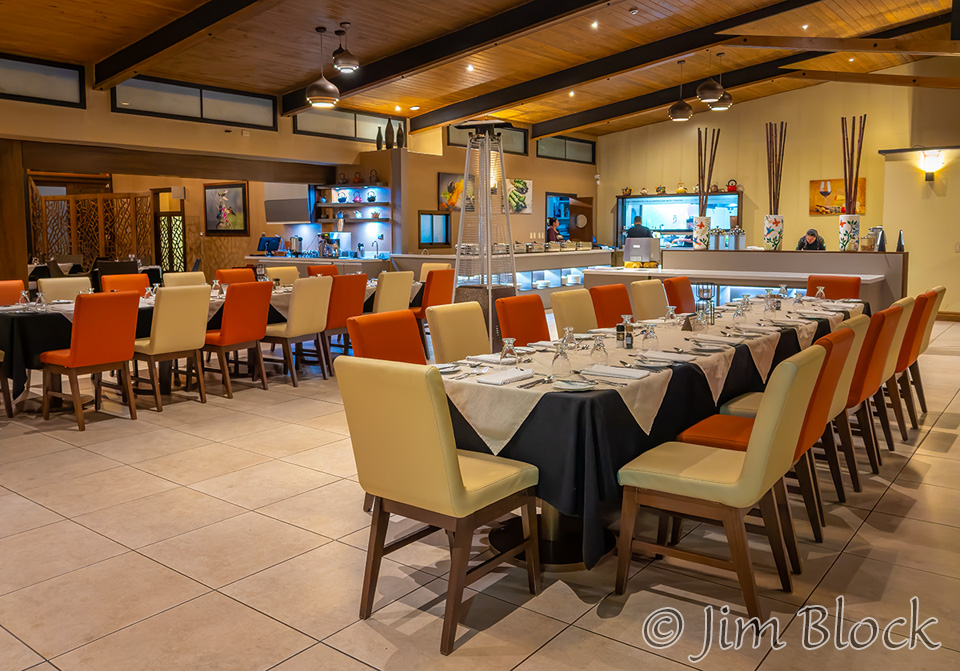
Now that I have said a few positives, I can list the negatives. The acoustics in the dining room were terrible. I struggled to figure out if I was better without hearing aides to dim the background noise or with so I did not have to lean close to the person next to me to talk. The dinners took two hours — tough for an impatient person. Nothing in my room worked reliably. The AC seemed to be on full blast at cold most the time, but it seemed to be random. And the one time I tried, there was no hot water for the shower. I should have complained and asked for help but I did not. I guess I felt it wasn’t worth hiking through the rain to the reception area.
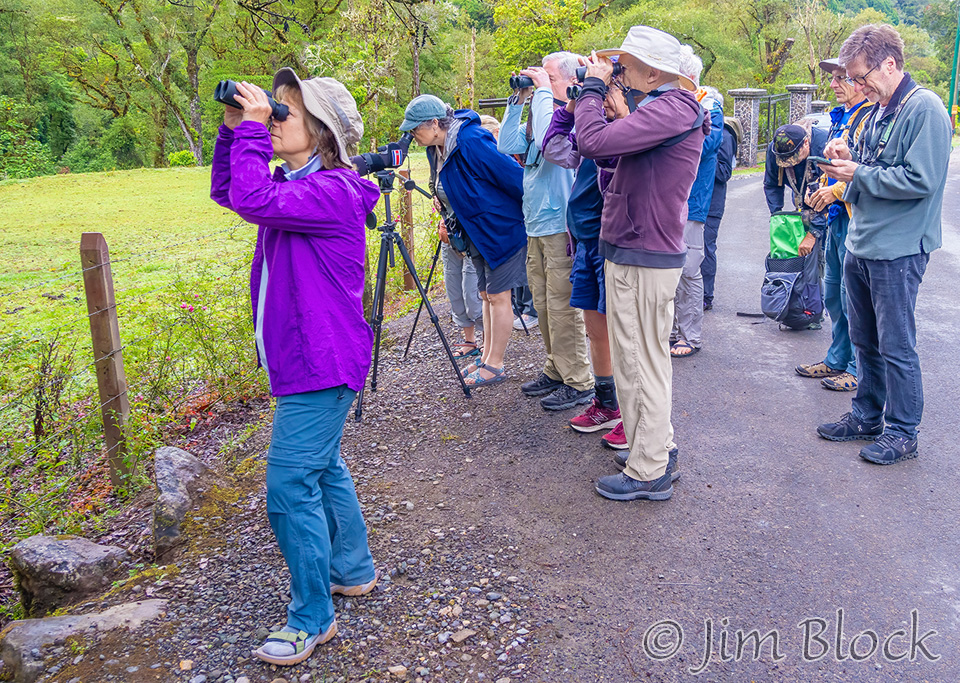
The first morning we met just as it was getting light for a short bus ride to the Quetzal site. This photo shows part of our group trying to spot a Quetzal at a nest hole.
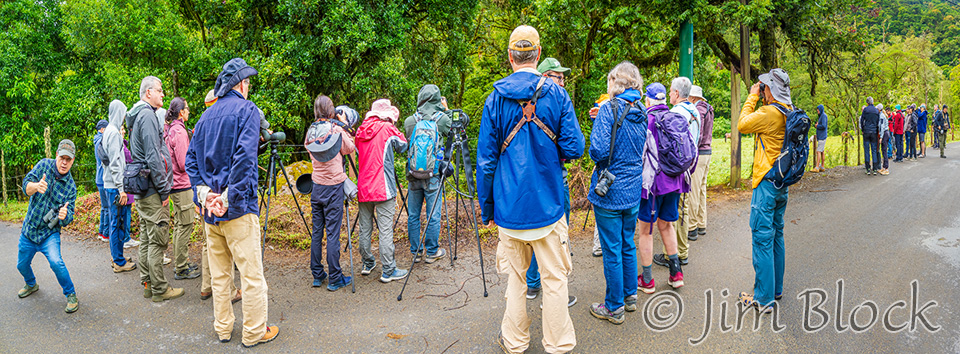
I set up at a different spot crowded in with a group of photographers. My 2-pound tripod is in the center of this photo just to the left of the tallest man with the blue jacket. You can see the rest of our group to the right and a goofball to the left. I was nervous about leaving my camera unattended while I took this photo hoping no one would bump the tripod.
I was very glad I brought a tripod because it was dark in the woods.
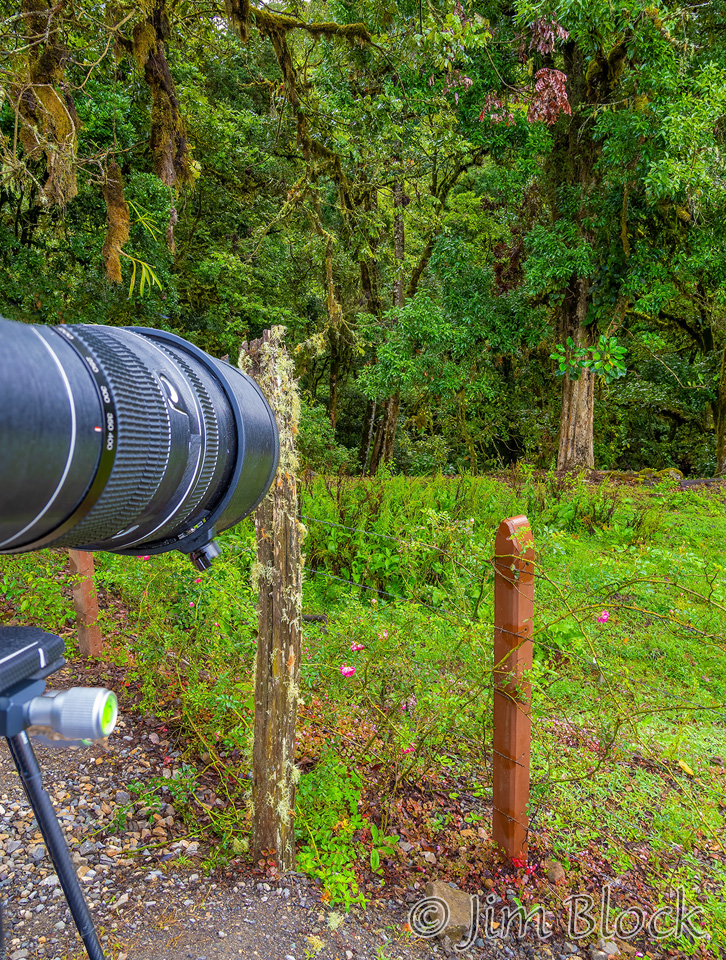
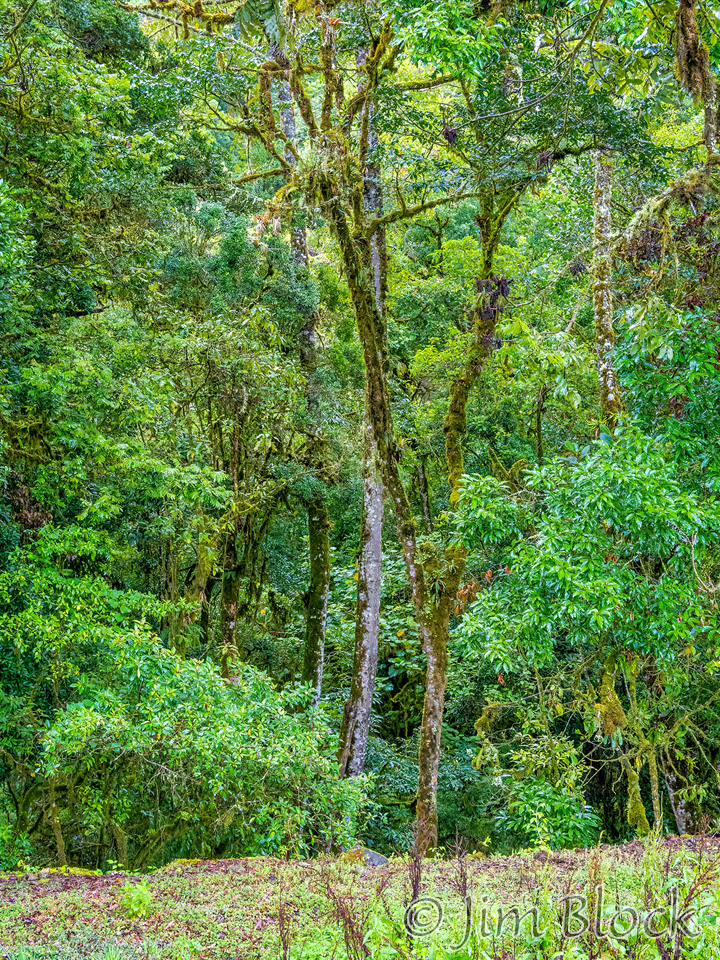
My shutter speed varied from 1/15 to 1/50 sec. with most of my photos taken at 1/20 sec. All were at ISO 6400 and around 1000 mm (eq.).
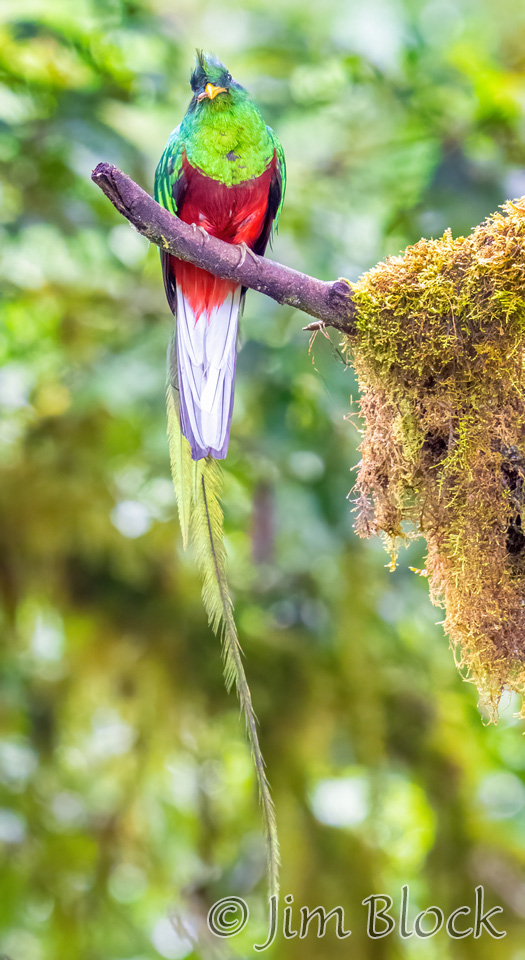
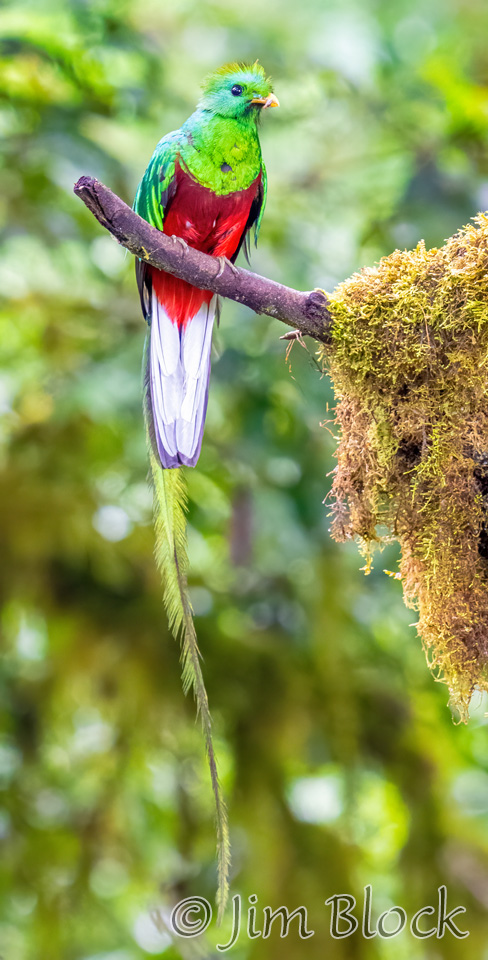
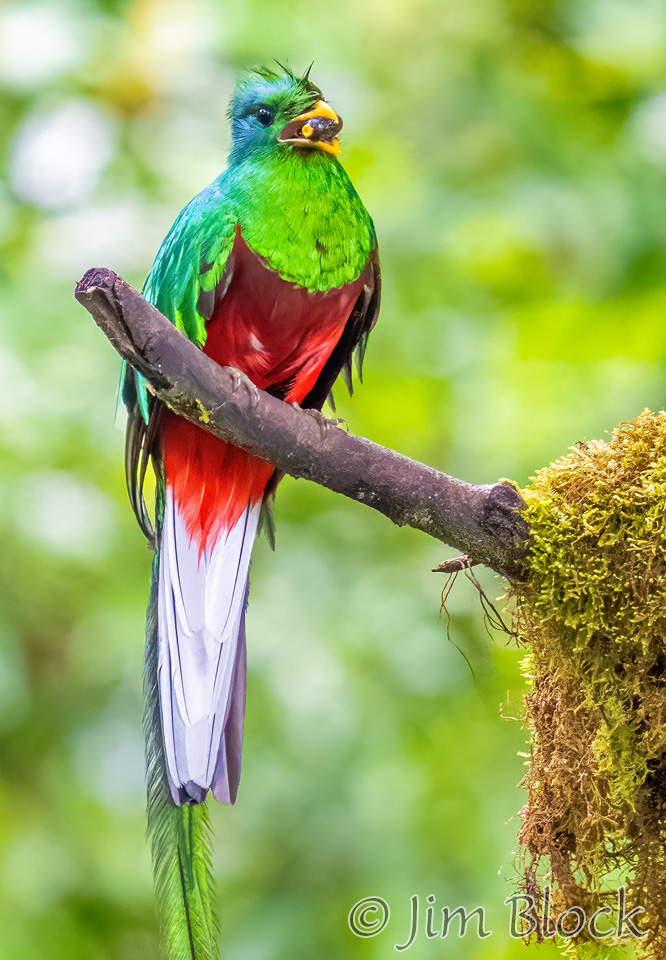
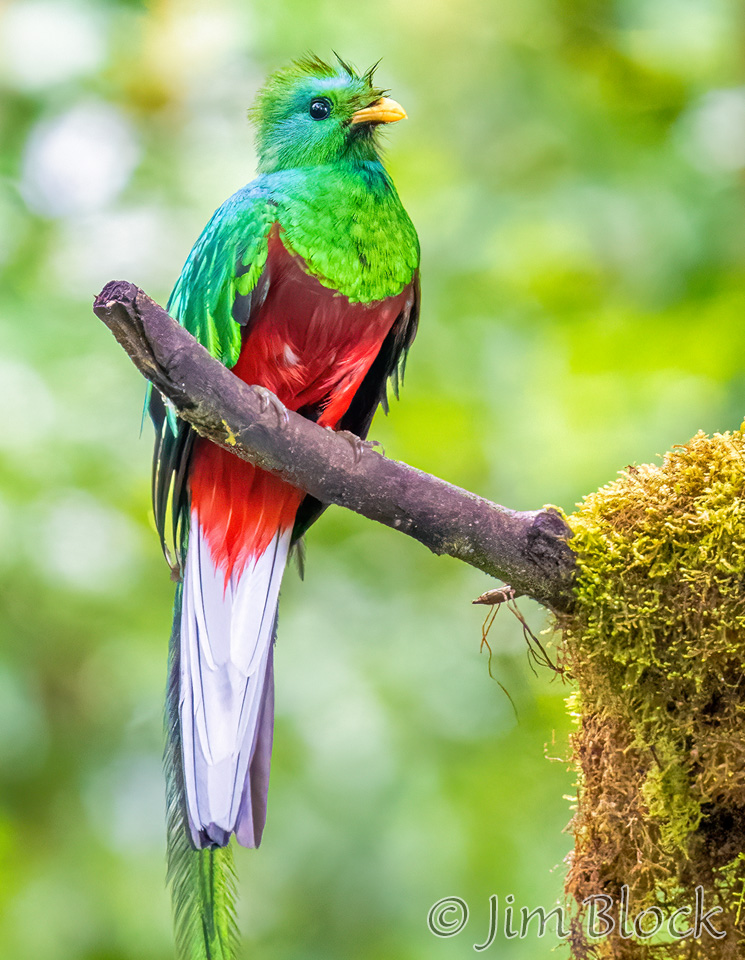
Here are photos of the male Resplendent Quetzal..
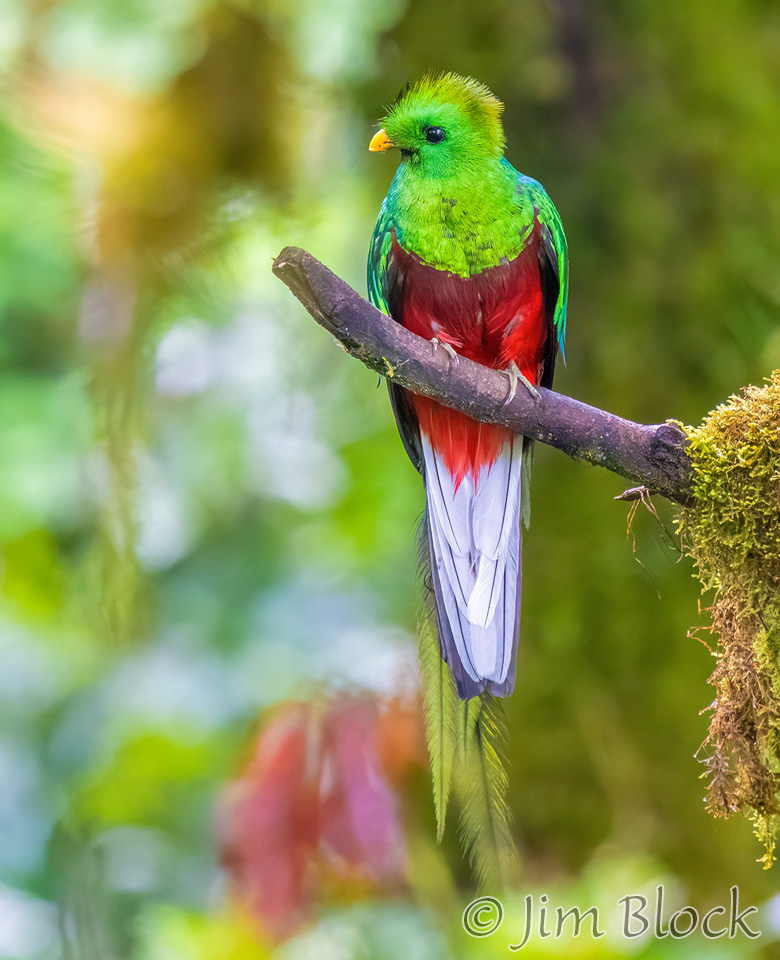
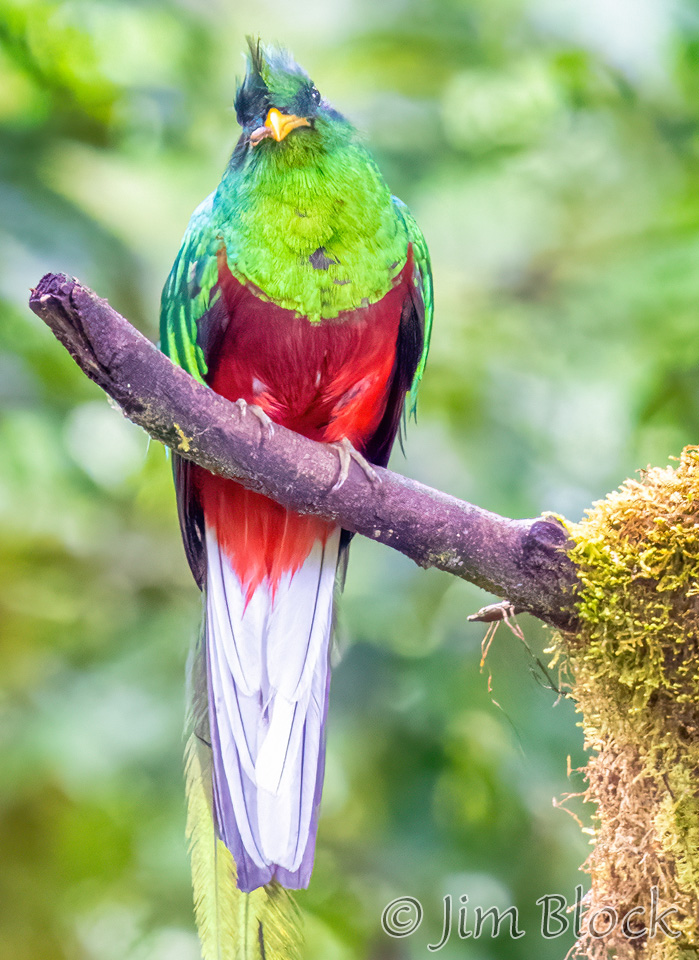
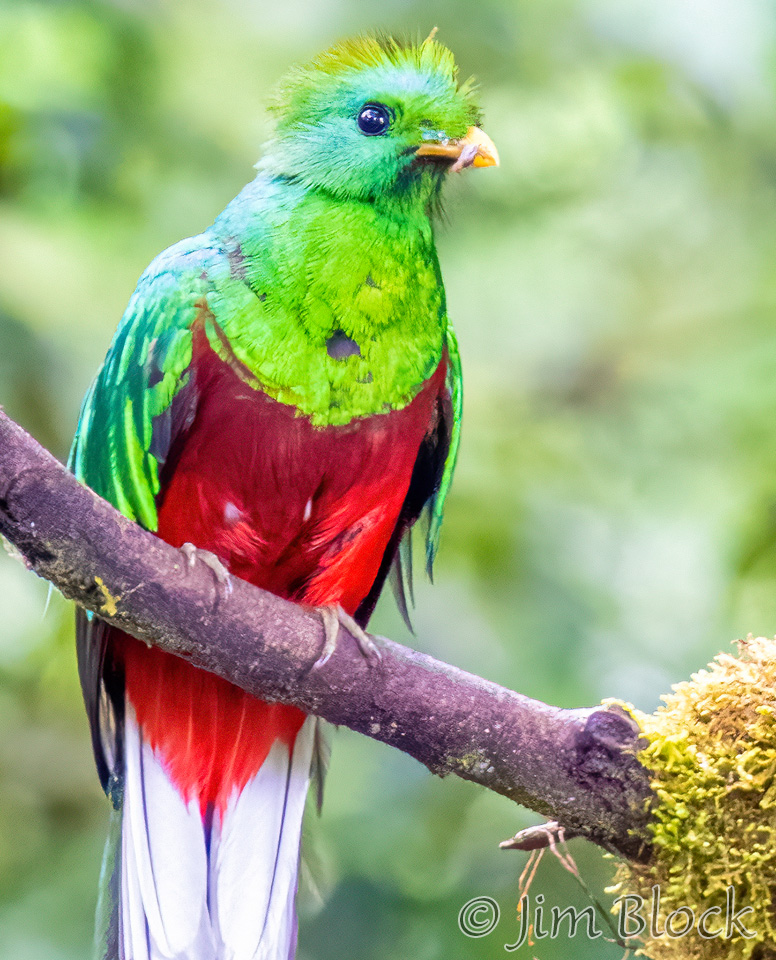
The male has a very long tail.
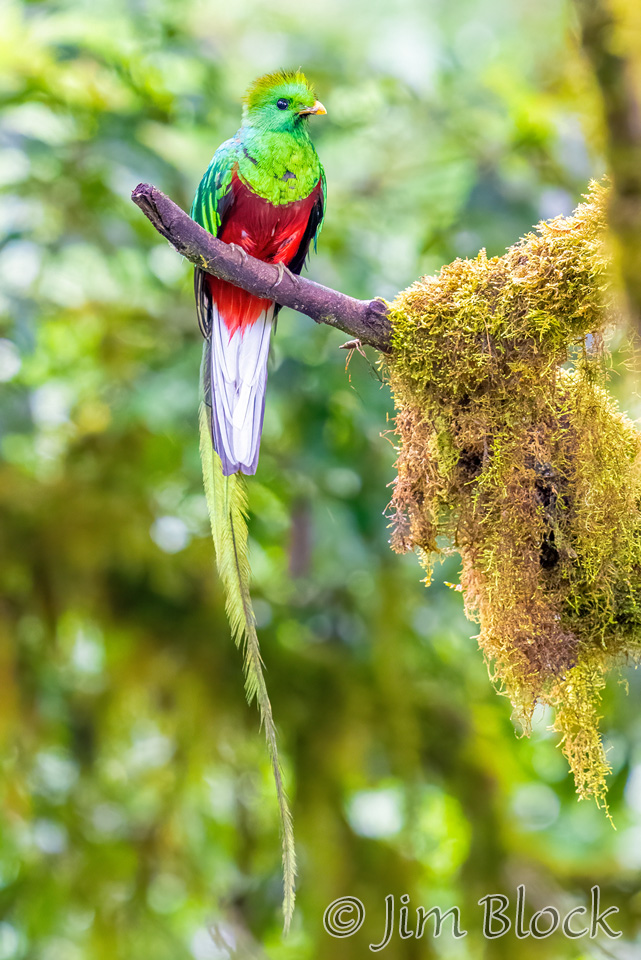
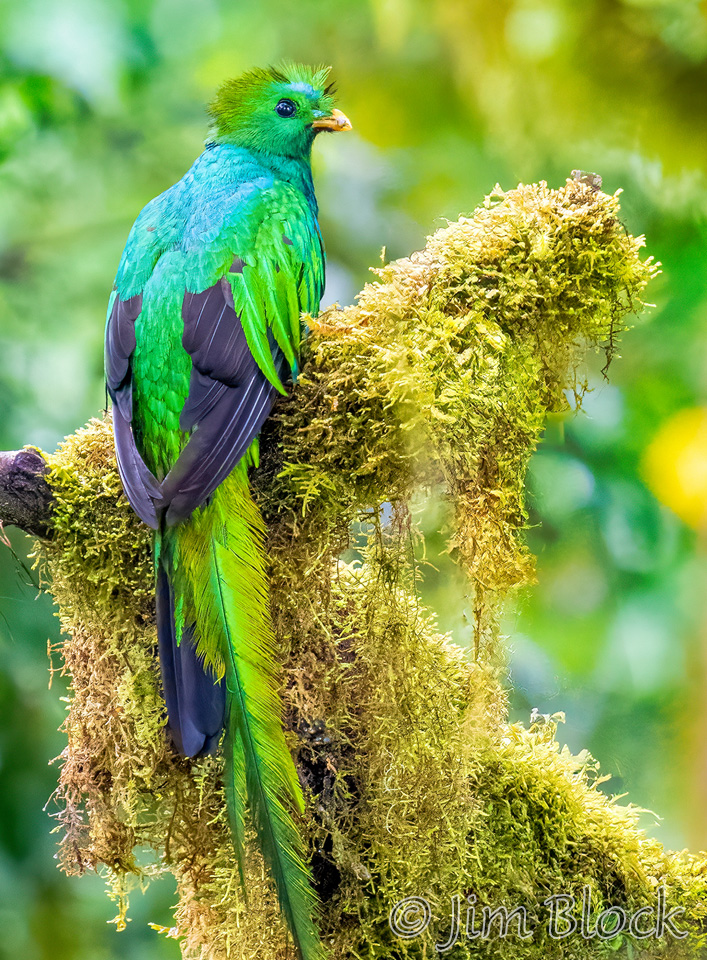
Here is a back view of the male Quetzal.
Here is the female with an avocado, a preferred food.
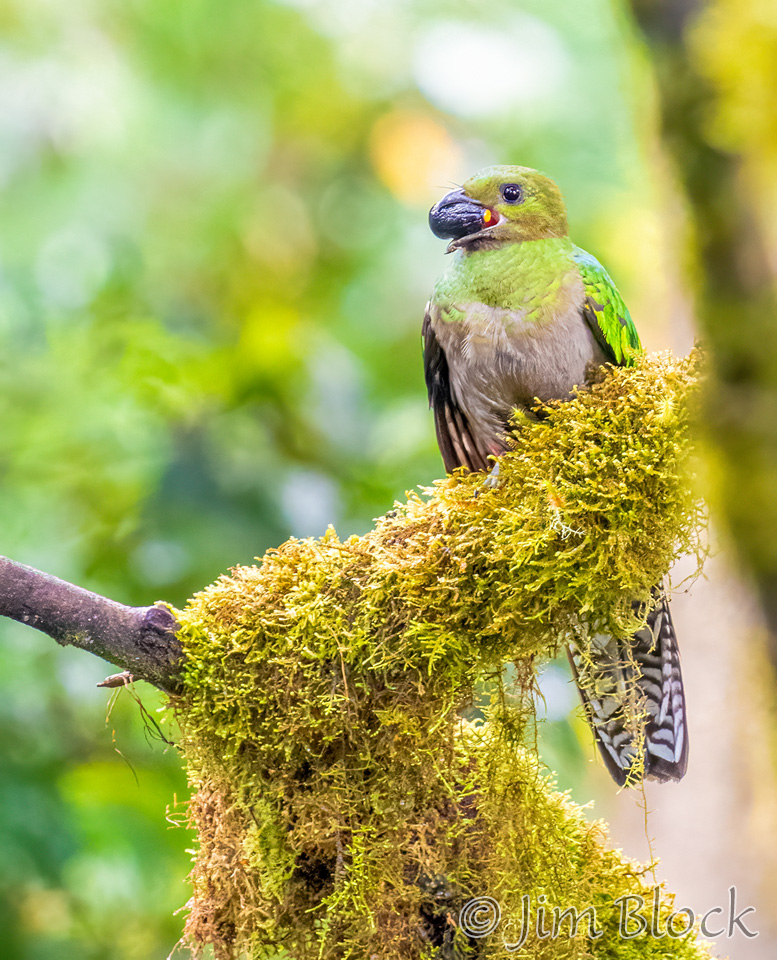
Two more photos of the male, with and without an avocado.
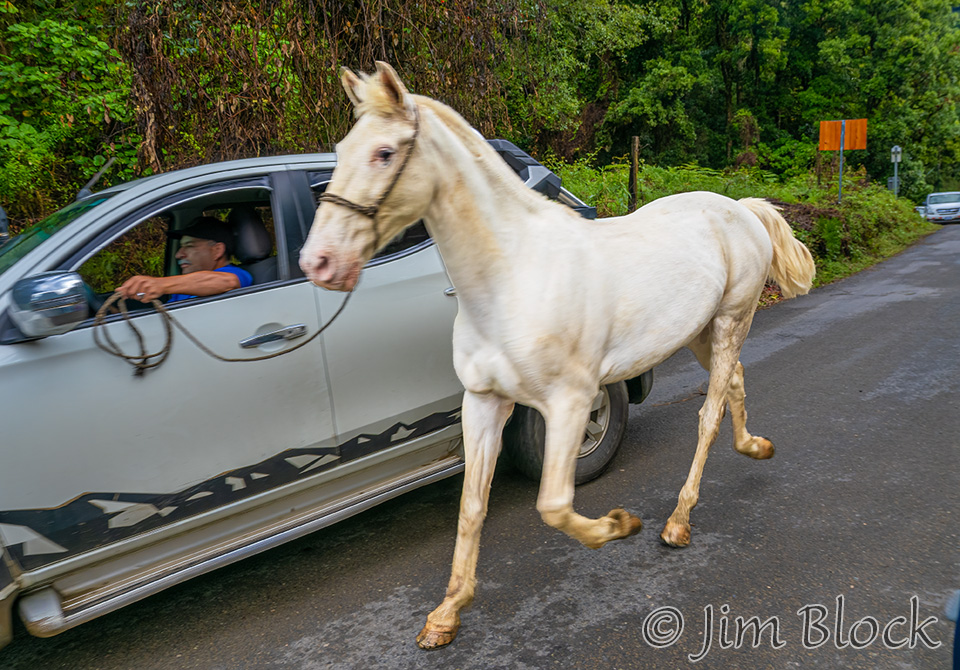
We were there for about an hour when a car passed giving a horse some exercise.
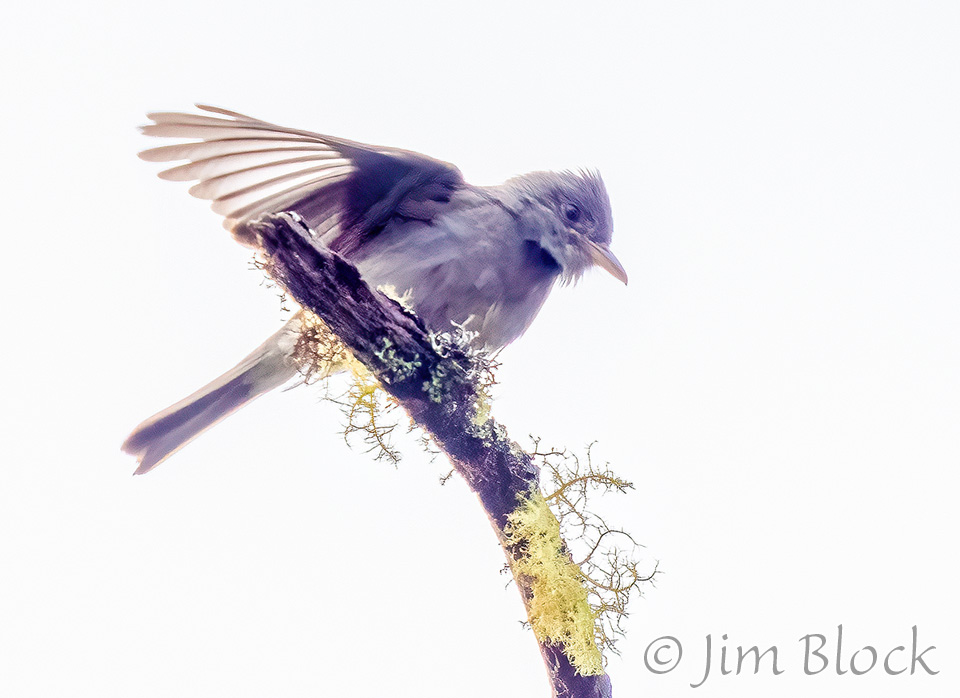
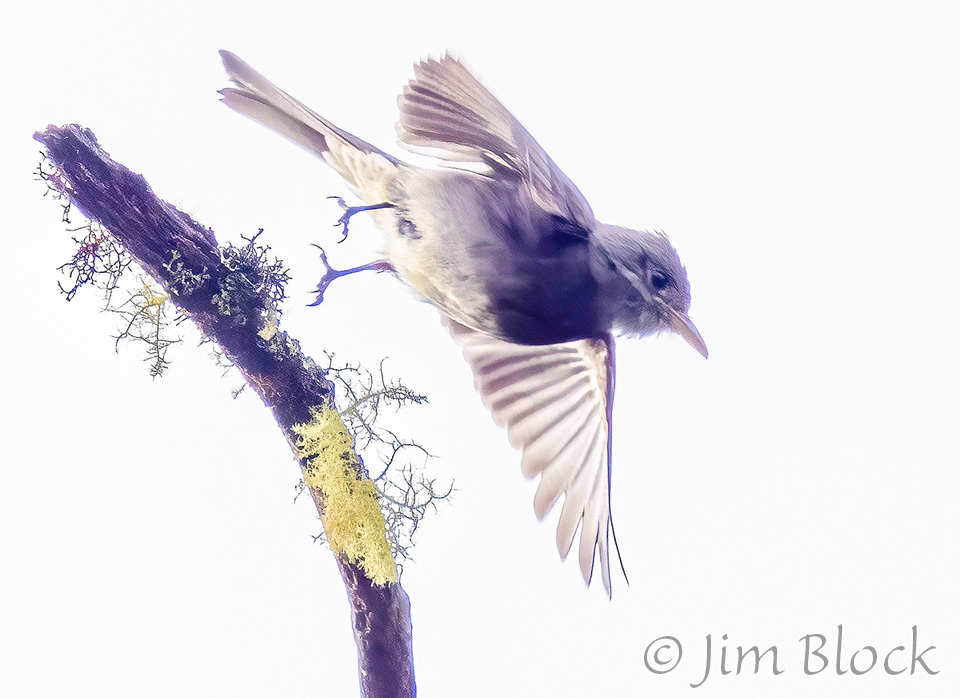
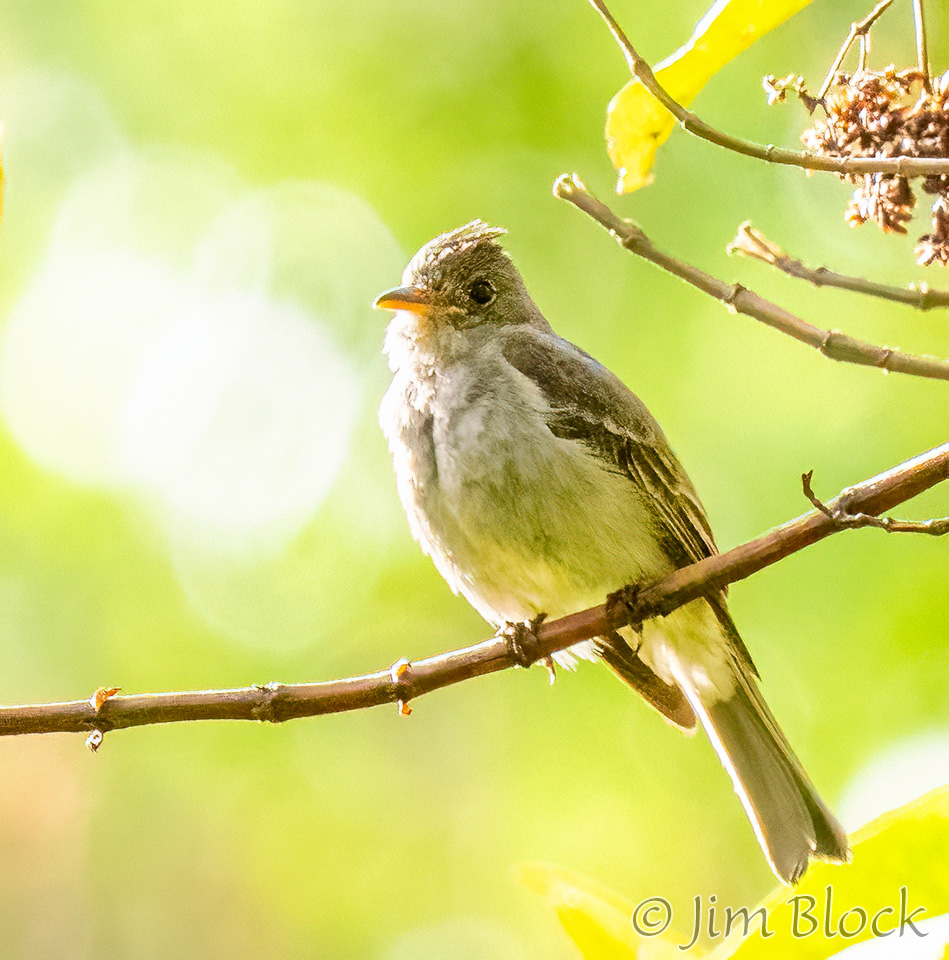
We slowly walked back toward the lodge. I found a Dark Pewee…
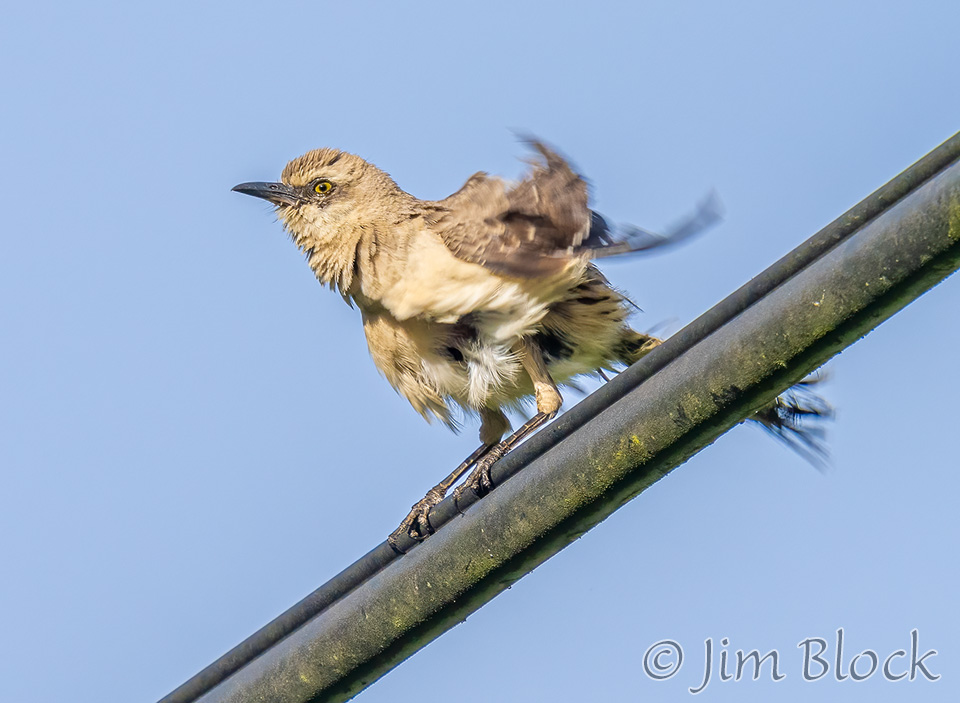
… a Tropical Mockingbird,…
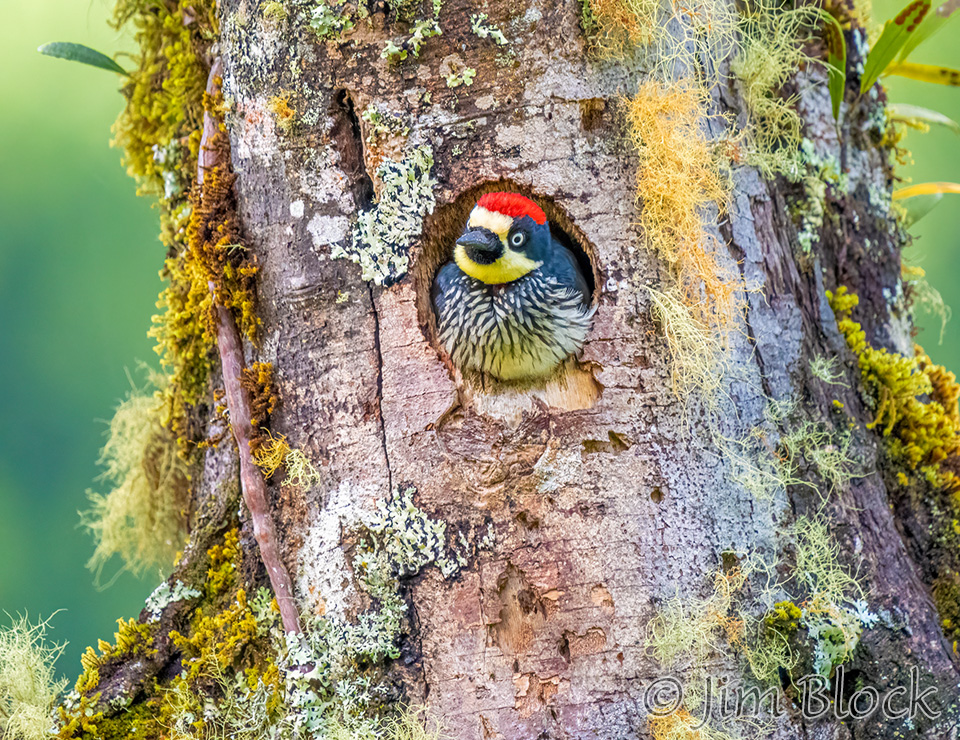
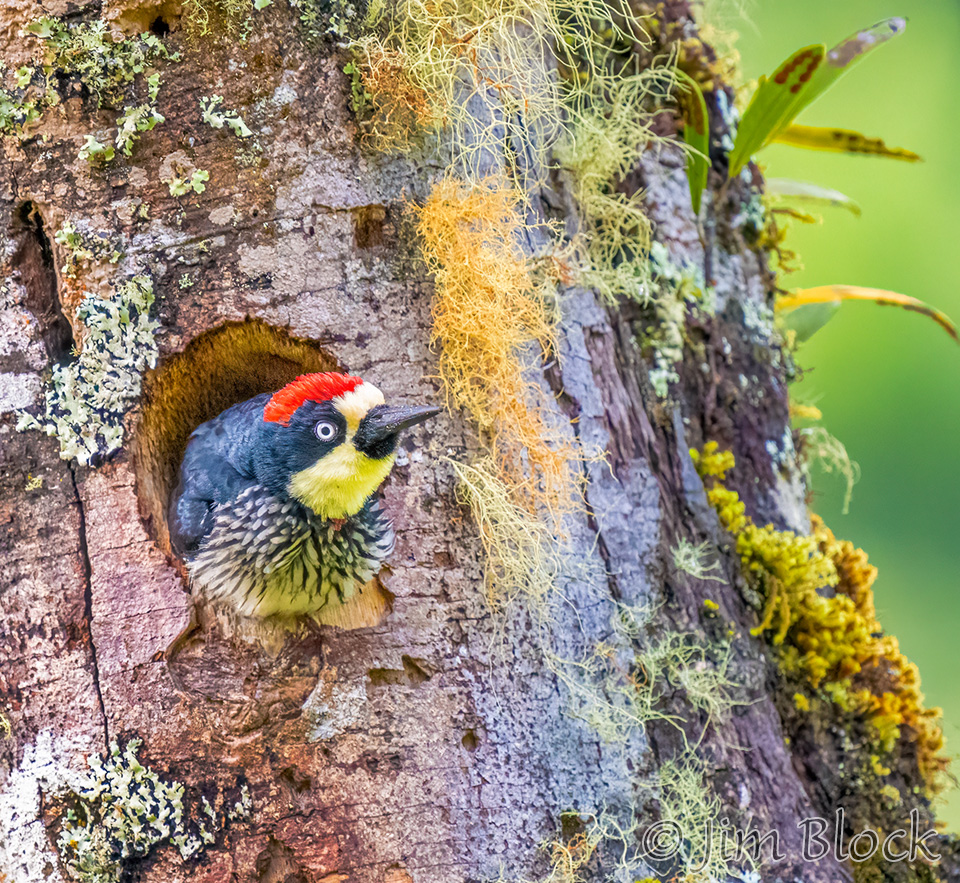
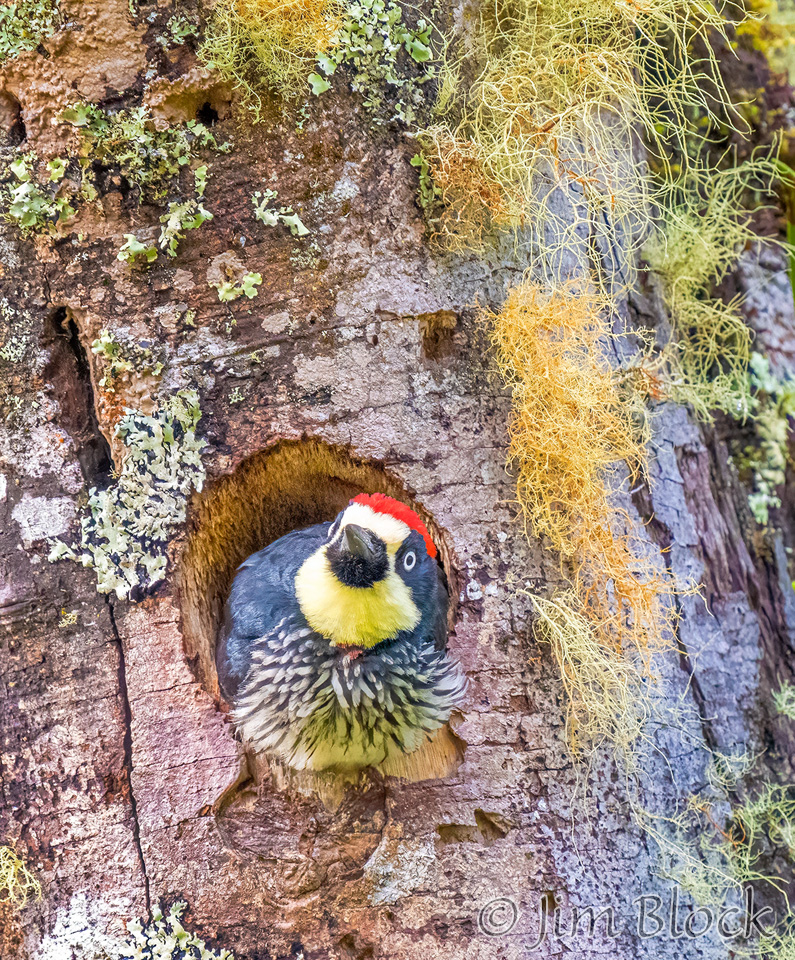
… and a very cute Acorn Woodpecker in a nest hole.
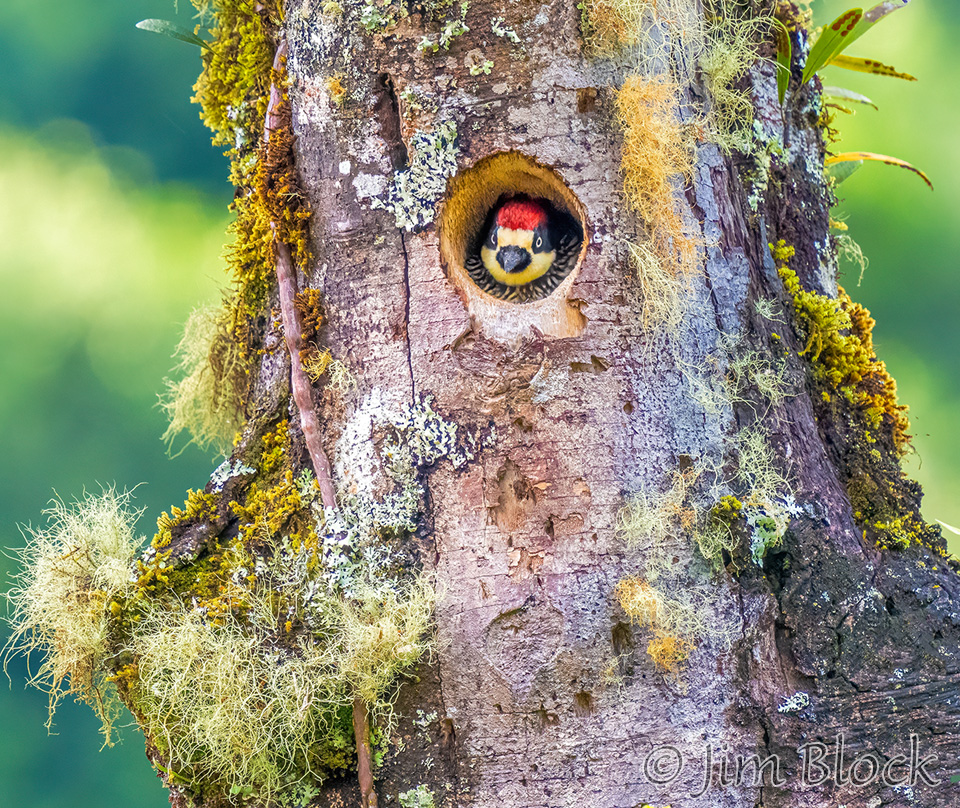
I spent over 15 minutes with the woodpecker as it went in and out of its nest hole. Others were still back up the road cataloging other bird species.
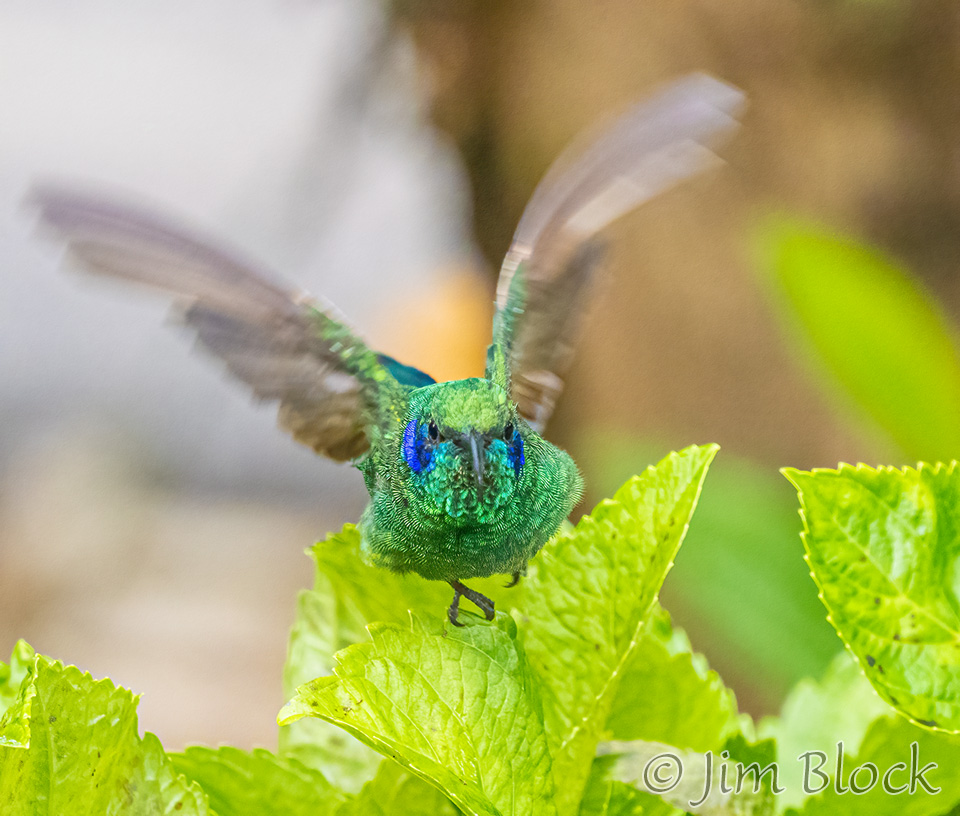
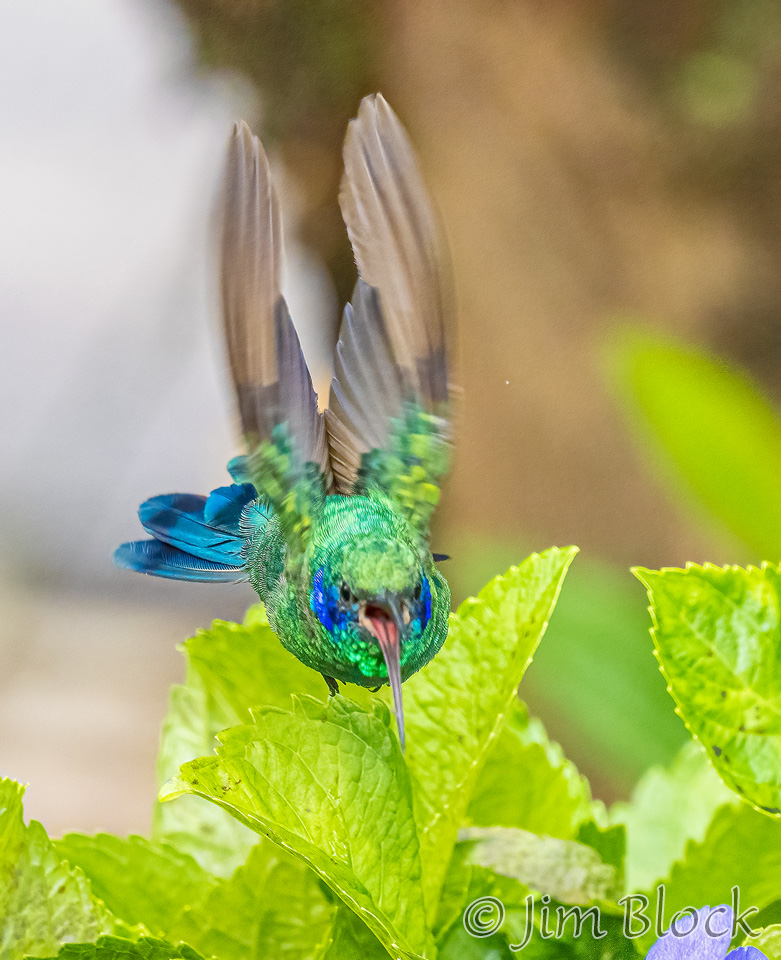
After breakfast, I photographed mostly hummingbirds on the hotel grounds while waiting for our 10 a.m. walk to start:
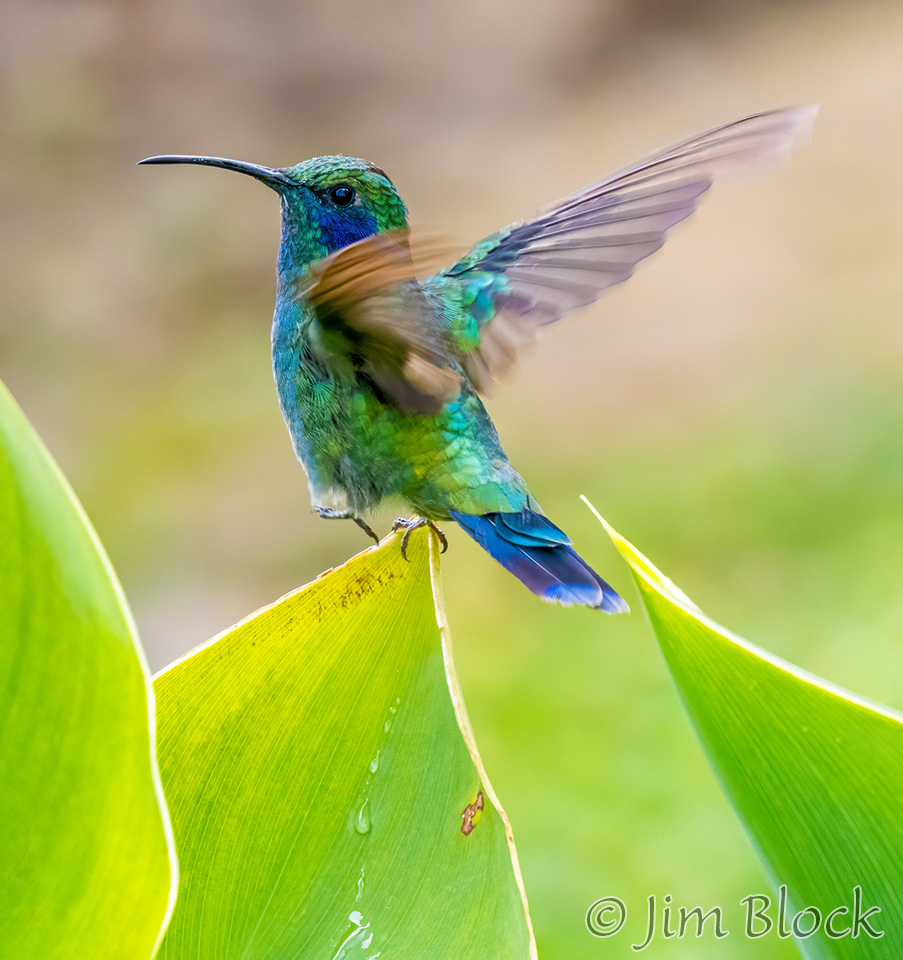
Lesser Violetear
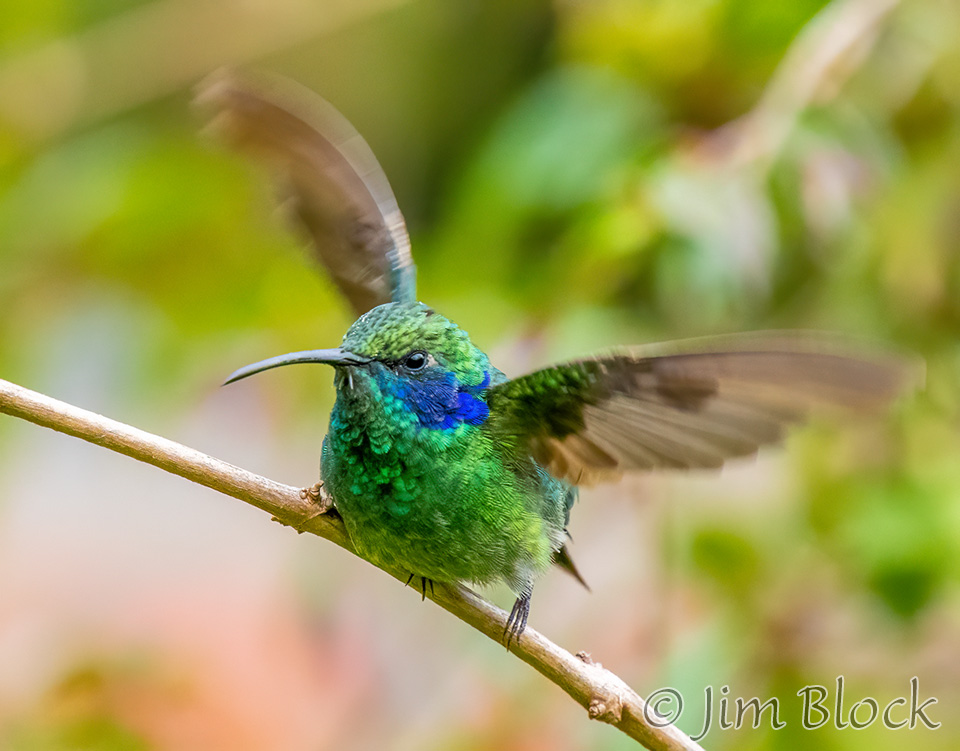
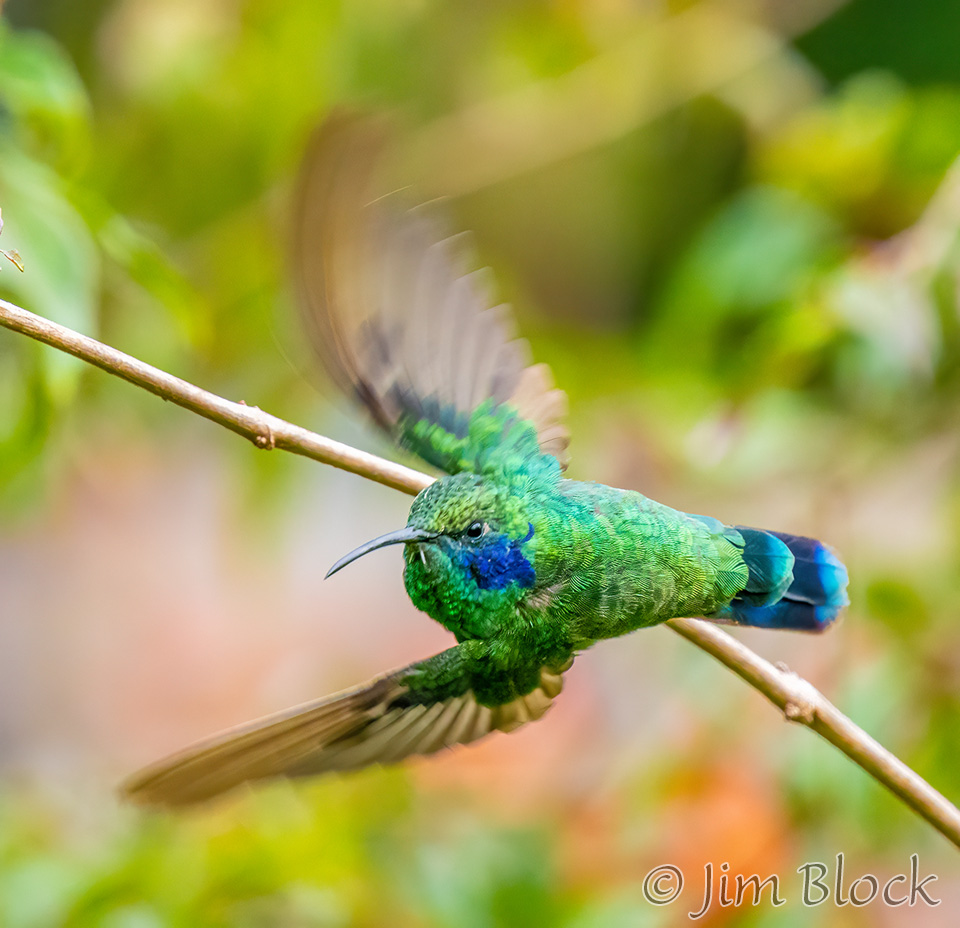
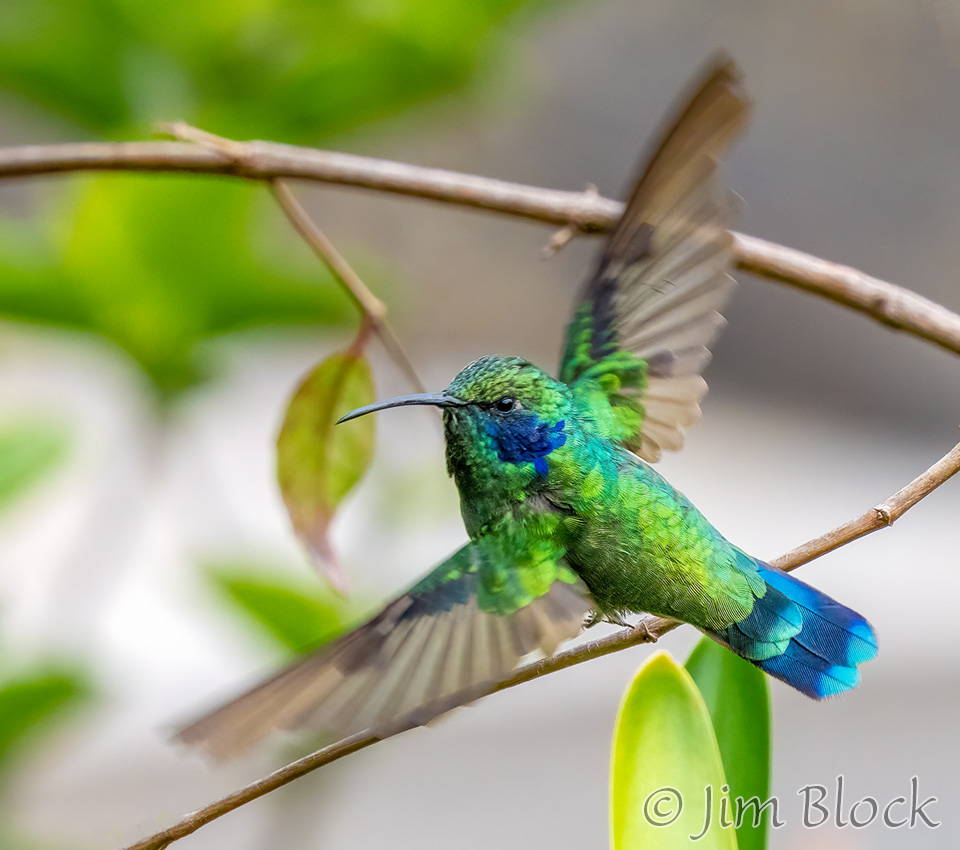
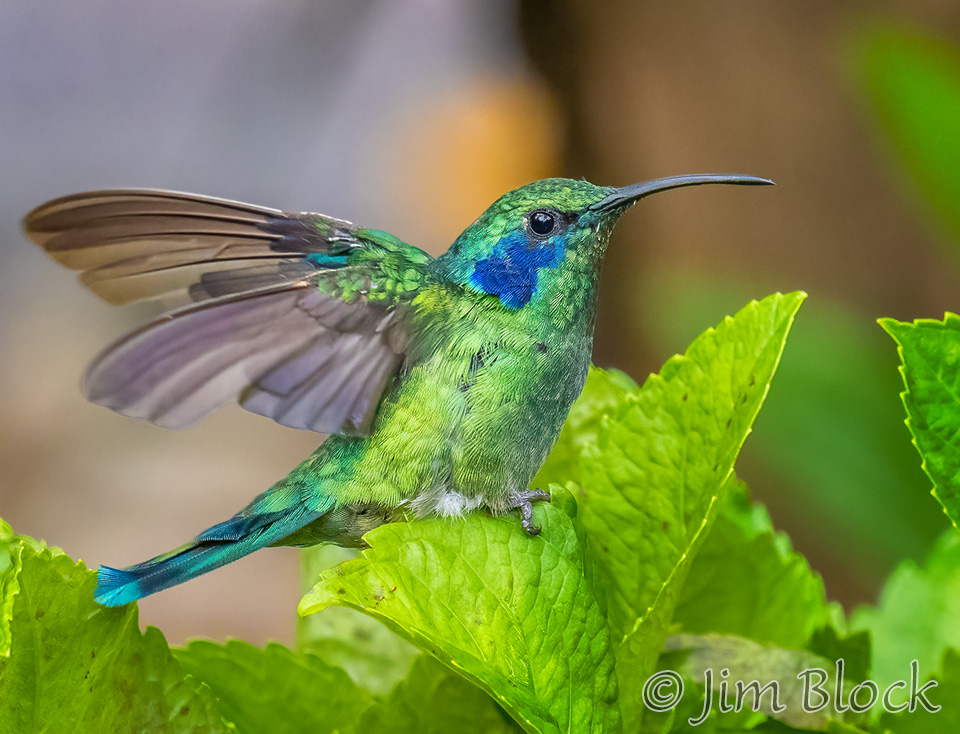
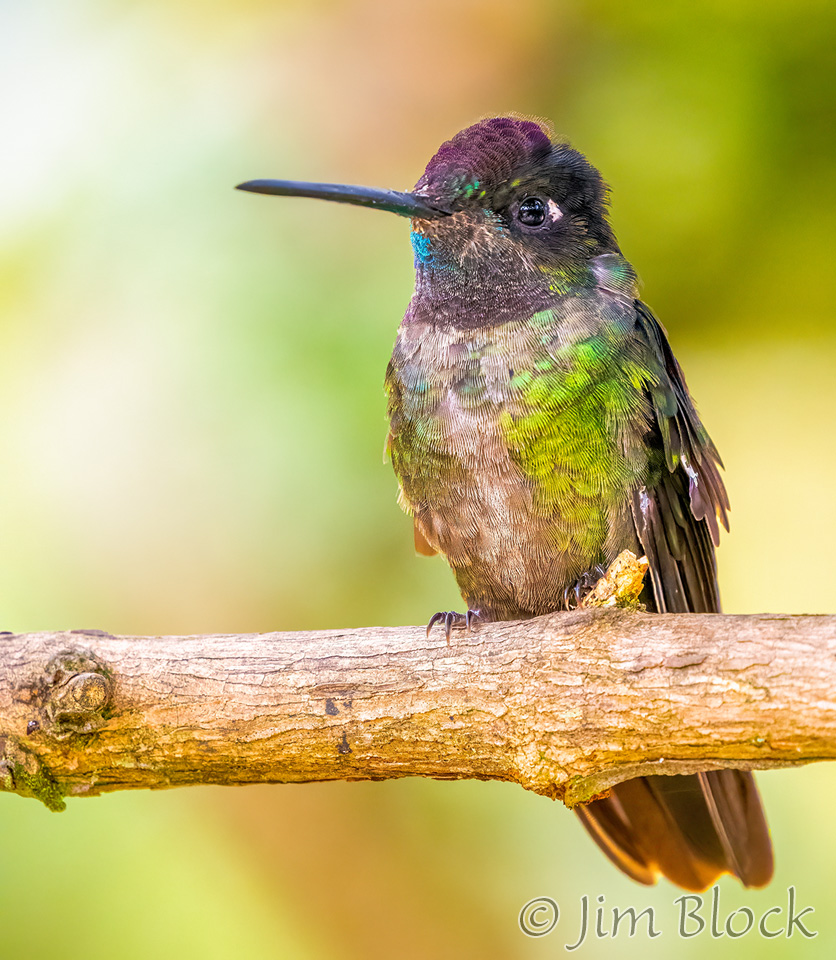
Magnificent Hummingbird also known as the Talamanca Hummingbird.
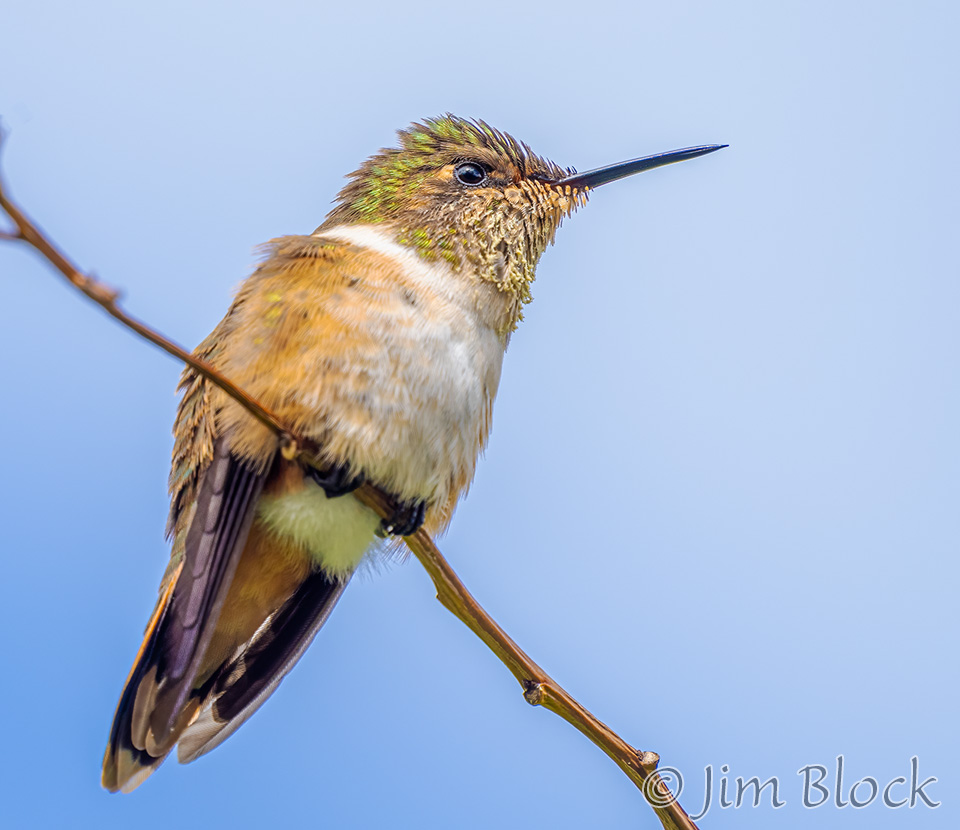
Scintillant Hummingbird
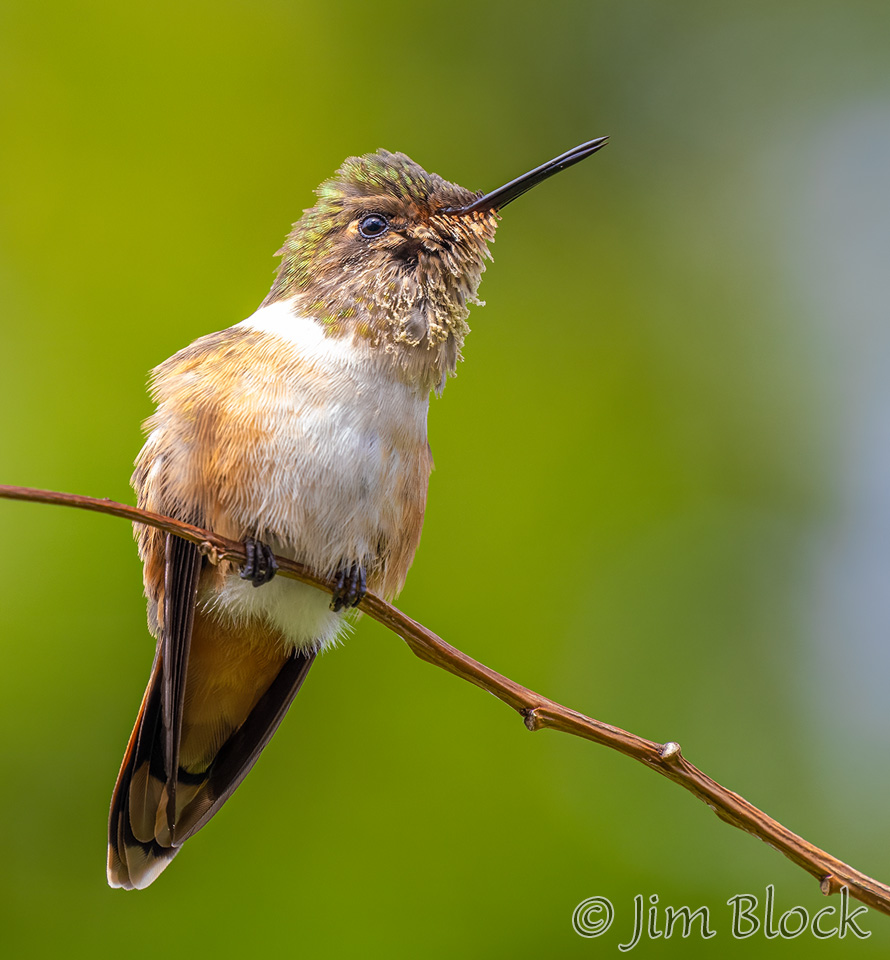
The Grey-tailed Mountaingem is endemic to Costa Rica. It has also been called the White-throated Mountain-gem (Gray-tailed). I spent some time working to get photos of it before our hike.
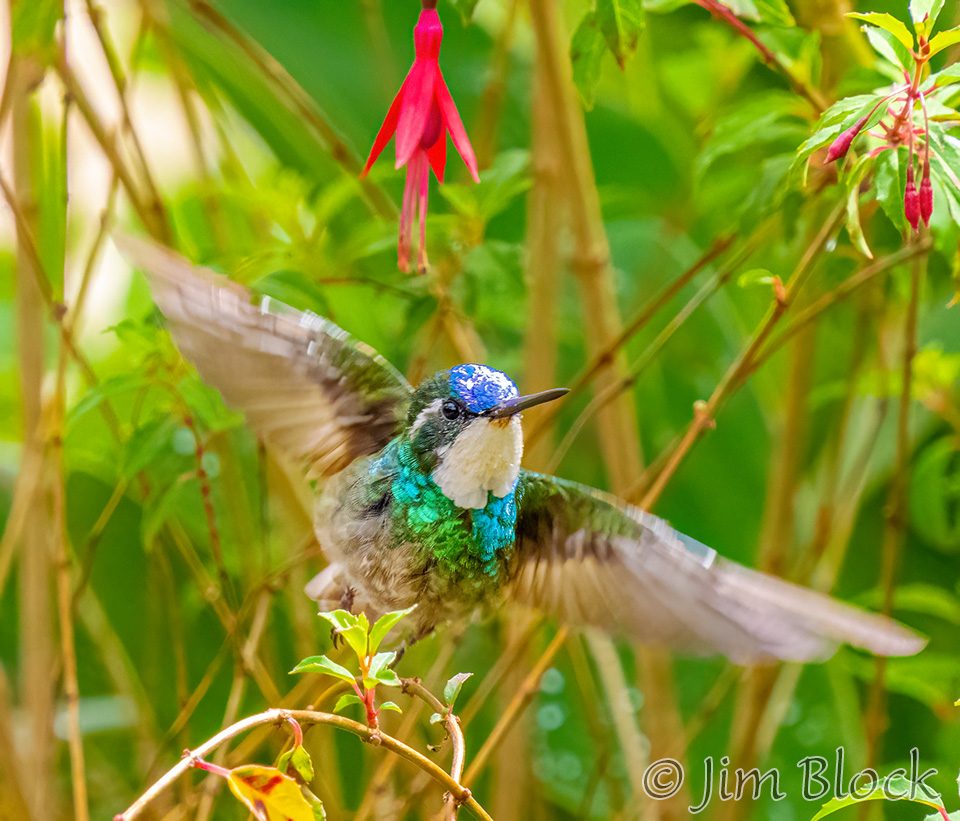
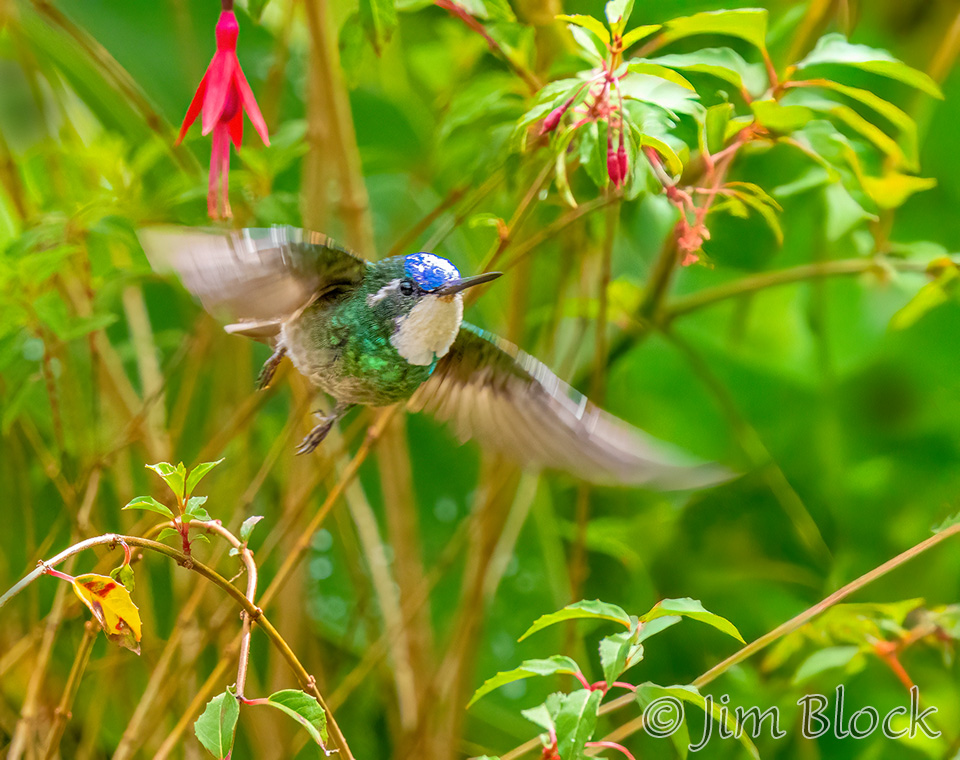
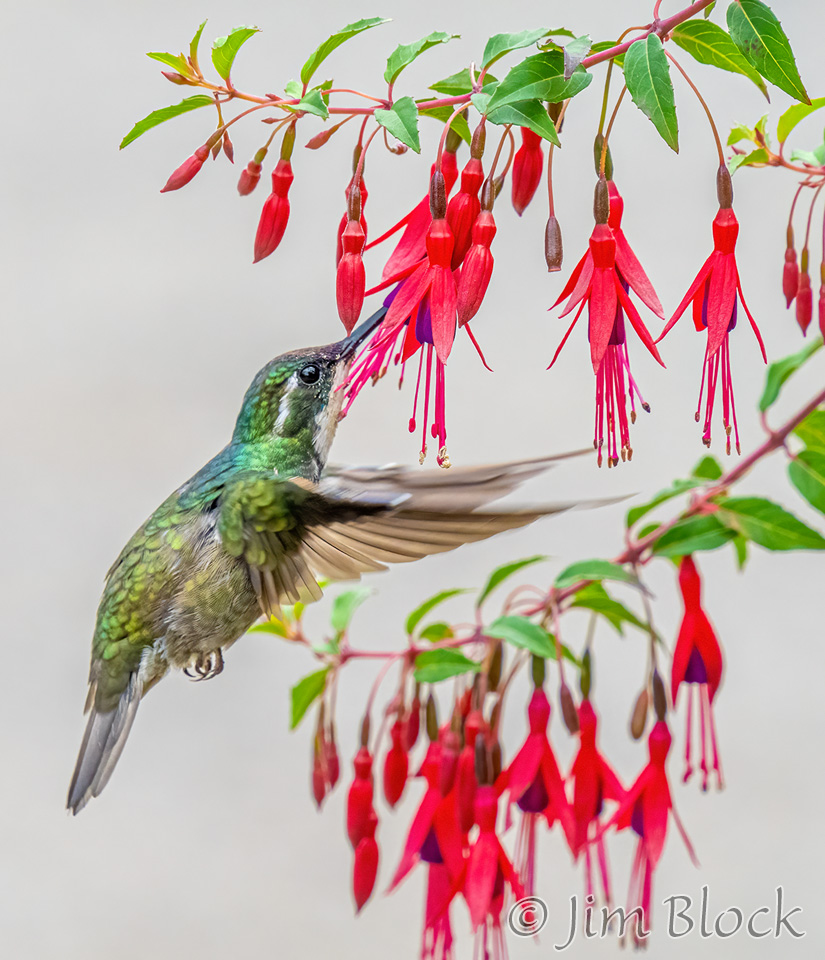
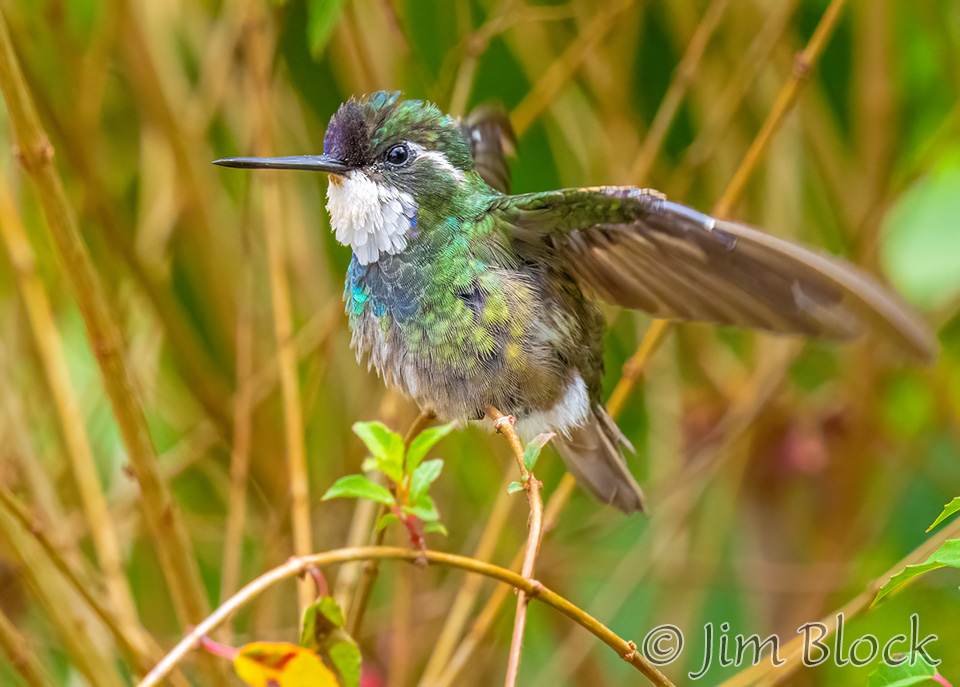
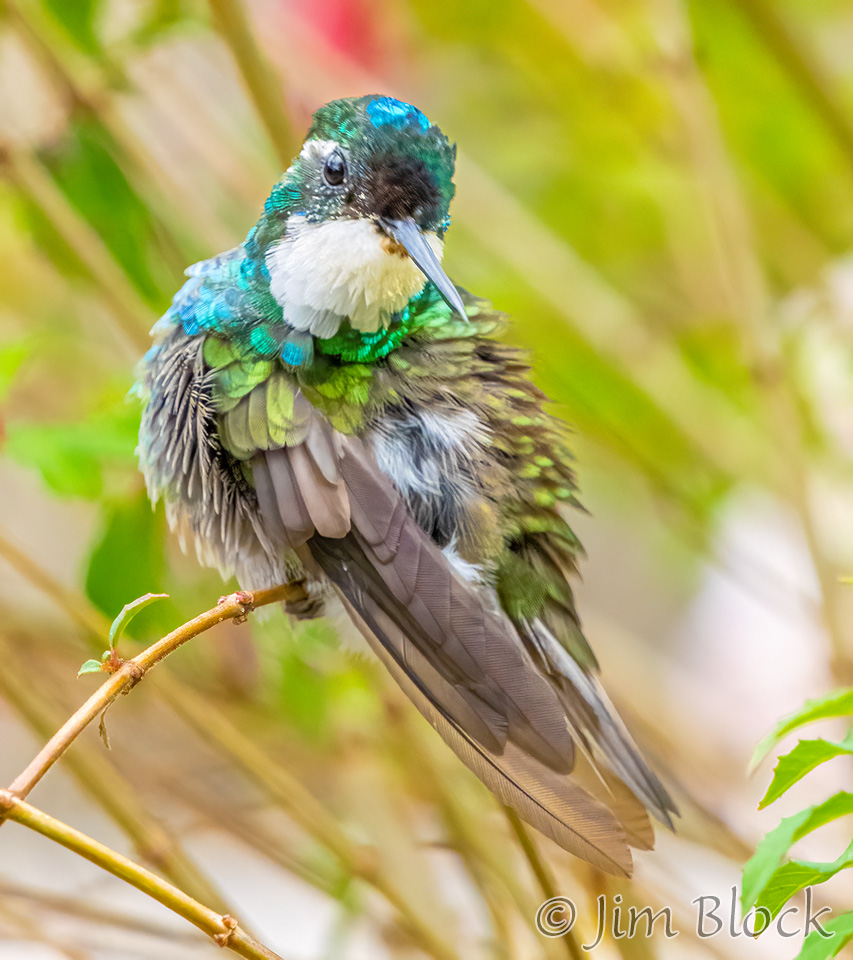
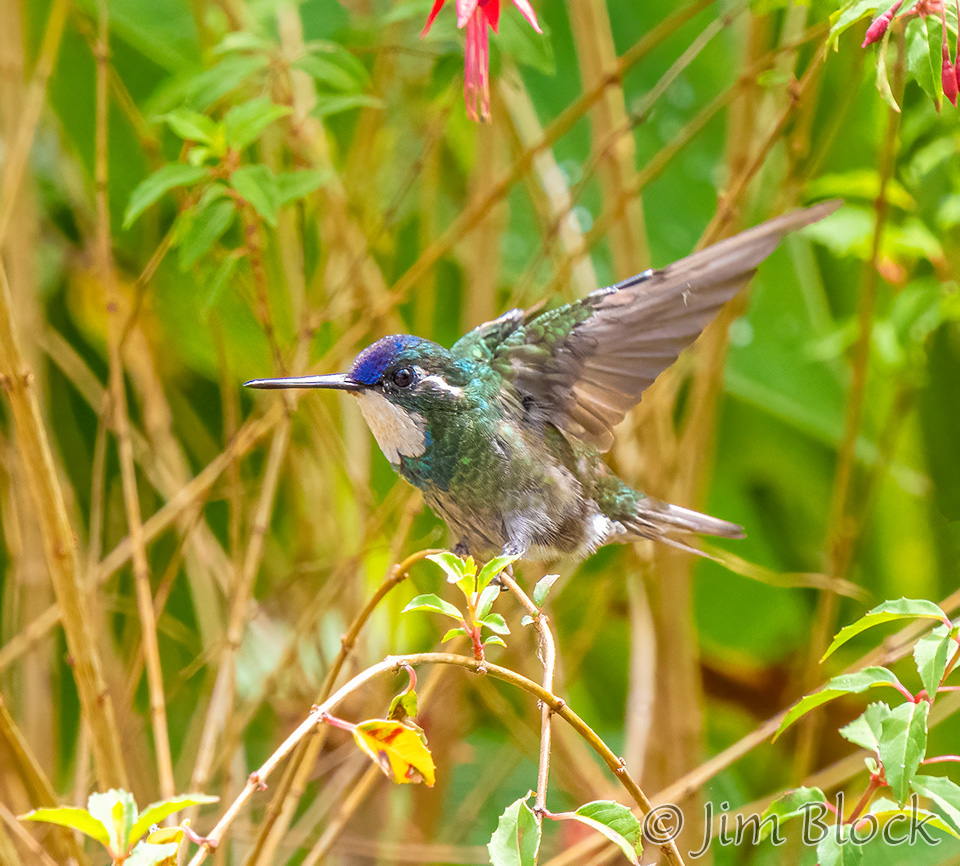
We were only a short distance into our morning hike when we saw a female Grey-tailed Mountaingem.
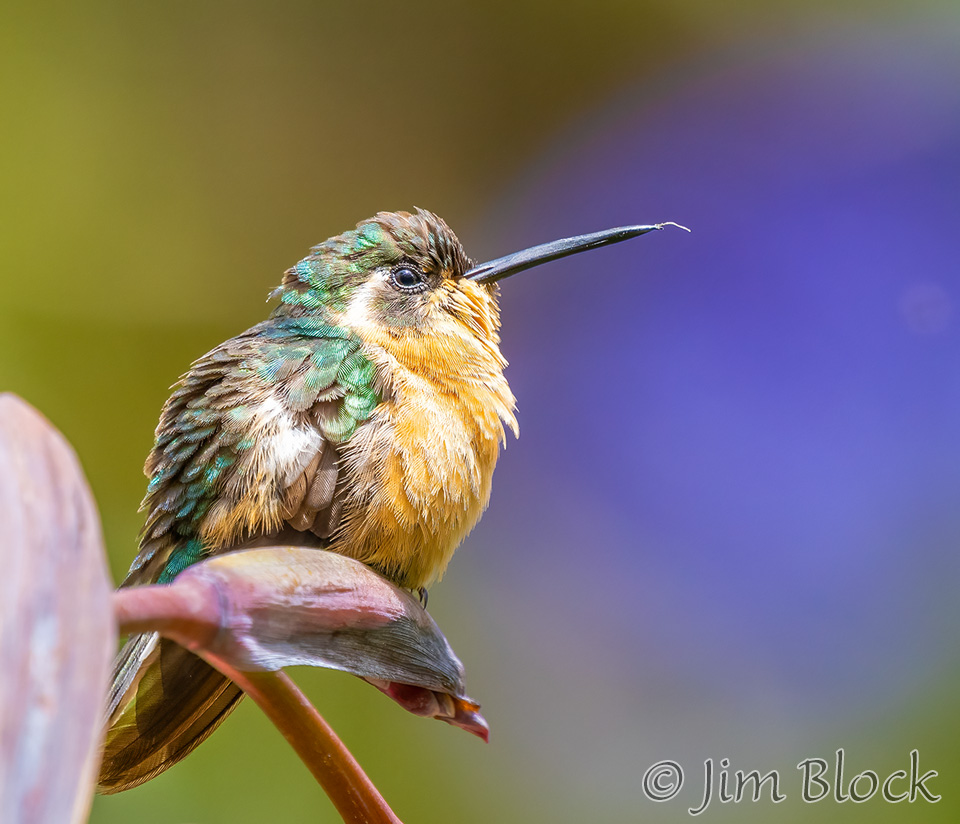
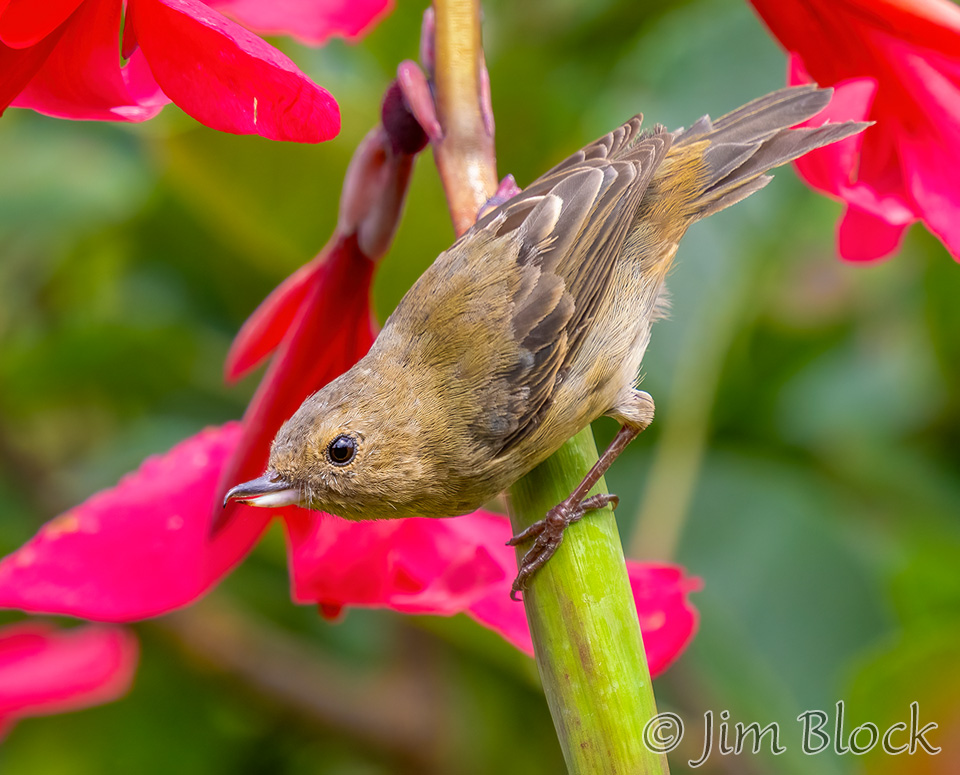
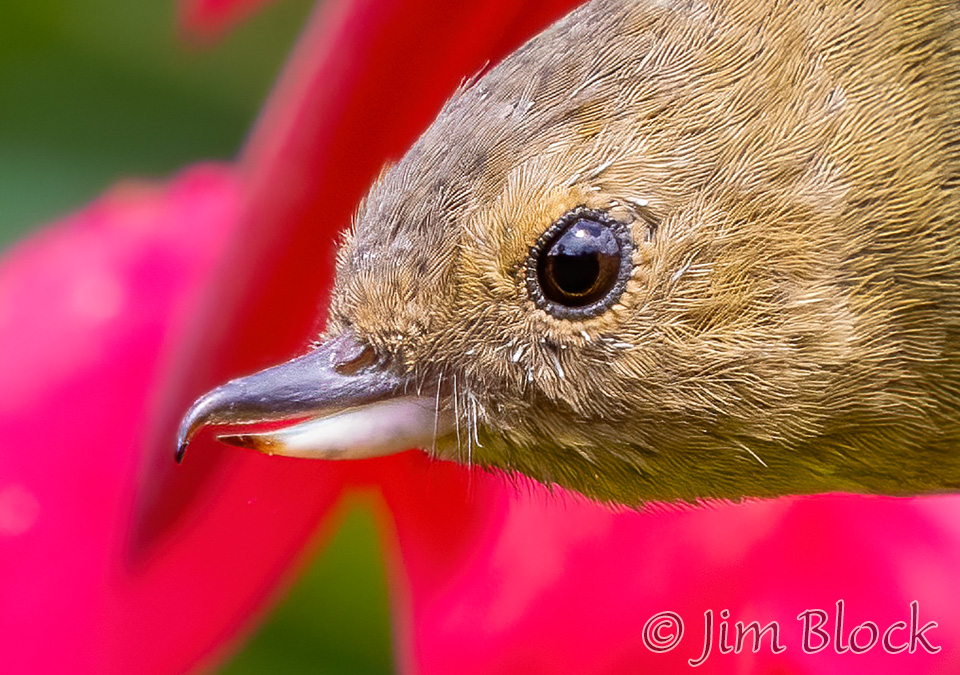
Before we left for the hike, however, I was able to photograph a Slaty Flowerpiercer. The Slaty Flowerpiercer has an upturned bill with a sharp hook at the tip. They use it to pierce the bases of flowers to extract nectar. The adult male is blue-grey; the female is olive-brown above with a paler throat and breast shading to buff on the belly. This appears to be a female.
Here is a closer look at the sharp hook at the tip of its bill. Hummingbirds will feed on the nectar that they release at the flower base.
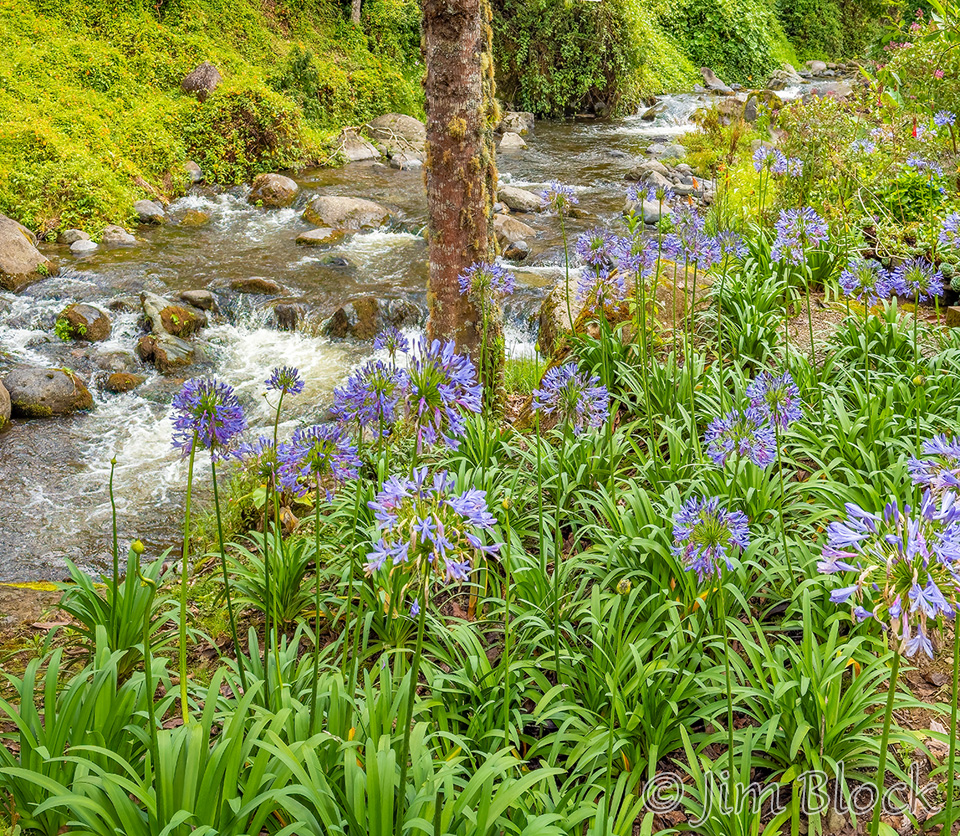
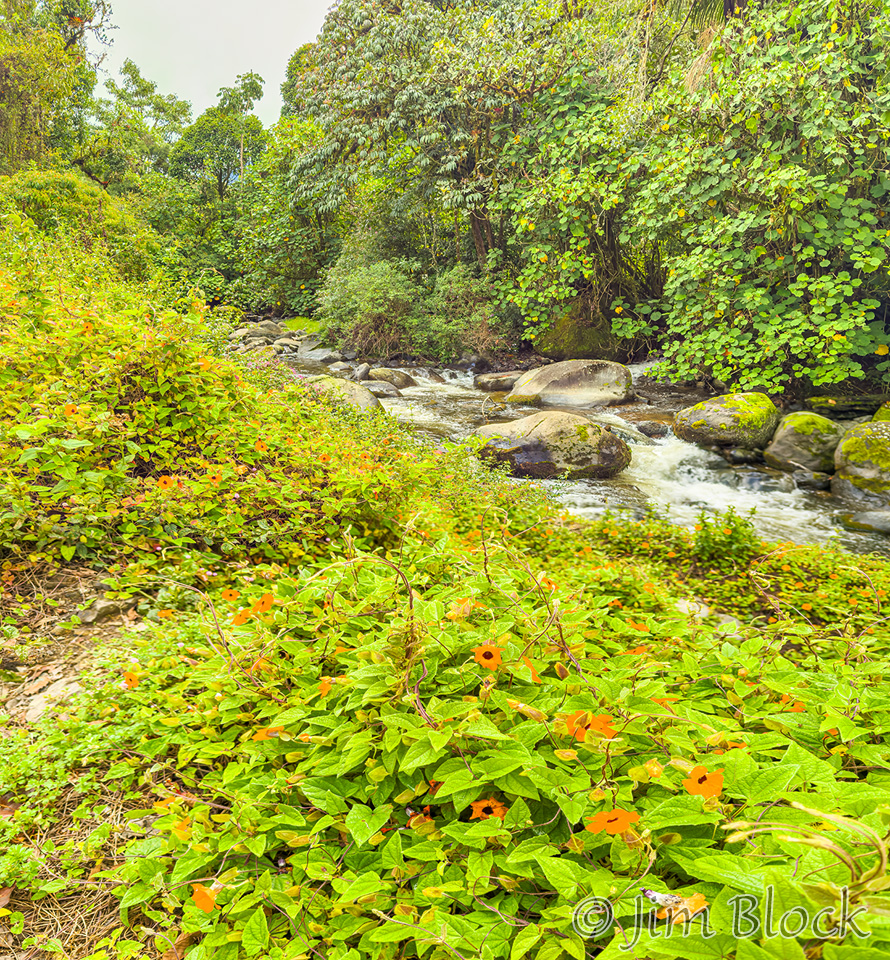
Our hike took us along the Savegre River.
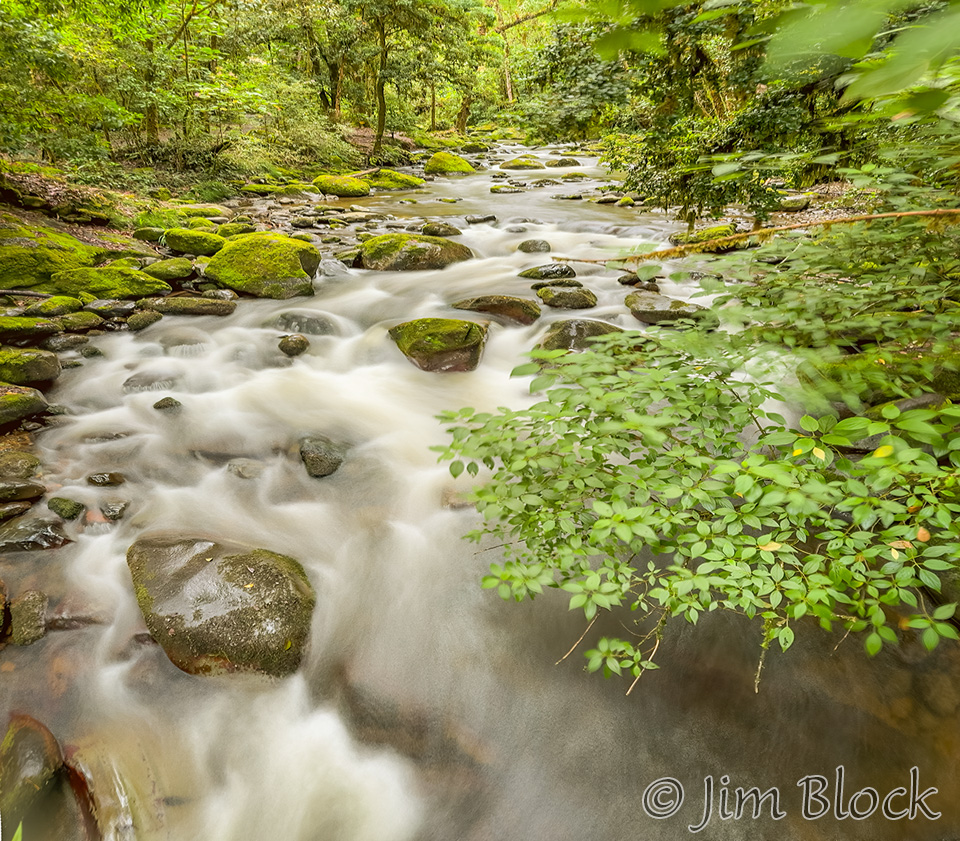
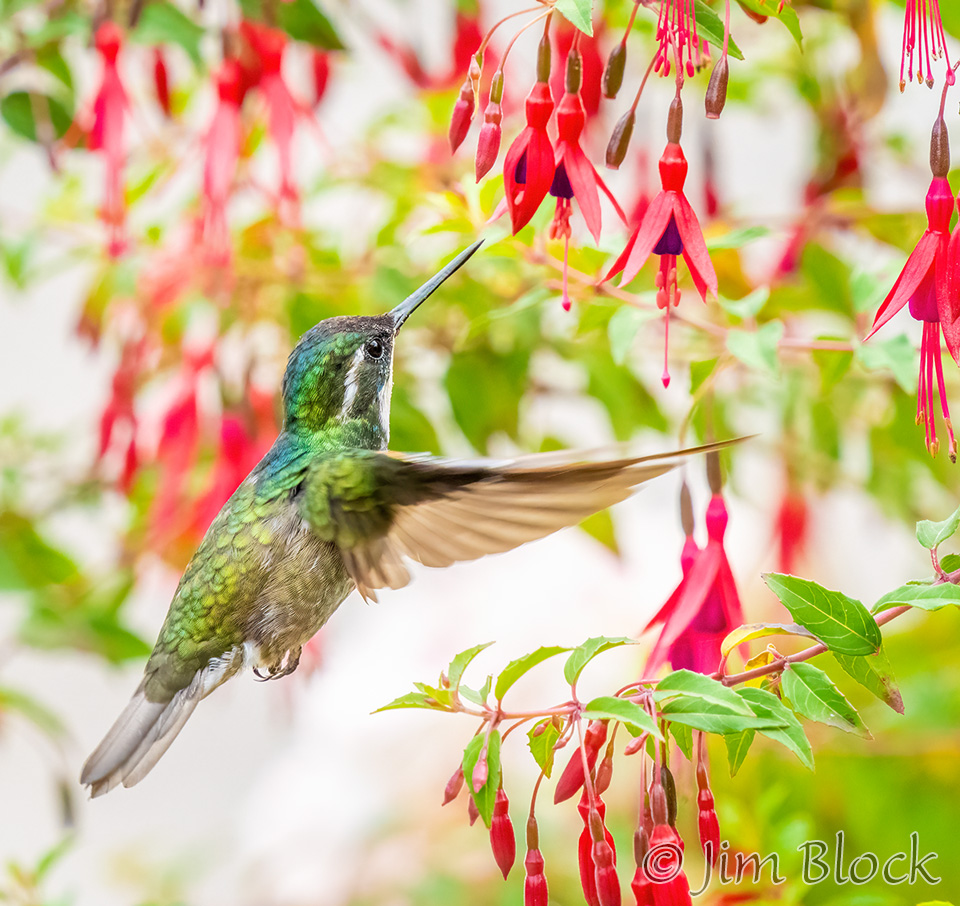
Along the way we saw the female Grey-tailed Mountaingem shown above and another male show below.
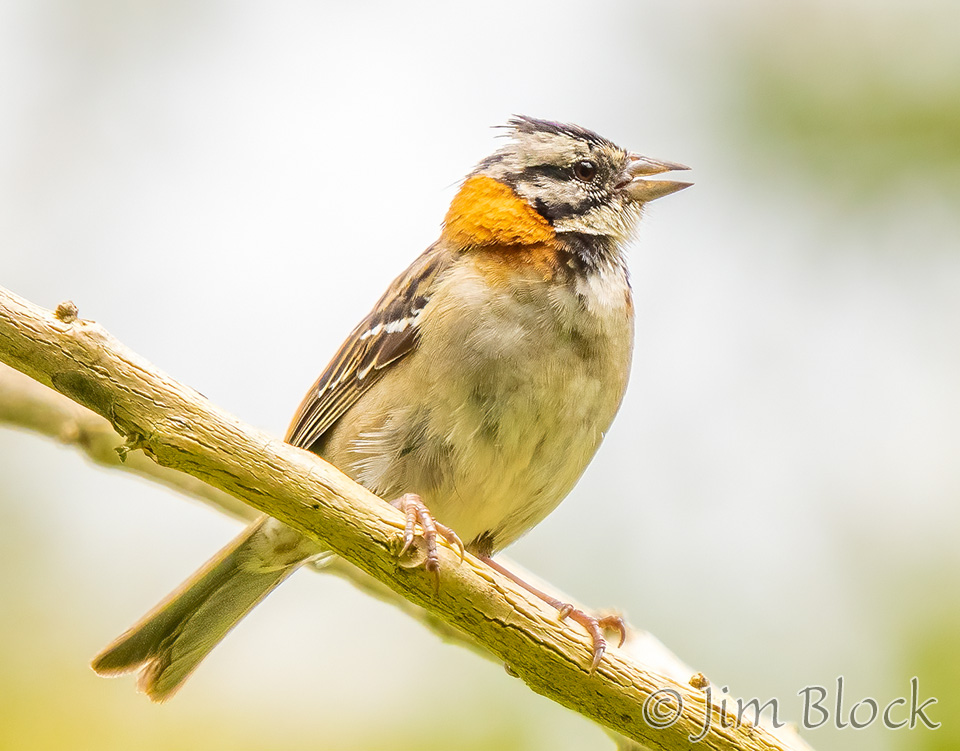
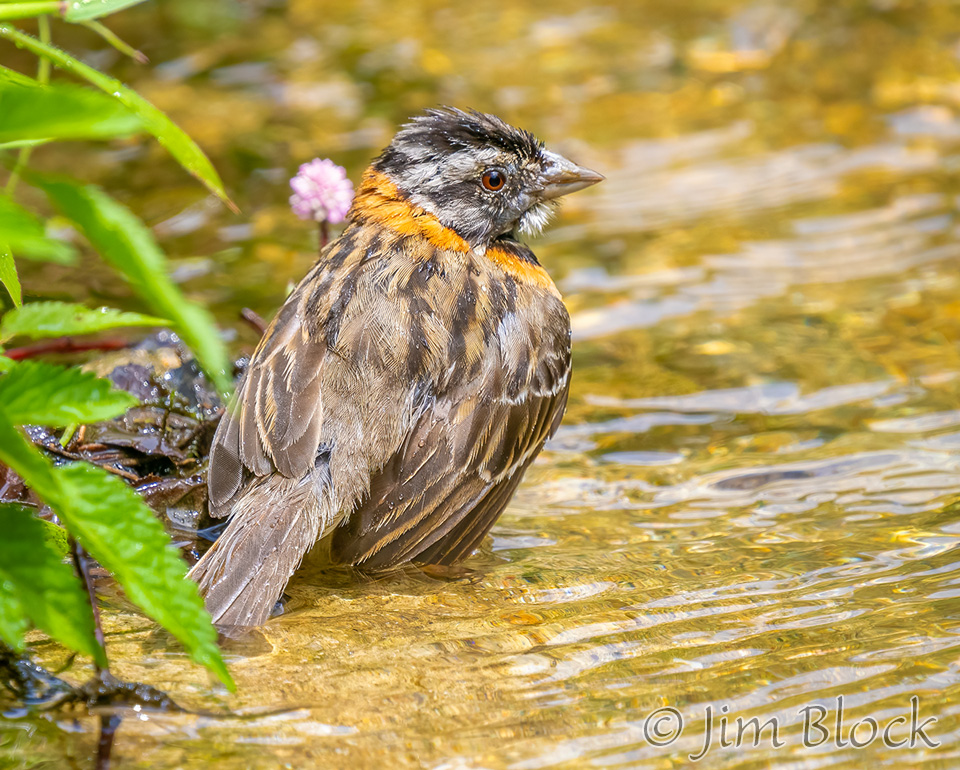
There was a Rufous-collared Sparrow that took a bath in a small side stream.
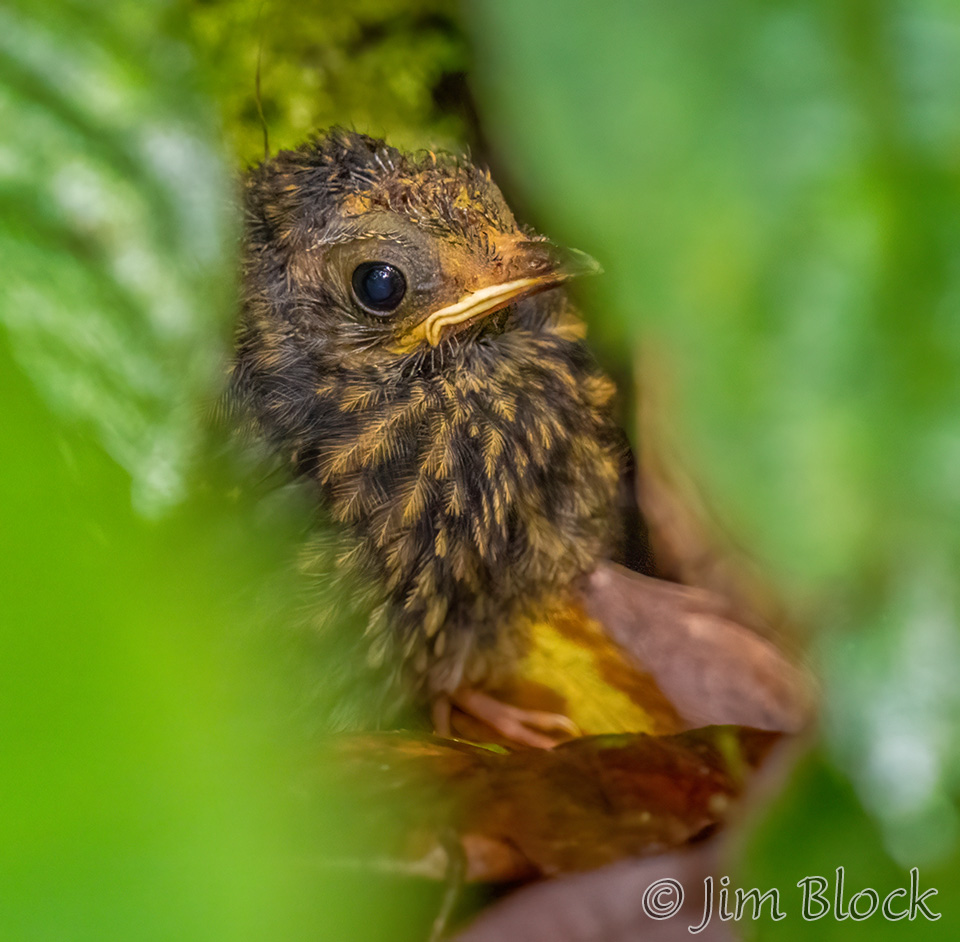
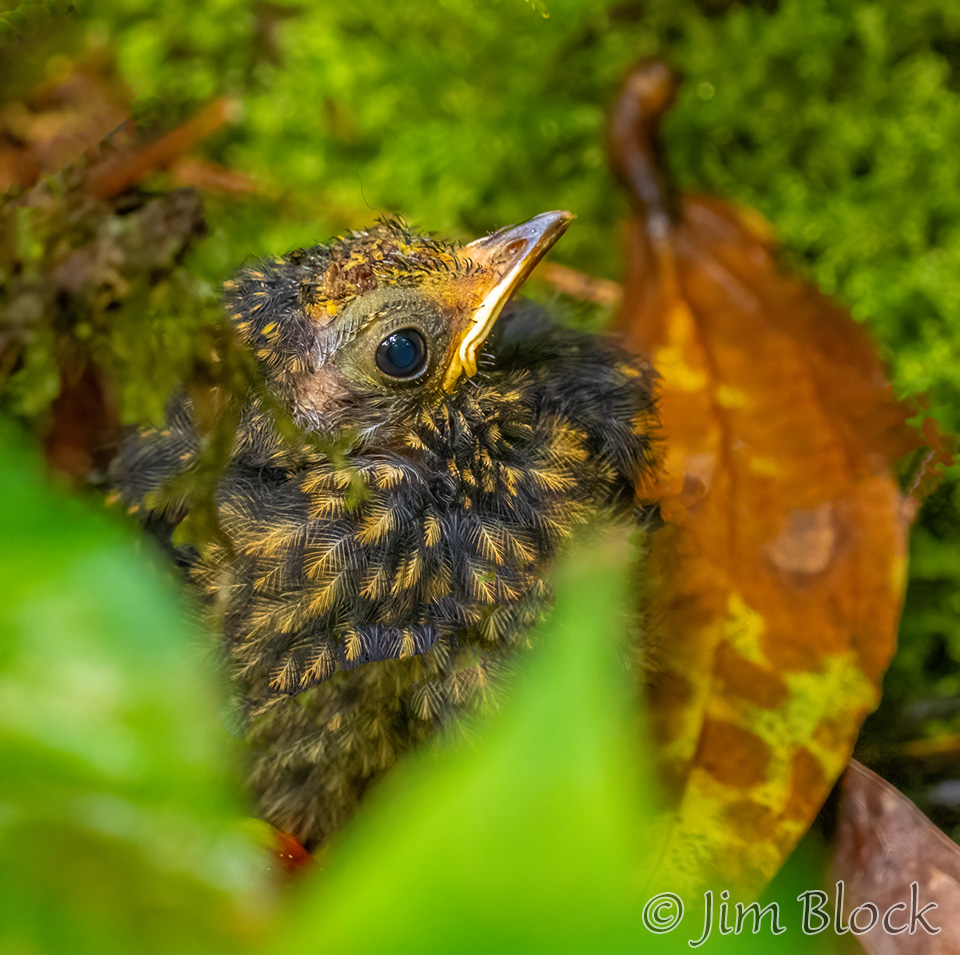
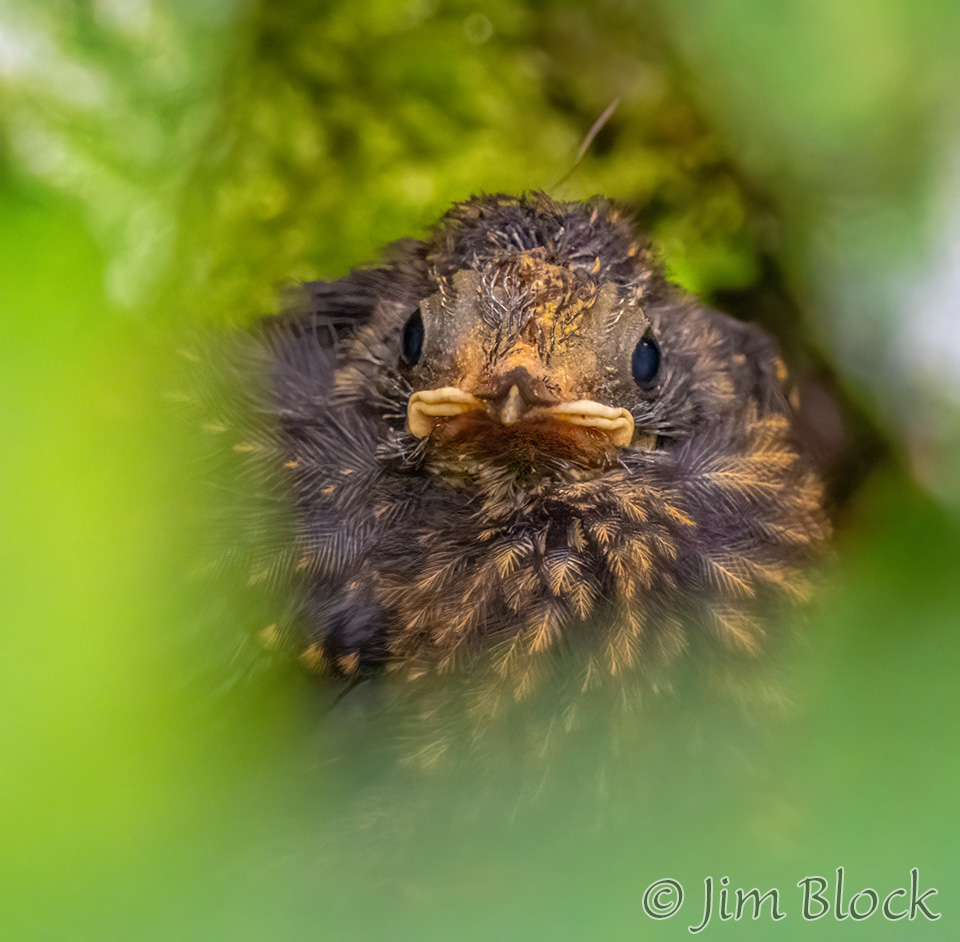
We found a tiny Black-faced Solitaire chick hidden among leaves on the ground.
We hiked along a trail through a dark forest. Photography was a challenge here. I did get a Spangled-cheeked Tanager.
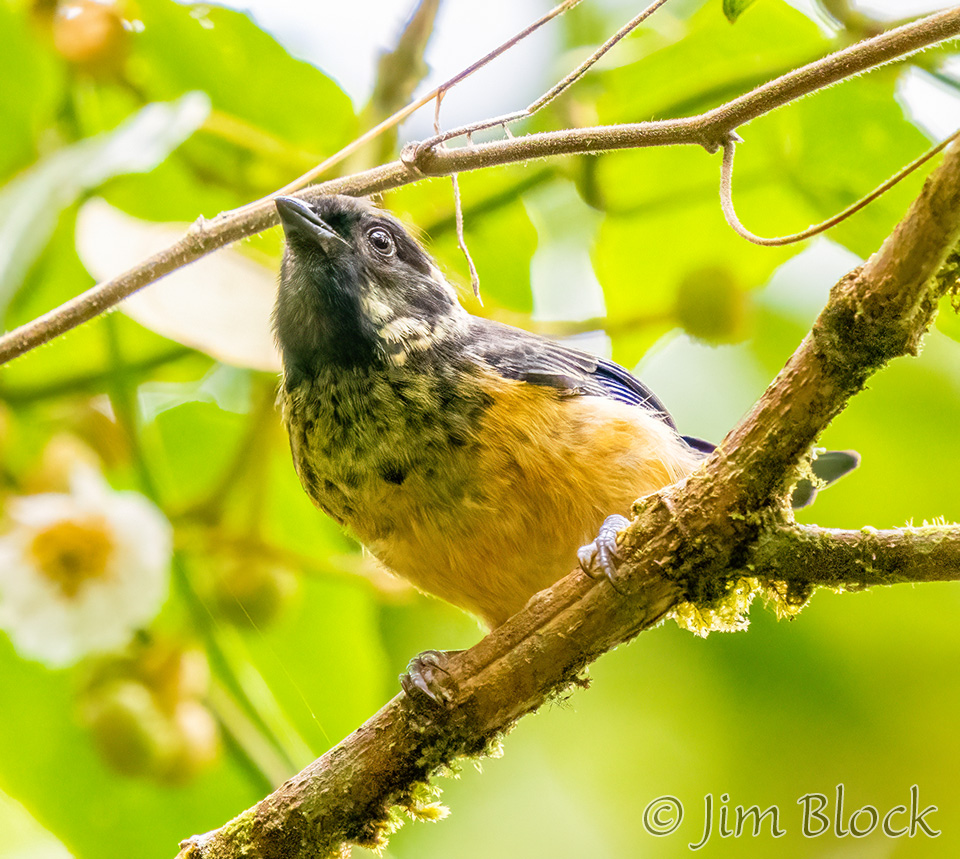
And a Middle American Bush-tanager.
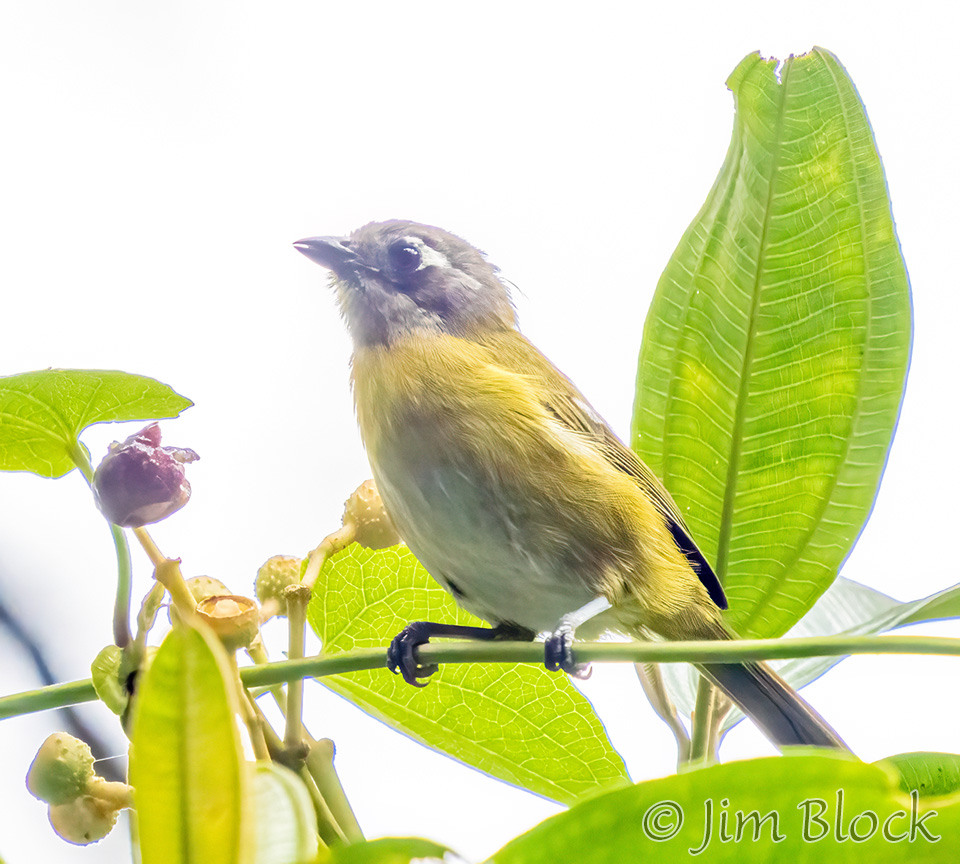
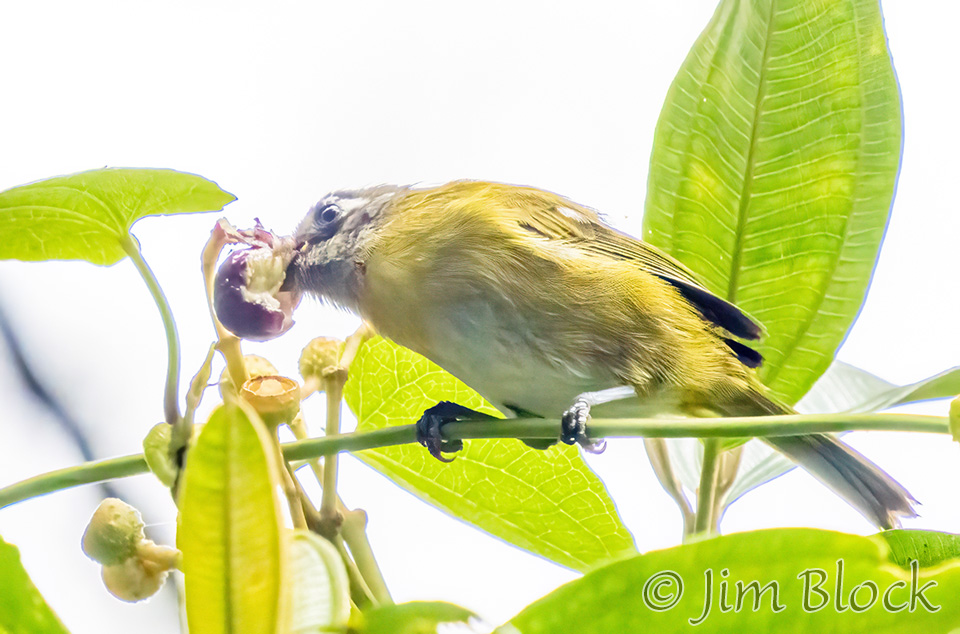
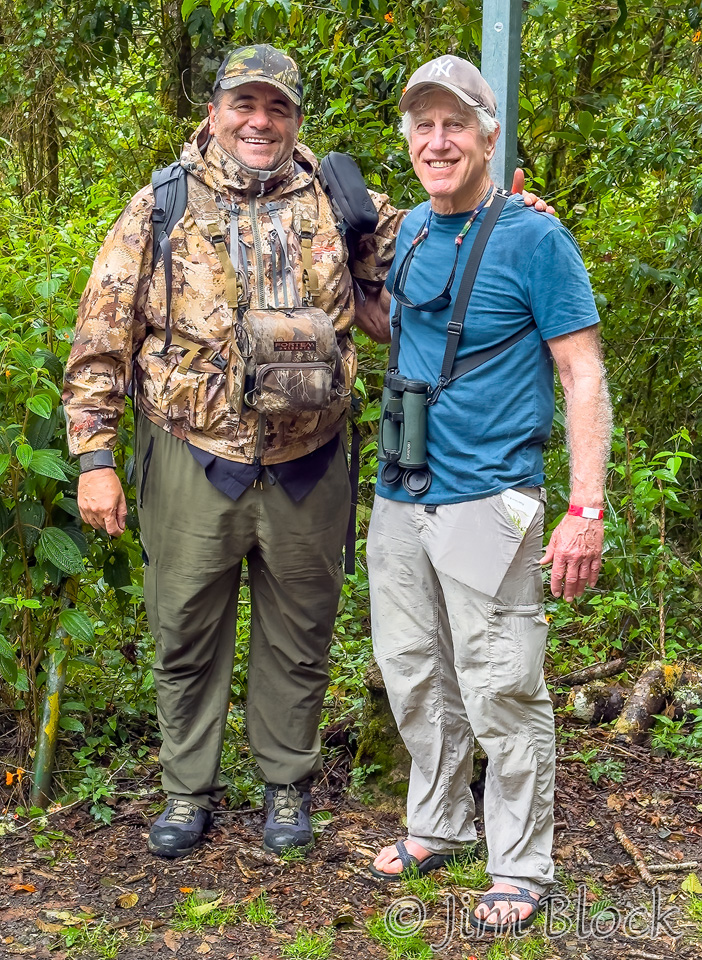
It started to rain so we headed back. Gil and Ted posted for me along the way.
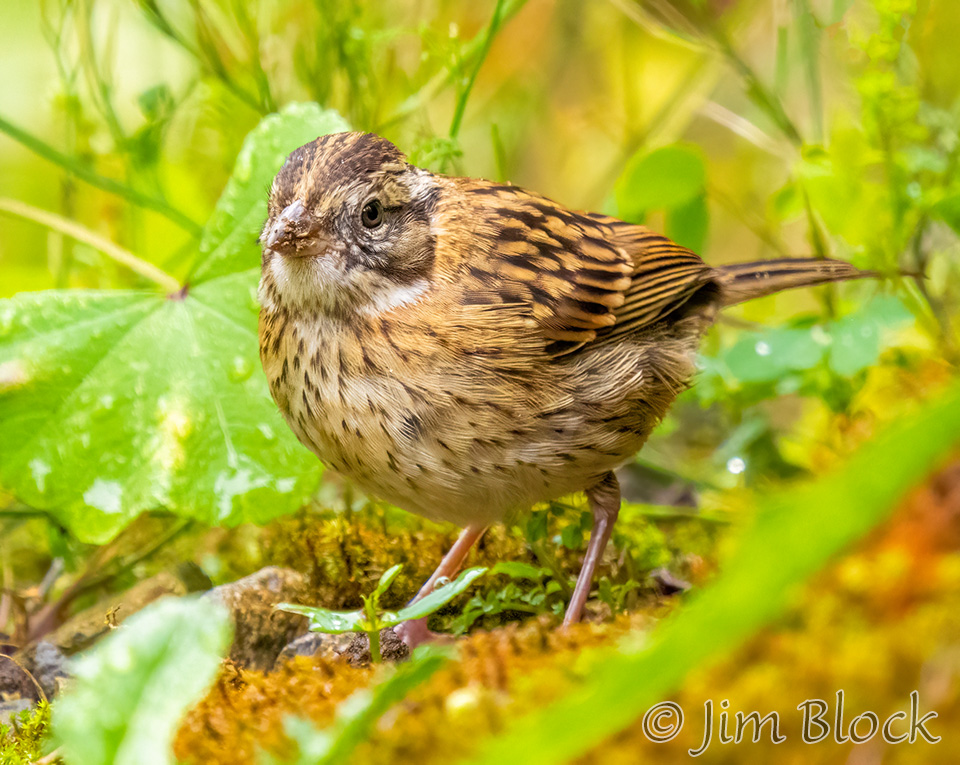
Before lunch I took a photo of a juvenile Rufous-collared Sparrow.
Our plans for the afternoon were appropriately rained out.
Dinner was slow (another two hour meal), fancy, not too filling, but delicious.
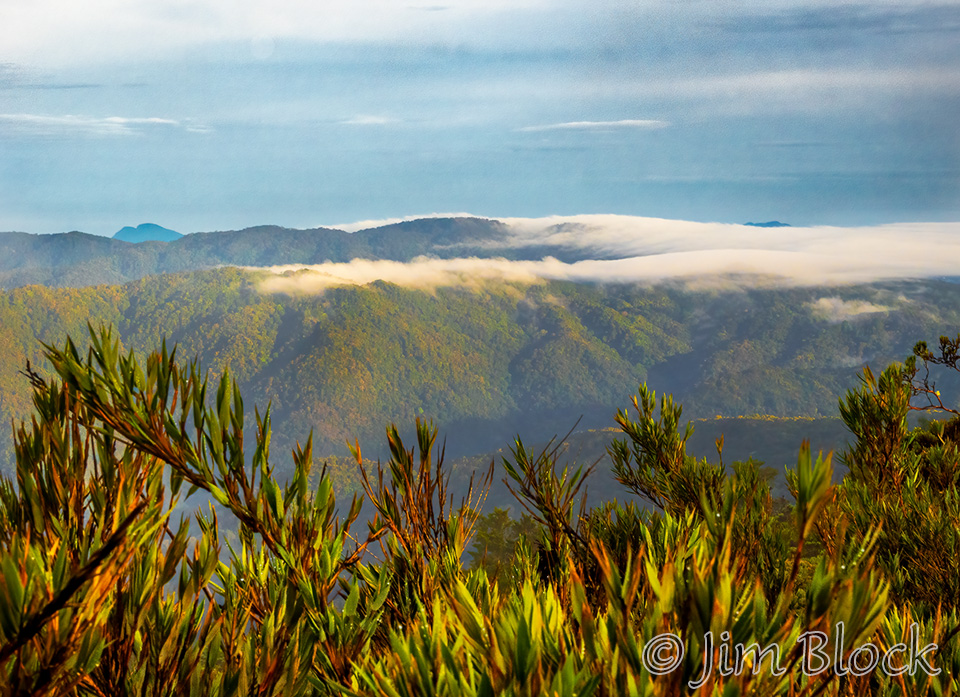
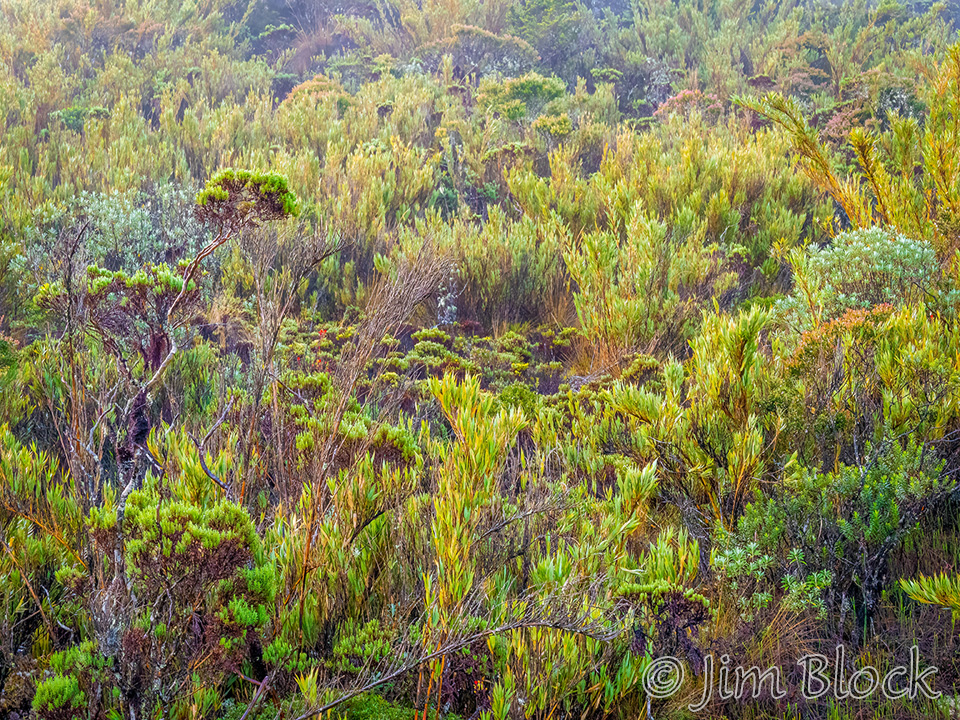
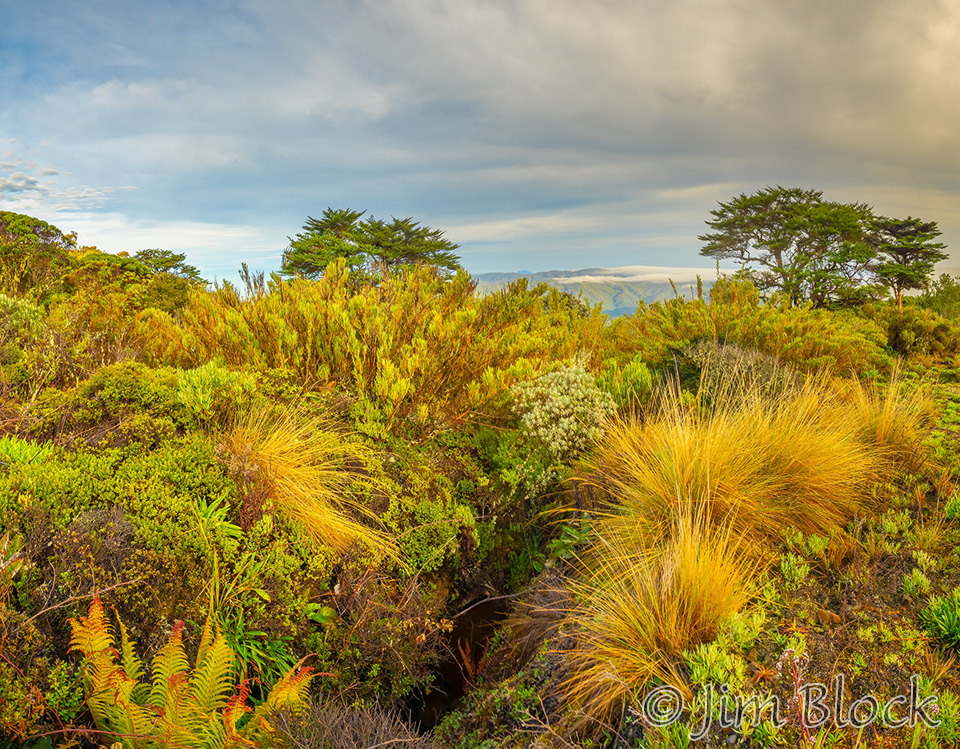
We had a long next morning with a goal to get to Corcovado for lunch. We met fully packed at 5 a.m., picked up a bag breakfast which consisted of two small candy bars and a small apple that I did not eat, and headed uphill out of the valley then up to our highest spot on the trip, Mirador Torres at almost 12,000 ft.
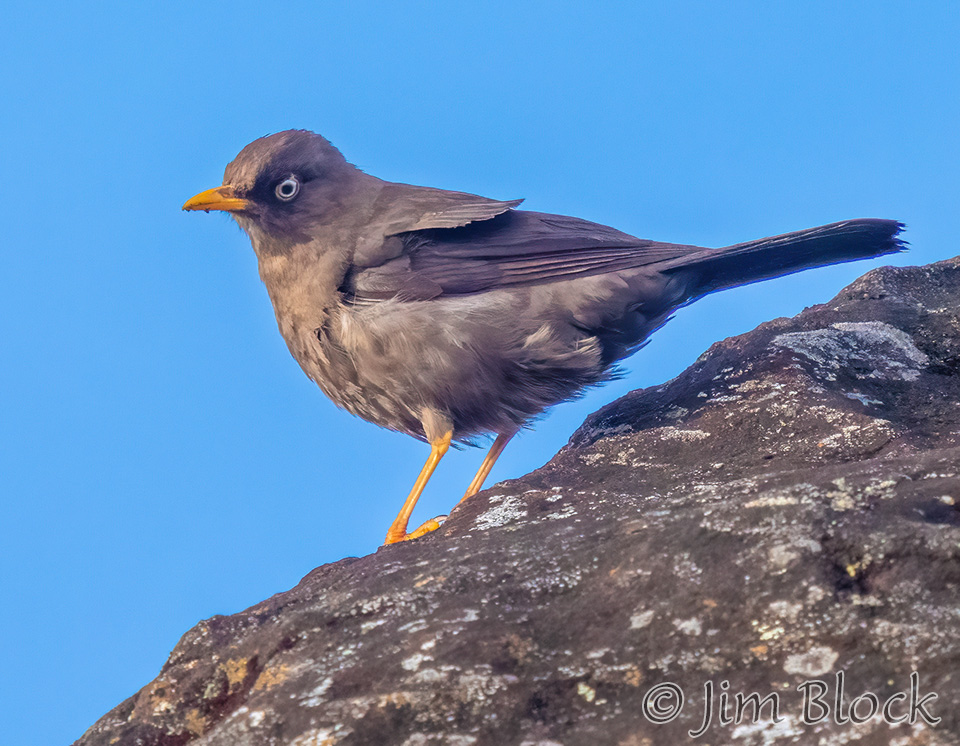
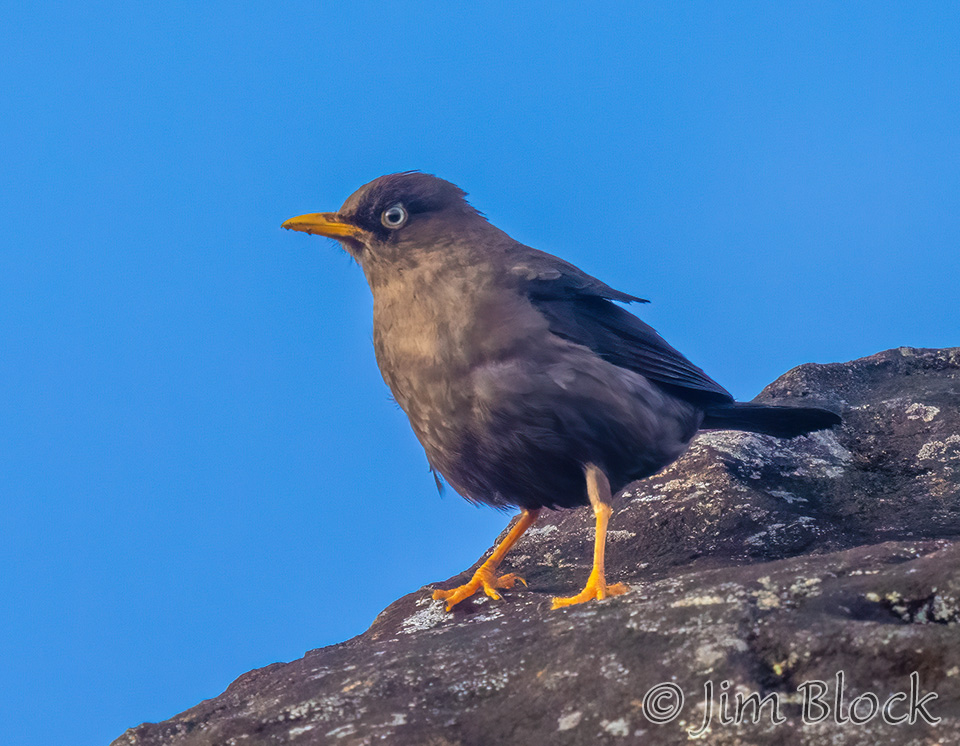
I photographed a Sooty Thrush.
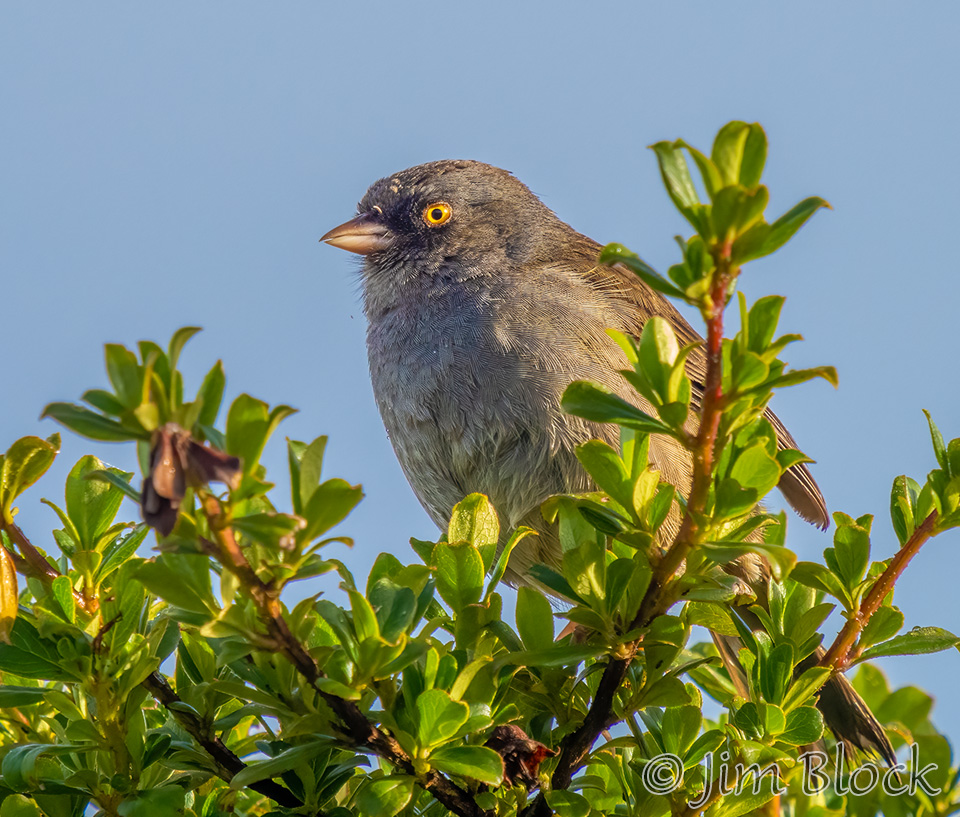
And a Volcano Junco.
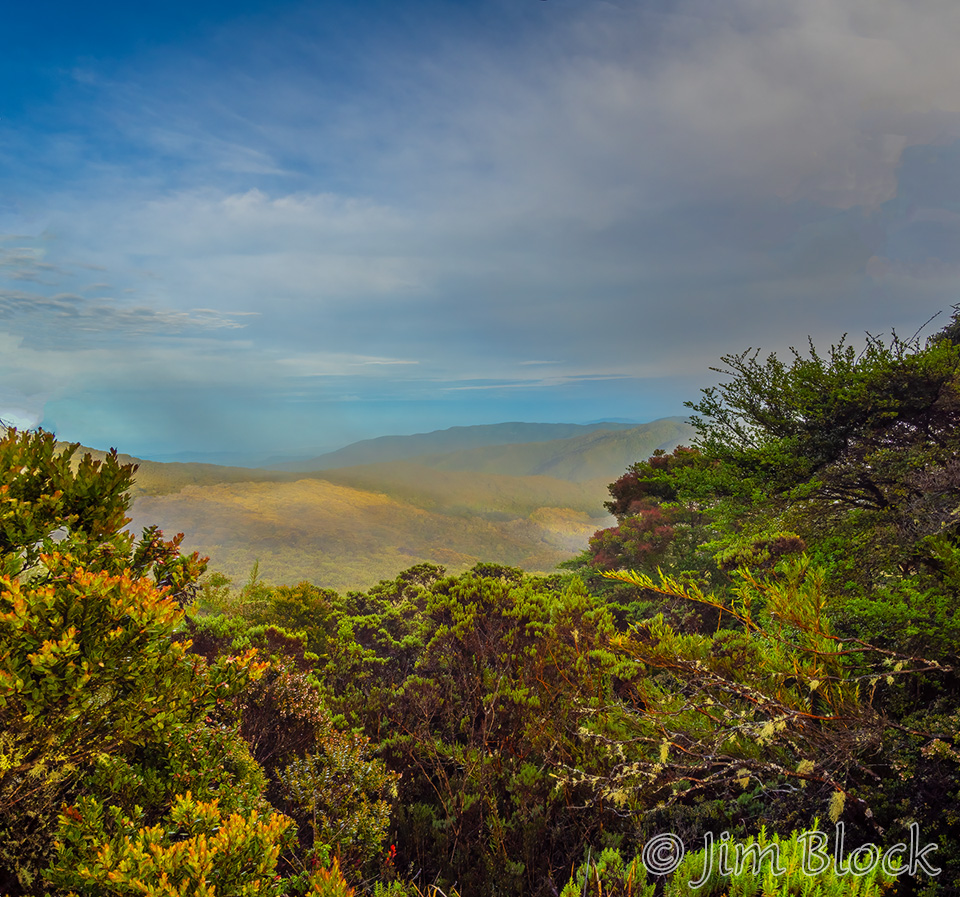
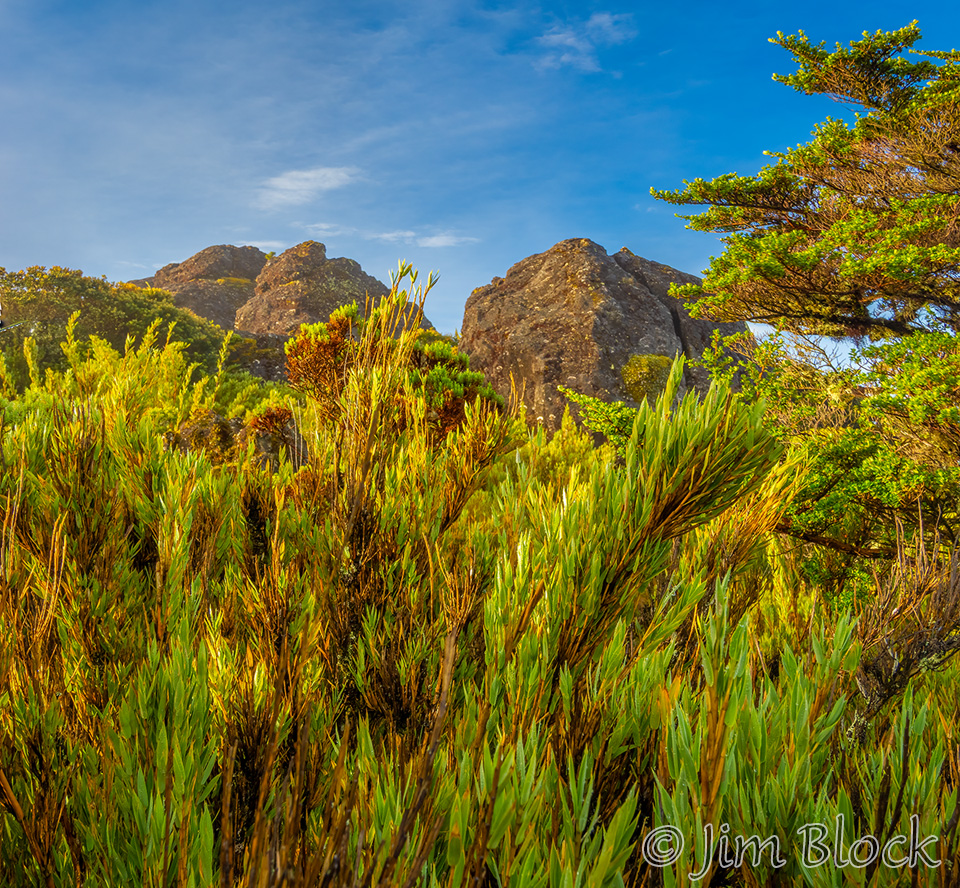
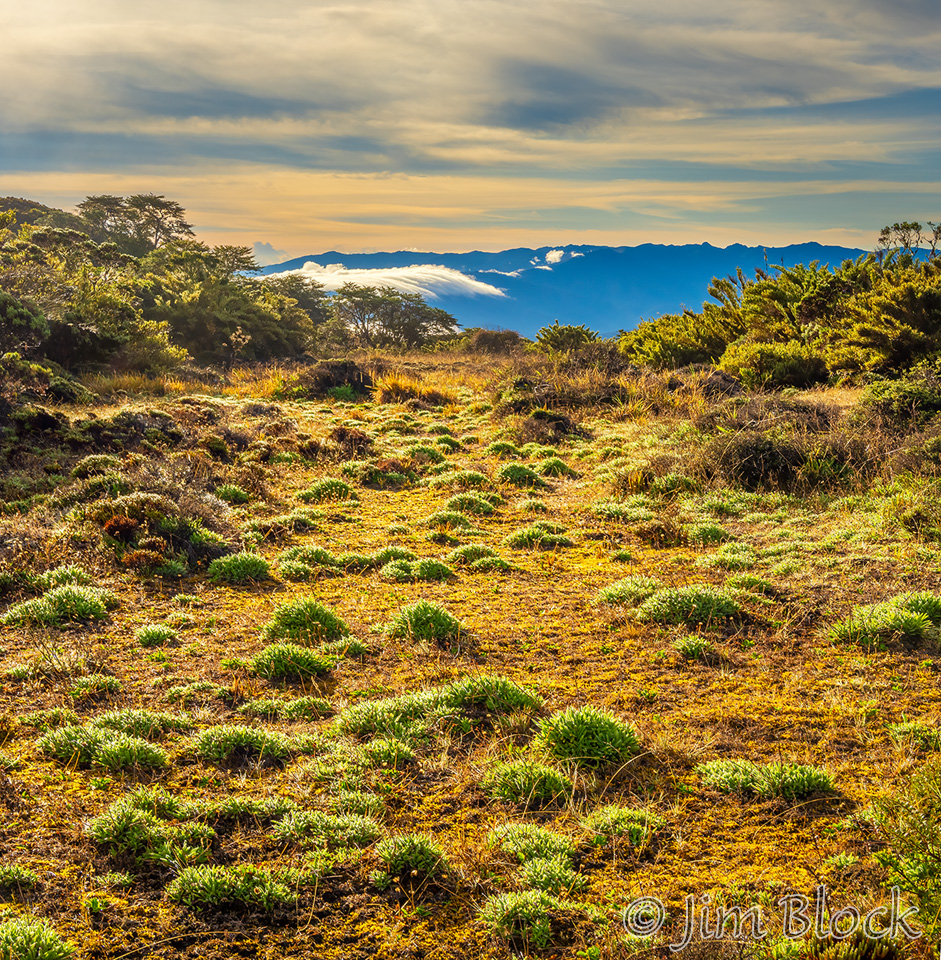
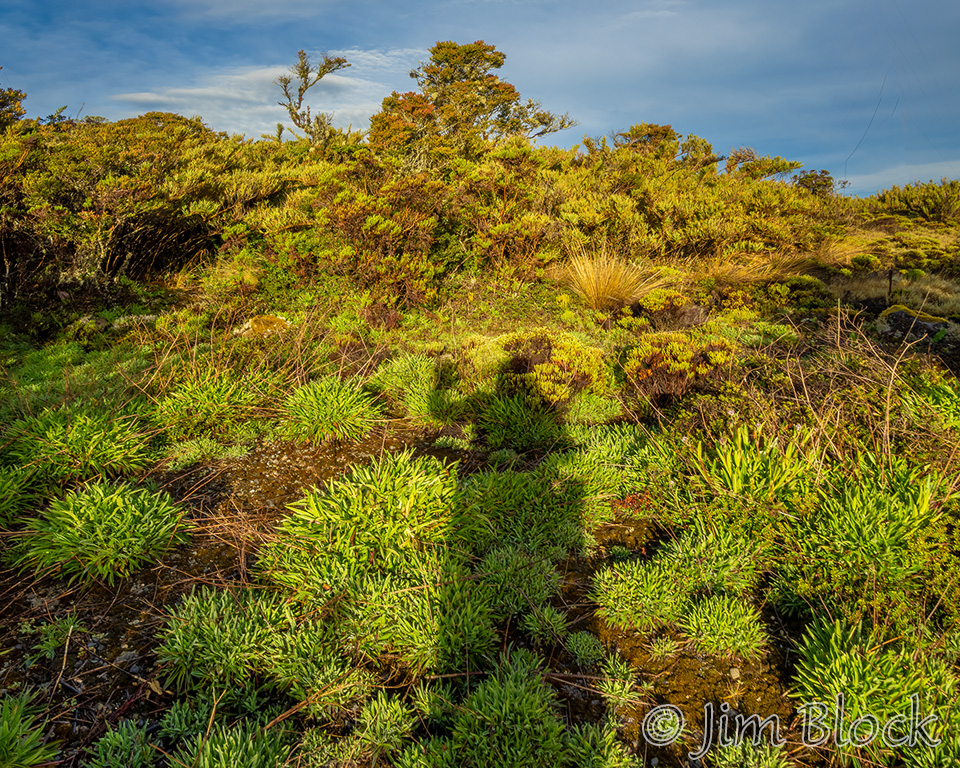
And took a few more scenic photos.
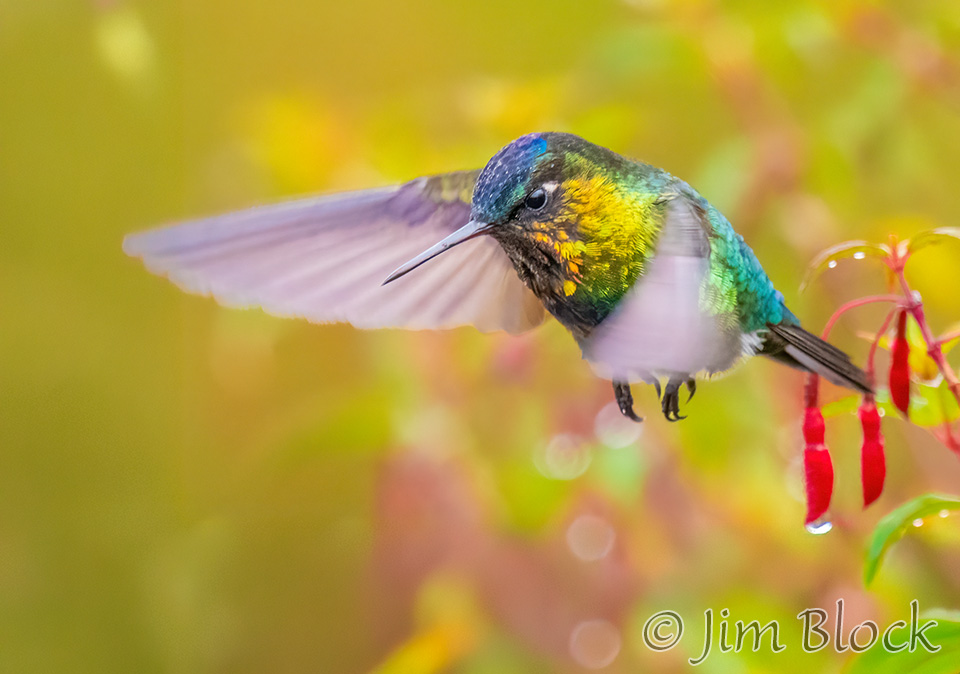
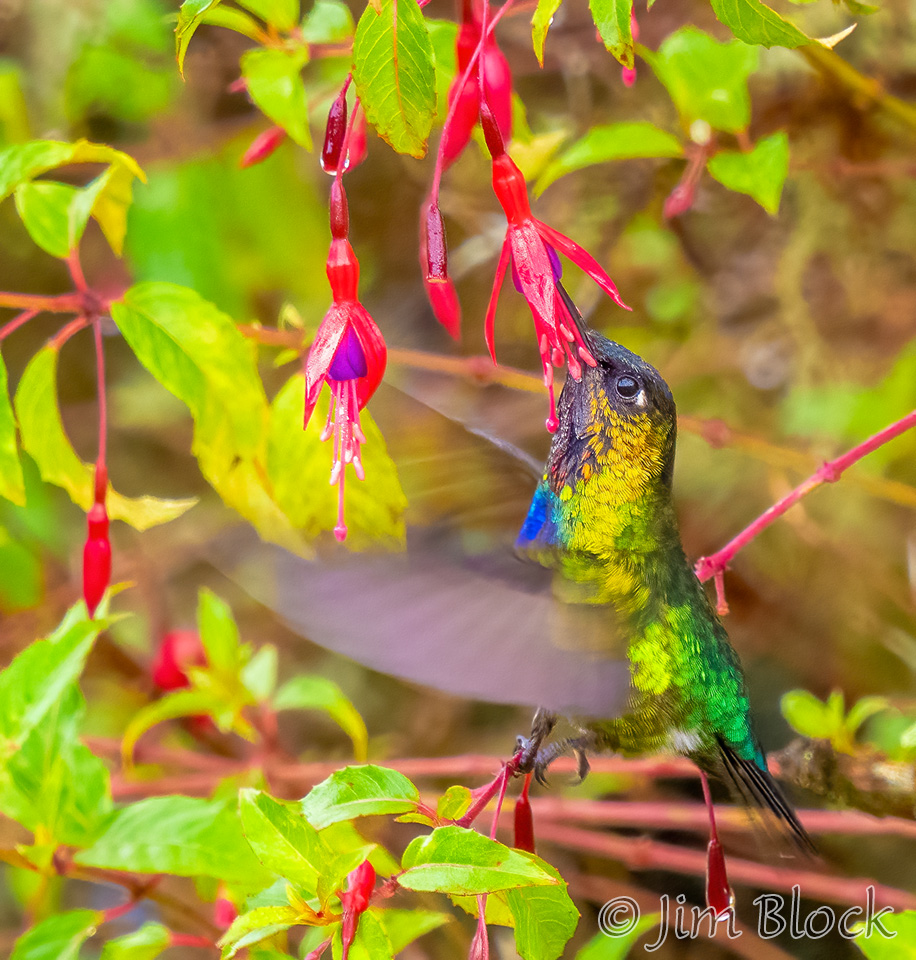
When we stopped for a bathroom break at a much lower altitude (we would soon be at sea level), I photographed some Fiery-throated Hummingbirds.
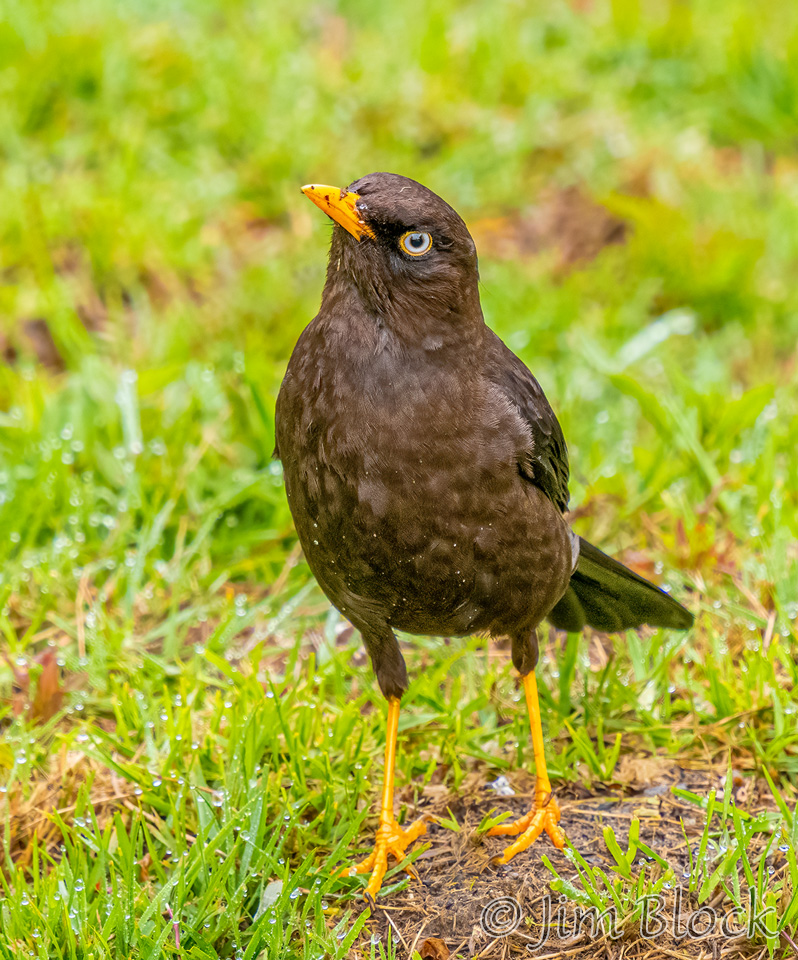
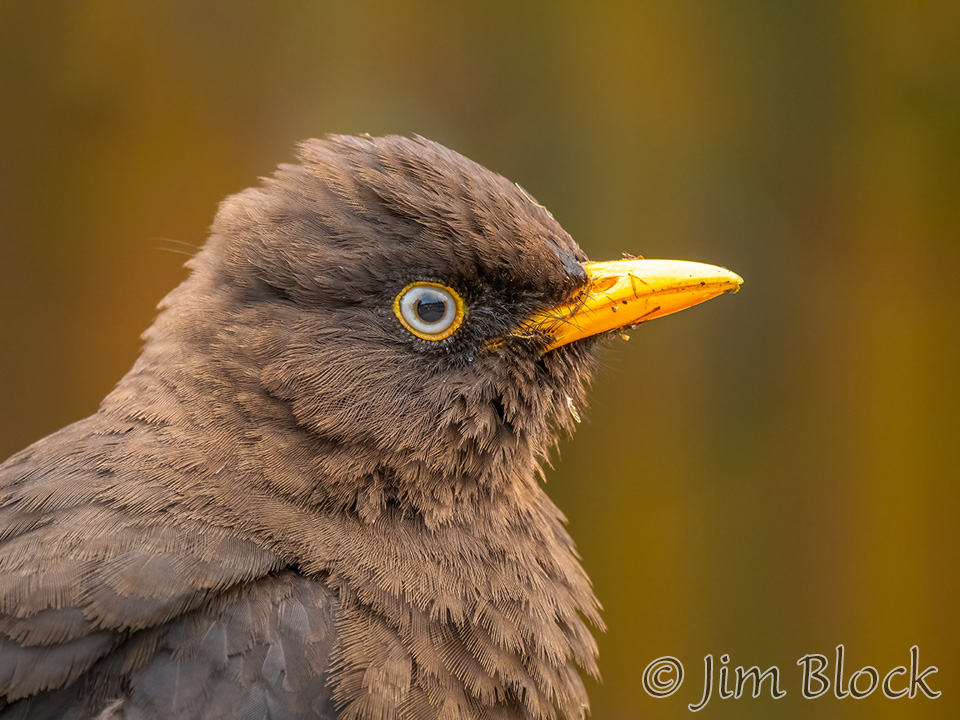
There were also Sooty Thrush present.
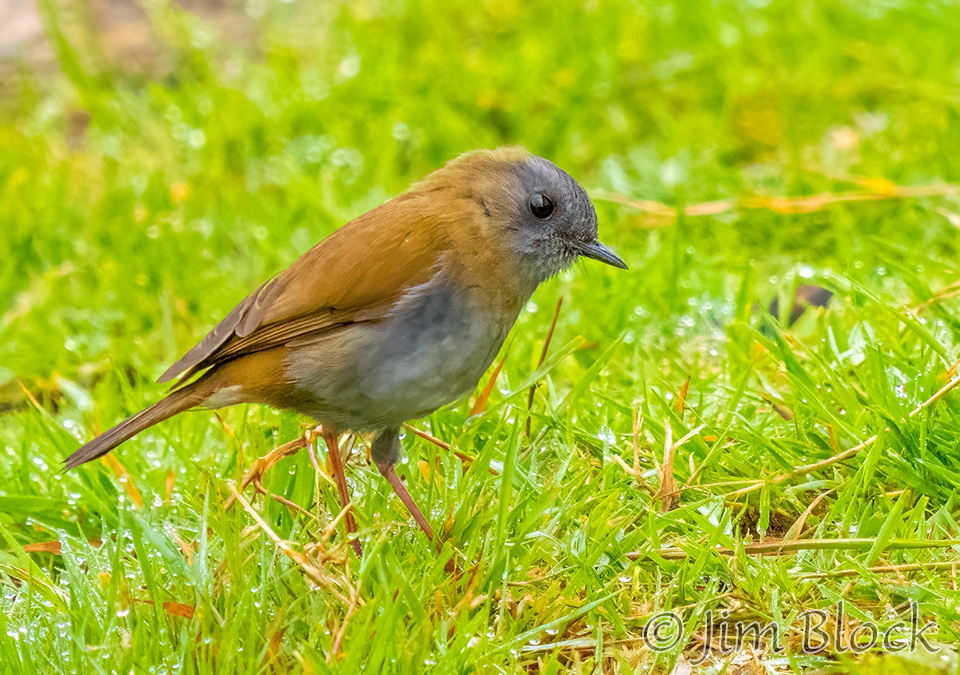
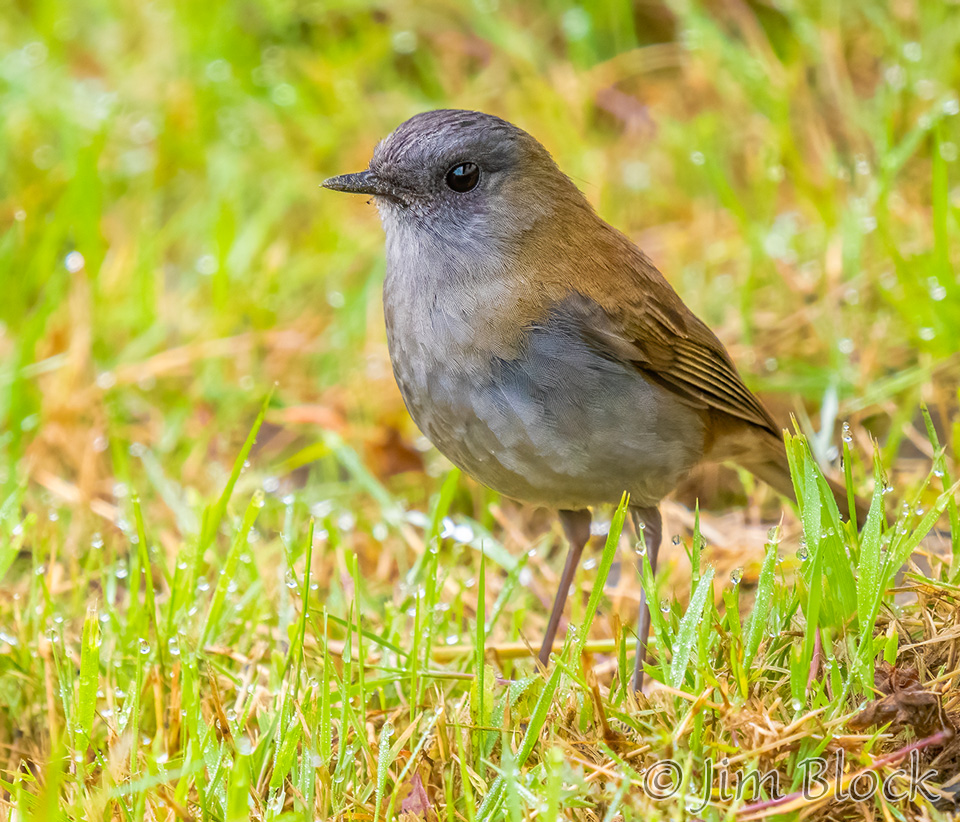
Also Black-billed Nightingale-Thrush.
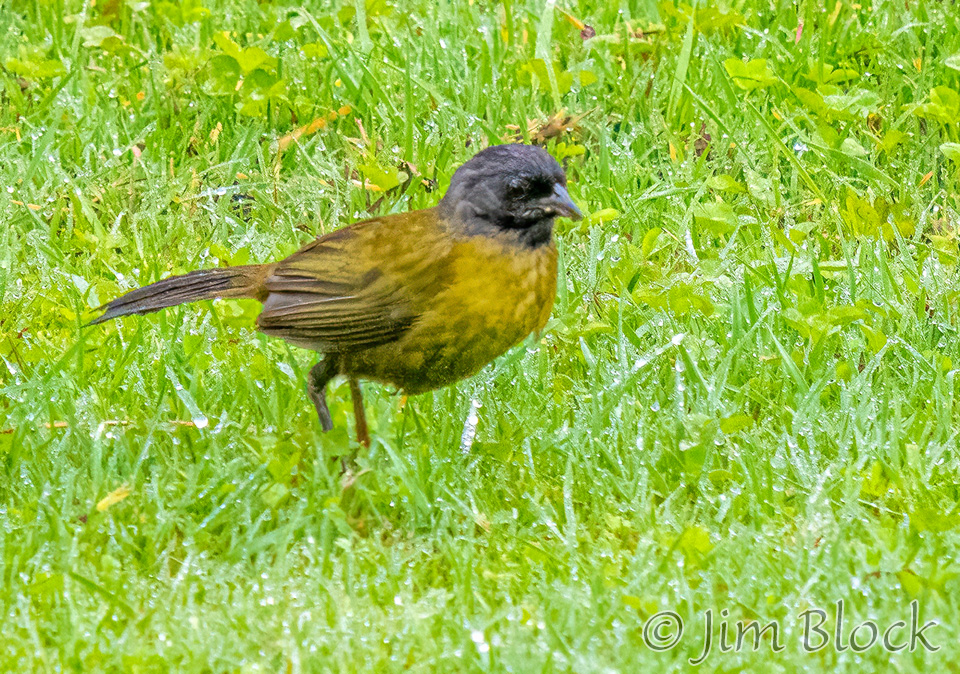
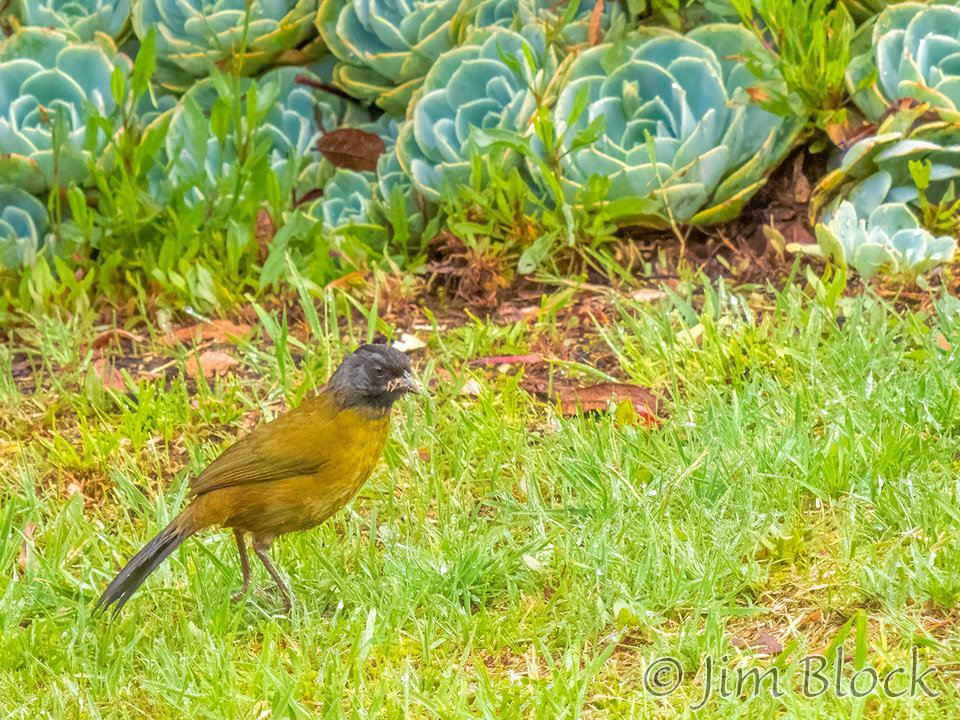
Some Large-footed Finch.
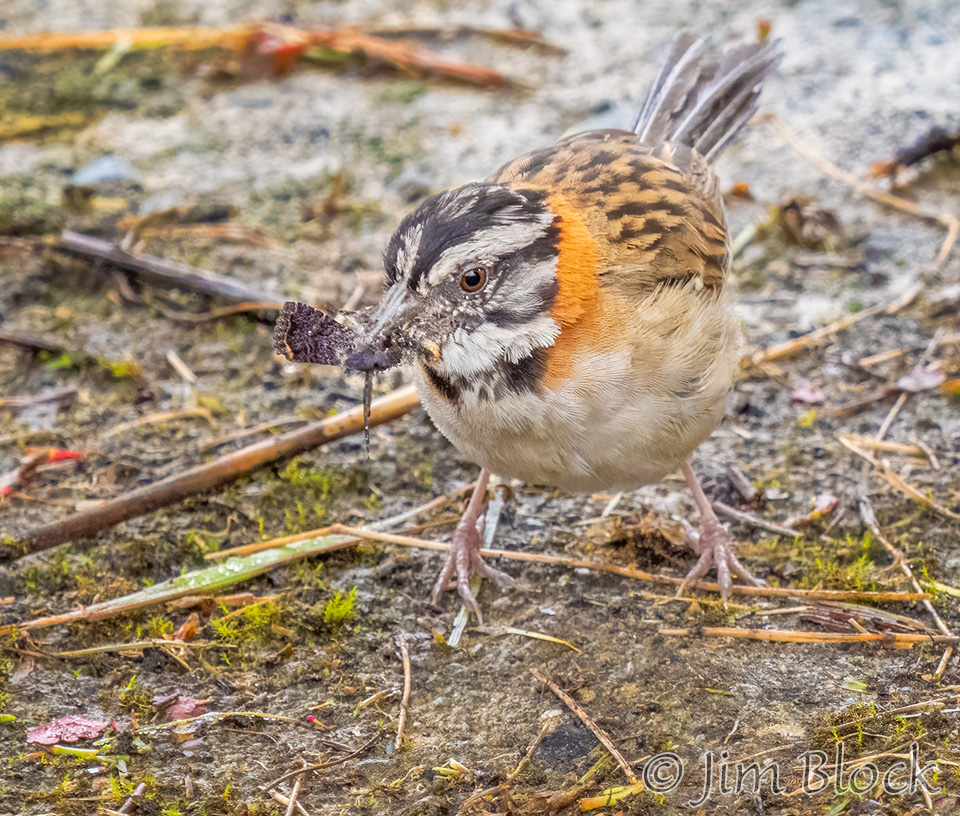
And yet another Rufous-collared Sparrow.
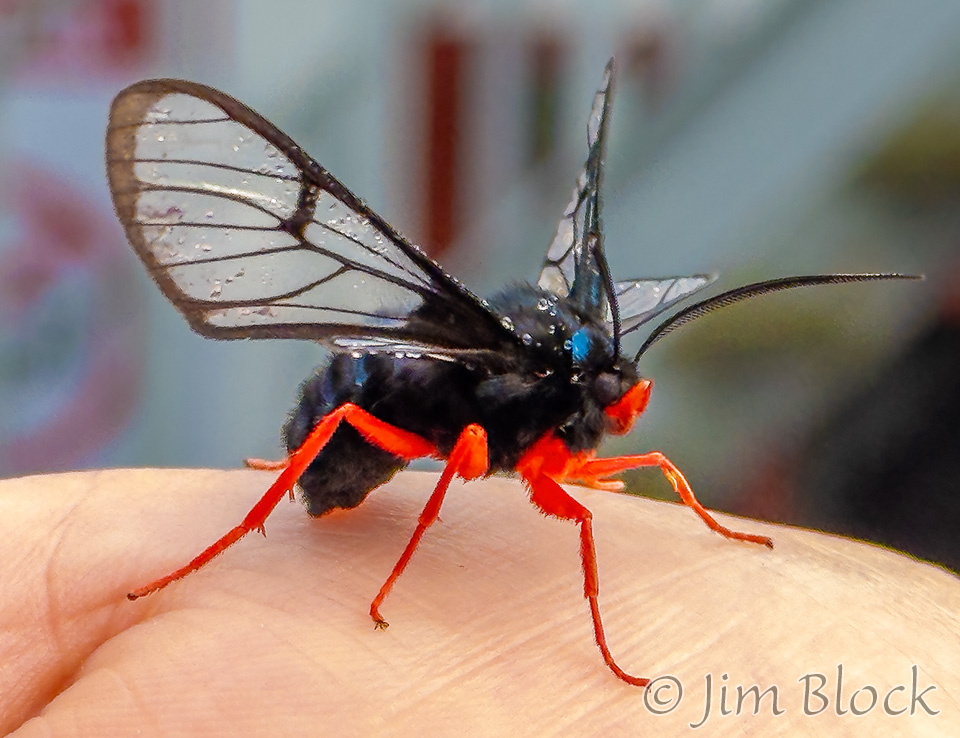
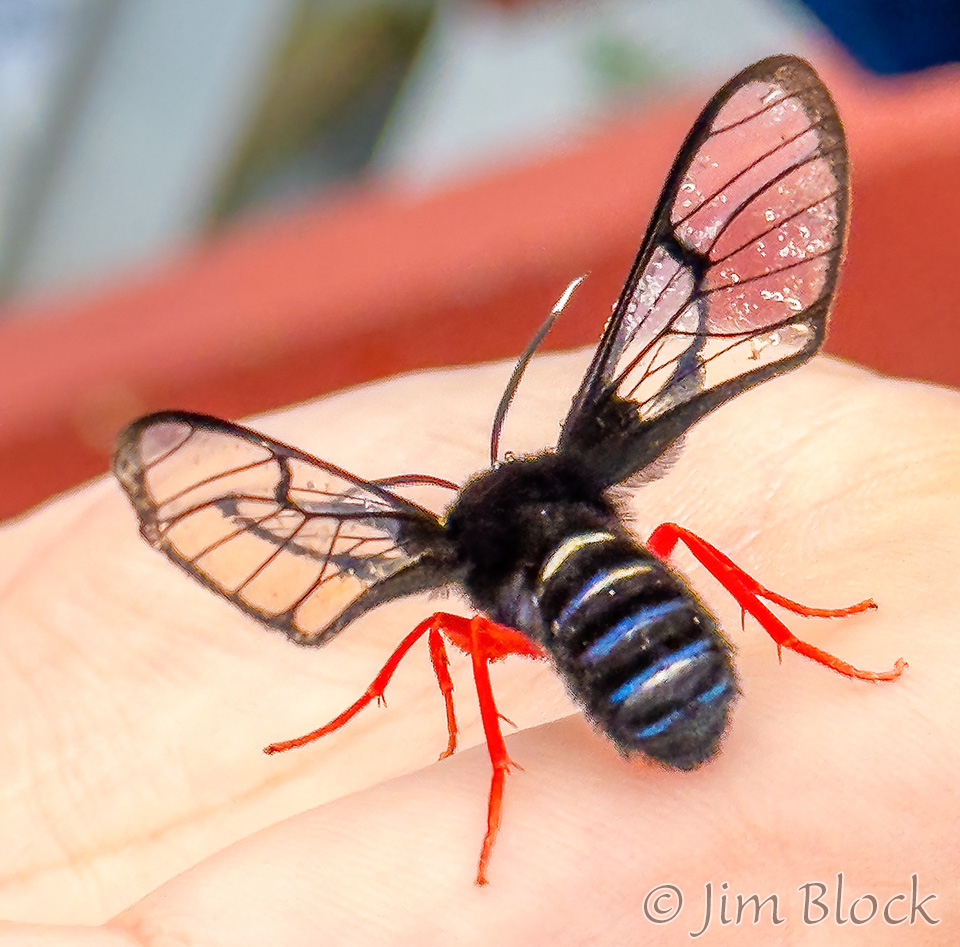
I large insect, a Cosmosoma gigantea, landed on Gil’s hand. I photographed it with my phone.
On to the Osa Peninsula and Corcovado National Park for two fantastic days and nights!