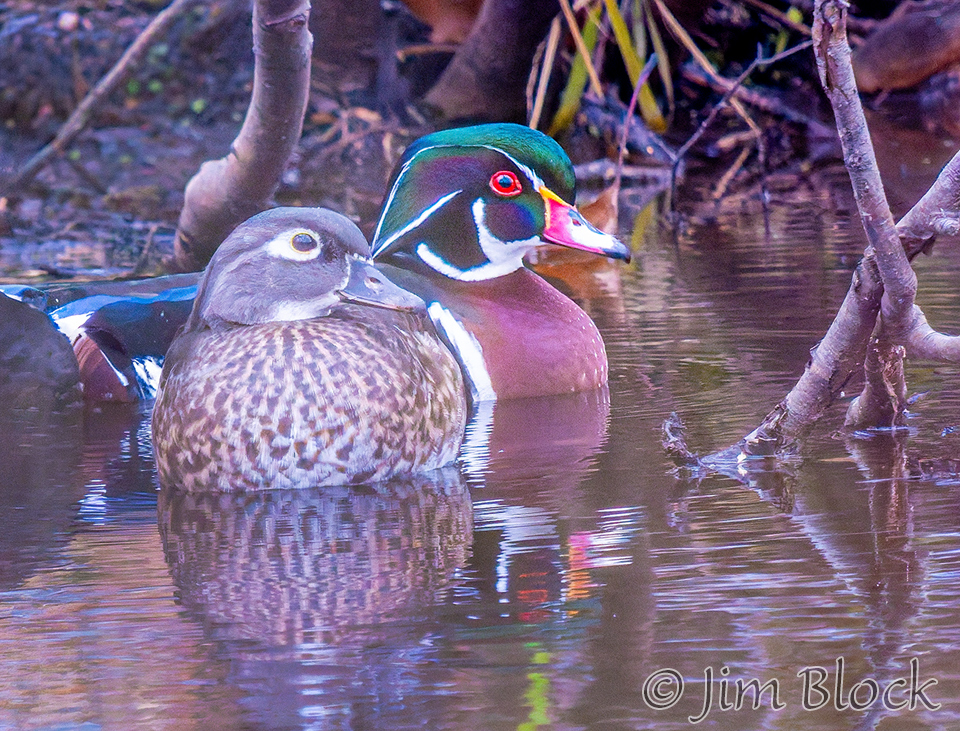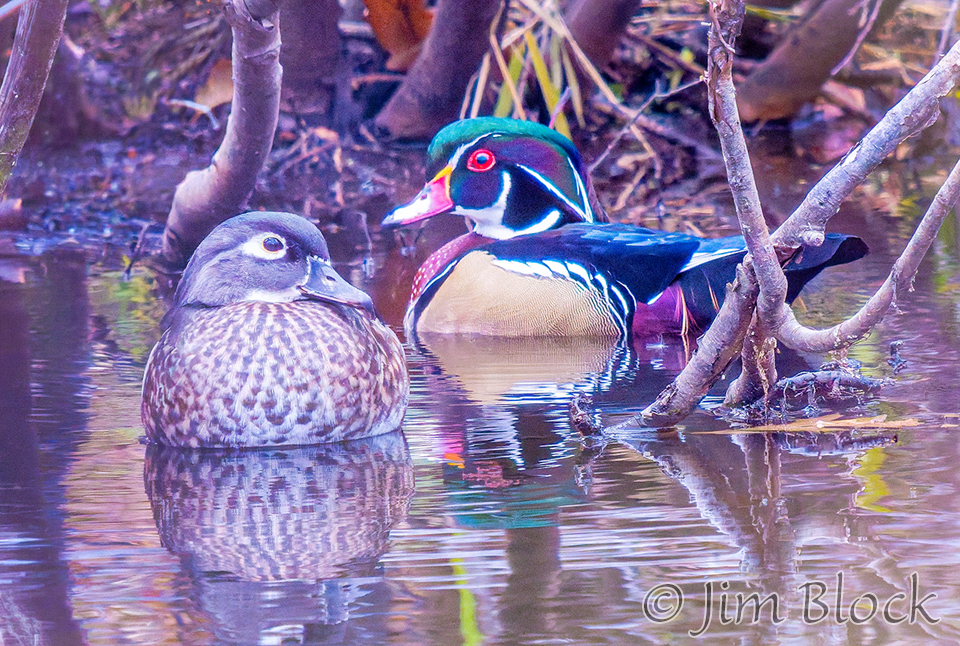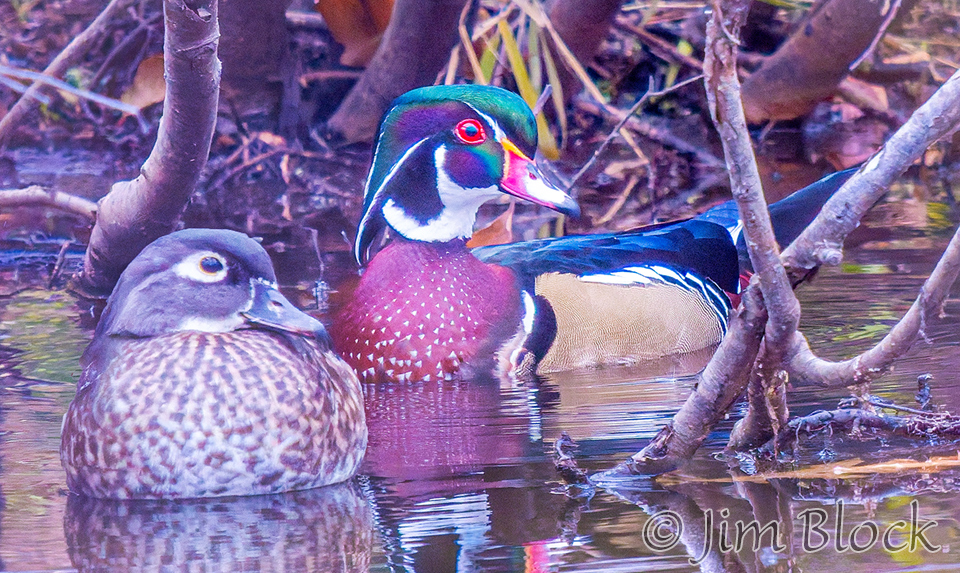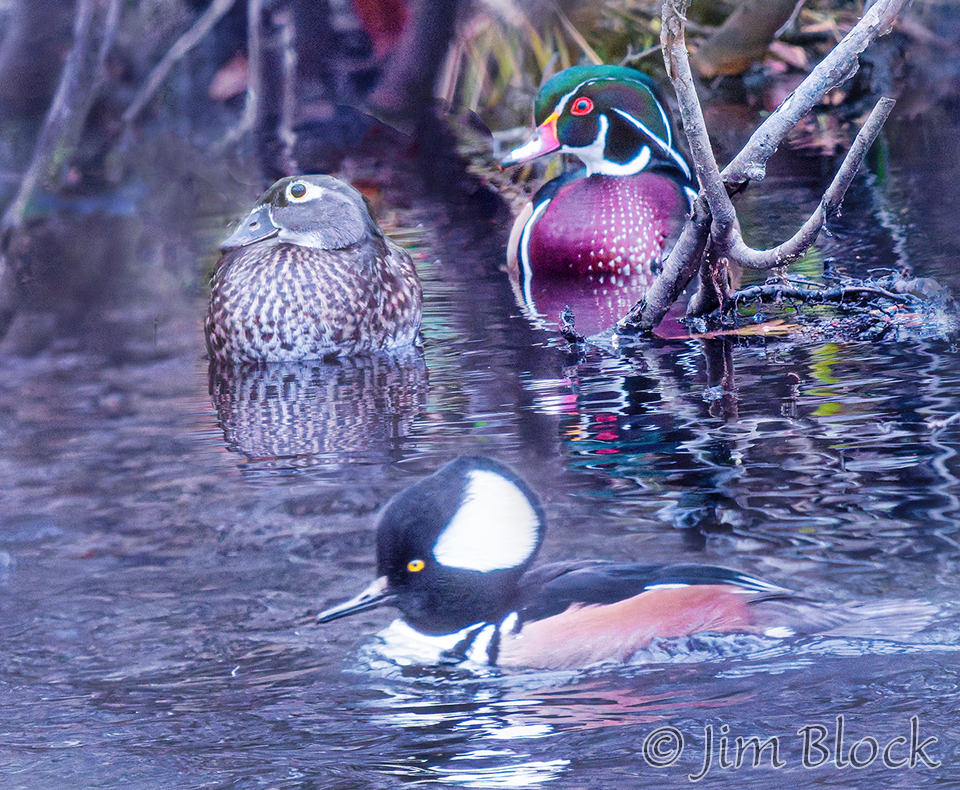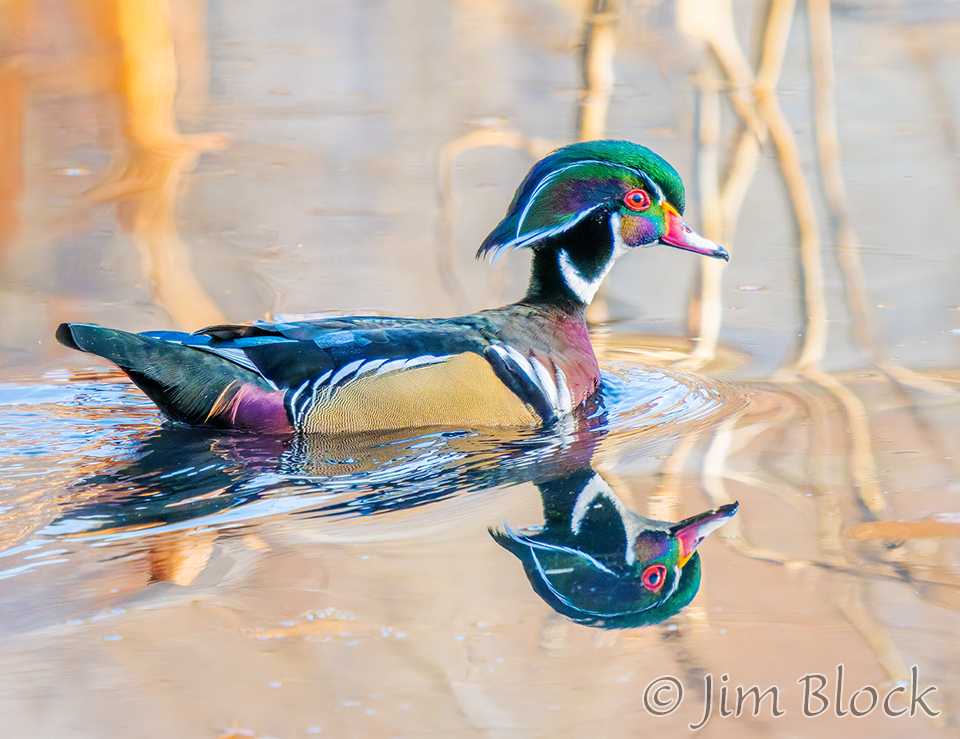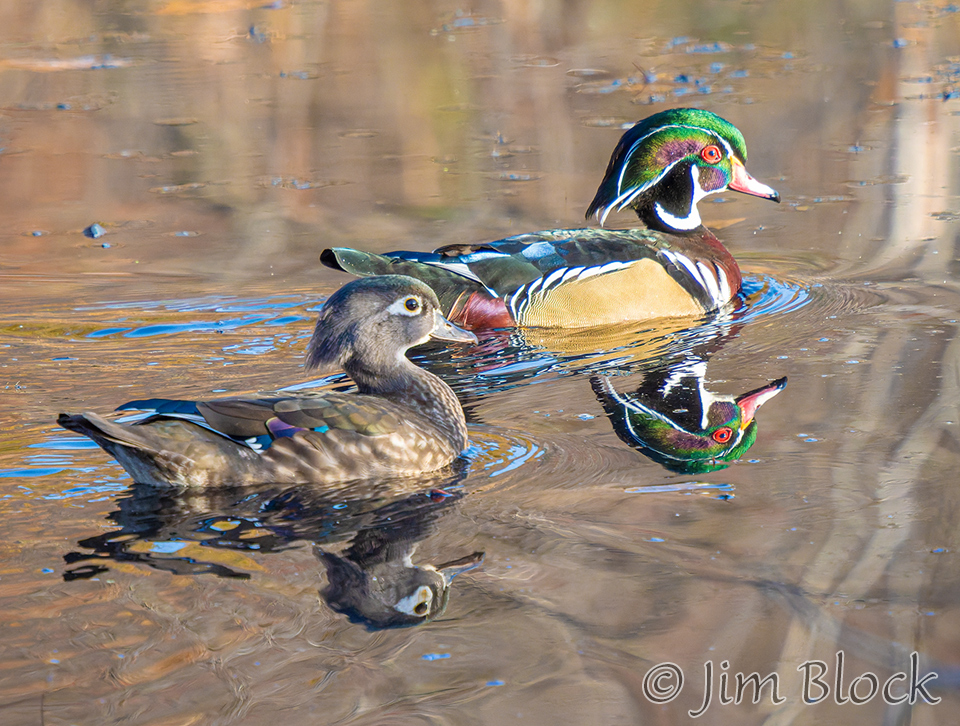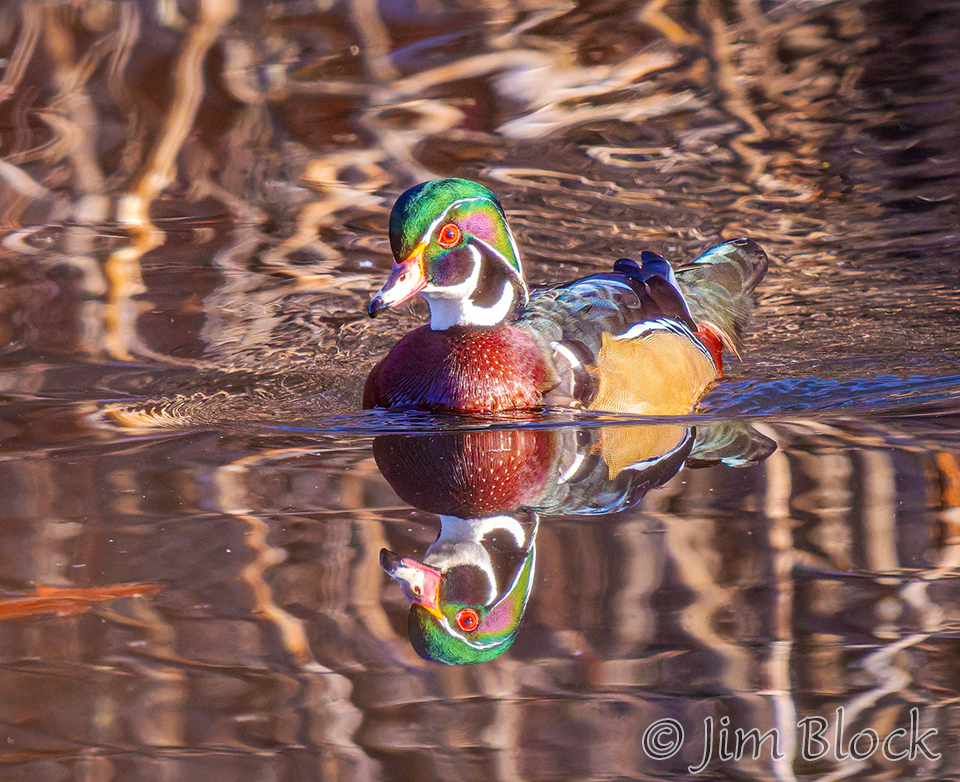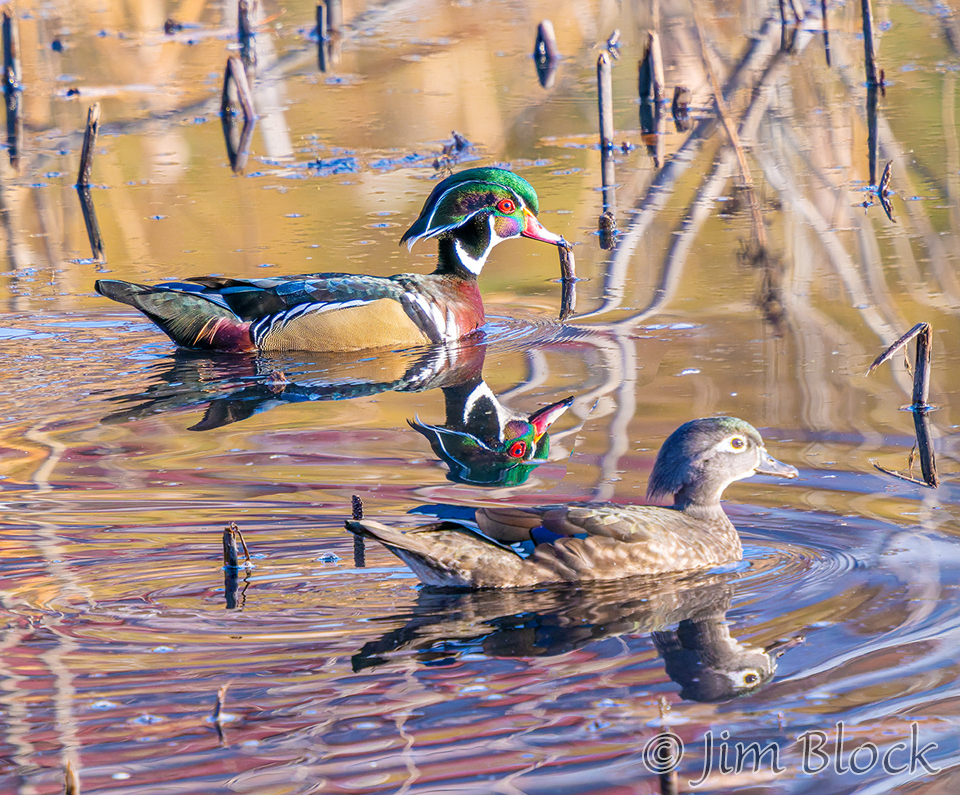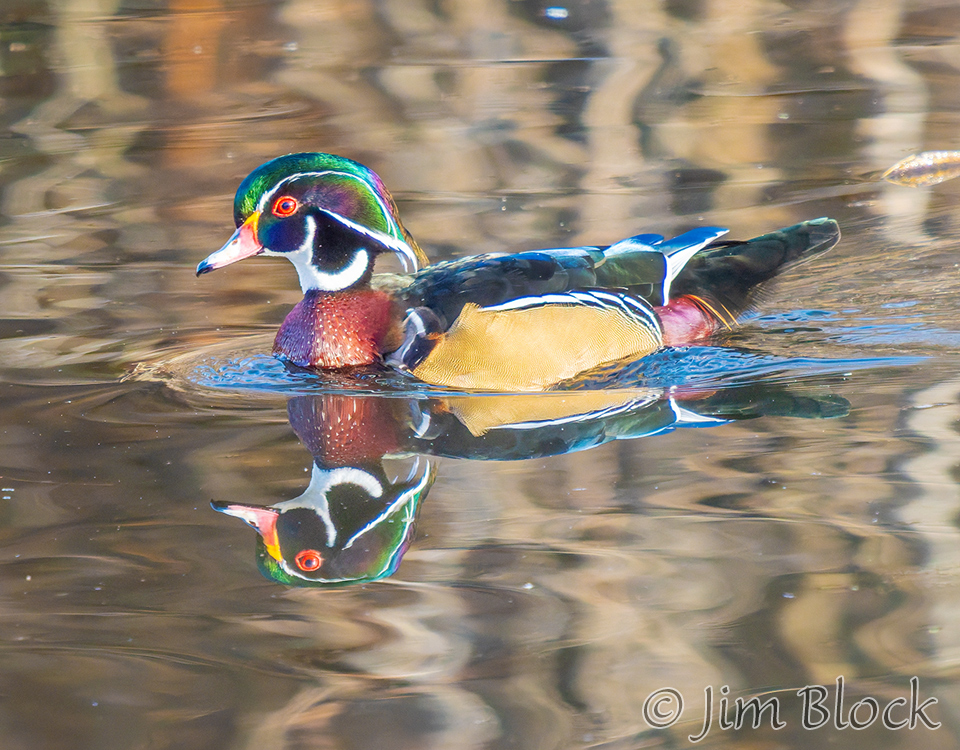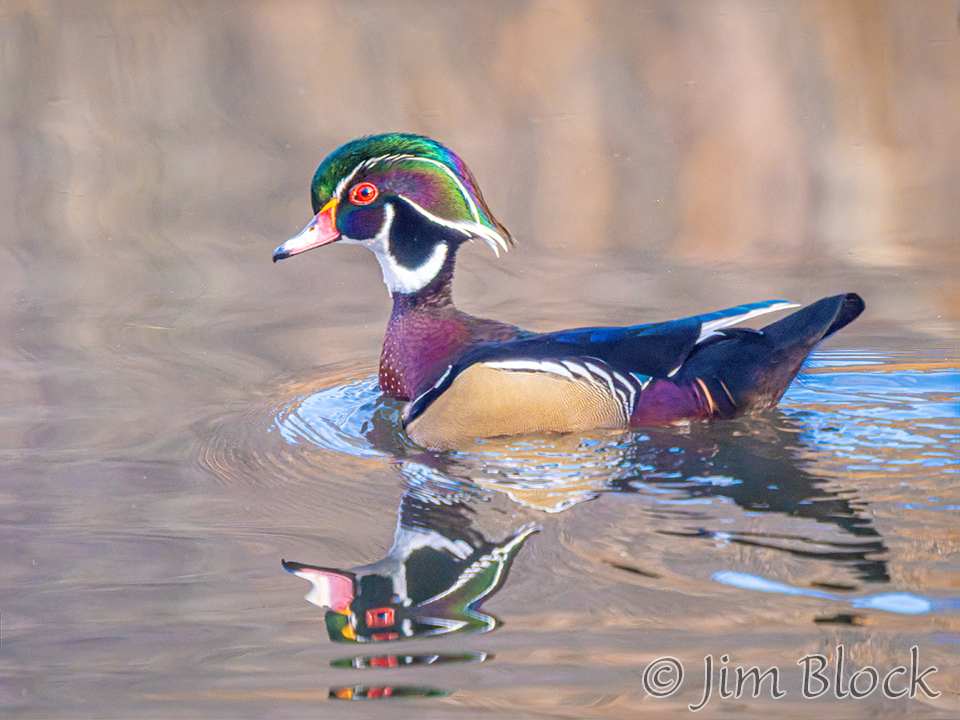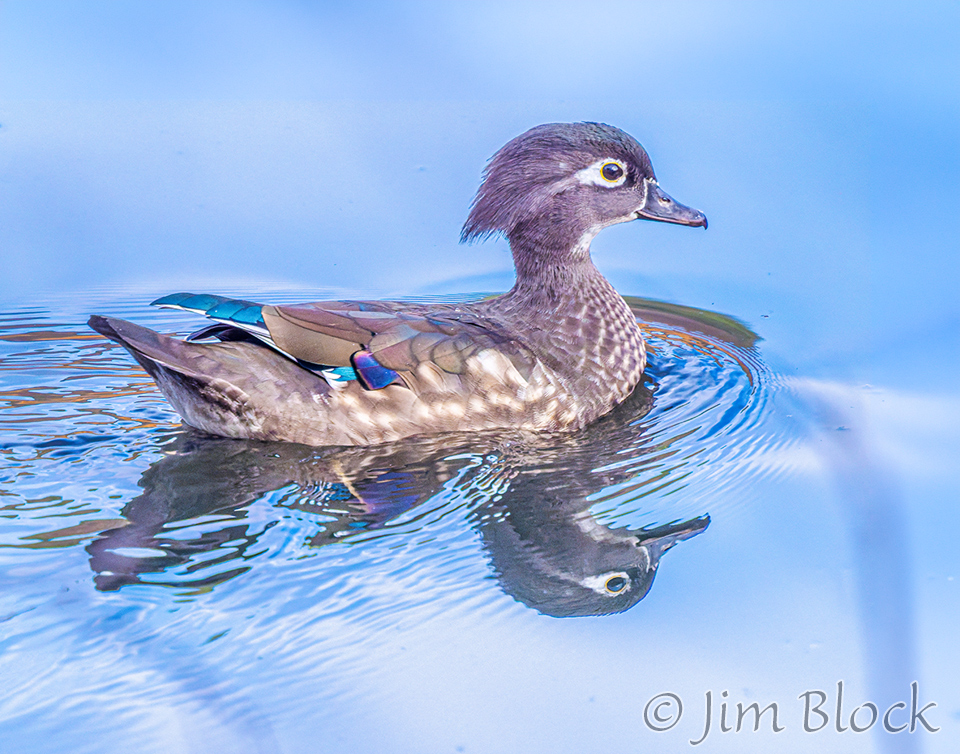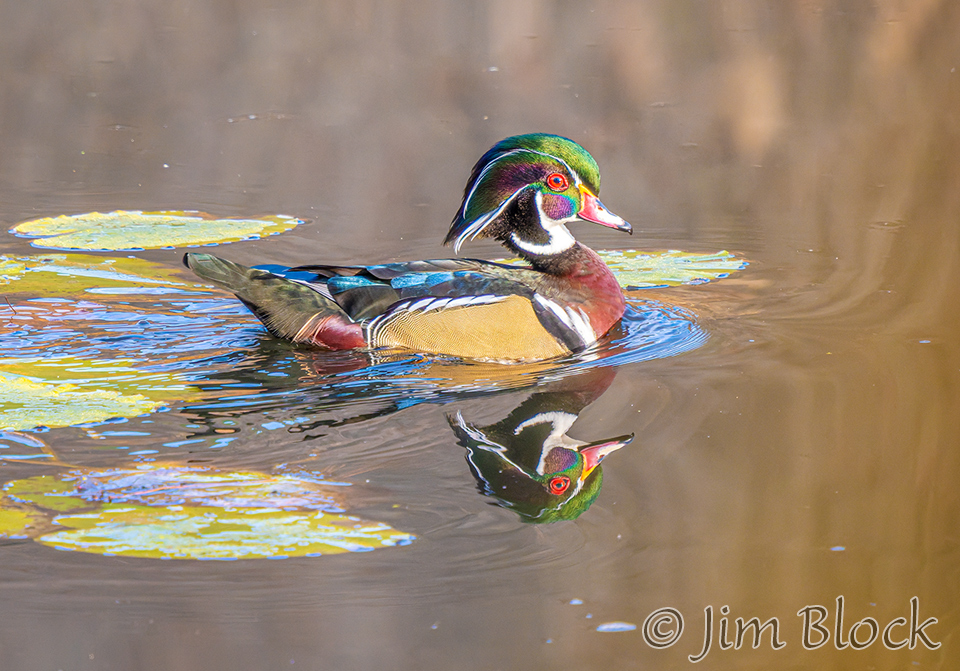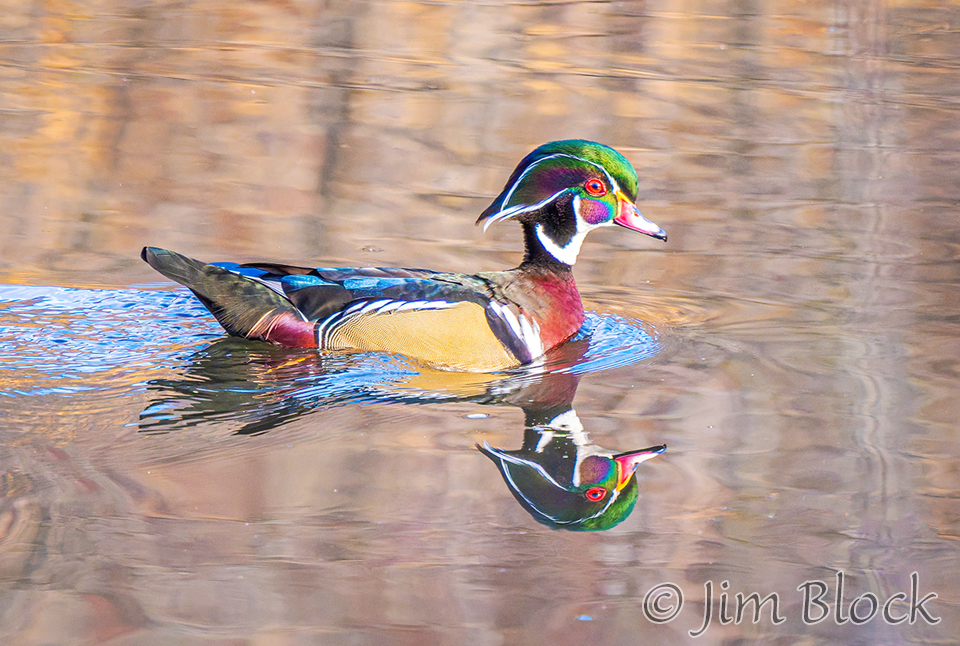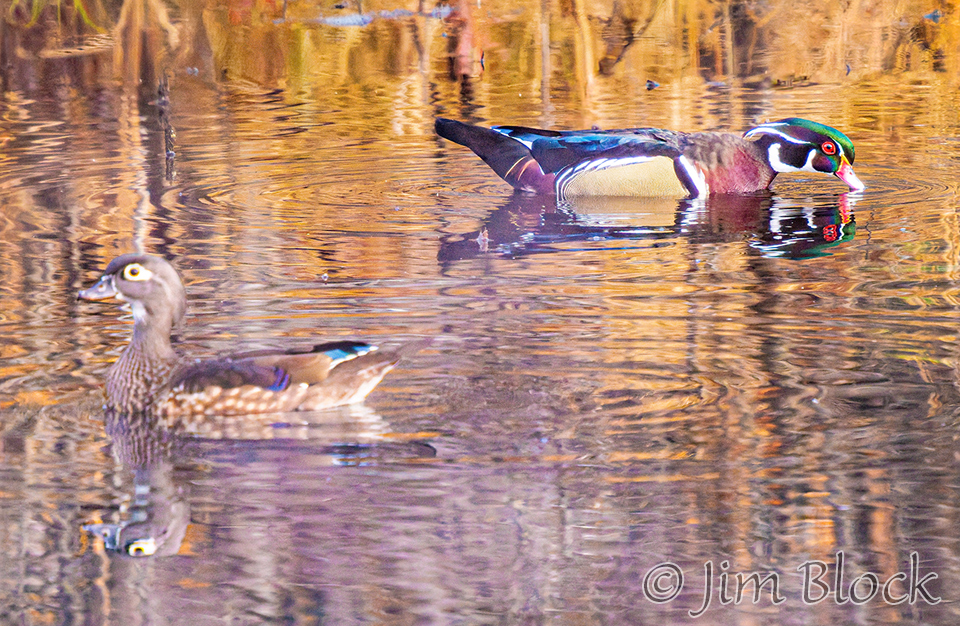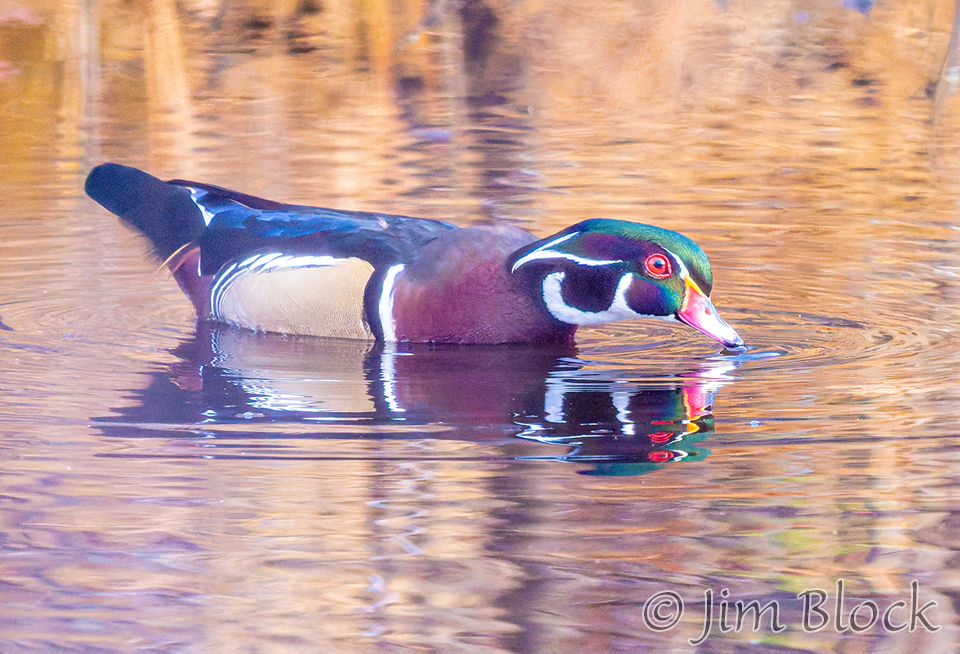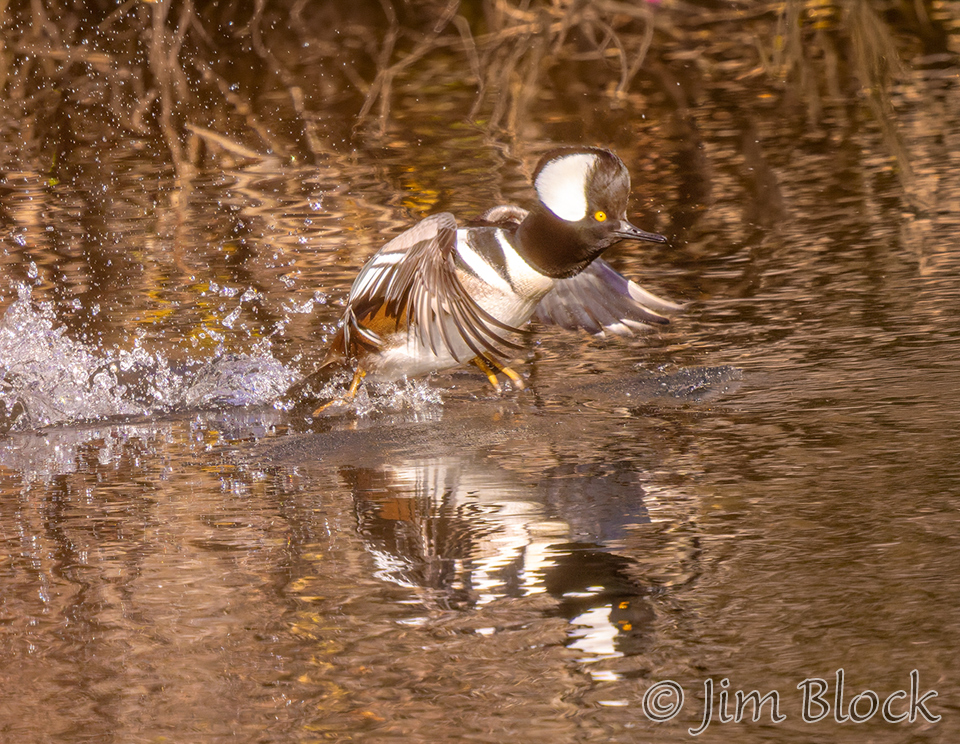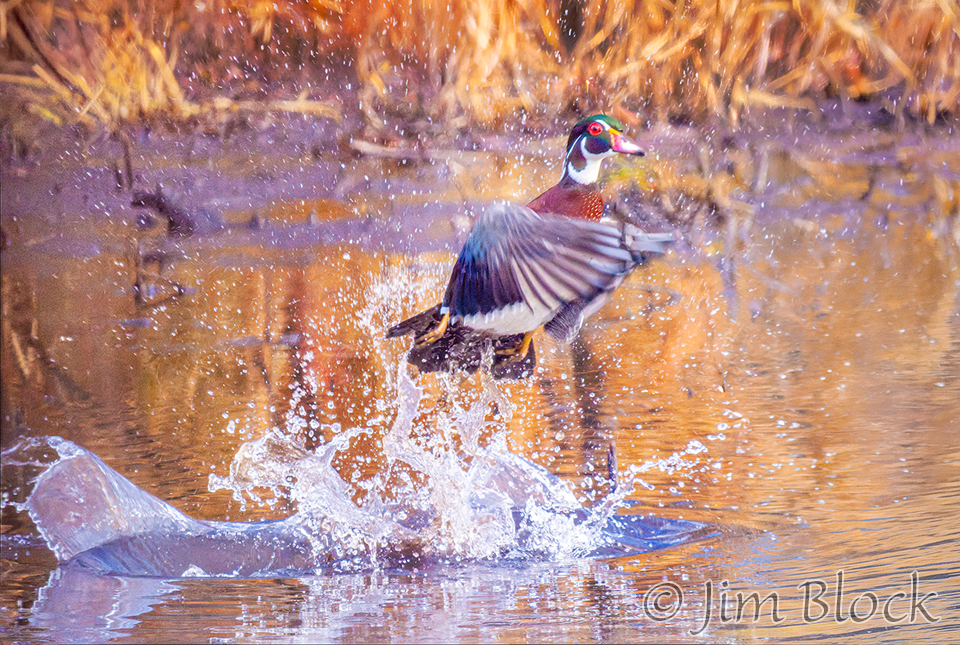
A wood duck explodes from a small pond and flies to the other end where it hides along the bushy shore. It is November 6 and well past time to migrate. One of these times that it takes flight, he and its mate will head across Mascoma Lake to the southeast to spend the winter in the southern United States, typically along the Atlantic Coast from North Carolina to Florida.
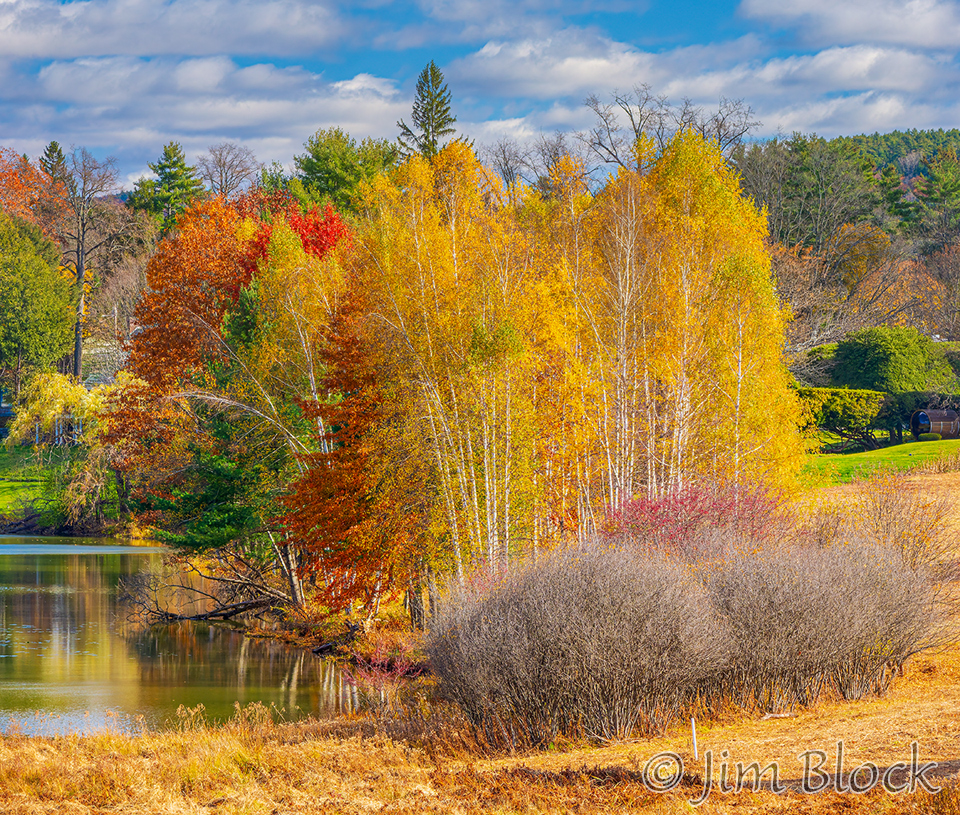
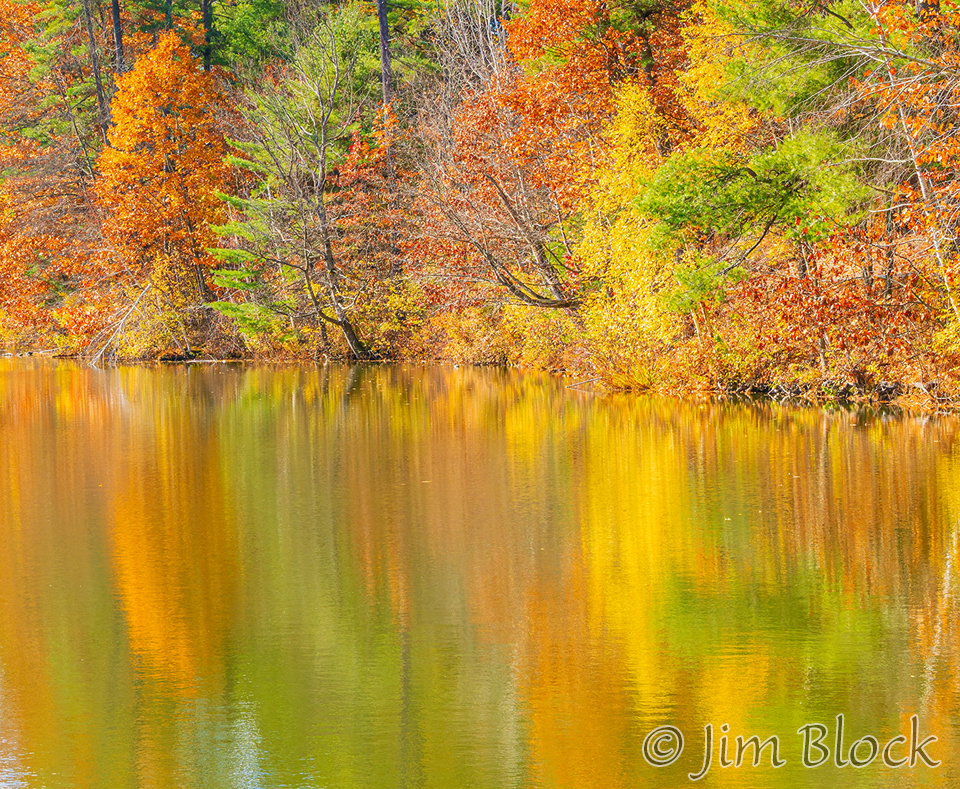
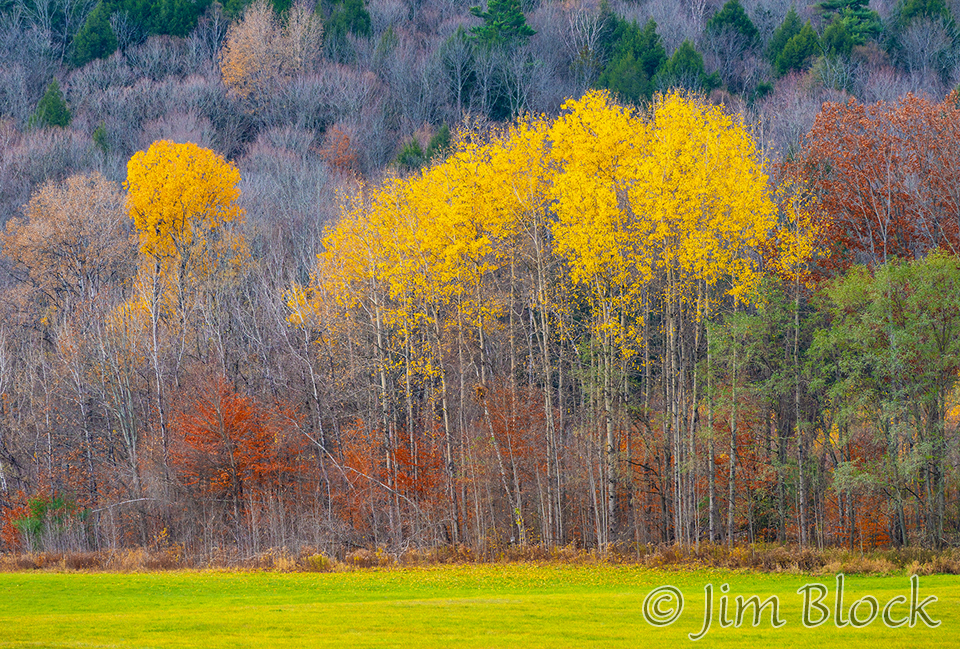
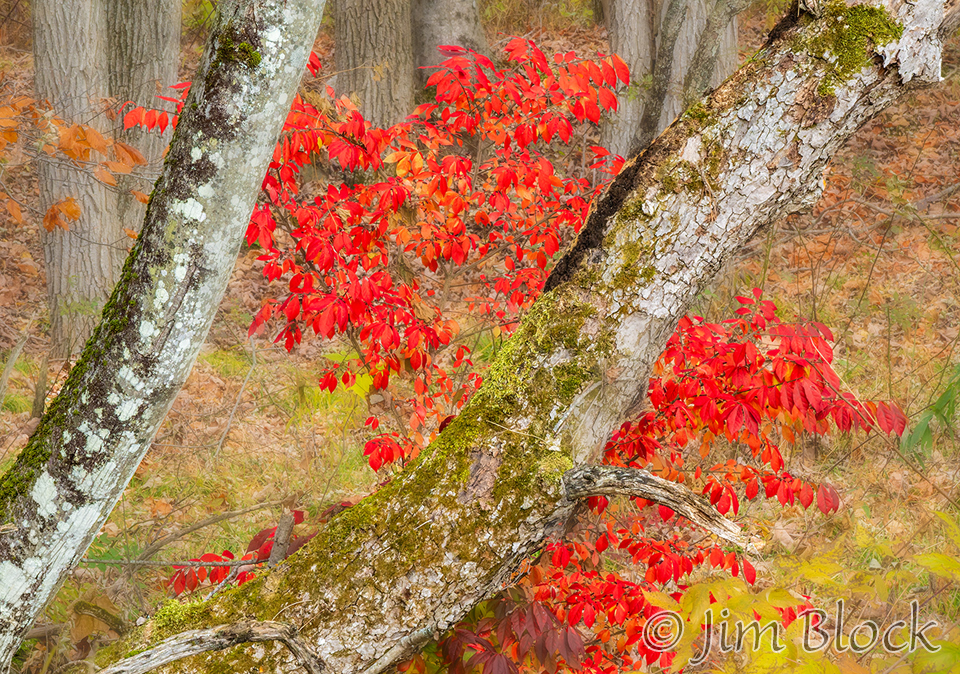
As fall turns to stick season, I show recent photos: a collection of birds — including several late migrants — foliage, moving water, barns, and the semi-famous Etna Library Haunted Story Walk.
Birds
Wood Duck
Like the Hooded Merganser and Great Blue Heron to follow, these photos were taken at a tiny pond along the Northern Rail Trail in Lebanon near Ice House Road. There are only a few spots with a semi-clear view of the pond, but it is a bit better now that the leaves are down. The pond is small so the ducks you do see are relatively close.
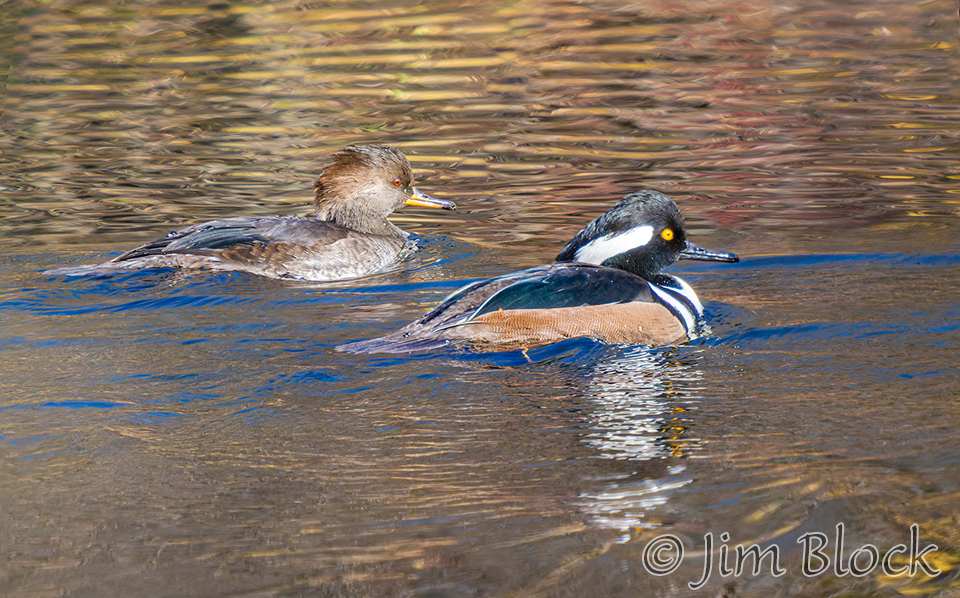
My first siting on October 30th was a pair hiding along the shore watching Hooded Mergansers swim by.
On November 4th they swam back and forth in some beautiful 8 a.m. reflections before heading for a hiding place at the southeast end of the pond.
I saw them on November 5th but could not get a shot through the brush. And then they were gone. Completely vanished. While I photographed the hoodies I started to question whether I had really seen the woodies. But I’m pretty sure I did.
Without much hope, I took a quick look at the pond on November 6th after Jann and I hiked the rail trail in the opposite direction. There they were! For over three minutes of slowly and carefully looking for clear views, I photographed them.
And then they took flight. I was following the male through my viewfinder when I sensed the female launching. I squeezed my shutter button and got one usable photo. Fortunately it was a good one that I repeat here. For those who care: 1/800 second, f/8, ISO 6400, and not cropped.
Hooded Merganser
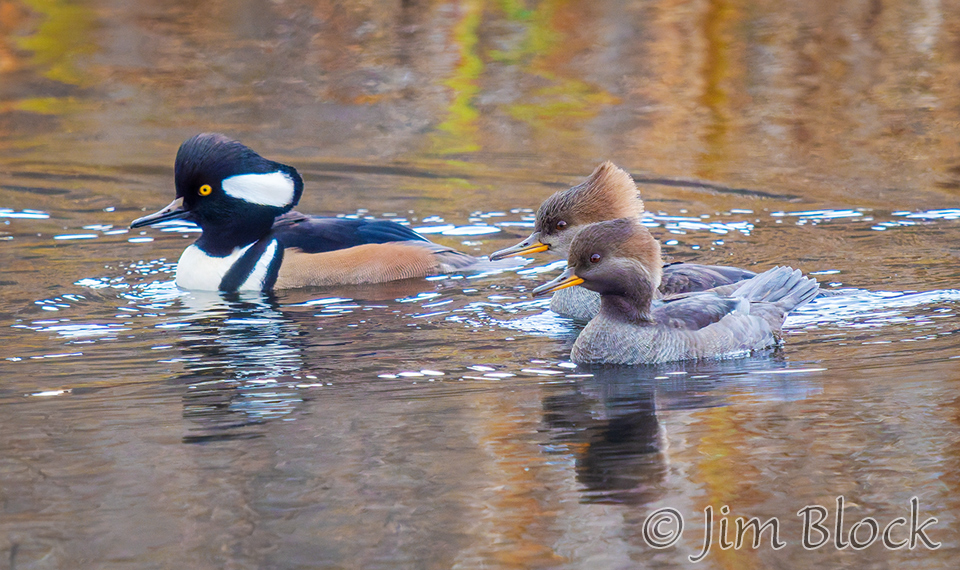
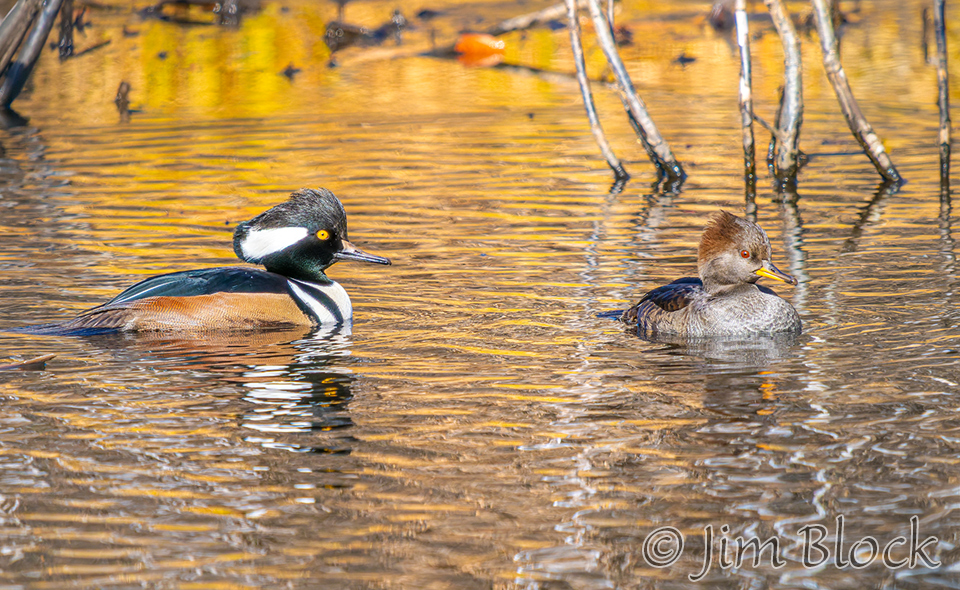
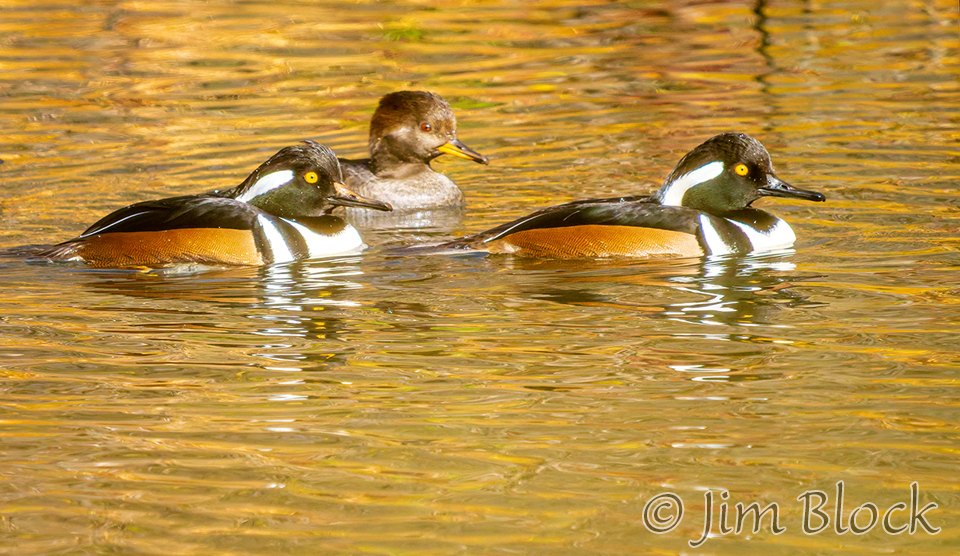
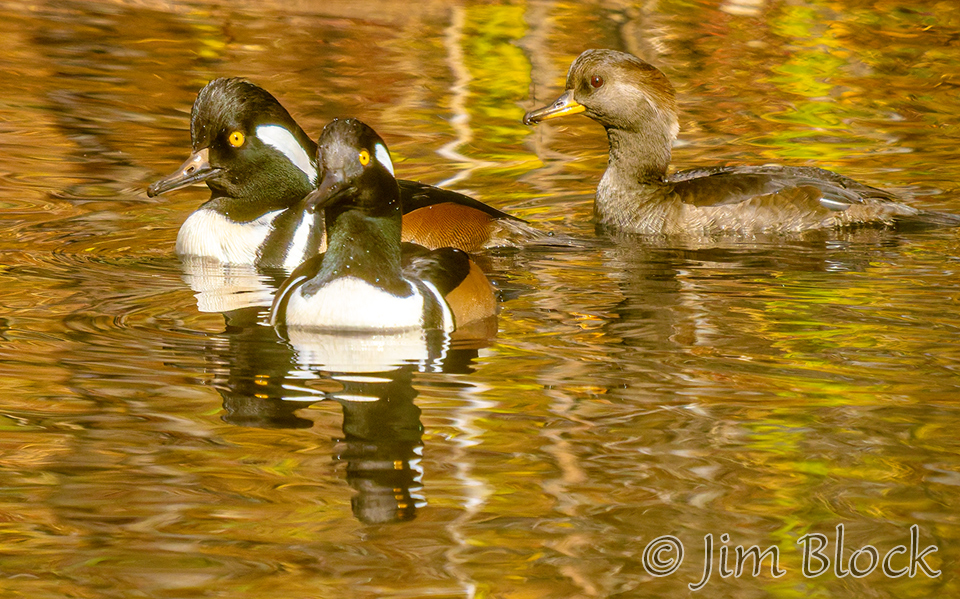
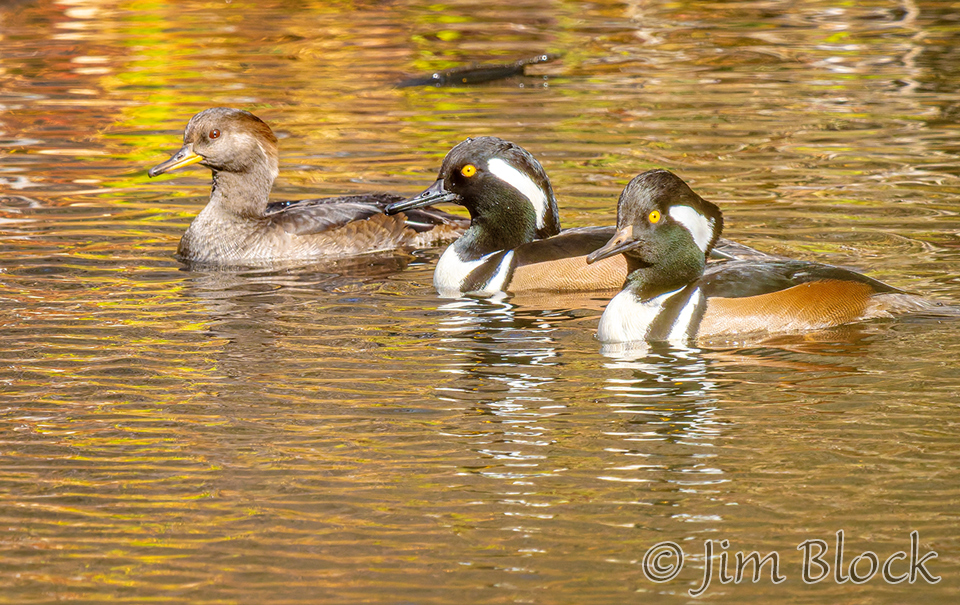
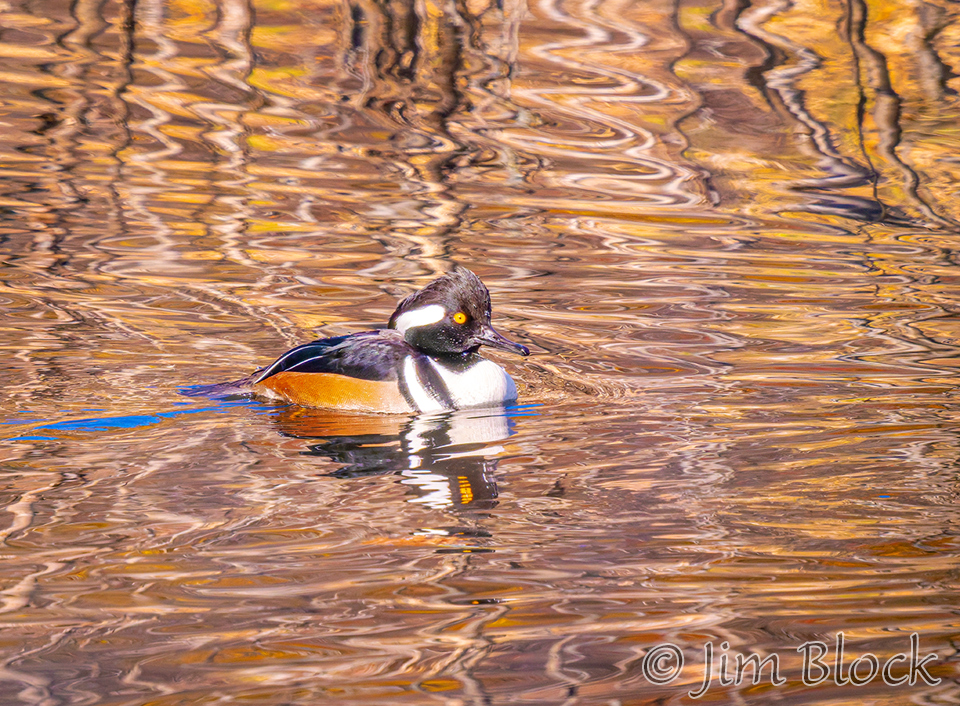
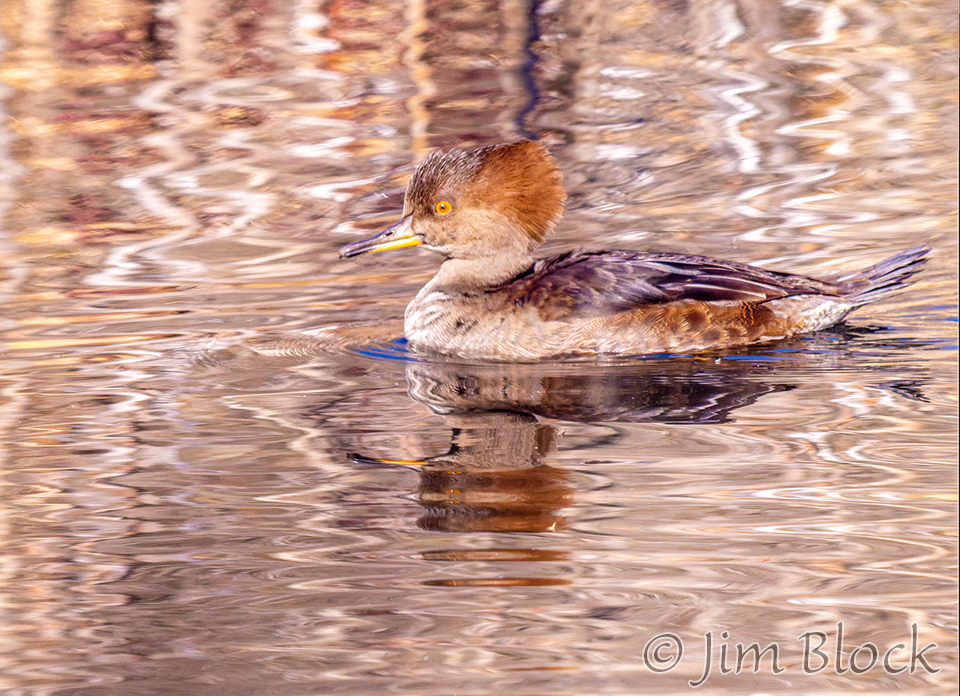
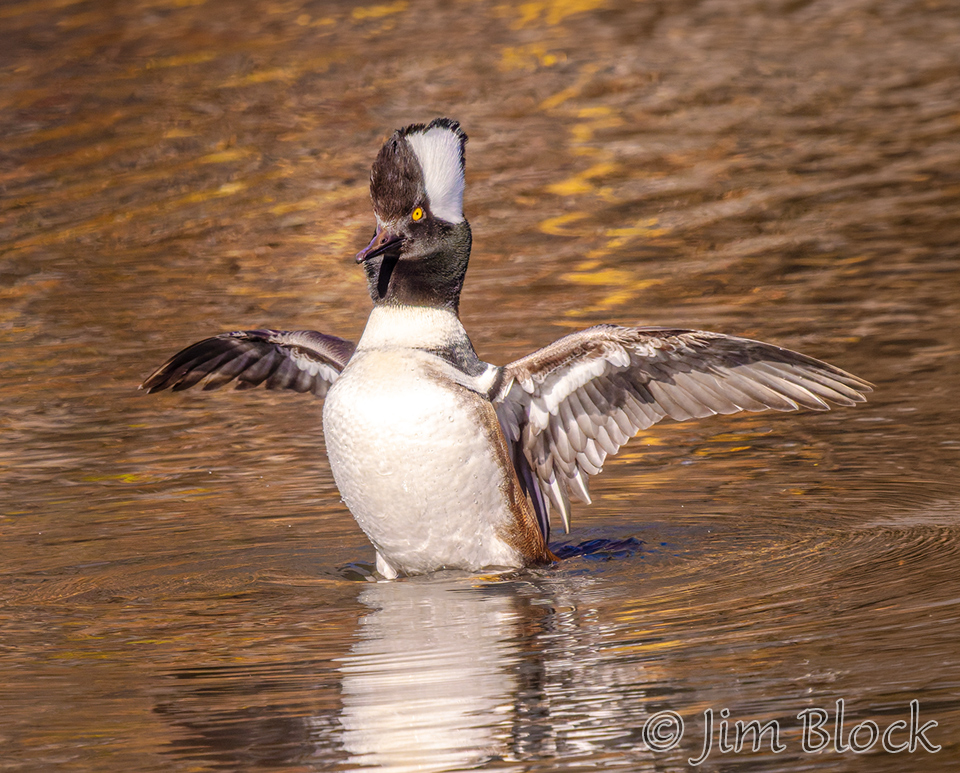
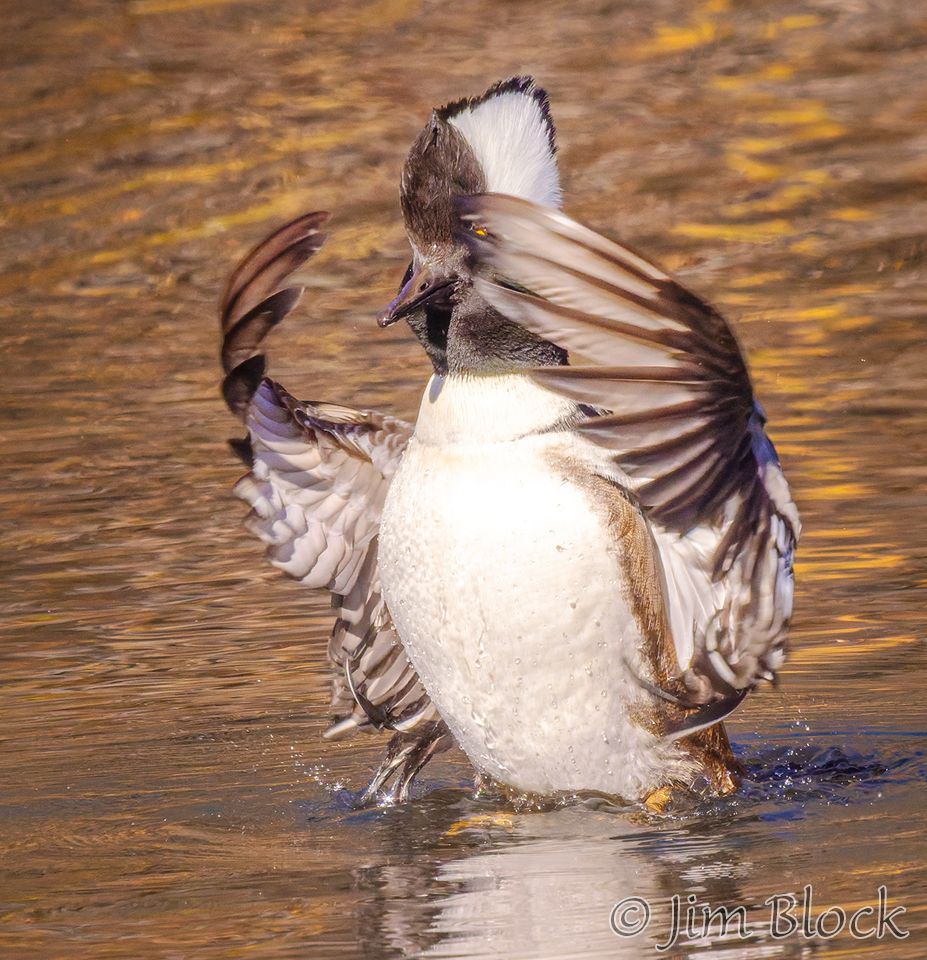
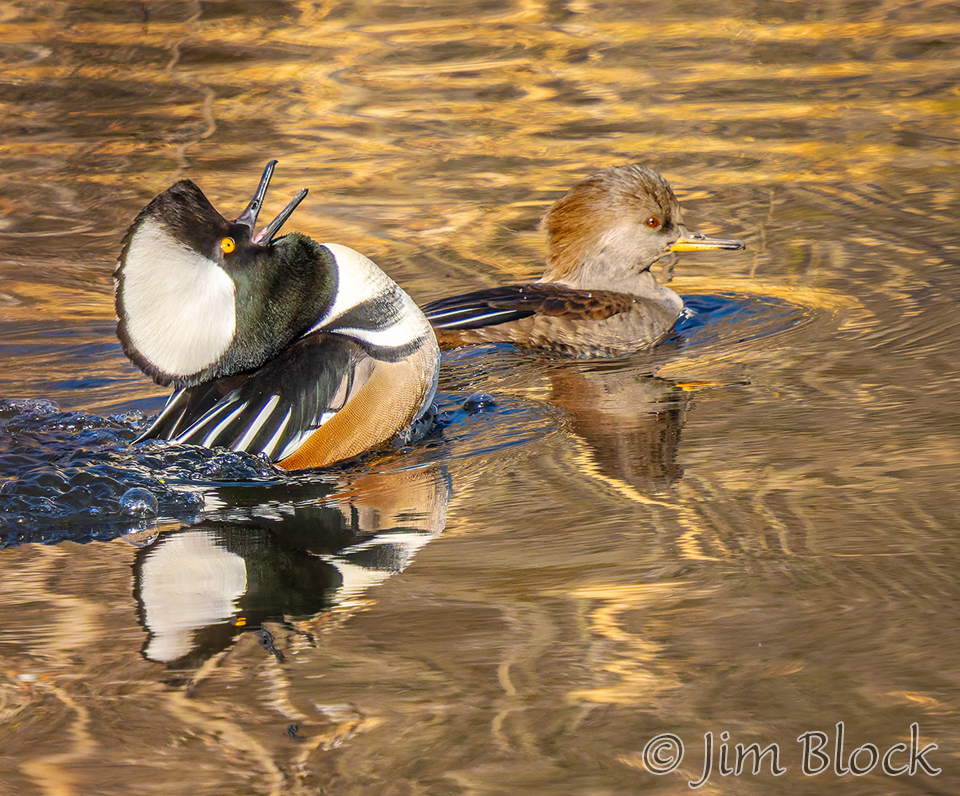
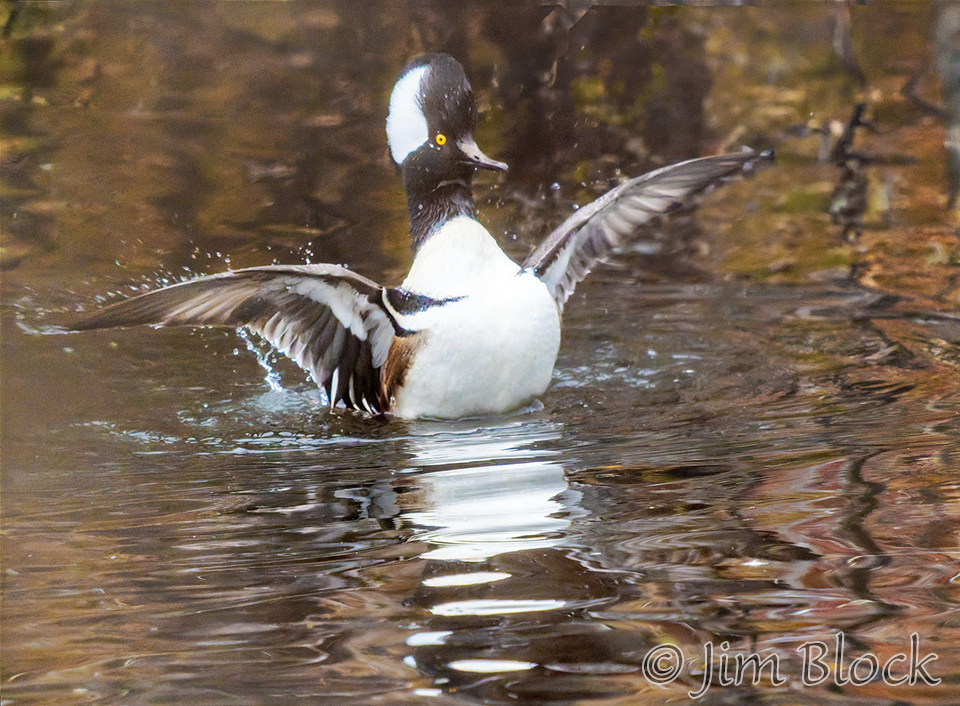
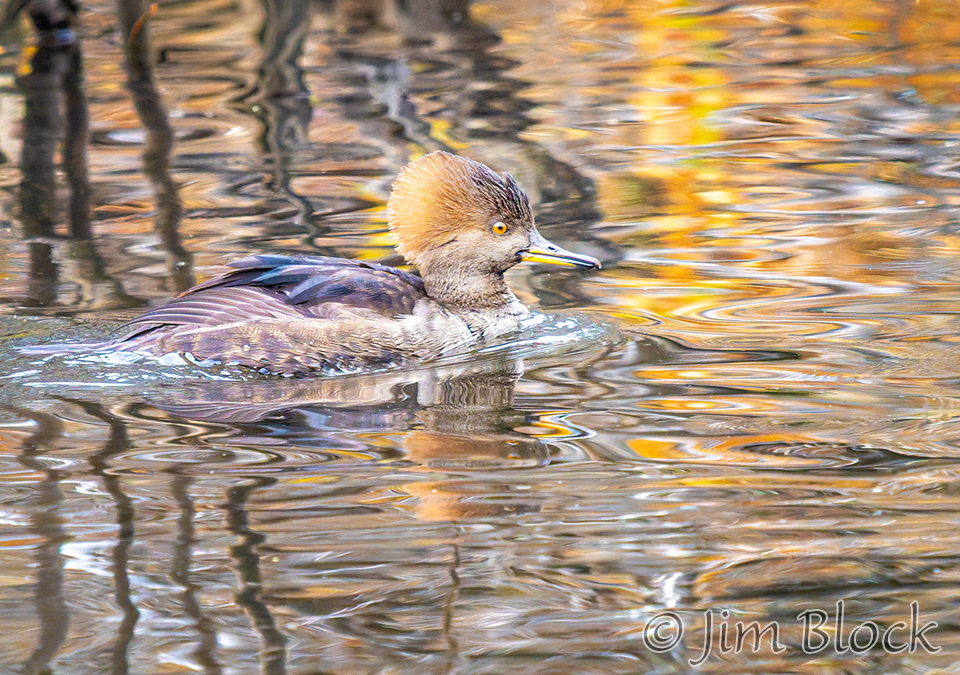
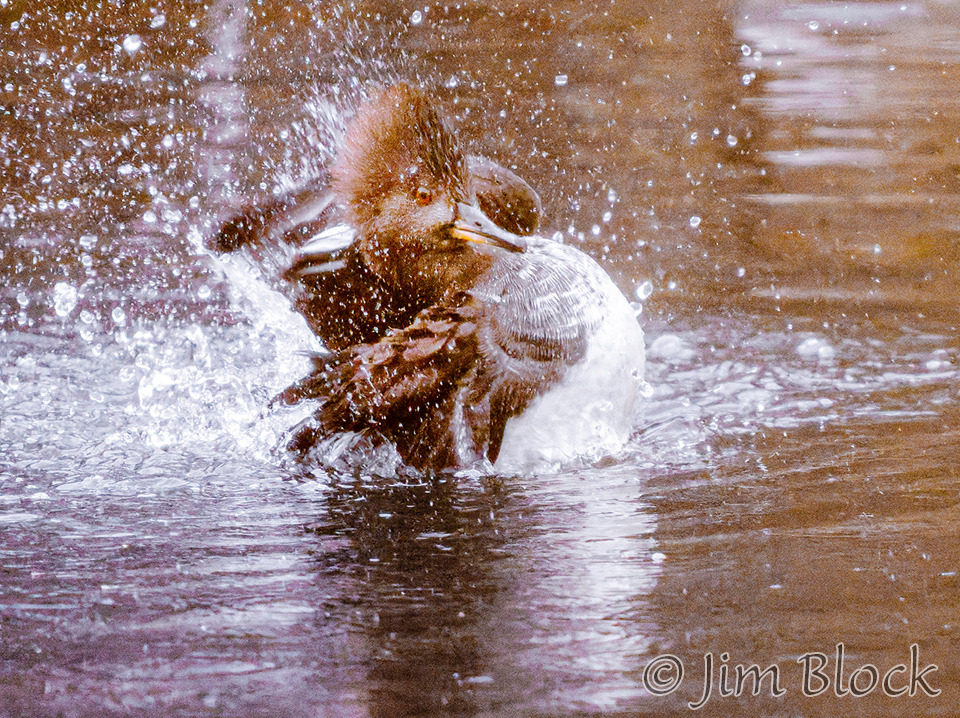
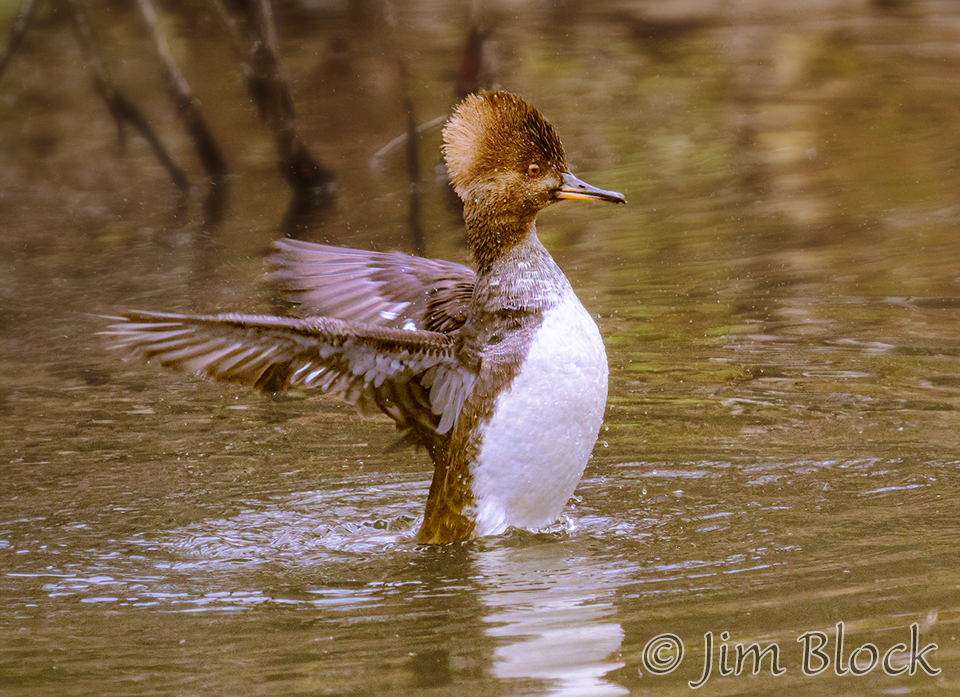
Three to four pair of Hooded Merganser were present on all but my last visit. Here are photos from several late October visits.
I took the photos below on November 1st. The reflections in some of the photos were beautiful.
Then one appeared to be playing peek-a-boo.
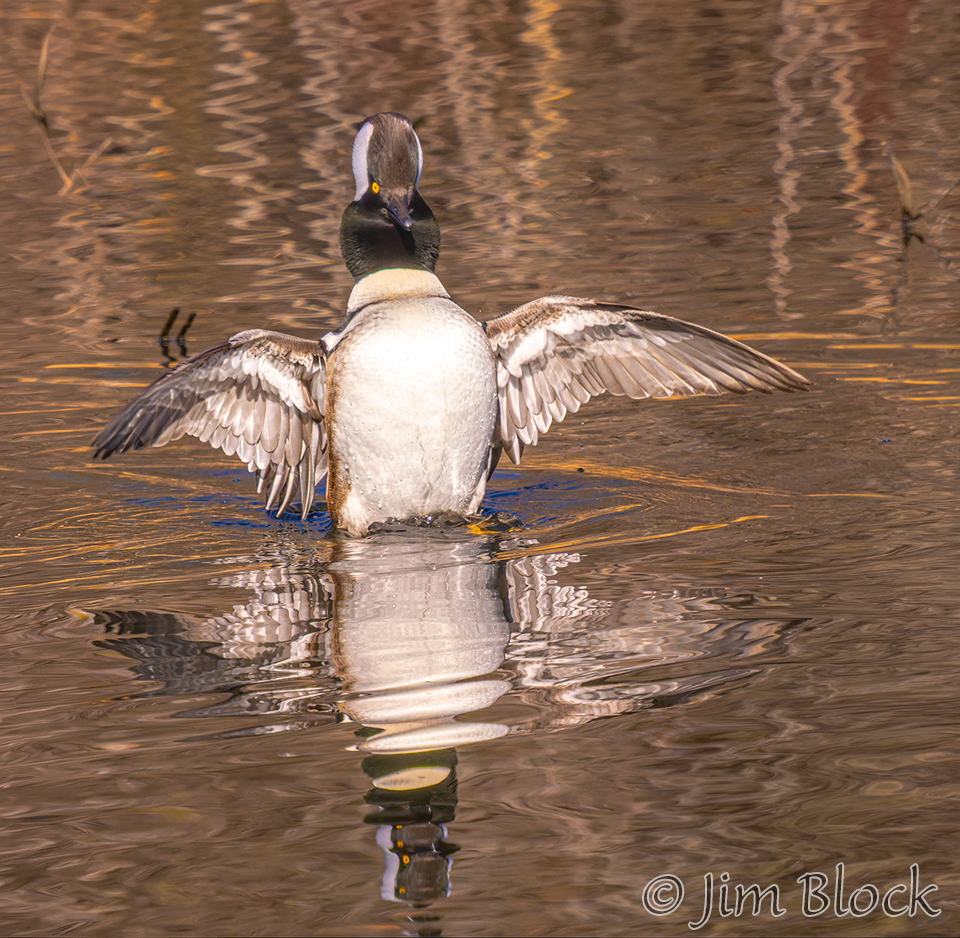
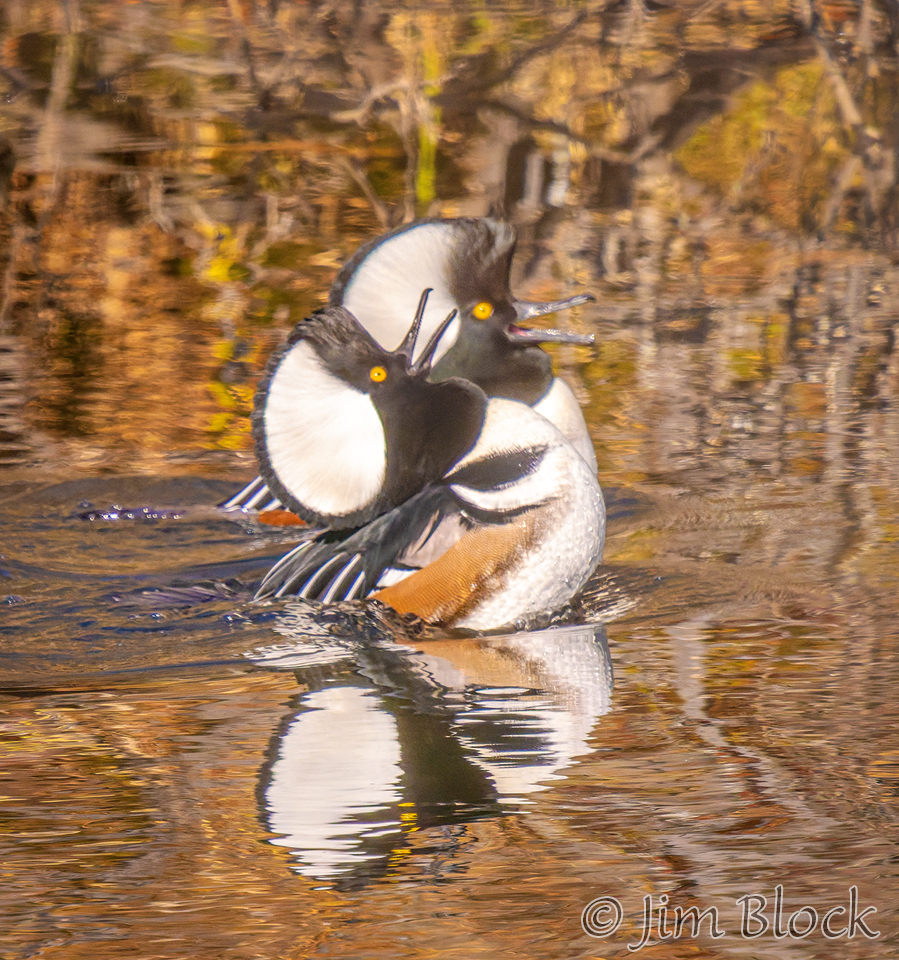
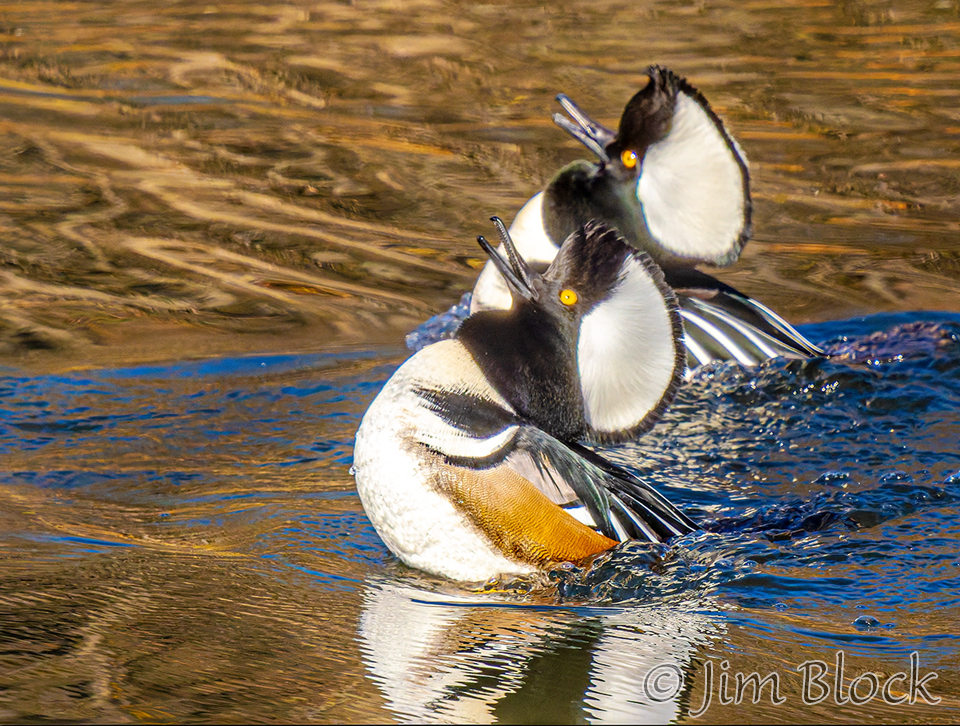
While courting, male Hooded Mergansers perform courtship displays to attract females. These include:
– Crest Expansion: Males fan out their striking black-and-white crown feathers into a large, circular crest.
– Head-Throwing: In their most dramatic move, males jerk their heads backward until they touch their backs, all while keeping their crests fully raised.
– Vocalizations: While usually silent, males emit a low, froglike croak during these displays.
I witnessed these and heard the two-note growling calls of the males. BUT, this is NOT mating season. So what was going on? After some searching I learned that courtship and pair formation for Hooded Mergansers typically begin in November and continue through January. The actual breeding and nesting season occurs later, running from late February through early June. So they knew what they were doing even if it confused me.
On November 3rd there was more action and nice reflections.
Great Blue Heron
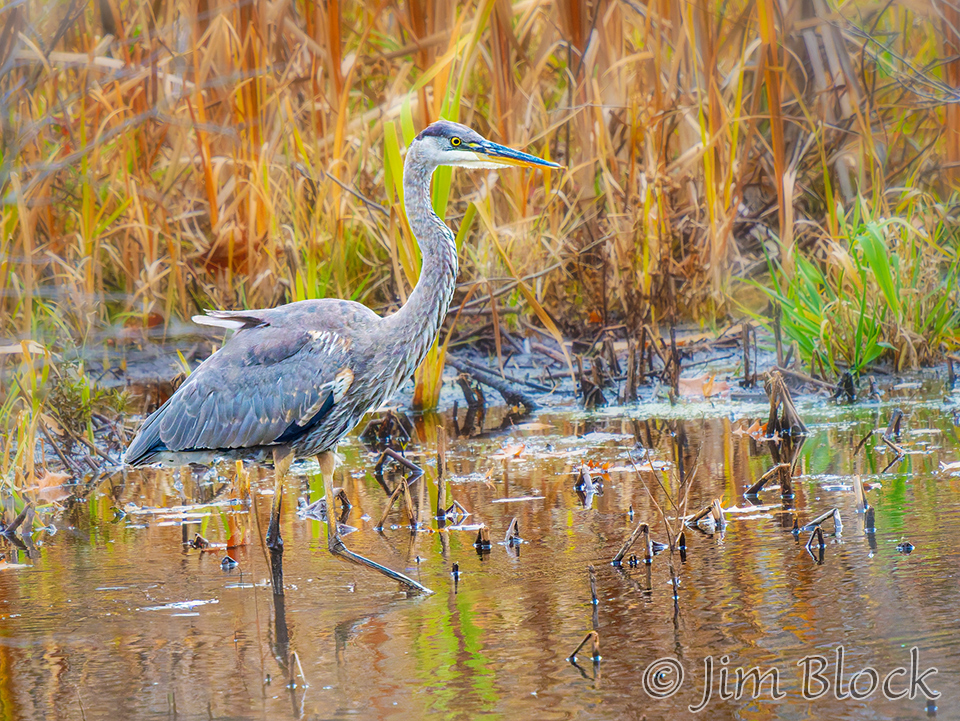
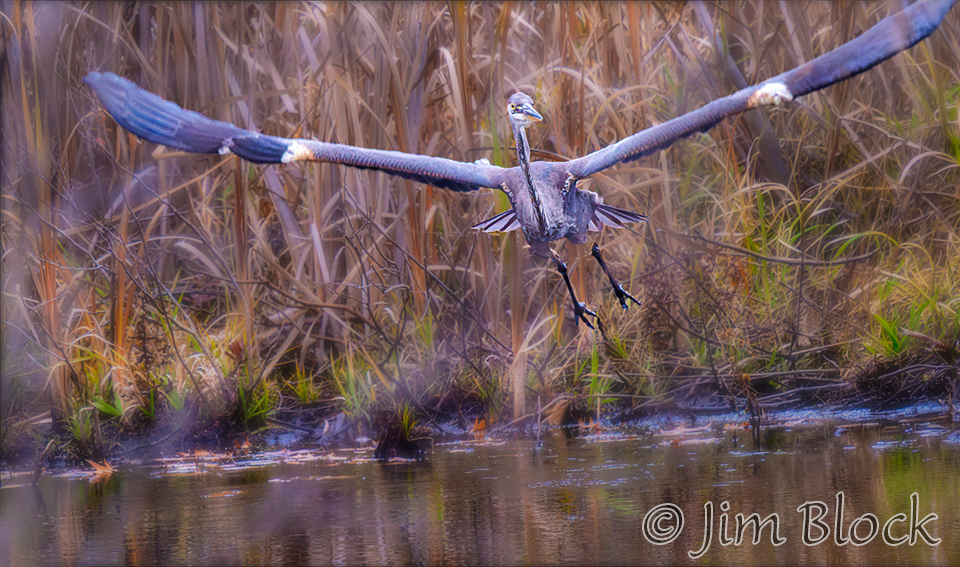
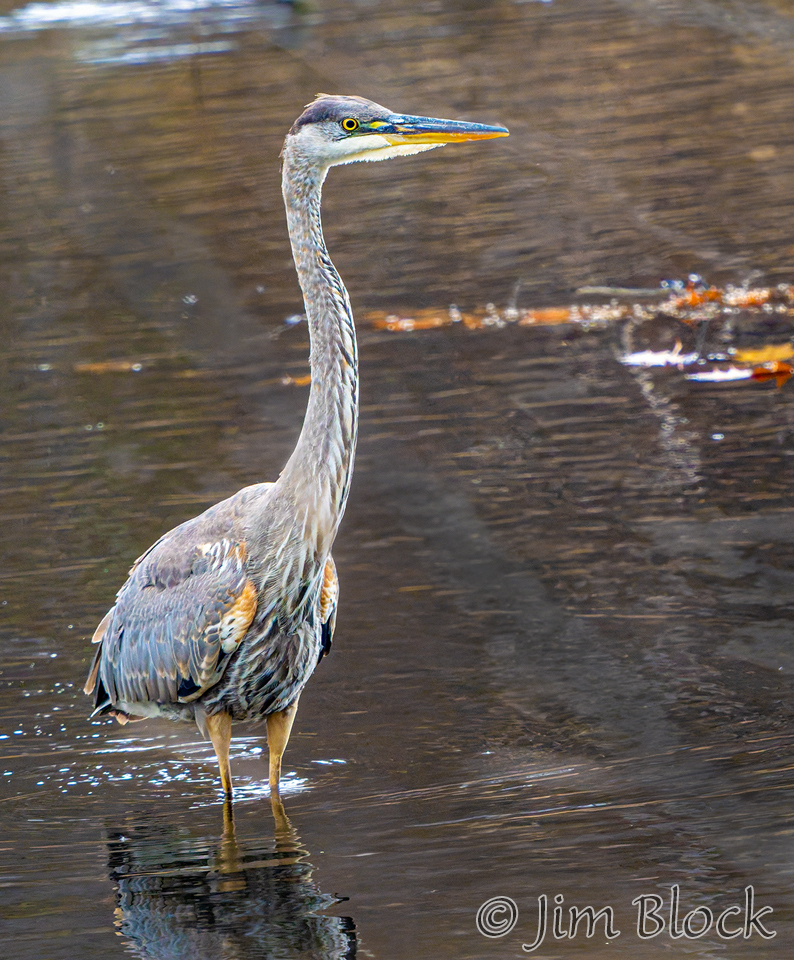
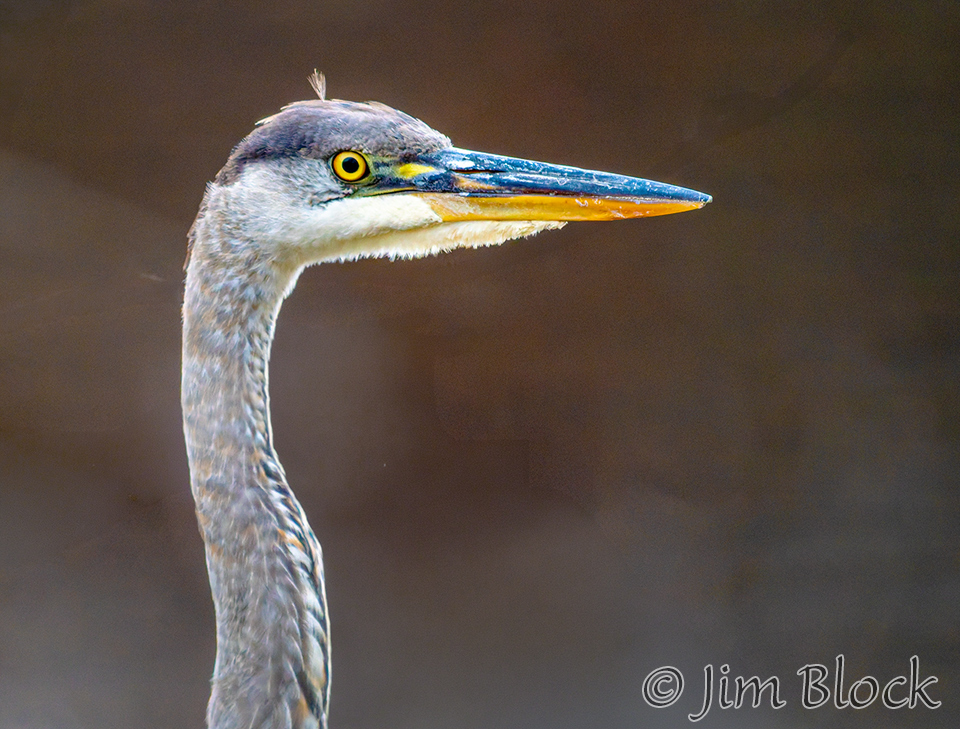
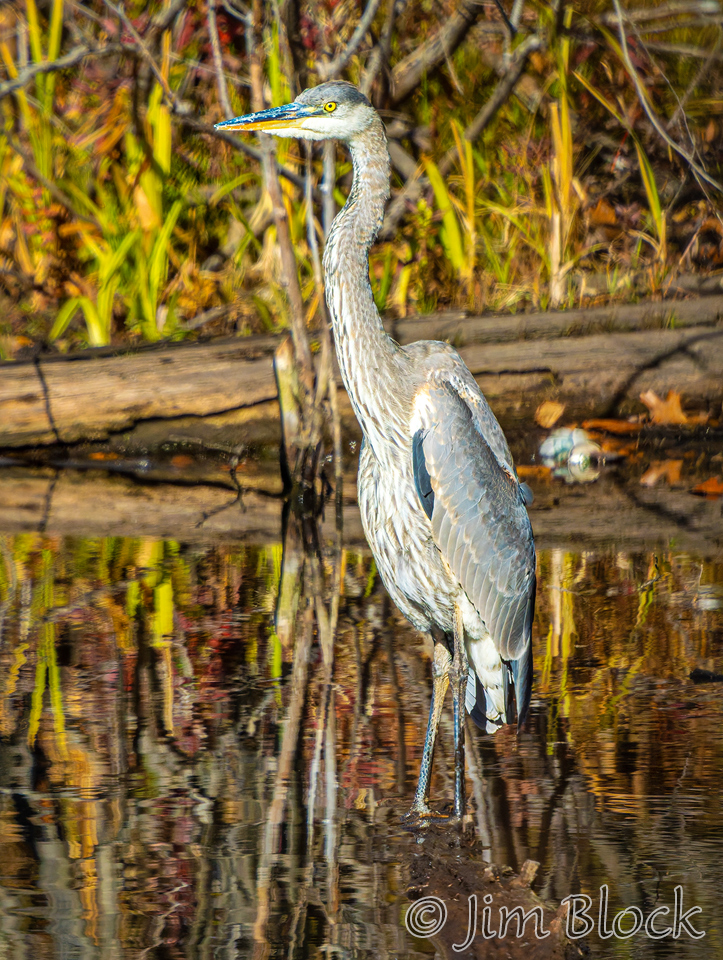
Also present several days on this normally unremarkable pond was a Great Blue Heron. I was photographing one when a young man on a bicycle approached and the bird flew. He asked me what it was and seemed amazed when I told him.
That tiny pond has proved interesting over the years. I remember photographing
snapping turtles mating. They looked like prehistoric creatures.
Common Loon
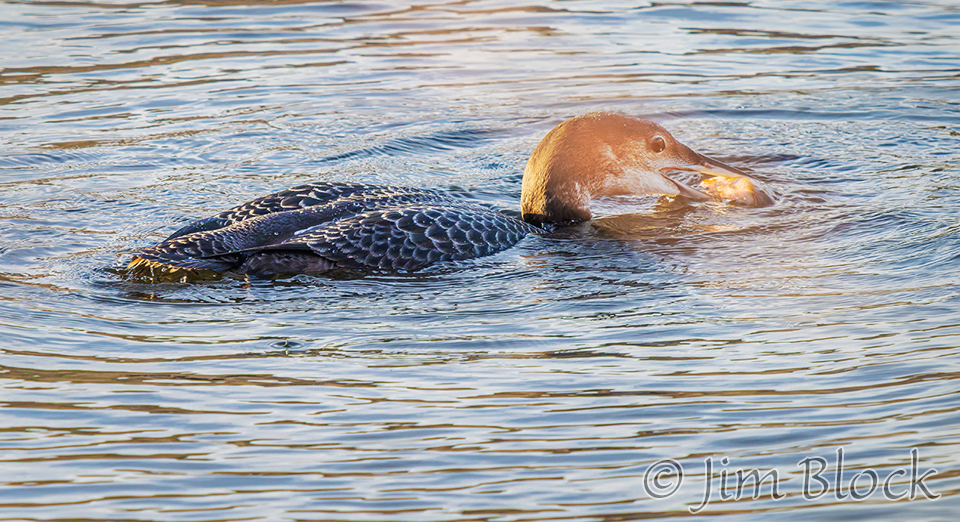
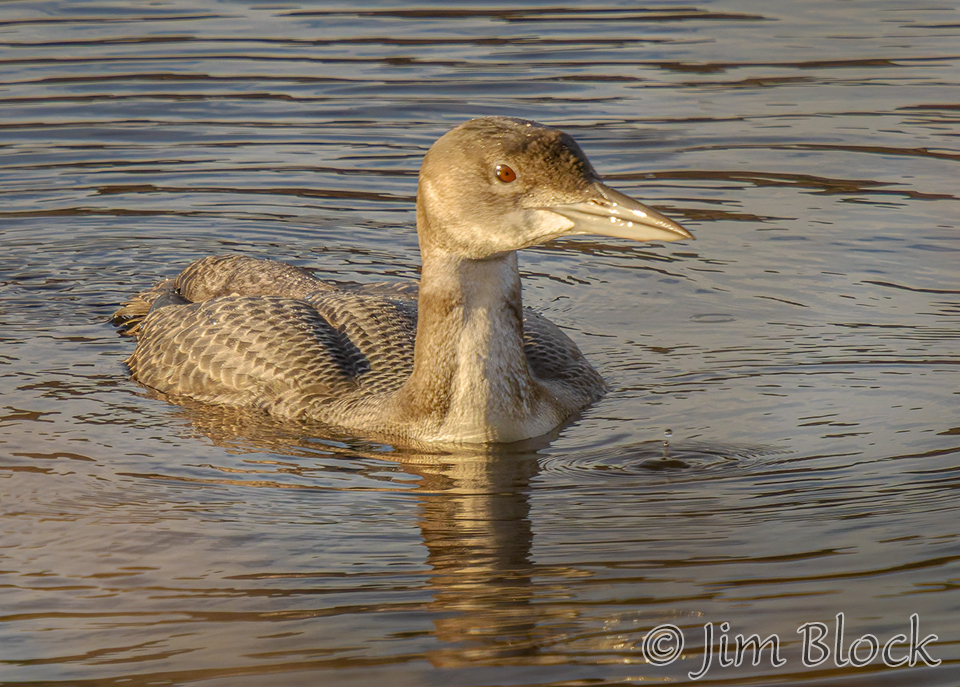
Mascoma Lake is on the other side of the rail trail from the pond. I arrived early one morning to find an immature Common Loon had just caught a fish.
Passerines
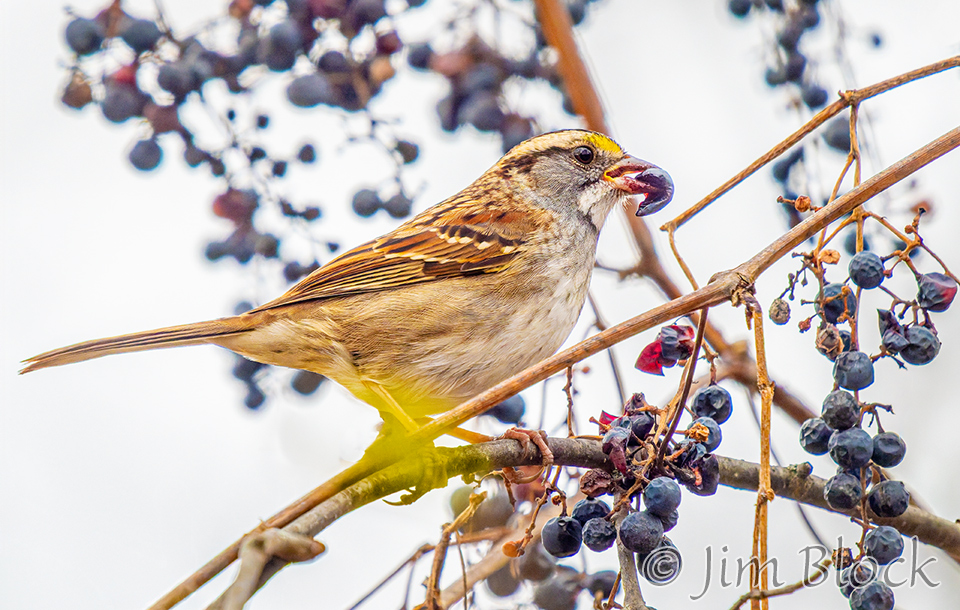
Passerine is a term I rarely use. It effectively means “perching bird”. Here are just a few, starting with a White-throated Sparrow from near that amazing pond at Ice House Road.
And four from our yard in Etna.
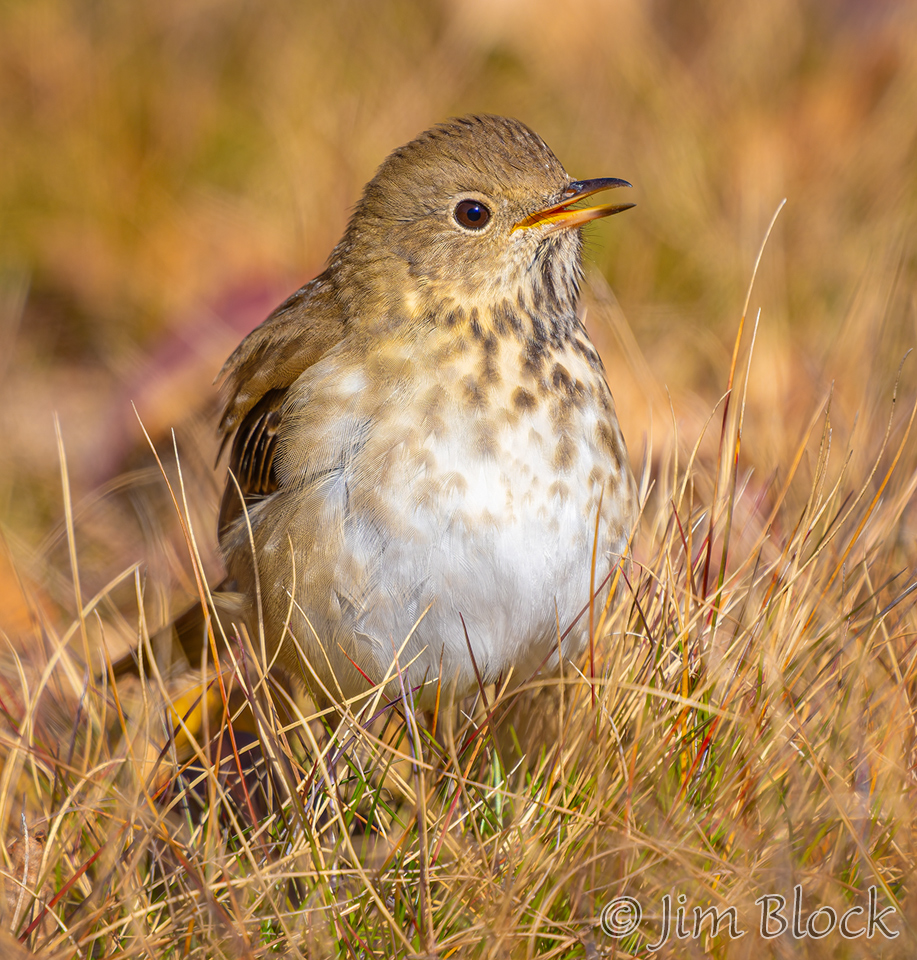
I saw this late-migrating Hermit Thrush out our kitchen window. I grabbed a camera but from the easiest approach the bird was harshly side lit. I slowly crept around so the sun was at my back. I was very close to the bird. I commented, less than 20 feet. Jann who watched from the kitchen said it looked like I was 6 feet away. For many minutes the thrush did not move.
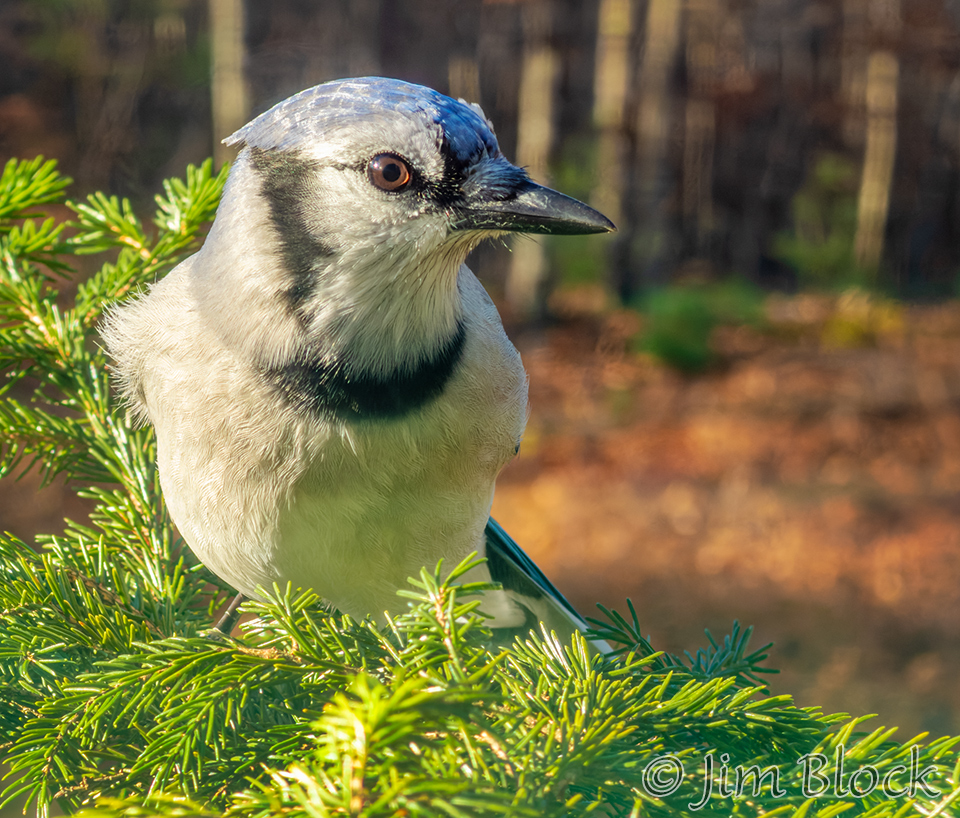
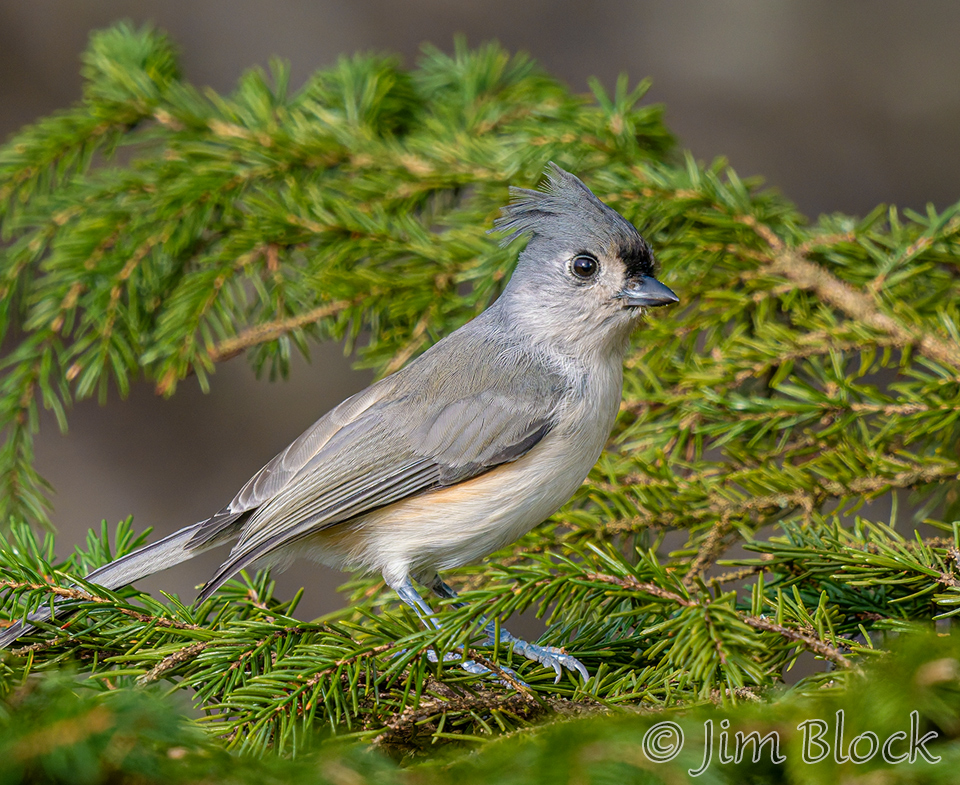
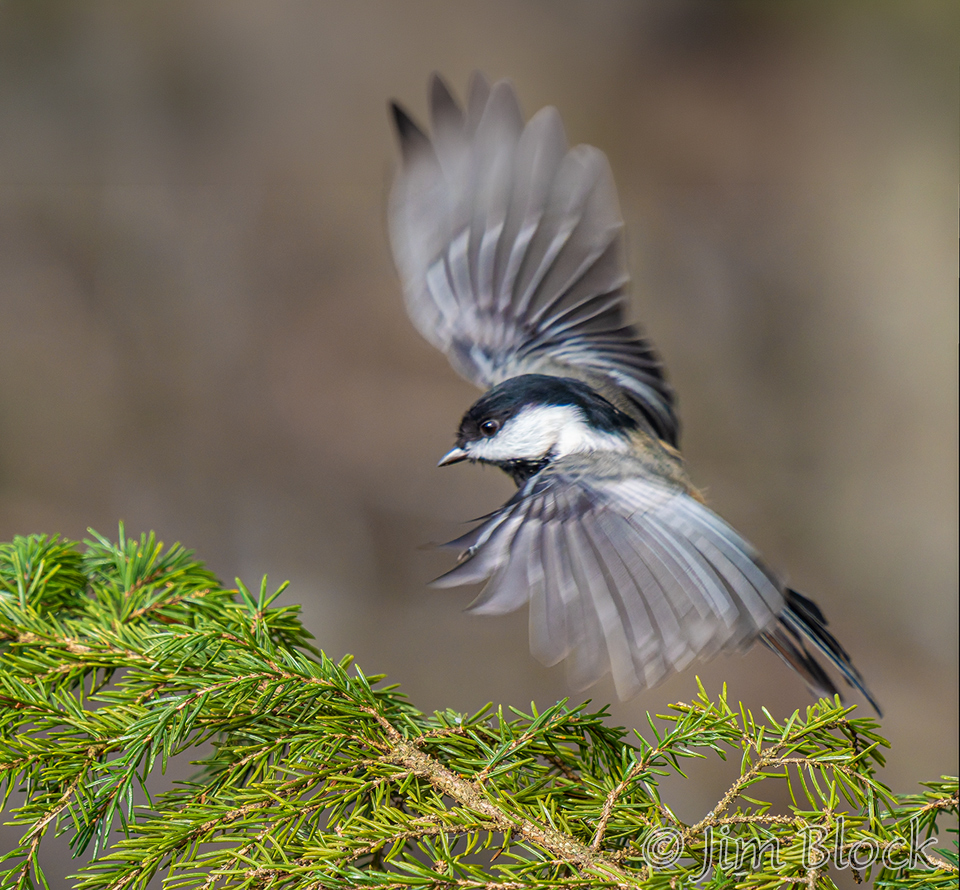
Finally three regulars: Blue Jay, Tufted Titmouse, and Black-capped Chickadee.
Moving Water
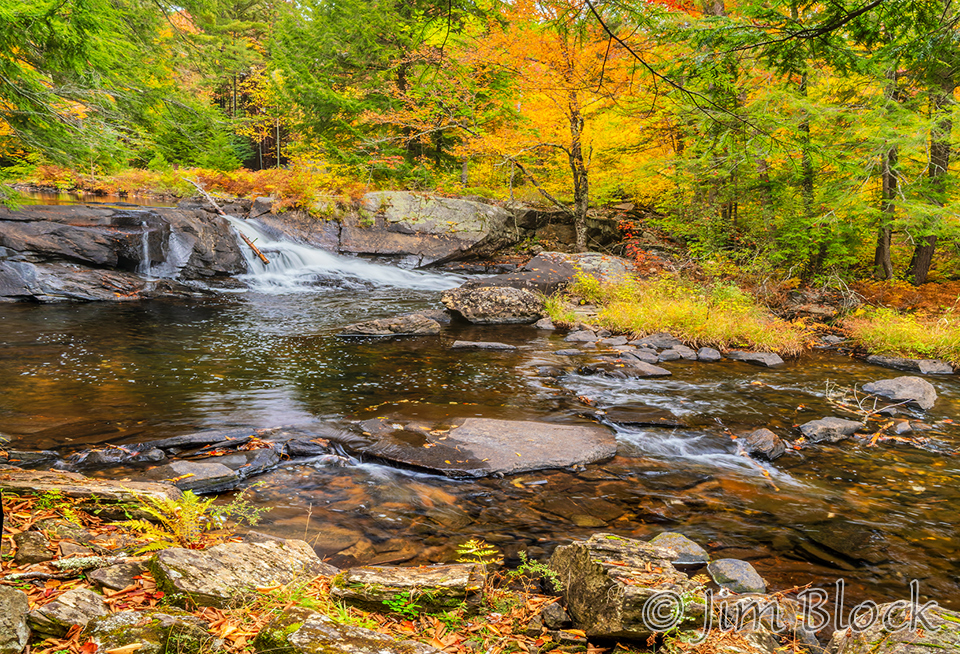
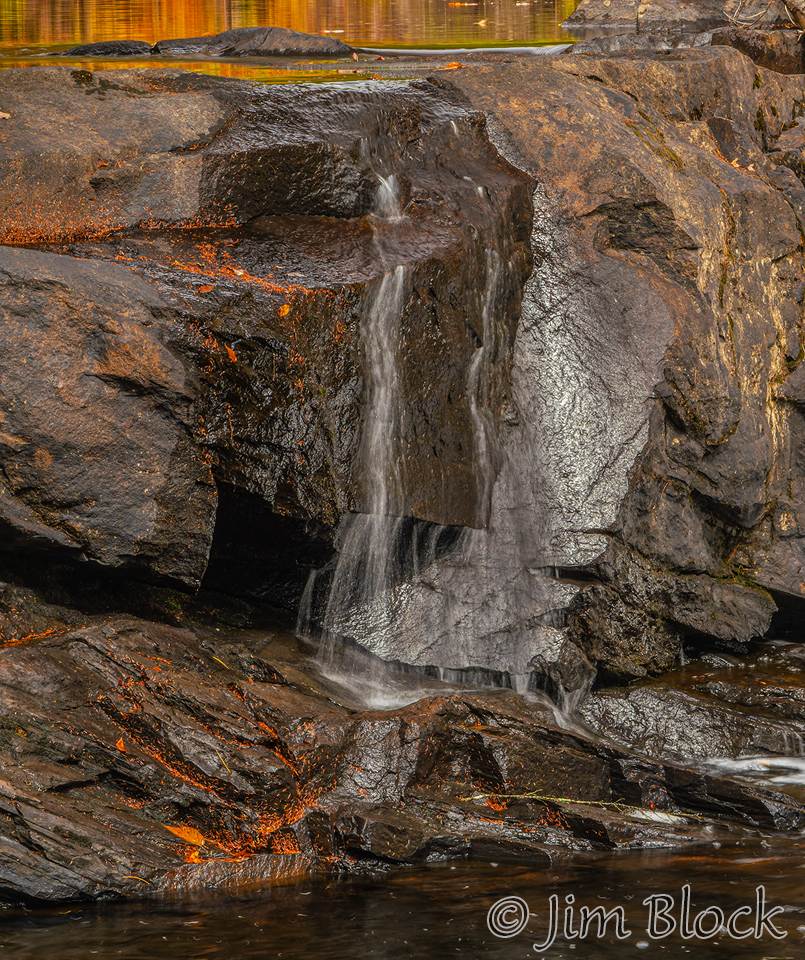
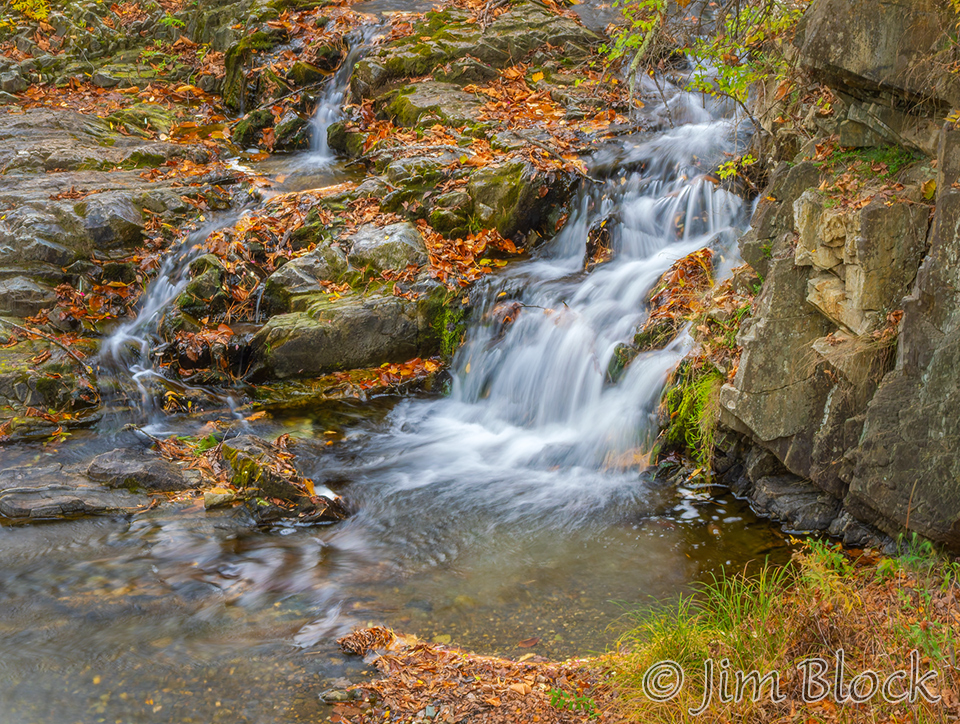
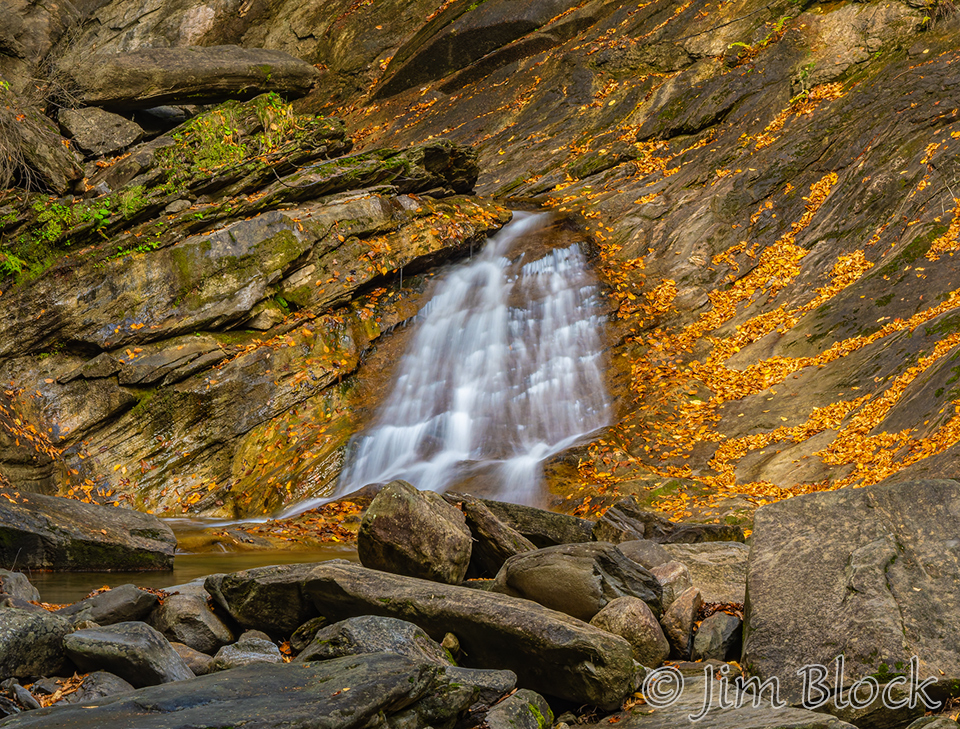
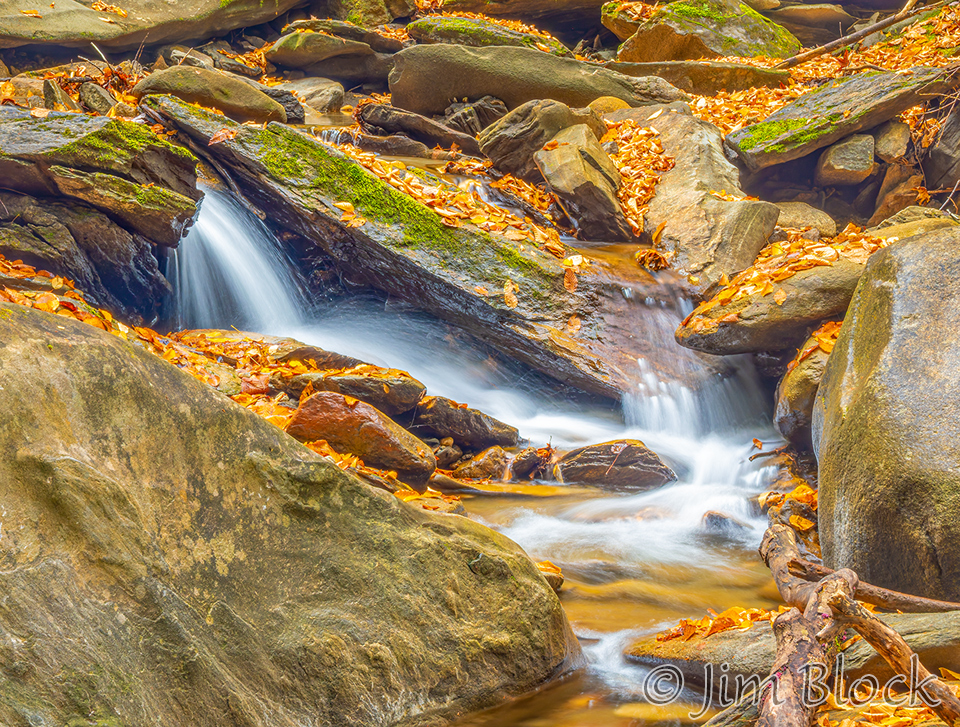
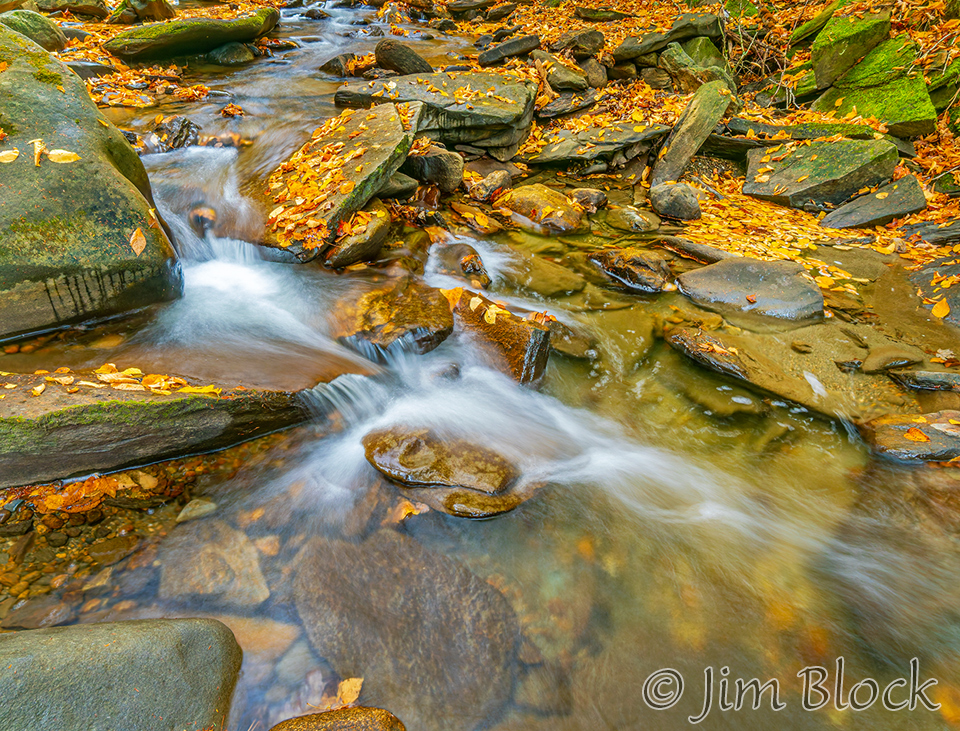
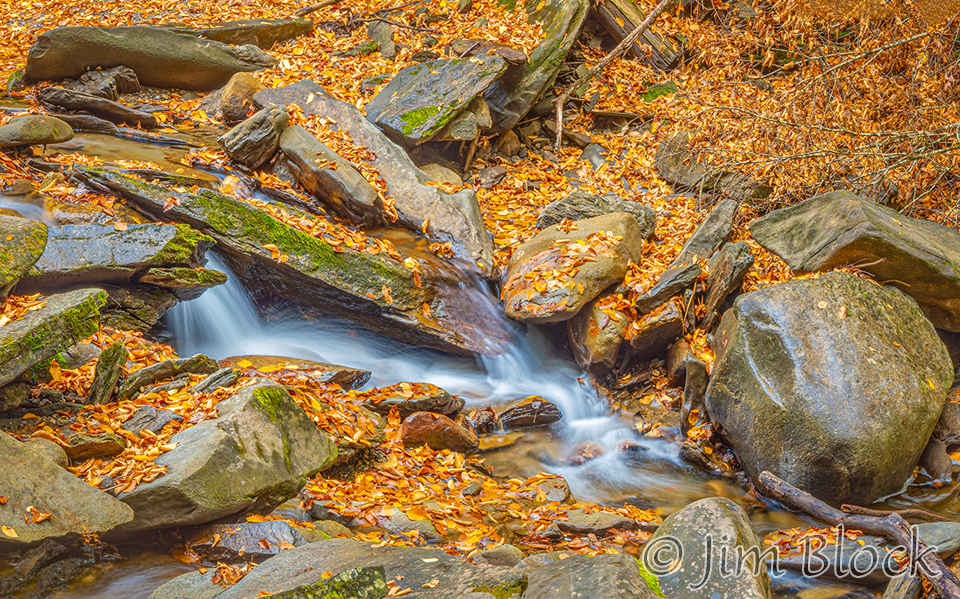
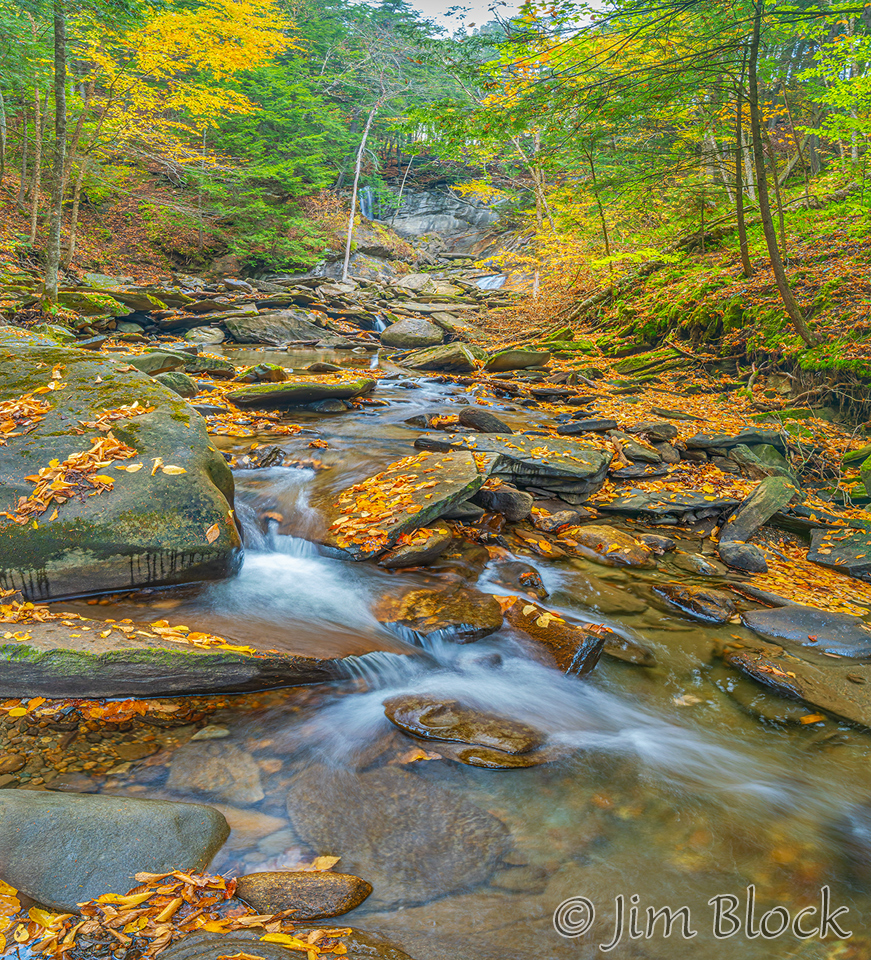
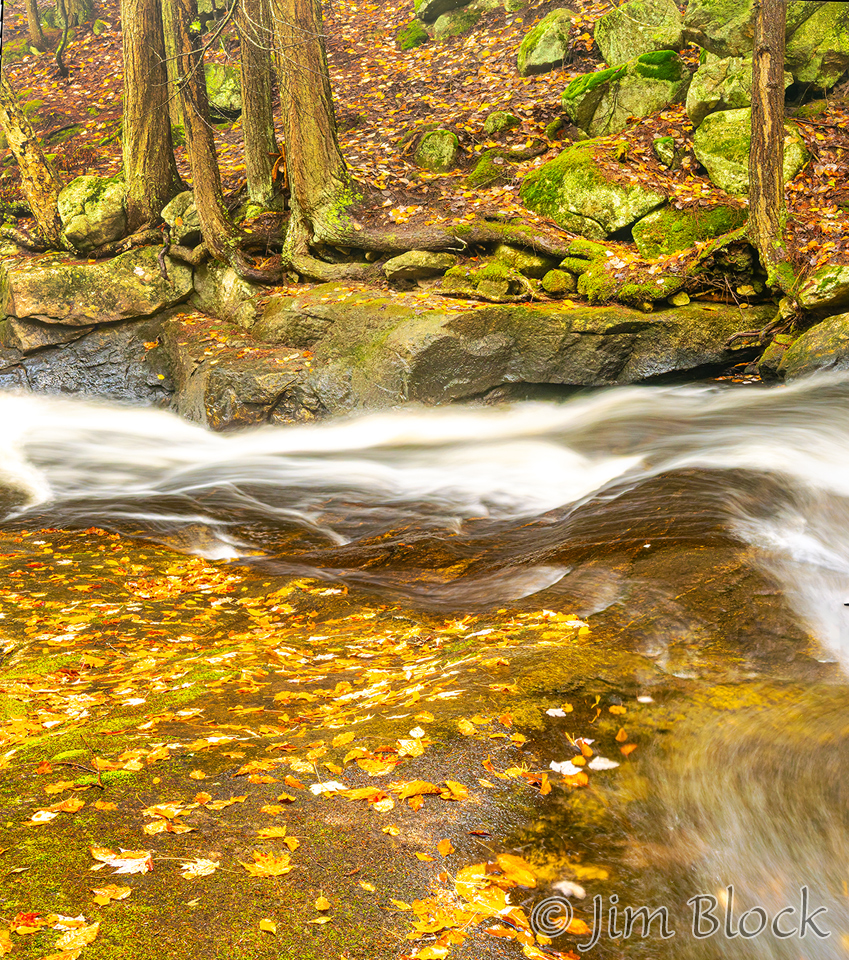
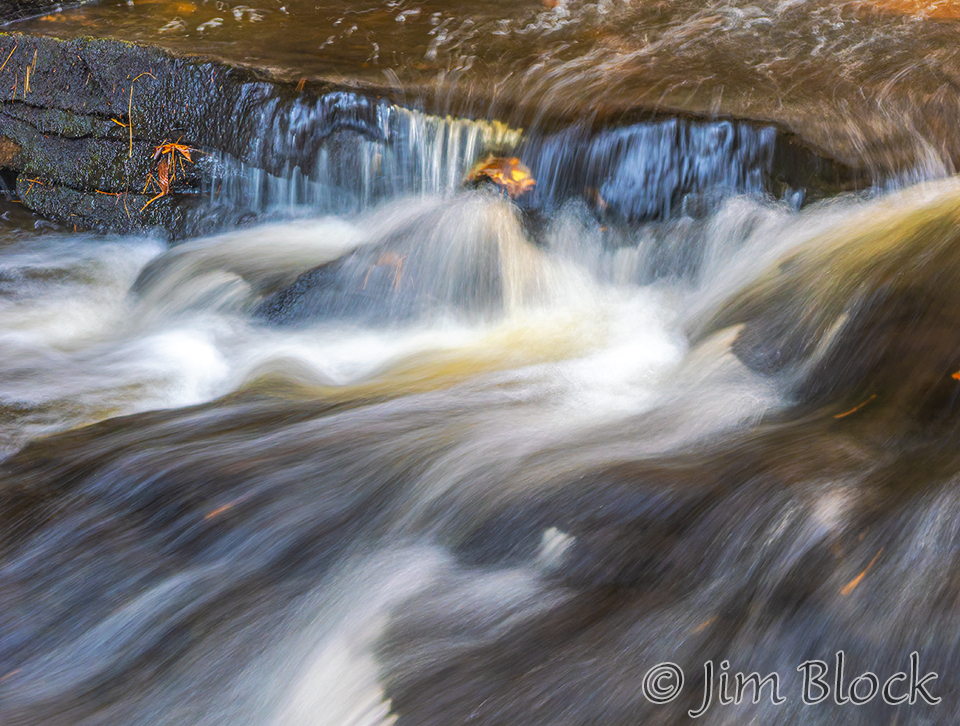
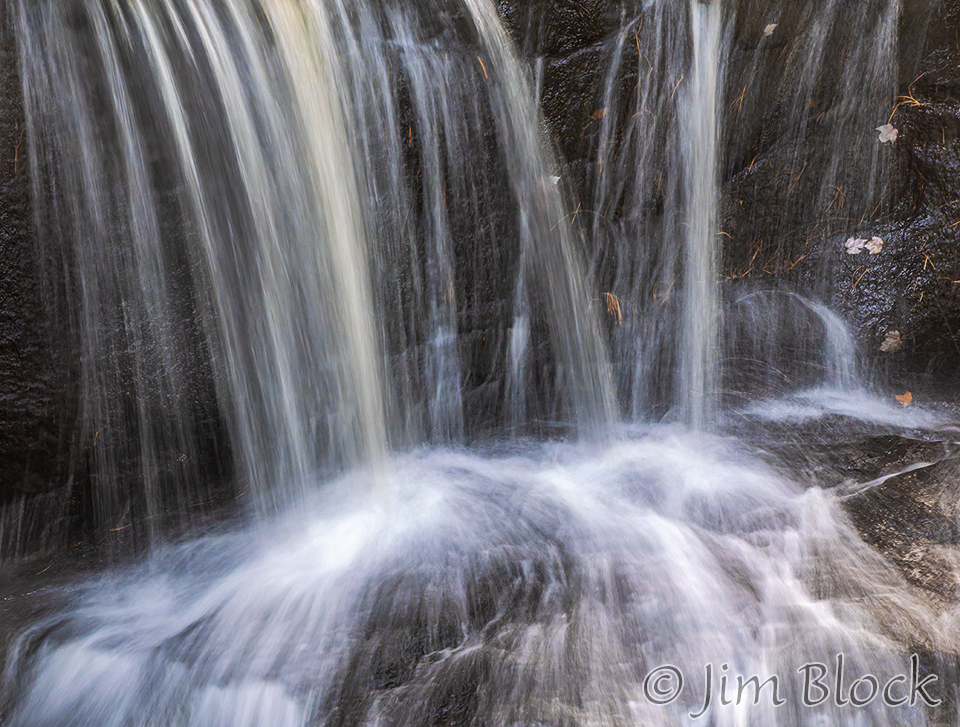
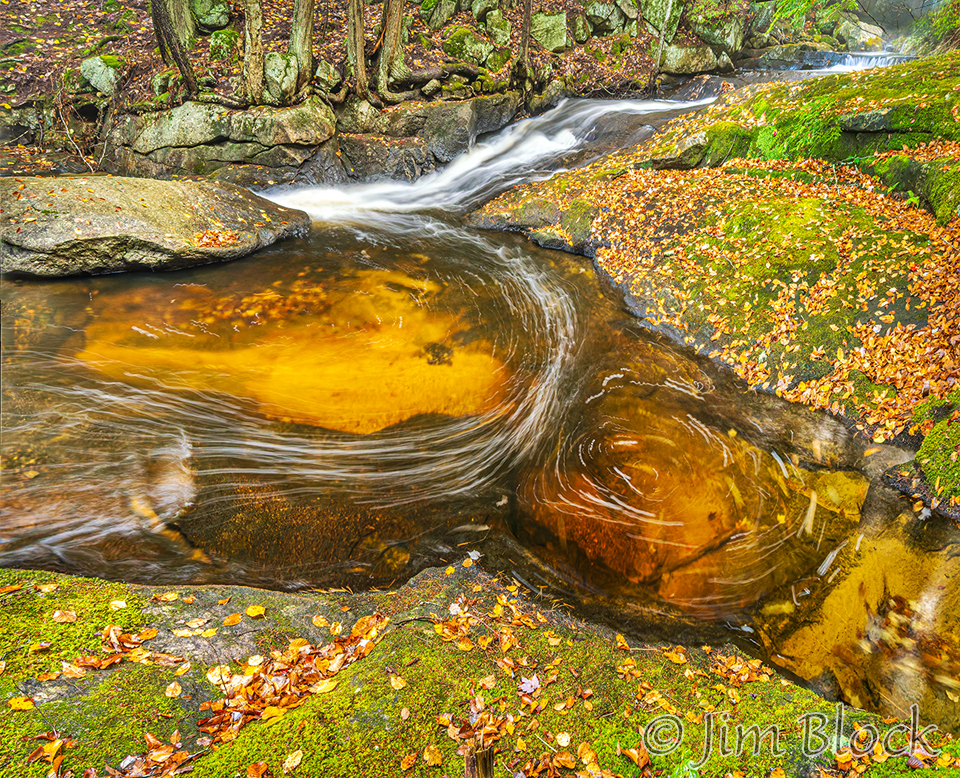
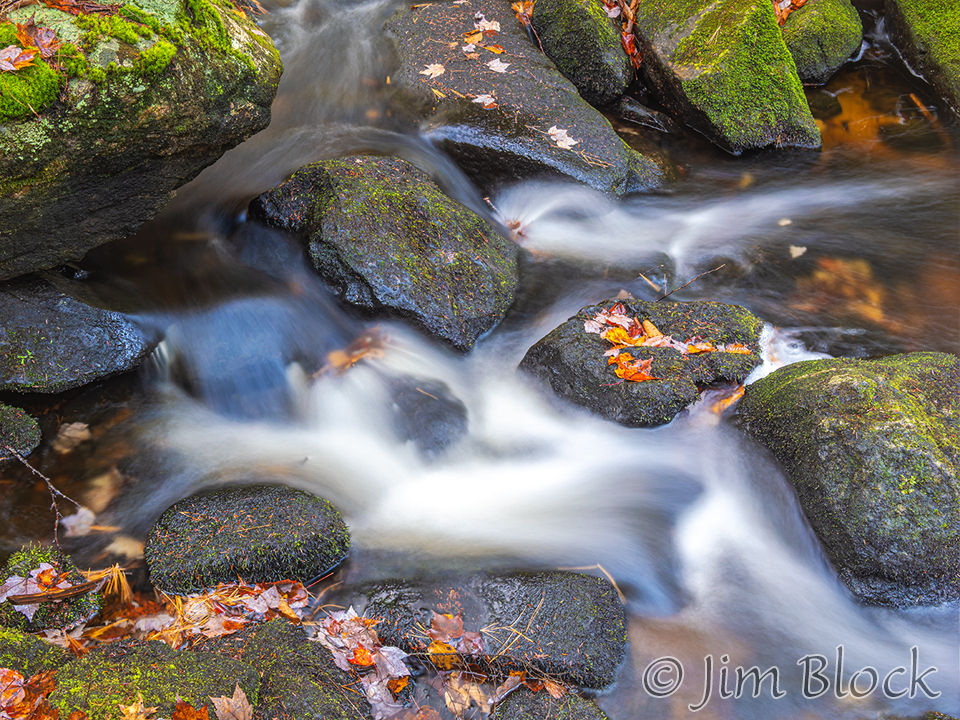
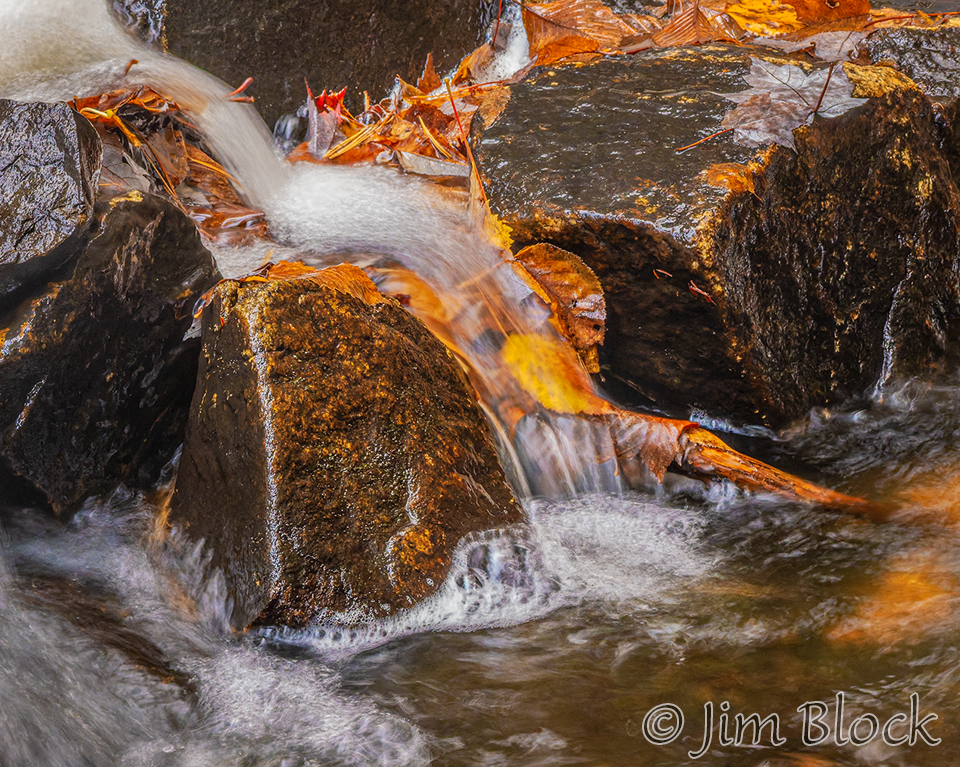
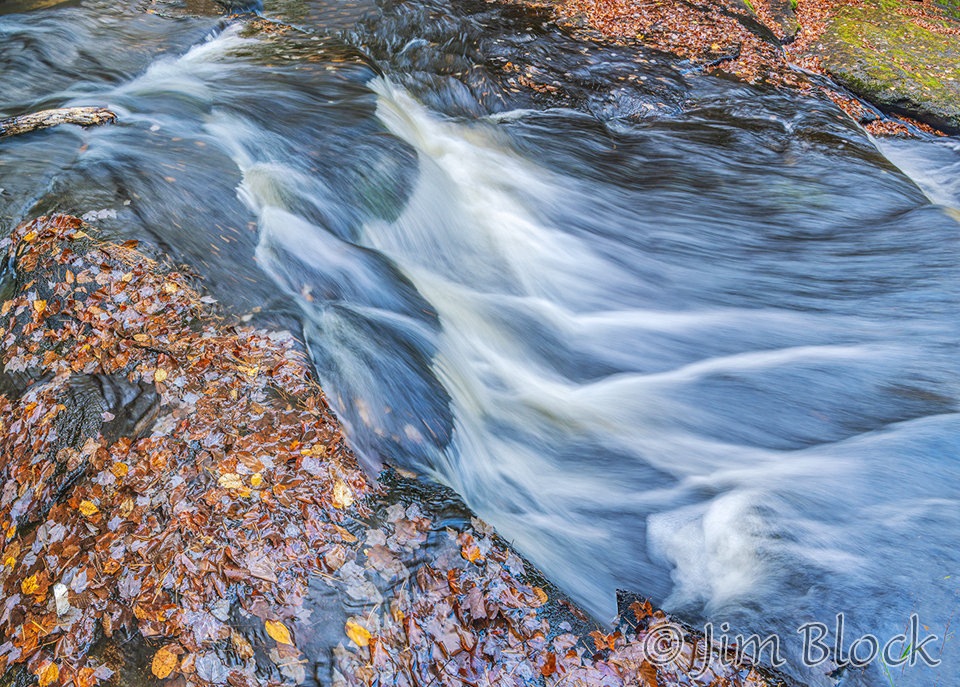
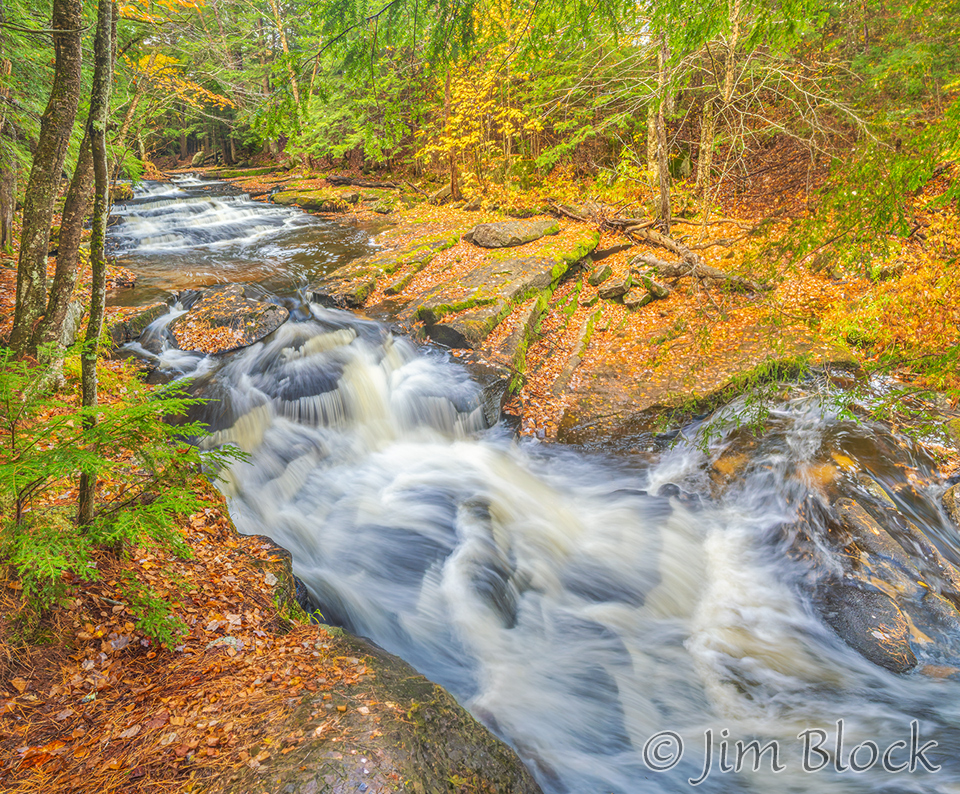
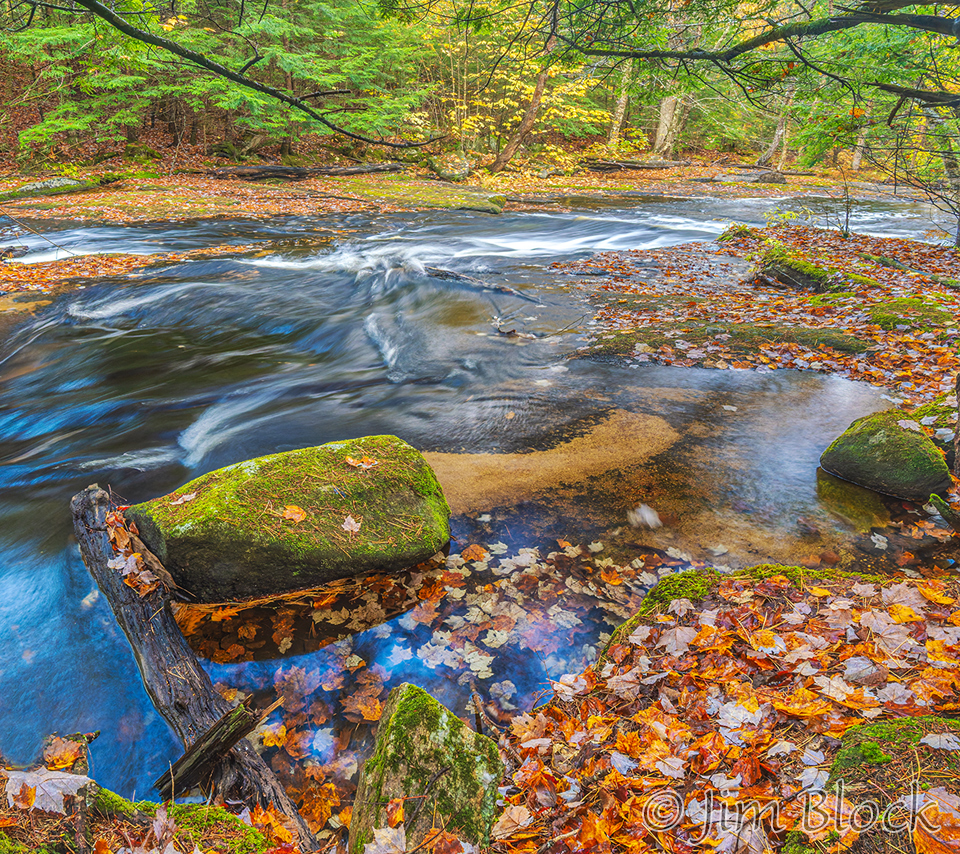
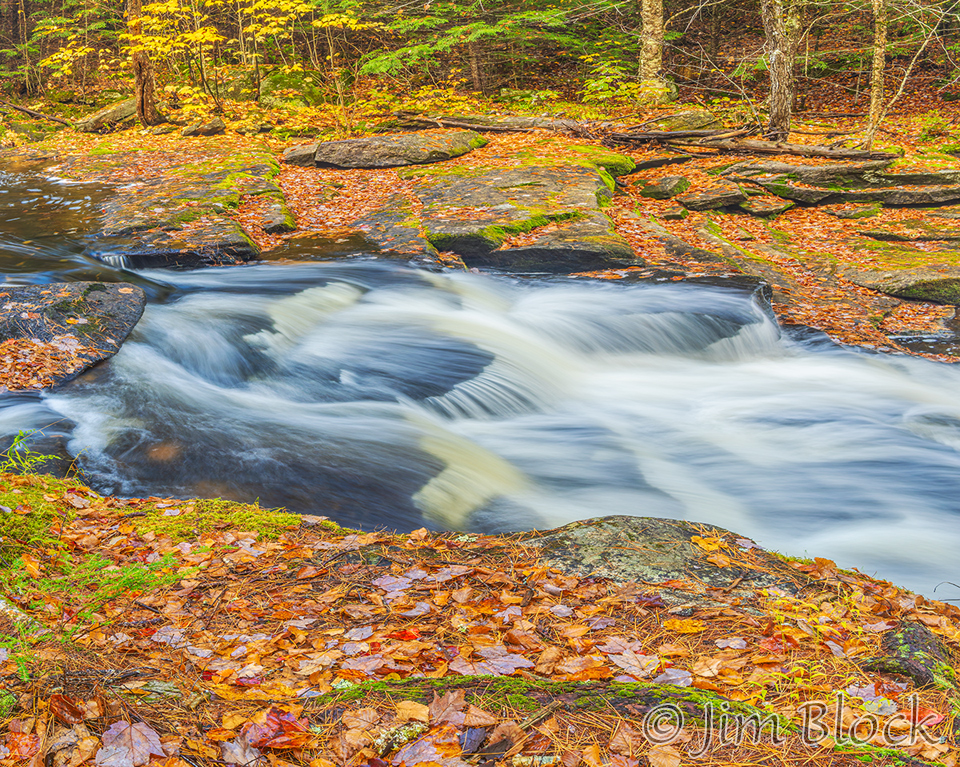
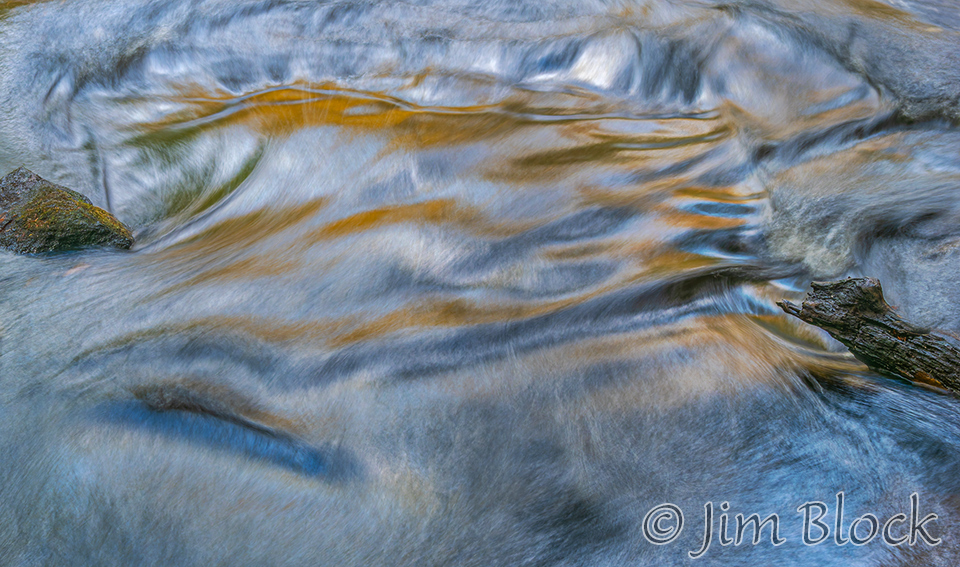
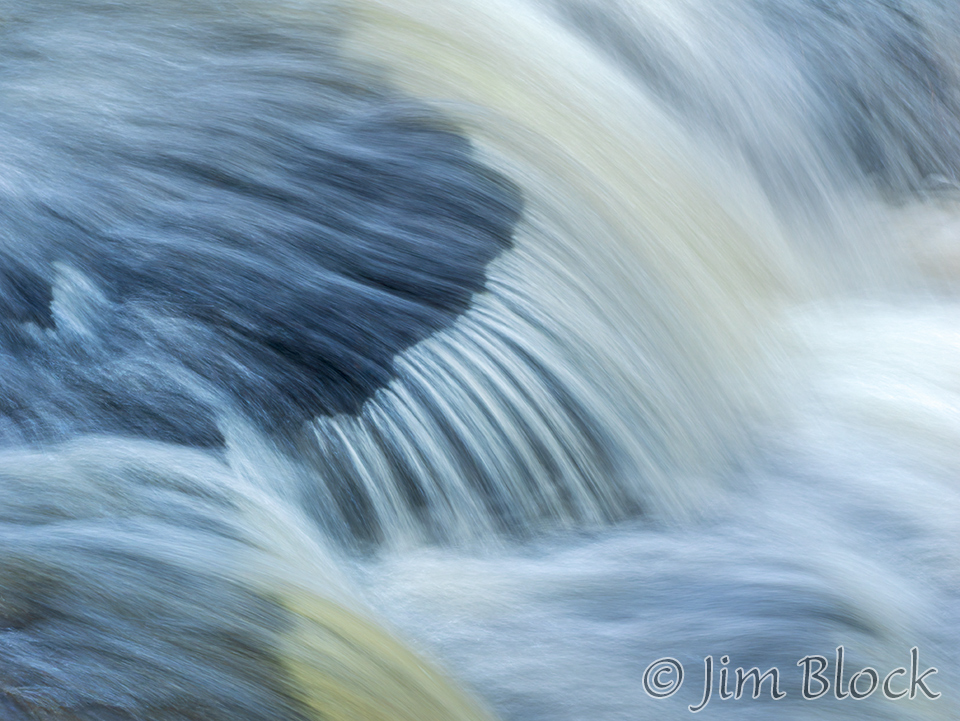
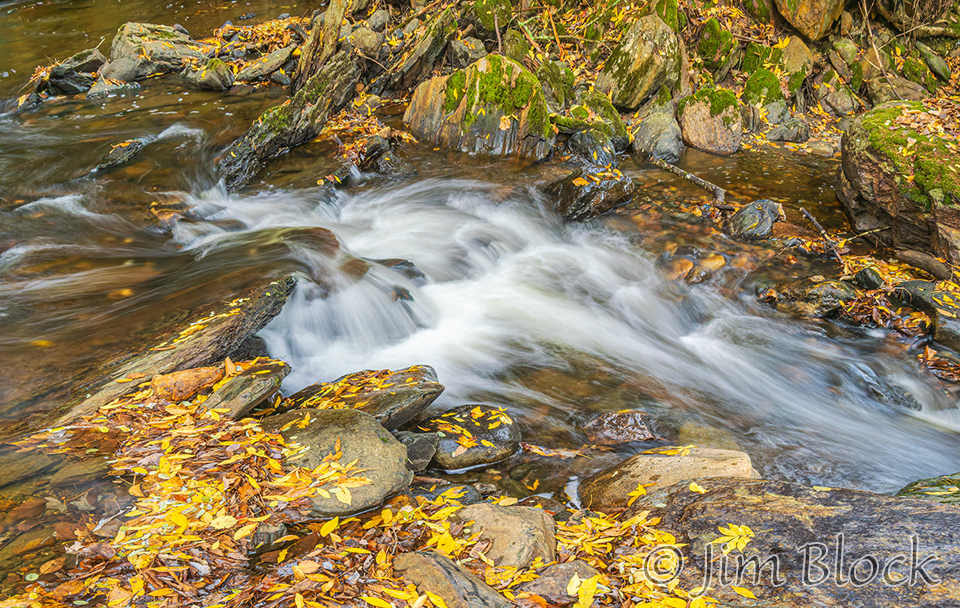
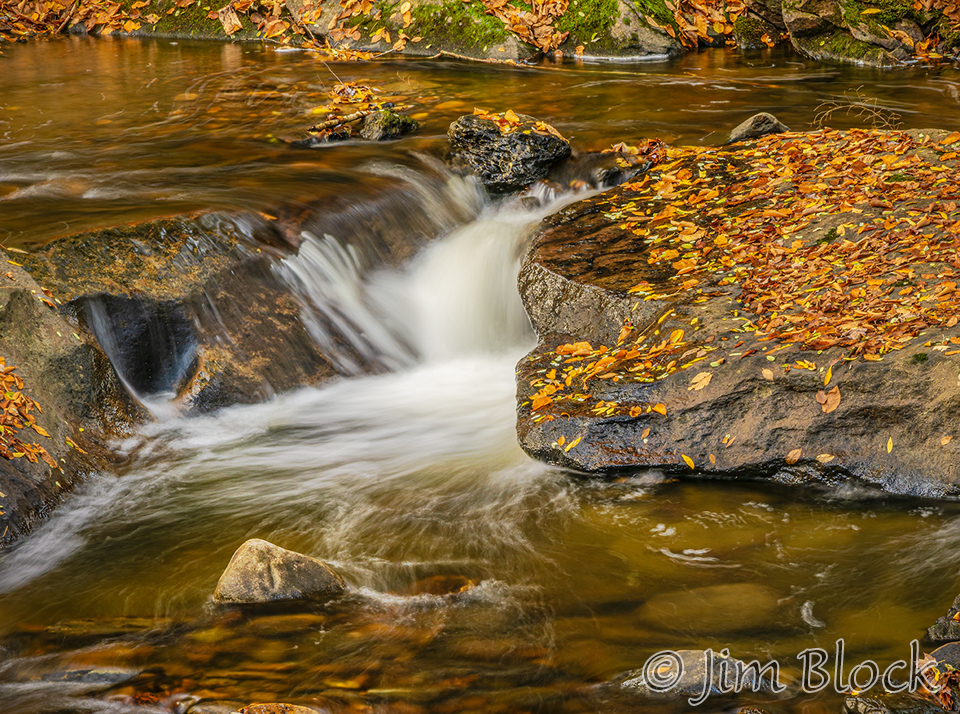
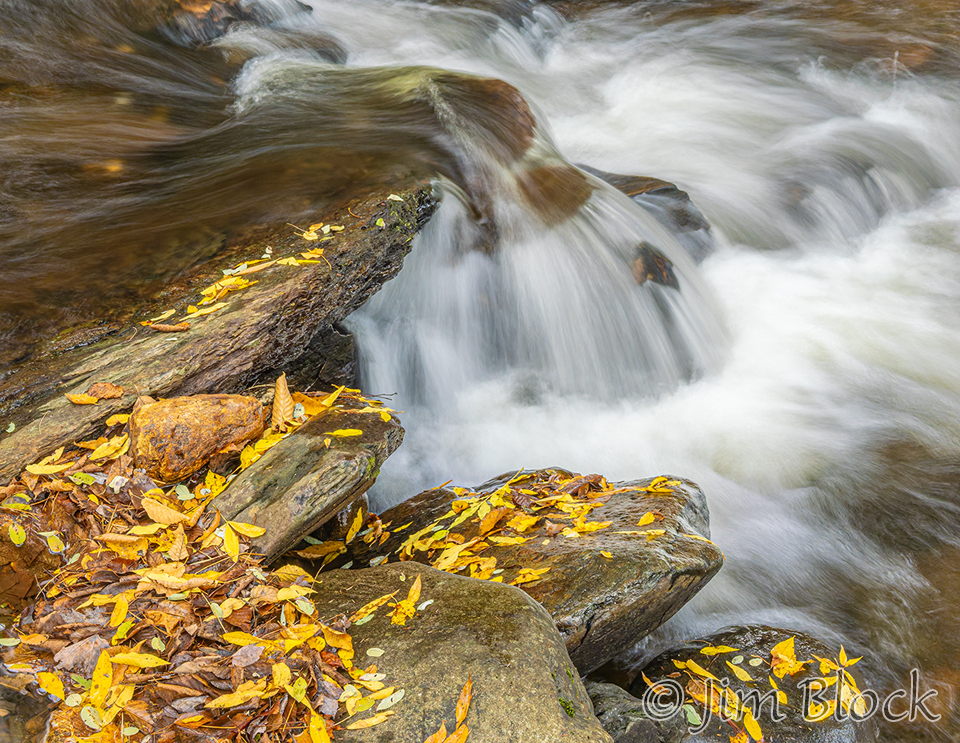
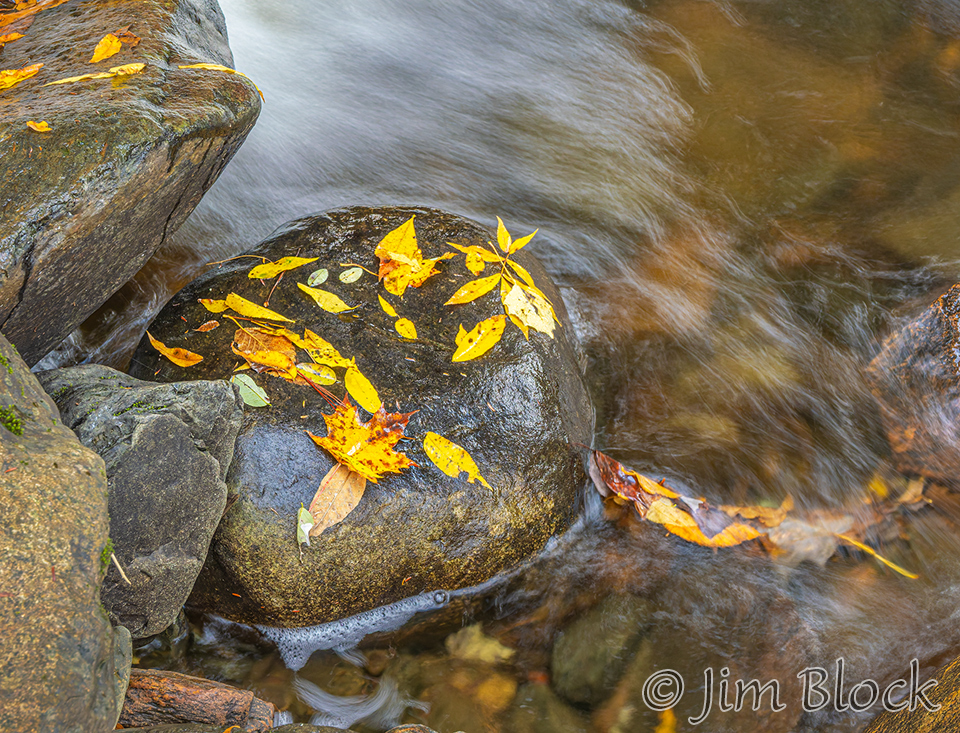
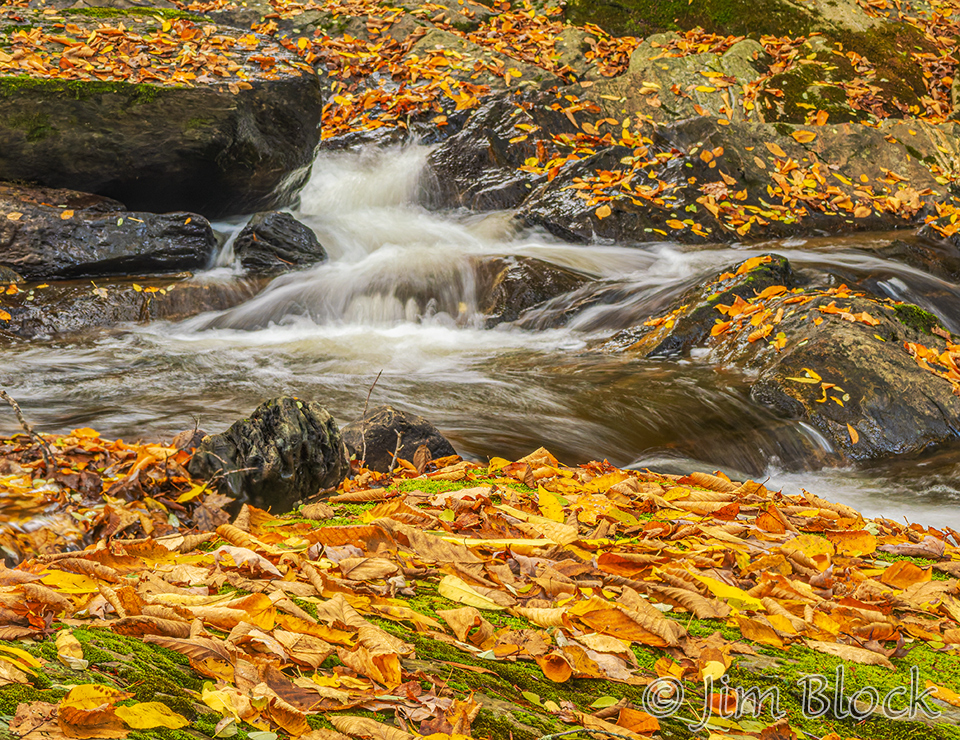
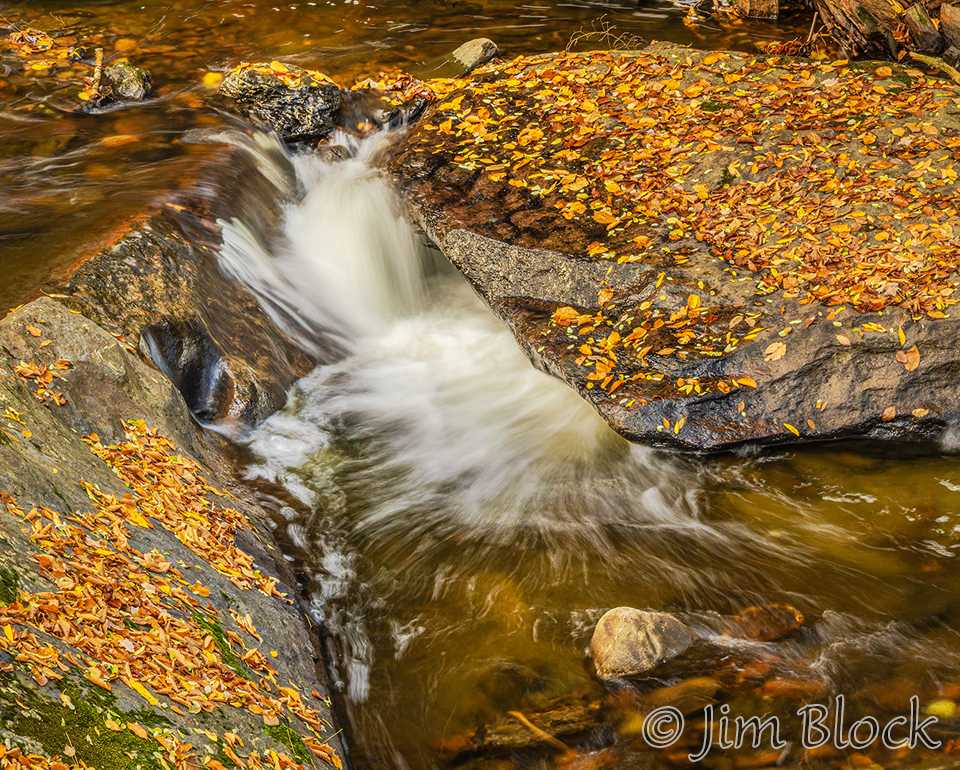
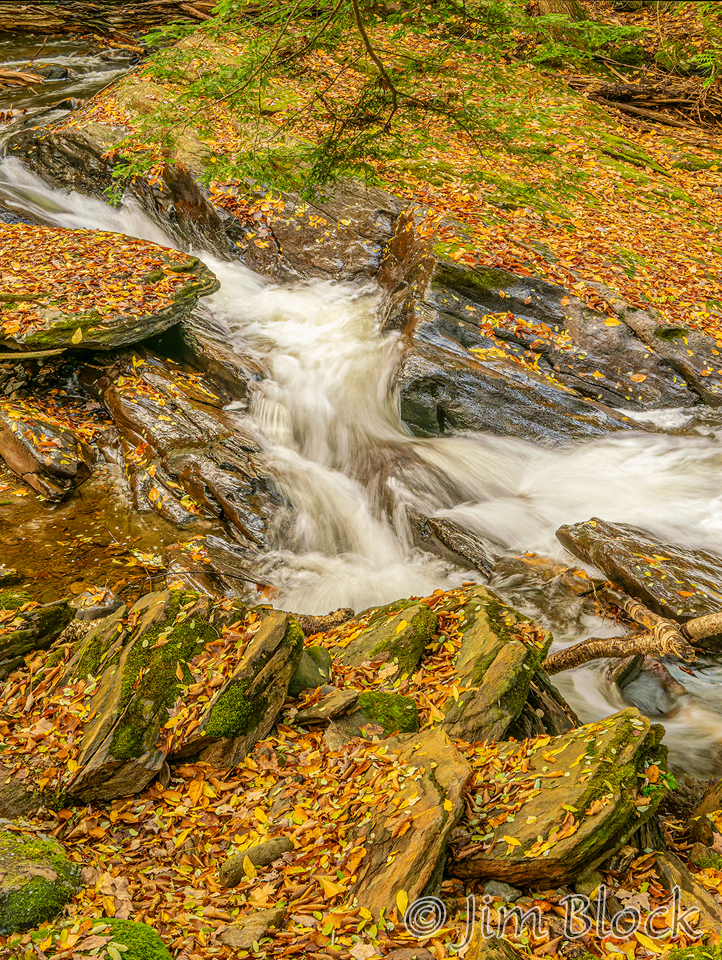
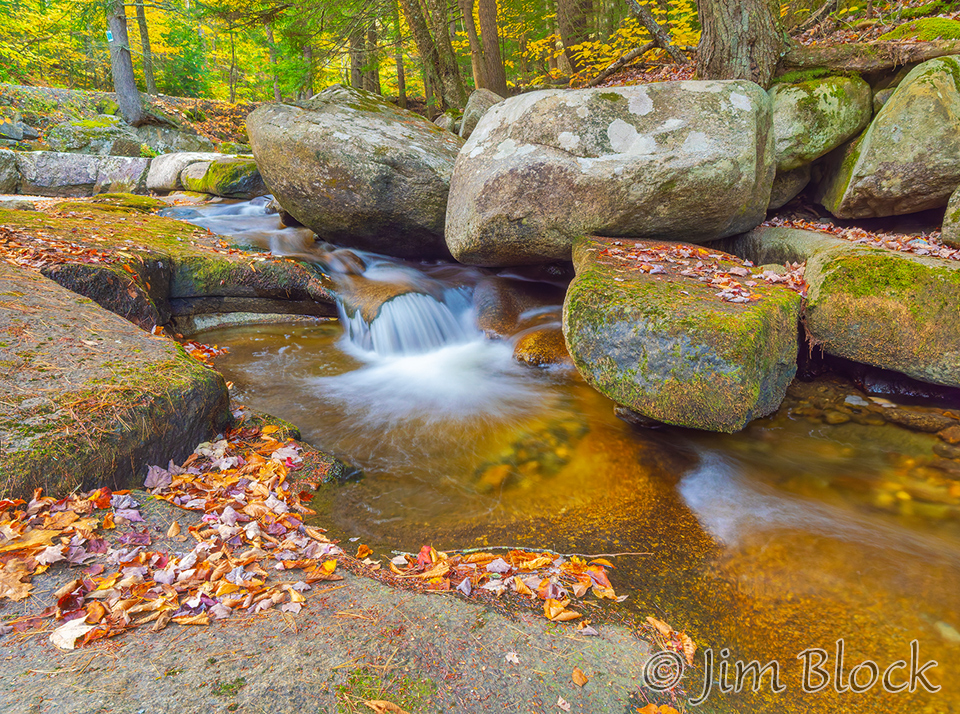
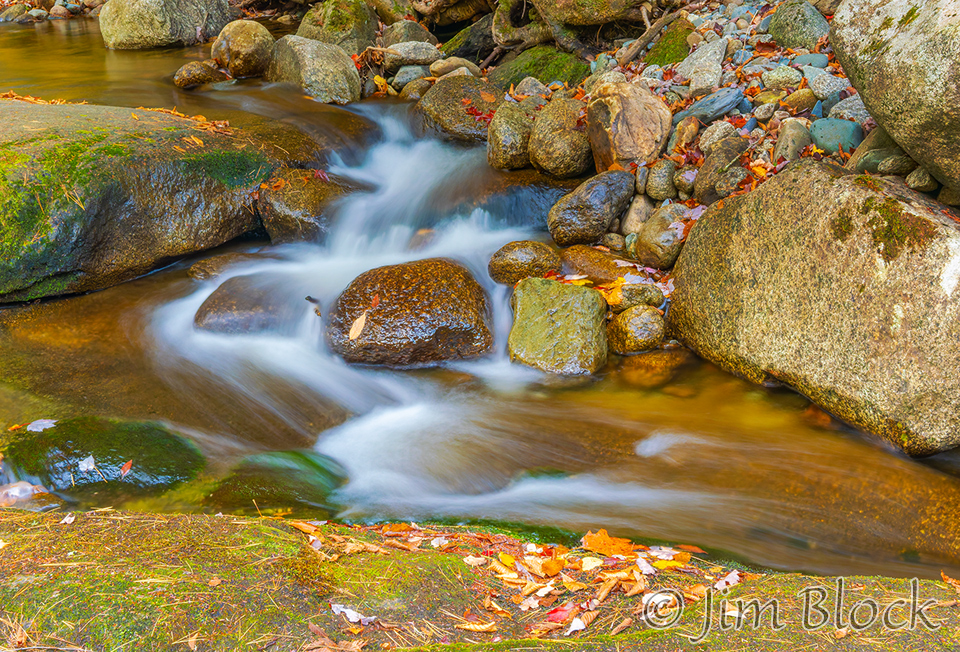
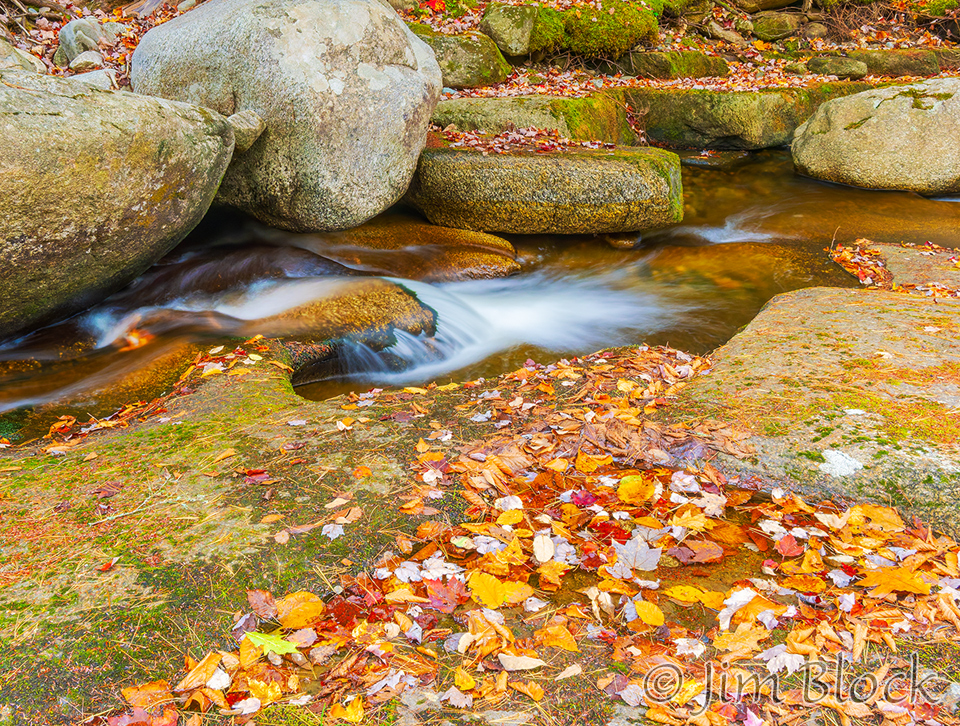
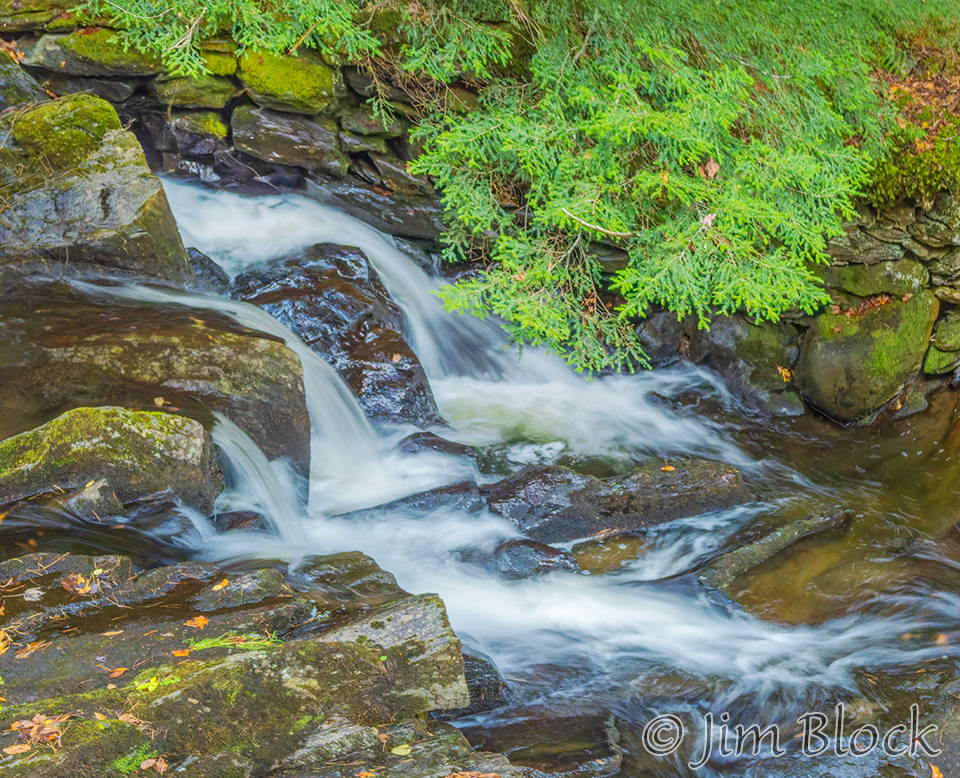
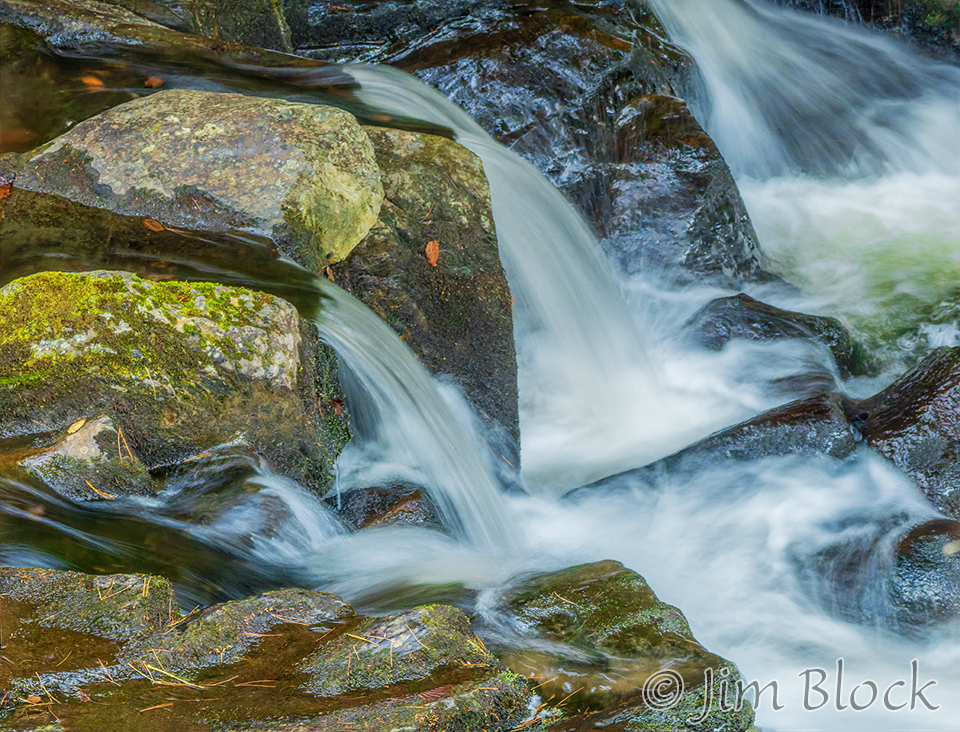
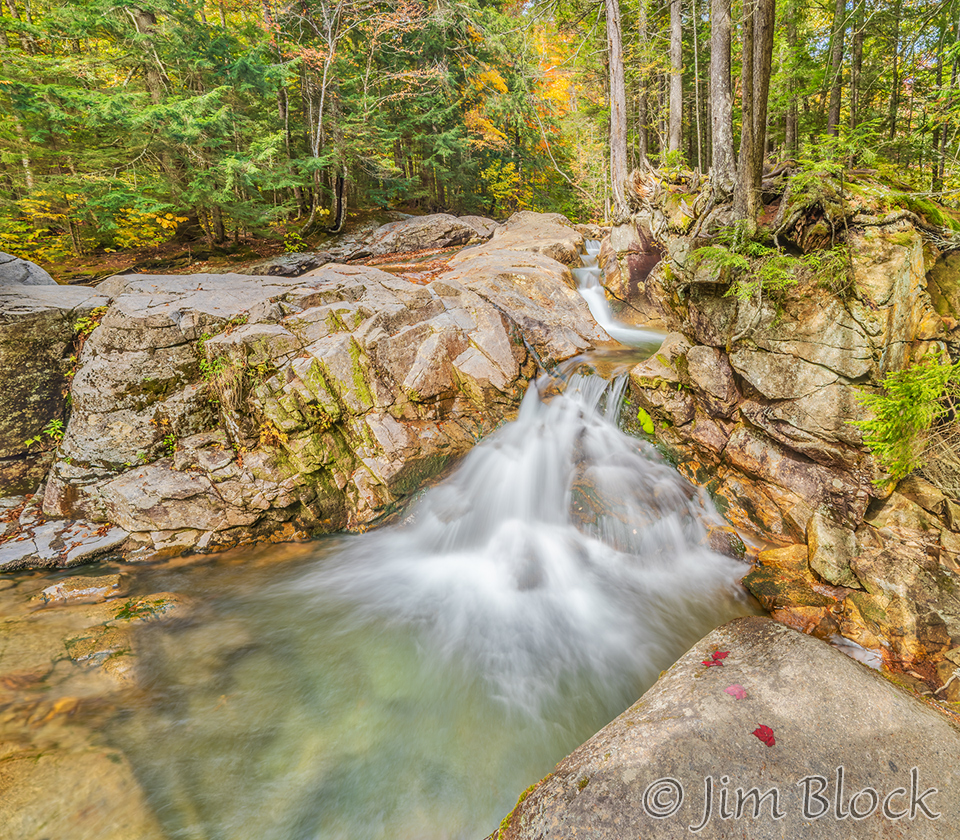
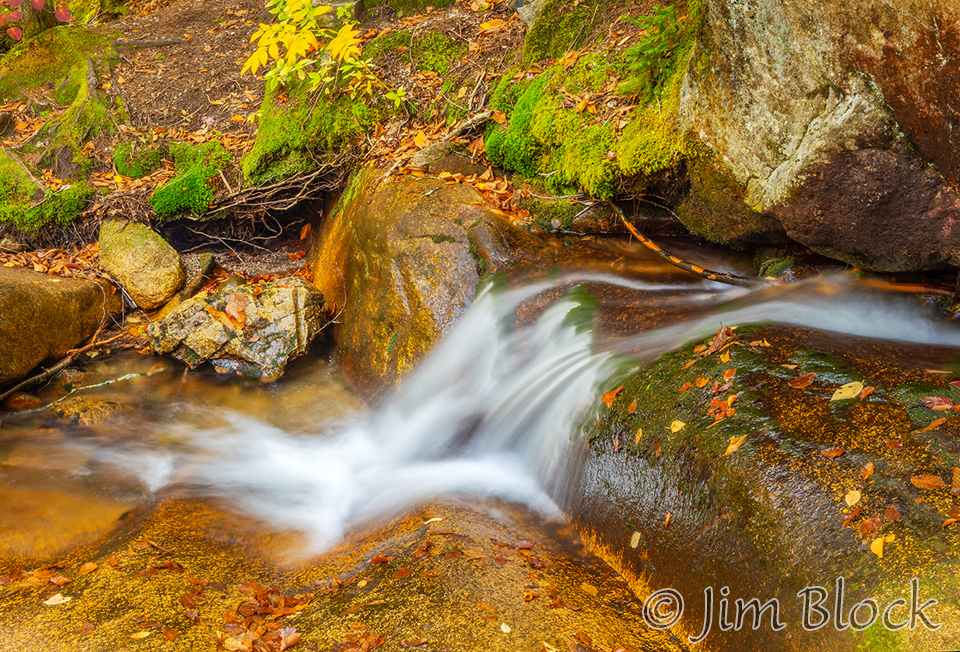
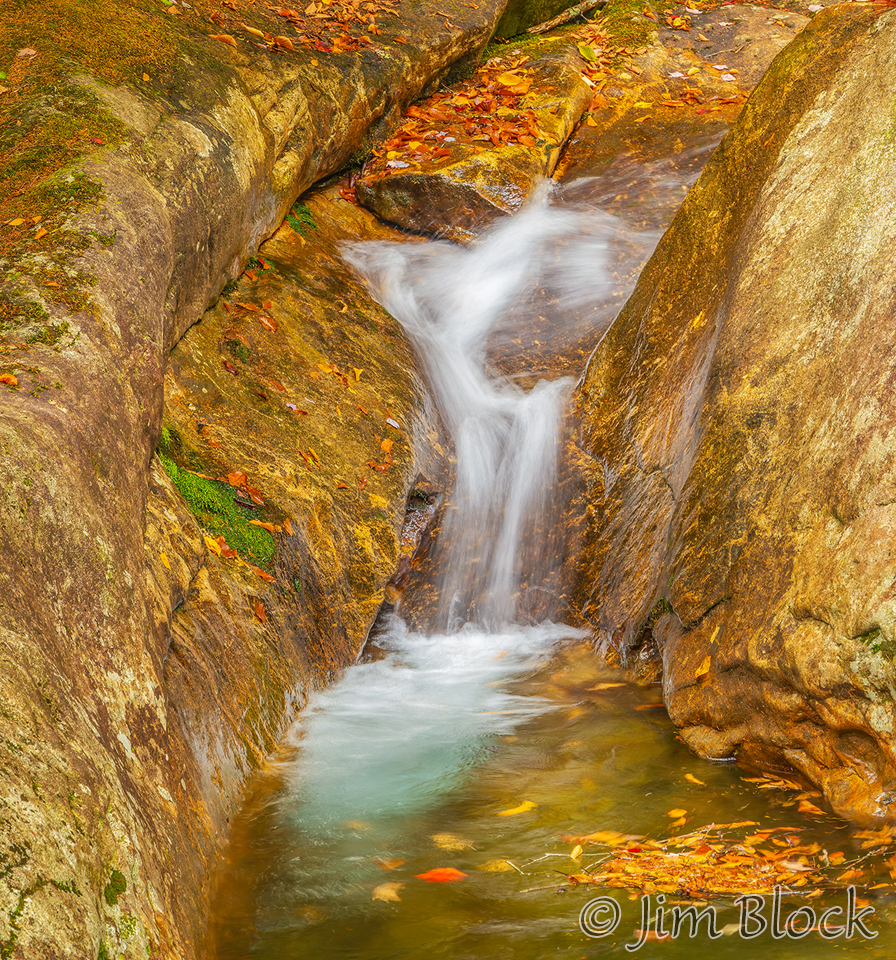
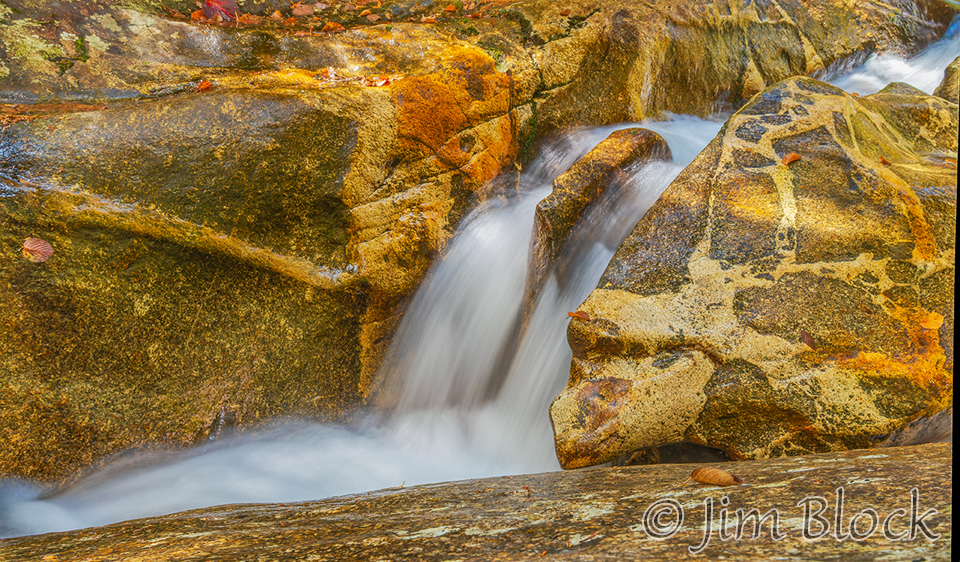
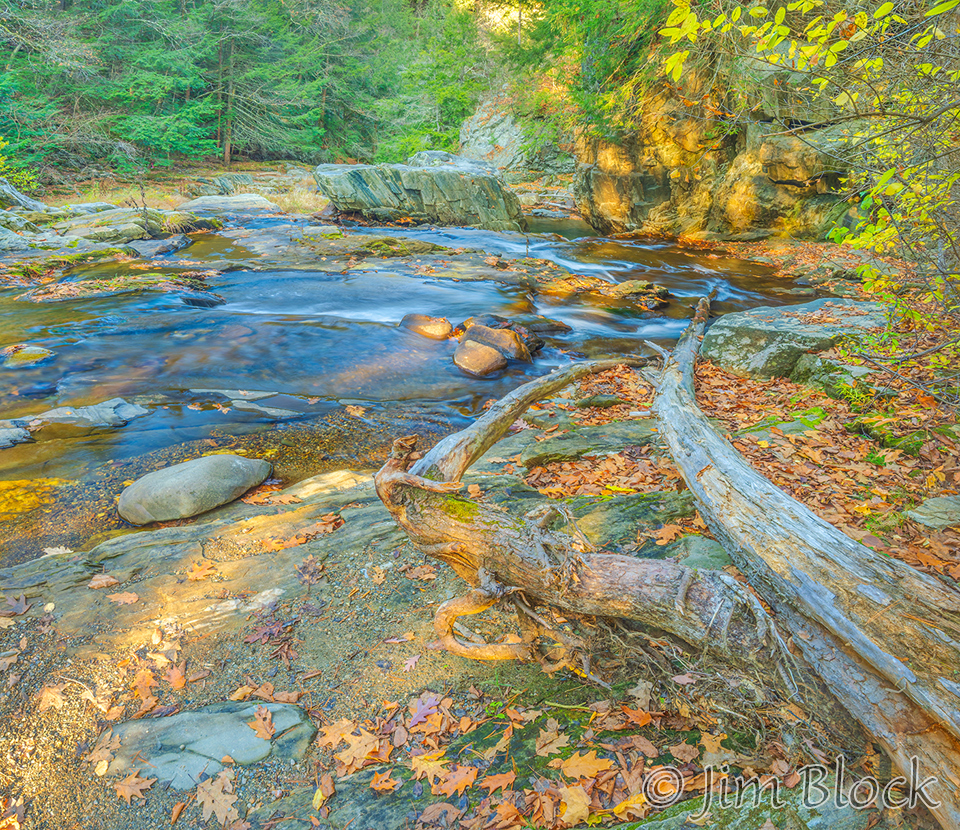
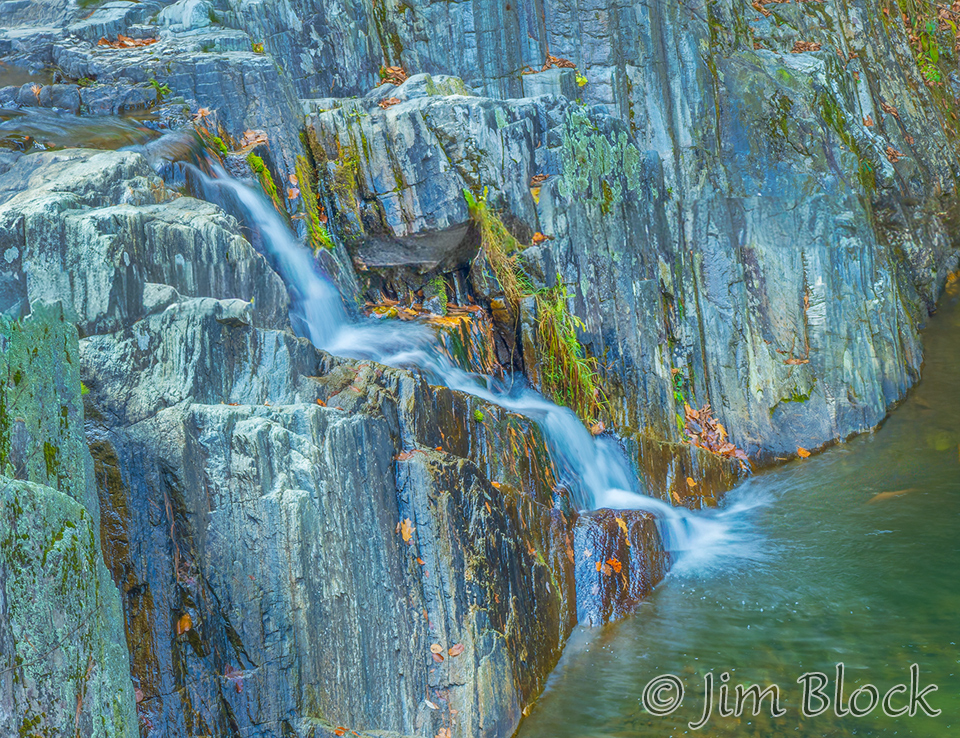
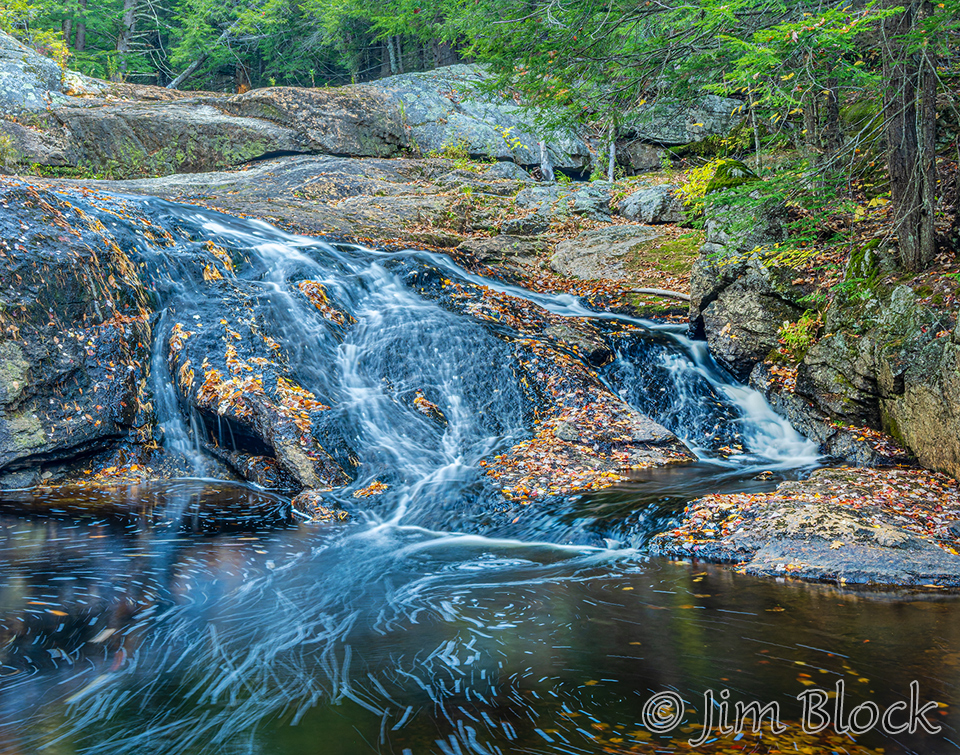
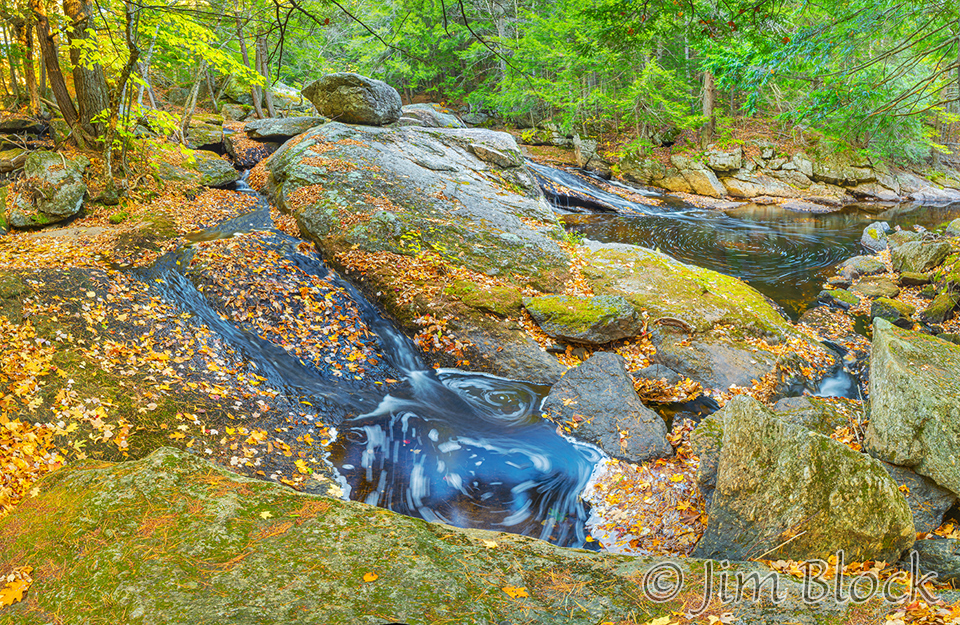
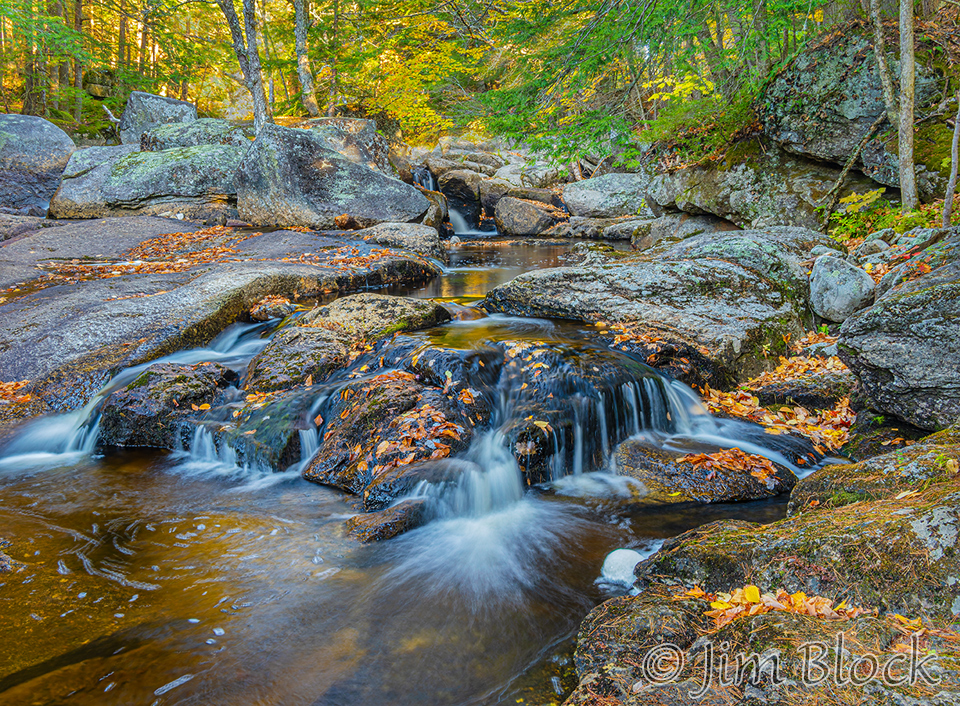
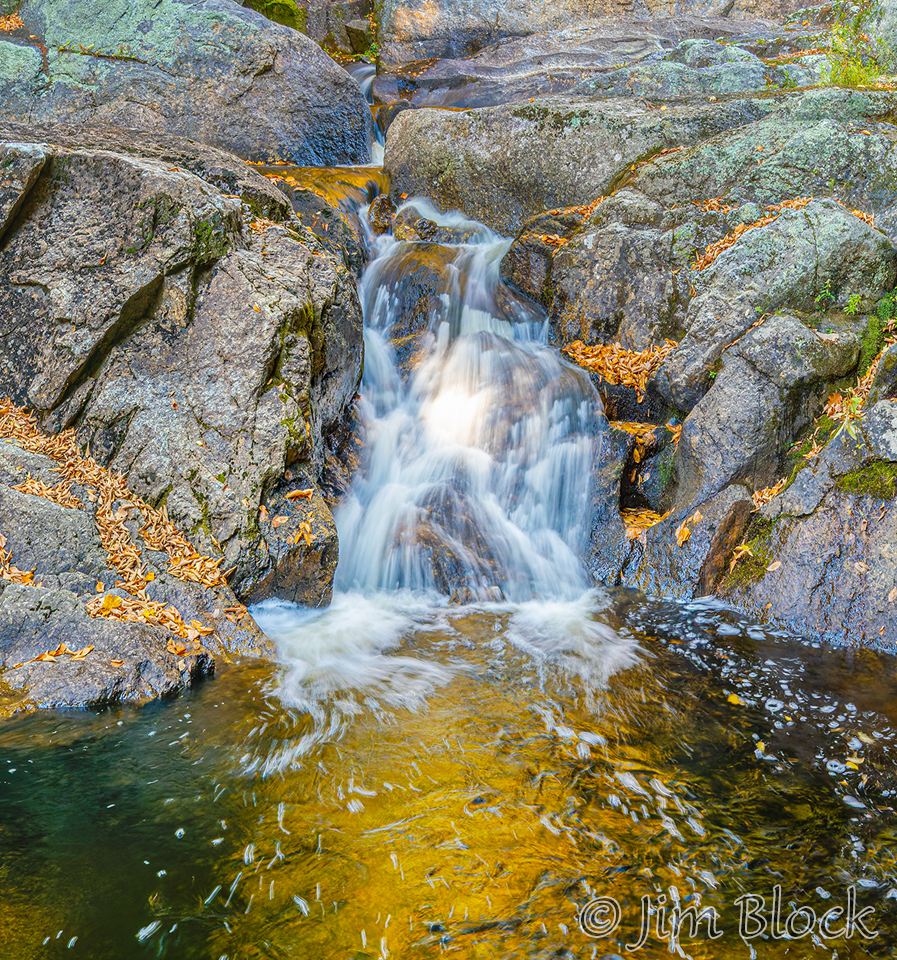
It’s been a pretty dry fall. Yet I have been able to find some area streams that had enough flowing water to make interesting images. Most were in New Hampshire, but I’ll start with Vermont.
Thetford
The Ompompanoosuc River near the historic Sayre Covered Bridge.
A small waterfall in the Wells River as it drains Riker Pond in Groton State Forest.
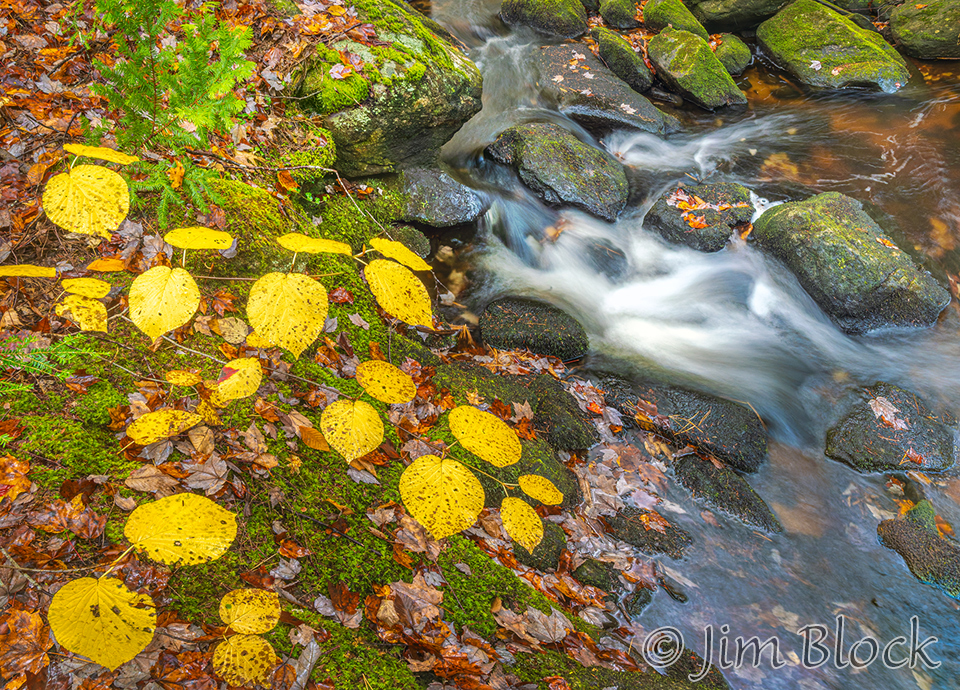
Blood Brook, also called Bloody Brook, from Elm Street.
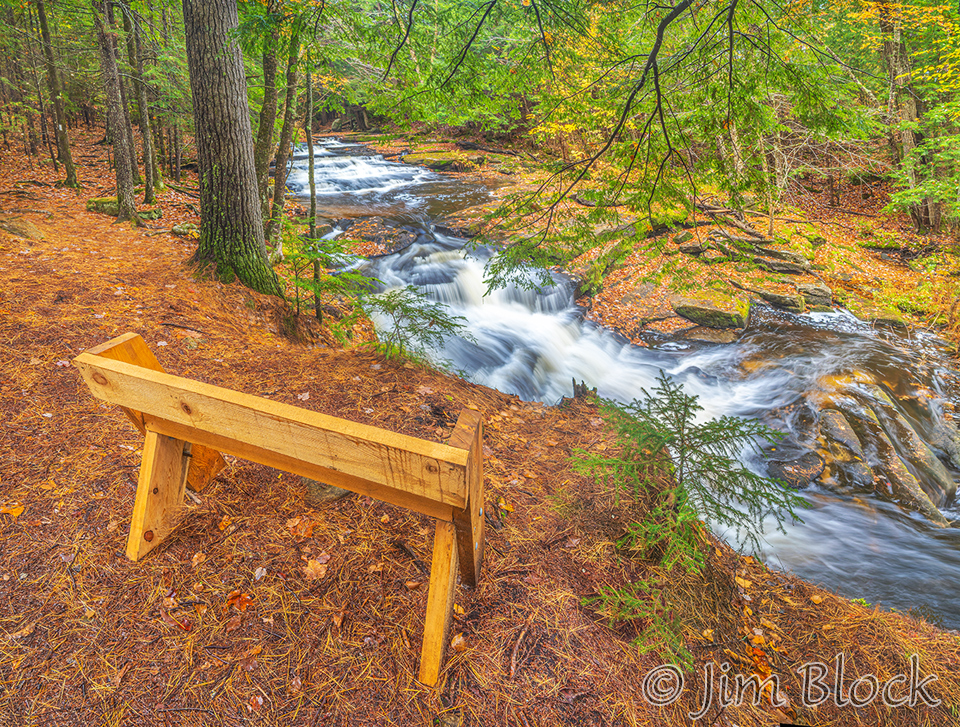
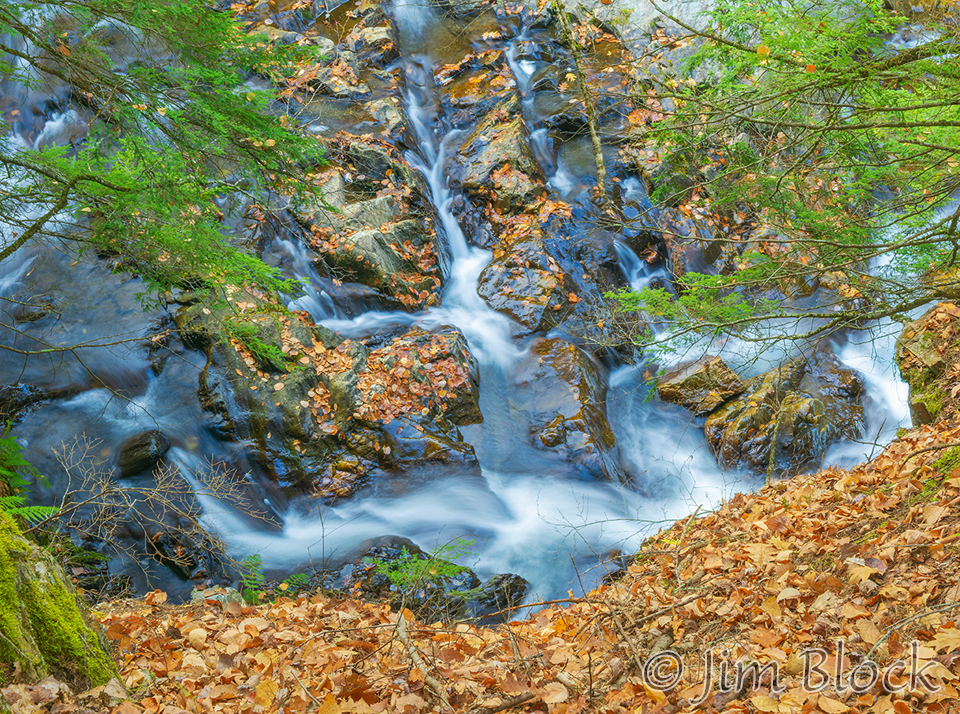
In Strafford there is a natural area with a somewhat steep hike down to Old City Brook.
Bicknell Brook
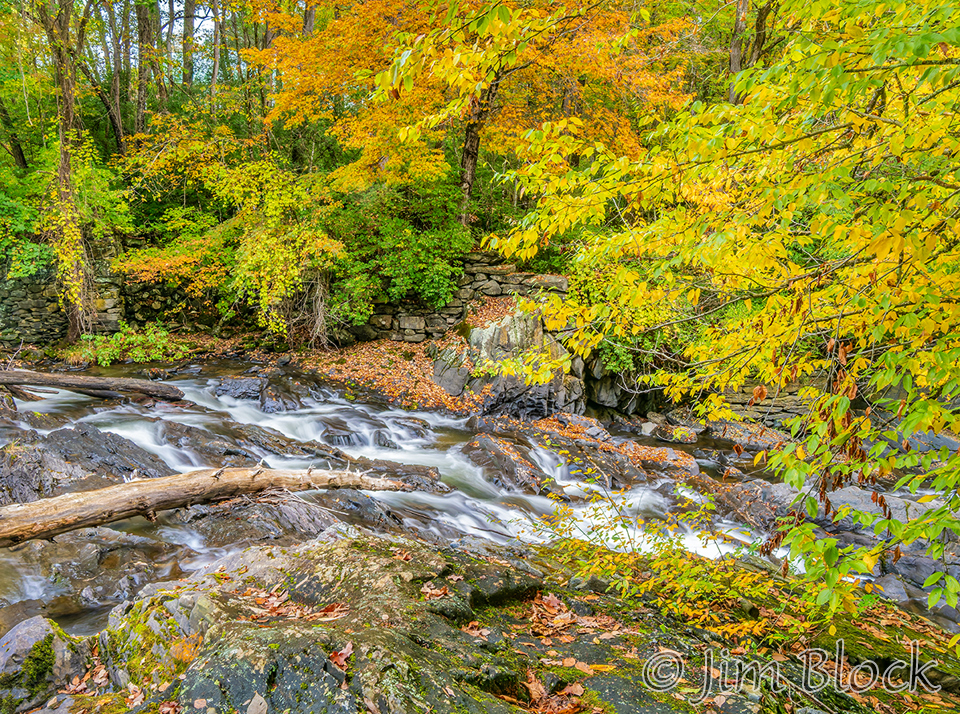
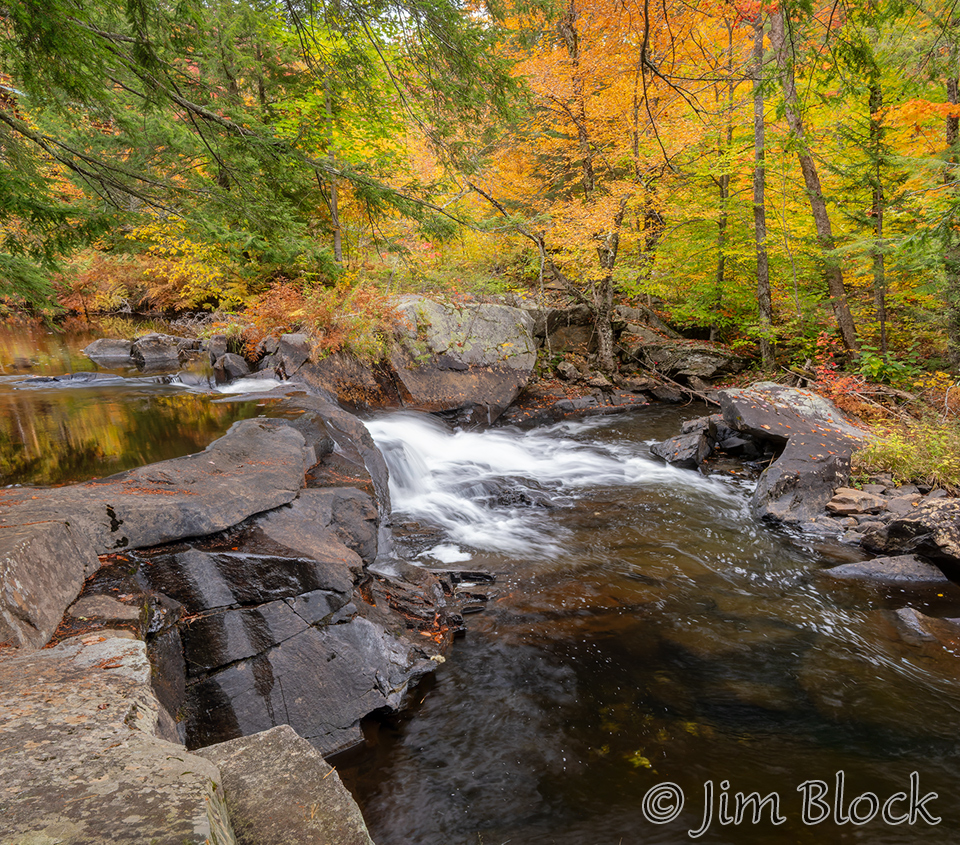
Long a favorite spot, Bicknell Brook, an
UVLT site along the Colette Trail in Enfield, is fun to photograph in all seasons. But it does have some dangerous spots. When the ground is icy, spikes are very desirable.
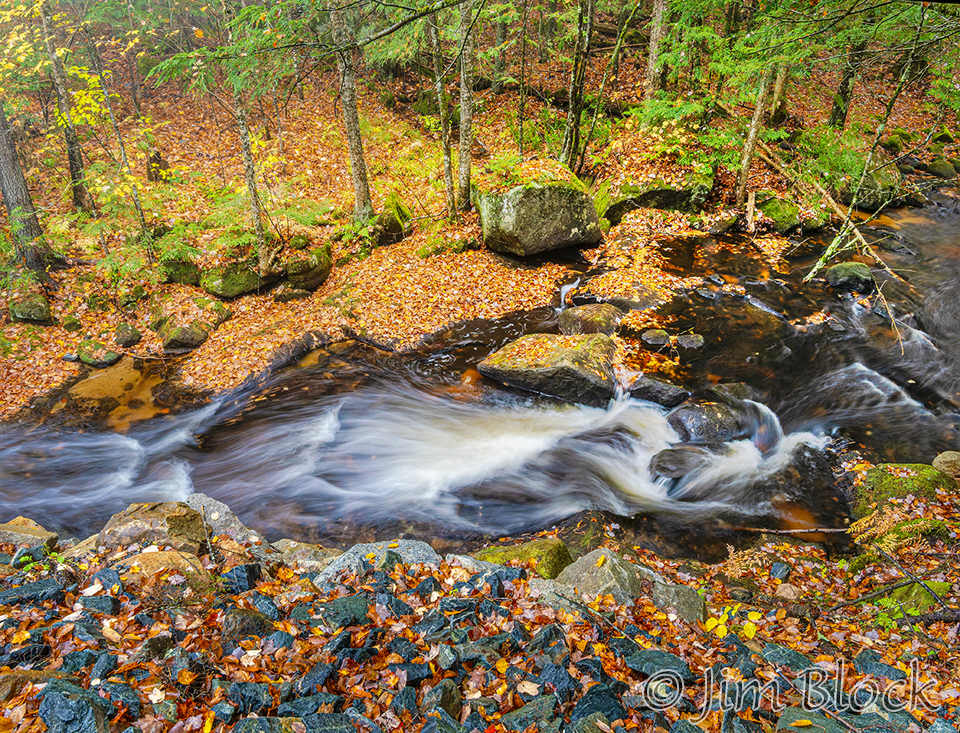
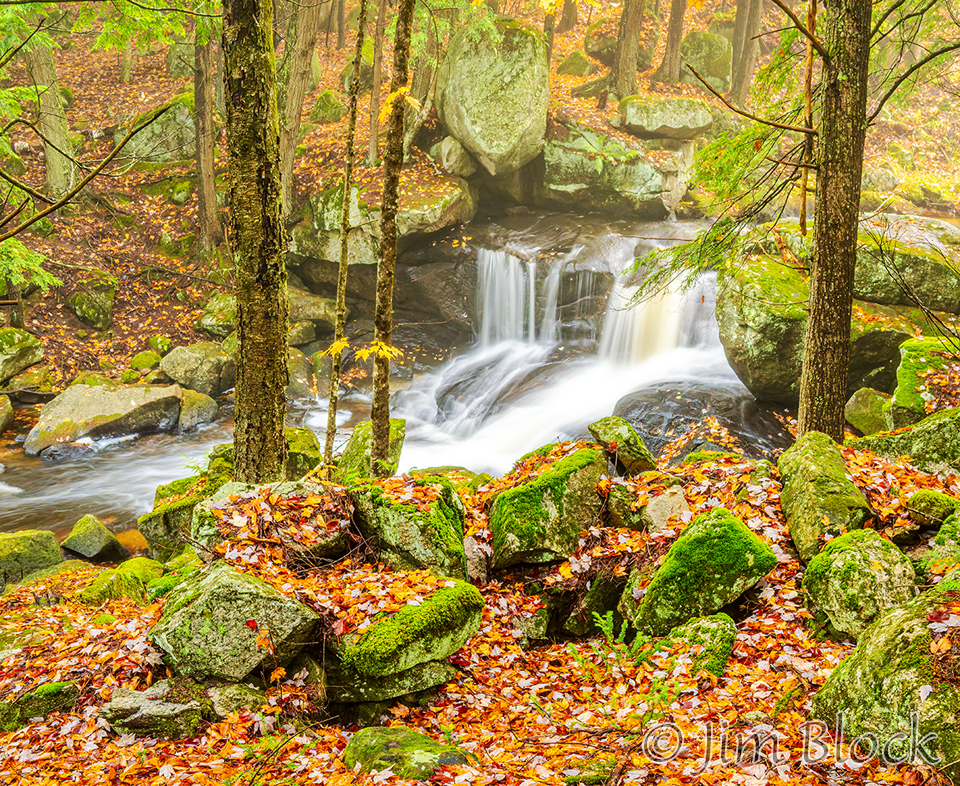
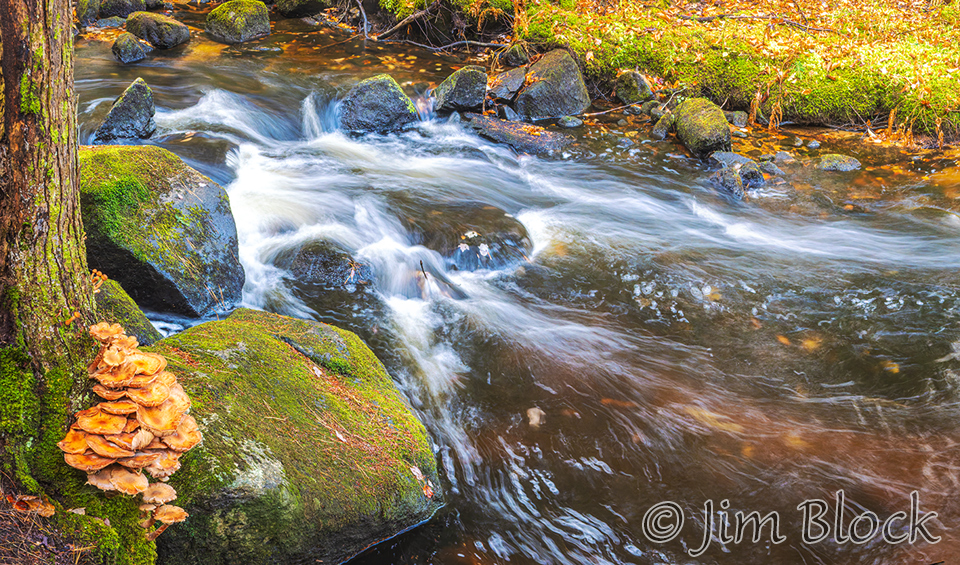
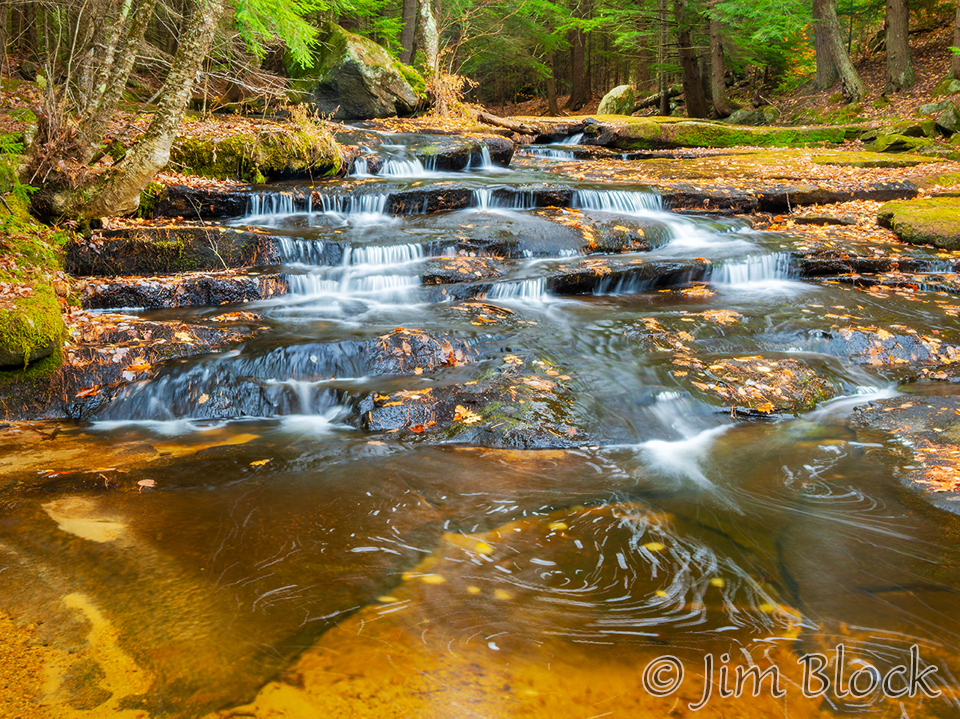
I visited twice this season. It was somewhat foggy the first time so the light was soft. This is not an area to try to photograph in the midday sun.
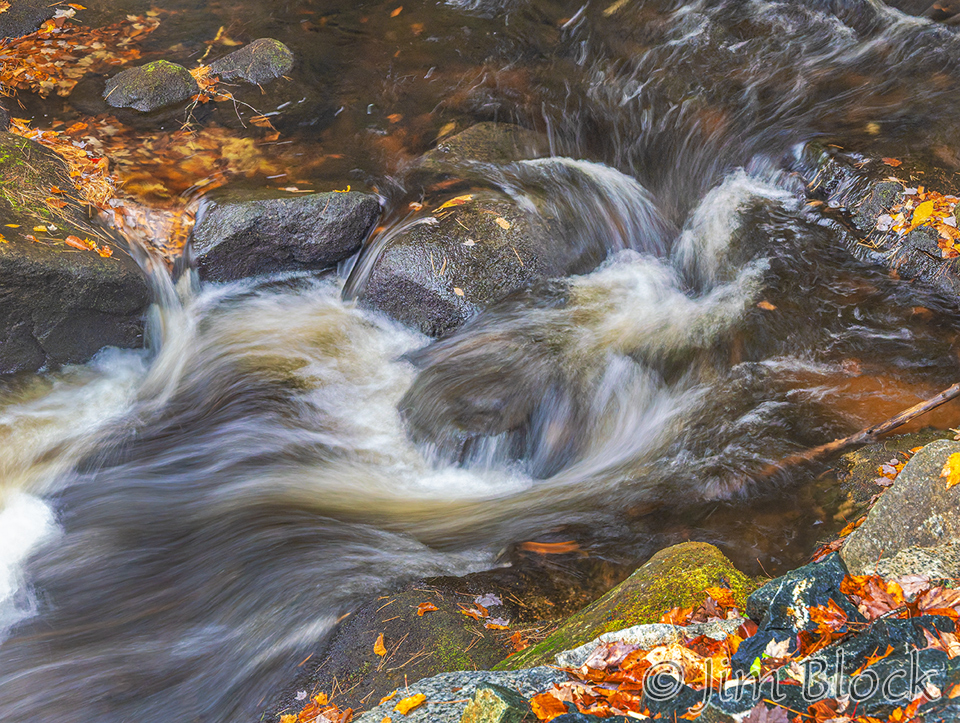
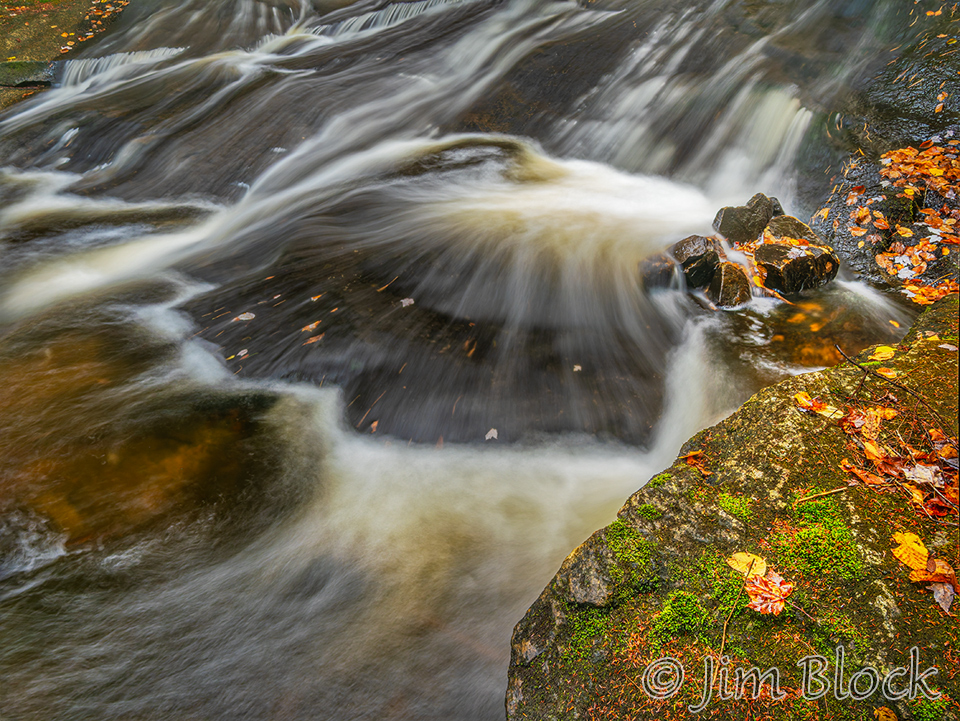
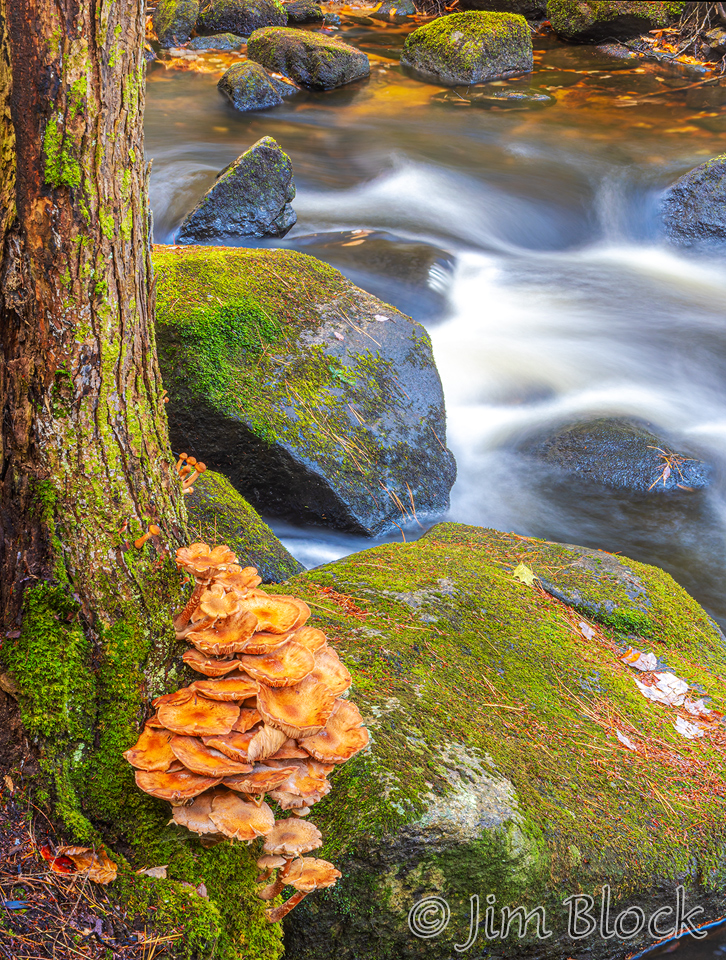
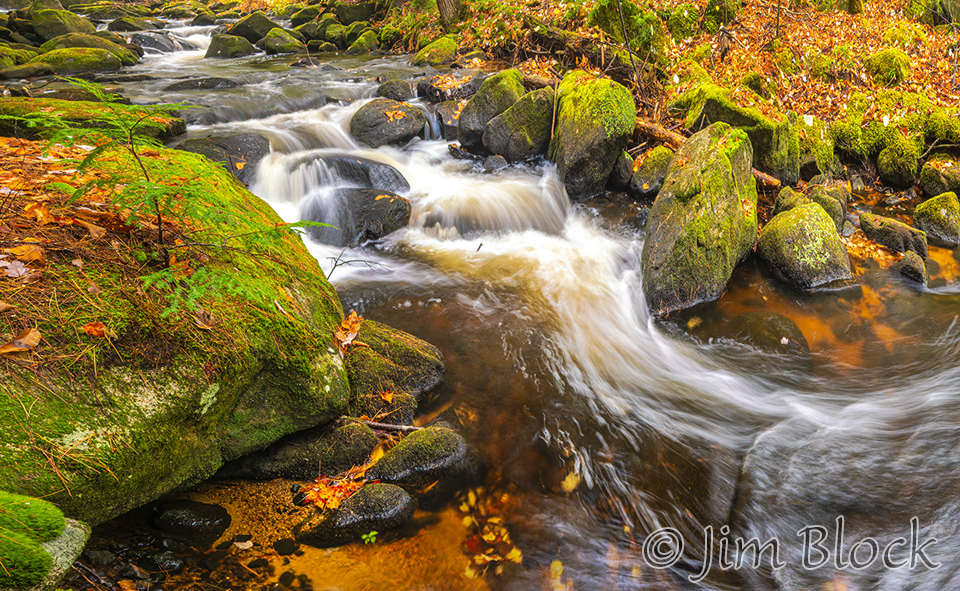
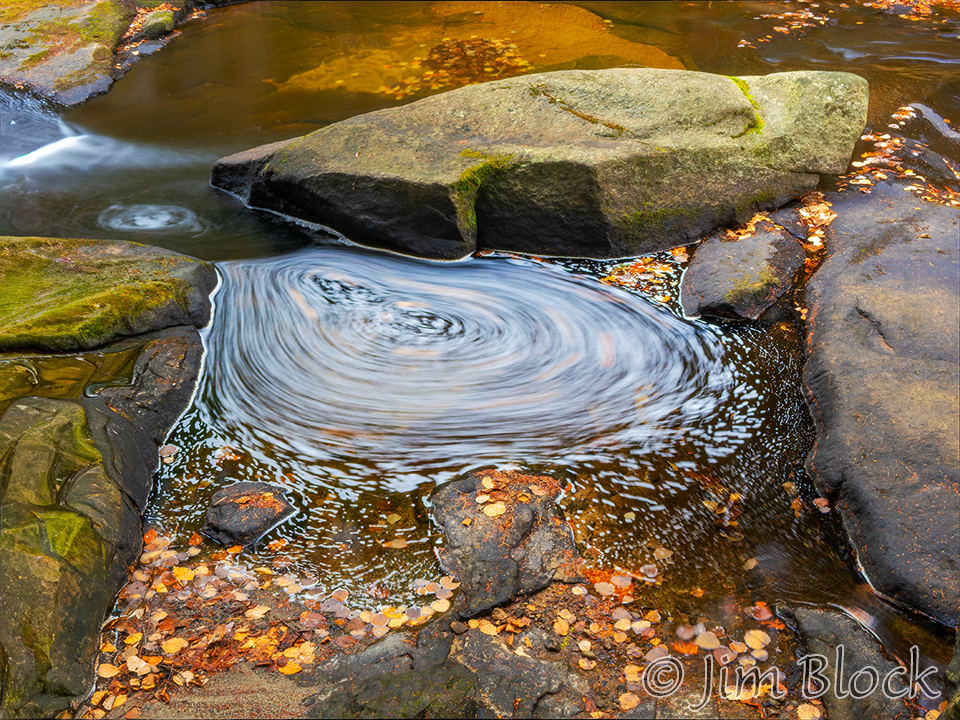
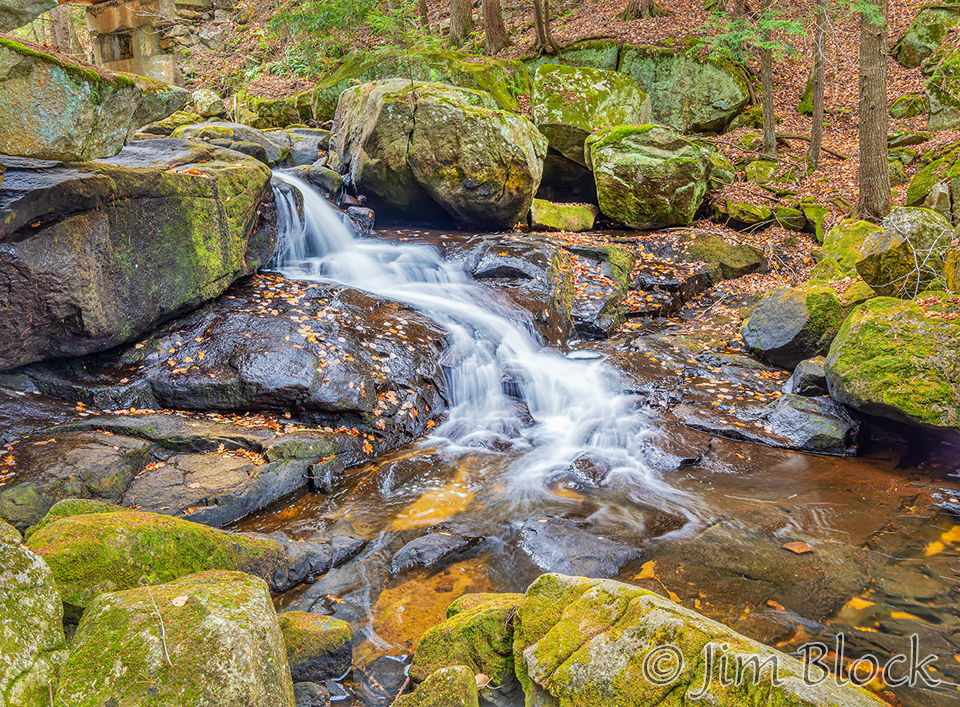
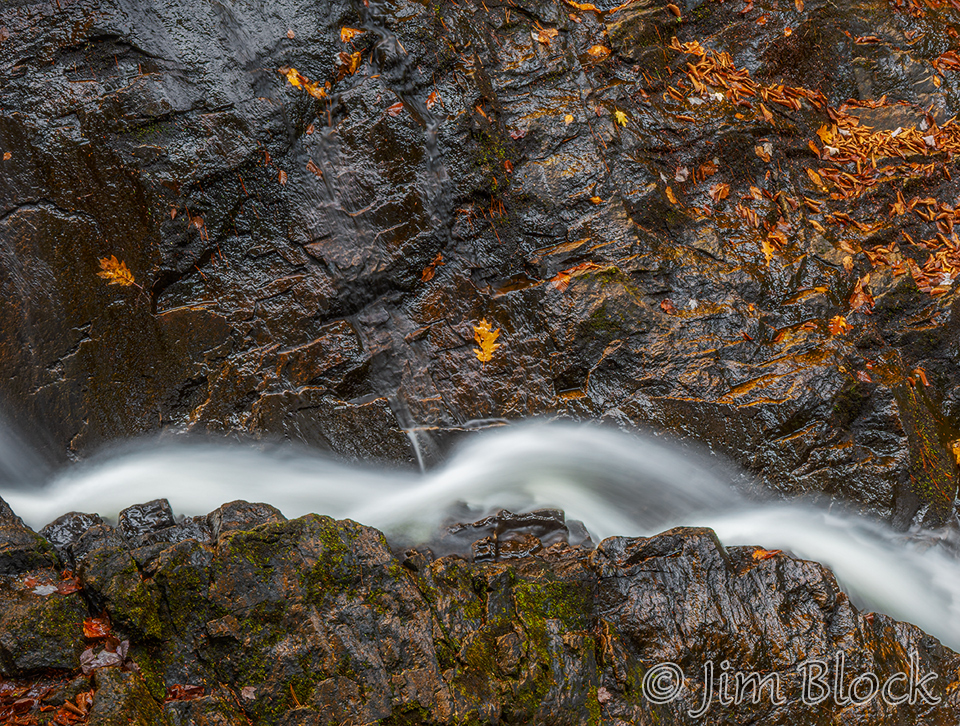
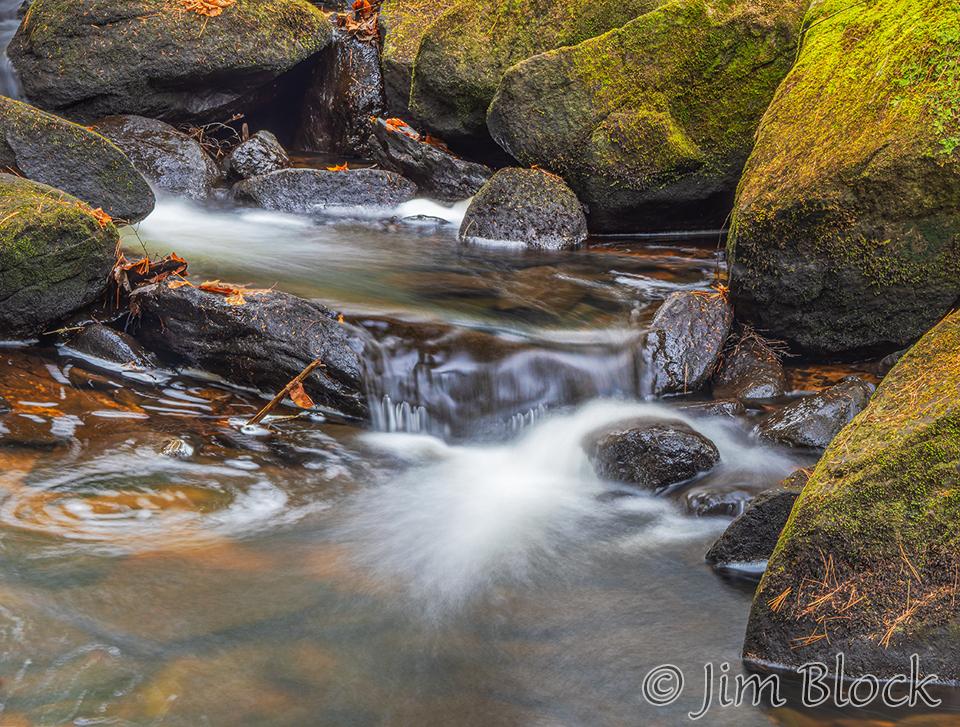
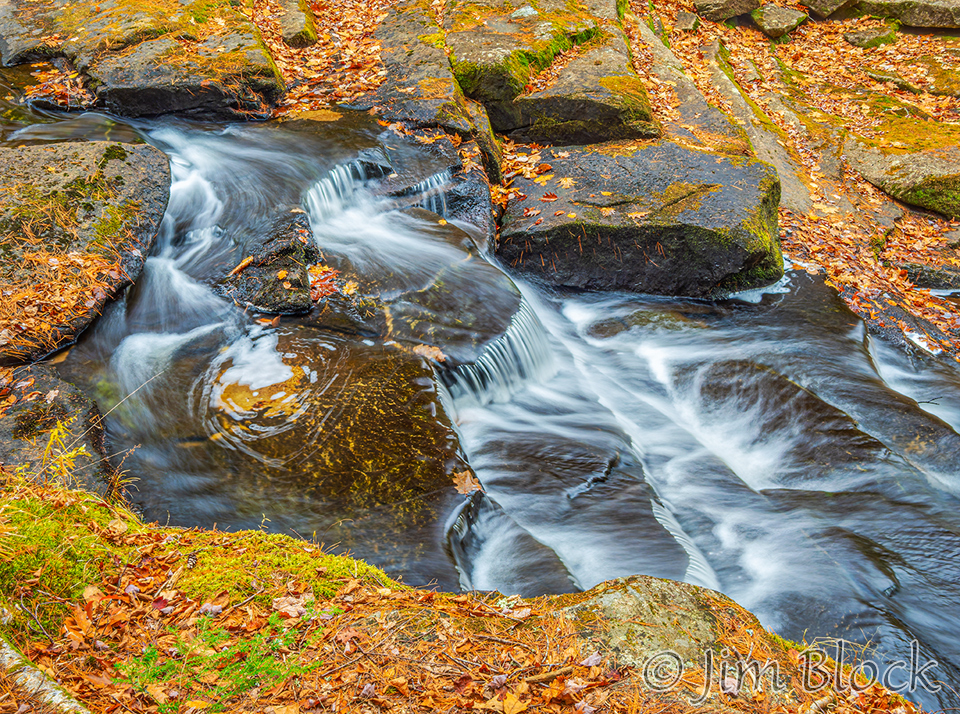
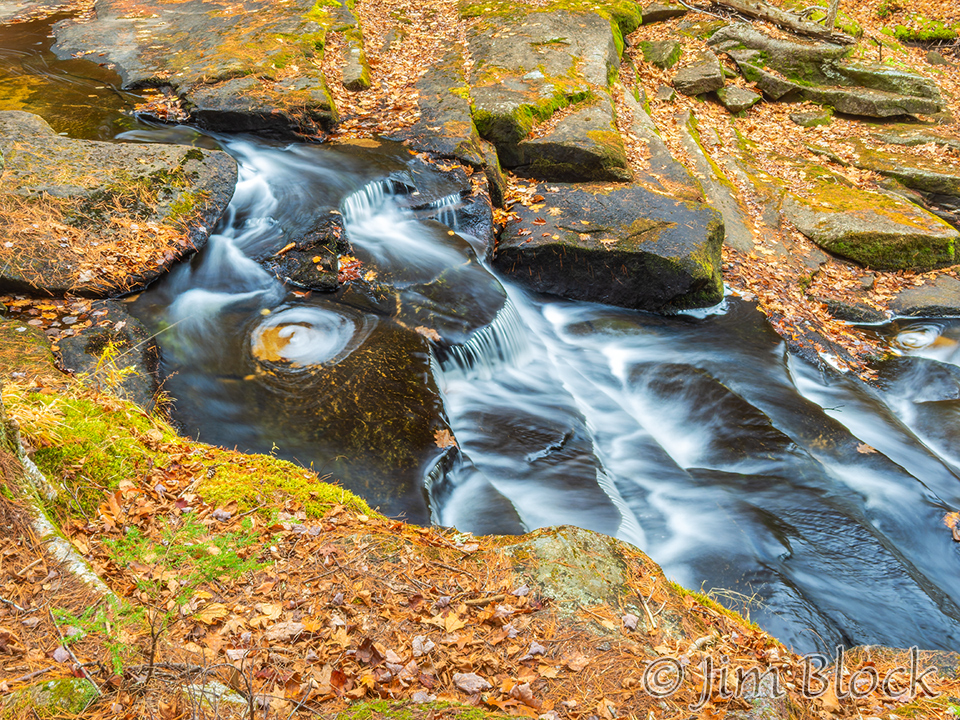
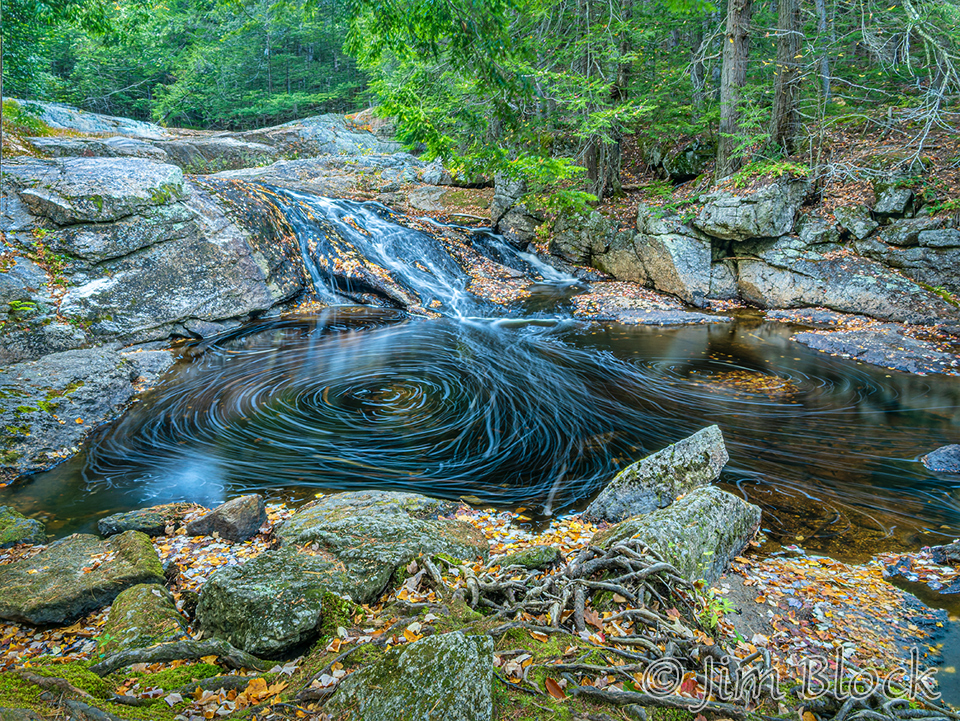
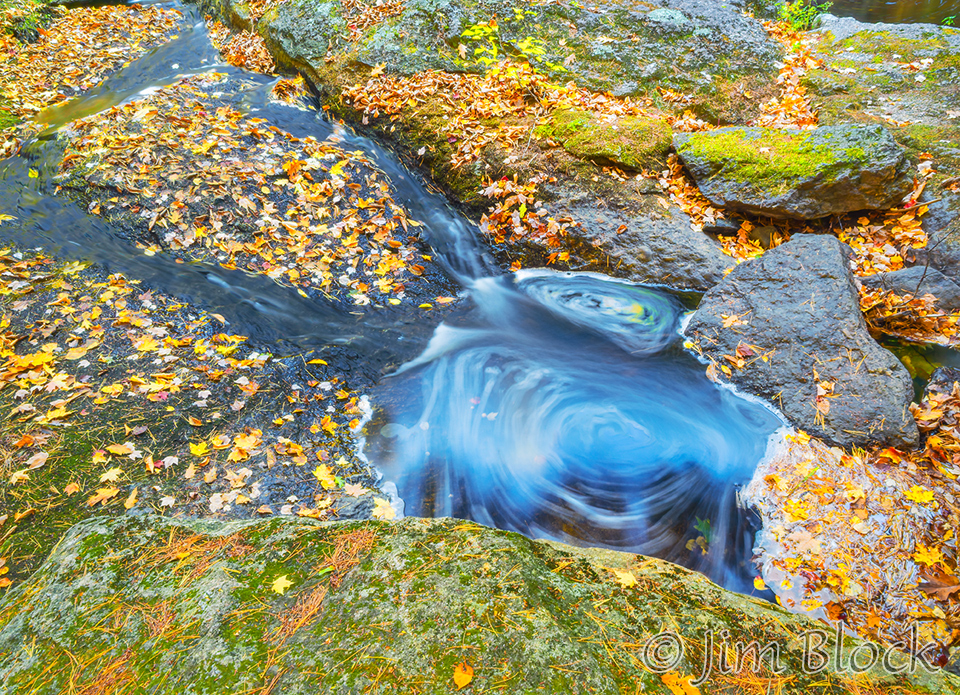
A very long exposure can reveal interesting recirculation eddies and smooth the water flow.
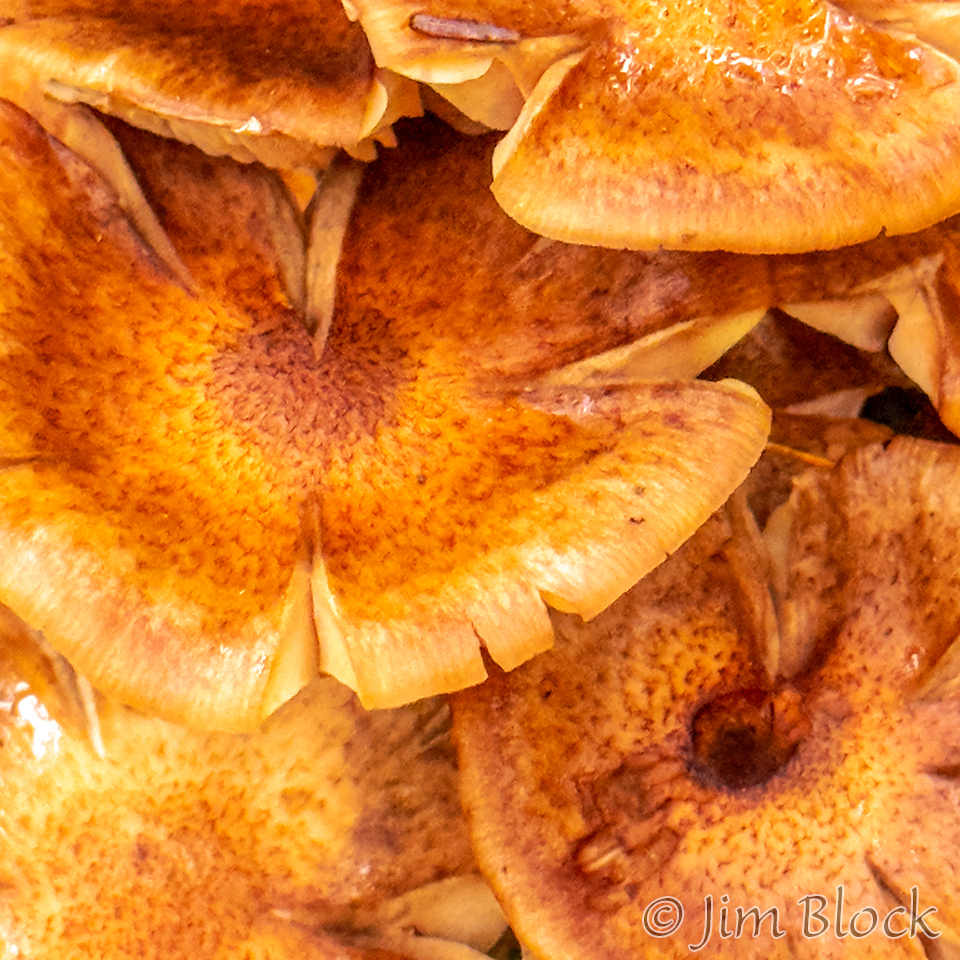
I found some interesting mushrooms.
Here are a few more photos from my first visit this fall.
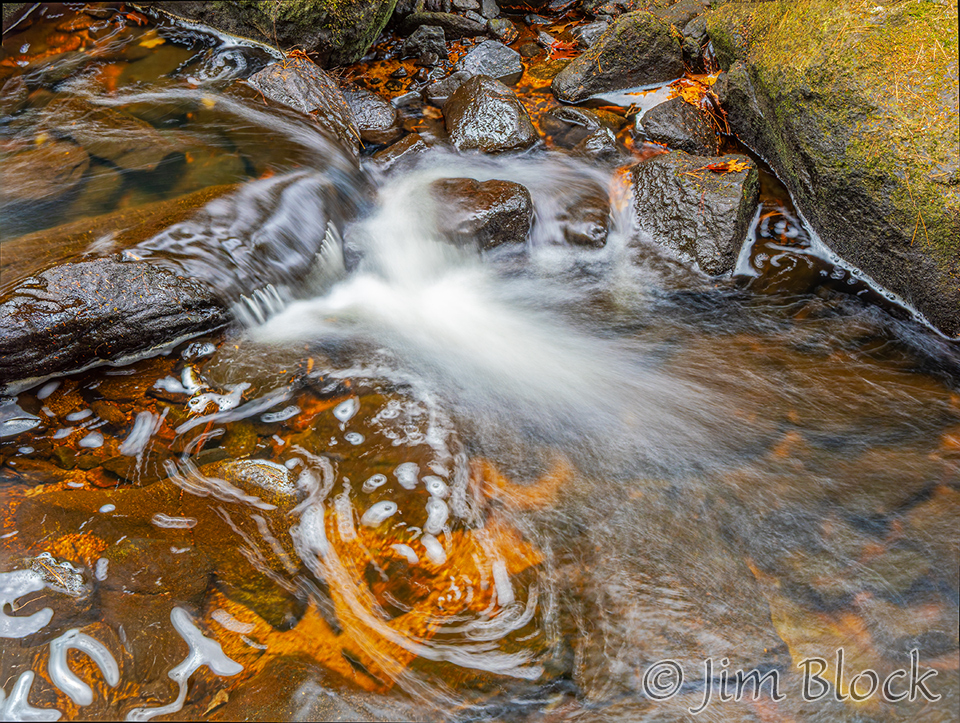
During my second visit I took a very long exposure to get a nice circular eddy.
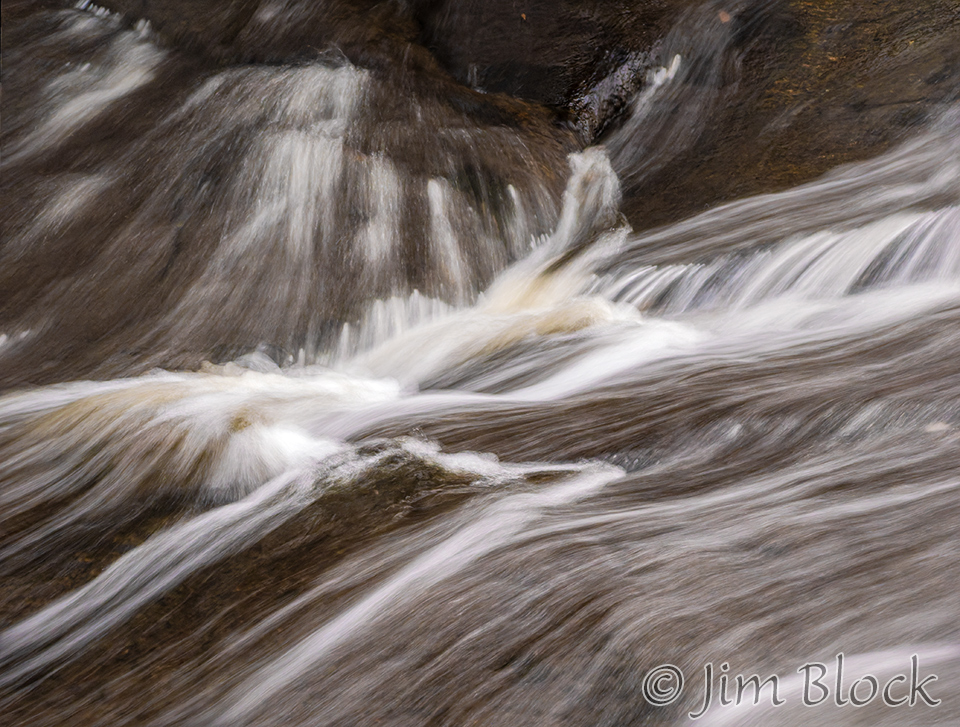
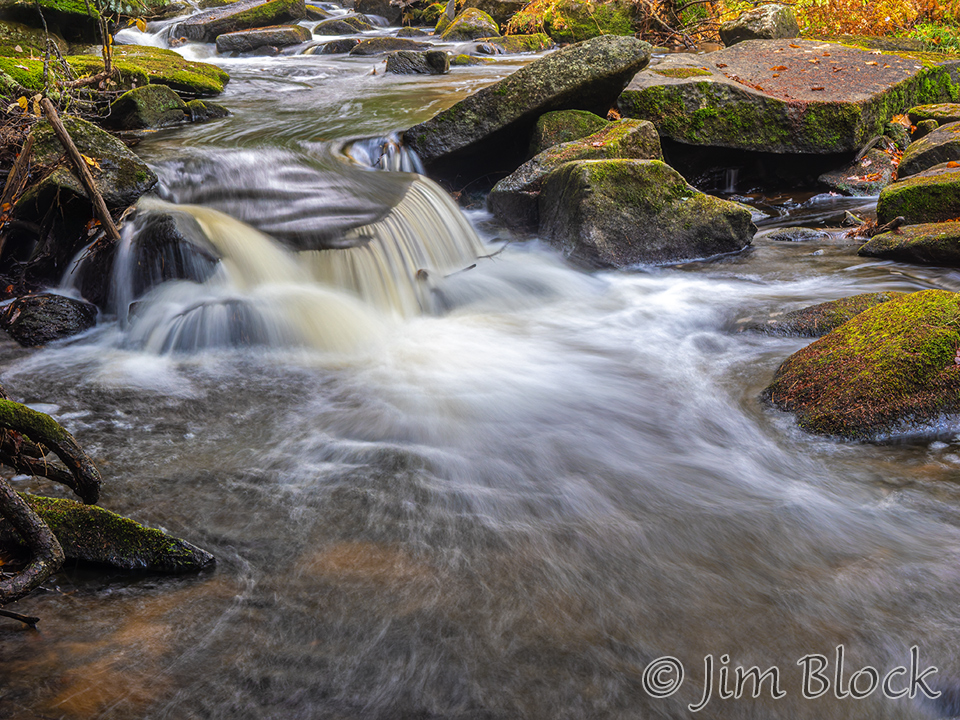
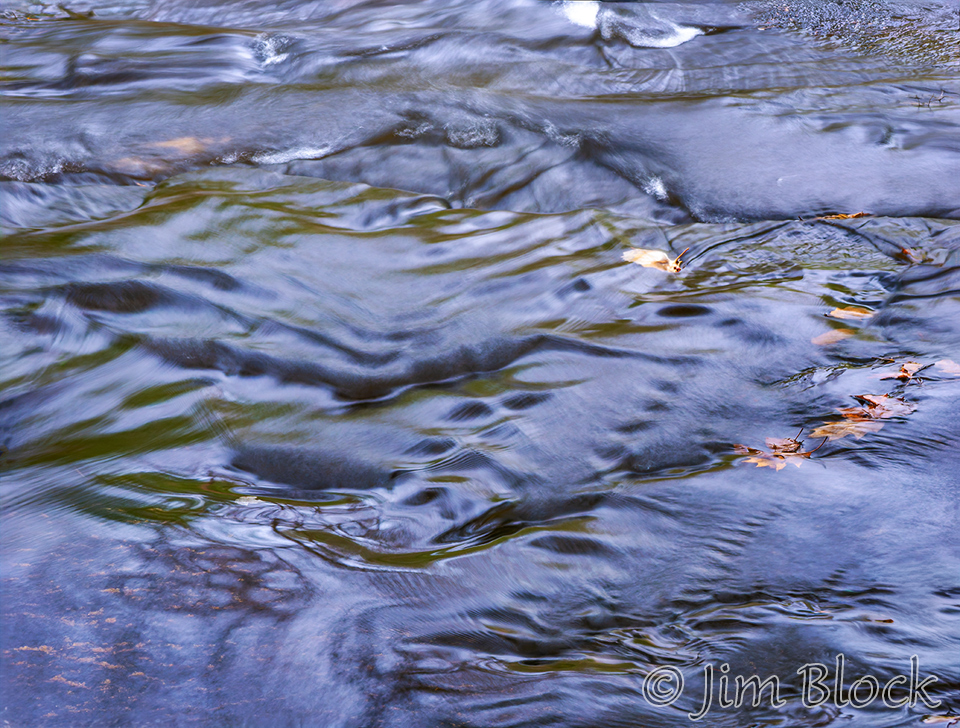
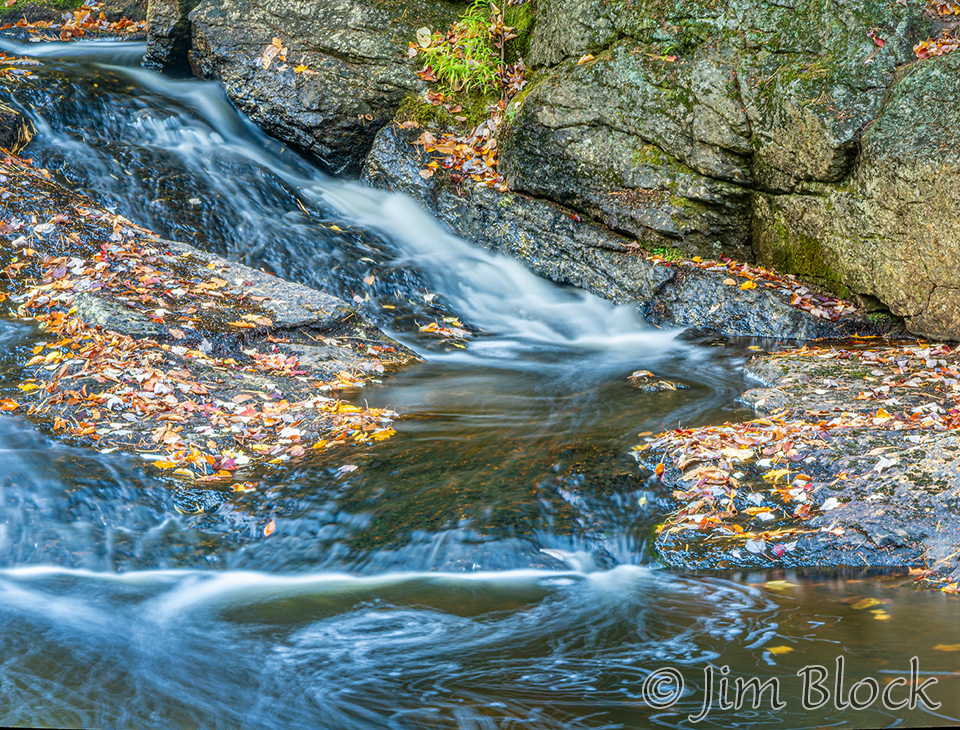
I liked the surface patterns caused by mostly hidden obstructions.
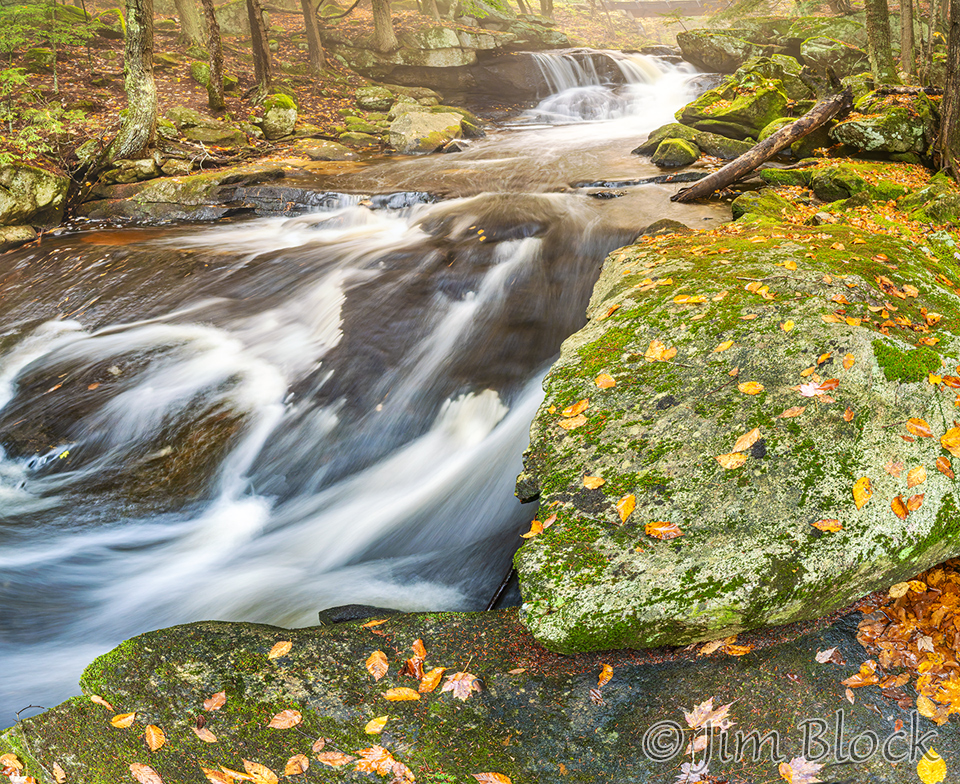
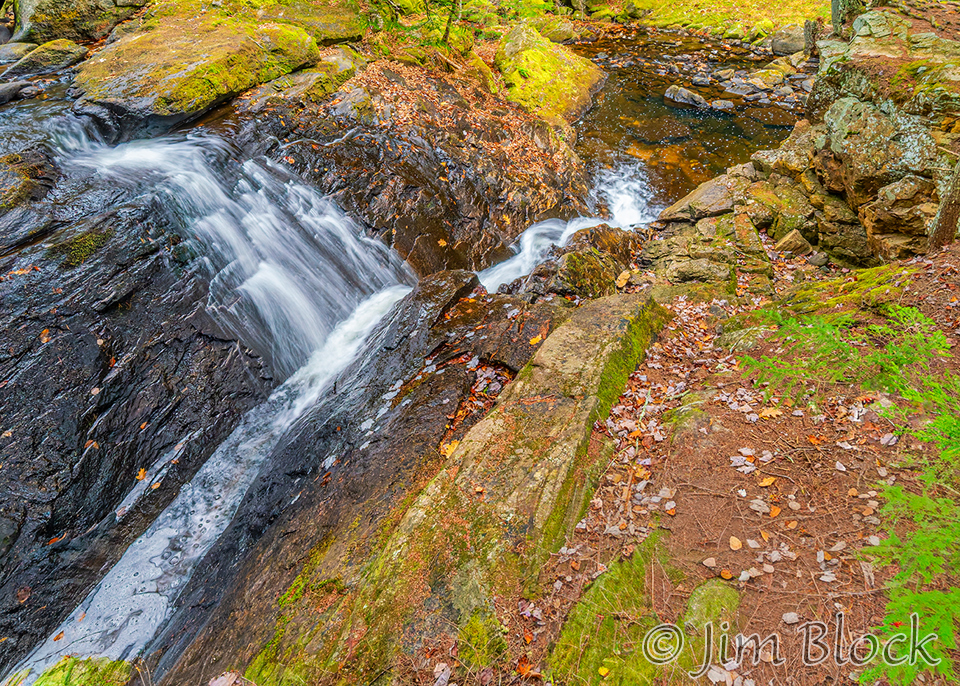
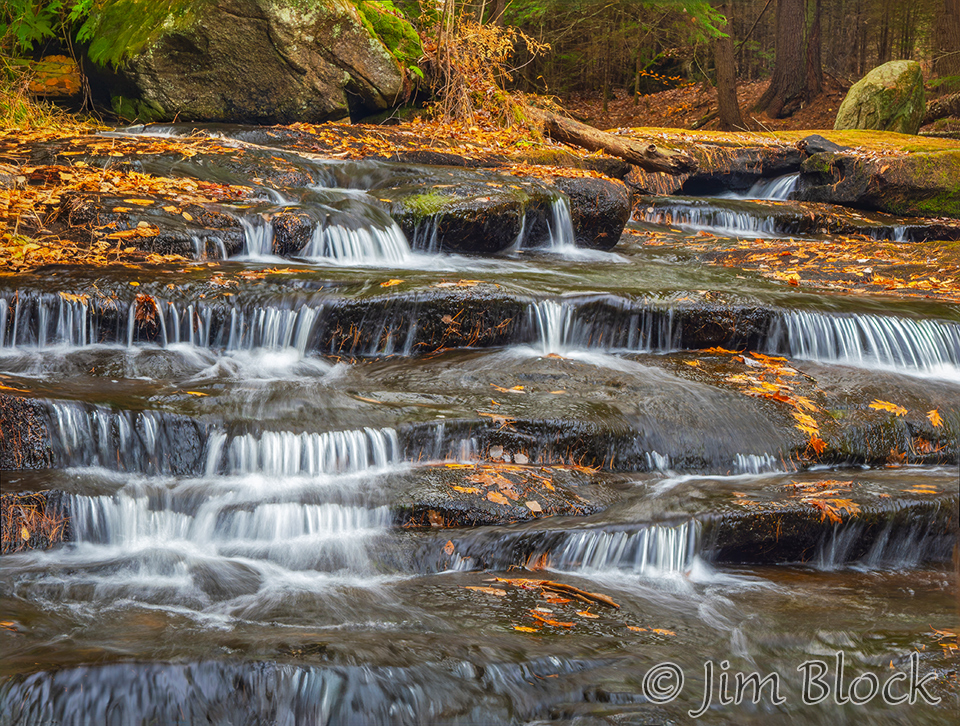
The major falls just downstream from the bridge had minimal water.
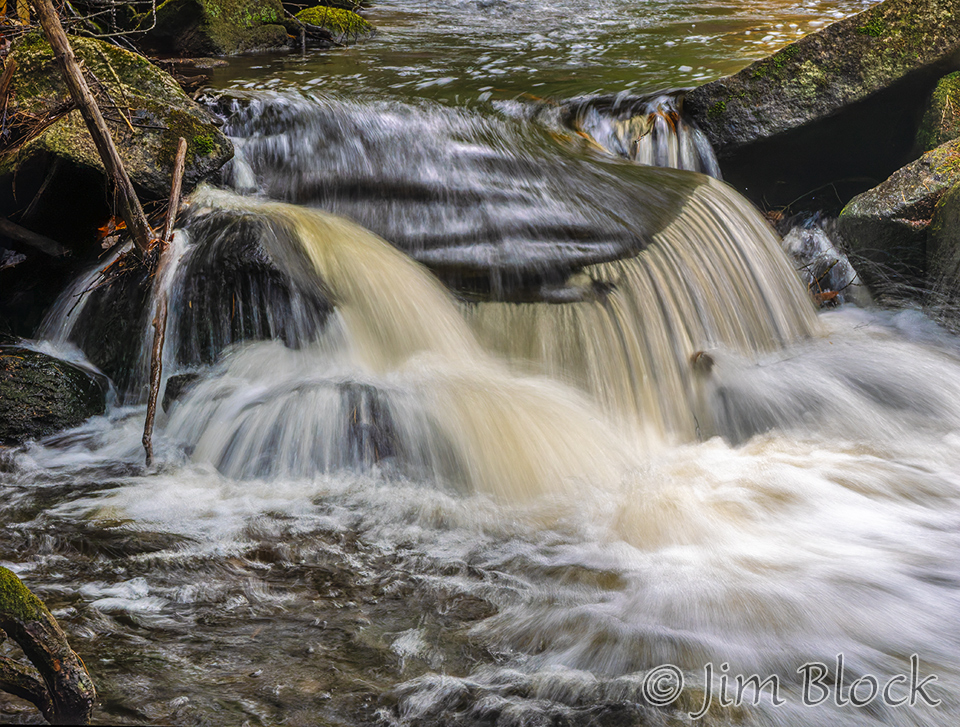
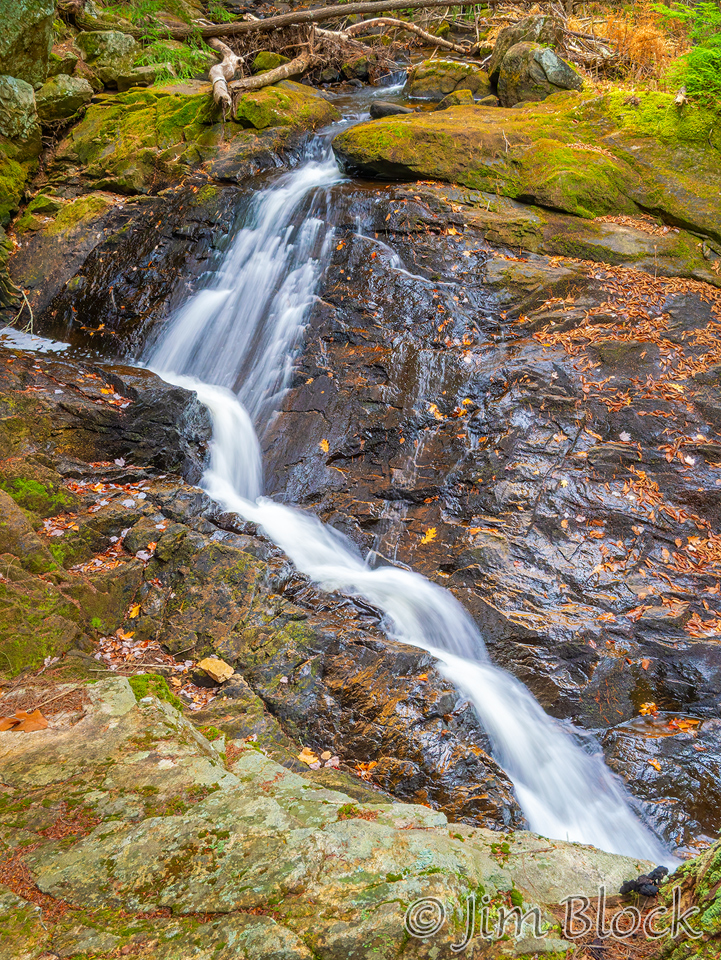
The second large drop had some fallen trees near its top so I composed to avoid them.
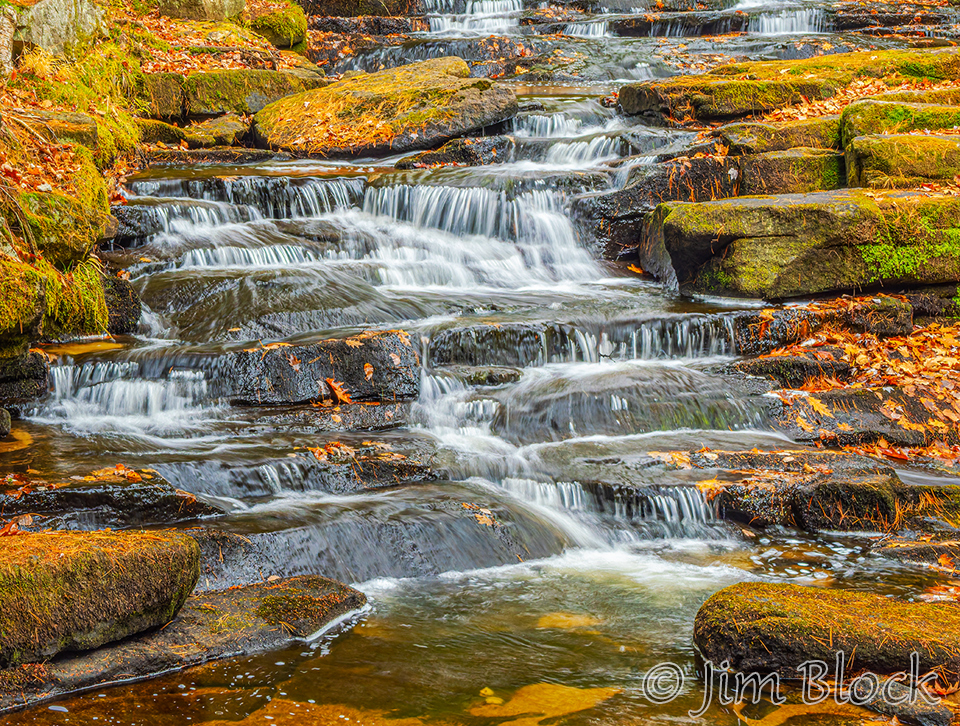
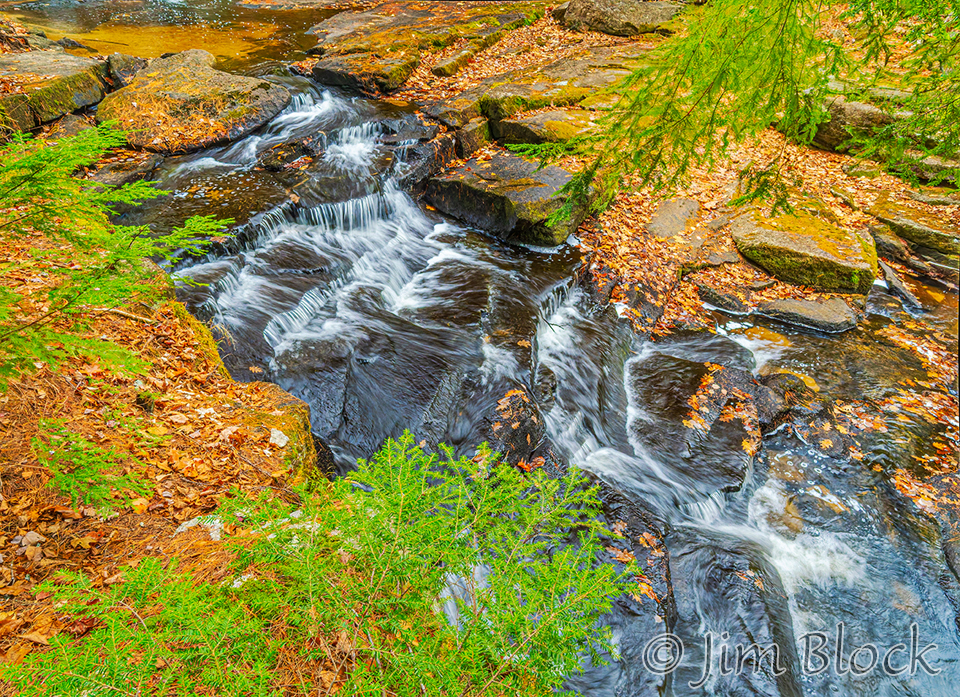
Here are a few more photos of Bicknell Brook during a fairly low water flow day.
Hewes Brook
Hewes Brook starts near a huge erratic along Adair’s Erratic Trail in the new
Hanover Conservancy Hewes Ravine in Hanover. These photos were taken just above River Road in Lyme.
Jacobs Brook
Heading to the UVLT Mountain View Farm, I stopped along Jacobs Brook in Orford along Quinttown Road to take these photos. This valley was named after Benjamin Quint, a Revolutionary War veteran who was granted 50 acres of land here in 1788.
Mink Brook
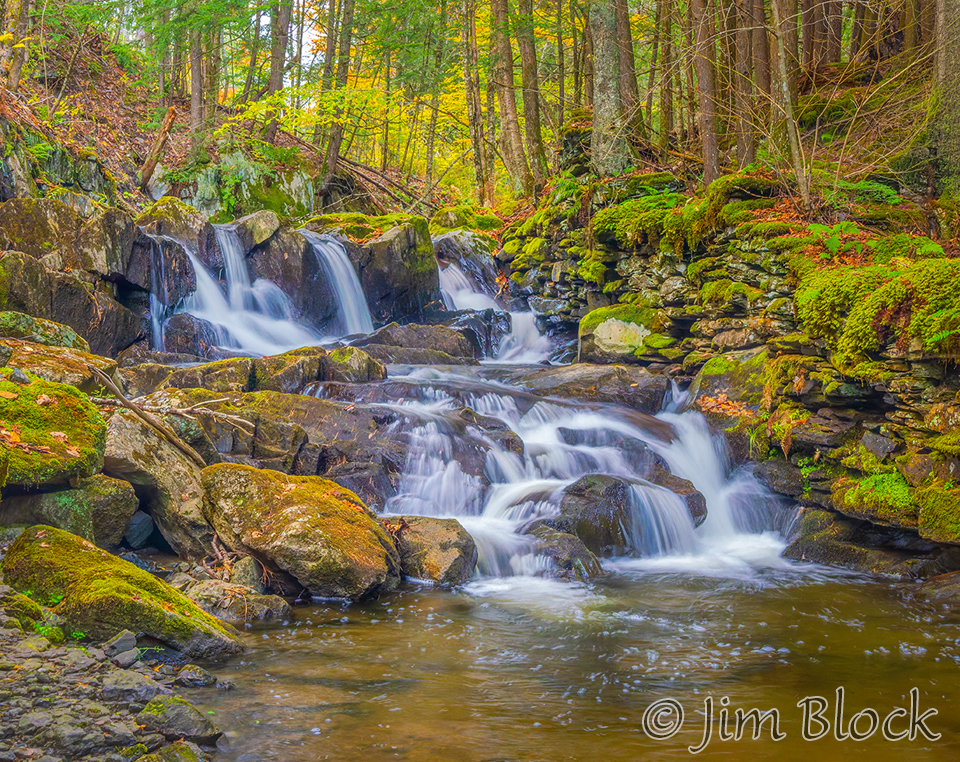
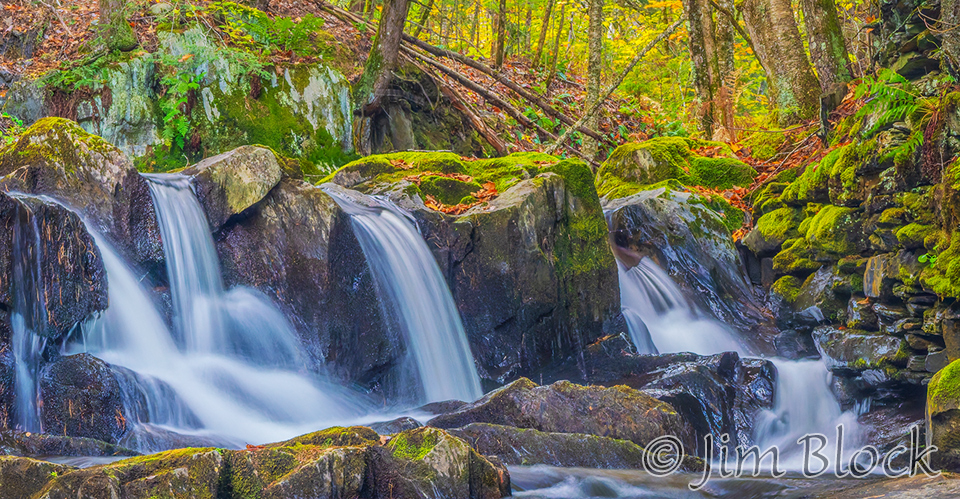
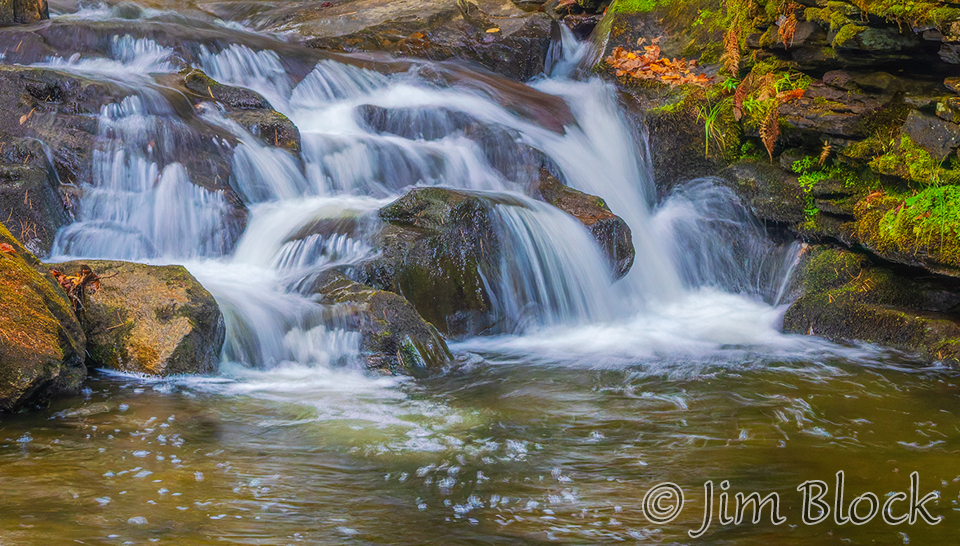
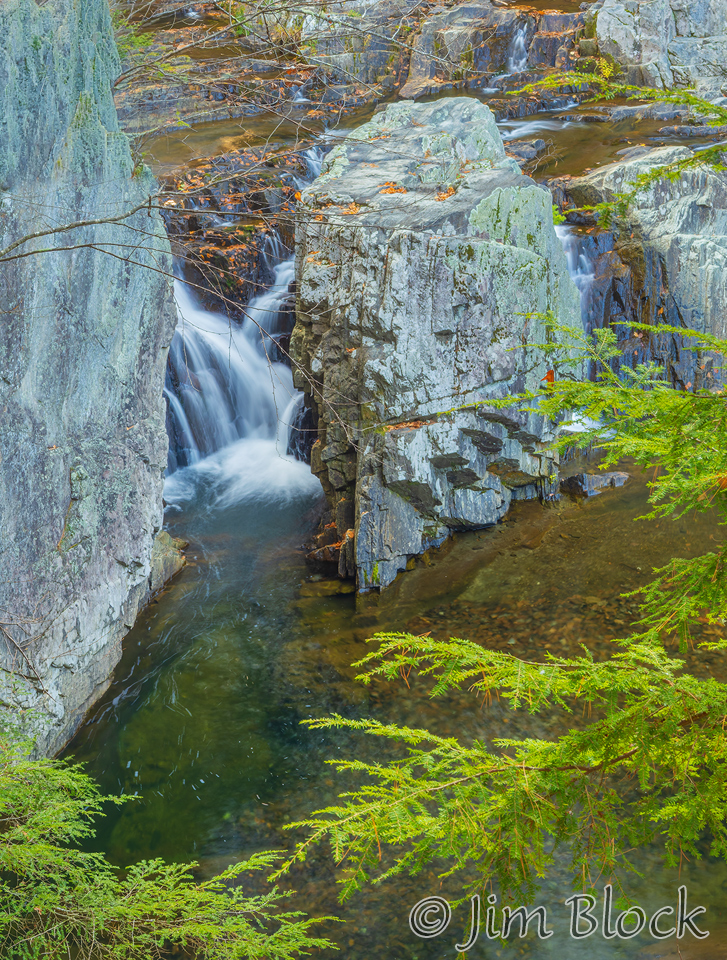
Close to home in Etna, there is a spot along Mink Brook that few visit. It is a bit hard to get to. But it has some nice falls that are worth the effort.
Pemigewasset River
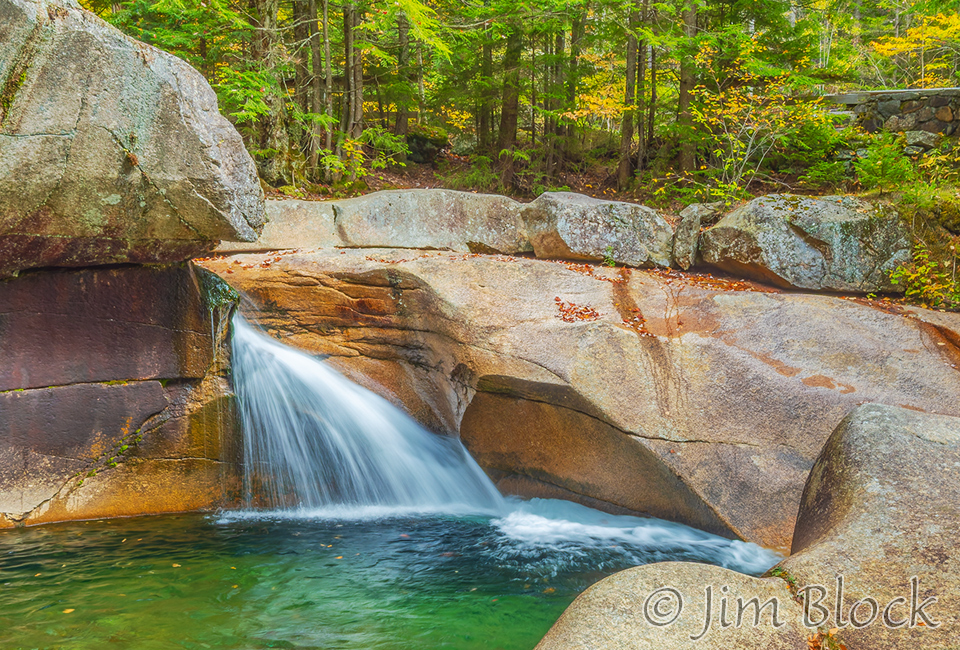
Along the Pemigewasset River in Franconia Notch is a tourist favorite: The Basin.
But other spots in this area are also worth photographing.
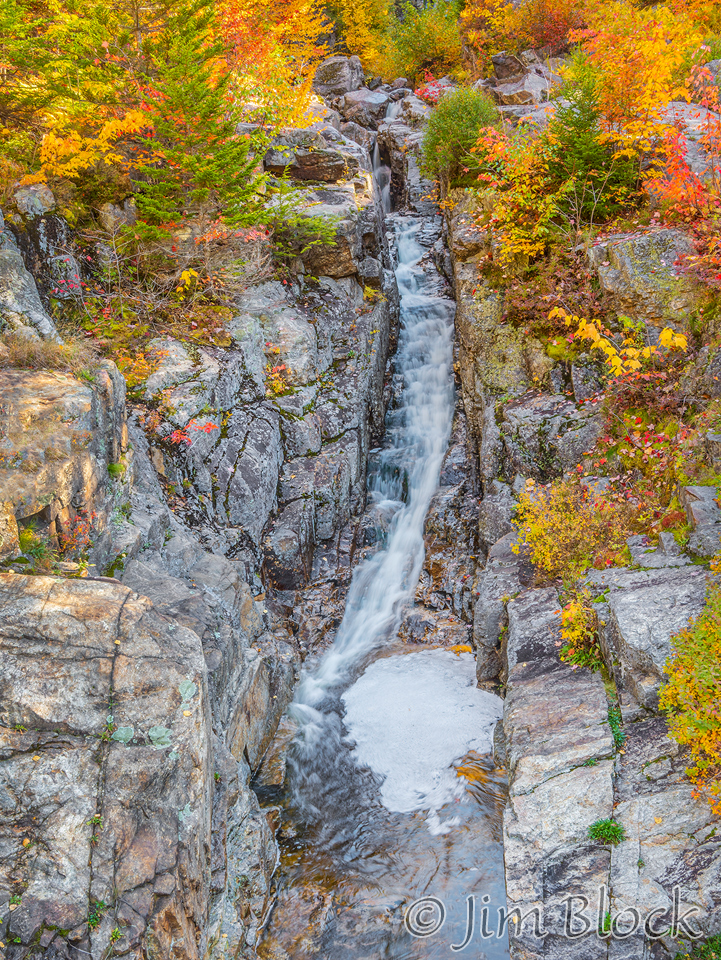
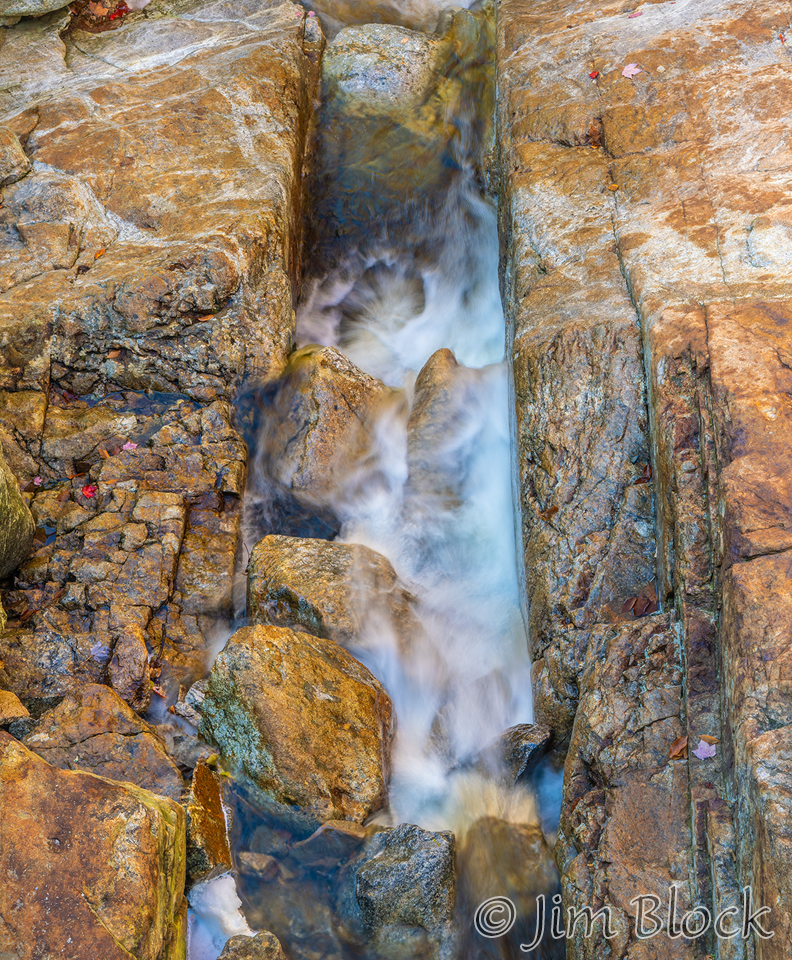
In Crawford Notch, another tourist stop, this one right along the road, the Silver Cascade. The first photo shows the cascade and the second is its continuation across the road that probably few photograph.
Swift River
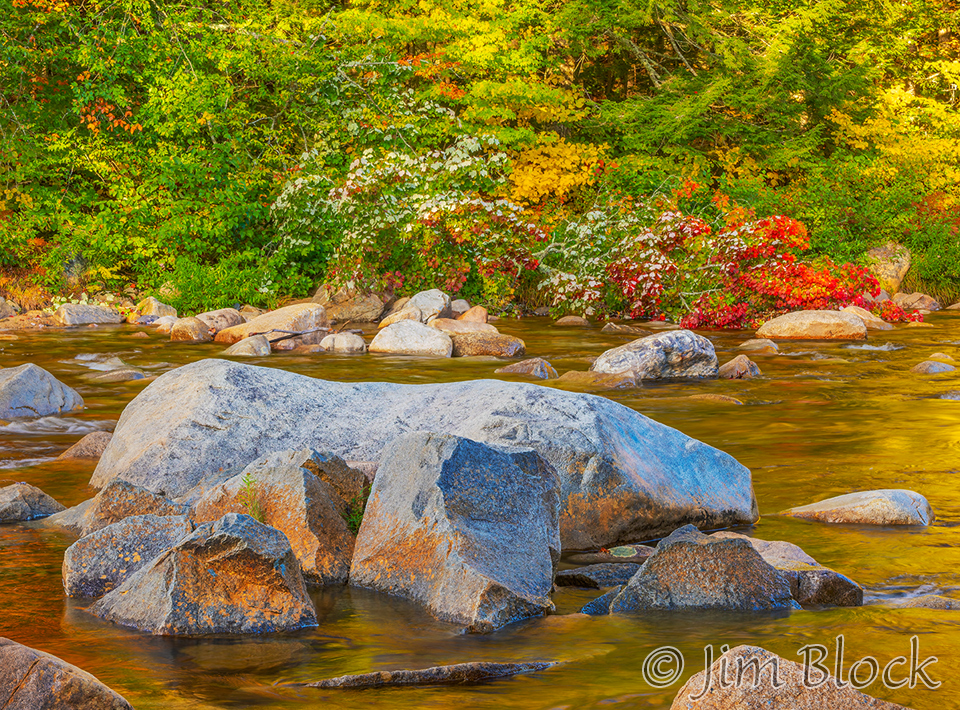
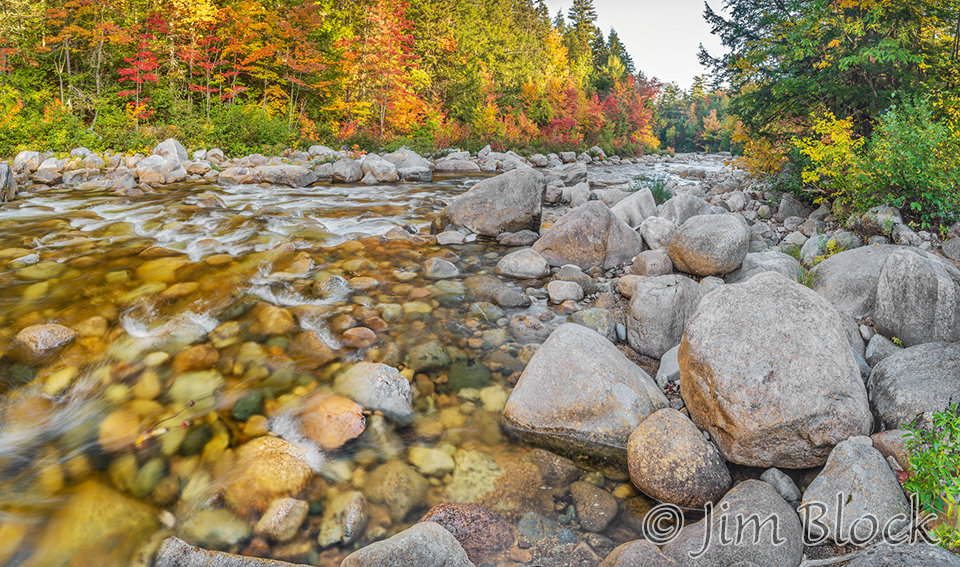
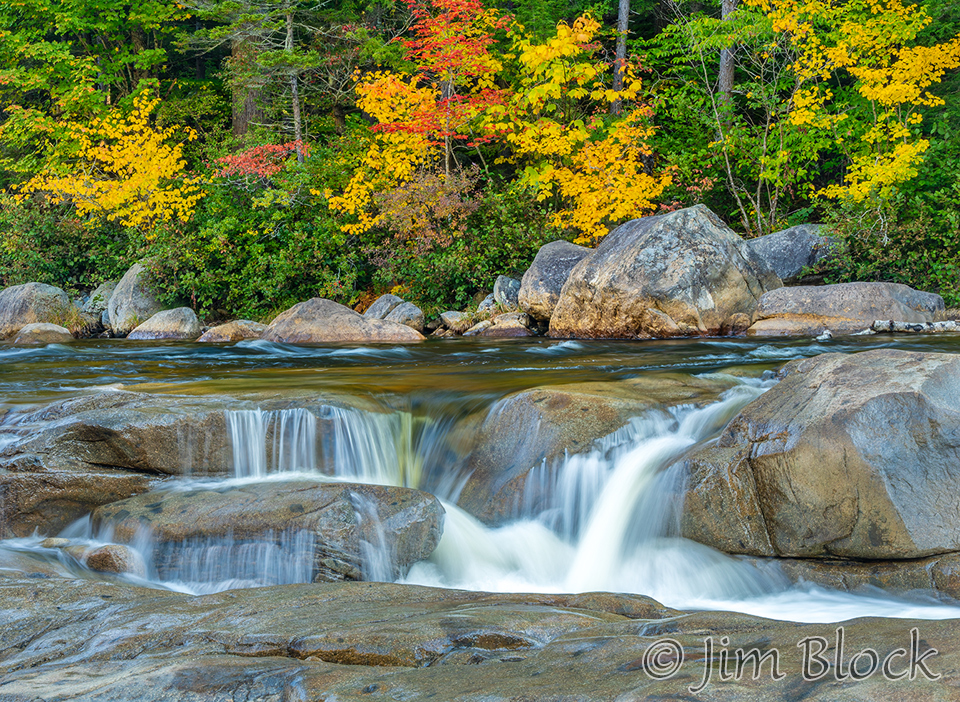
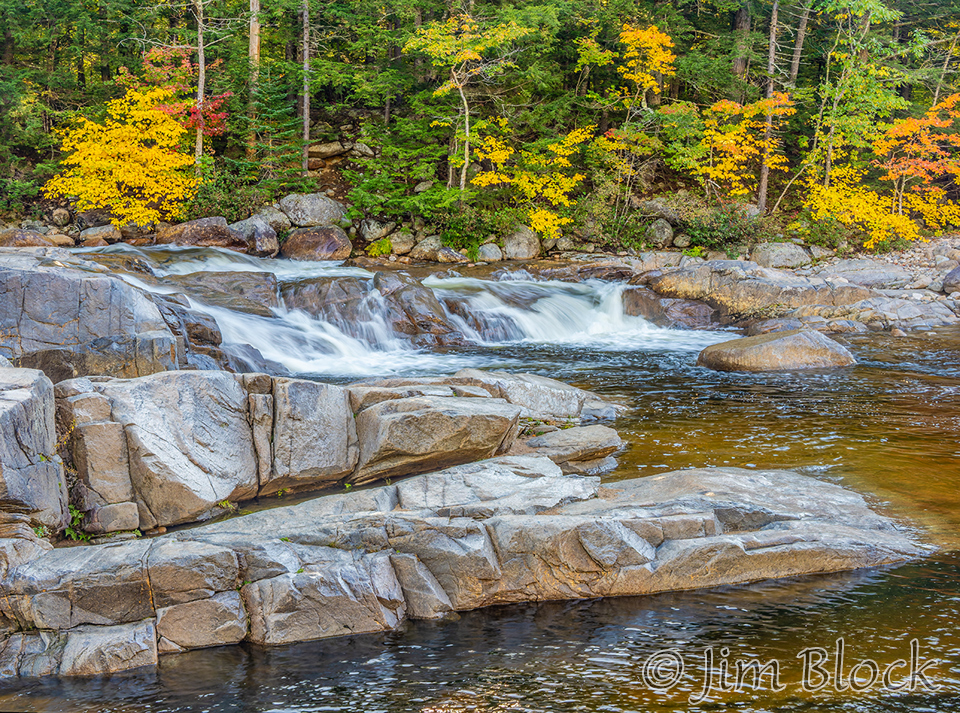
Along the Kancamagus Highway in Albany, NH, the Swift River has a few nice spots for photography. Here are two photos from each of Rock Gorge (the photos with the boulders) and Lower Falls, a traditional stop when returning from a weekend Saco River canoe camping trip Jann and I led every year for 13 years.
Close to home in Lebanon is Trues Brook. This spot has some seriously dangerous viewpoints. I was there about a week ago when the stream was low.
Walker Brook
This area in South Danbury can be fantastic in spring when the flow is strong. I parked at two spots. Here is the upstream spot along Walker Brook Road.
And two downstream spots.
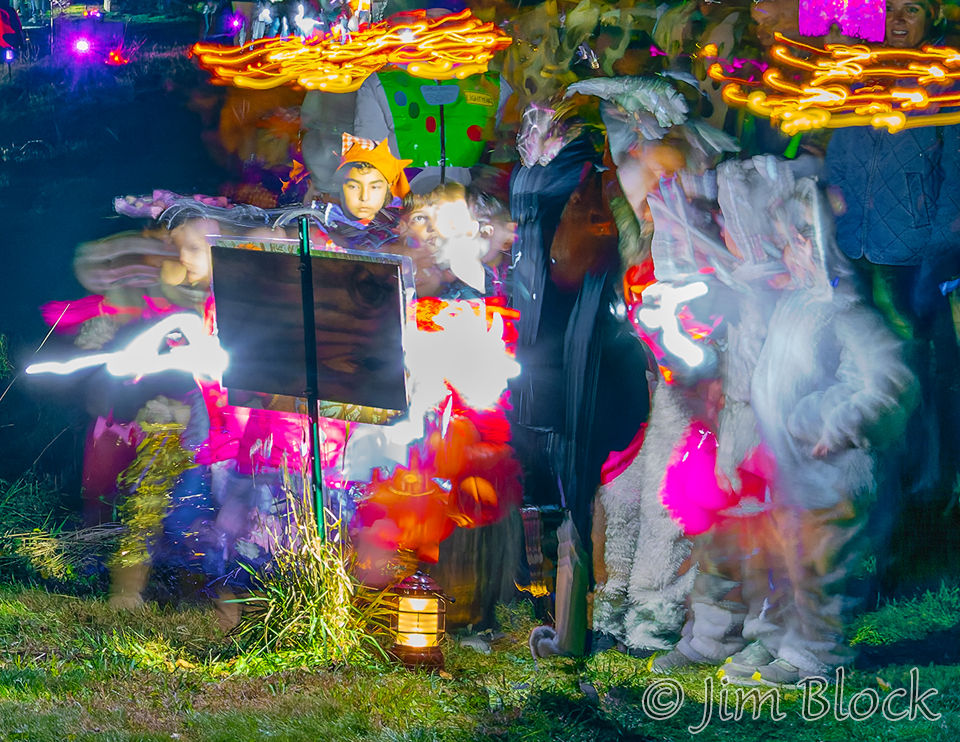
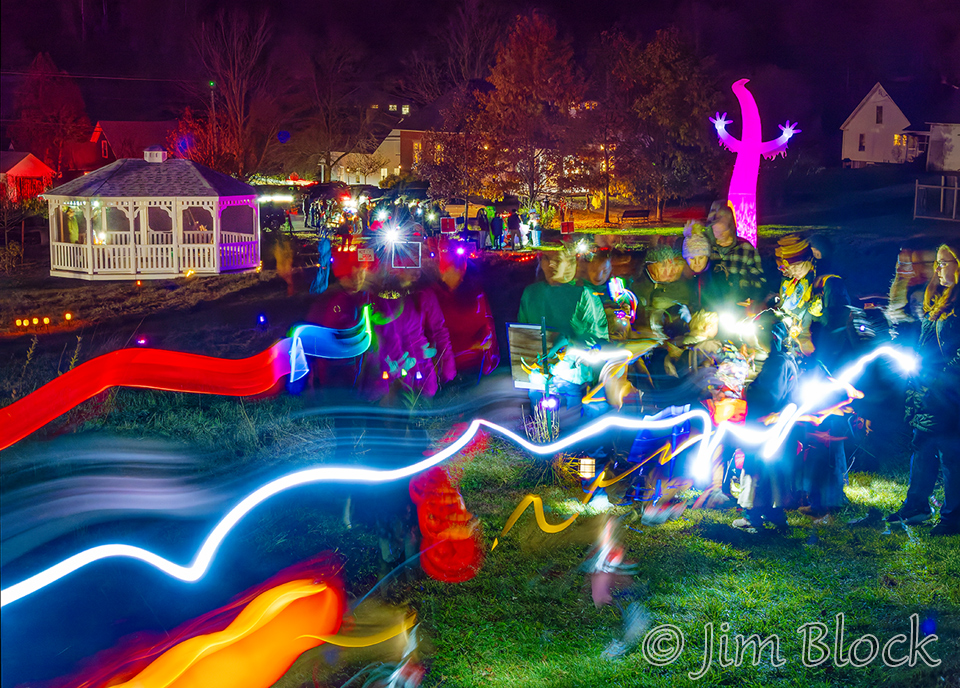
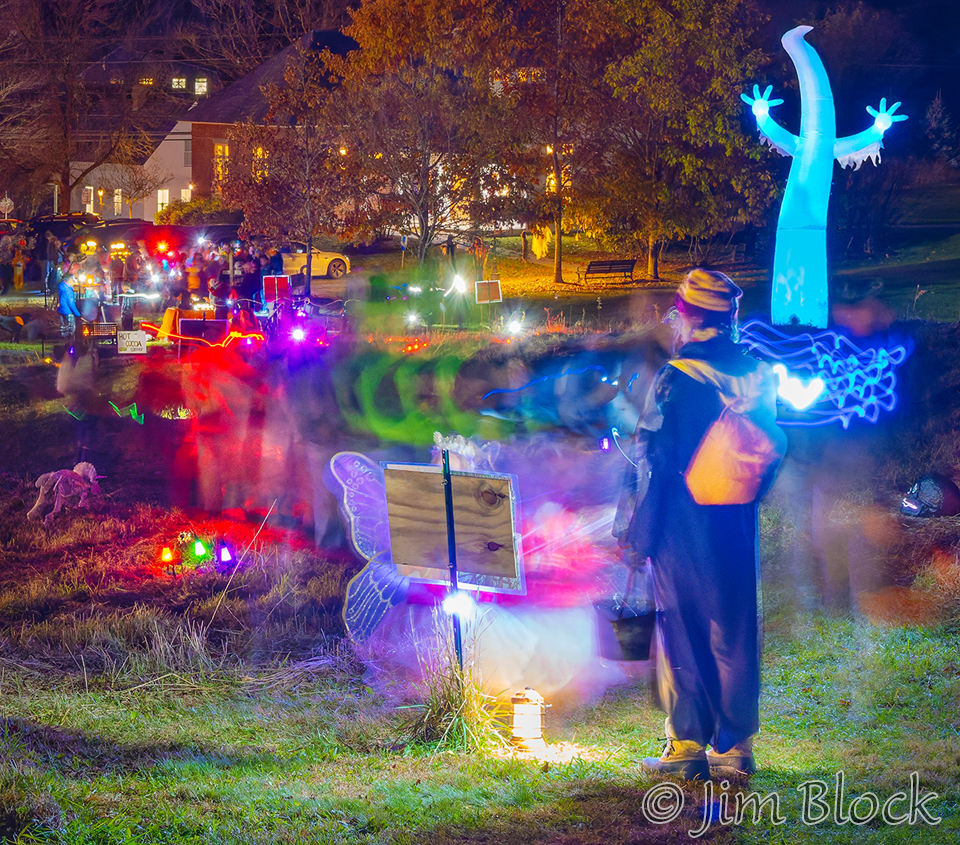
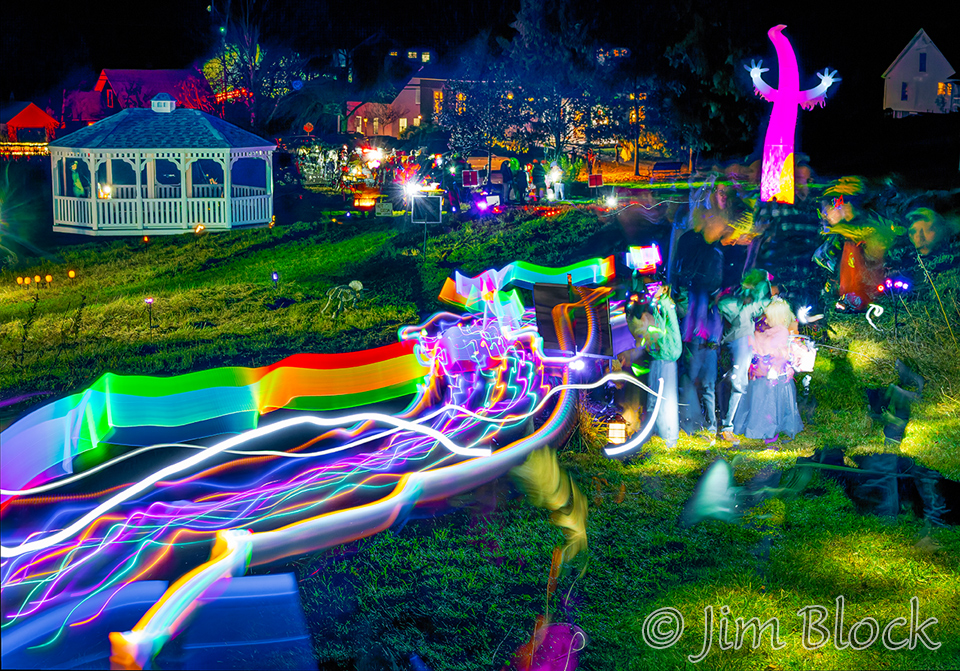
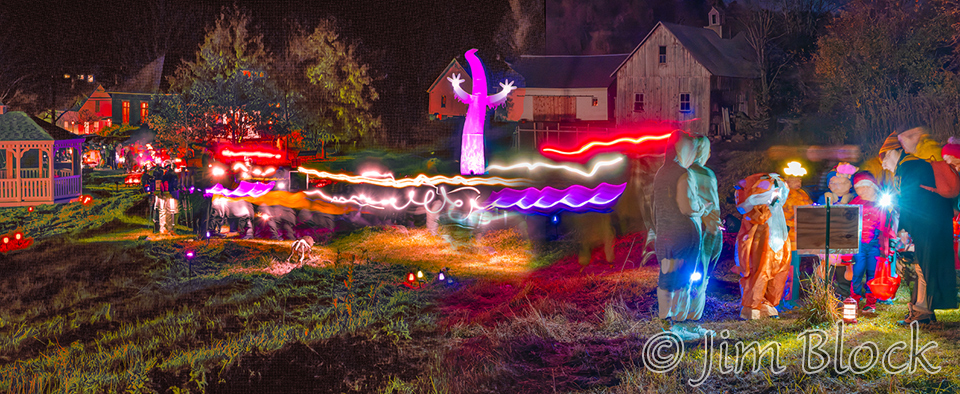
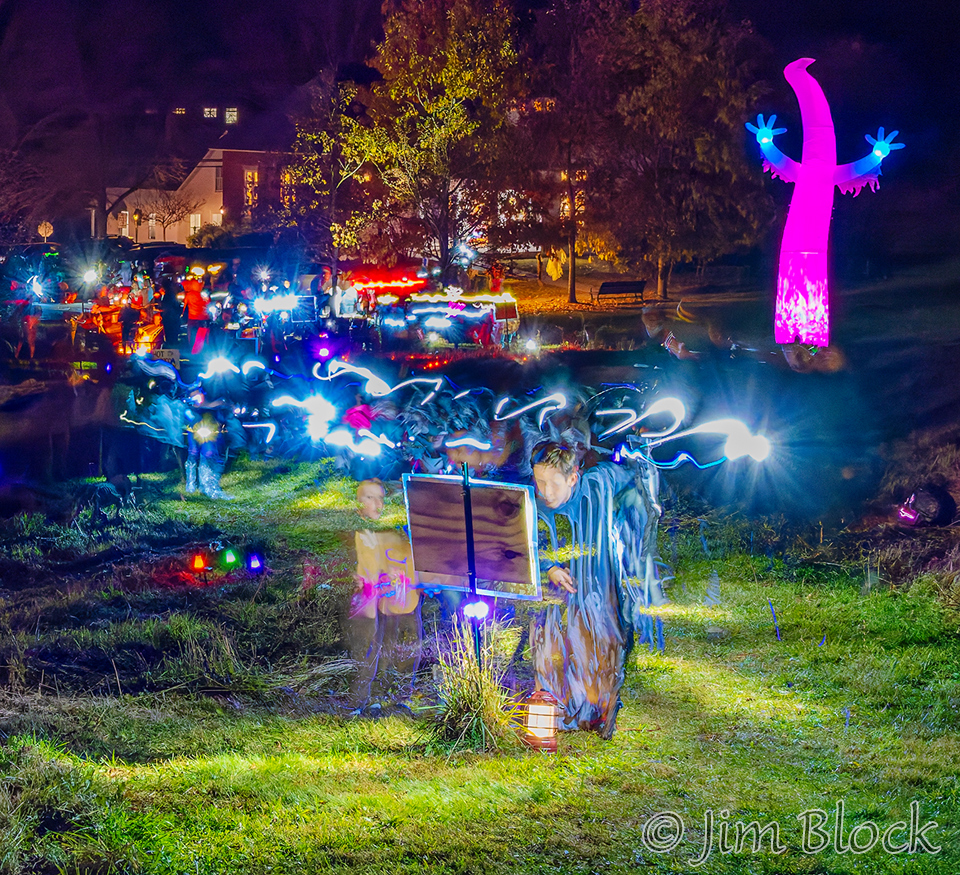
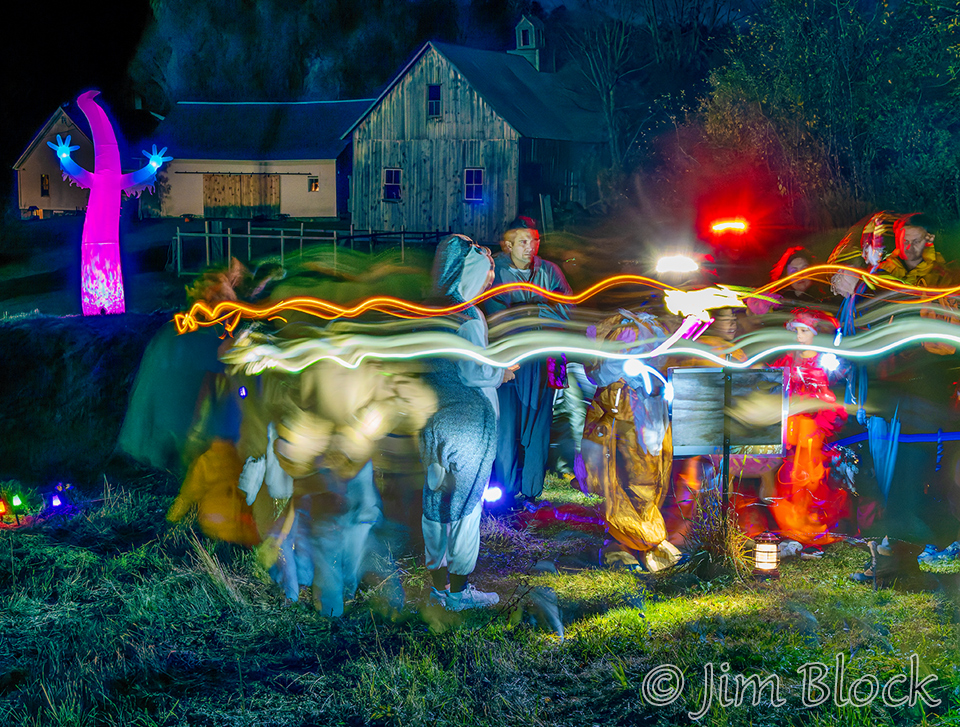
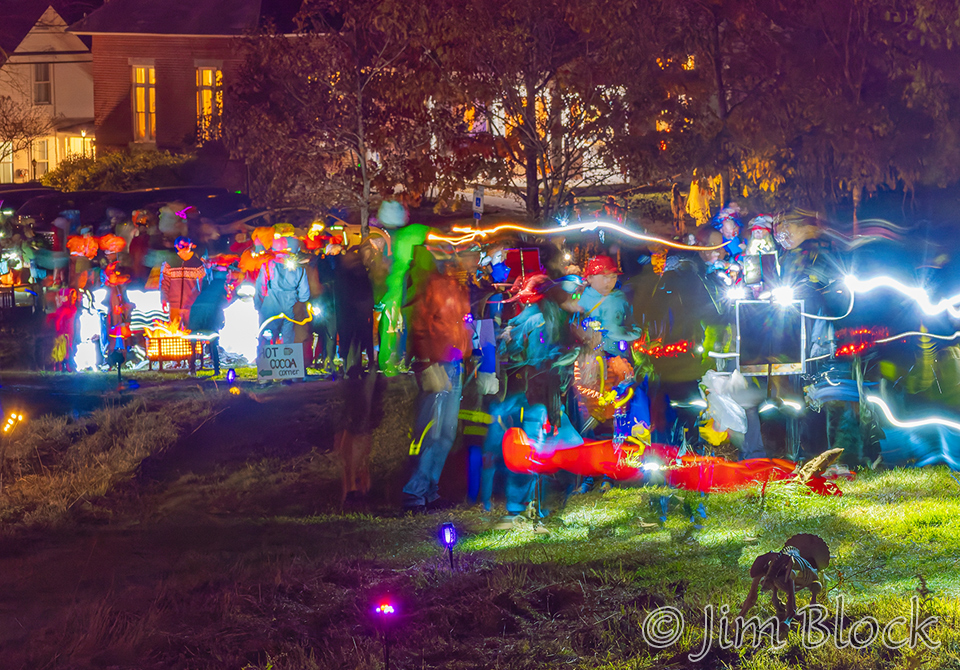
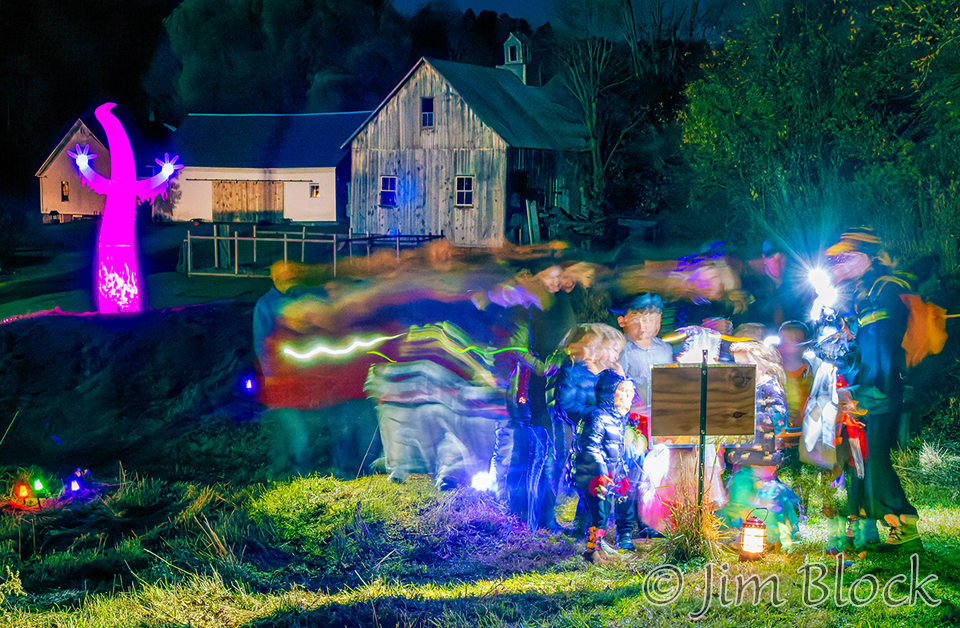
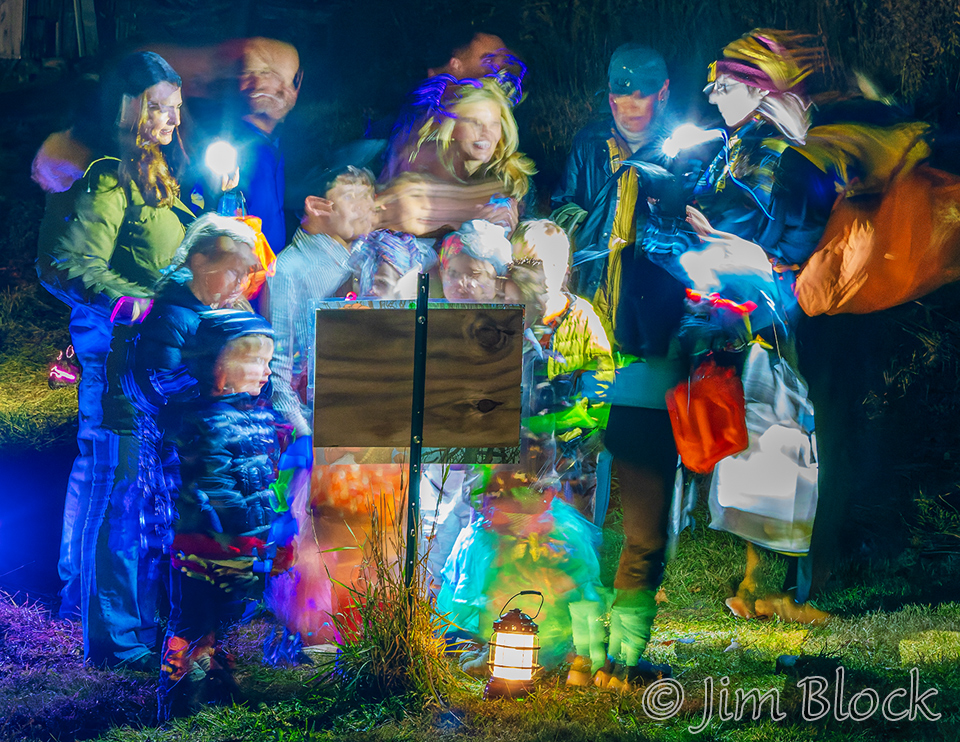
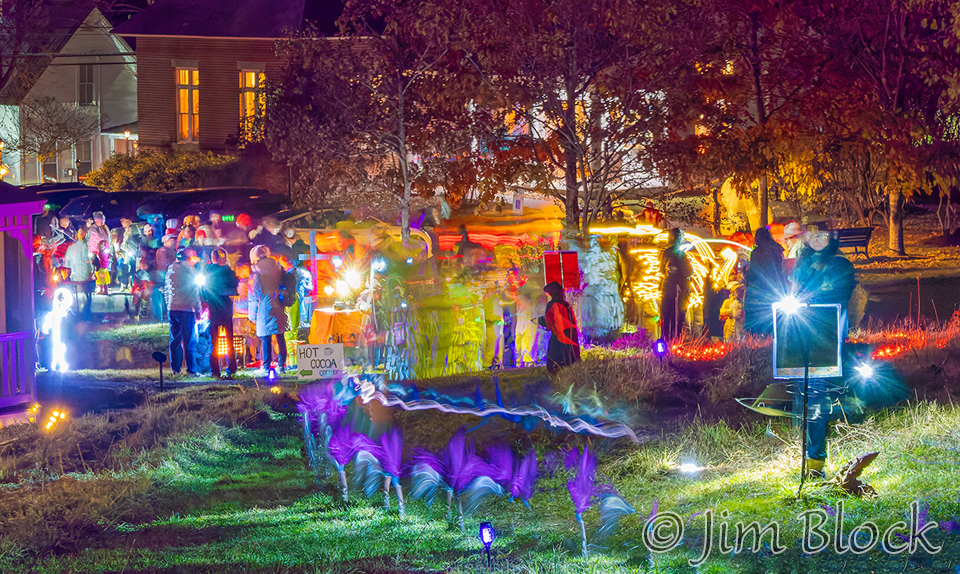
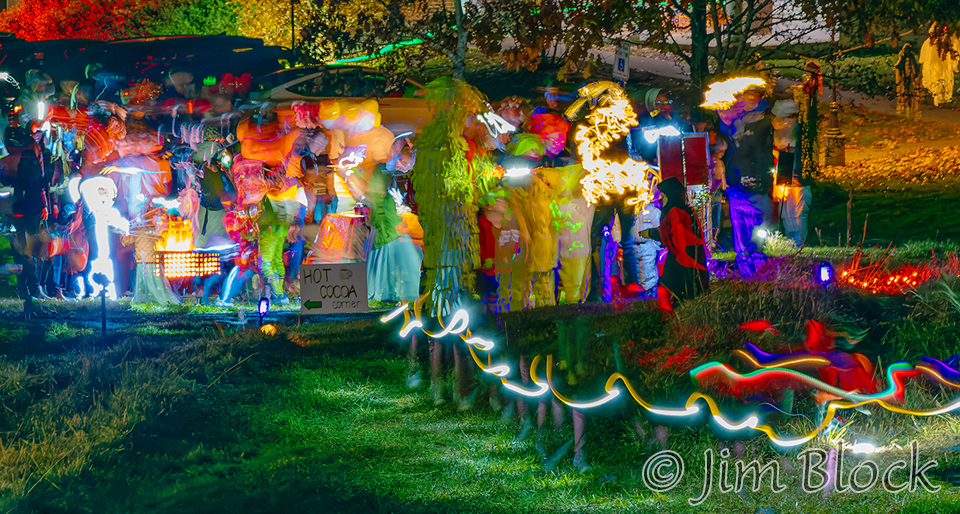
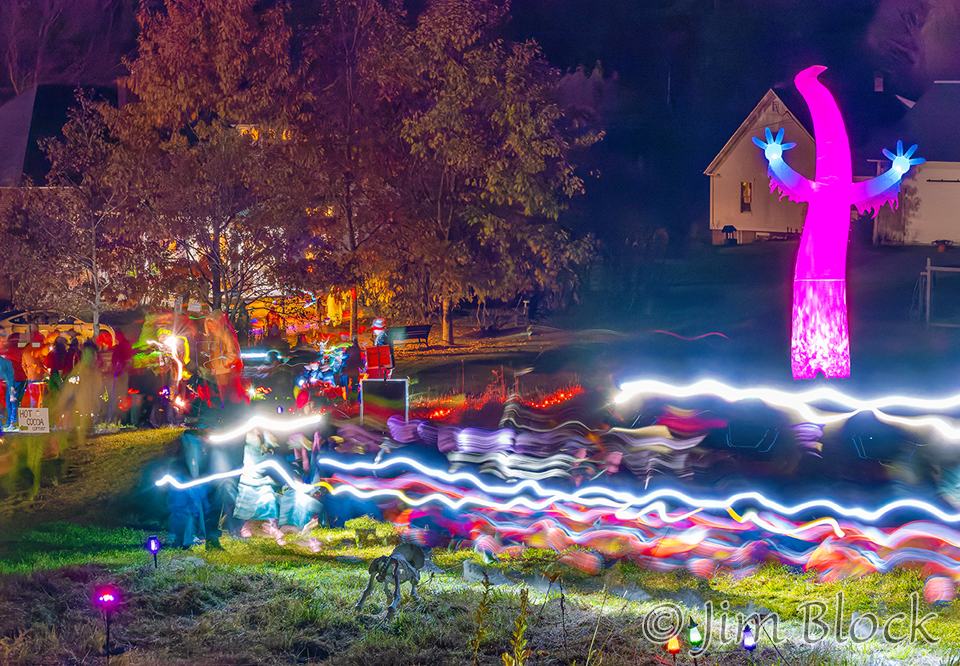
In his October newsletter, Librarian Jeff Metzler wrote,
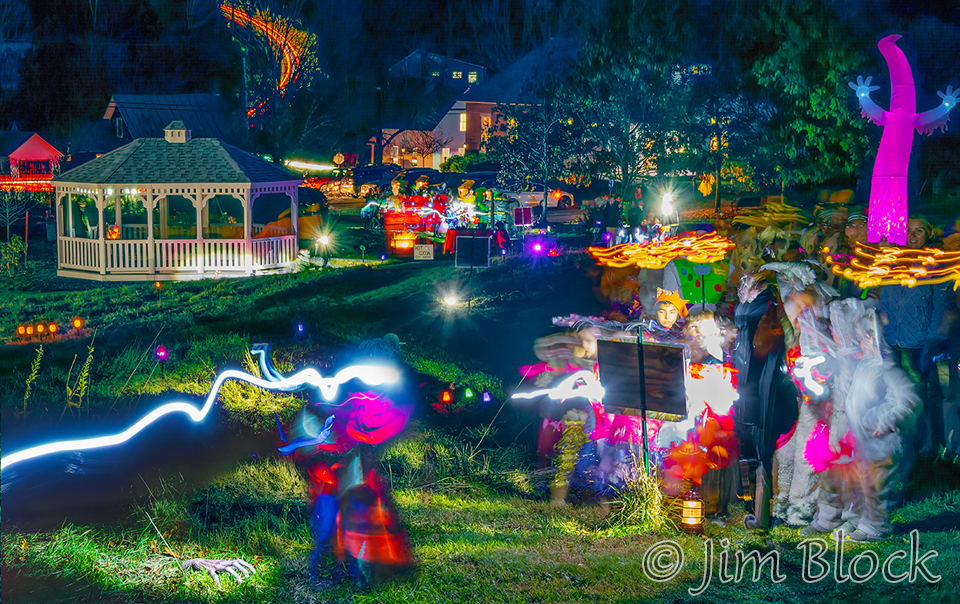
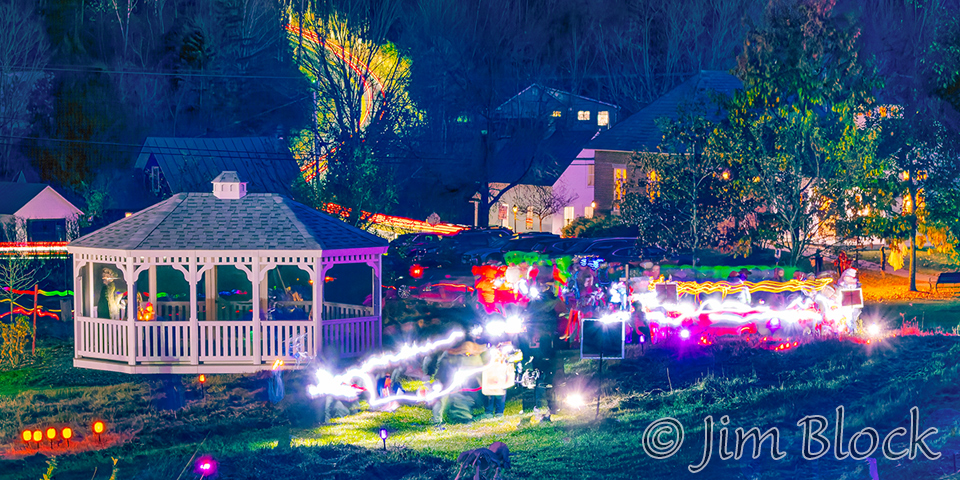
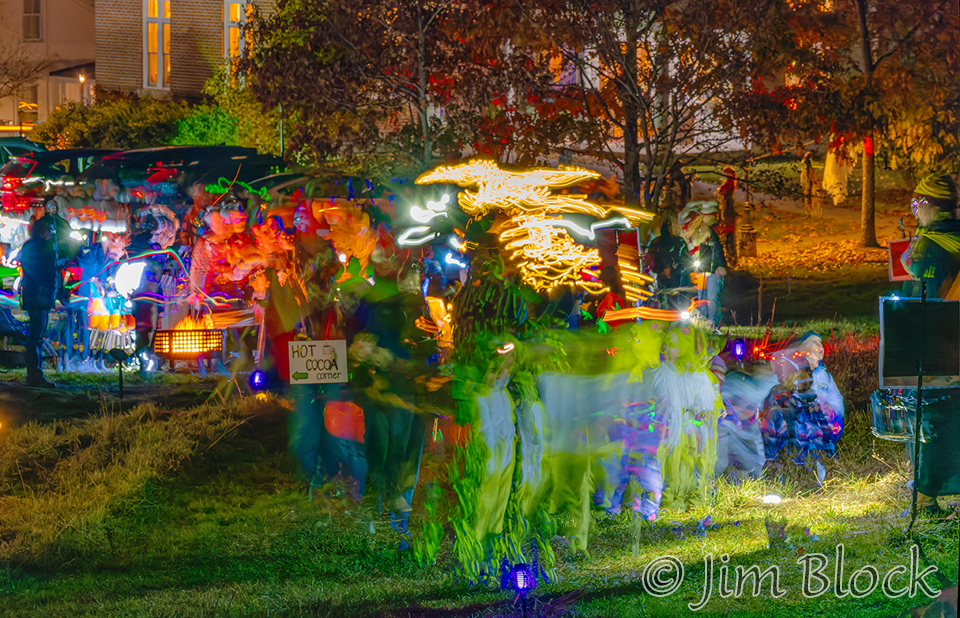
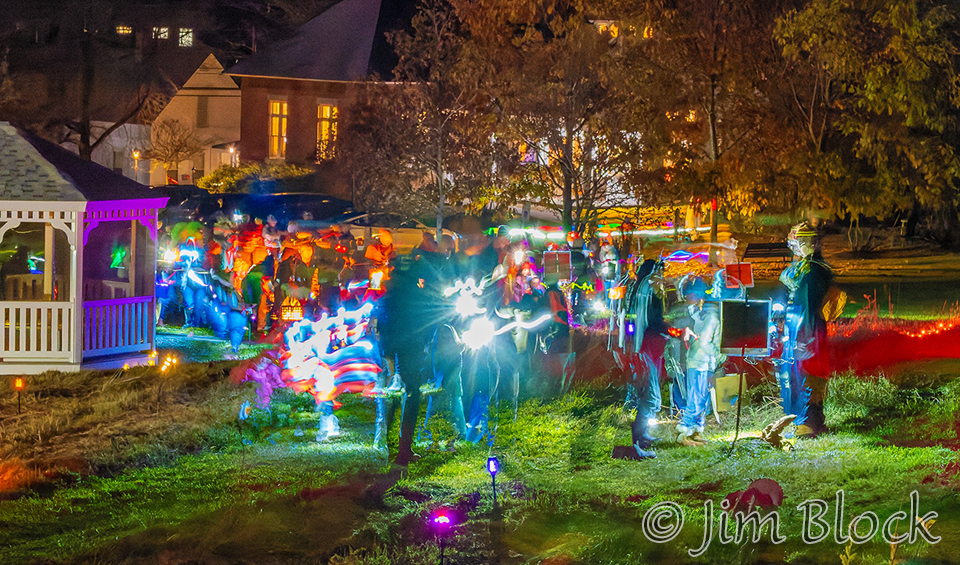
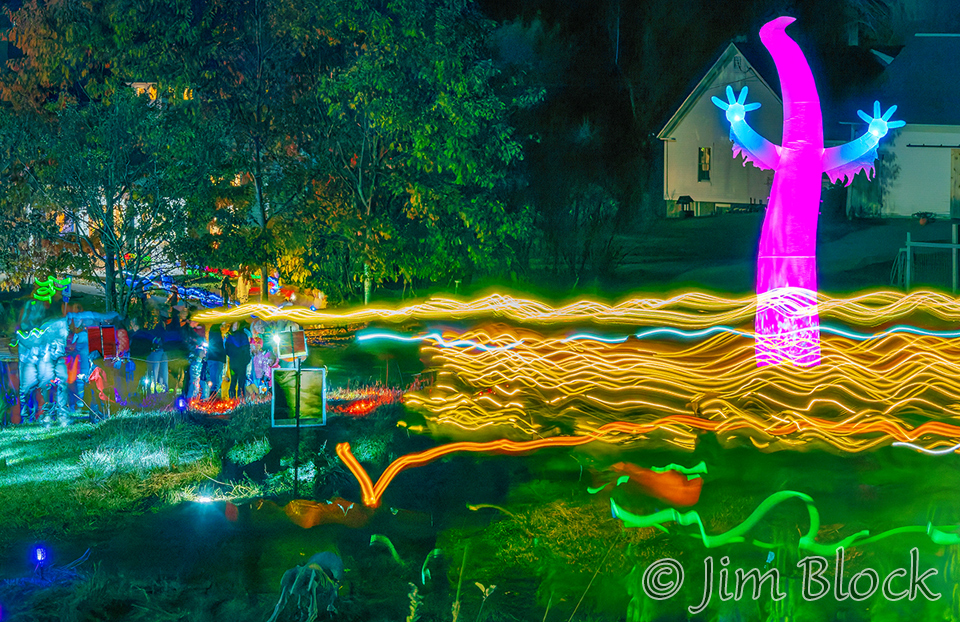
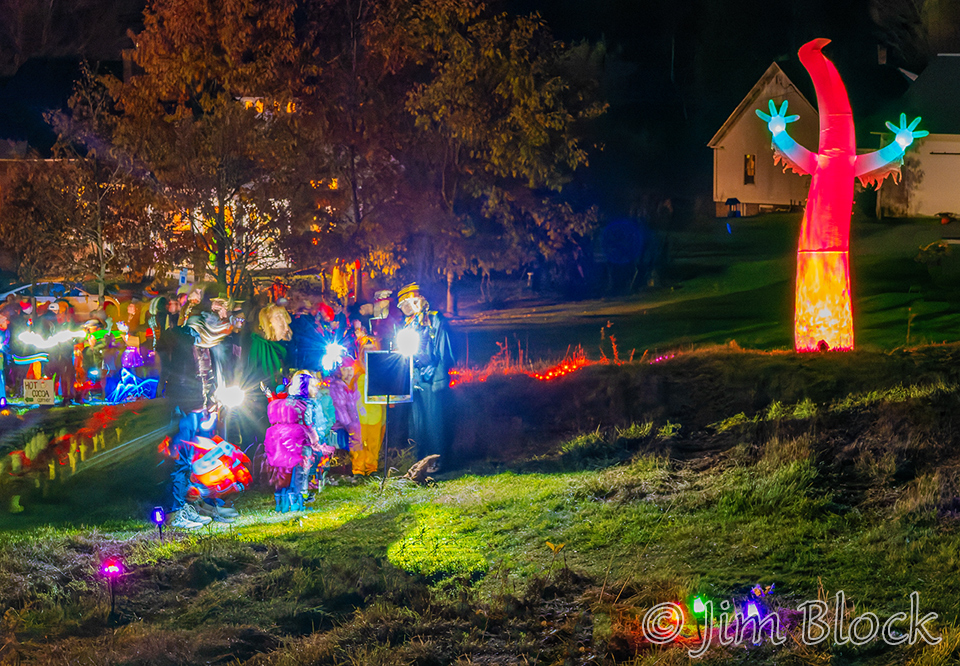
“The Etna Library’s third annual Haunted Story Walk proved to be a massive event beyond anything we’d imagined. 350 attendees joined us for a night of lights, stories, costumes, candy, entertainment, and games. This event has grown dramatically with each iteration, but the size of this year’s crowd was astounding! We’re a small library with a small staff, so I take great pride in the fact that we’ve been able to expand the Haunted Story Walk into an event this large and this loved.”
I attend to make colorful, blurry photos at night. Getting a sharp image is not my goal. In fact I work to get creative blurs. These photos were taken with a feature on my camera called Live Composite. Basically it keeps adding new light to the base image without grossly overexposing existing light. Anyway, just sit back and enjoy the slideshow.
Scenes, Plants, and General Catchall
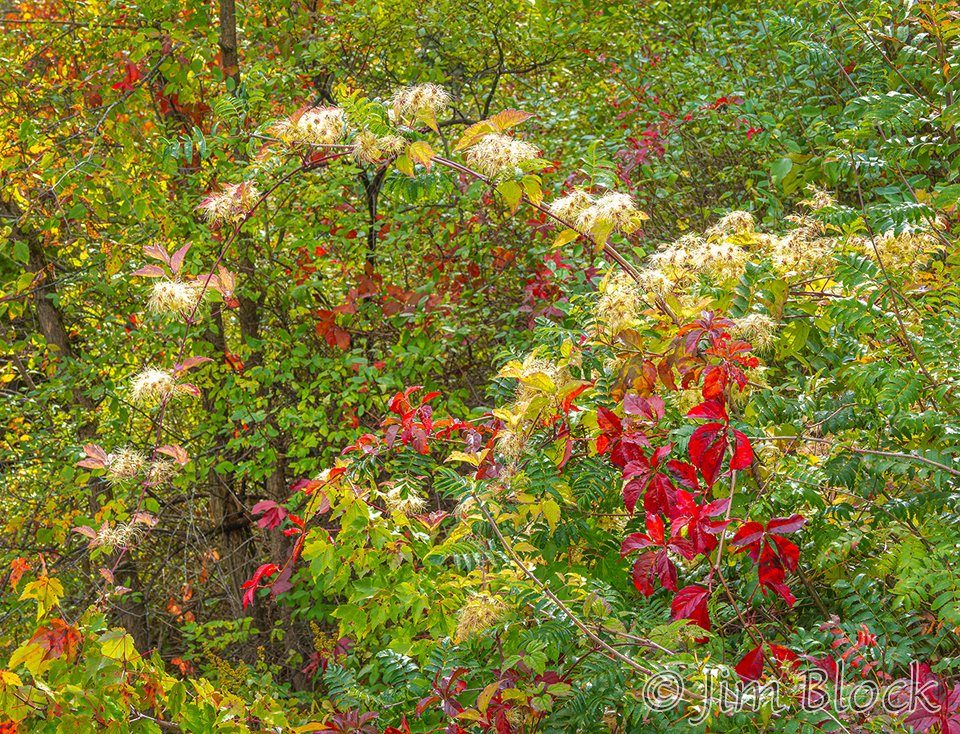
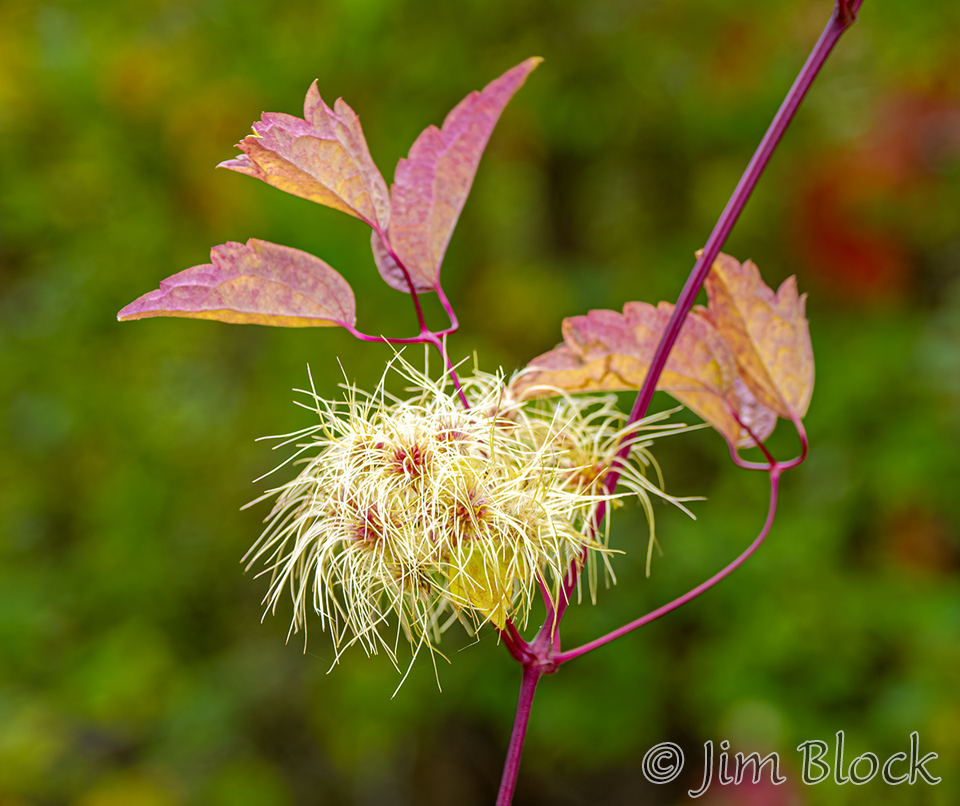
Favorite Fall Plants
Devil’s Darning Needle, Virgin’s Bower, and Old Man’s Beard are among the names for Clematis virginiana.
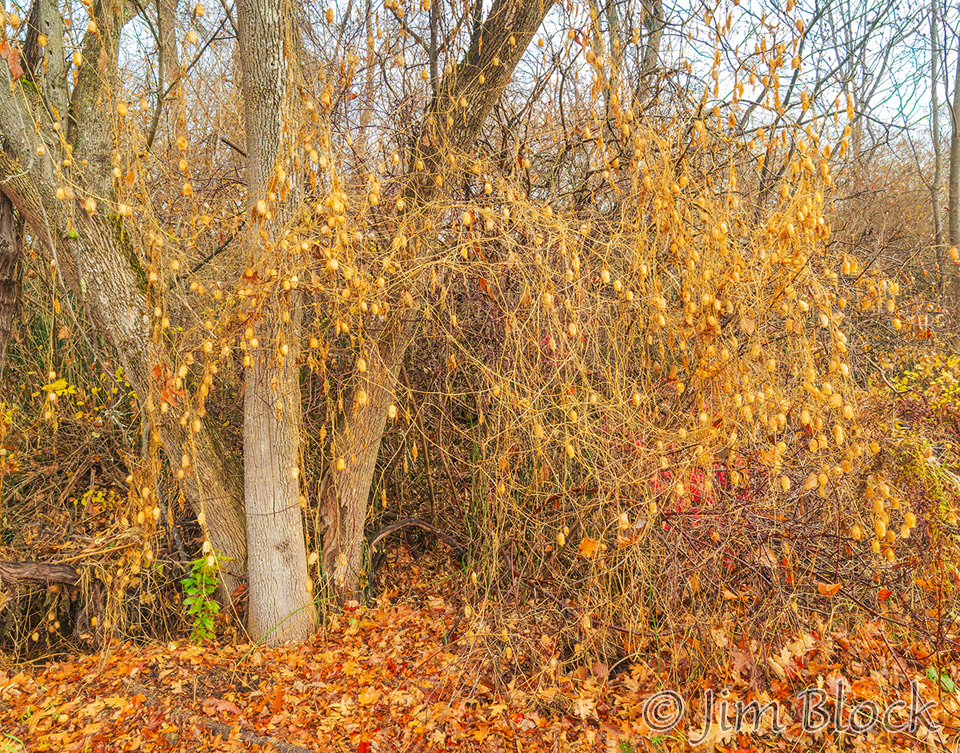
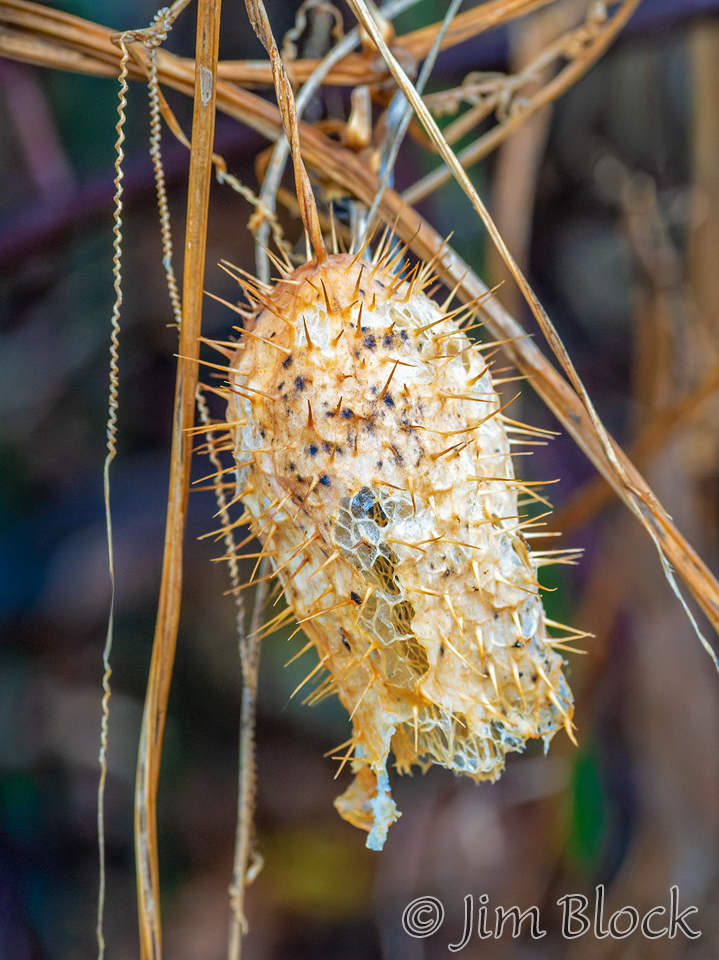
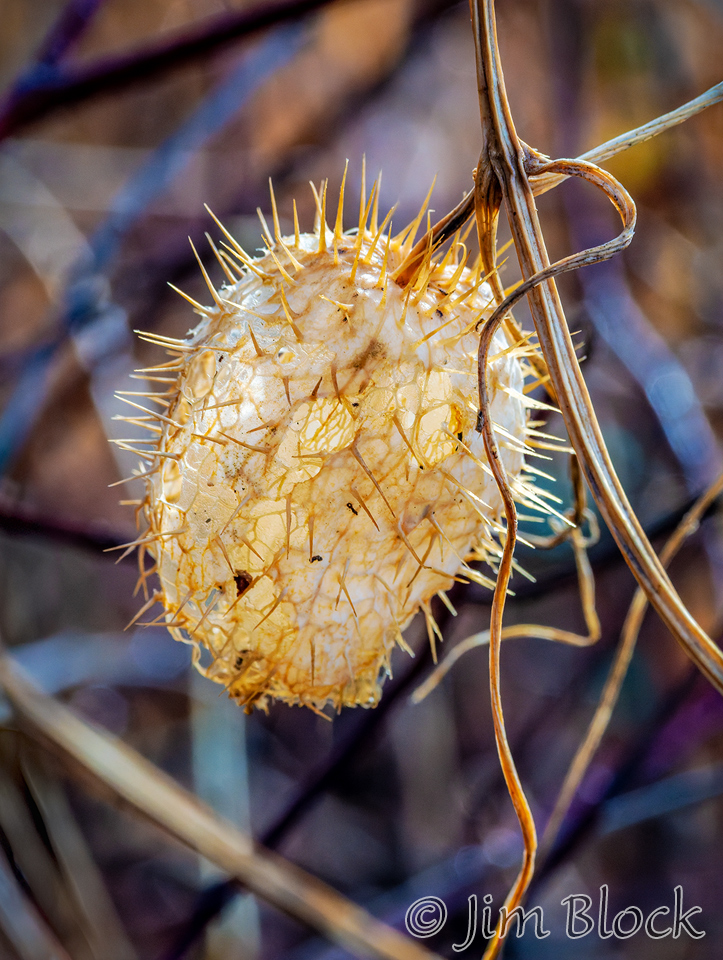
Bur-cucumber is a fast growing vine. Here is a large group I found in Lebanon while hiking with Jann, followed by two closeups.
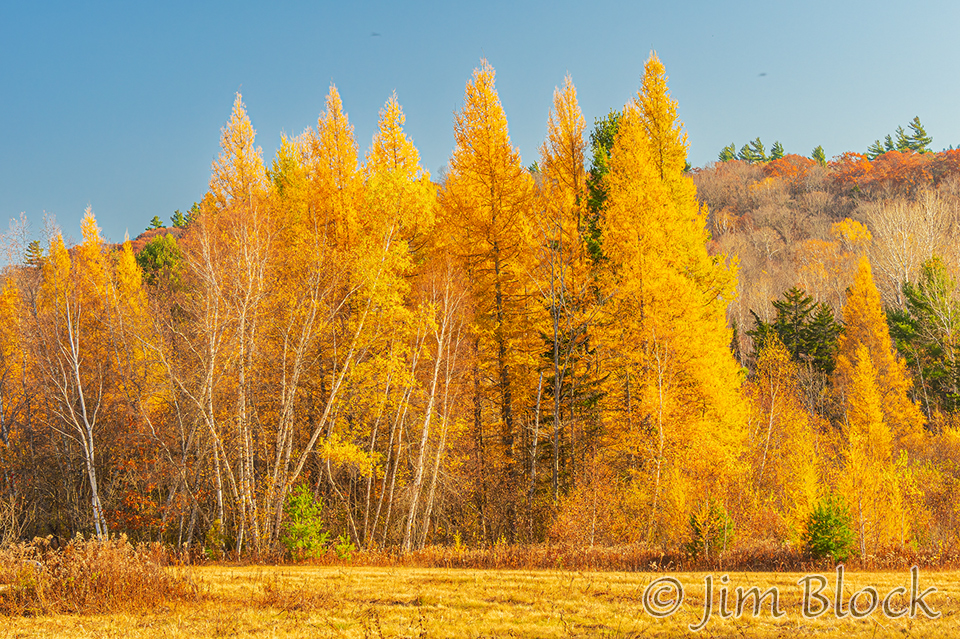
Tamarack, also known as Eastern Larch, is a unique deciduous conifer. Its needles turn bright golden-yellow in late fall and then fall off. Here is a group in the
Hanover Conservancy Headwaters Forest in Etna.
While photographing Bicknell Brook I took these three photos.
I never get tired of Mount Ascutney. Here it is from Meriden and Lebanon.
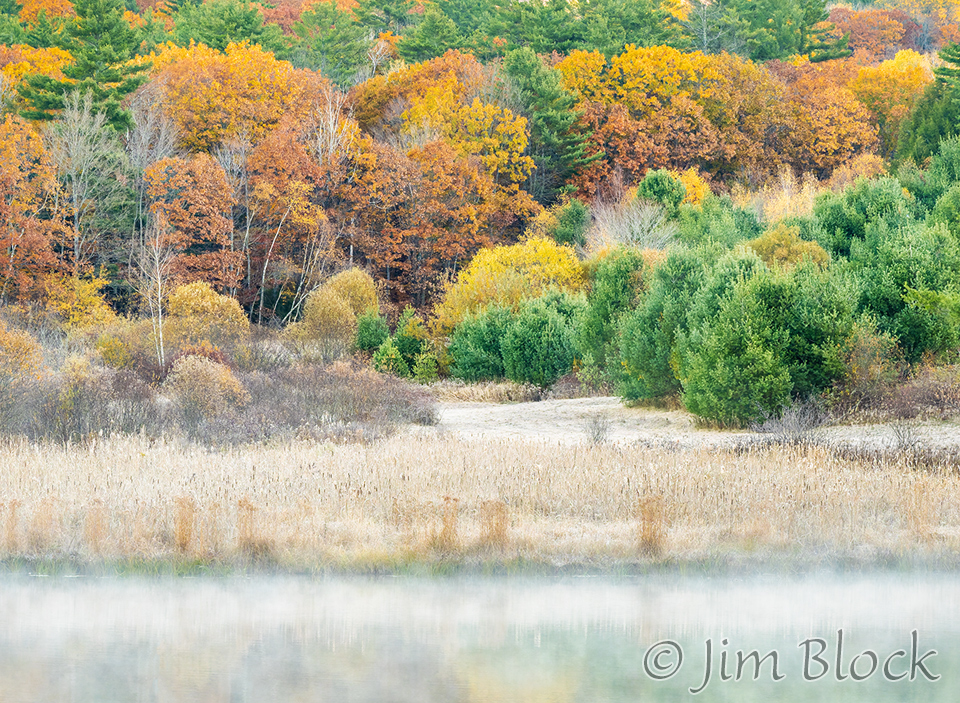
A foggy pond in Etna while walking with Jann.
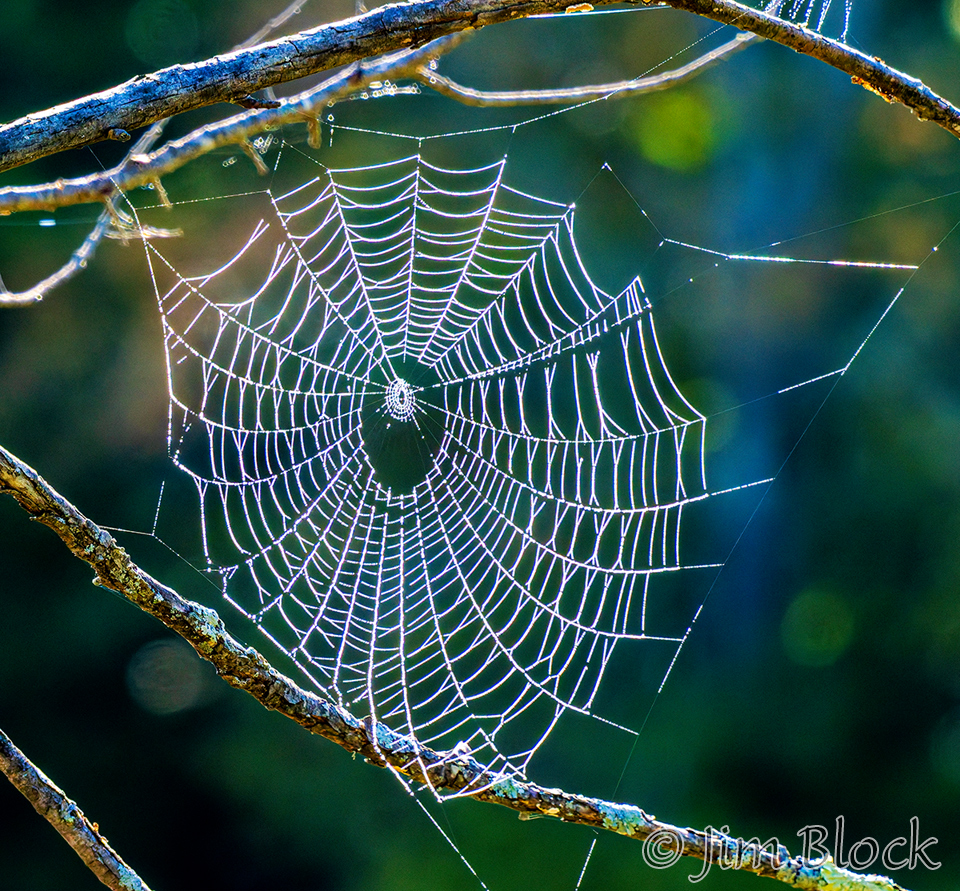
A spider web in Haverhill.
Three photos taken while Jann and I hiked around Occom Pond on October 31st.
From the Lower Shaker WMA in Enfield.
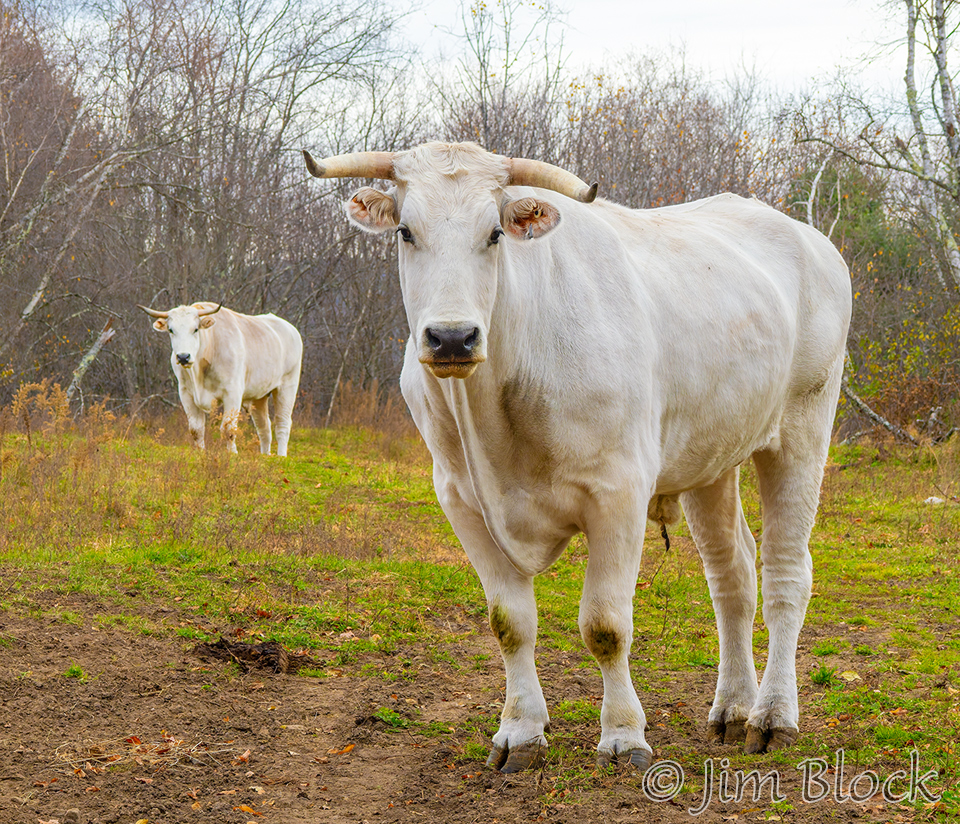
A curious beast walked over to take a close look at me in Springfield, NH. It is possibly a Chianina, an Italian breed formerly principally a draught breed now raised mainly for beef and one of the oldest cattle breeds in the world.
A few fun photos.
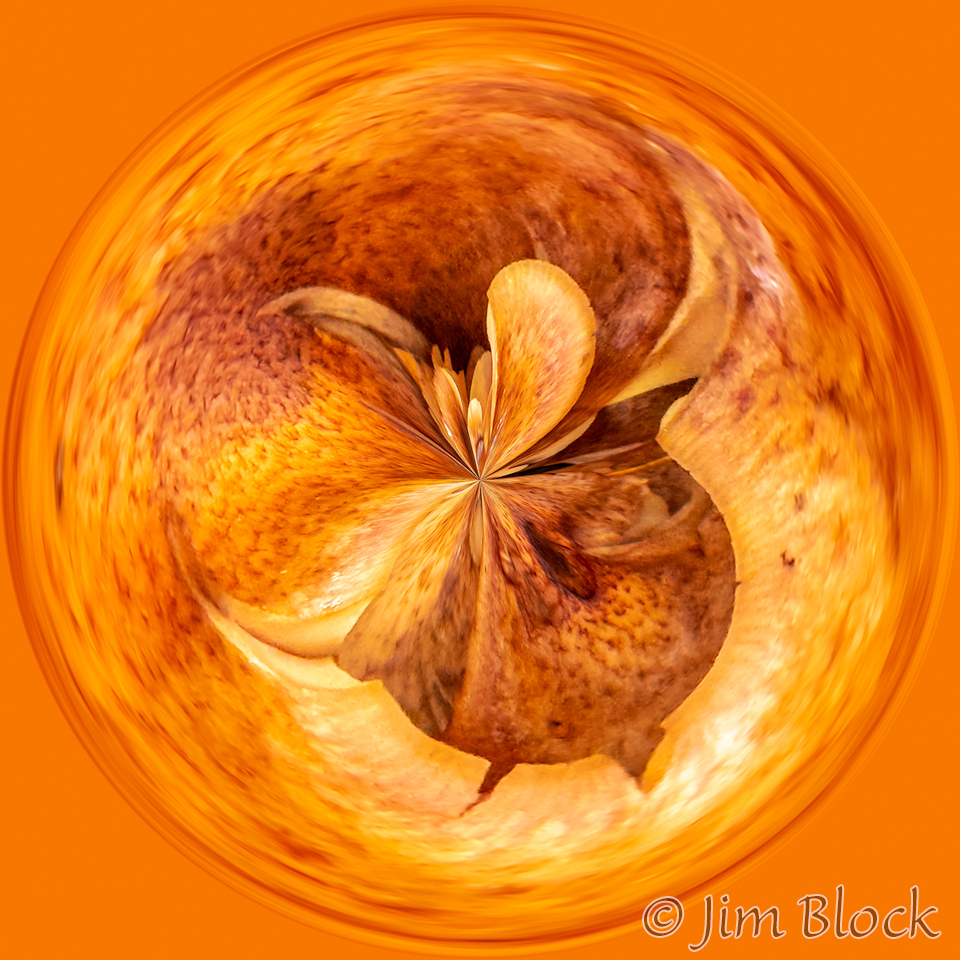
A bubble creation made from the closeup photo of mushrooms shown above along Bicknell Brook.
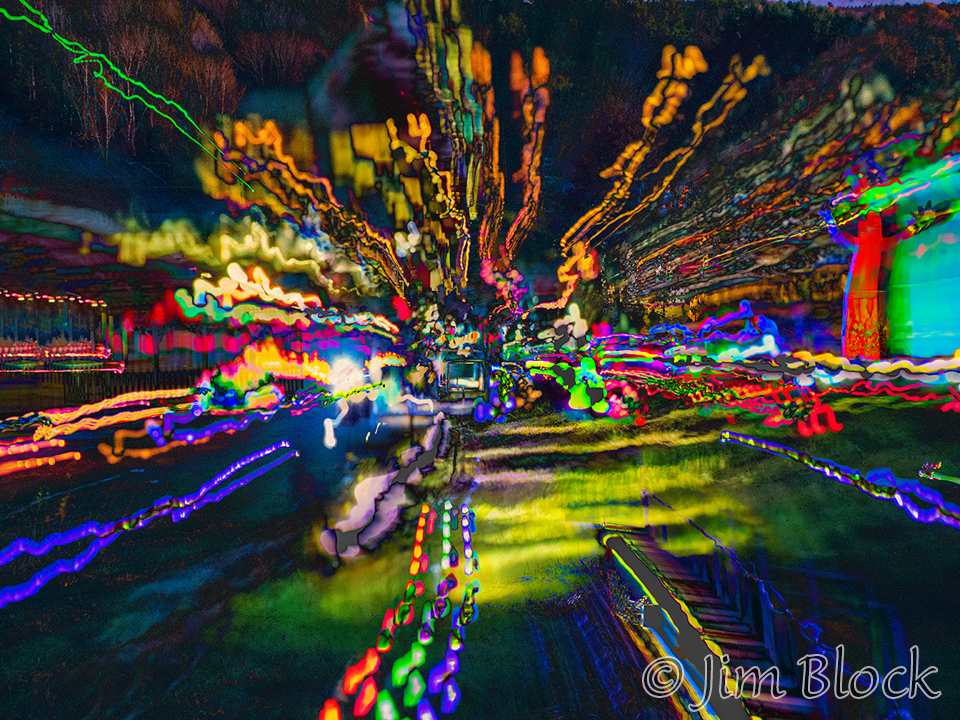
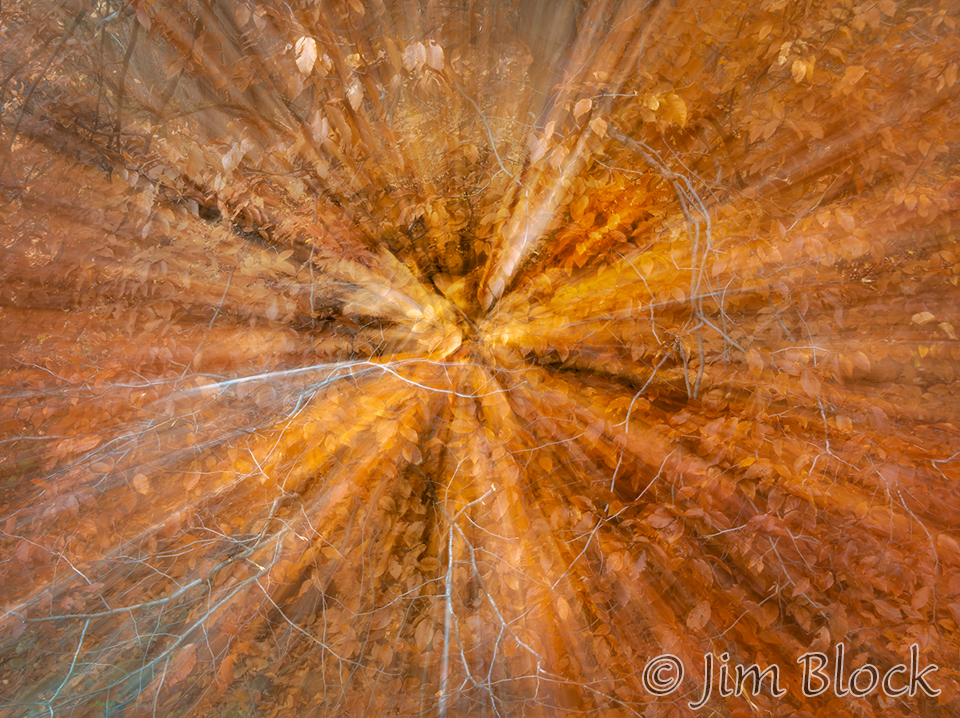
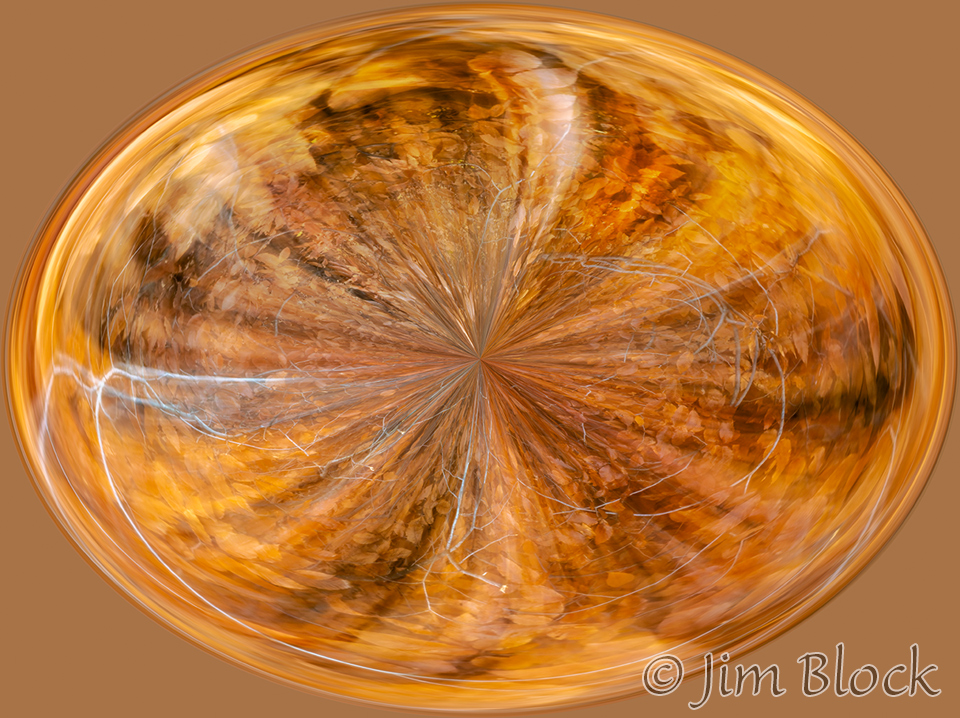
Zooming at a slow shutter speed along Ruddsboro Road in Etna followed by a bubble version.
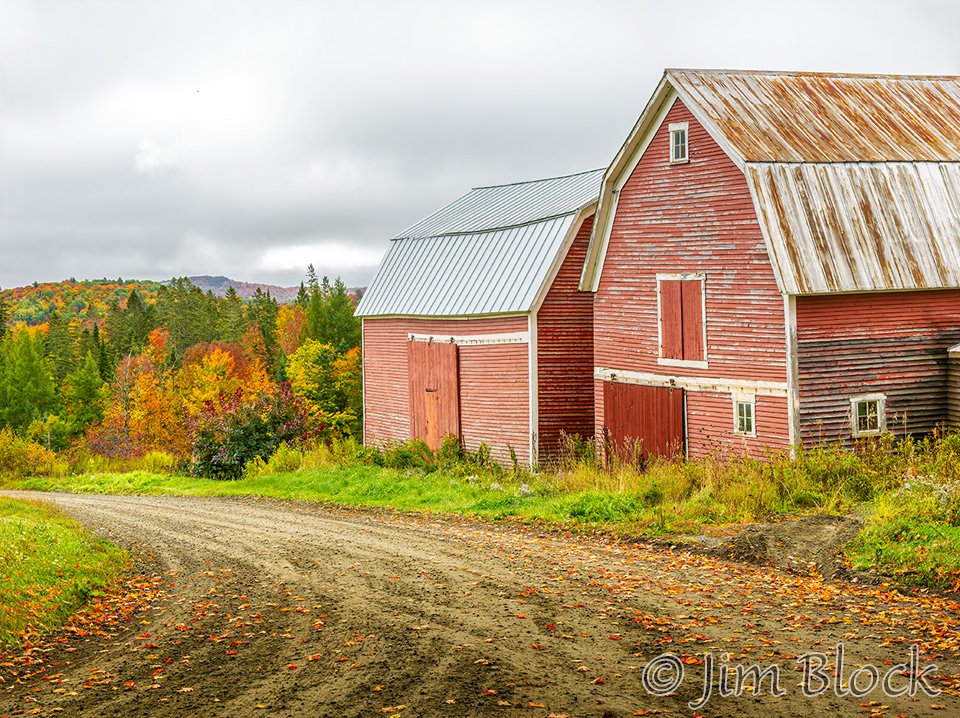
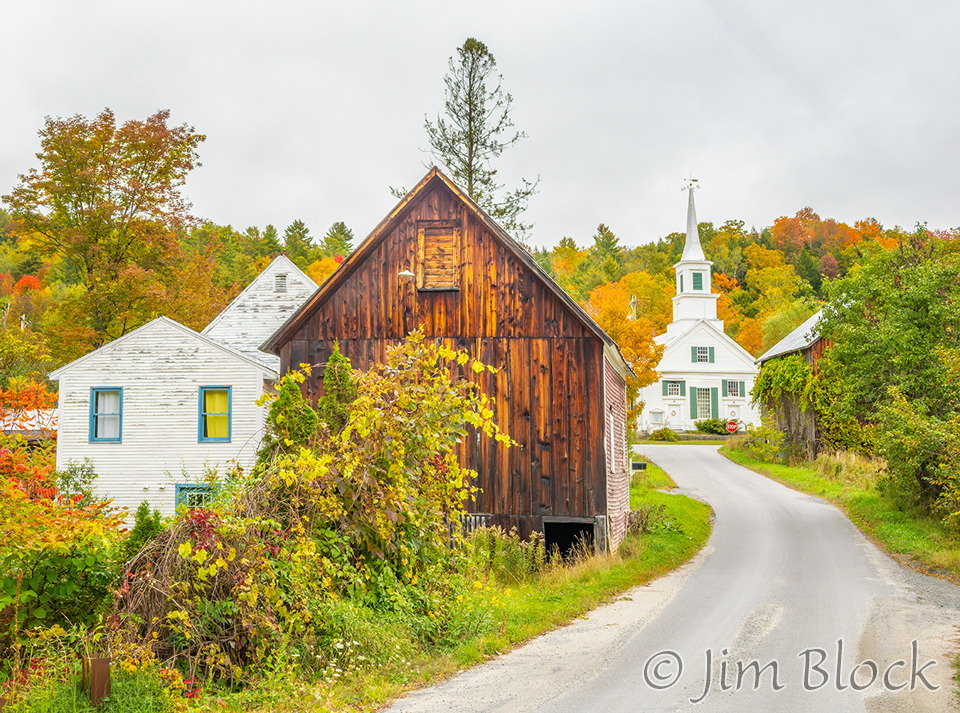
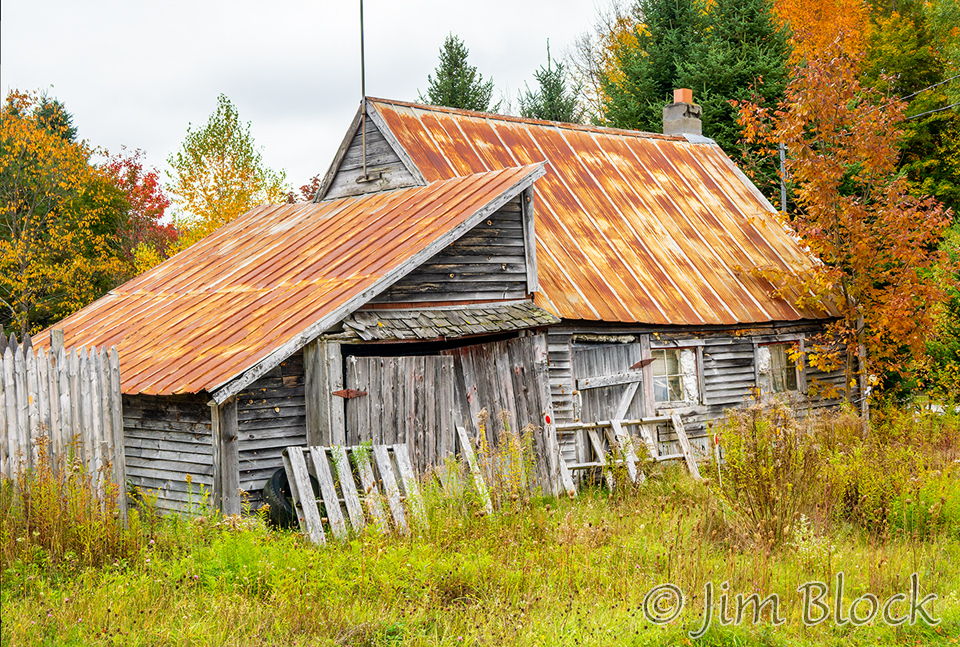
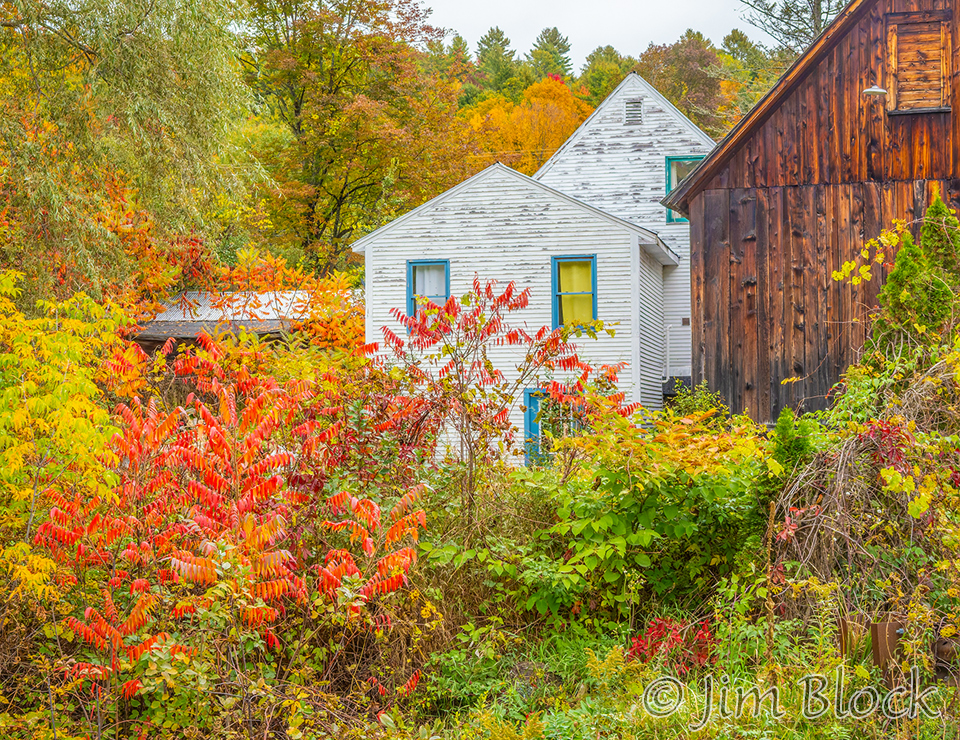
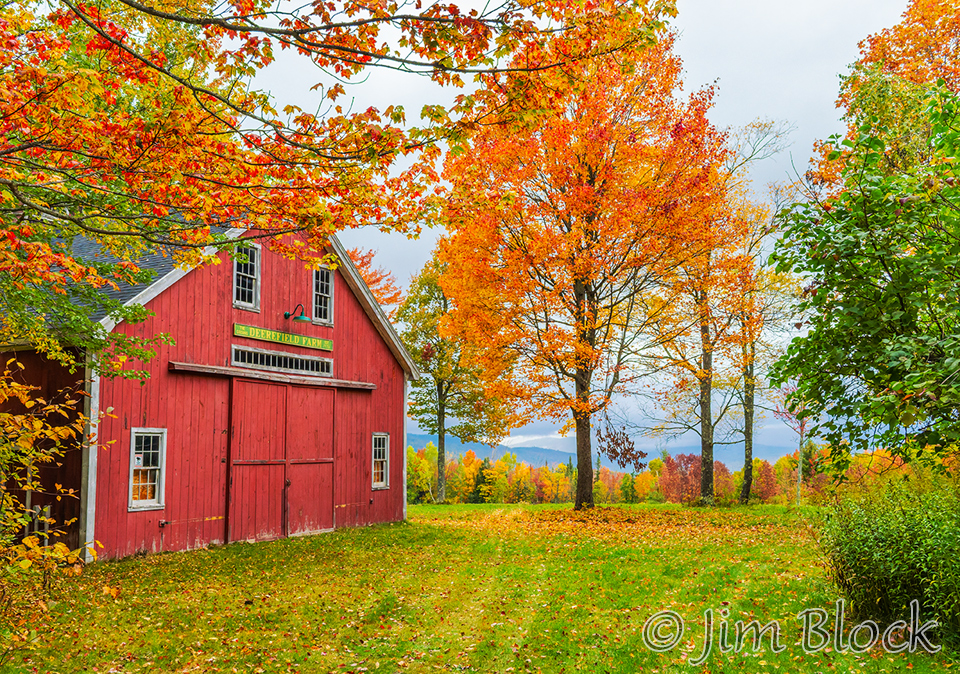
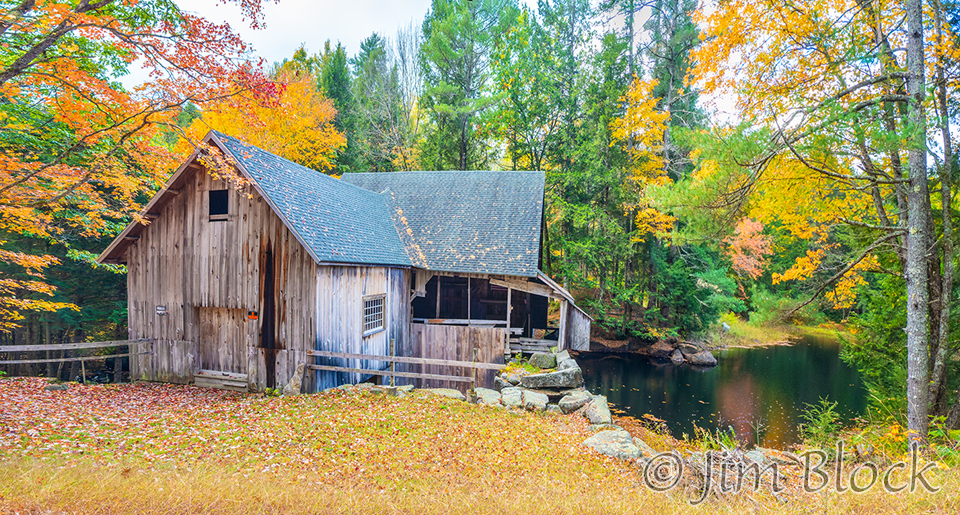
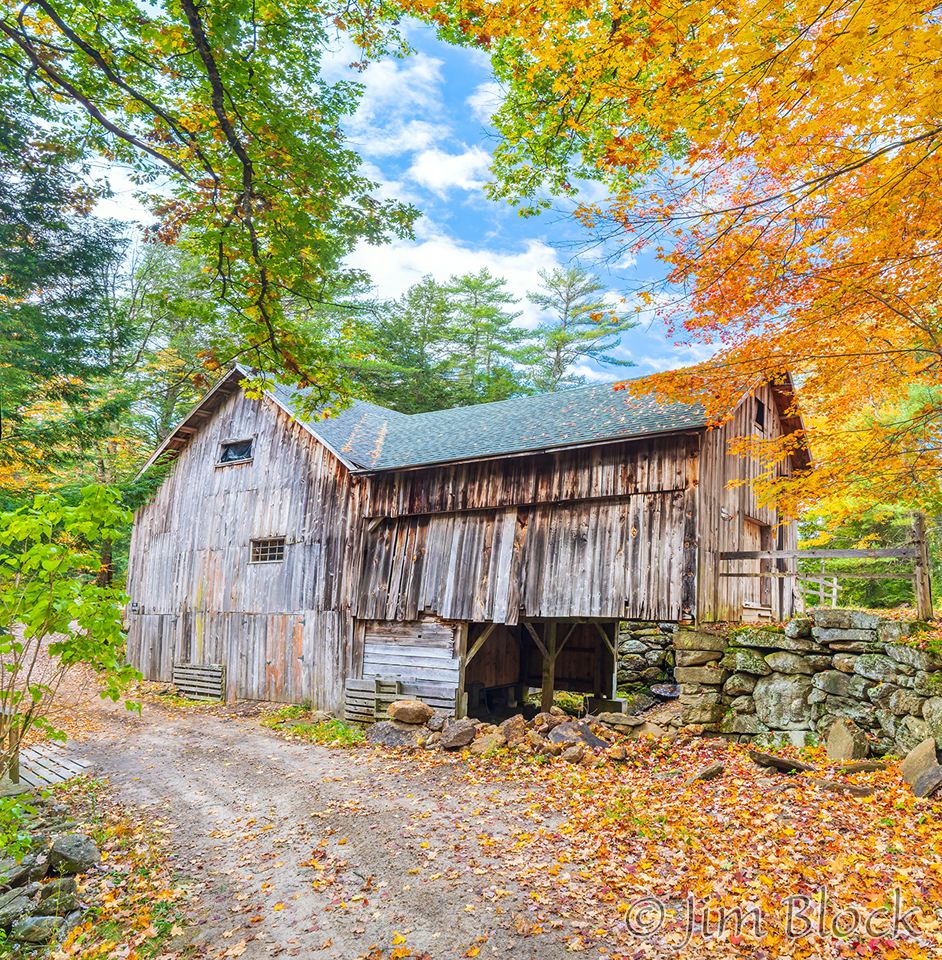
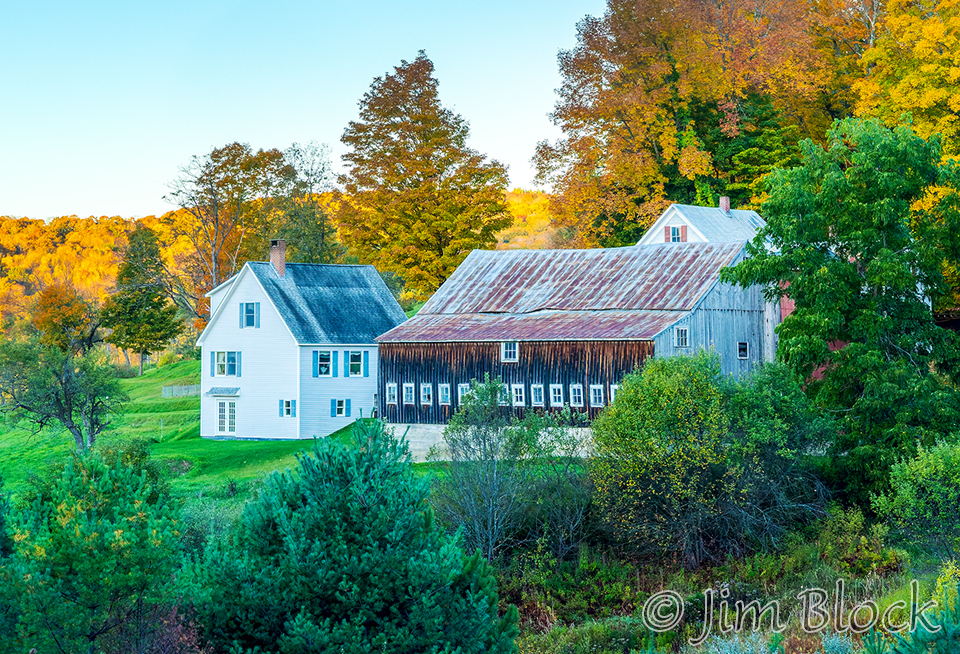
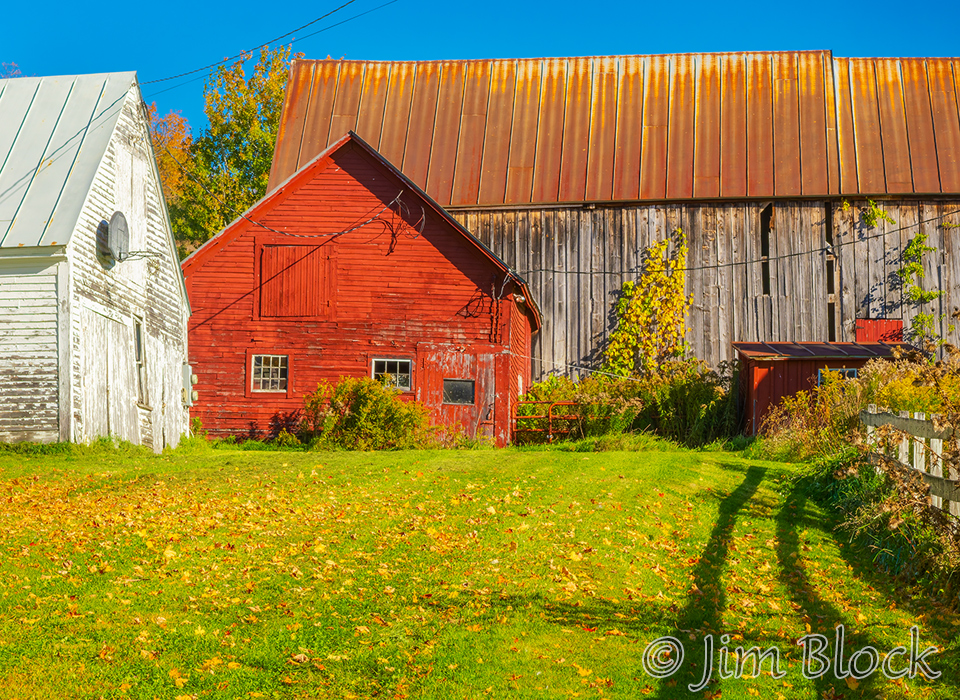
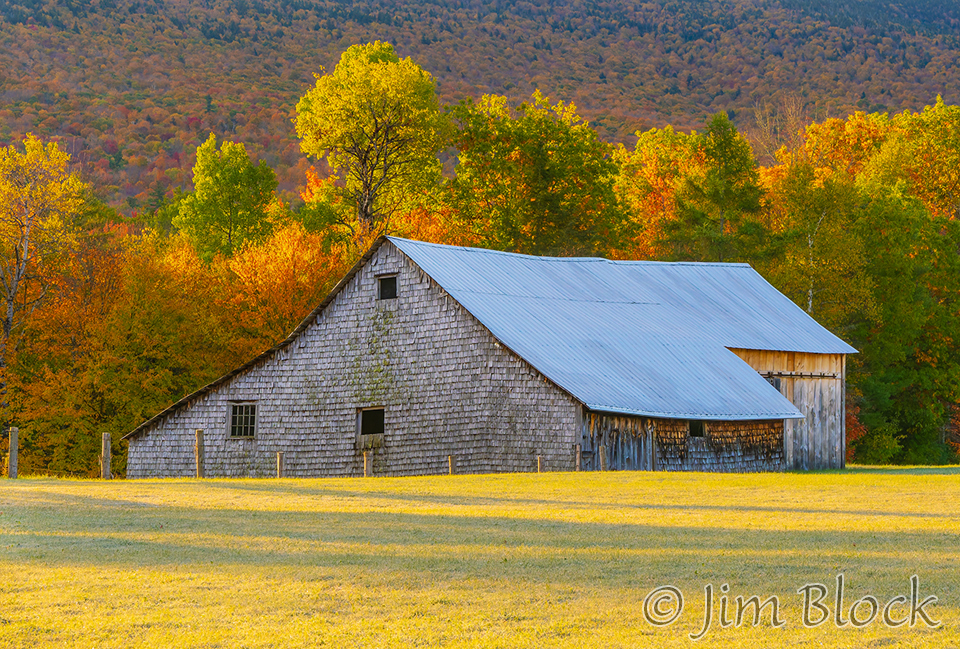
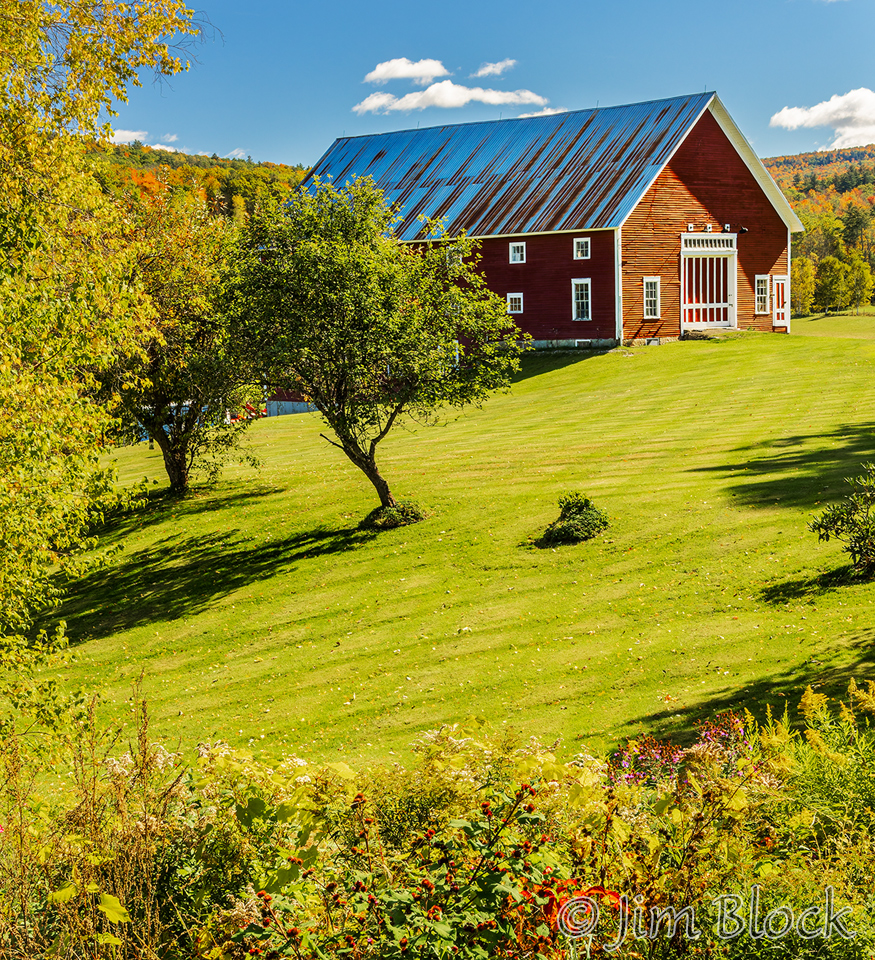
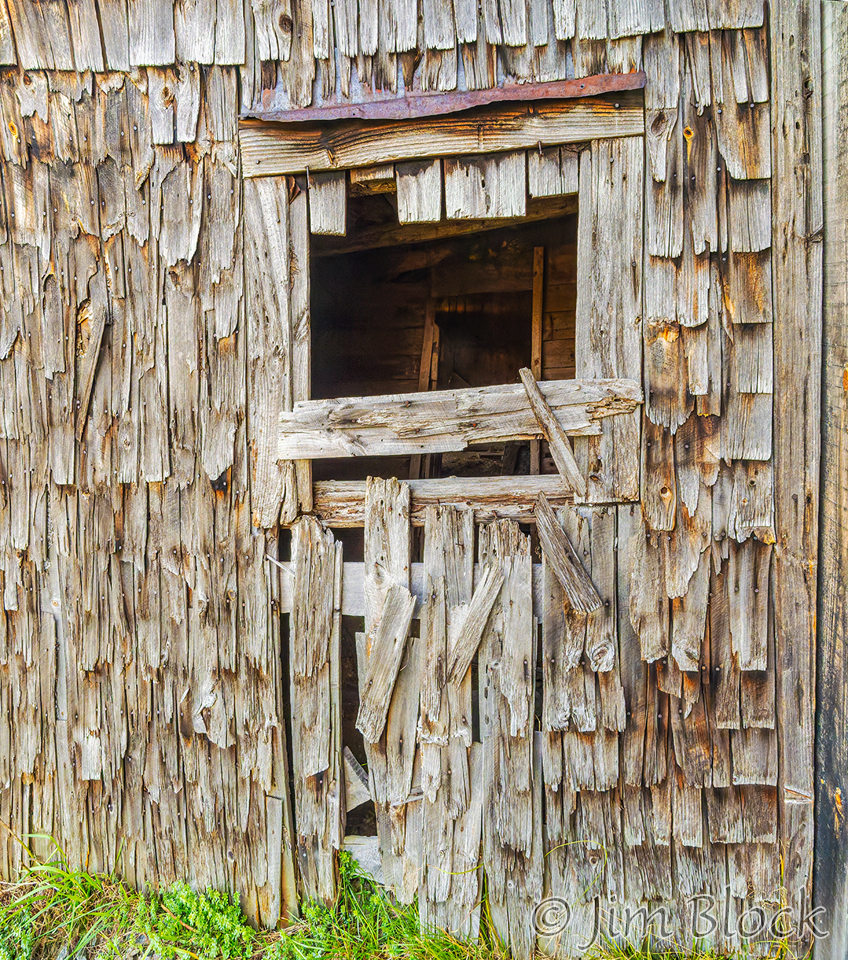
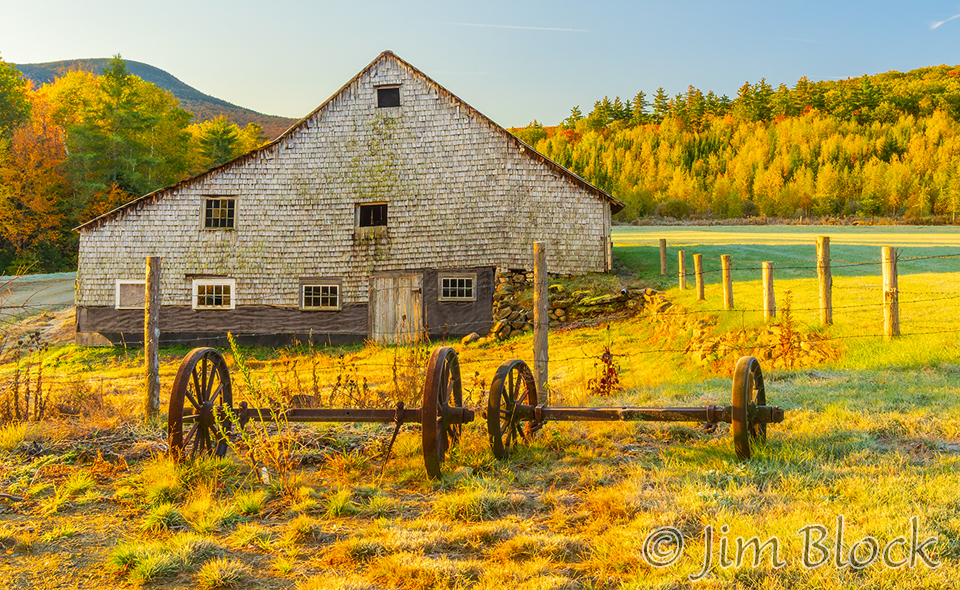
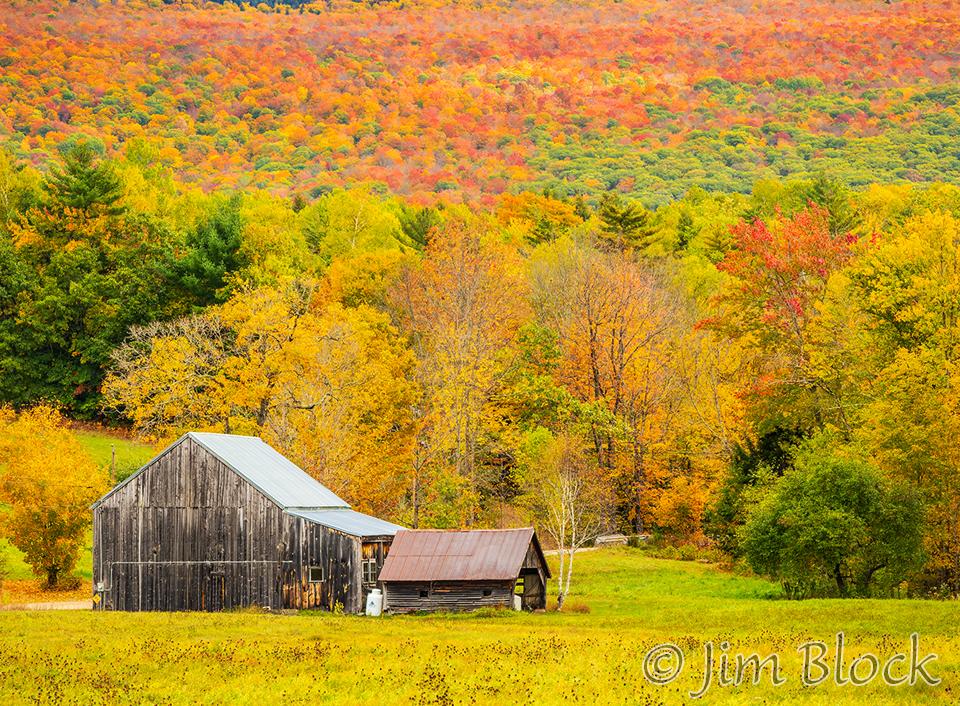
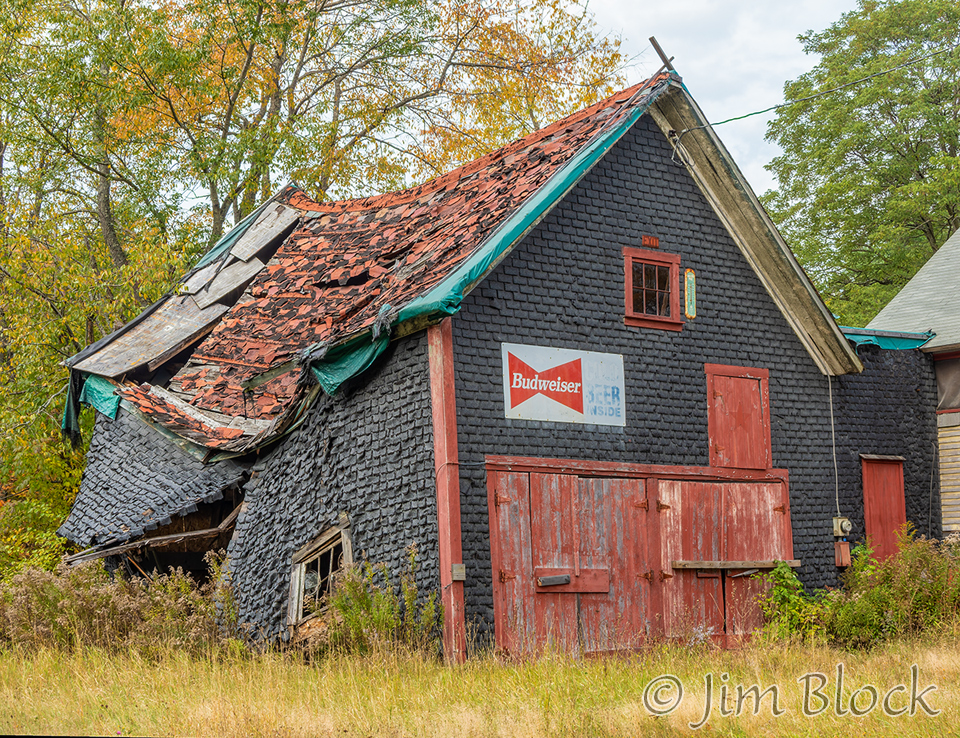
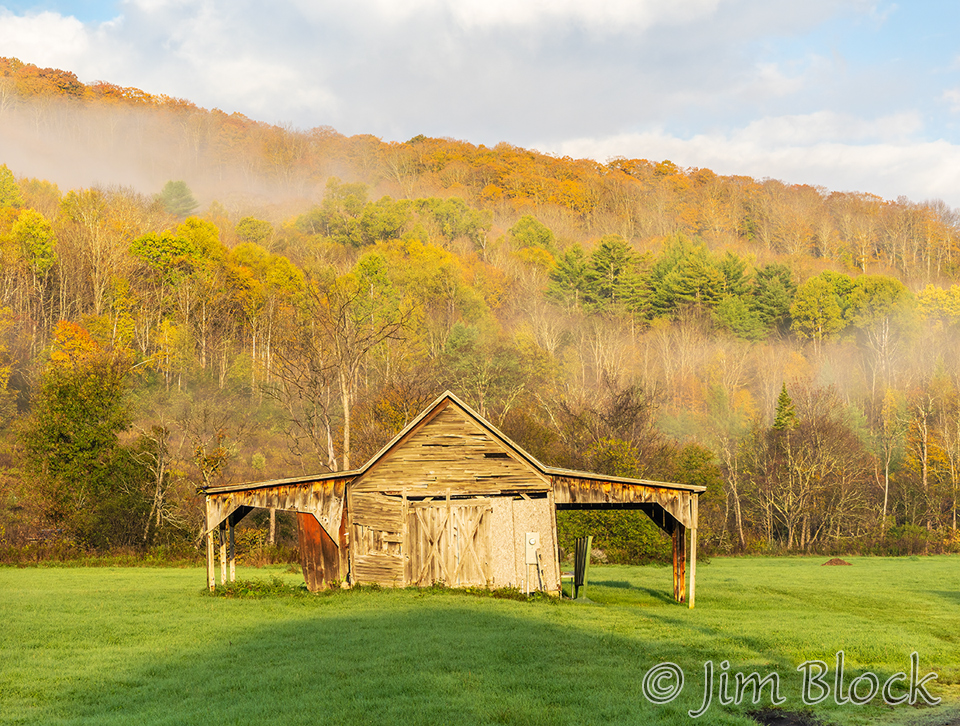
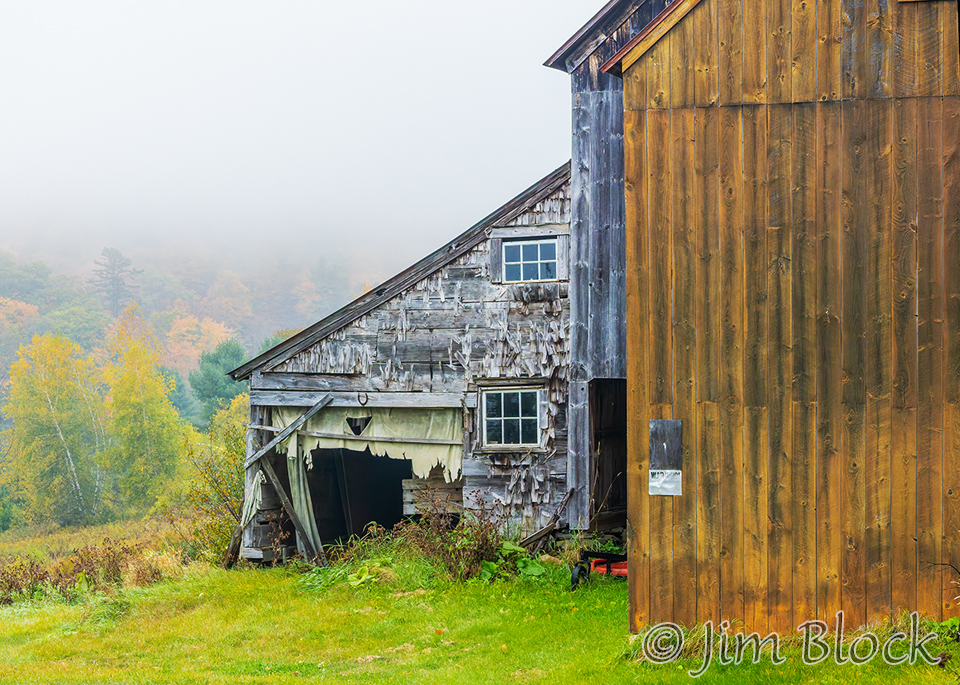
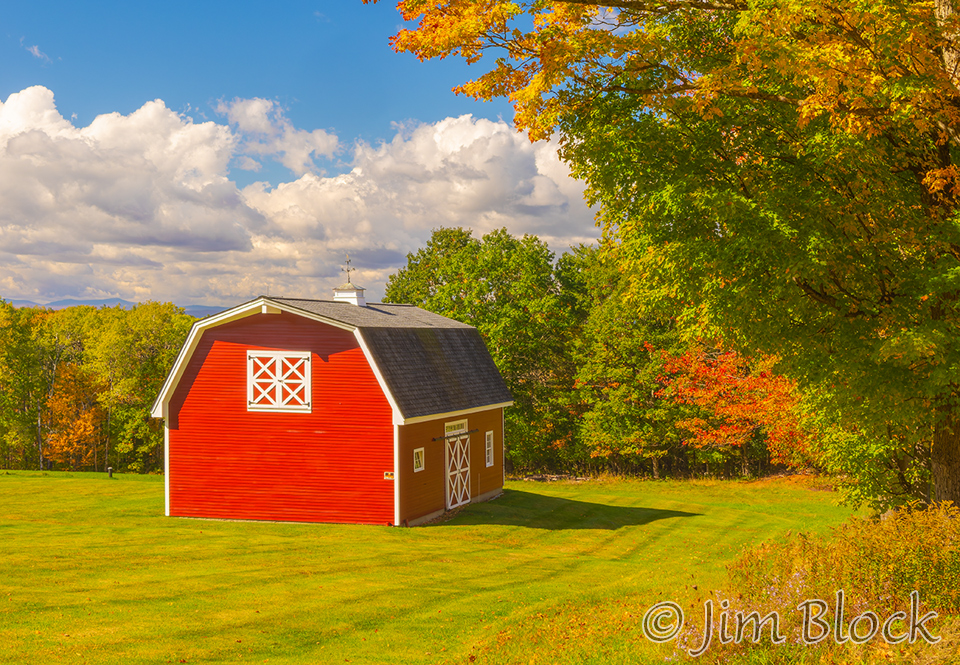
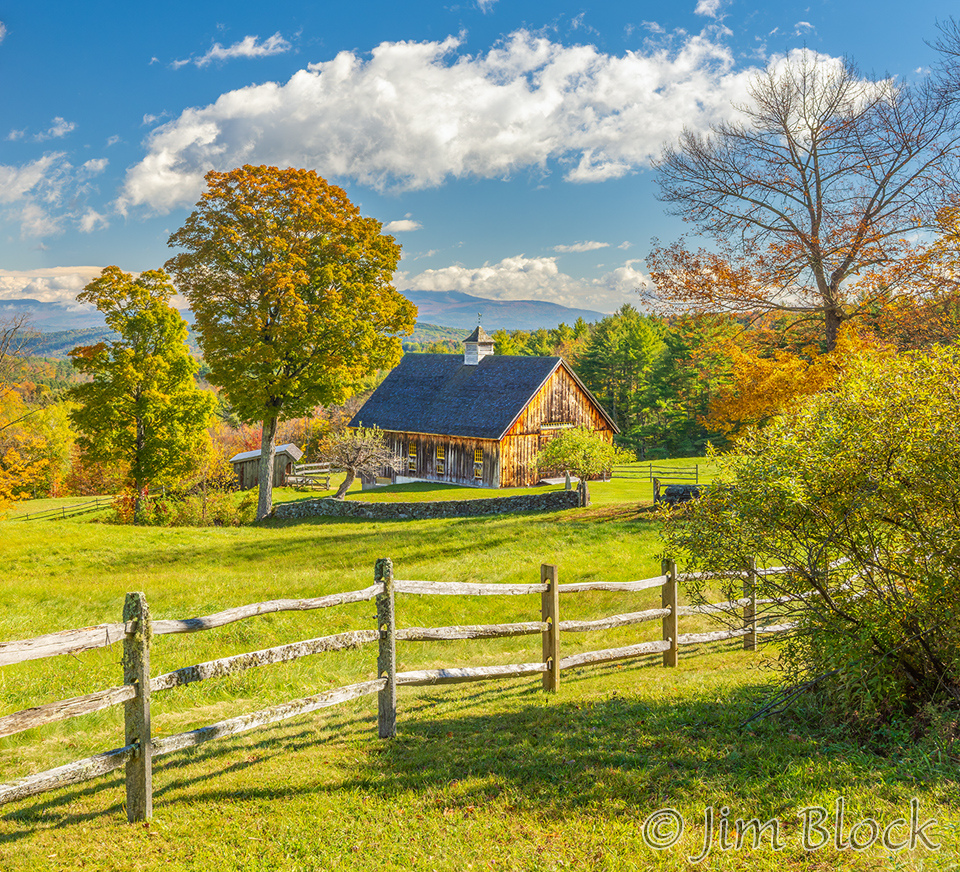
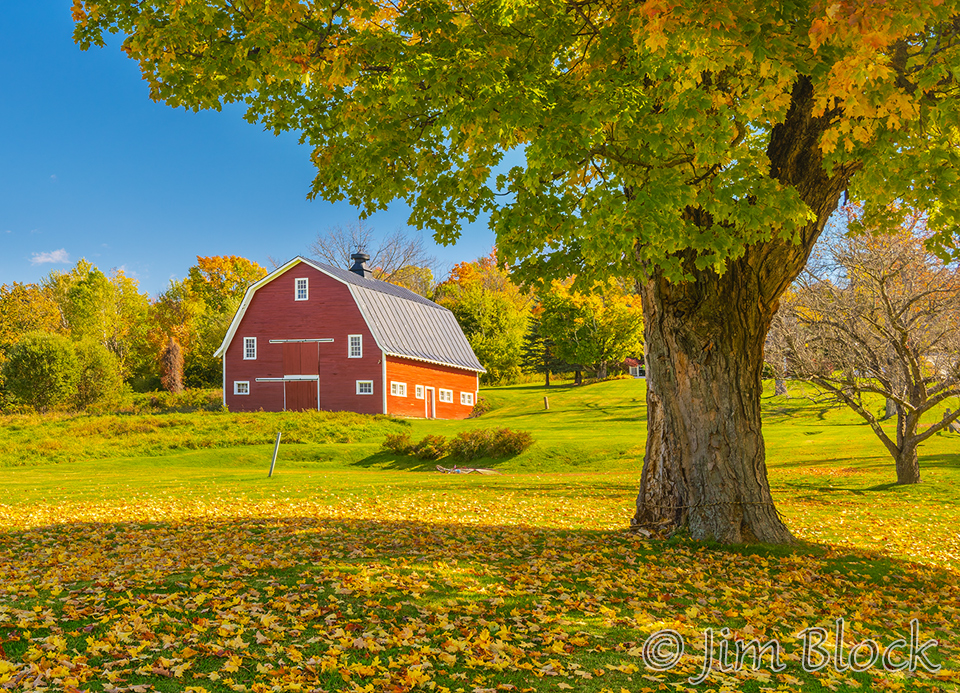
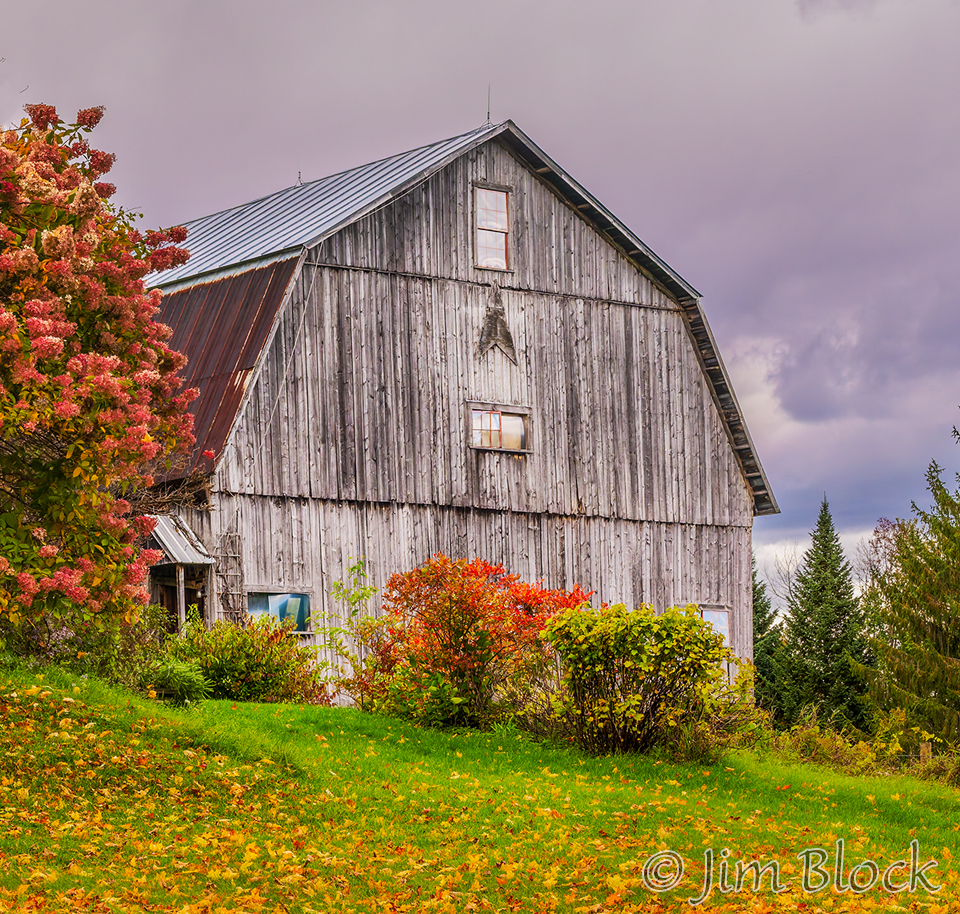
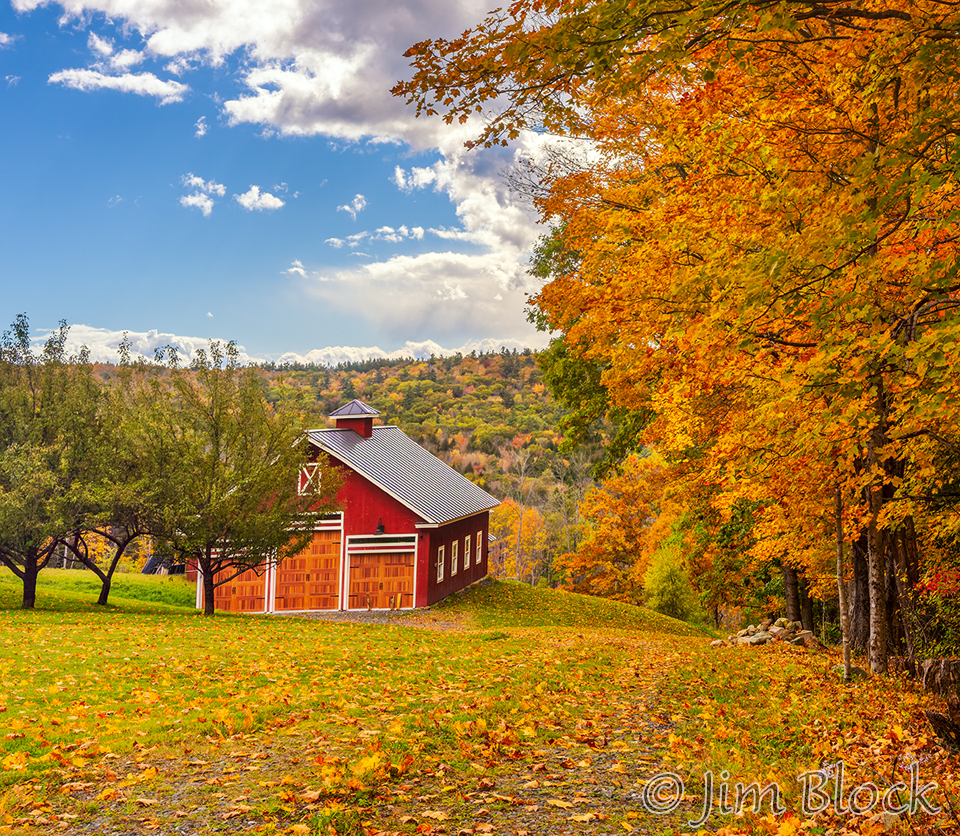
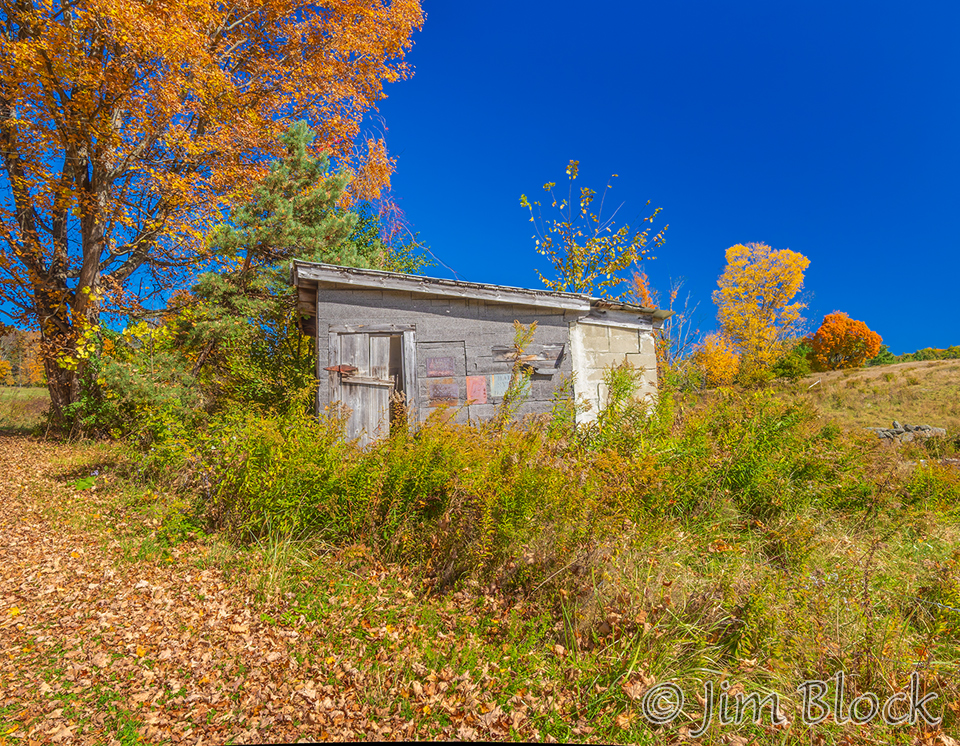
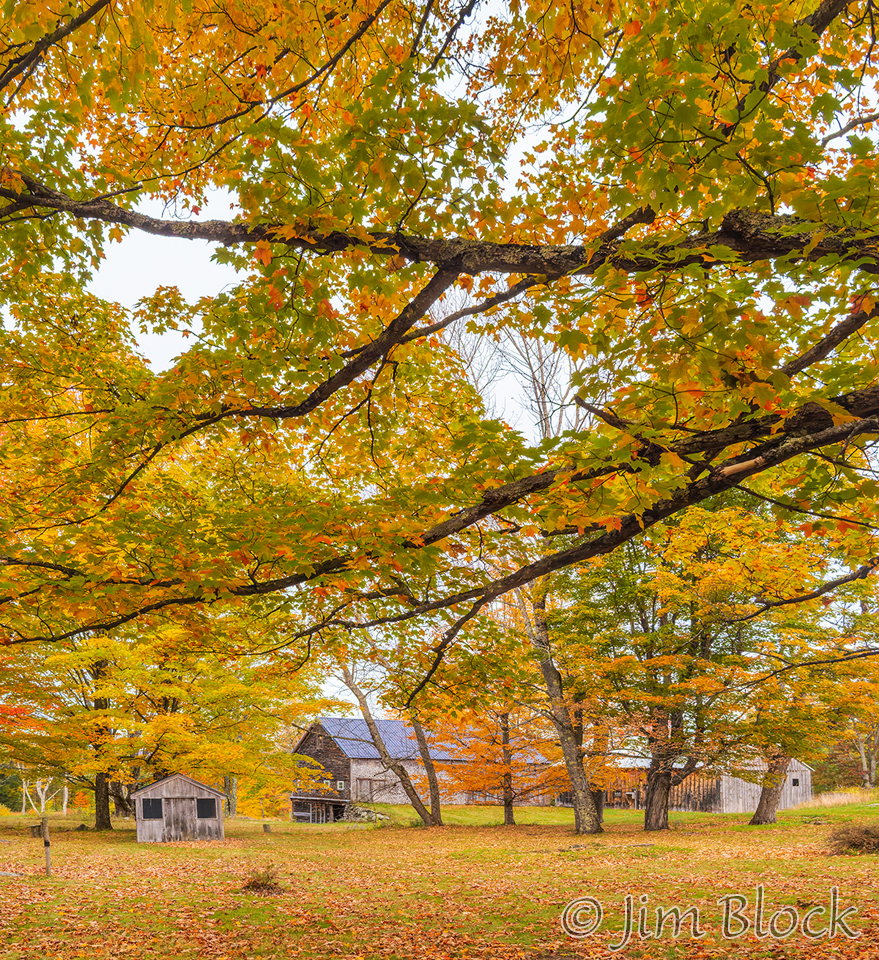
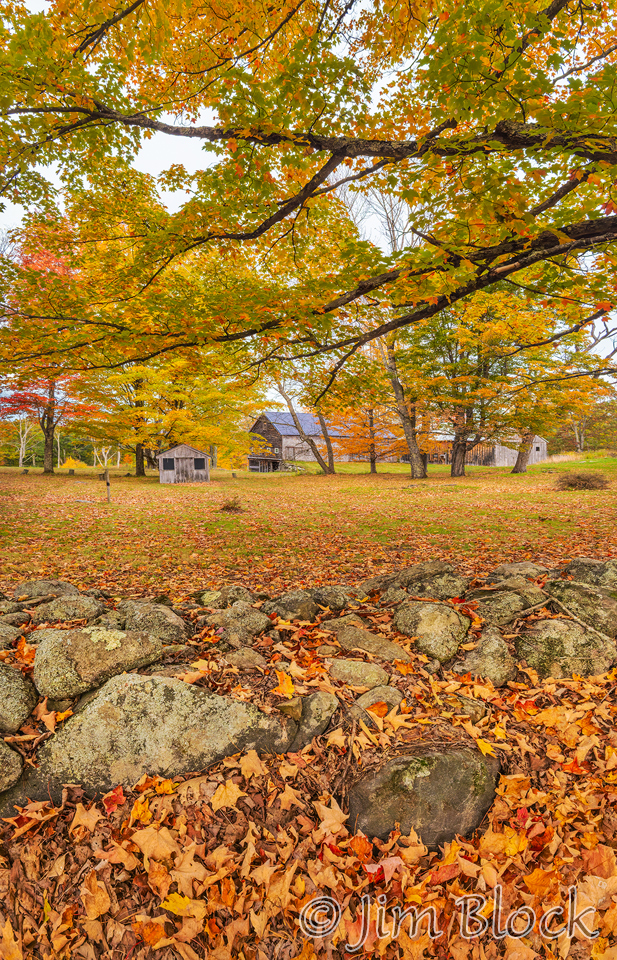
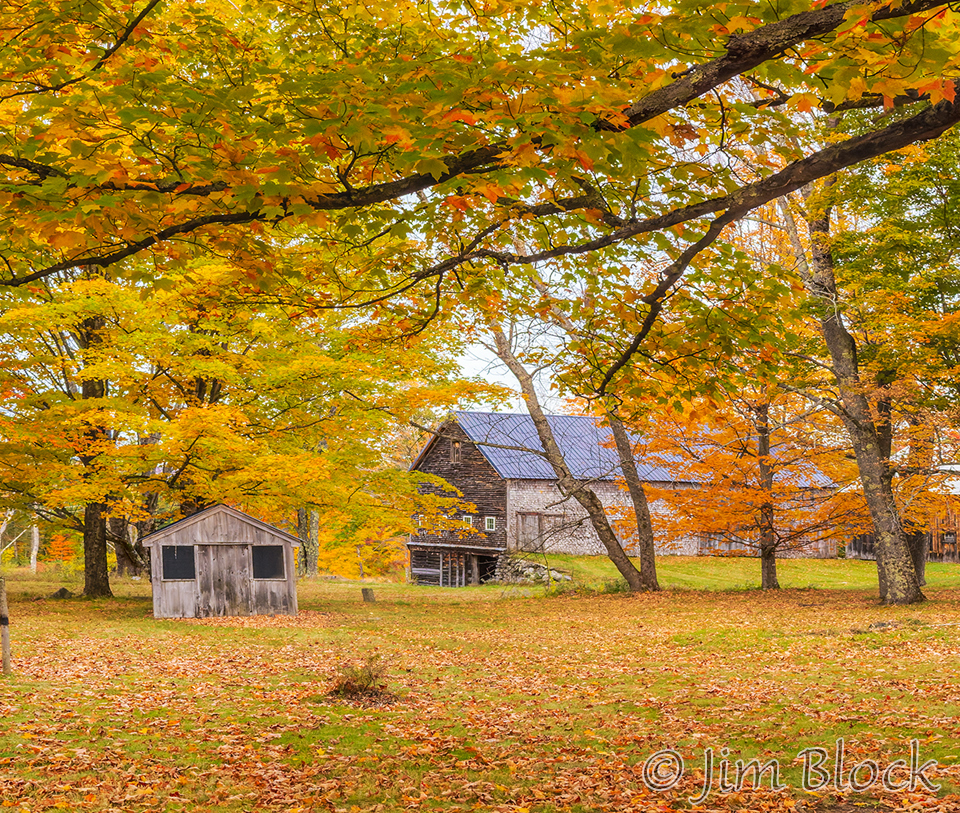
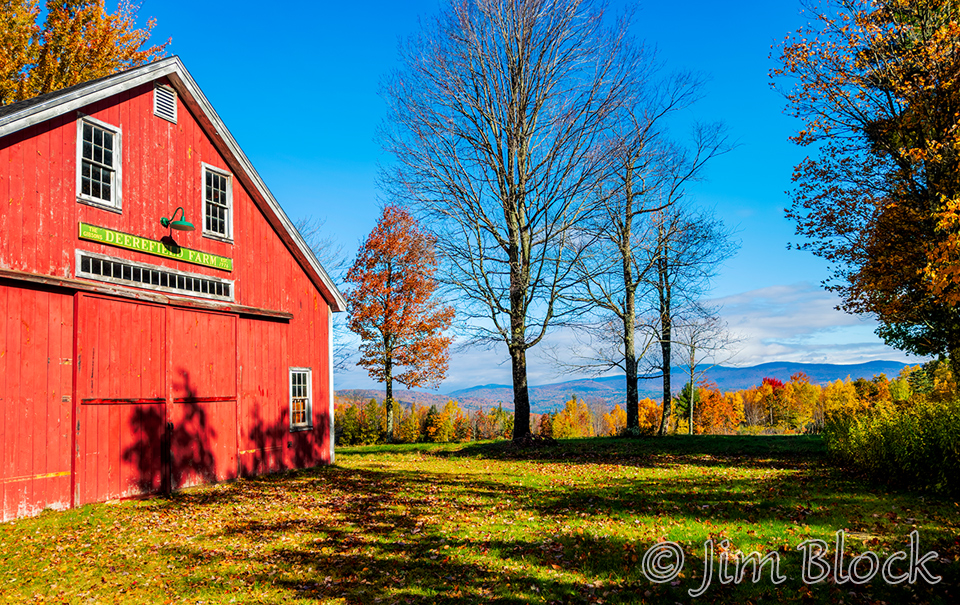
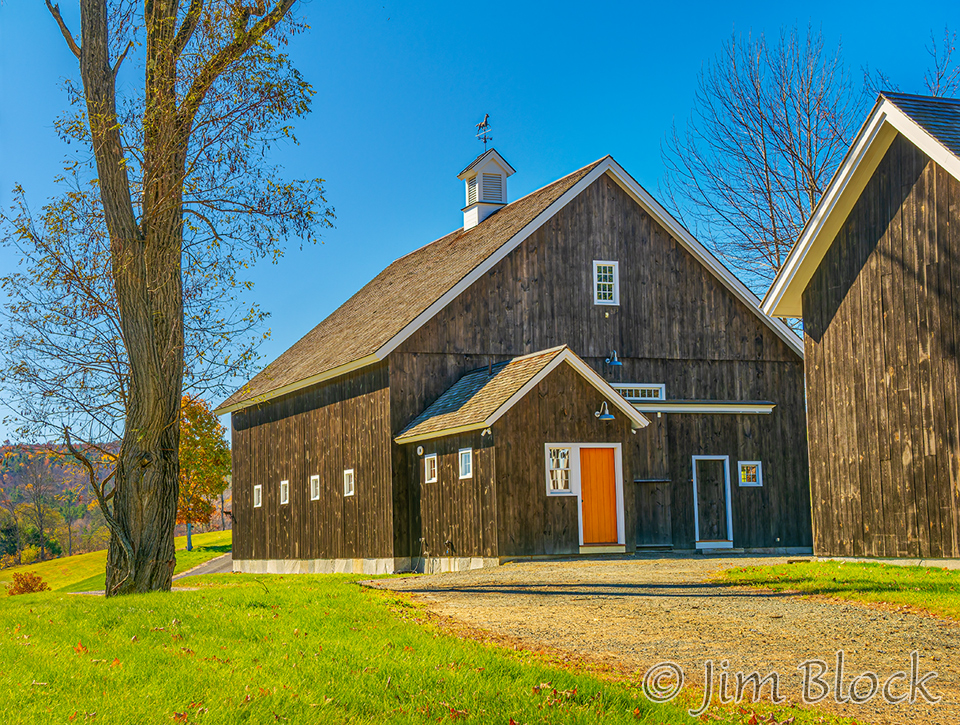
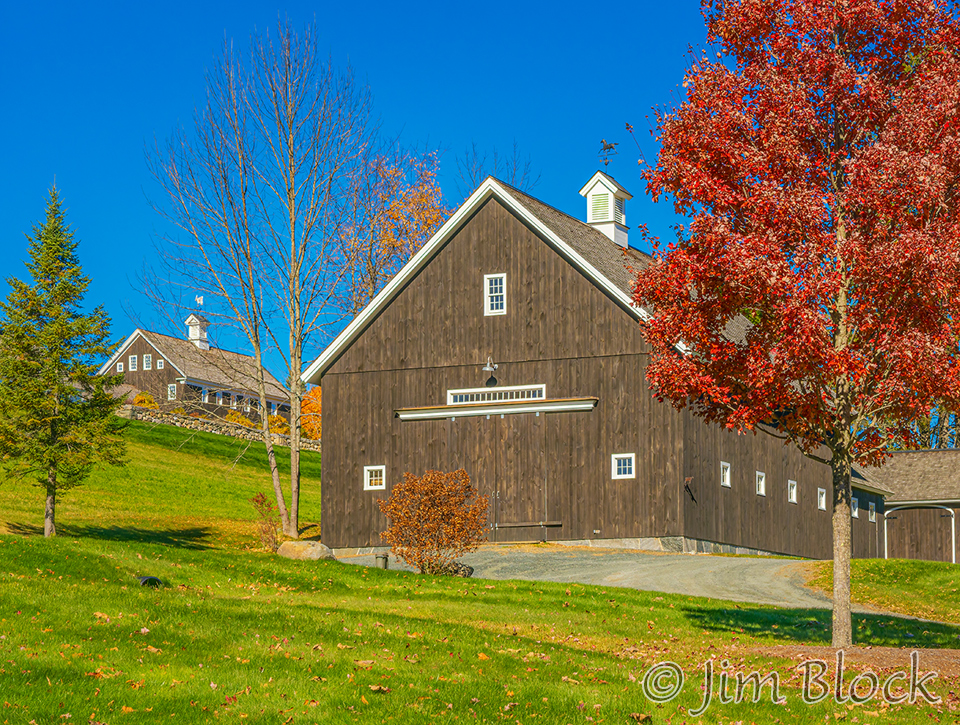
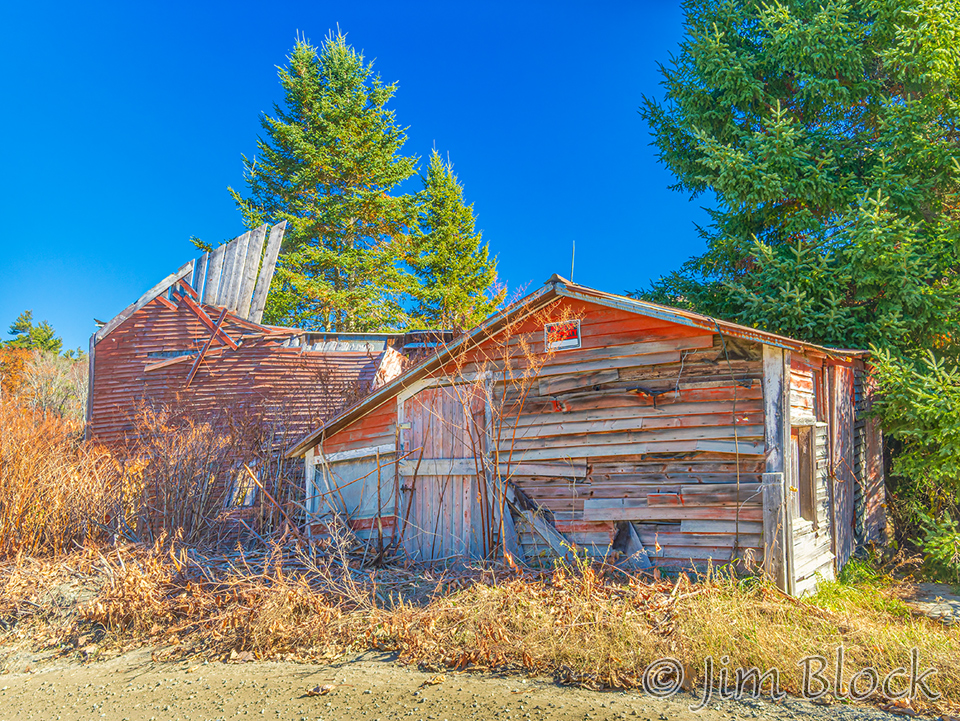
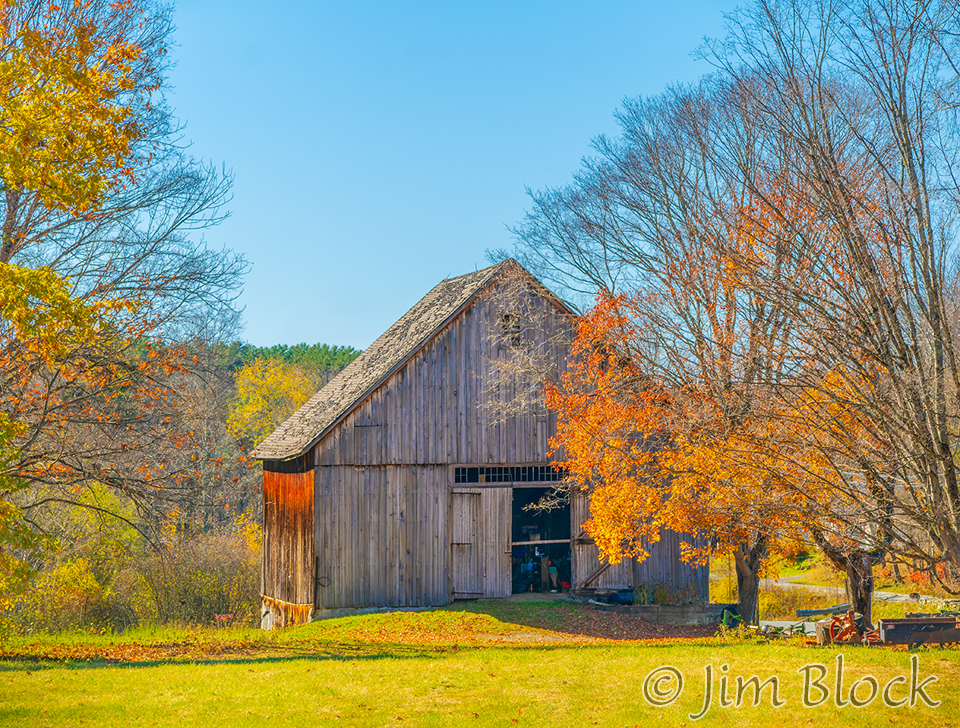
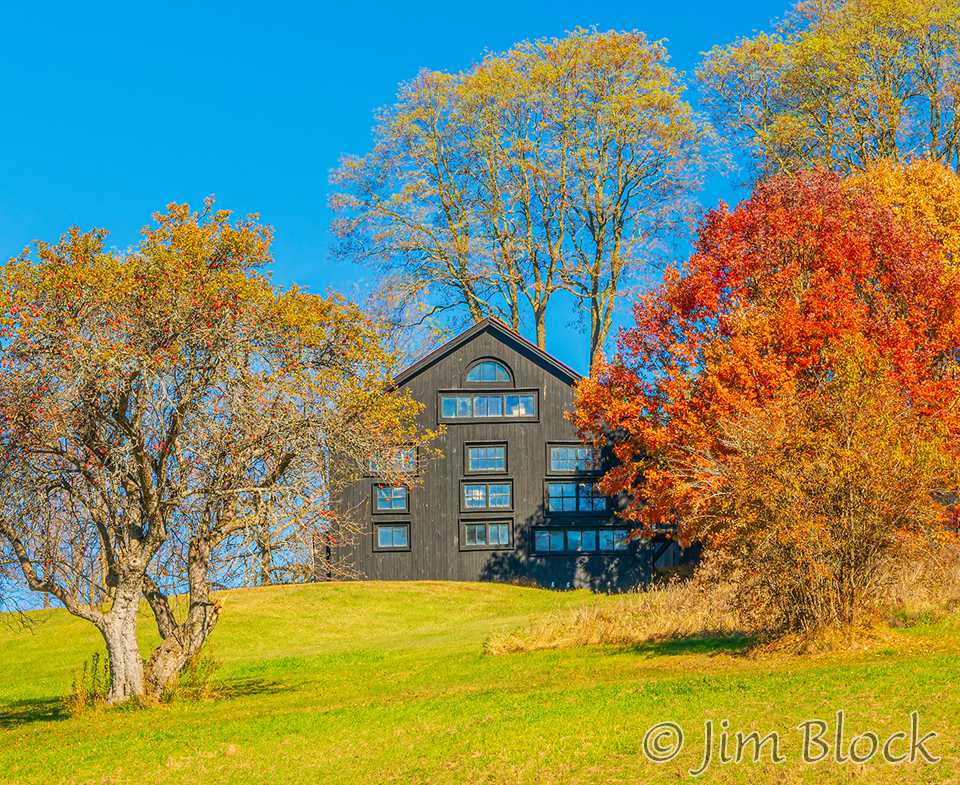
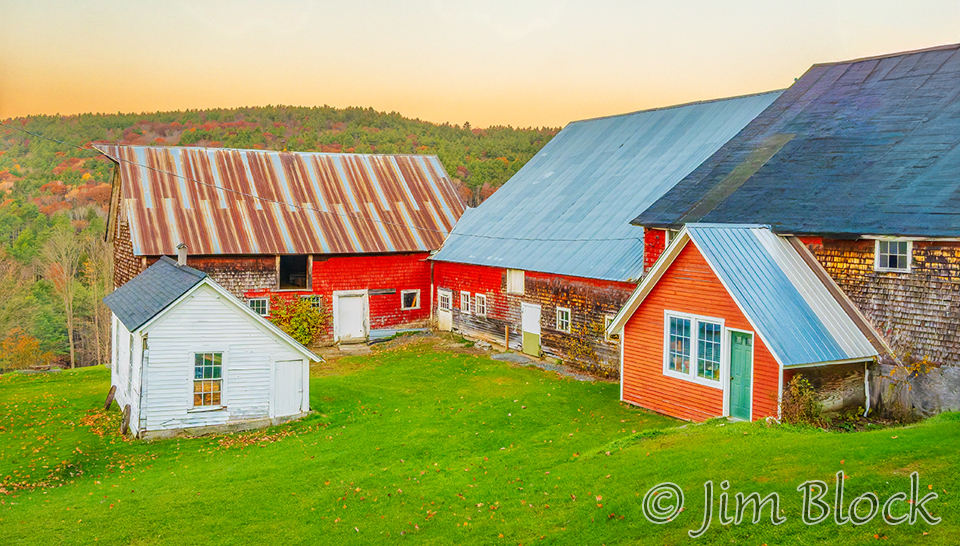
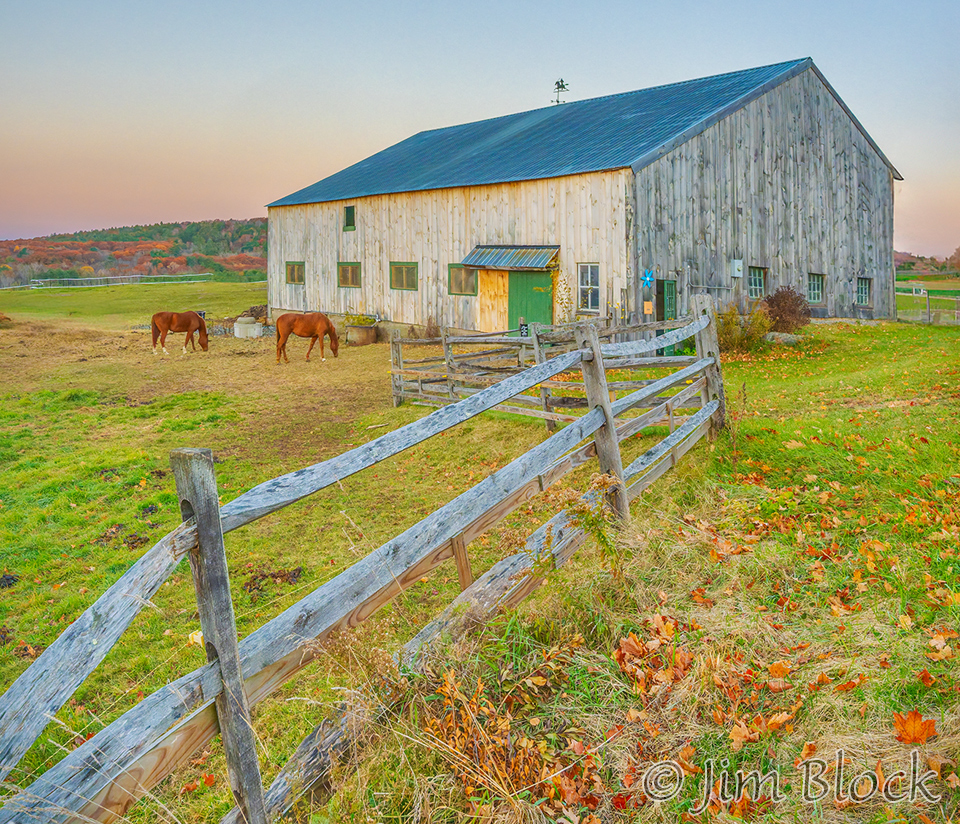
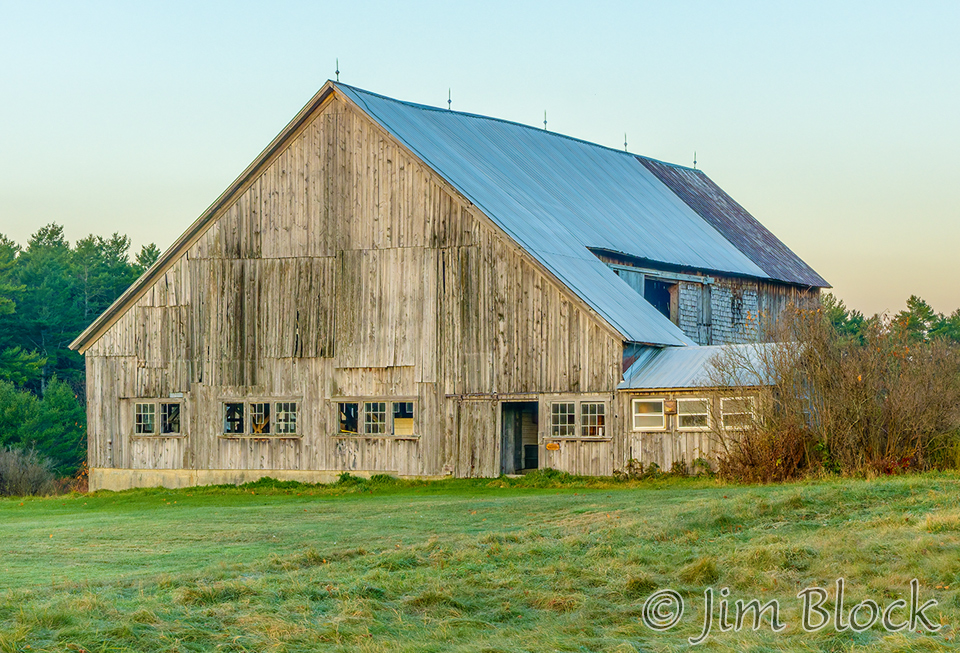
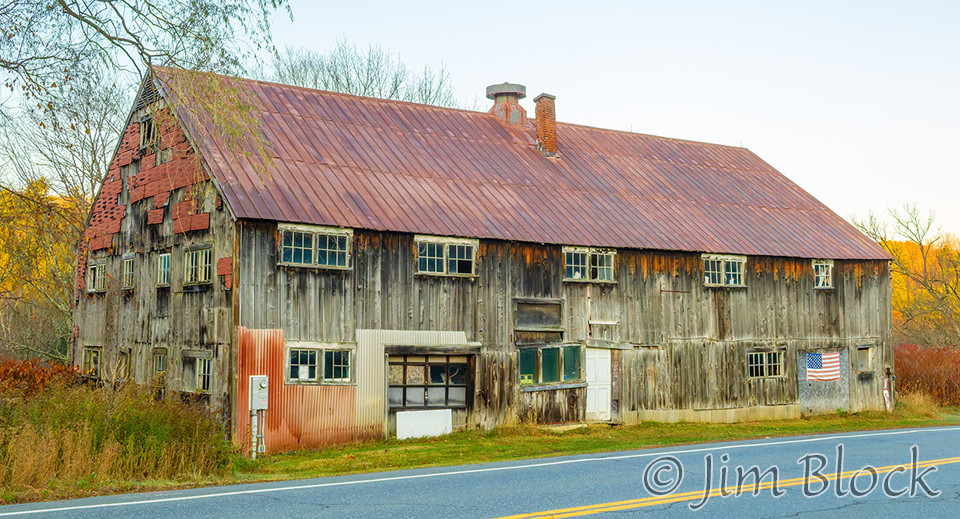
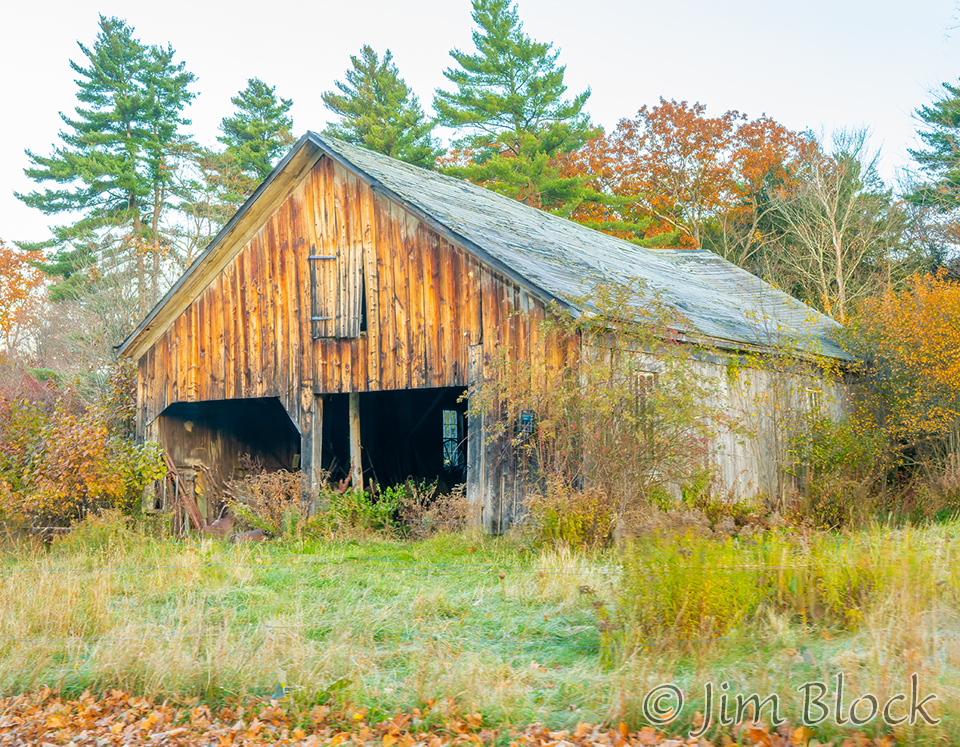
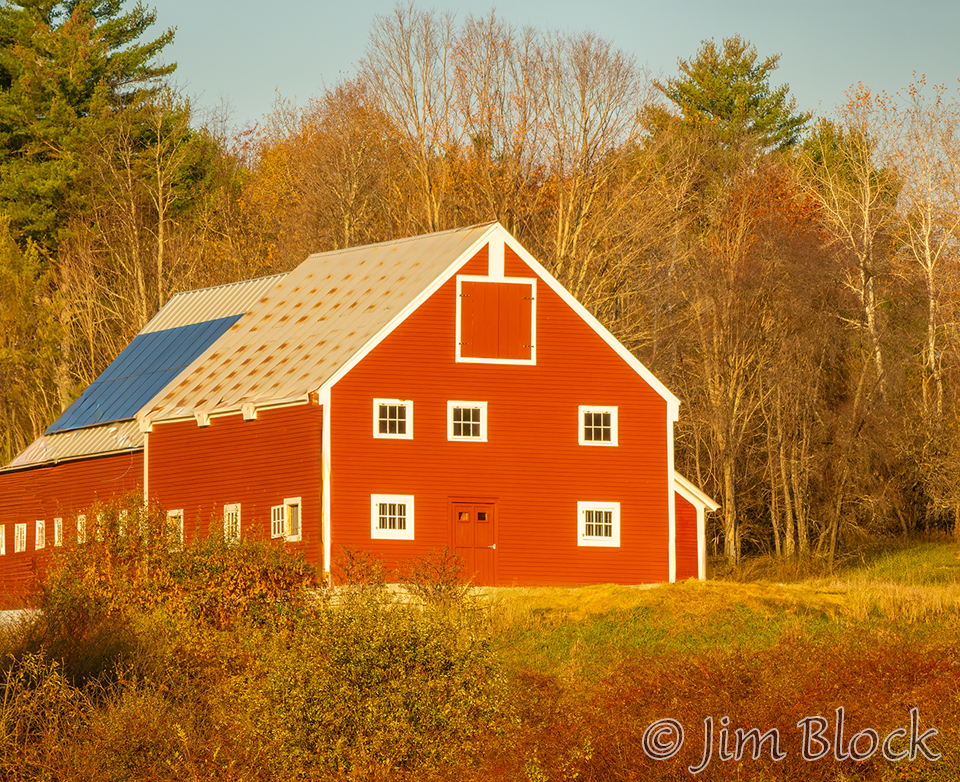
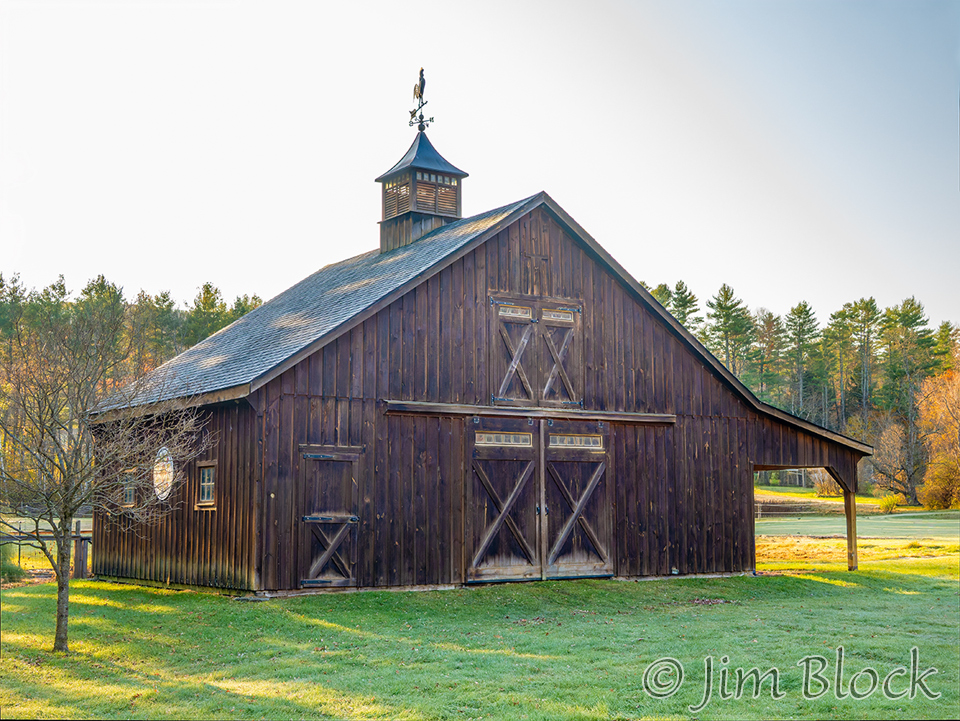
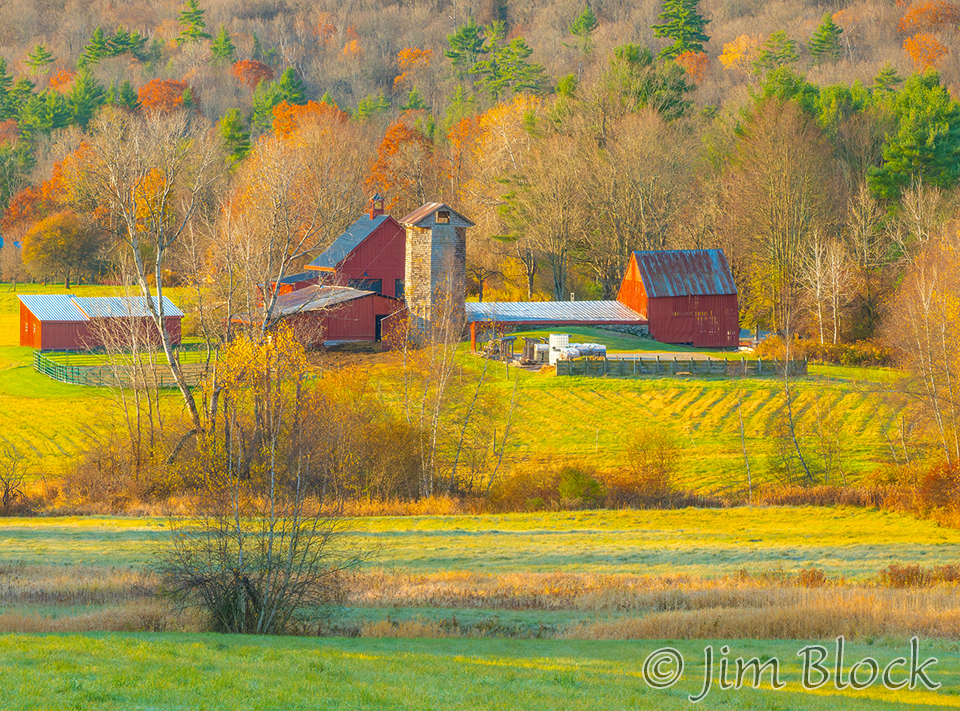
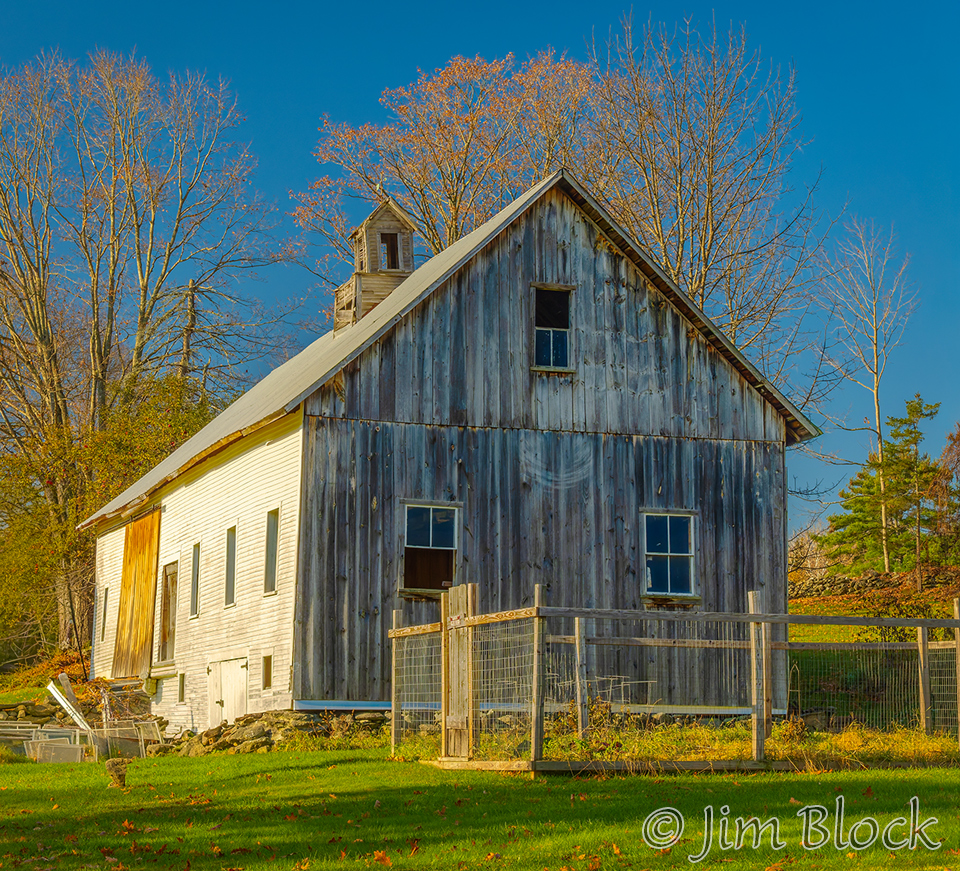
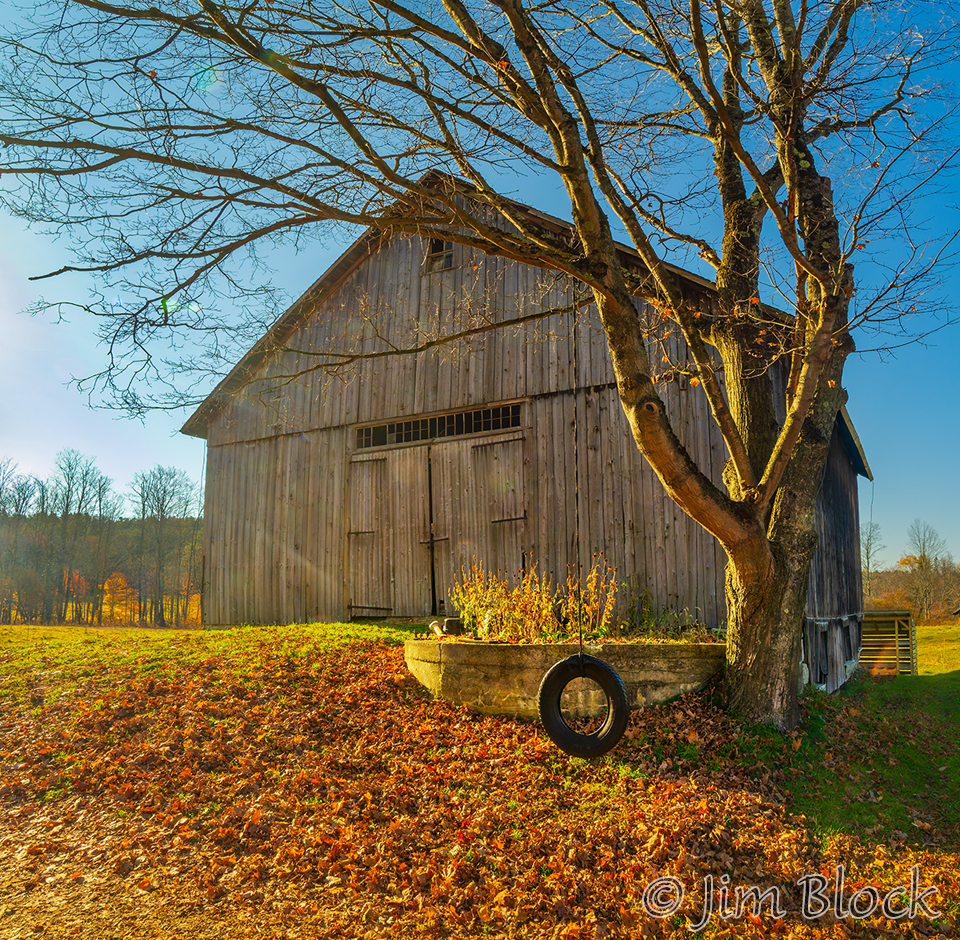
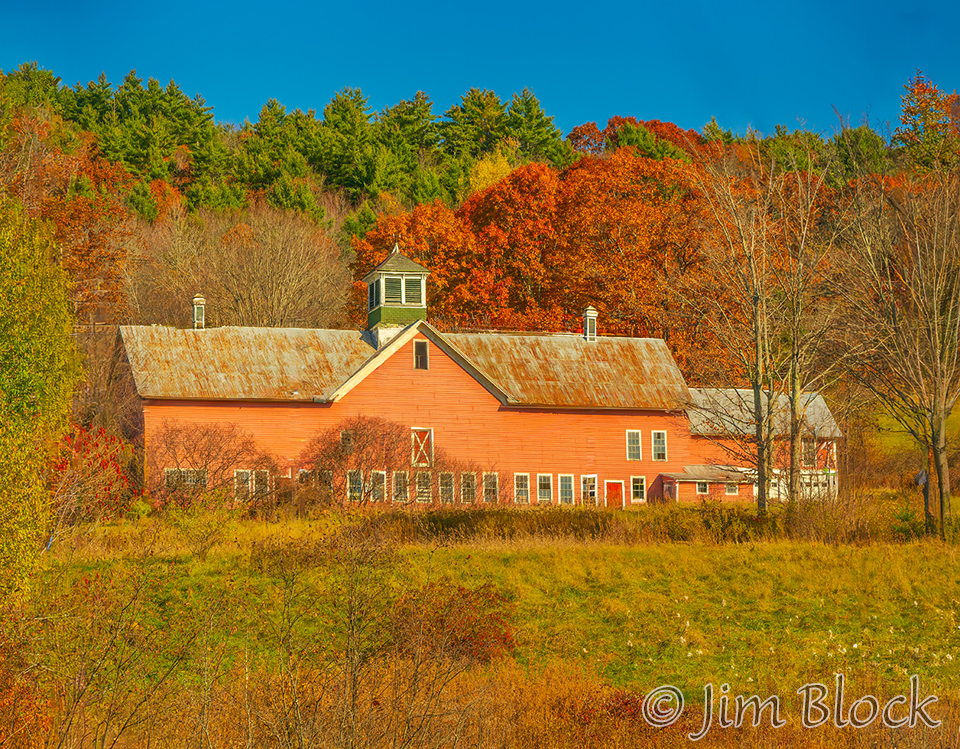
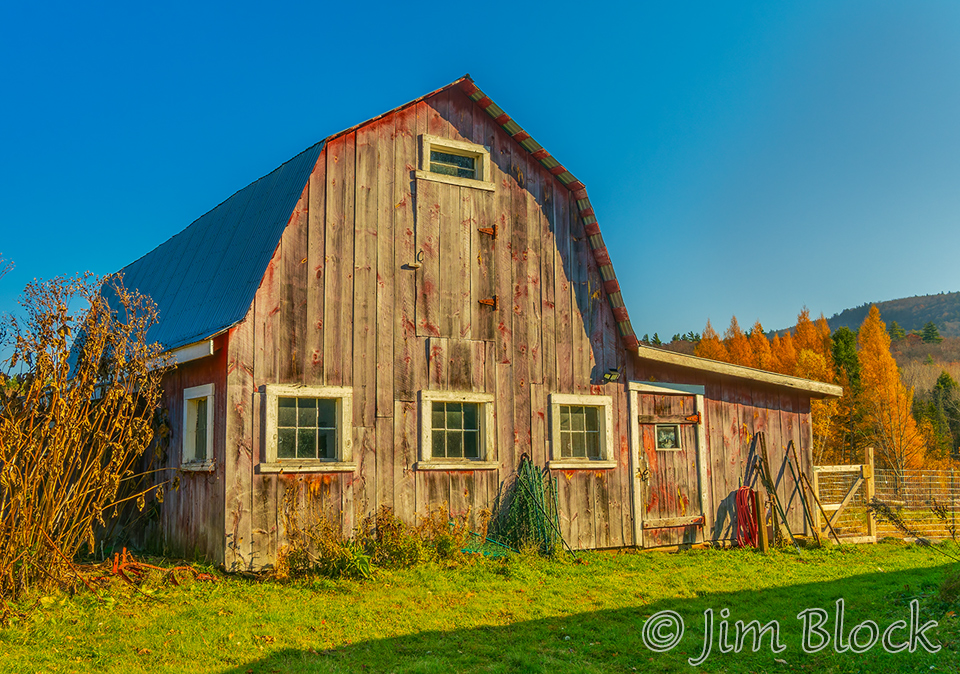
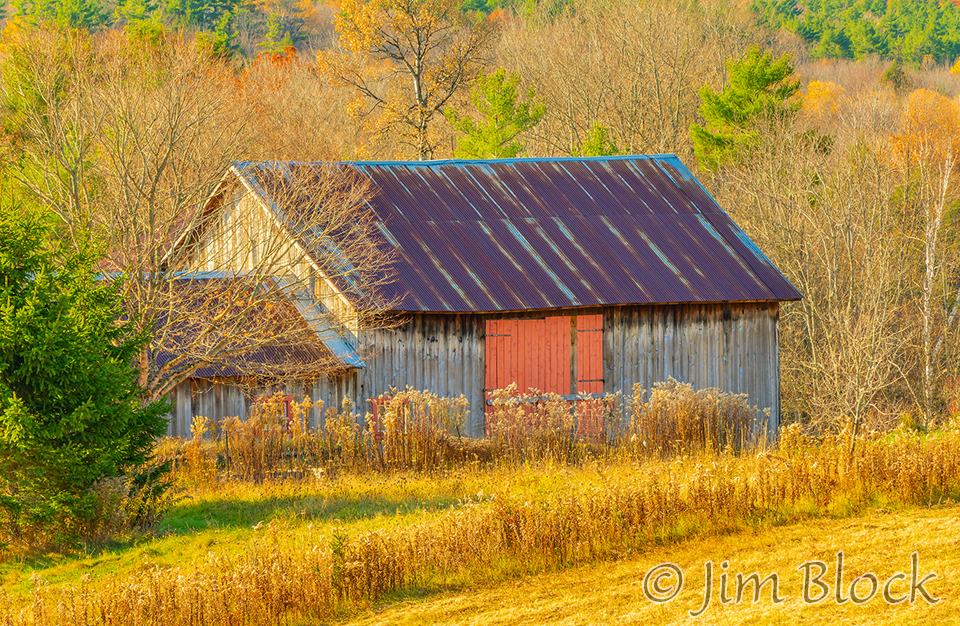
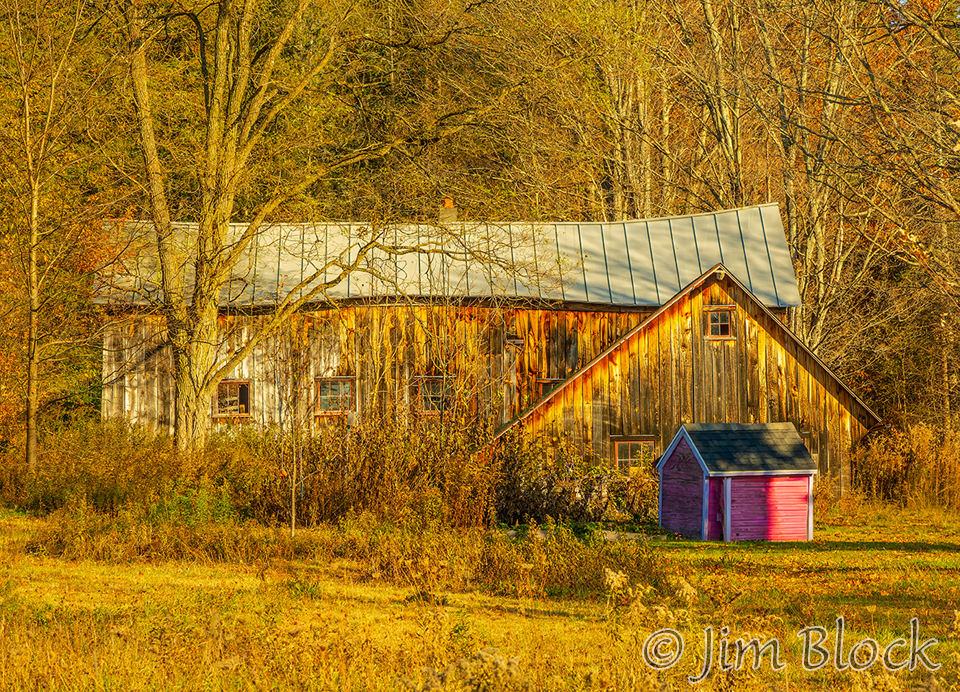
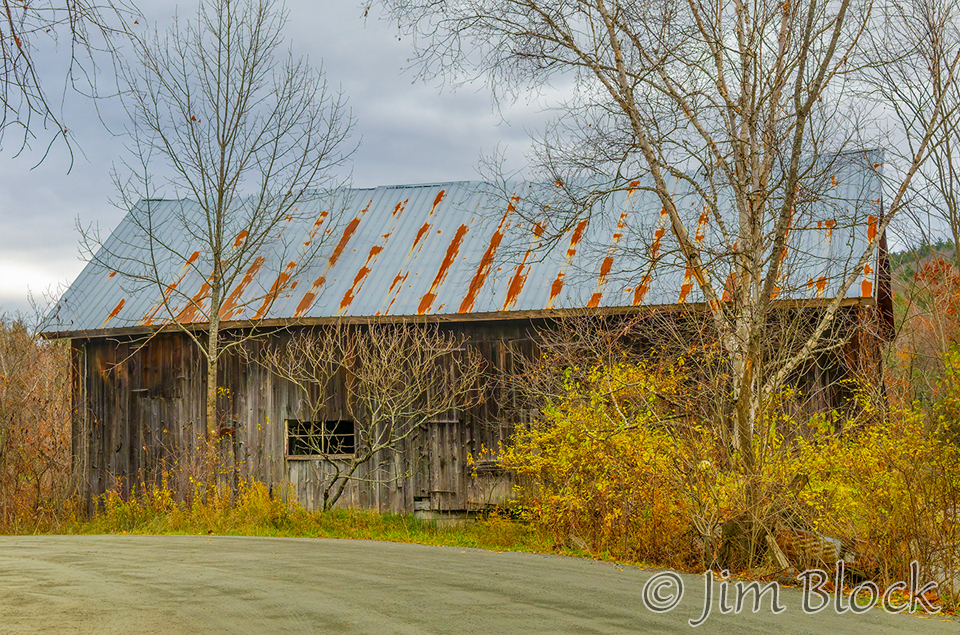
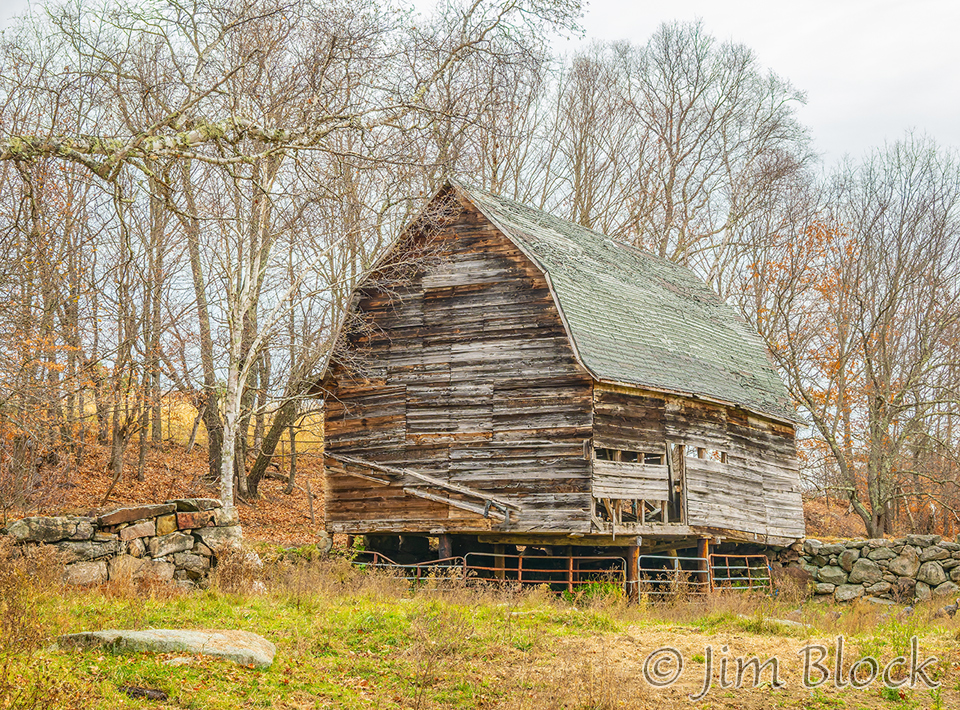
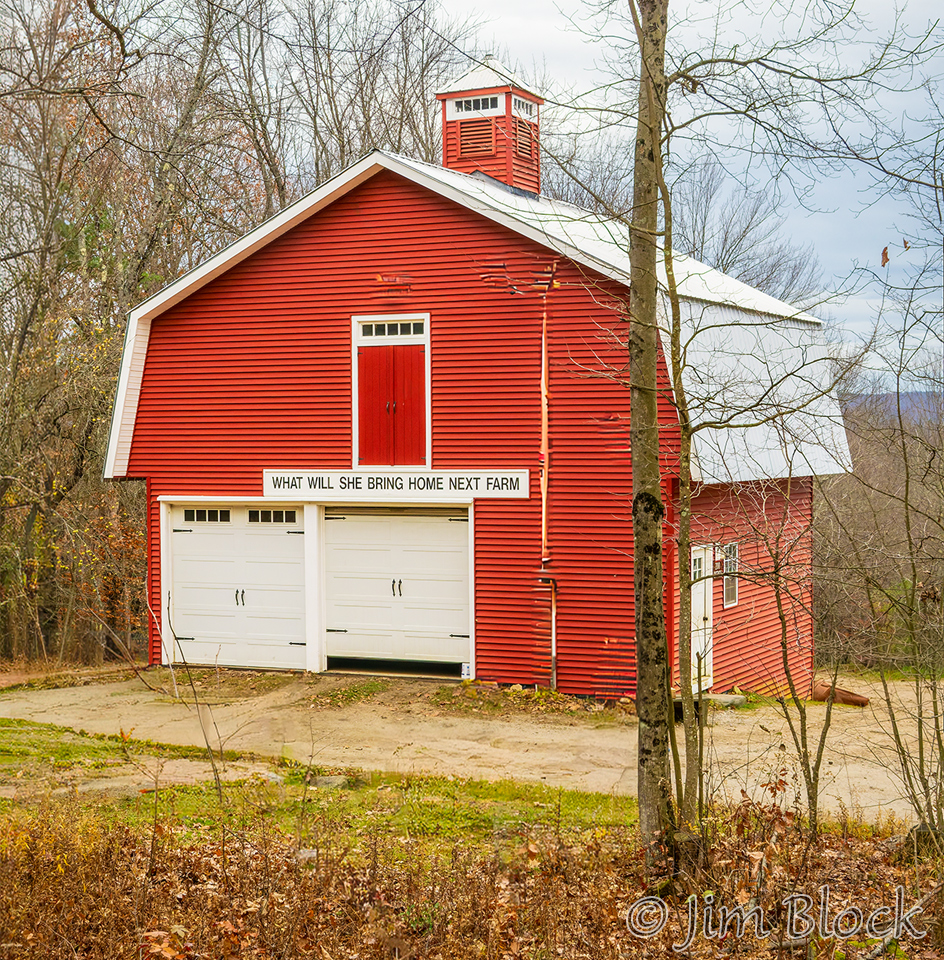
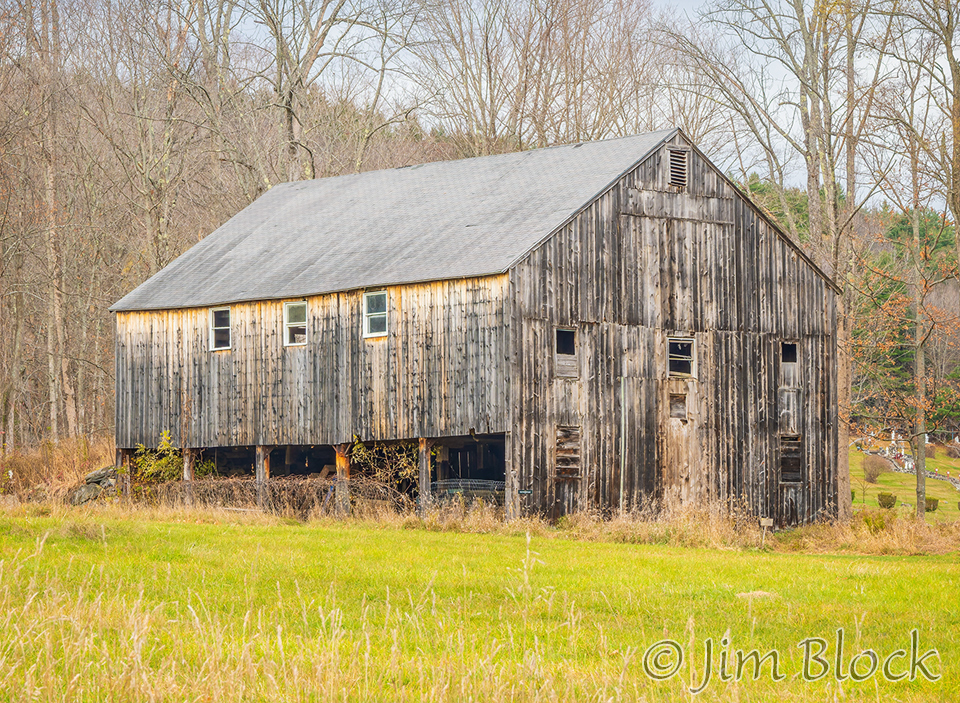
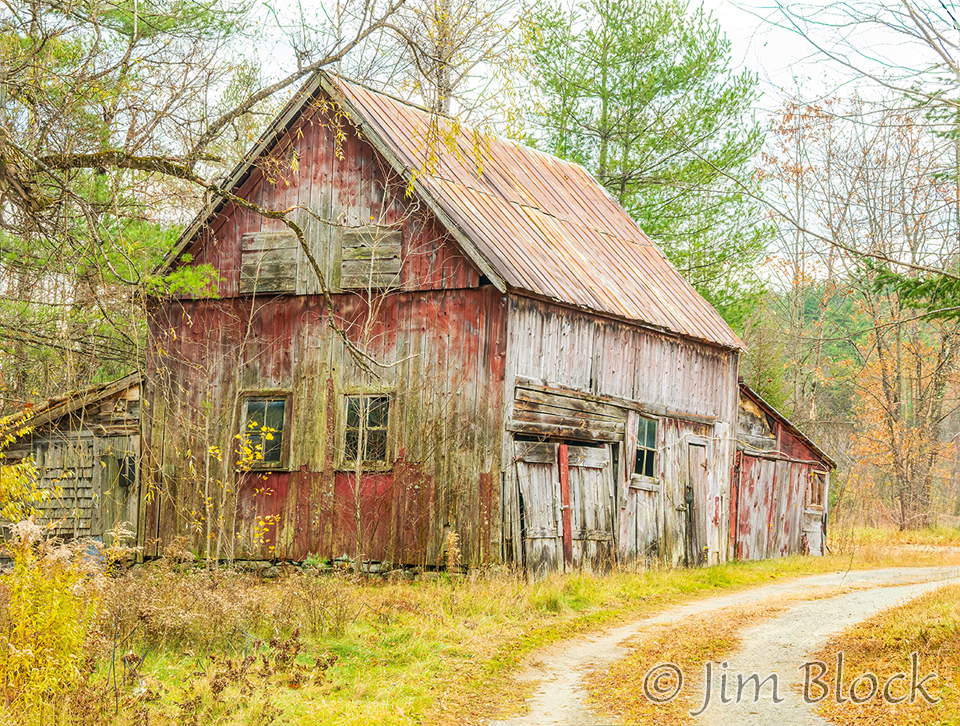
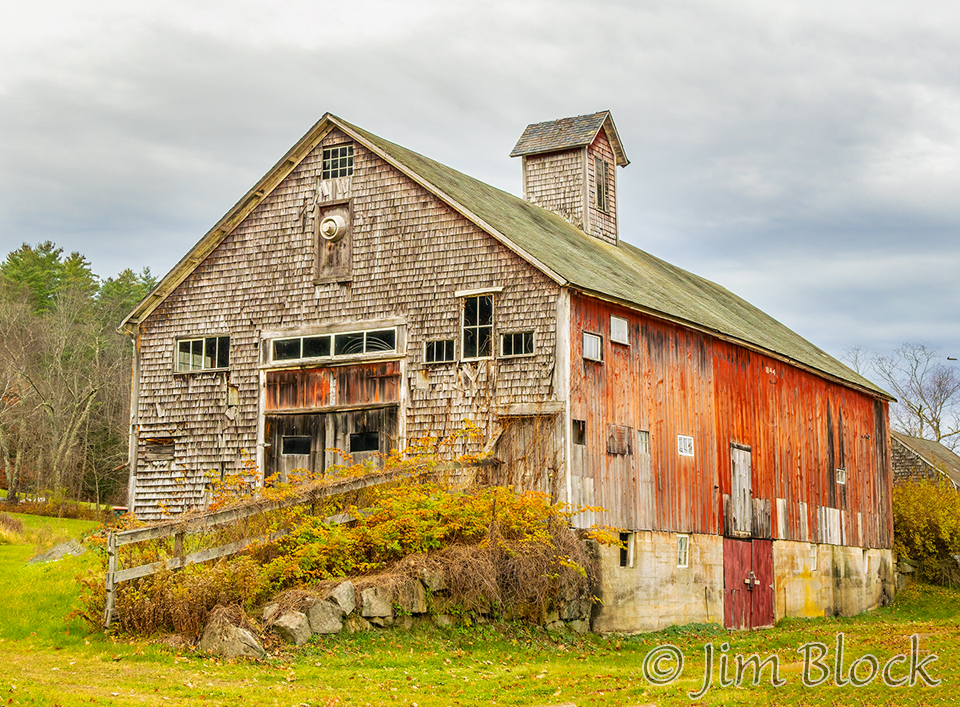
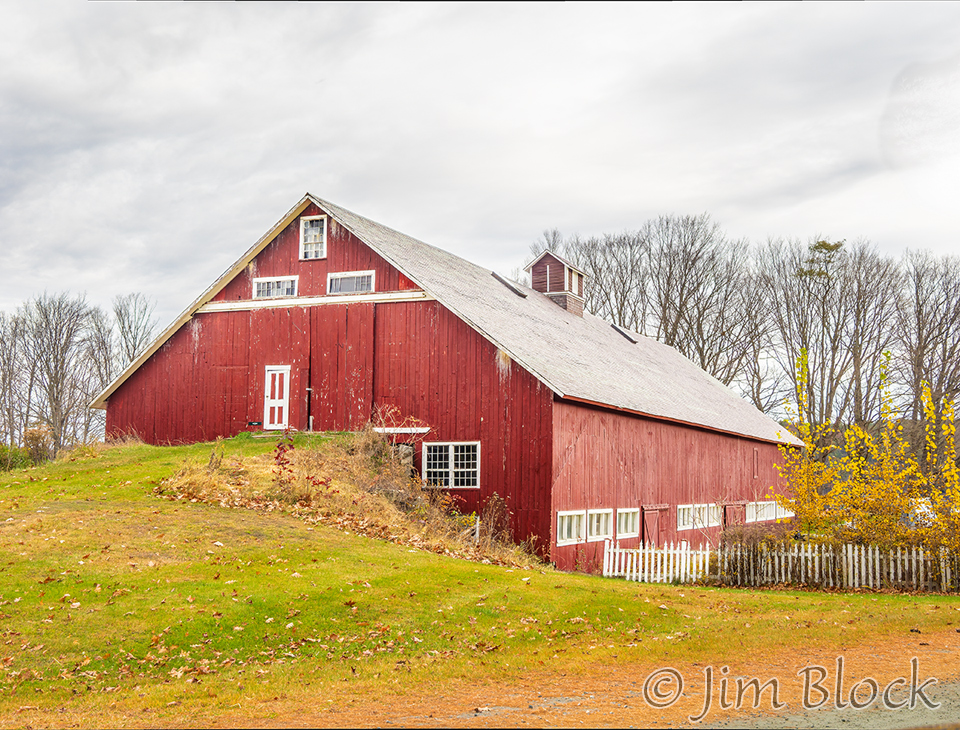
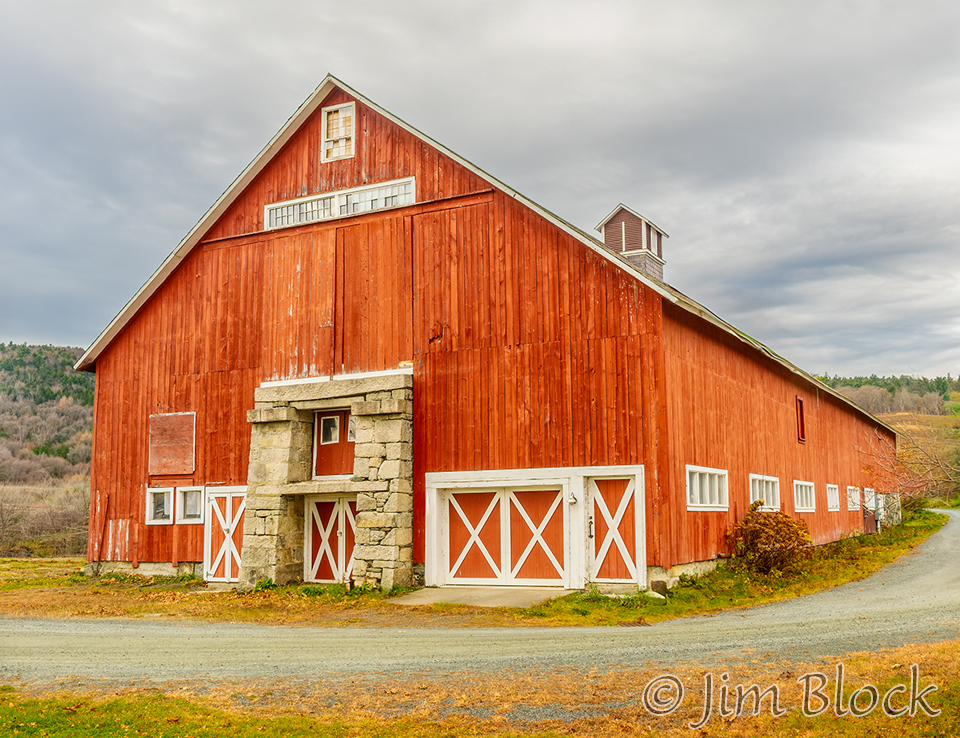
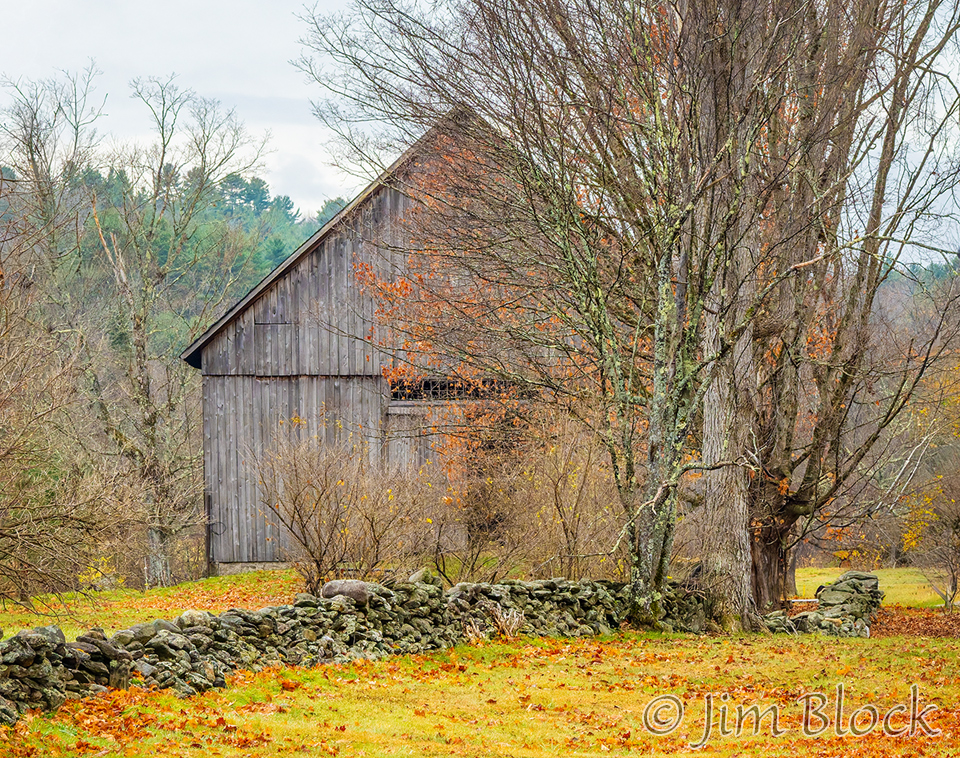
Barns have never been a favorite subject. I prefer to photograph things that are alive: people, animals, birds, insects, and plants. But I noticed I was collecting some photos of them as I wandered NH and VT, so I kept at it and worked to photograph more. Here is a slideshow of my collection from Autumn 2026.