Tortuguero Wildlife
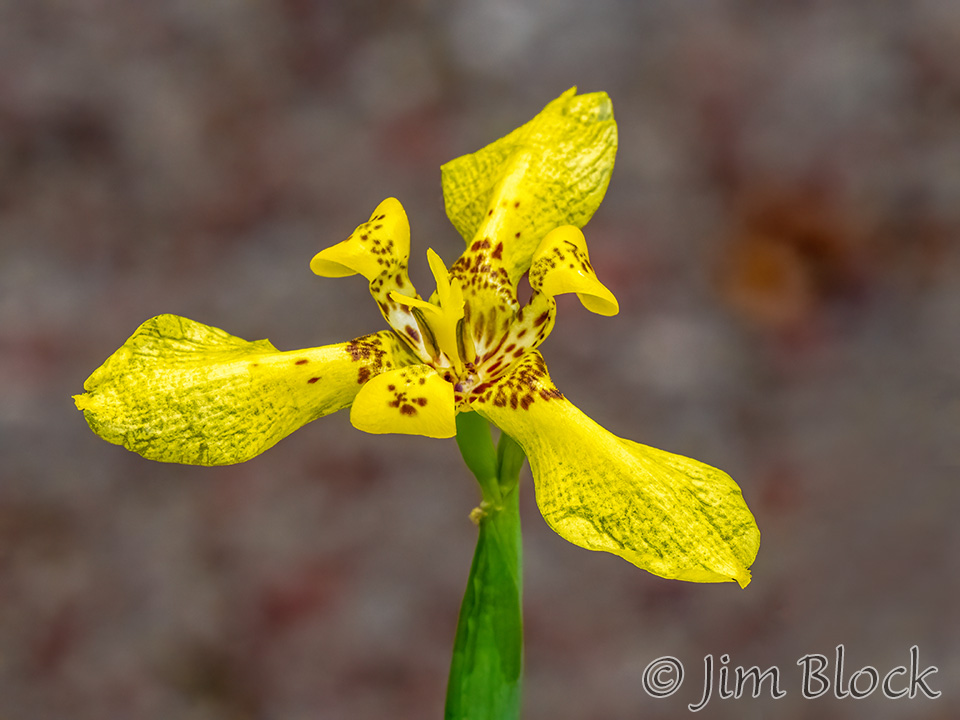
We arrived at Tortuguero around 1 p.m., had a great lunch at the hotel, and around 3 p.m. headed out for a walk. My first photo was a flower.
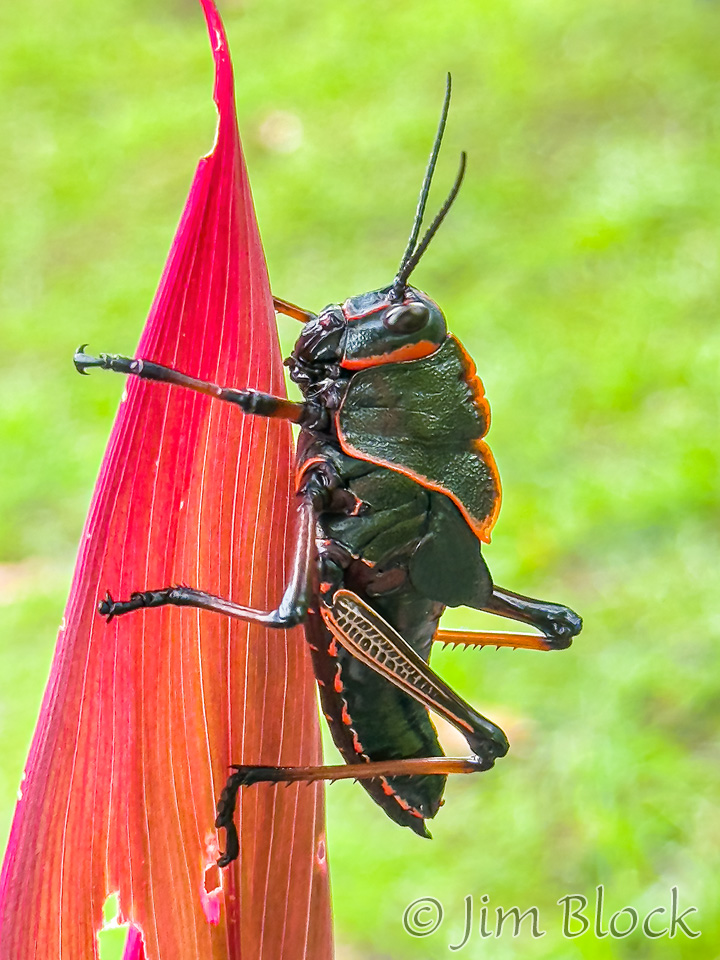
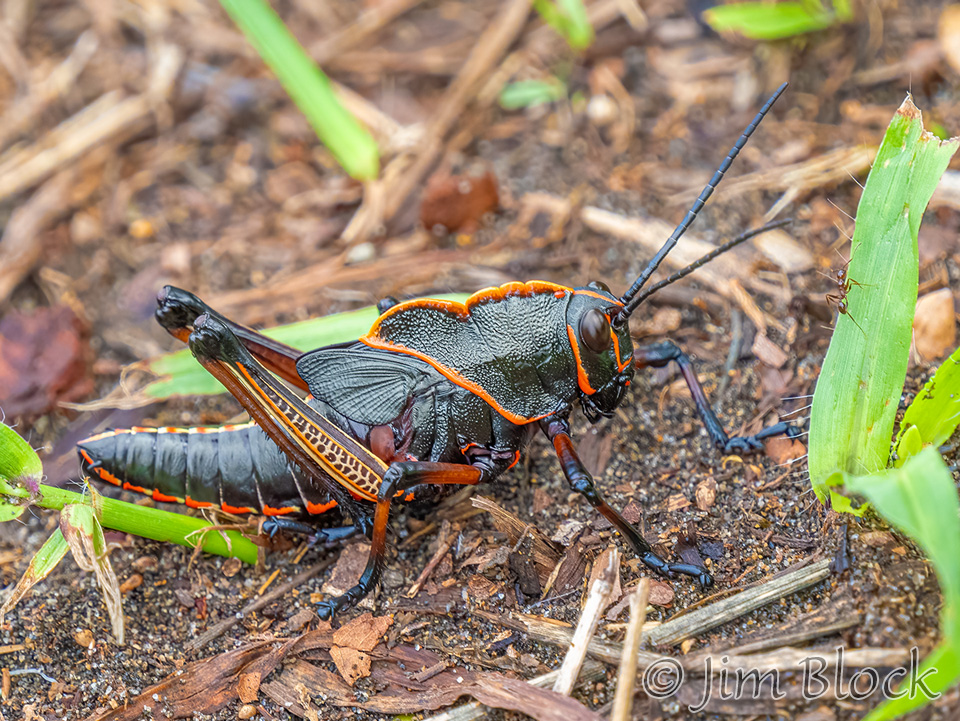
And then a very large and weird reticulate lubber grasshopper.
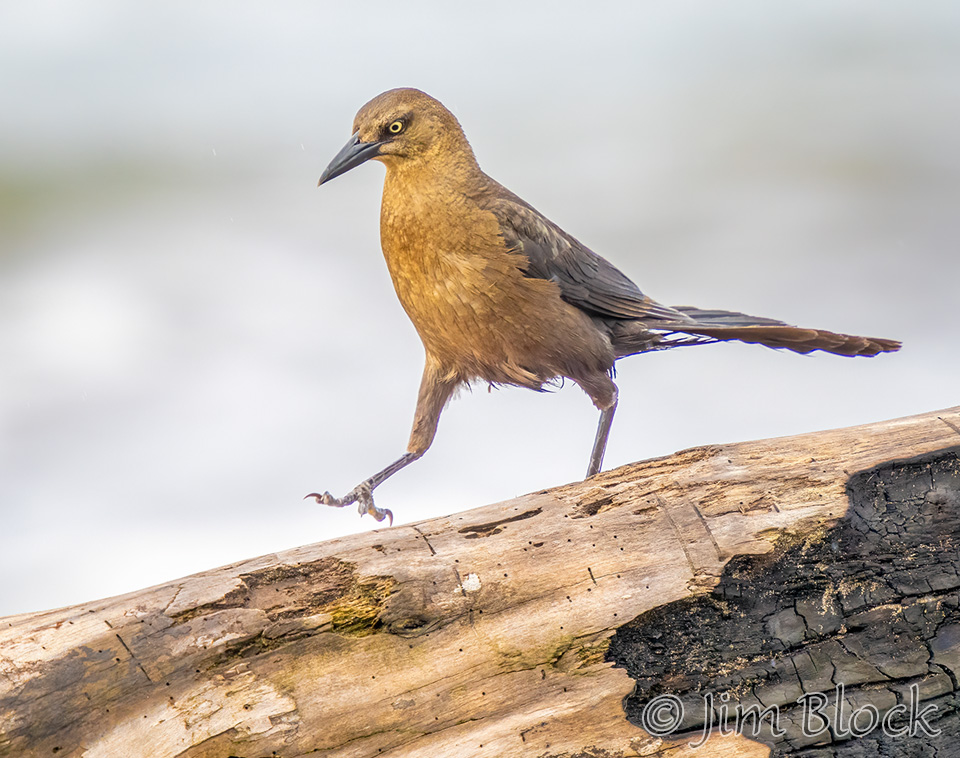
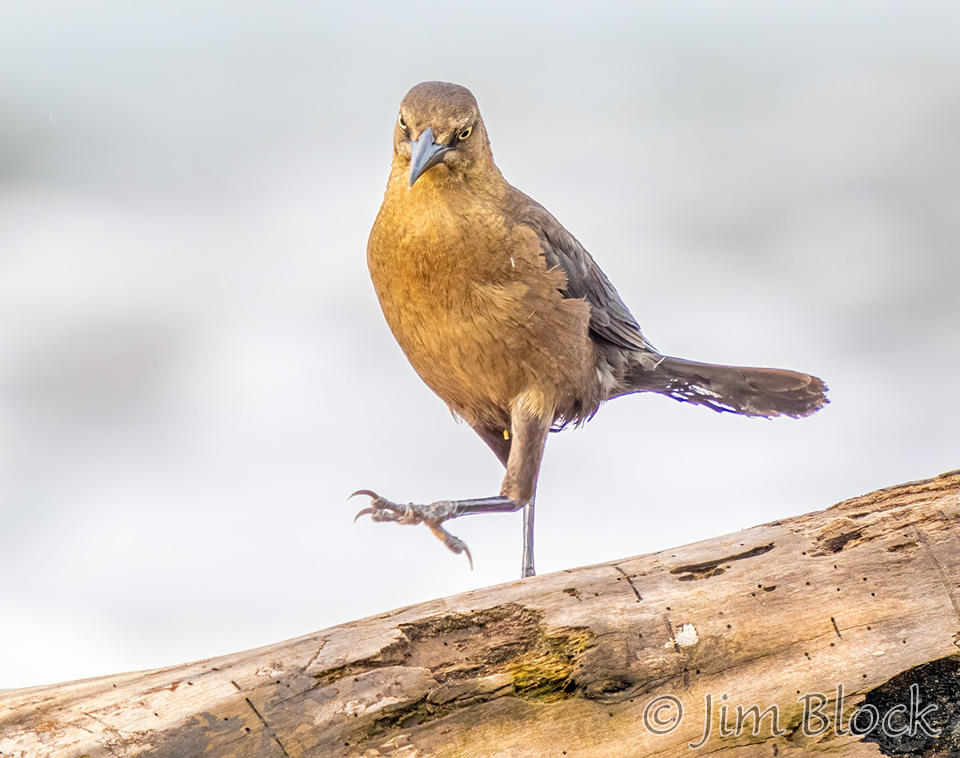
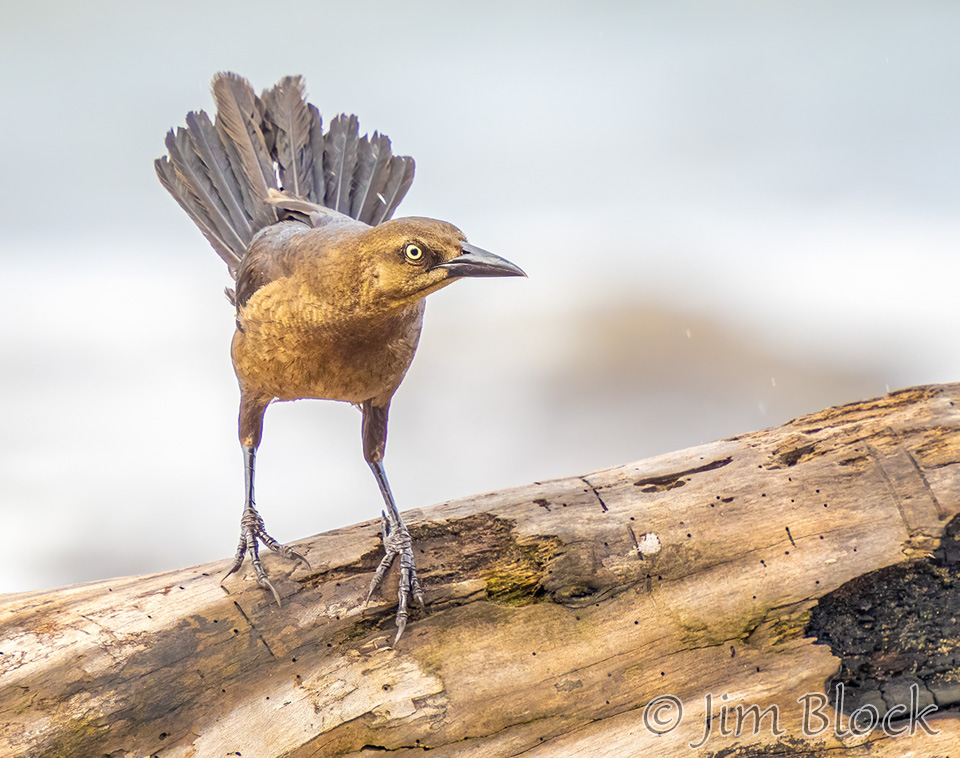
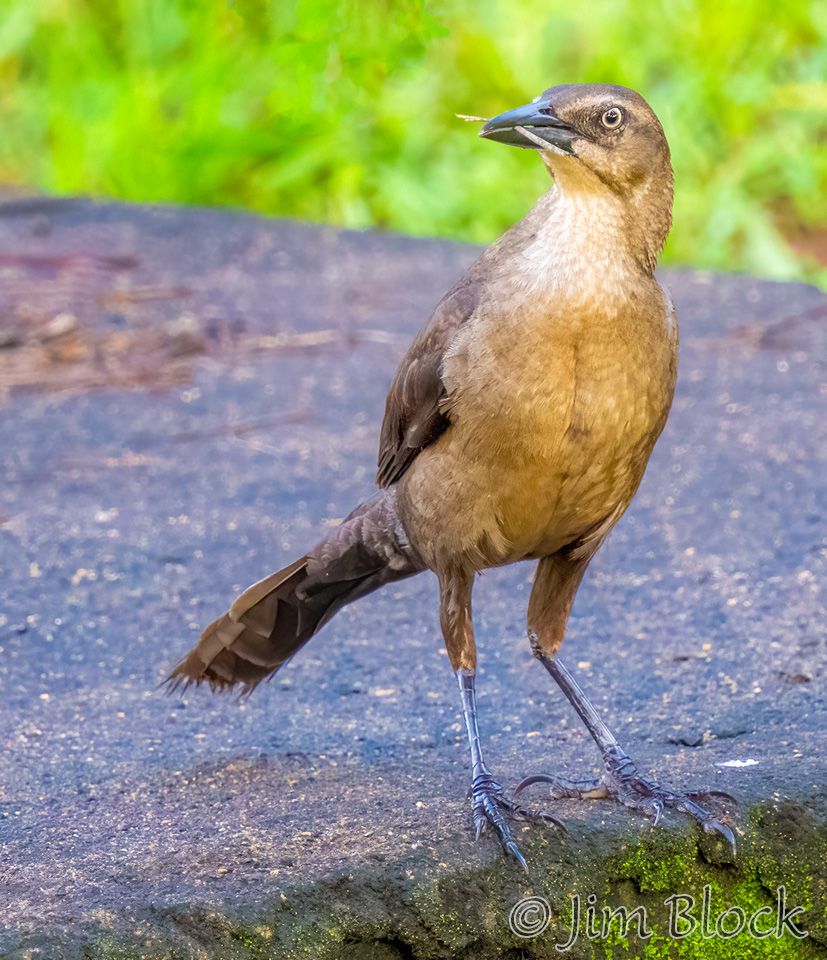
A Great-tailed Grackle was strutting its stuff.
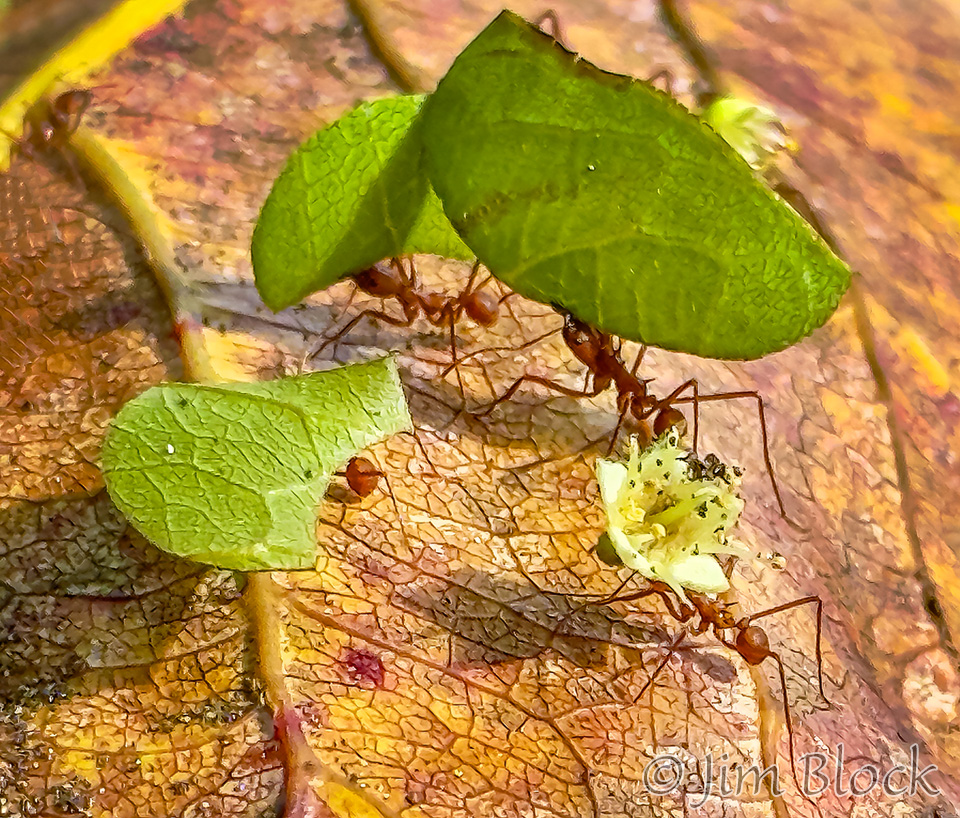
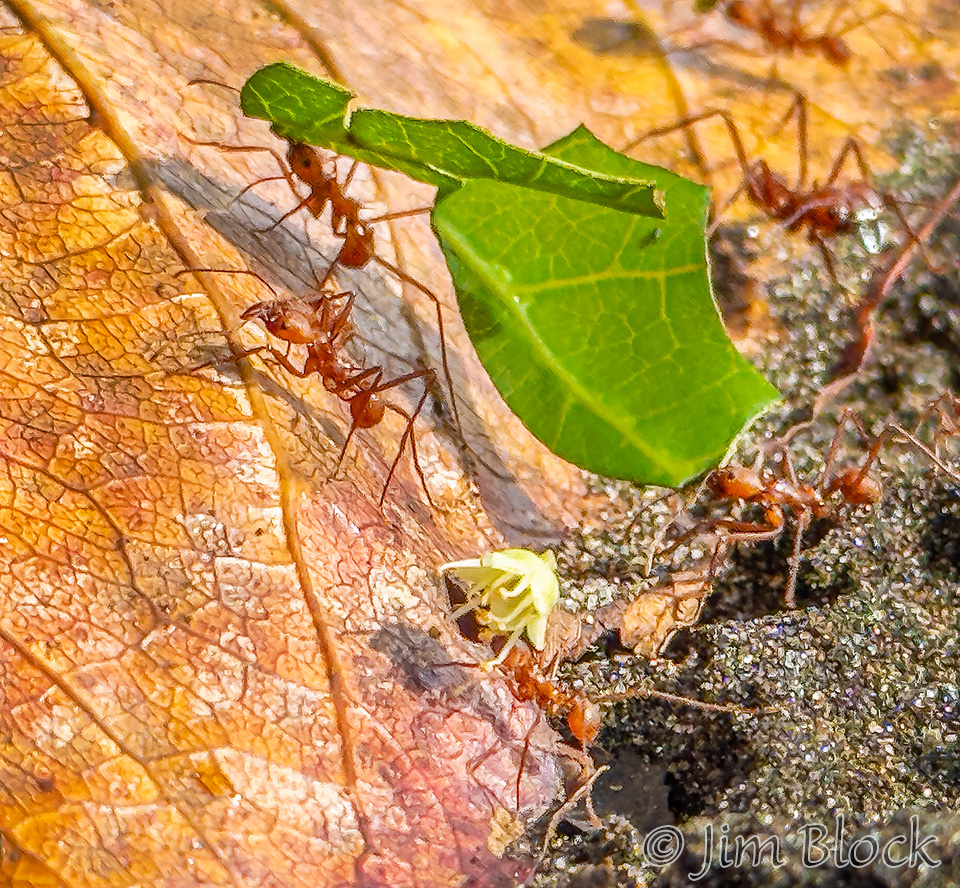
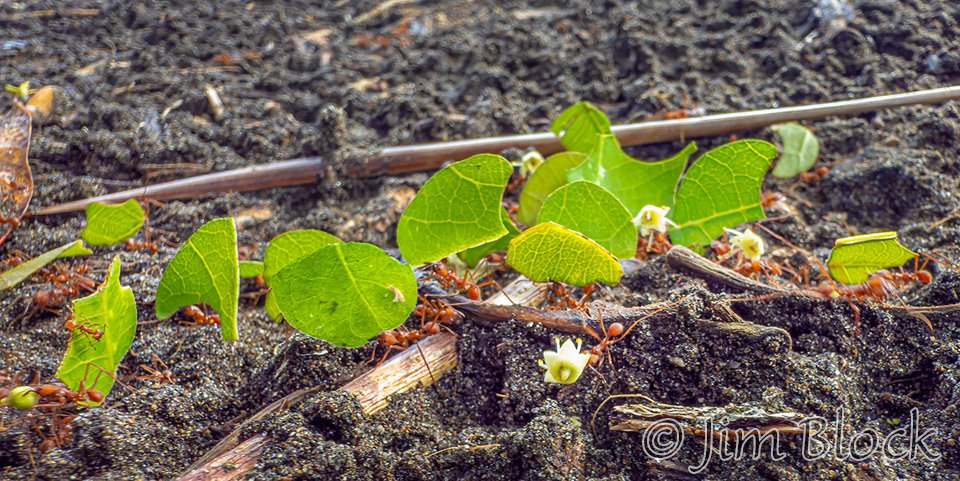
And we came across leafcutter ants. Some were carrying a flower from a sea almond.
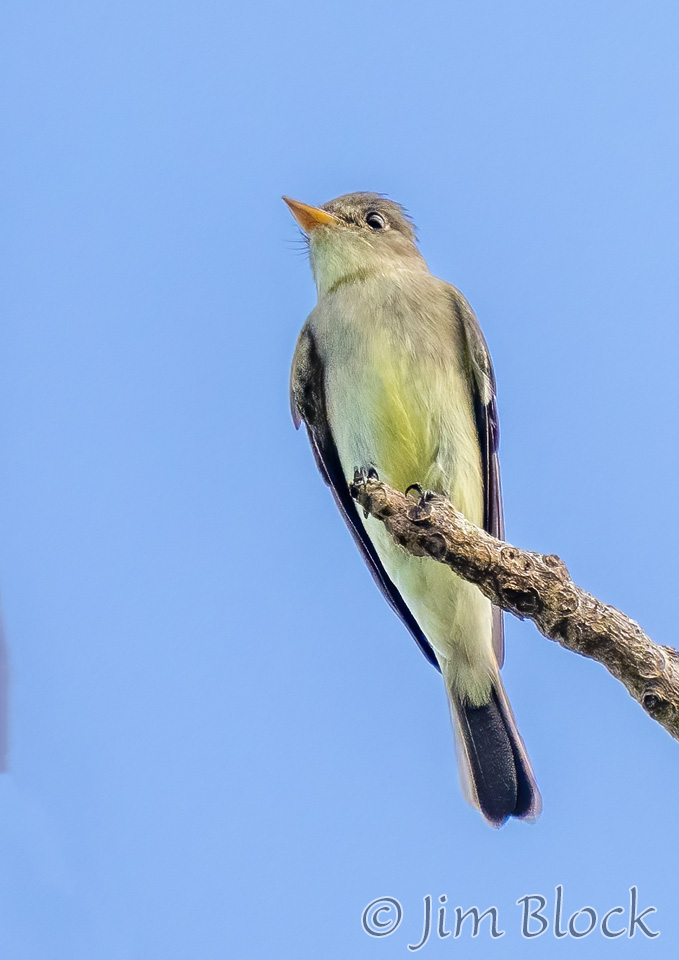
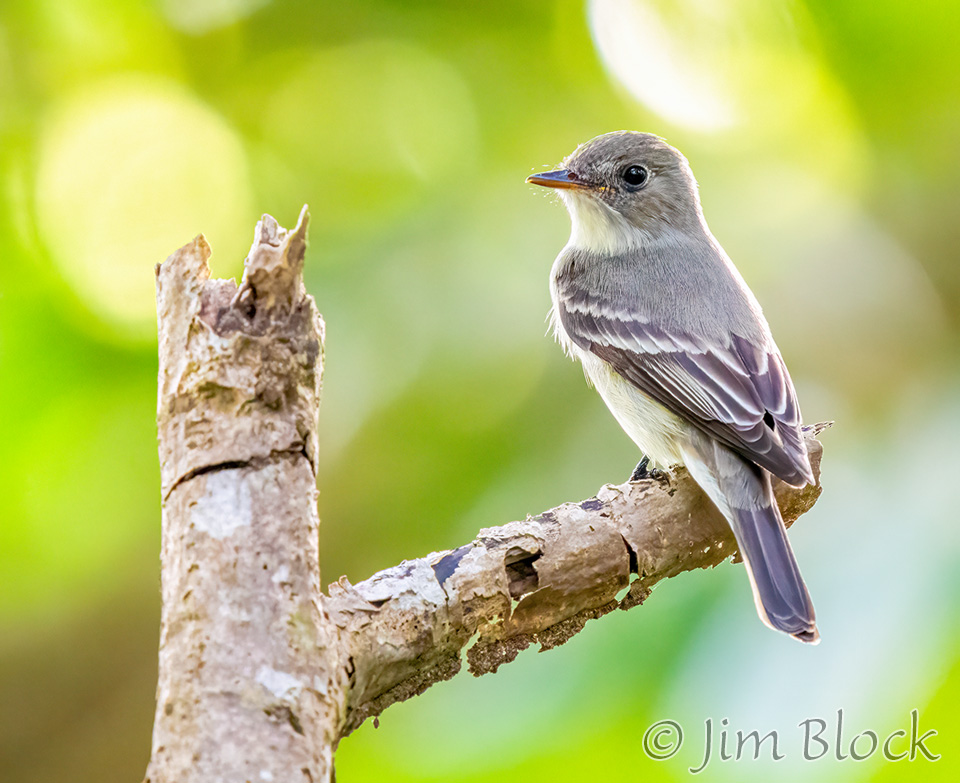
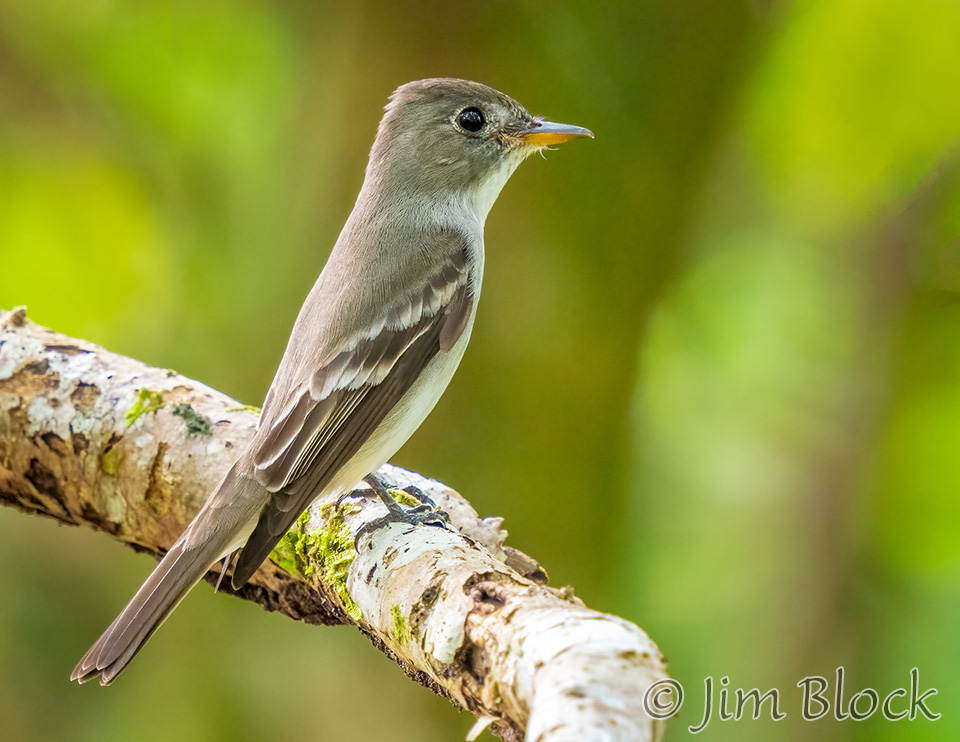
I got a photo of a Northern Tropical Pewee.
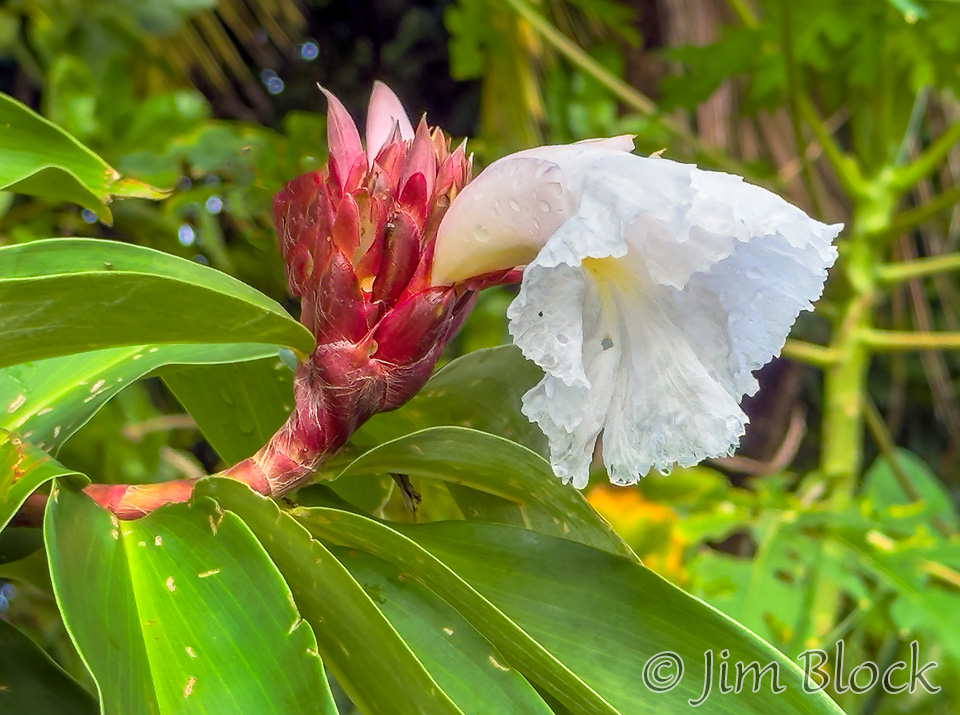
And a Crêpe Ginger flower.
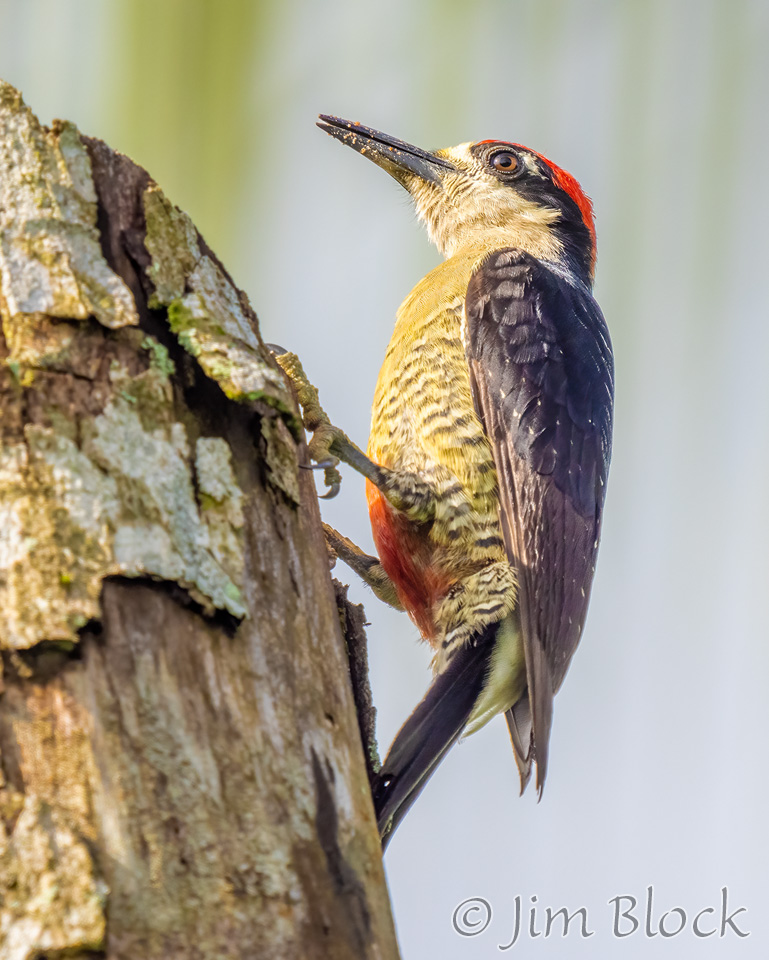
I’d photographed a Black-cheeked Woodpecker at Arenal, and I found another here in Tortuguero.
Then two similar birds:
A Yellow-bellied Flycatcher.
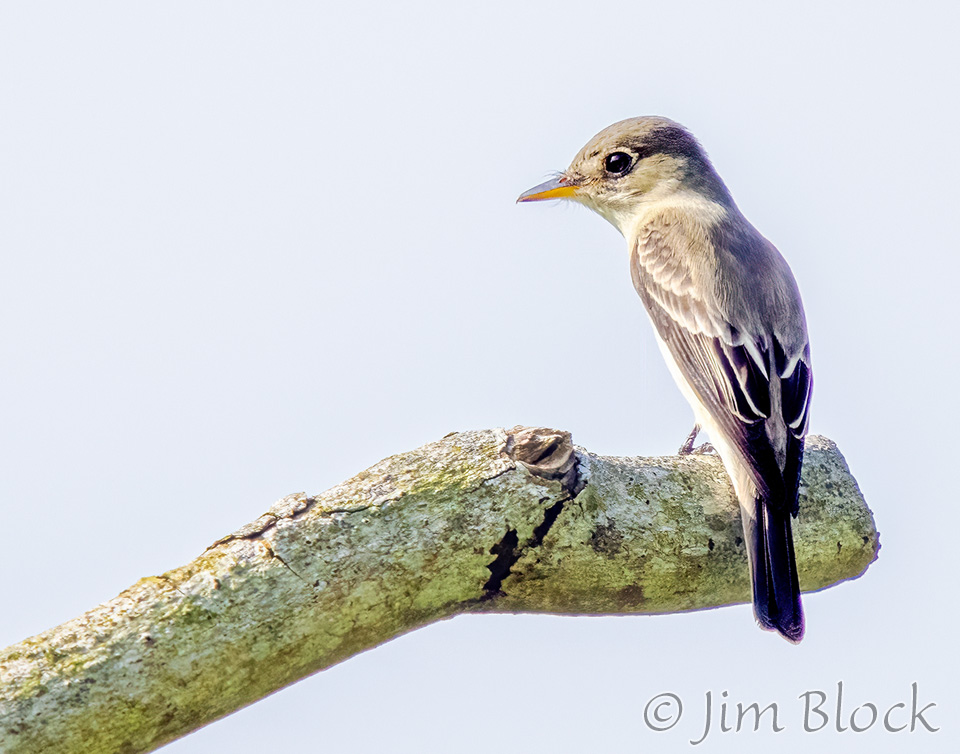
And another Northern Tropical Pewee.
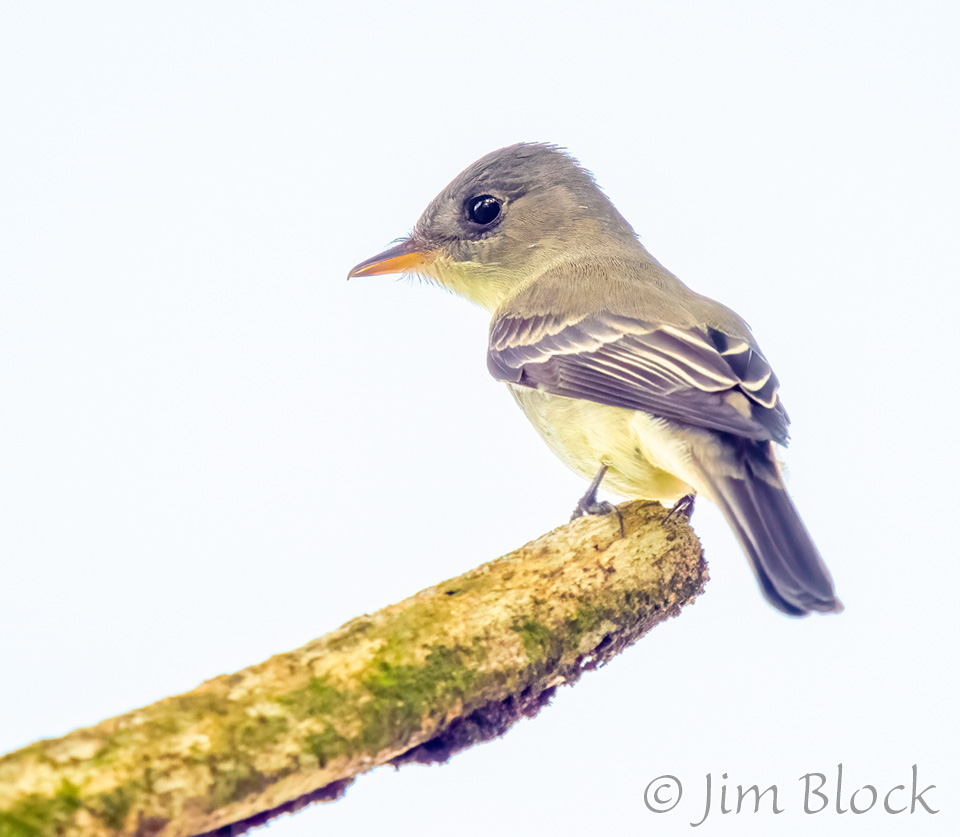
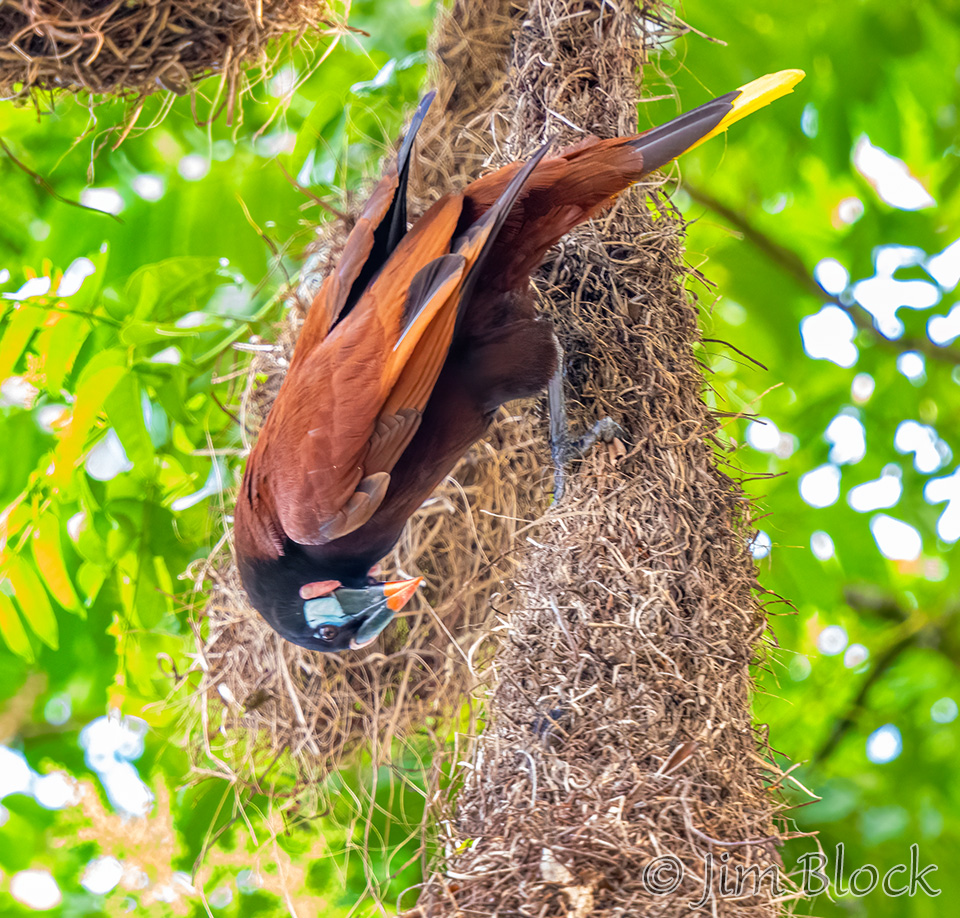
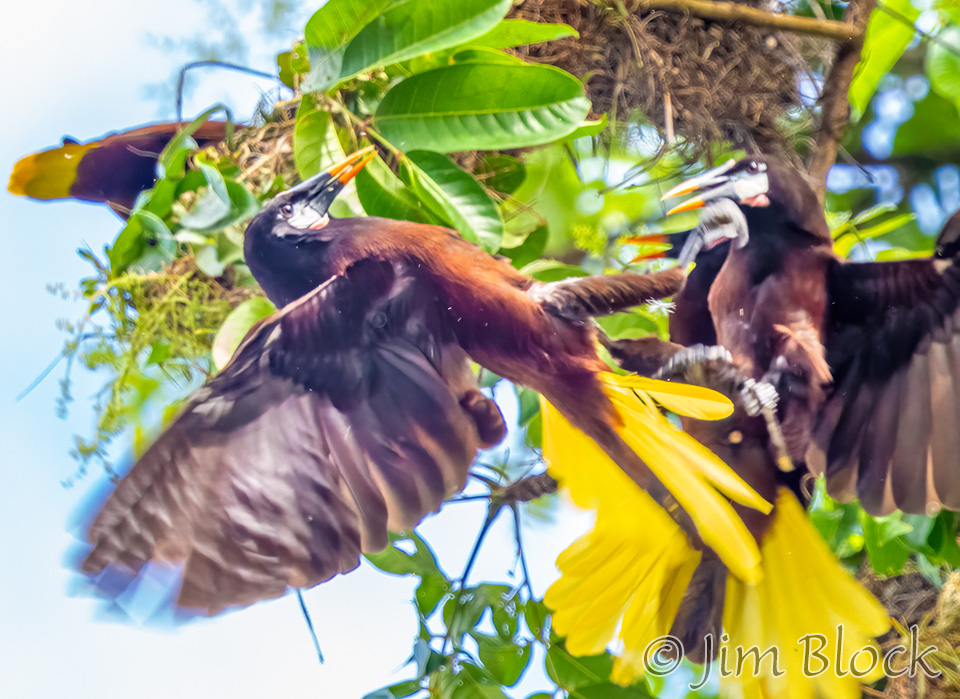
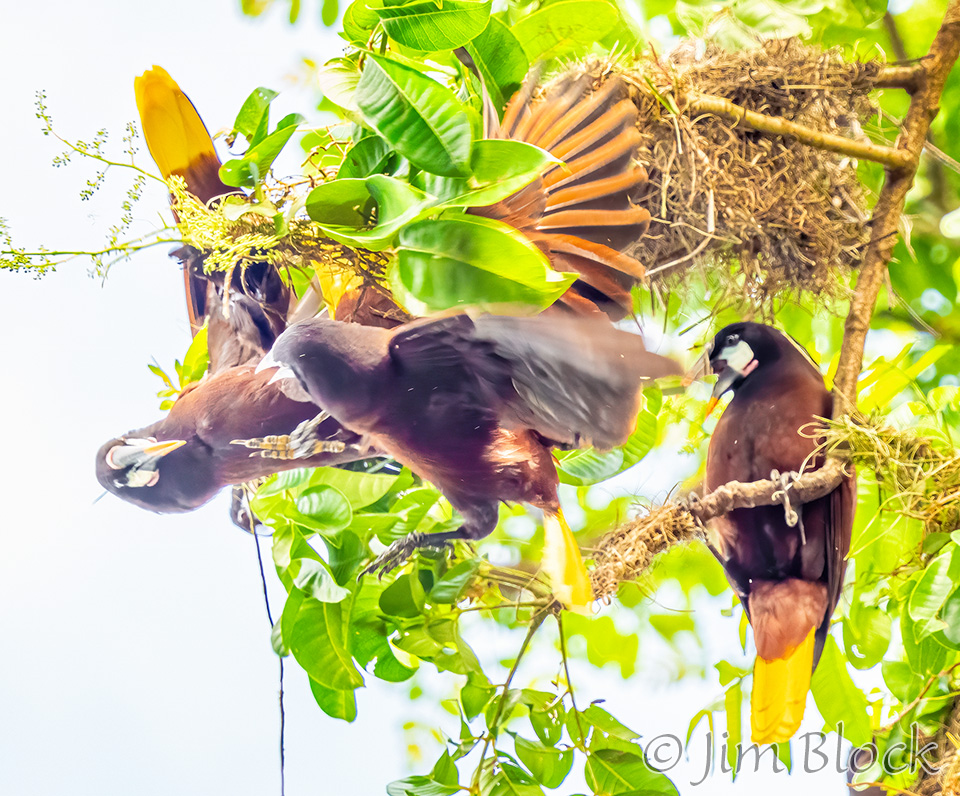
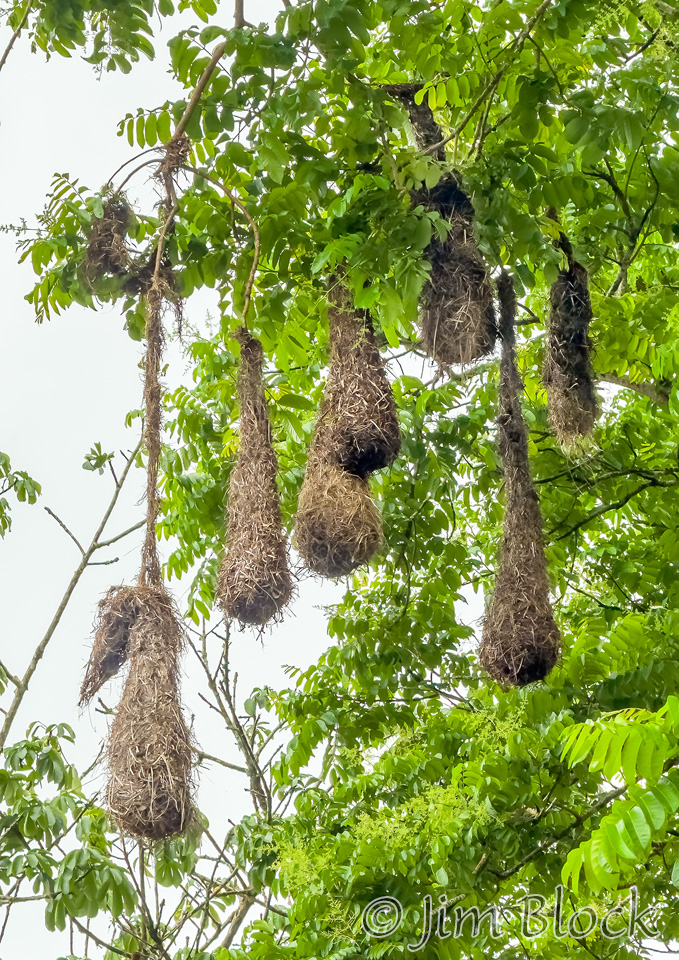
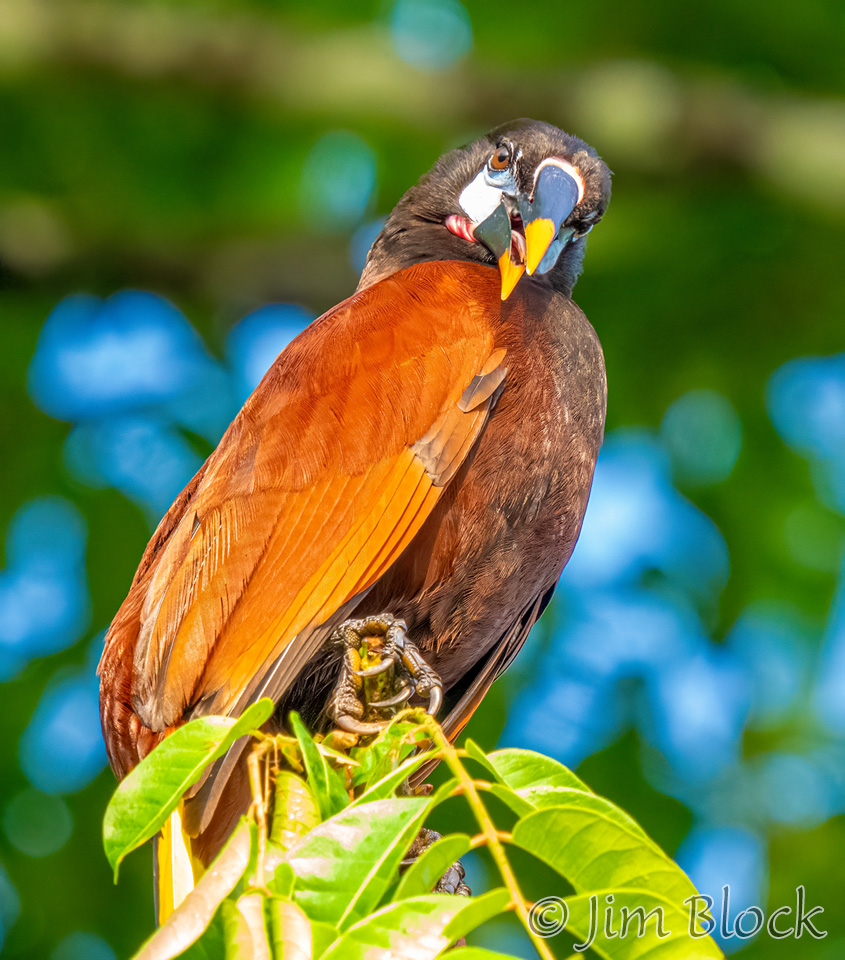
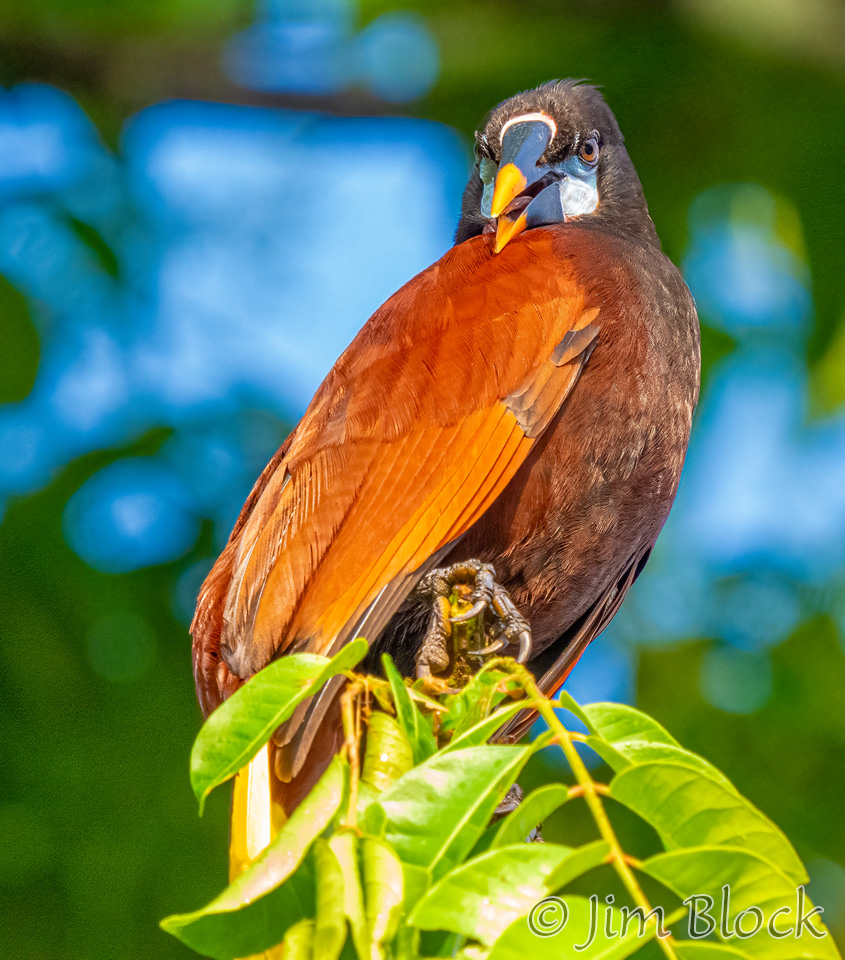
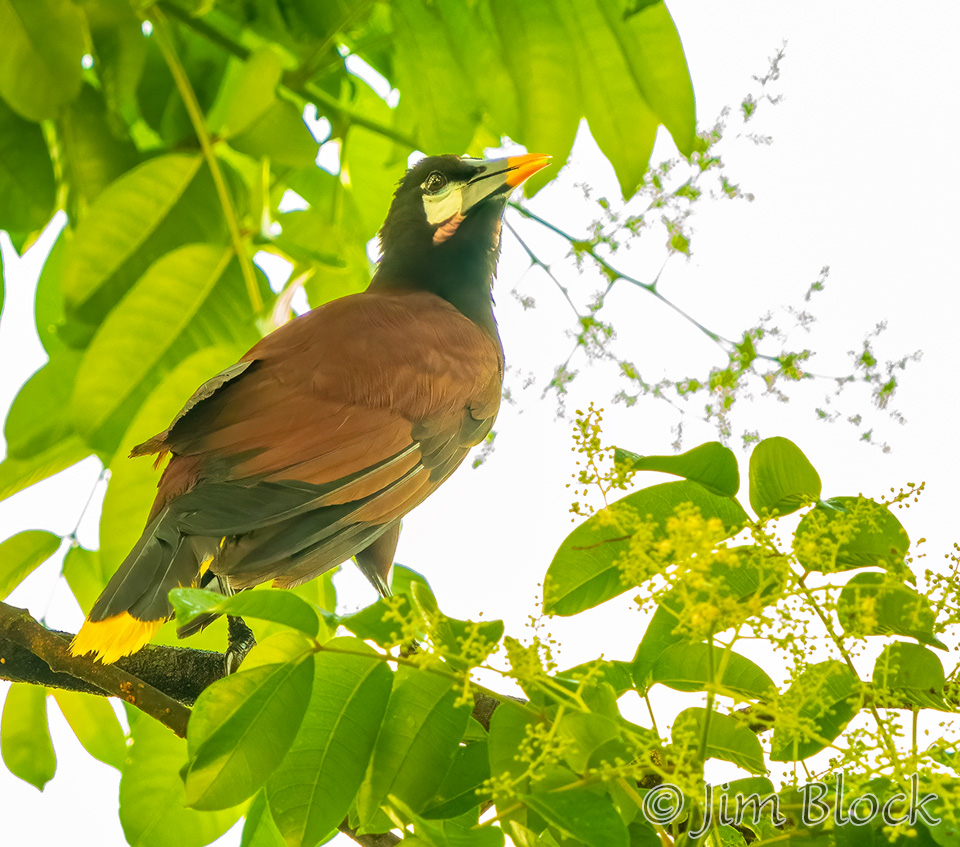
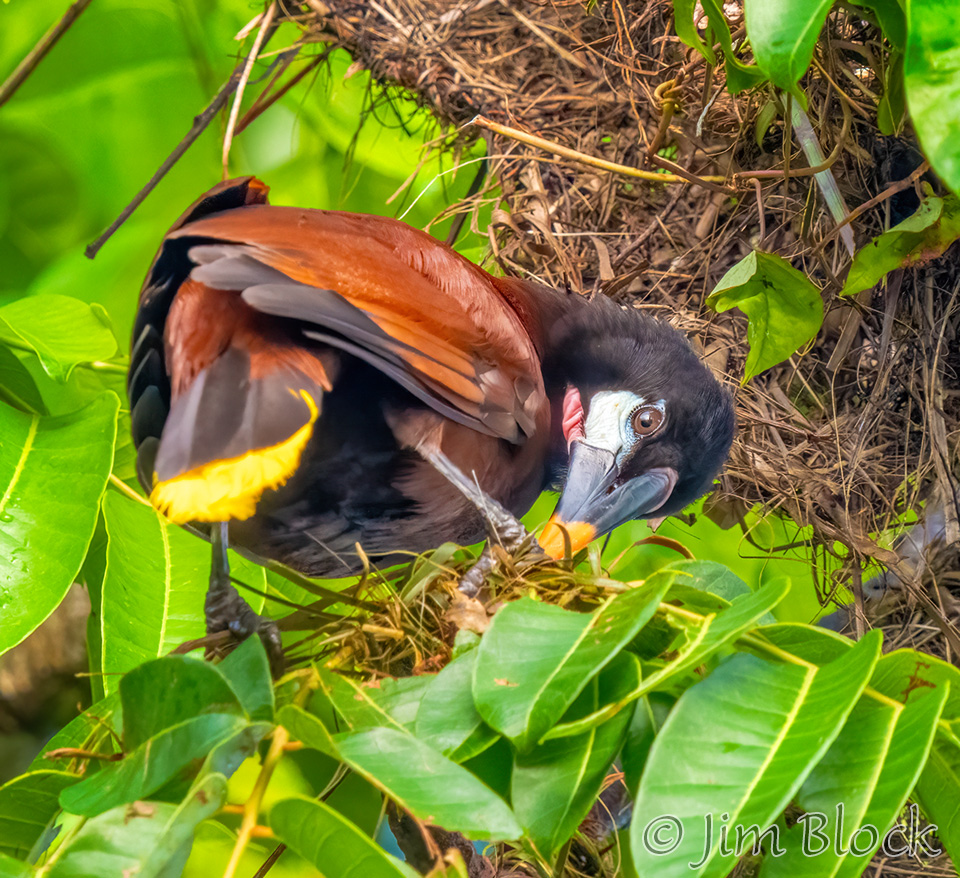
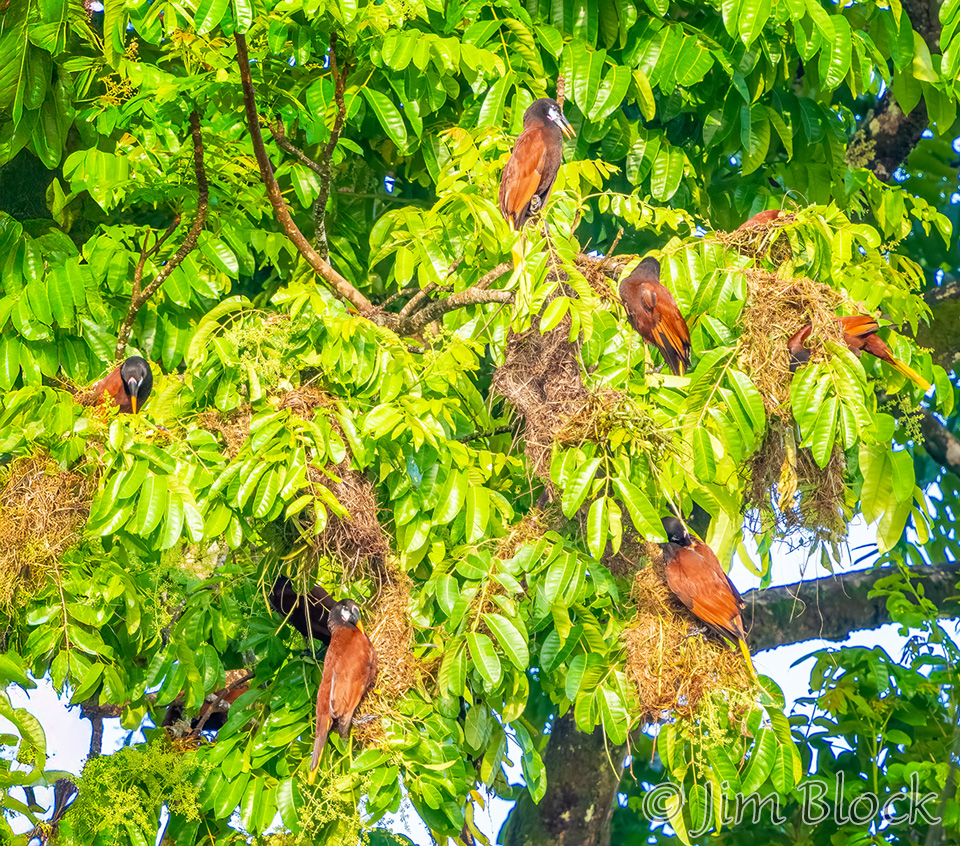
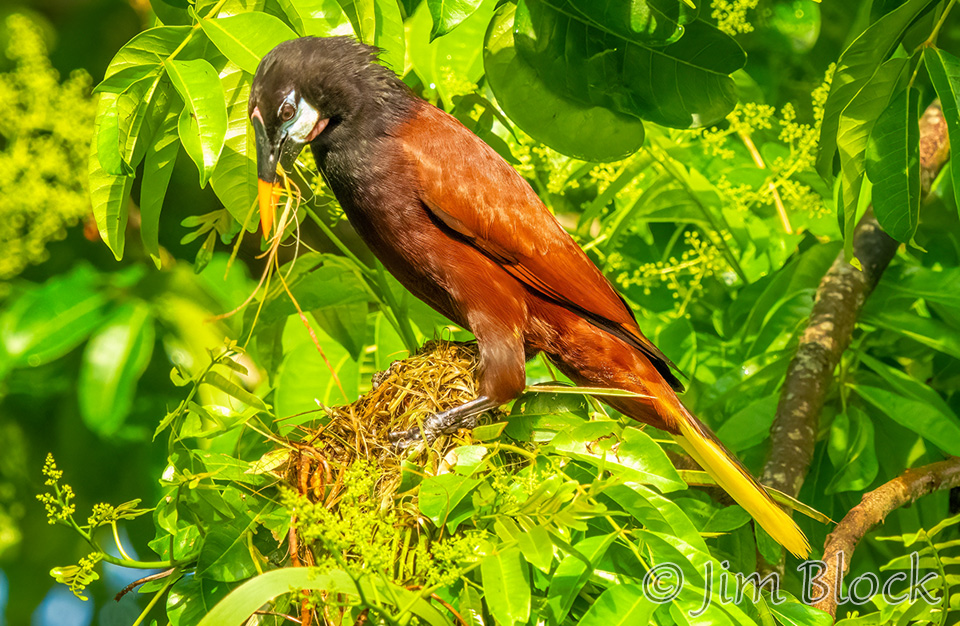
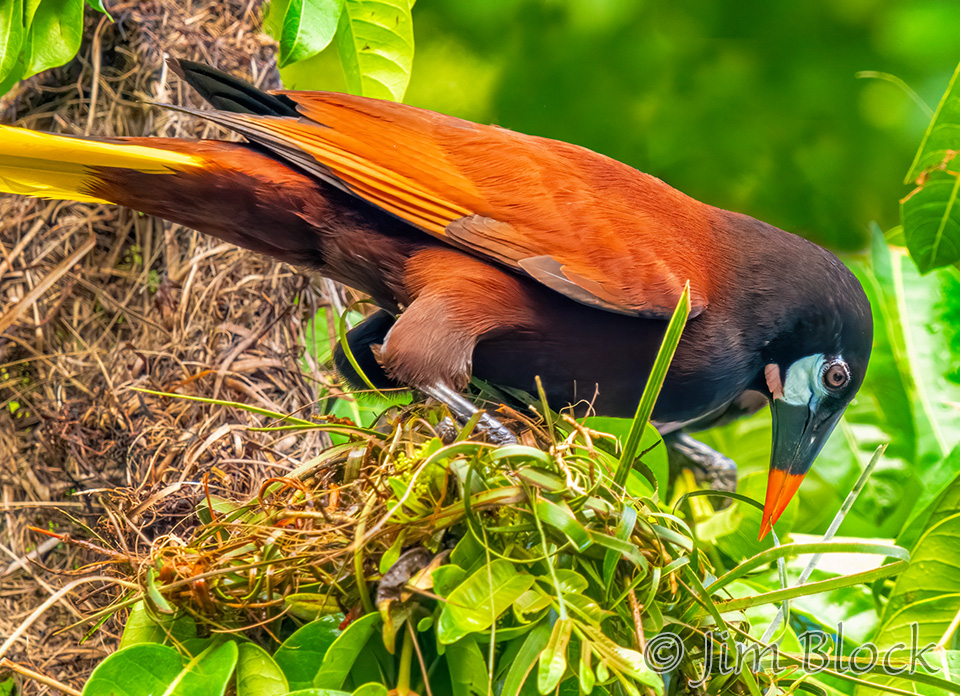
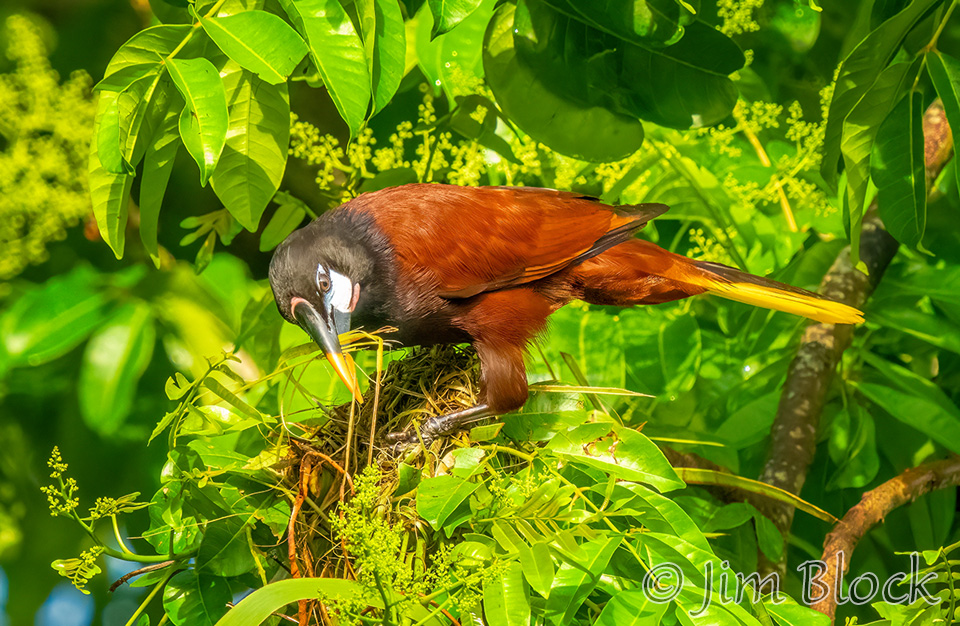
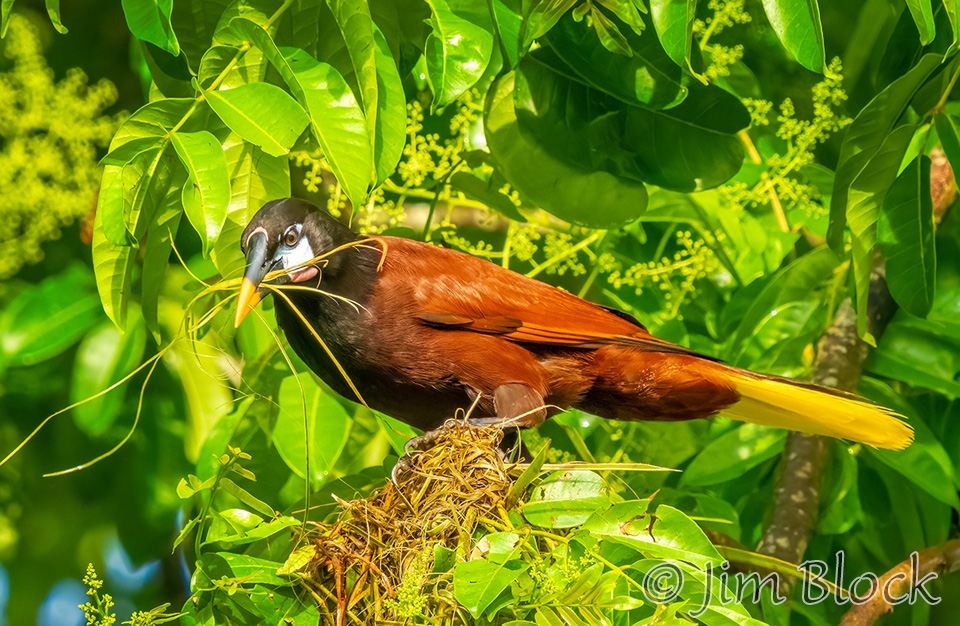
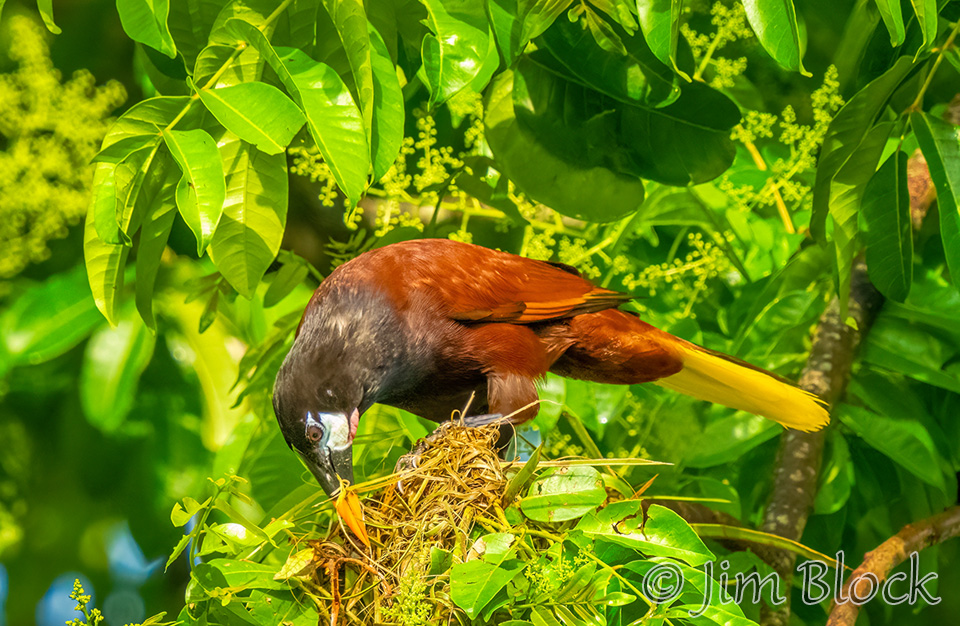
We got to an area of Montezuma Oropendola. There was a lot of action as they interacted and built their nests. I would keep returning to this spot.
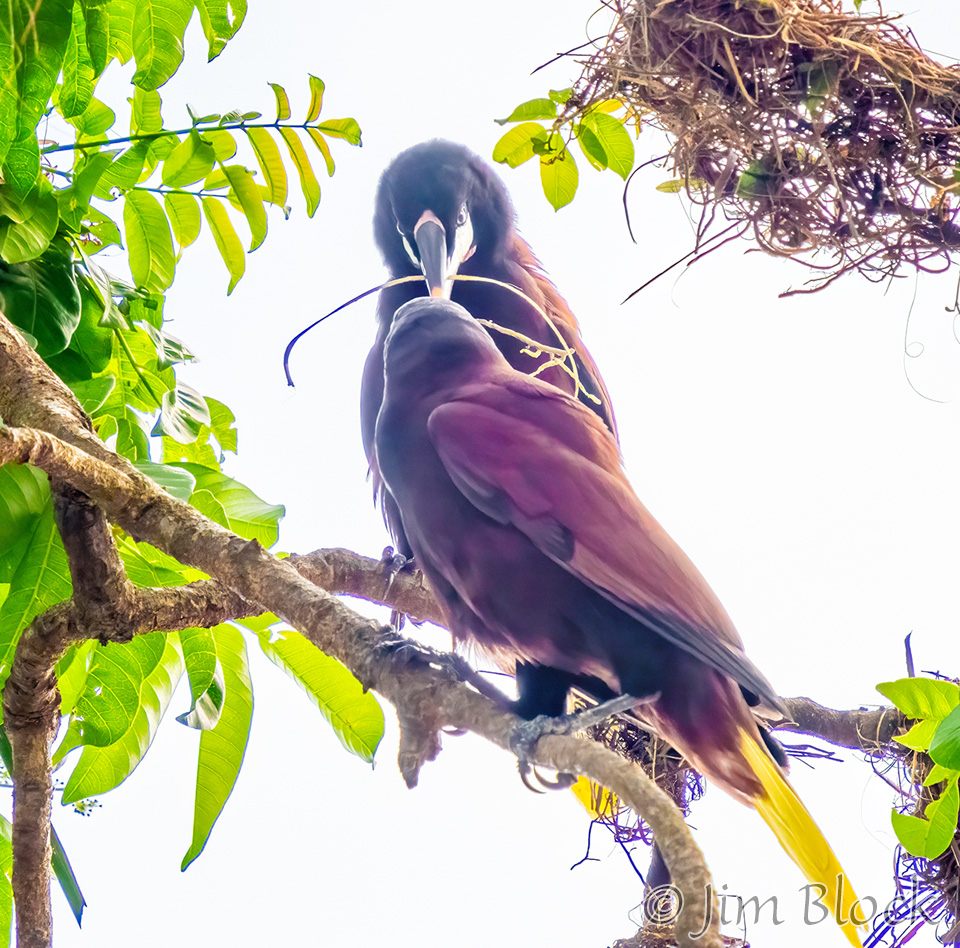
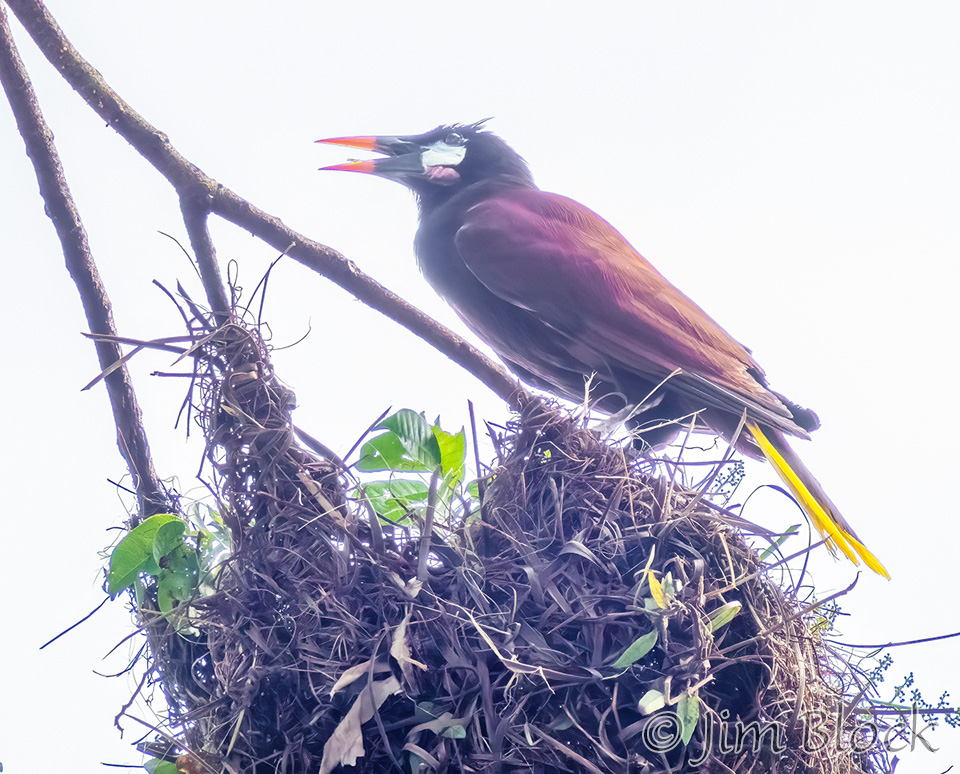
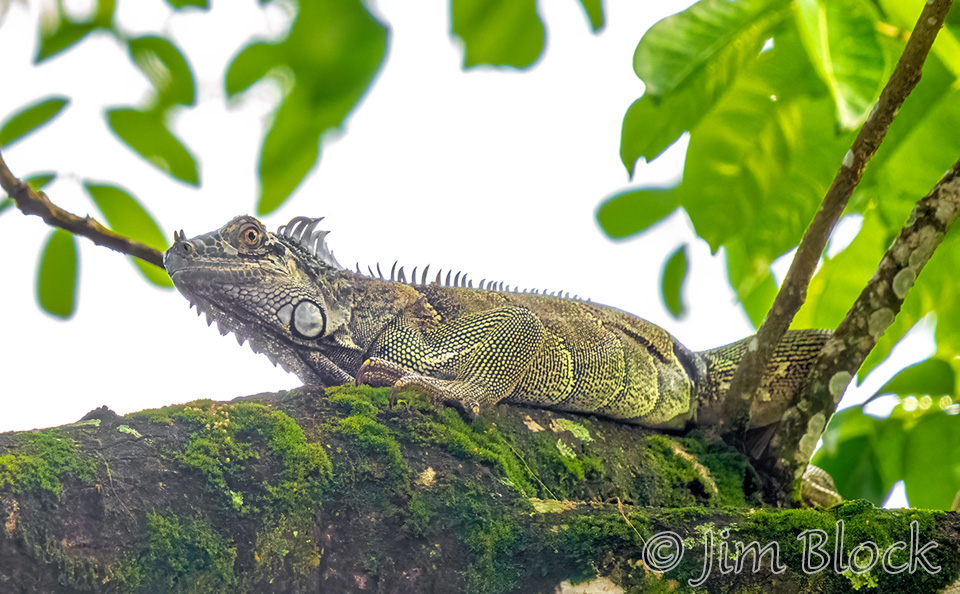
Near all this activity was a calm Green Iguana.
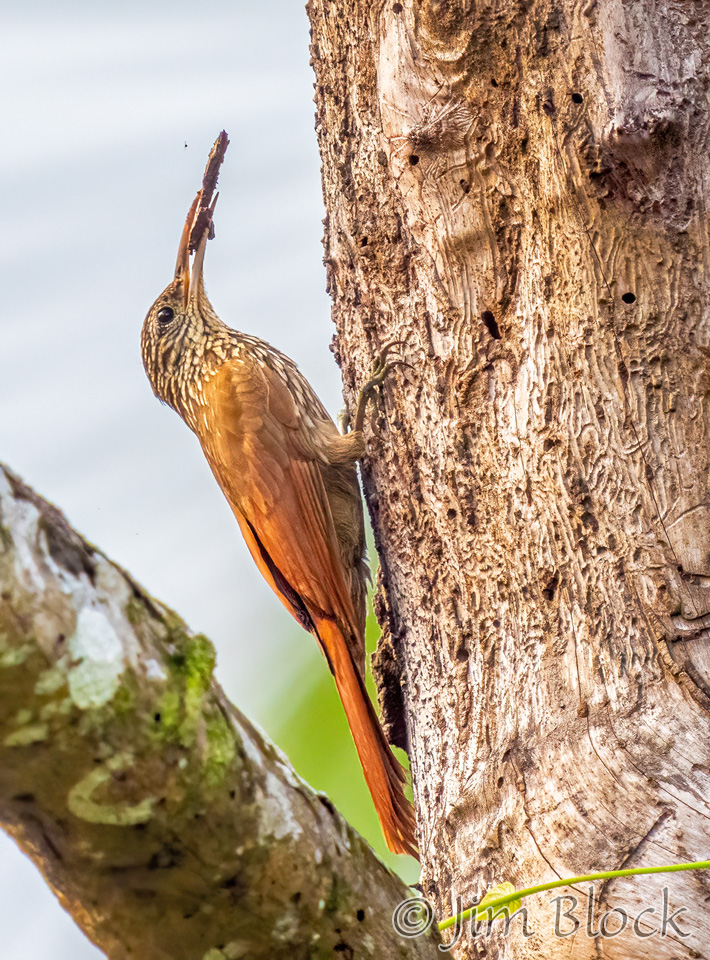
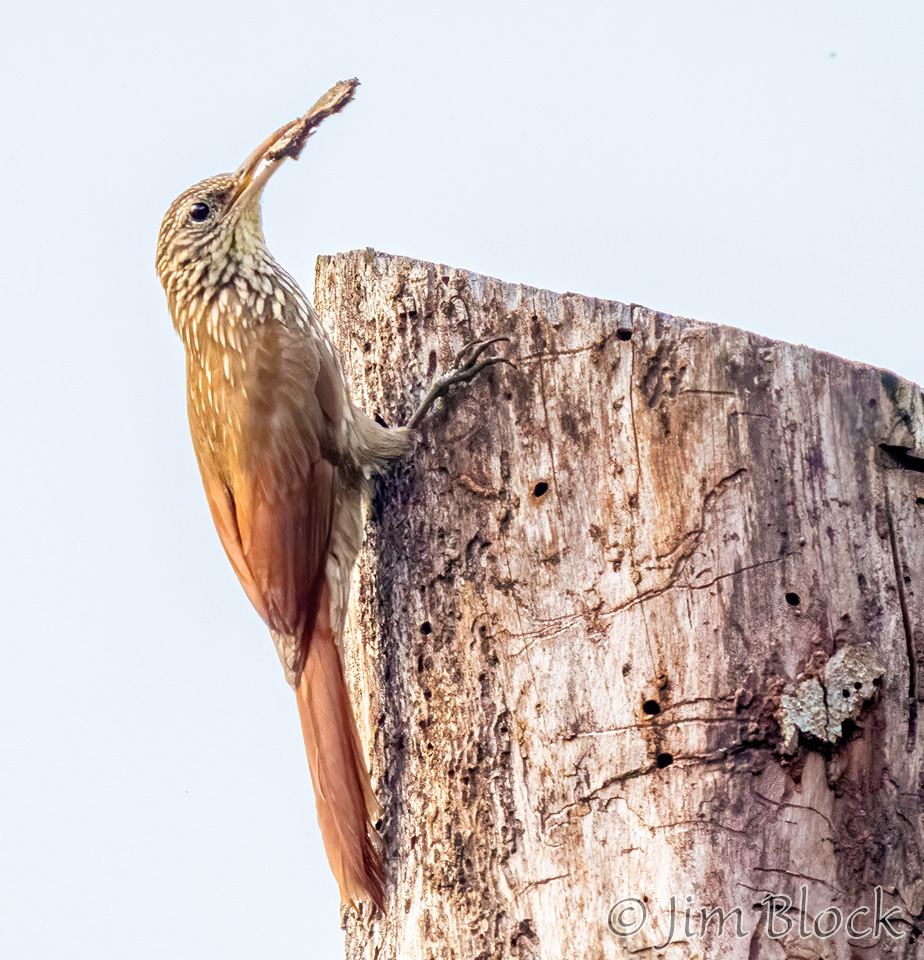
Heading back toward the beach, we found a Streak-headed Woodcreeper.
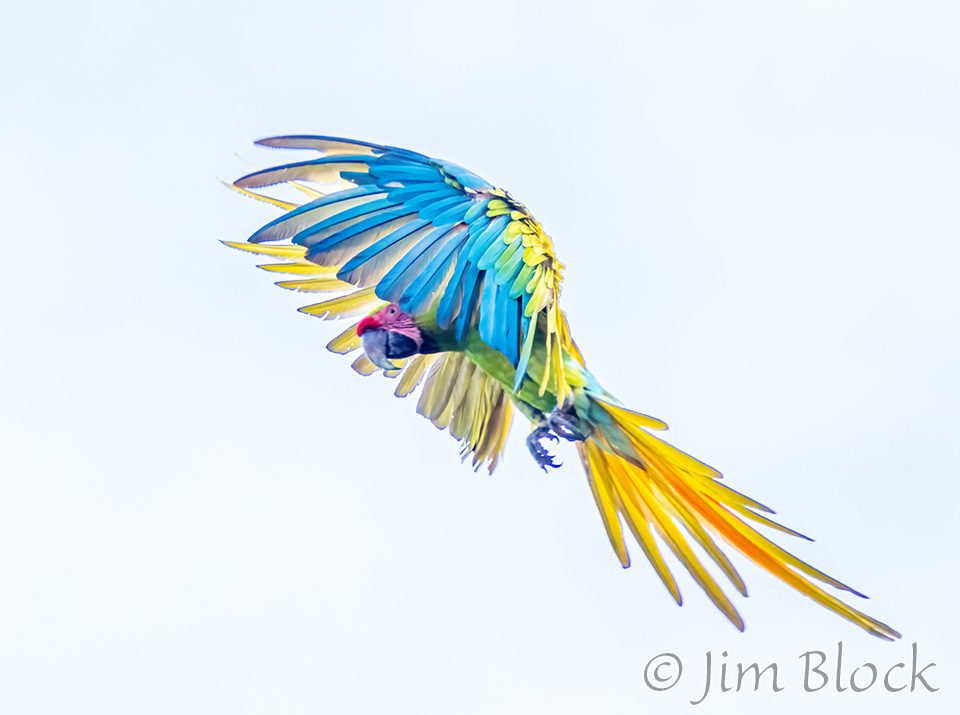
Walking along a path just off the beach, we saw a pair of Great Green Macaw, a “target” species we hoped to find. I was fortunate to get this beautiful bird in flight.
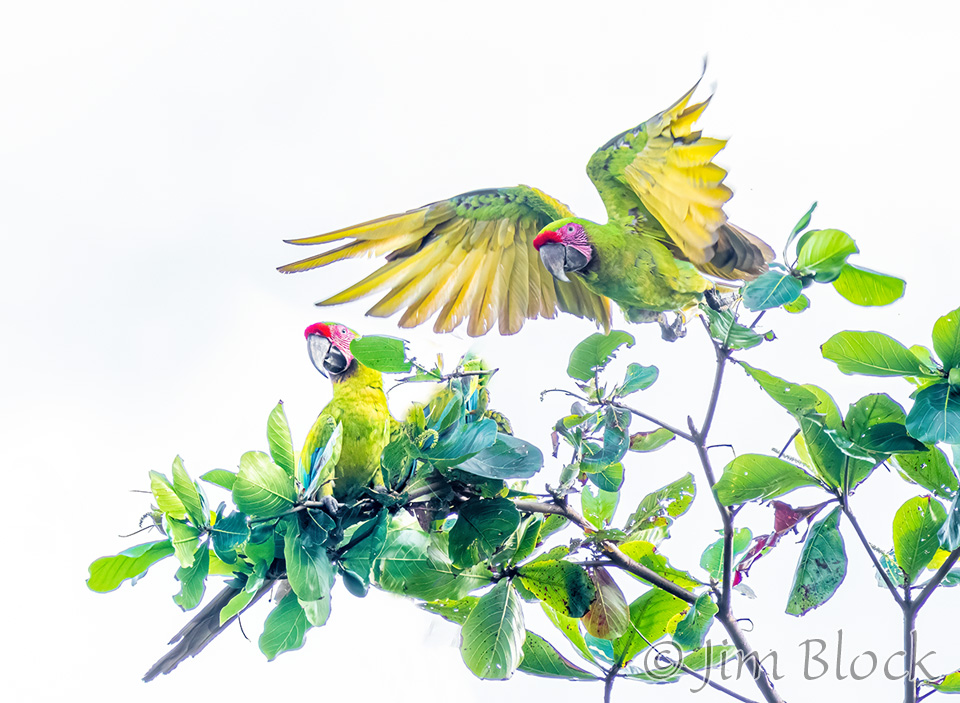
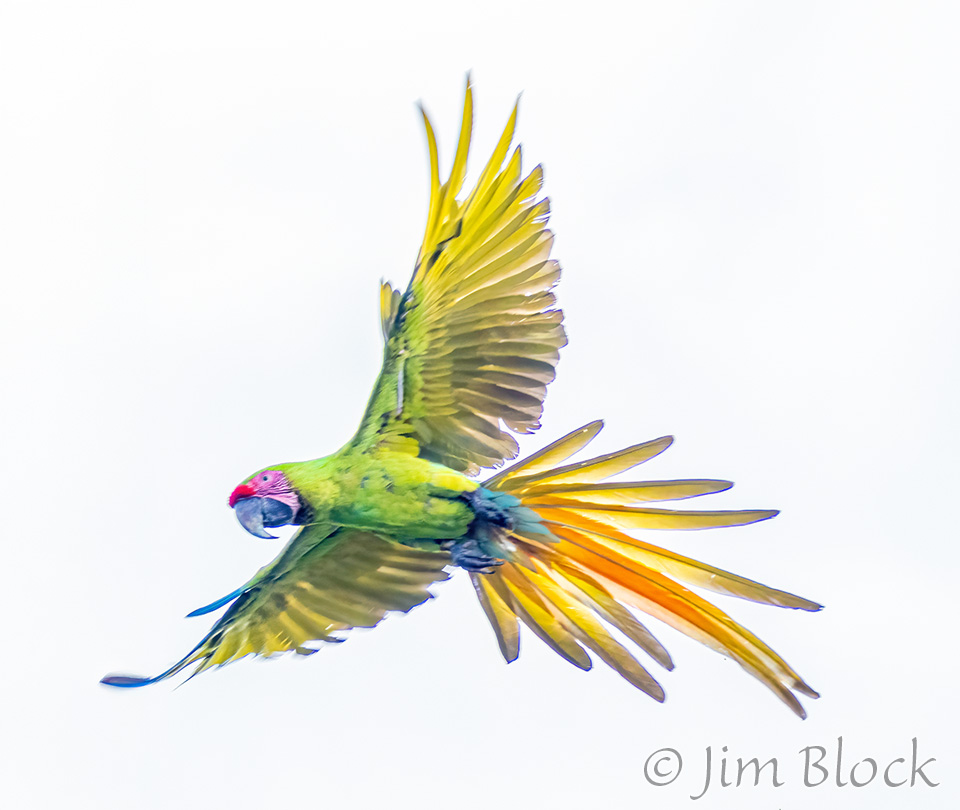
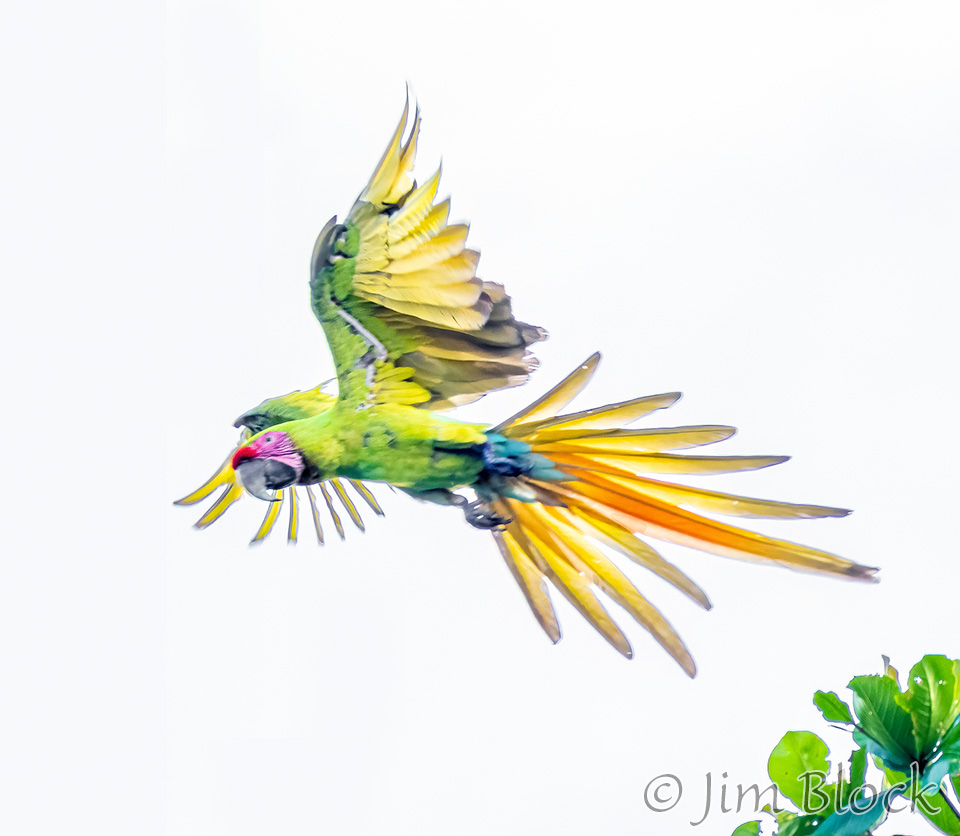
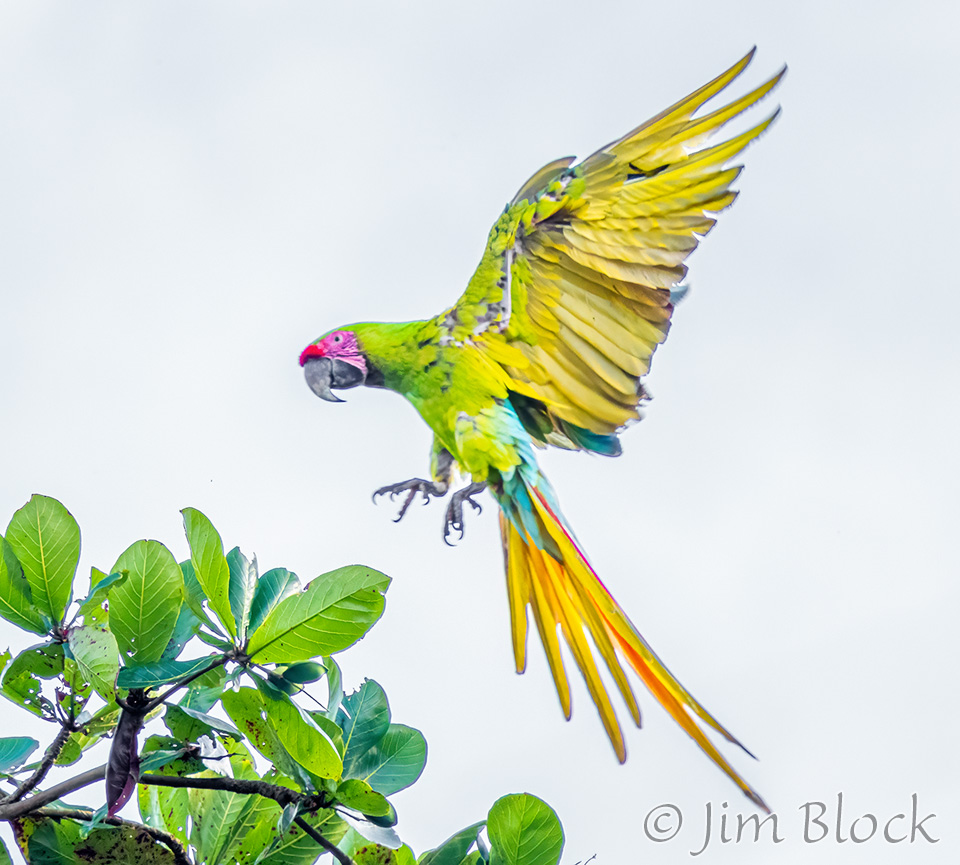
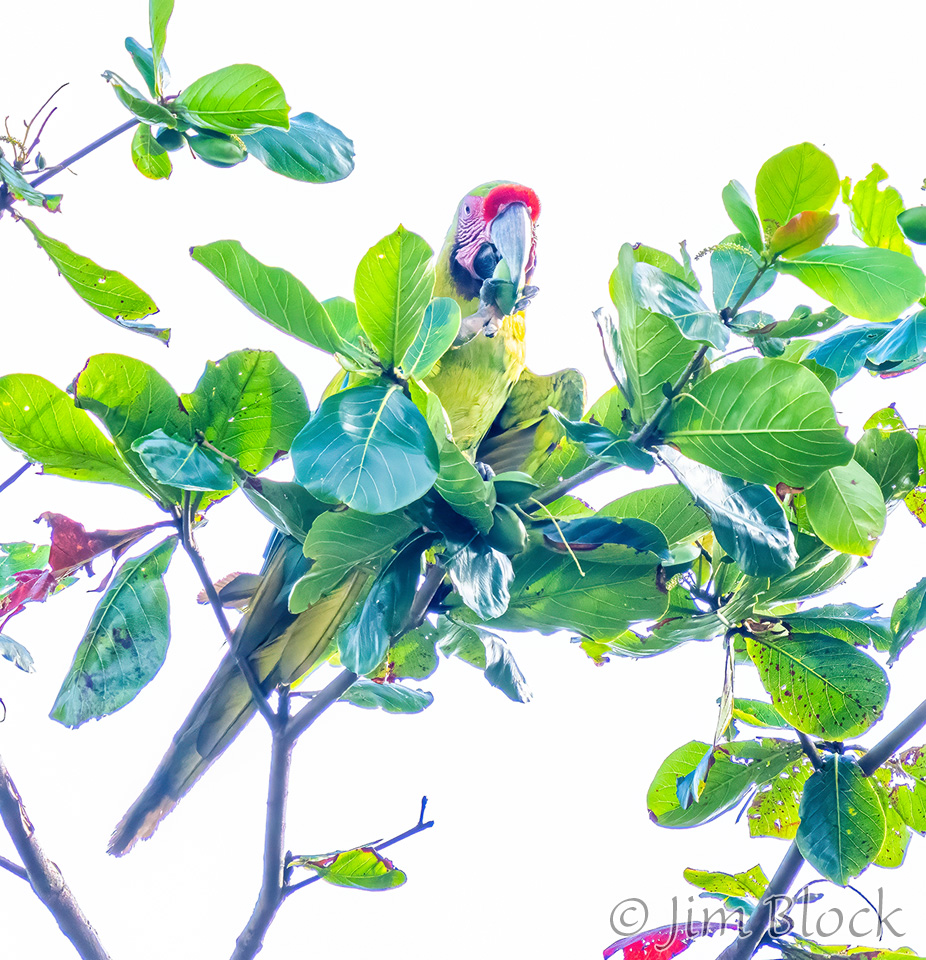
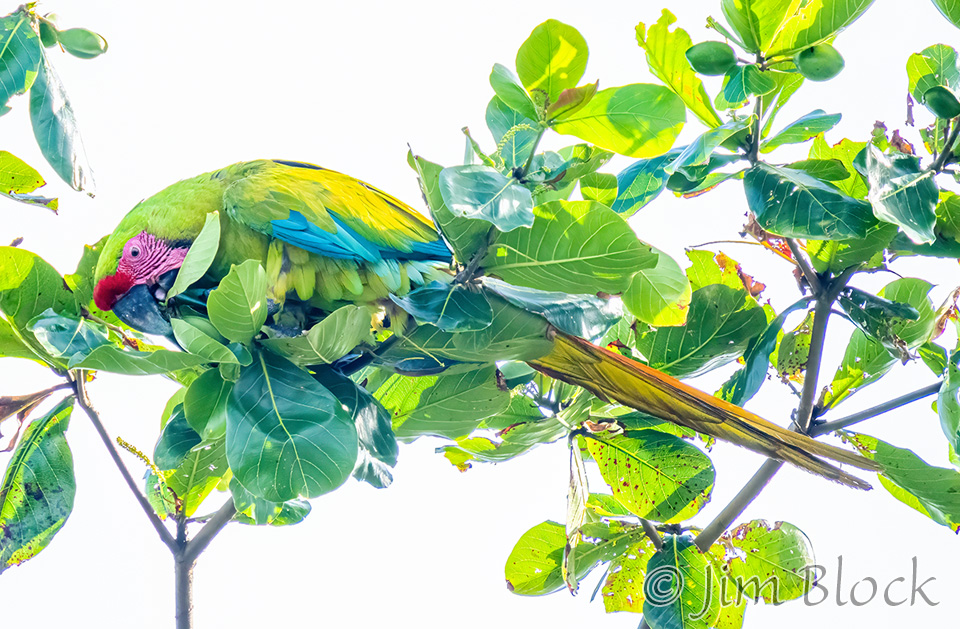
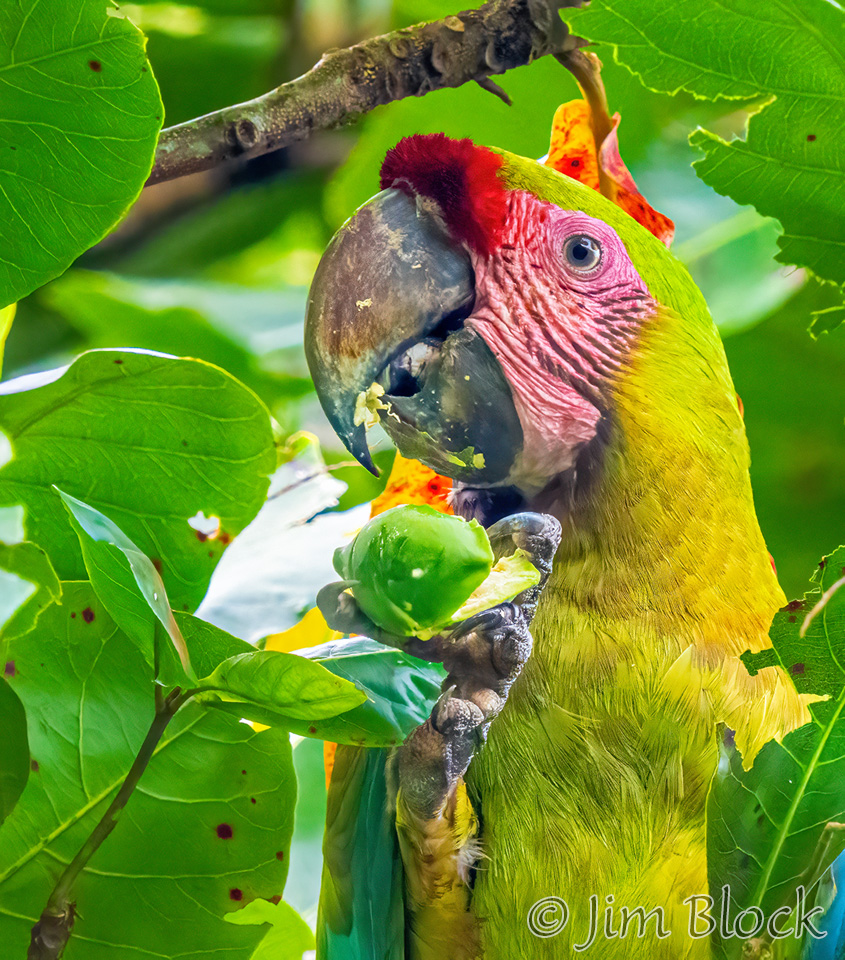
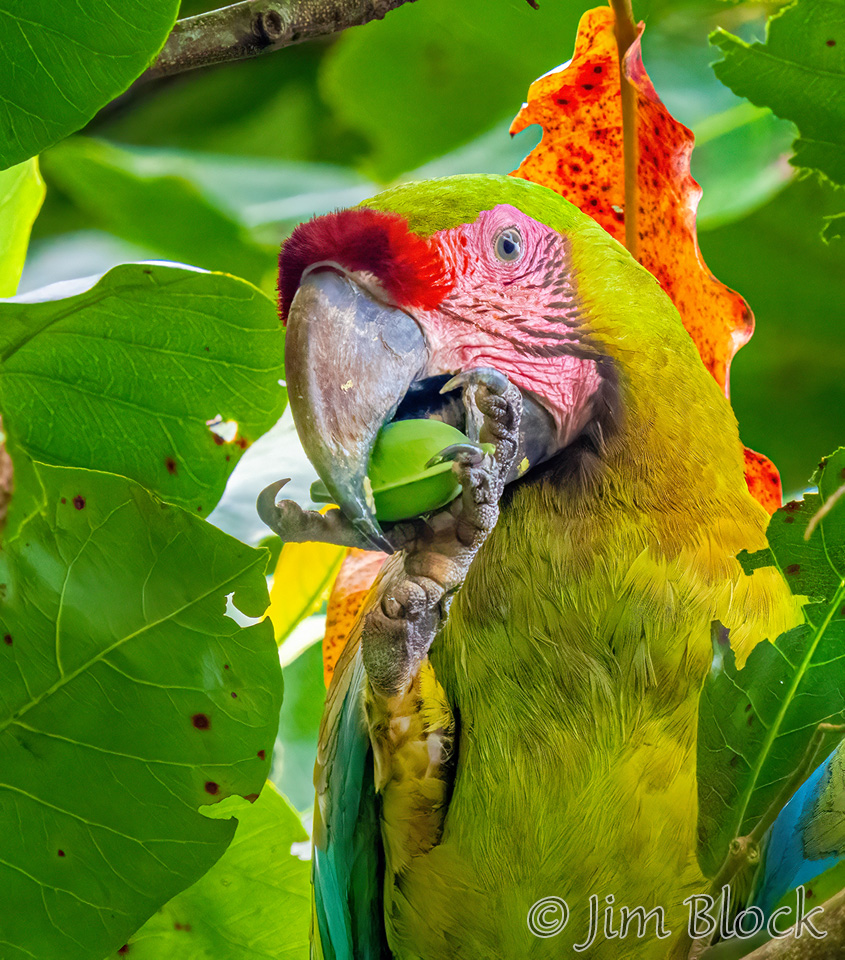
Sea almond nuts seemed to be a favorite food of the macaw.
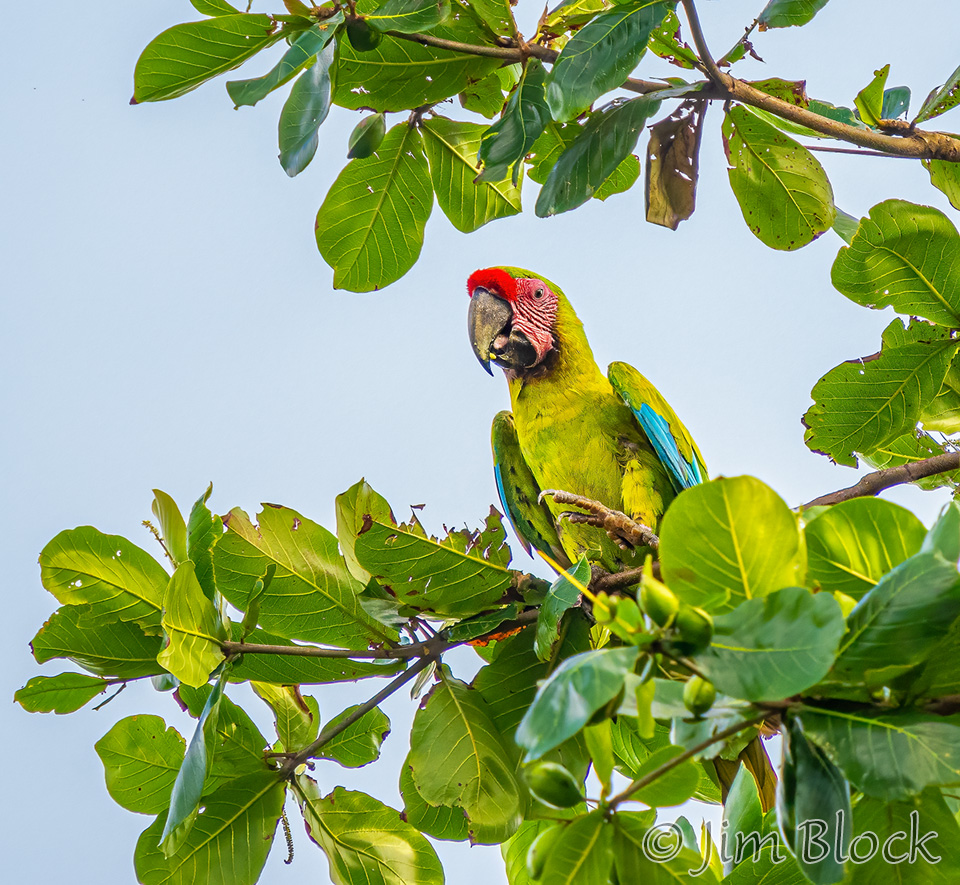
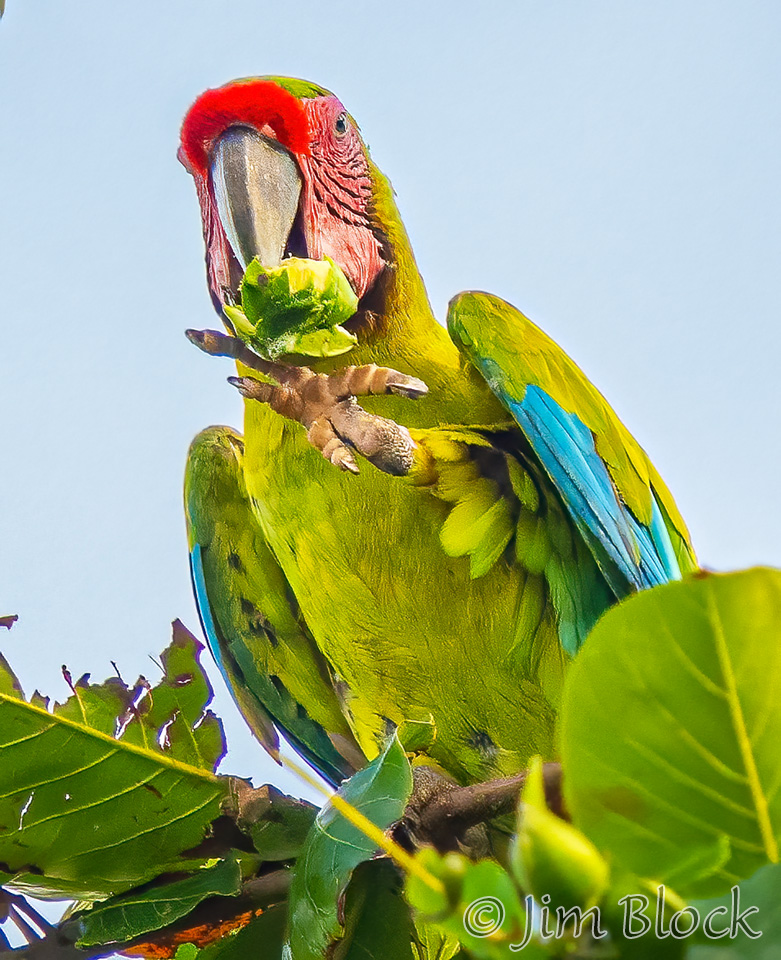
As we slowly made out way back to the hotel, I was able to photograph a number of birds:
Northern Tropical Pewee.
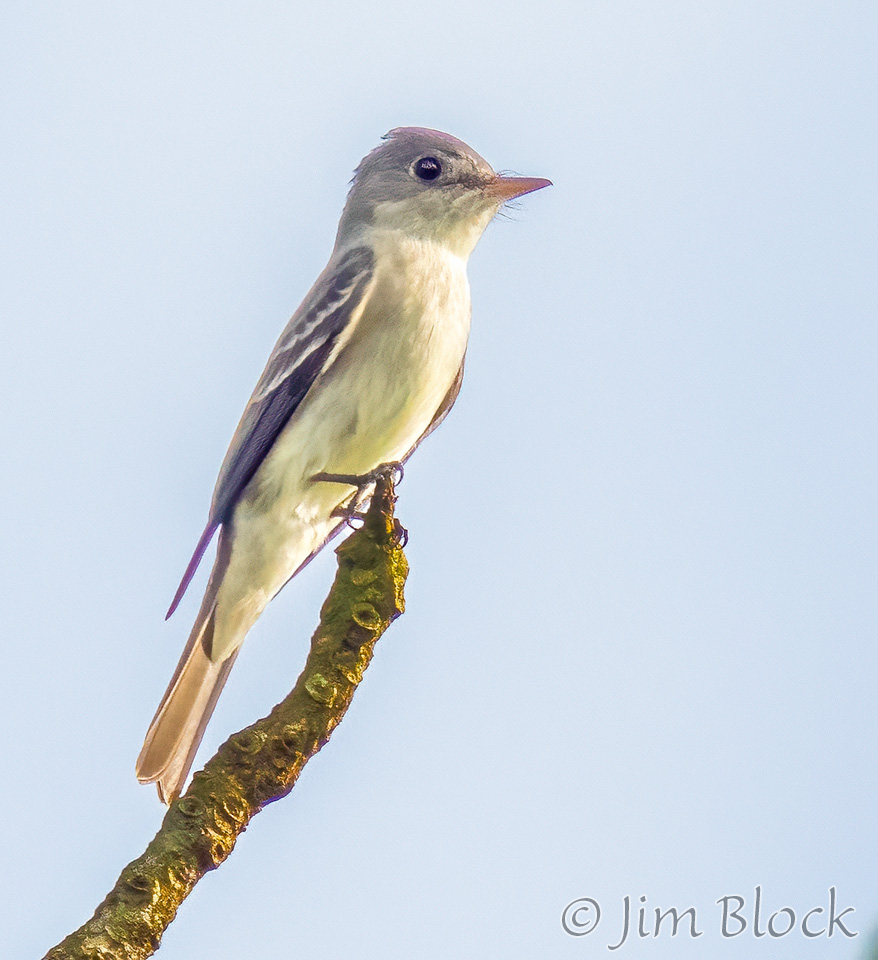
Tropical Kingbird.
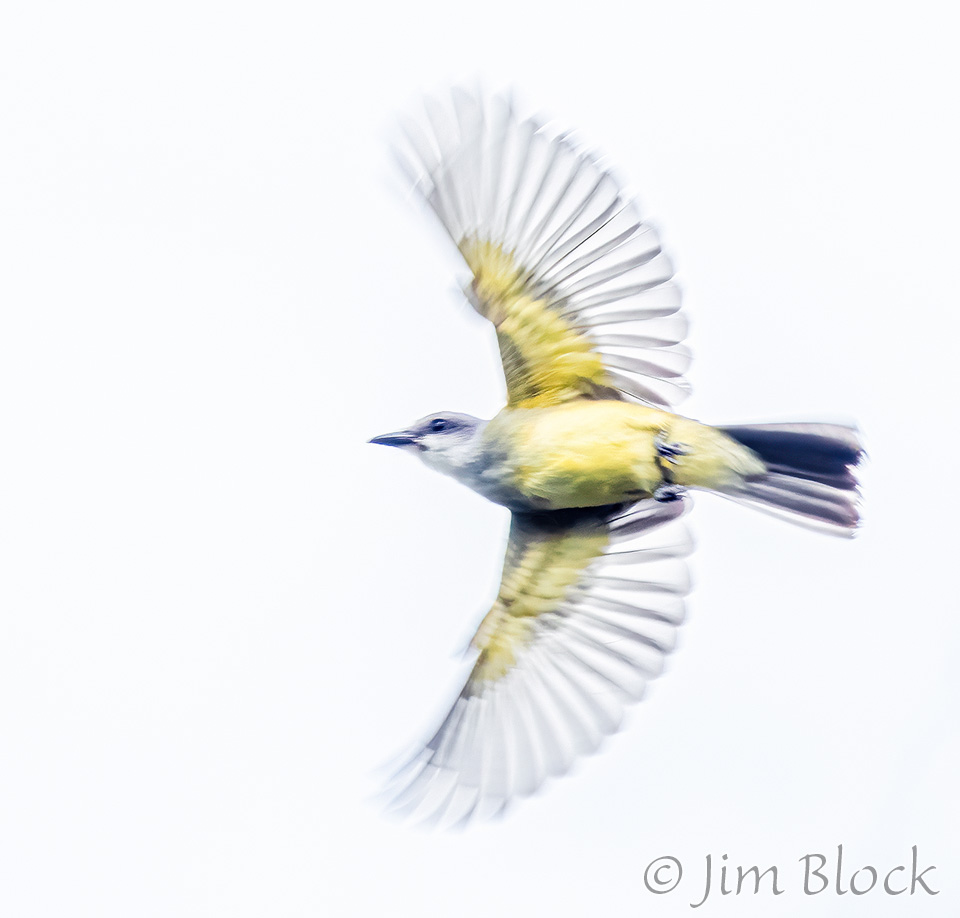
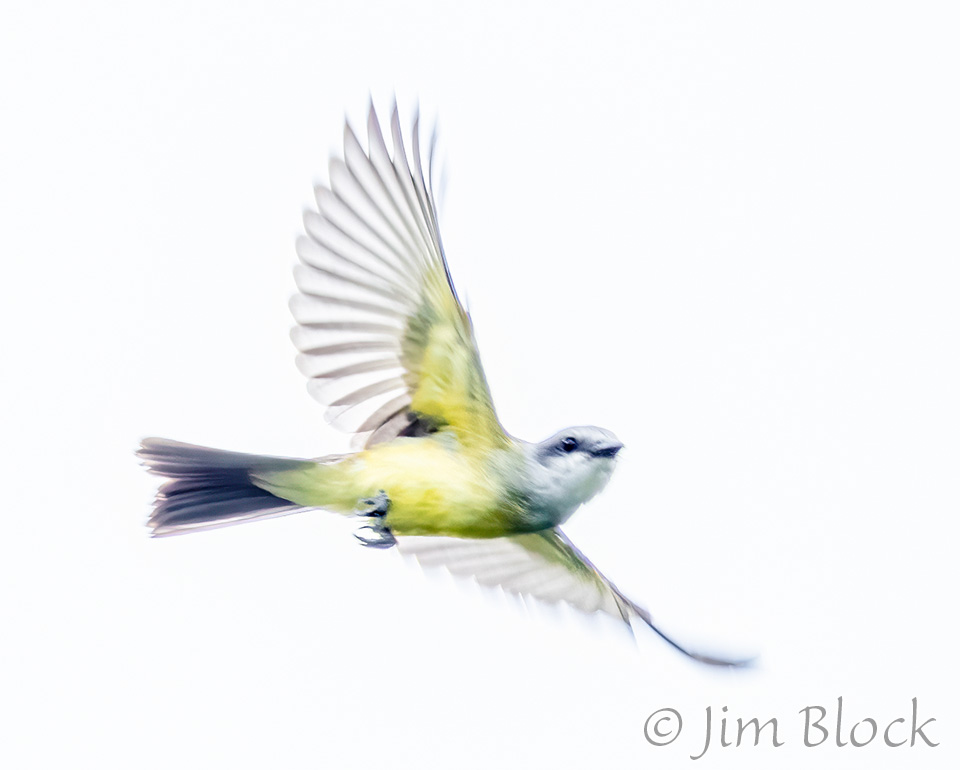
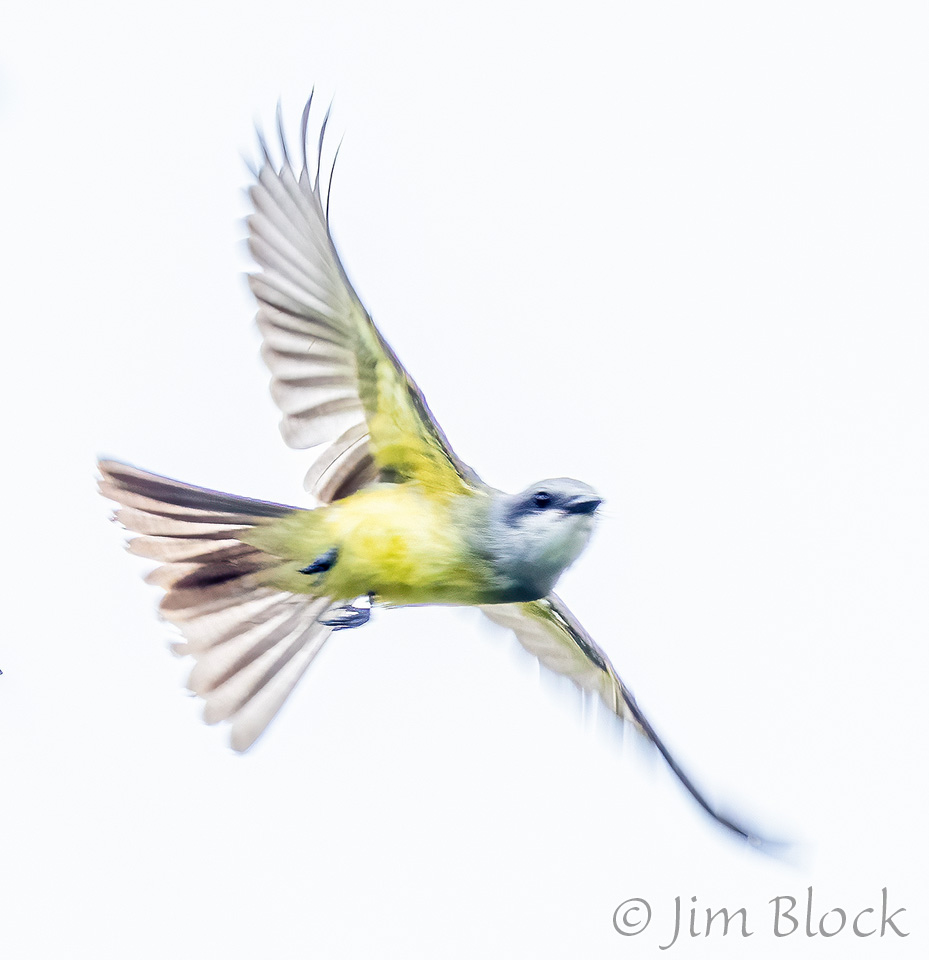
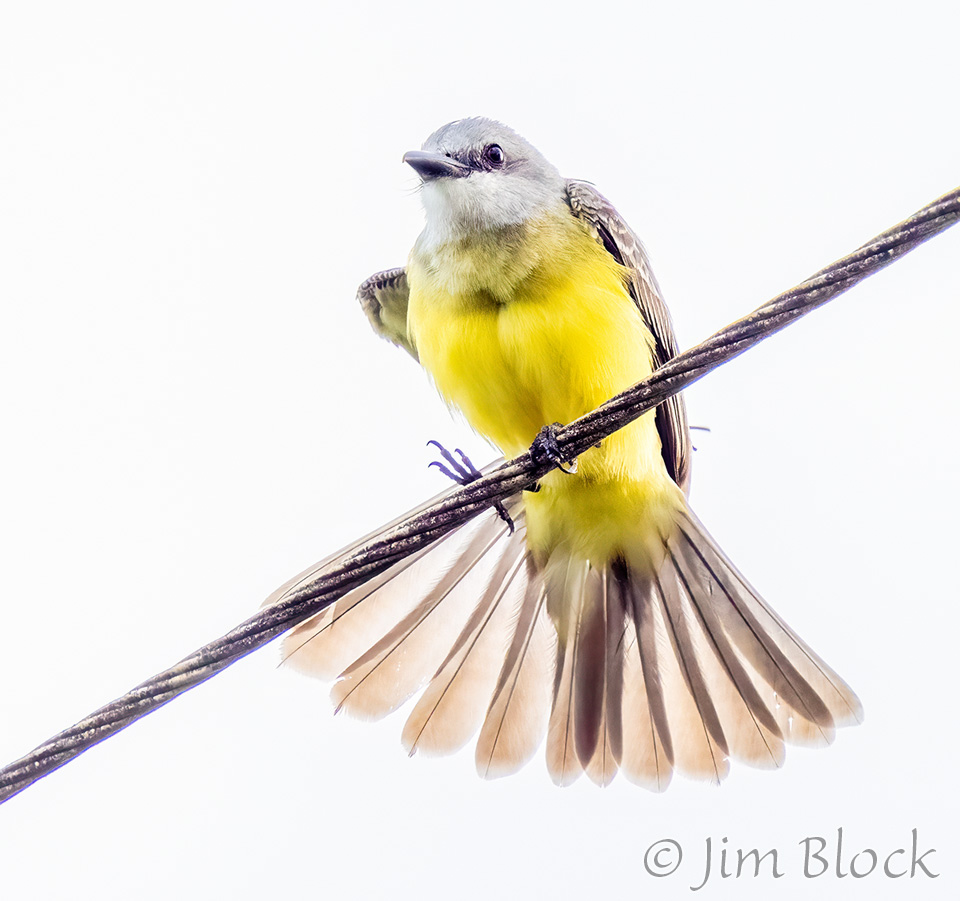
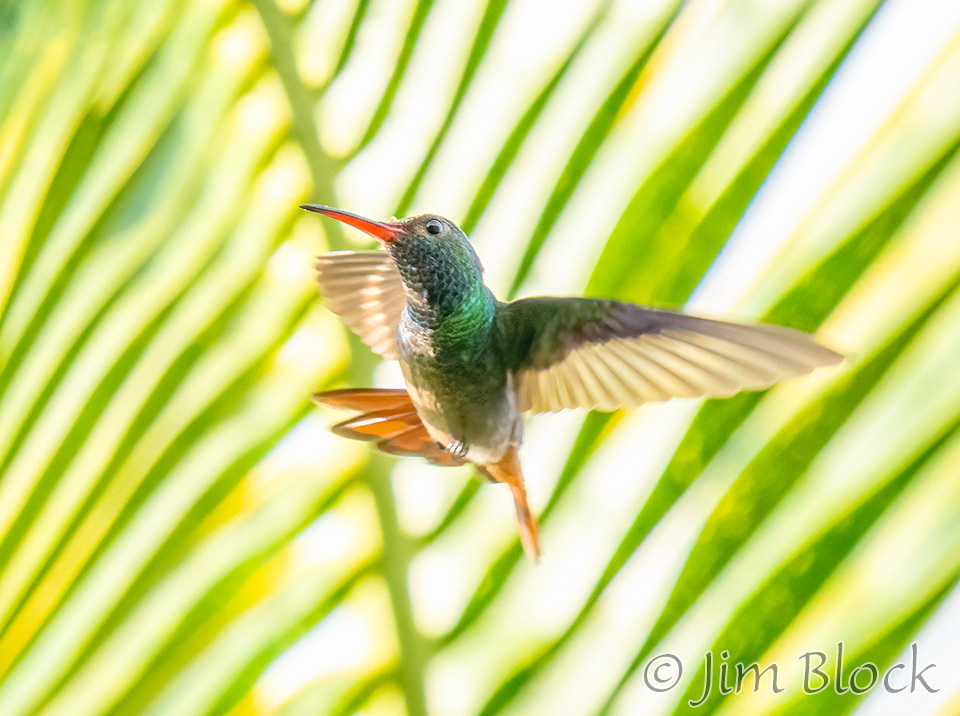
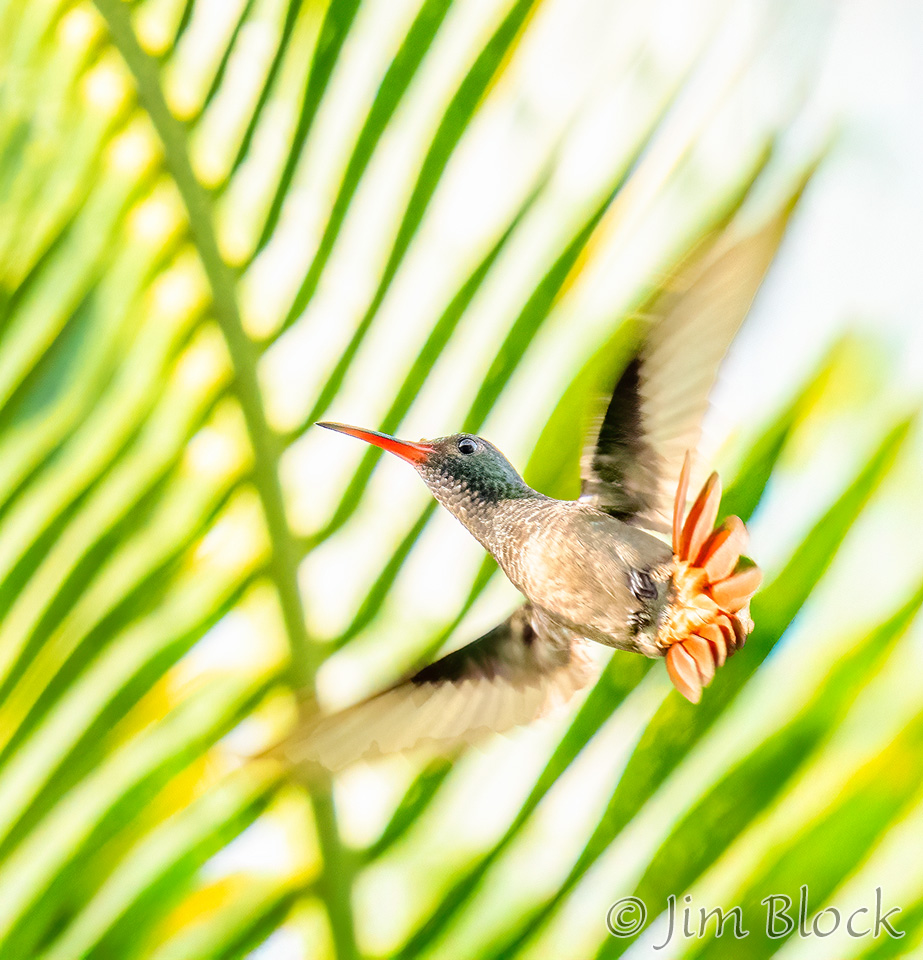
Rufous-tailed Hummingbird.
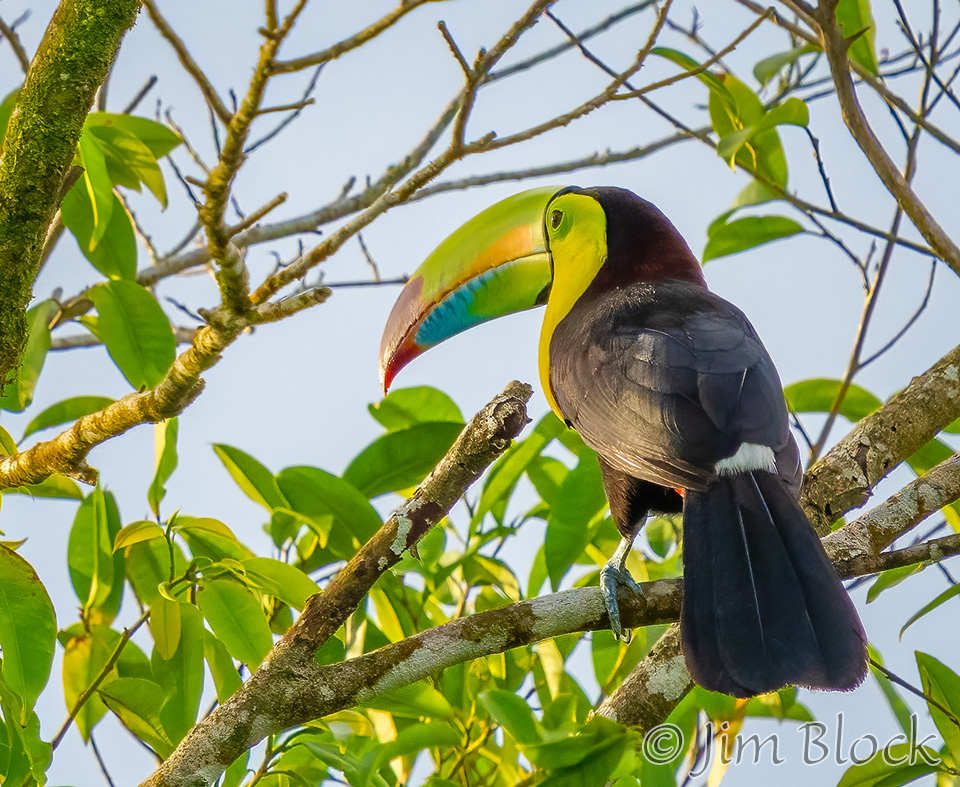
Yellow-throated-Toucan.
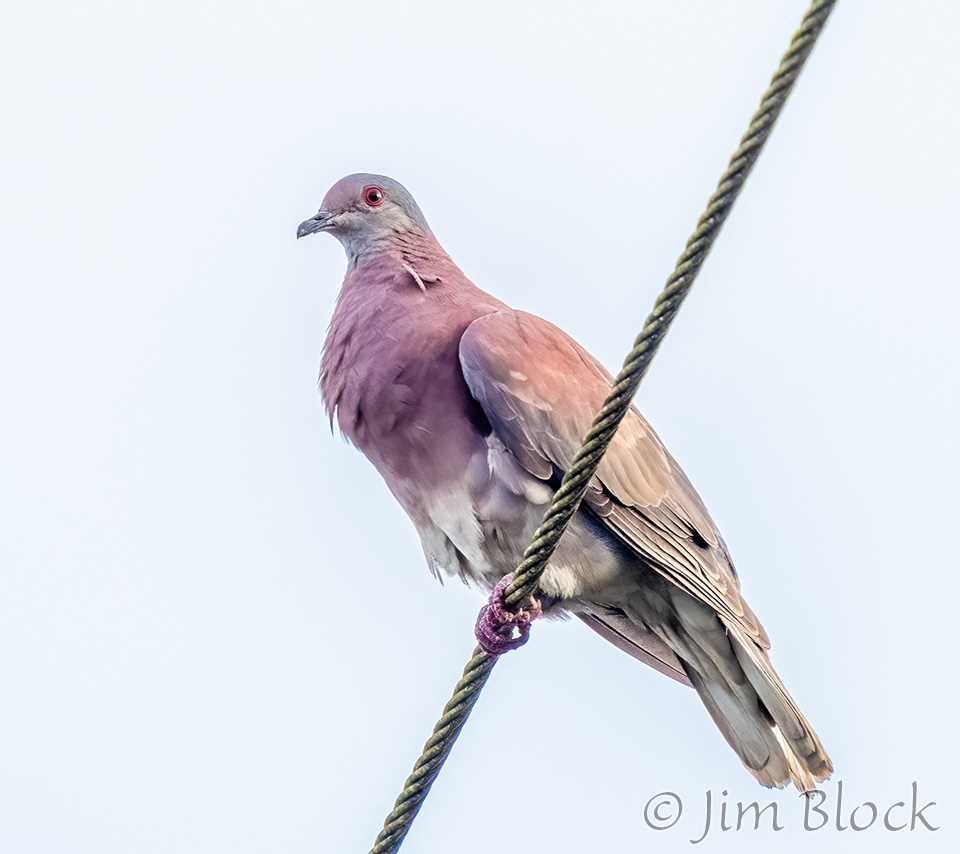
Pale-vented Pigeon.
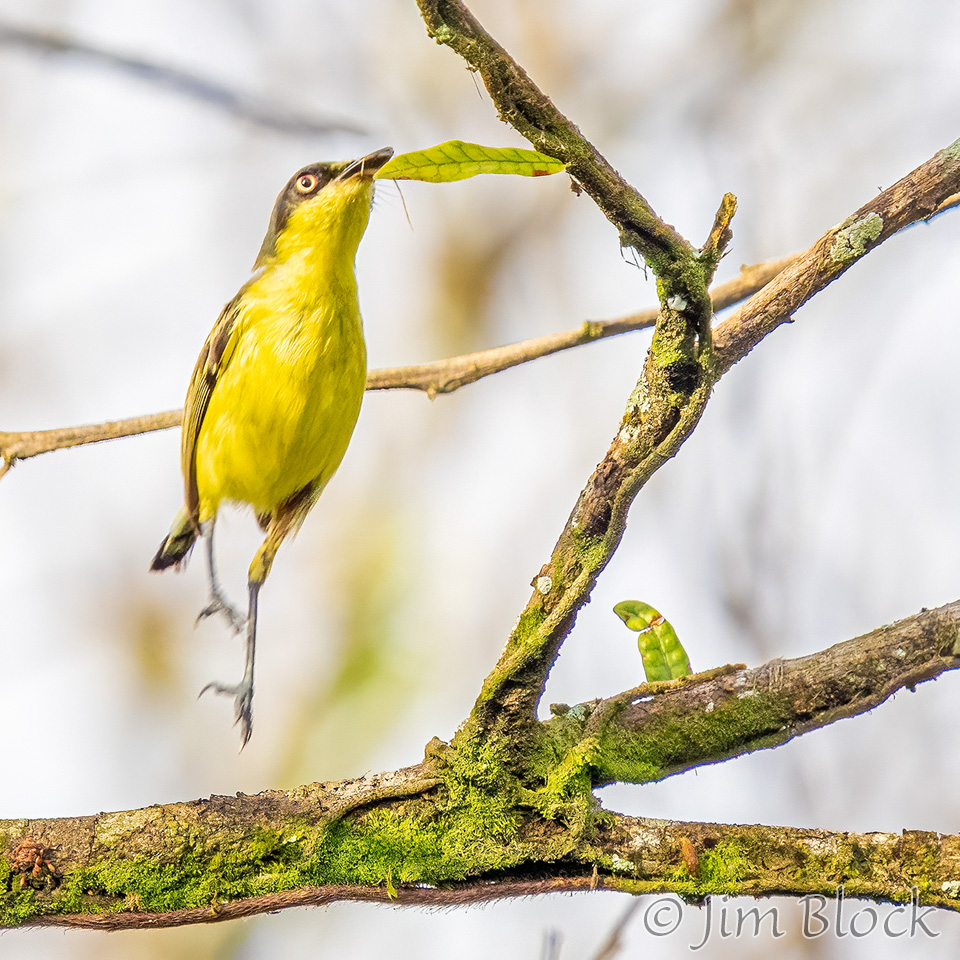
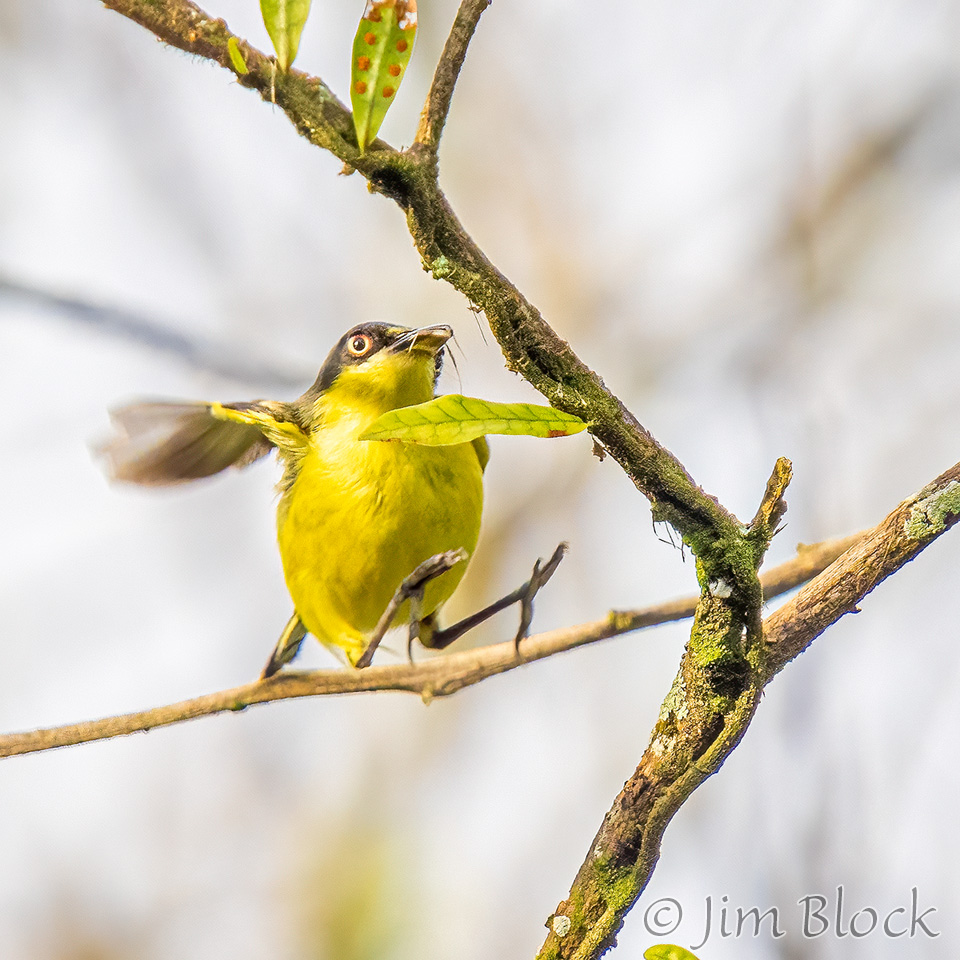
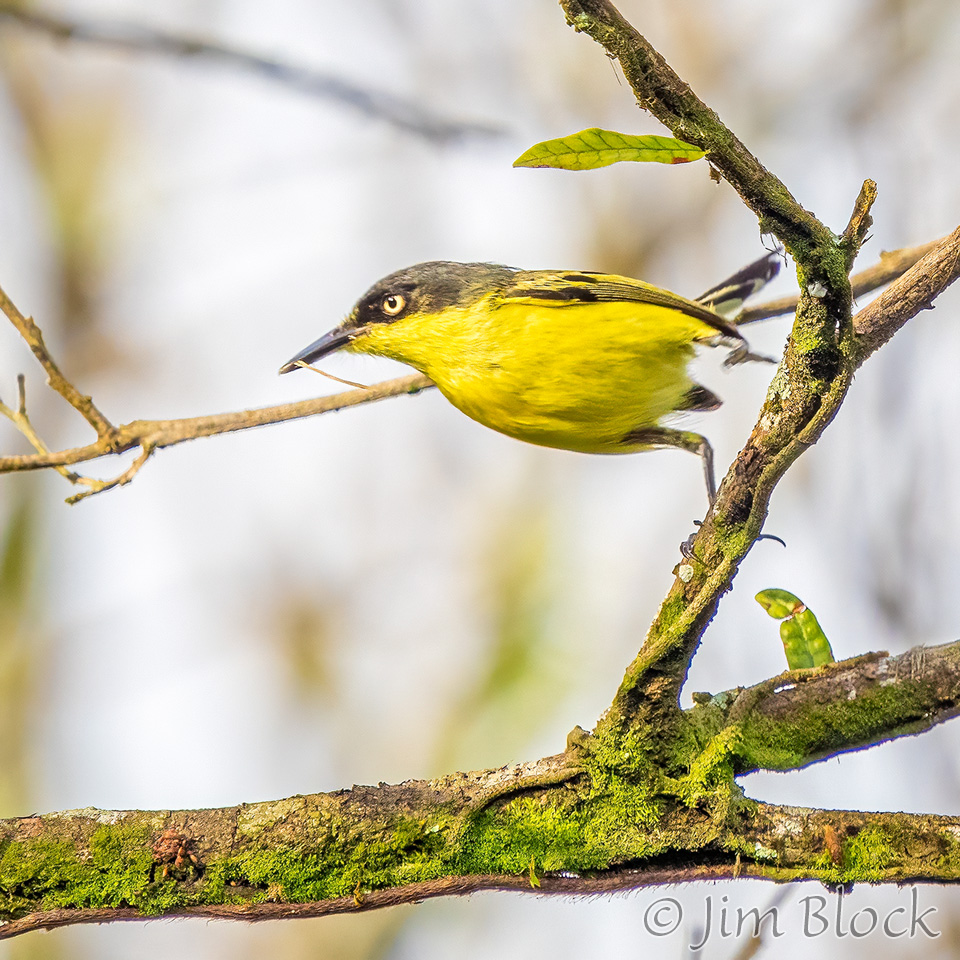
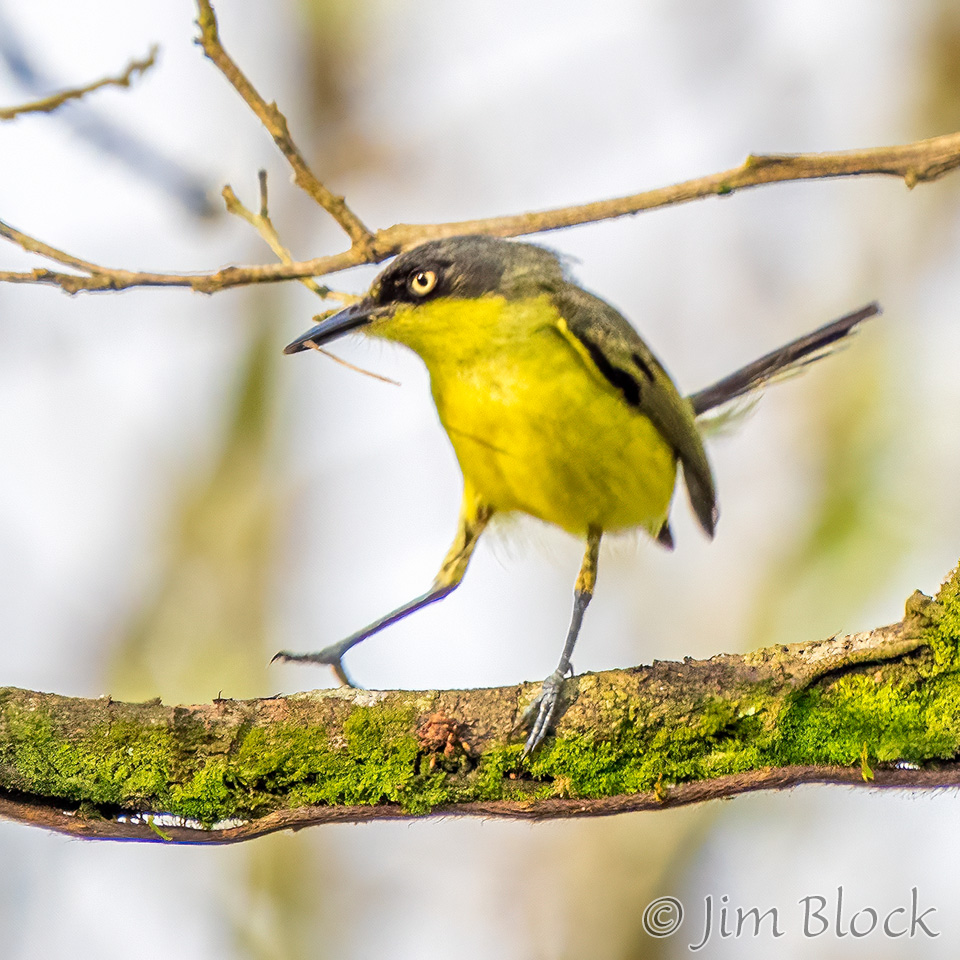
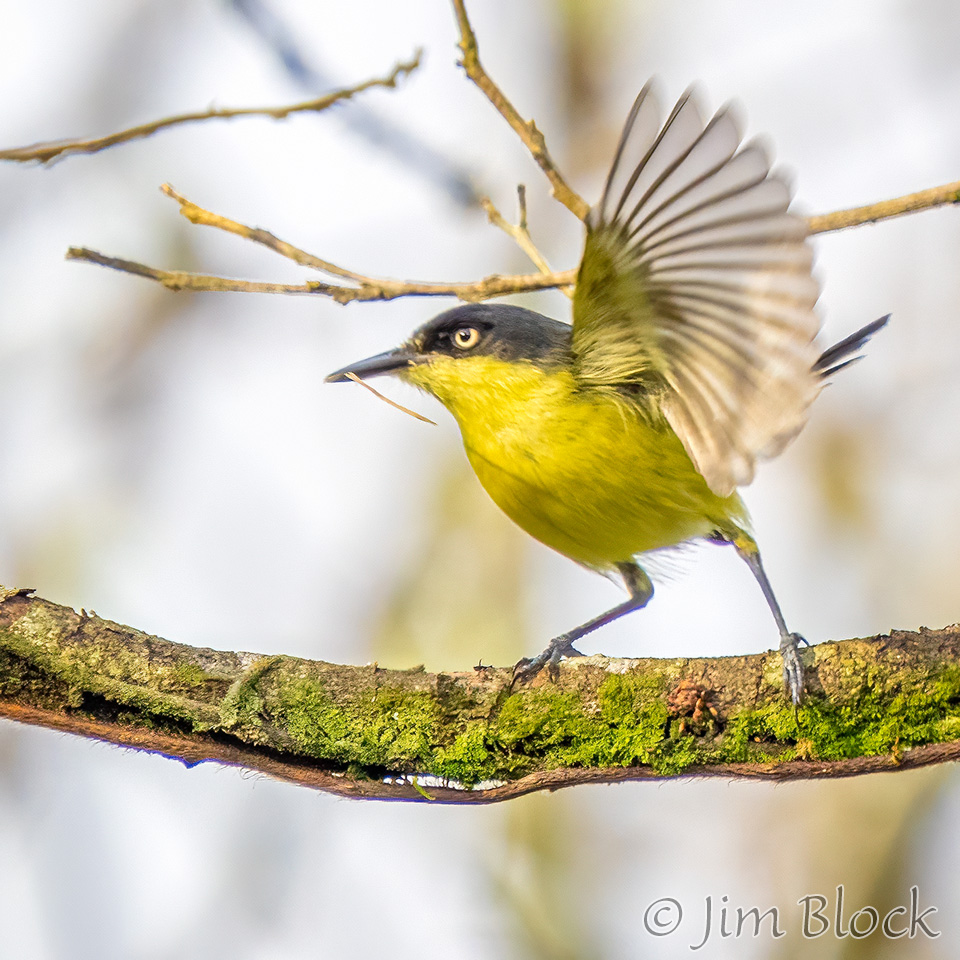
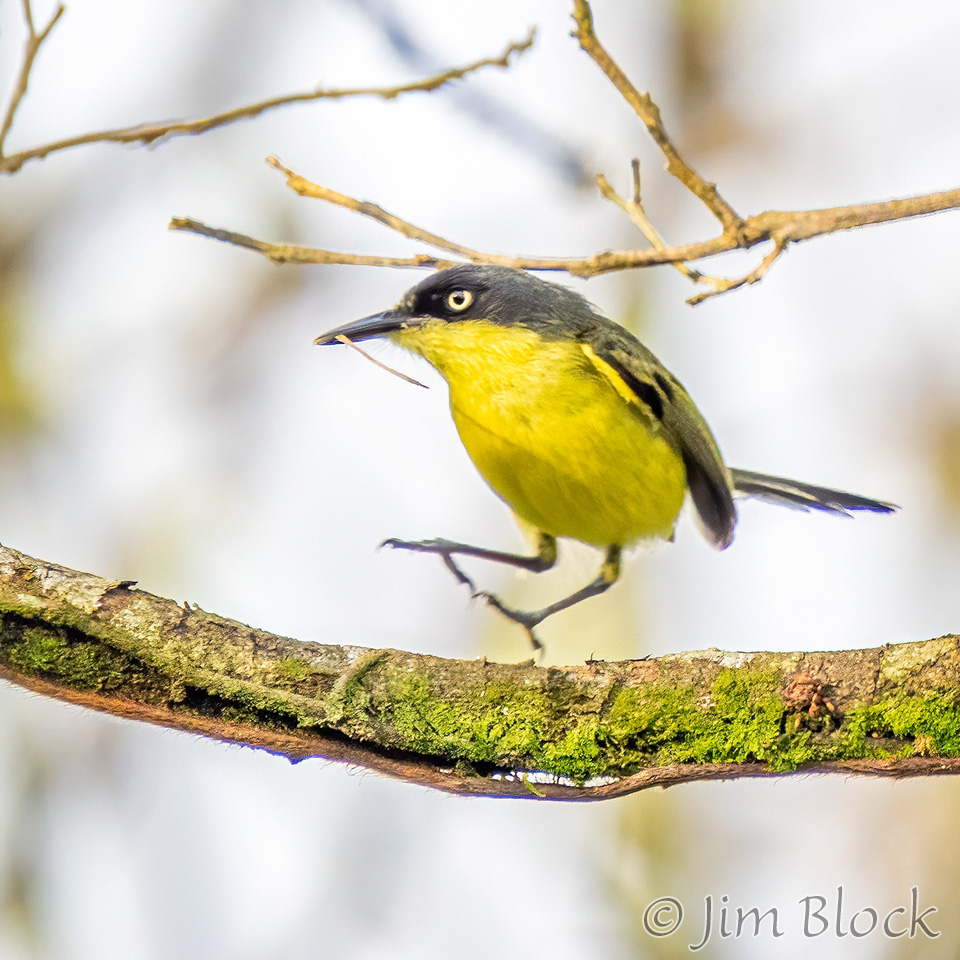
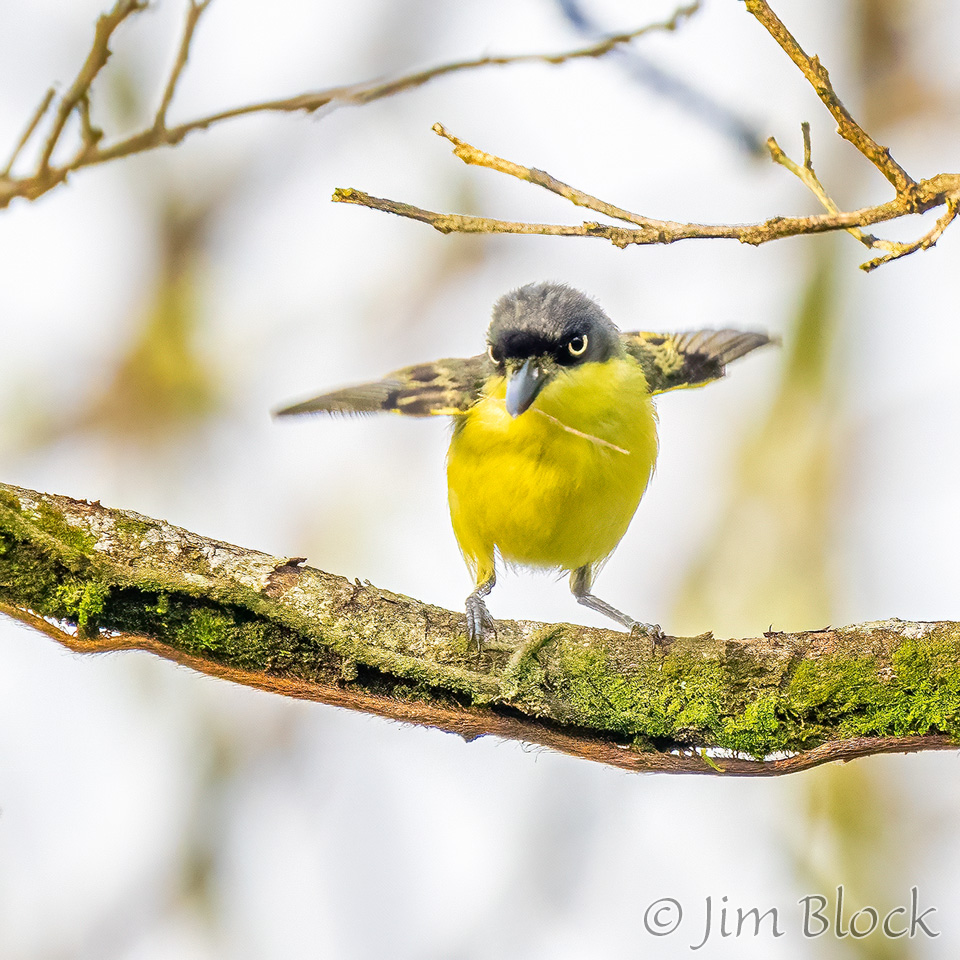
And a favorite, a Common Tody-flycatcher dancing in a tree beyond a chain link fence and carrying nest material.
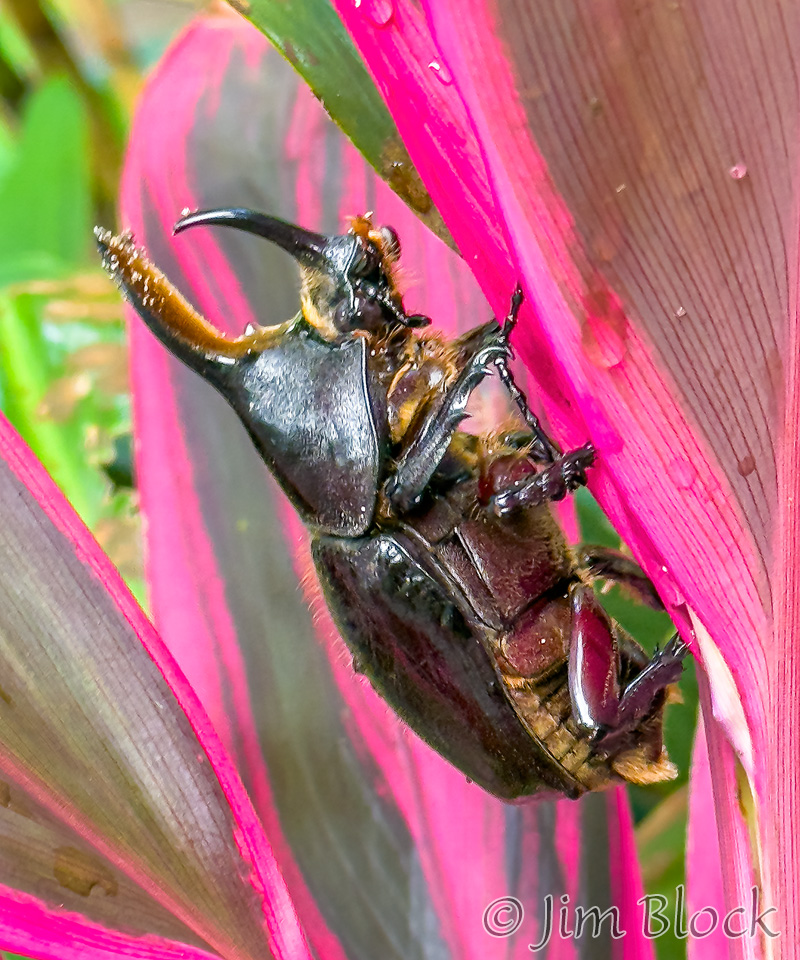
We also saw a Neptune Beetle.
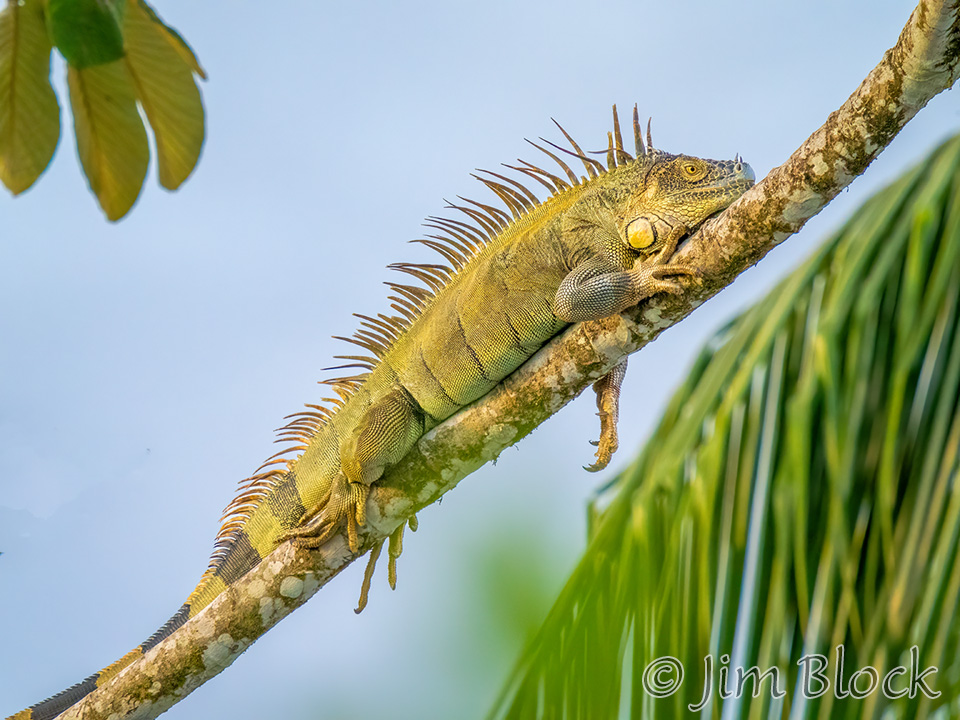
We got back to the hotel, and I decided to take a short walk into town. Gil called to me before I reached the main street and pointed out a Green Iguana that I would never have seen myself.
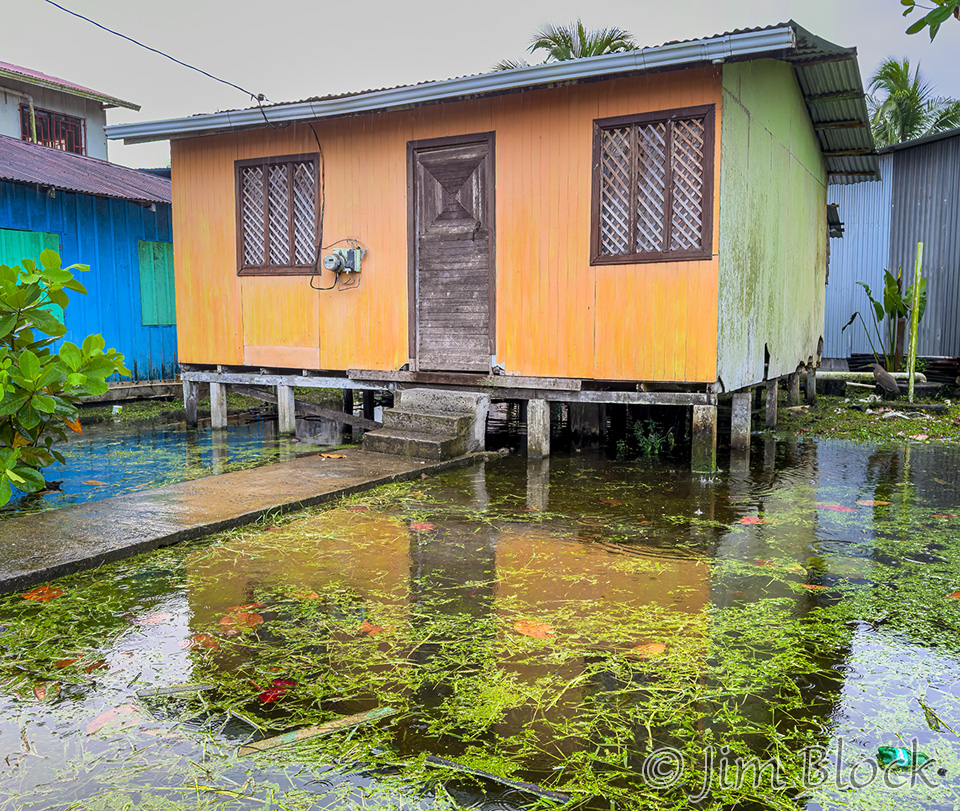
The next morning at 6 a.m. we headed back through town to the dock in the National Park for a pre-breakfast boat ride. I found this house with a flooded yard interesting. I did not realize I would later photograph huge marine toads mating here.
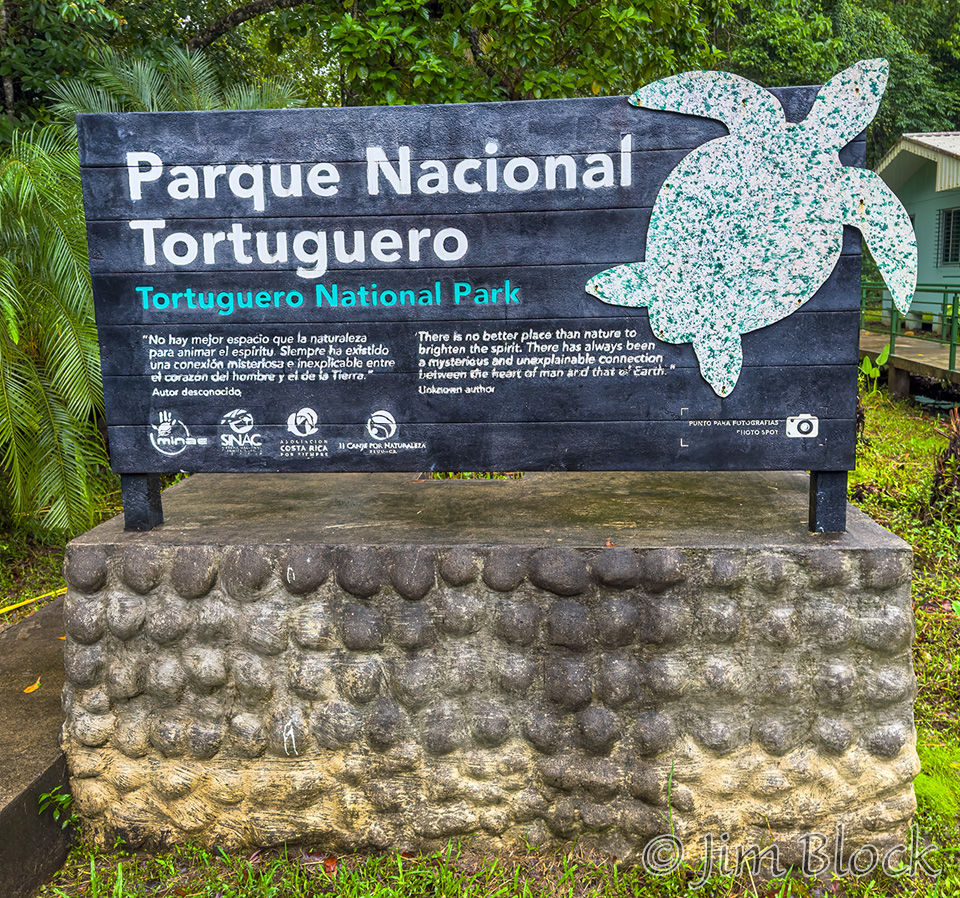
We entered the park and boarded a boat. Most boats had no roof, but fortunately ours had a cloth cover that could be raised and lowered.
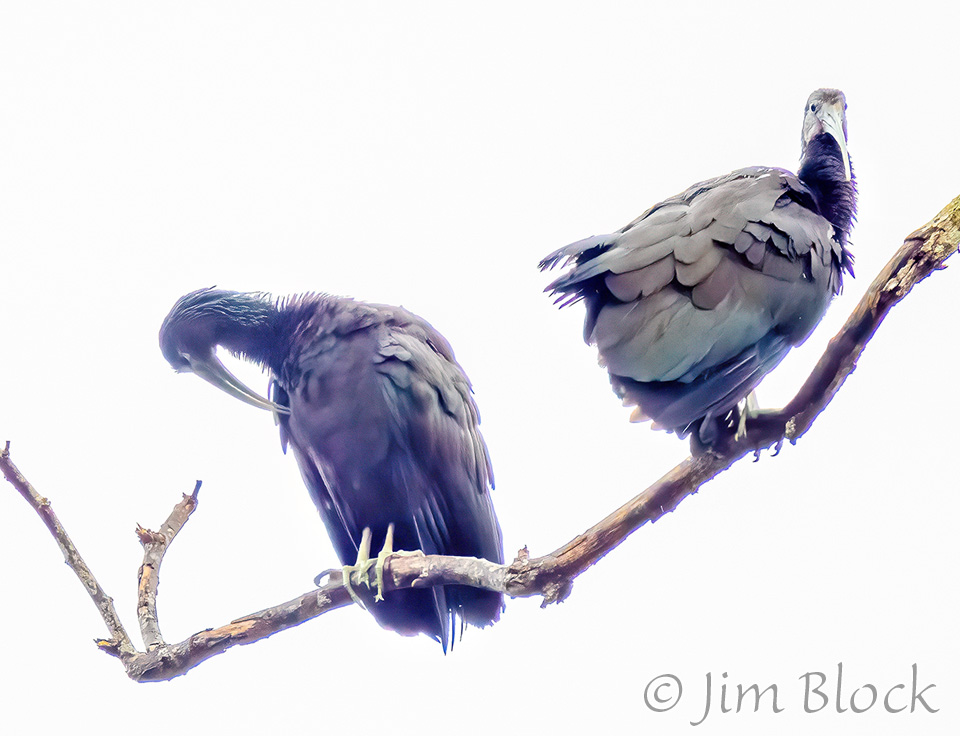
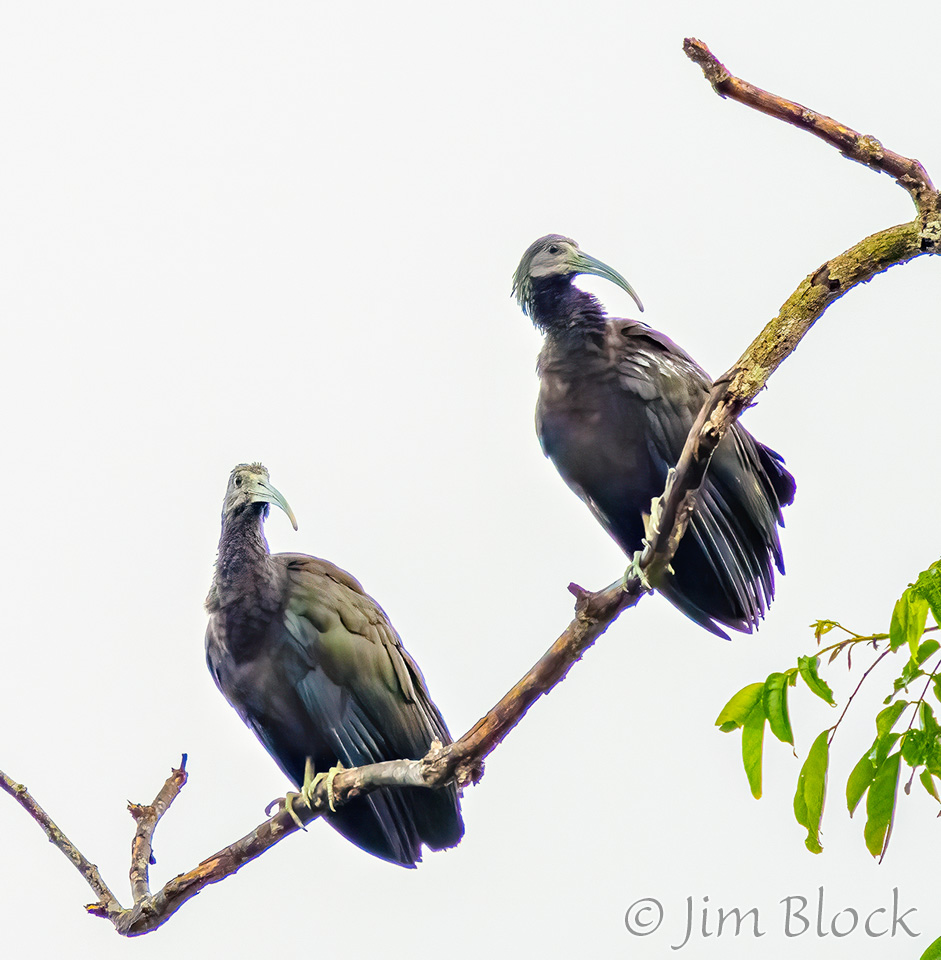
The first birds we spotted from the boat were Green Ibis high in a distant tree.
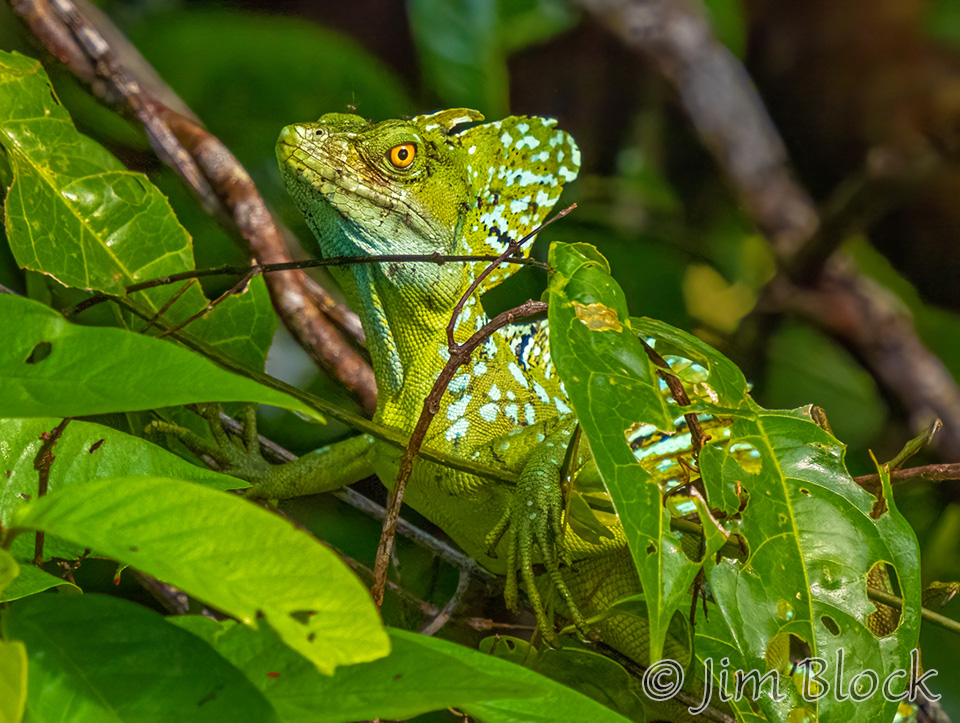
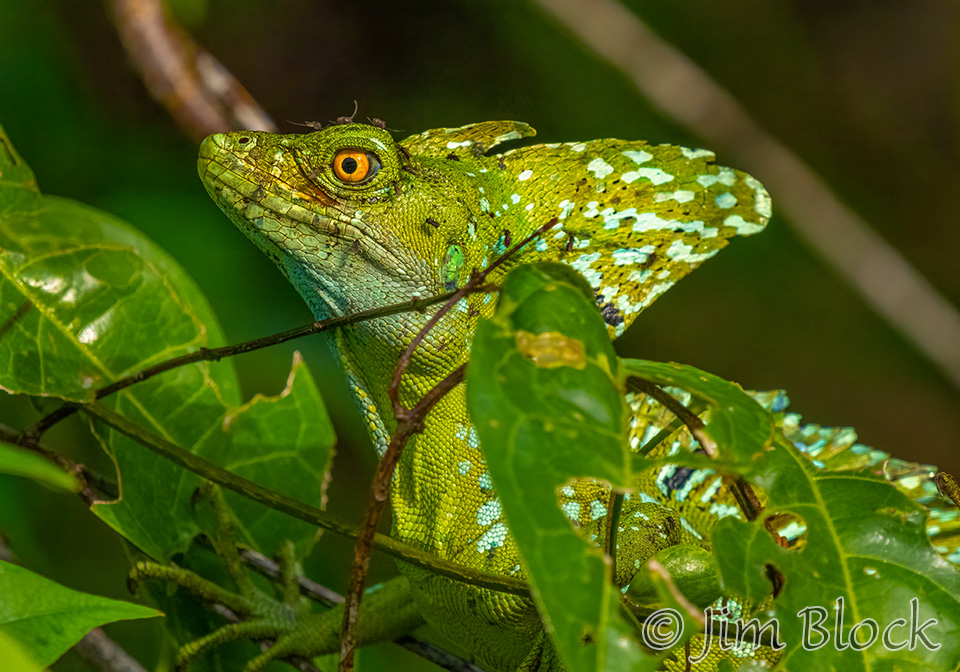
We got close looks at a Green Basilisk.
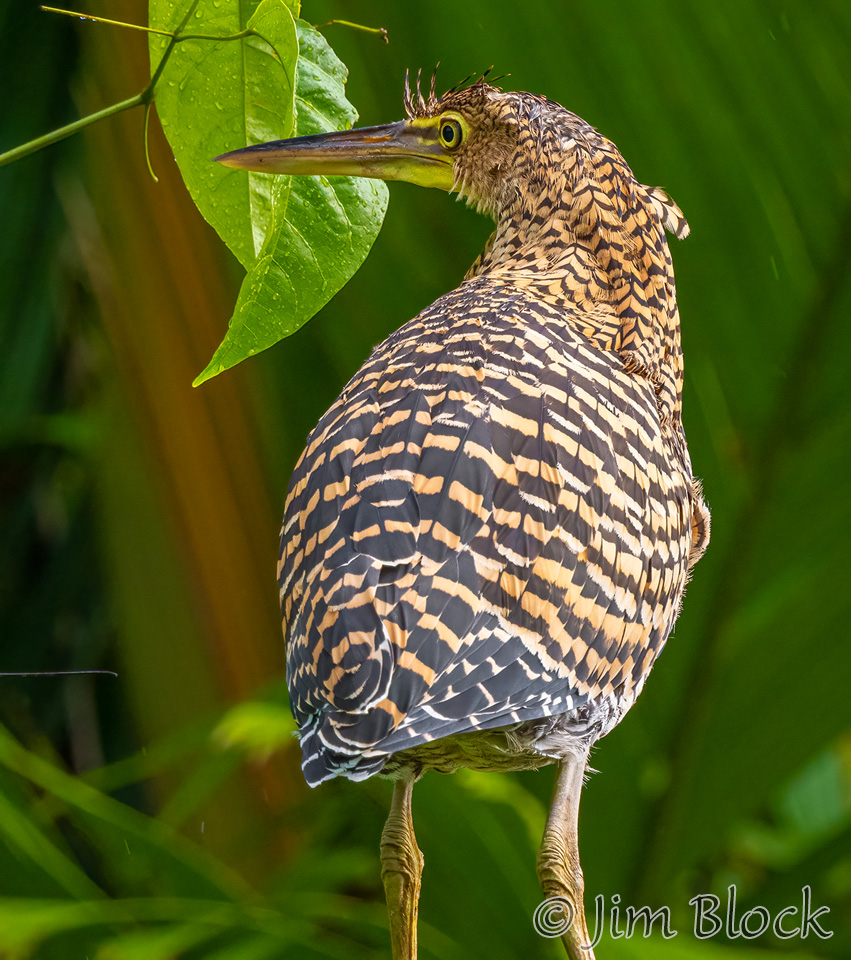
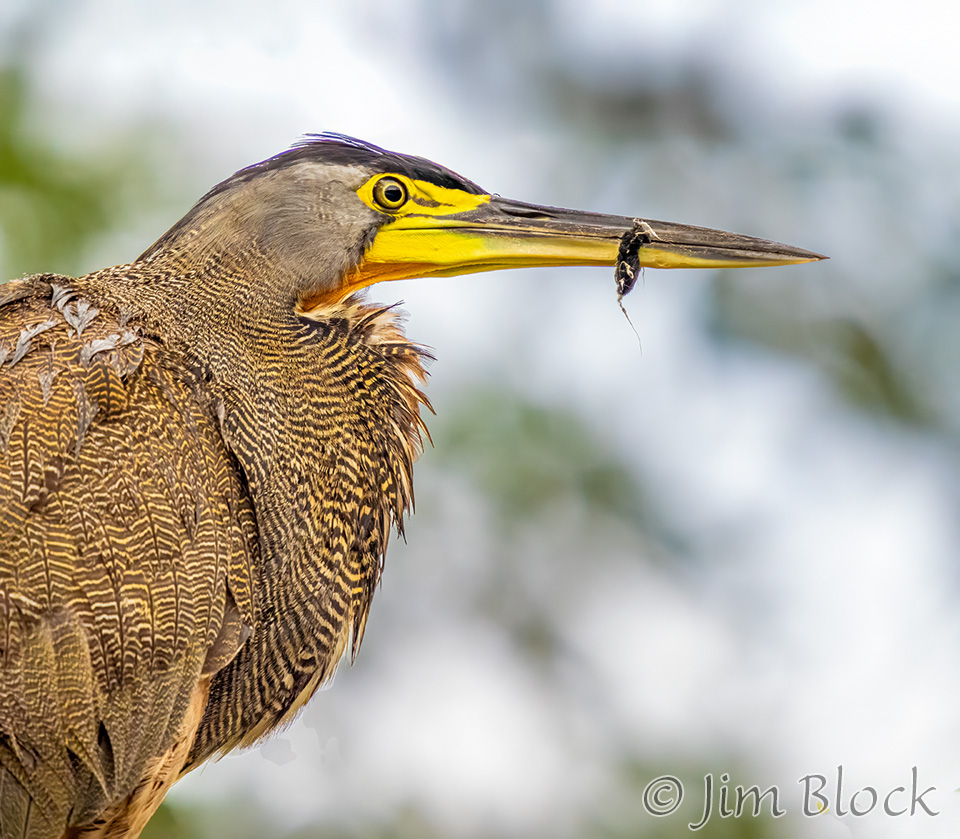
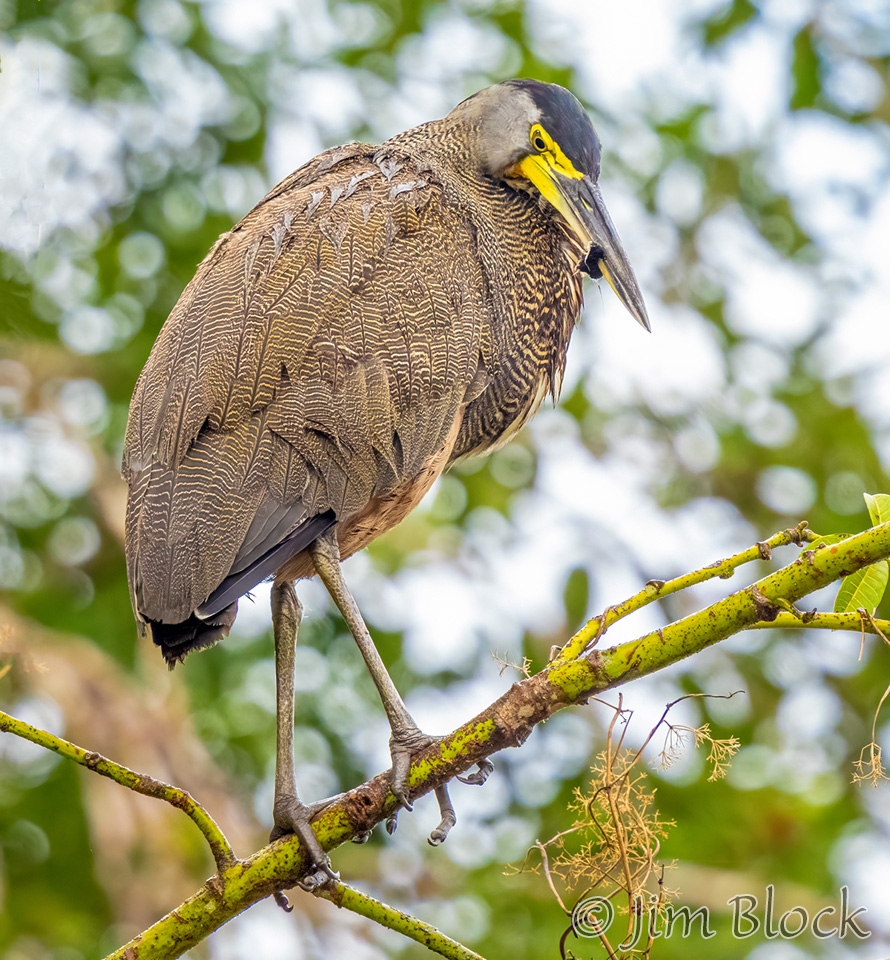
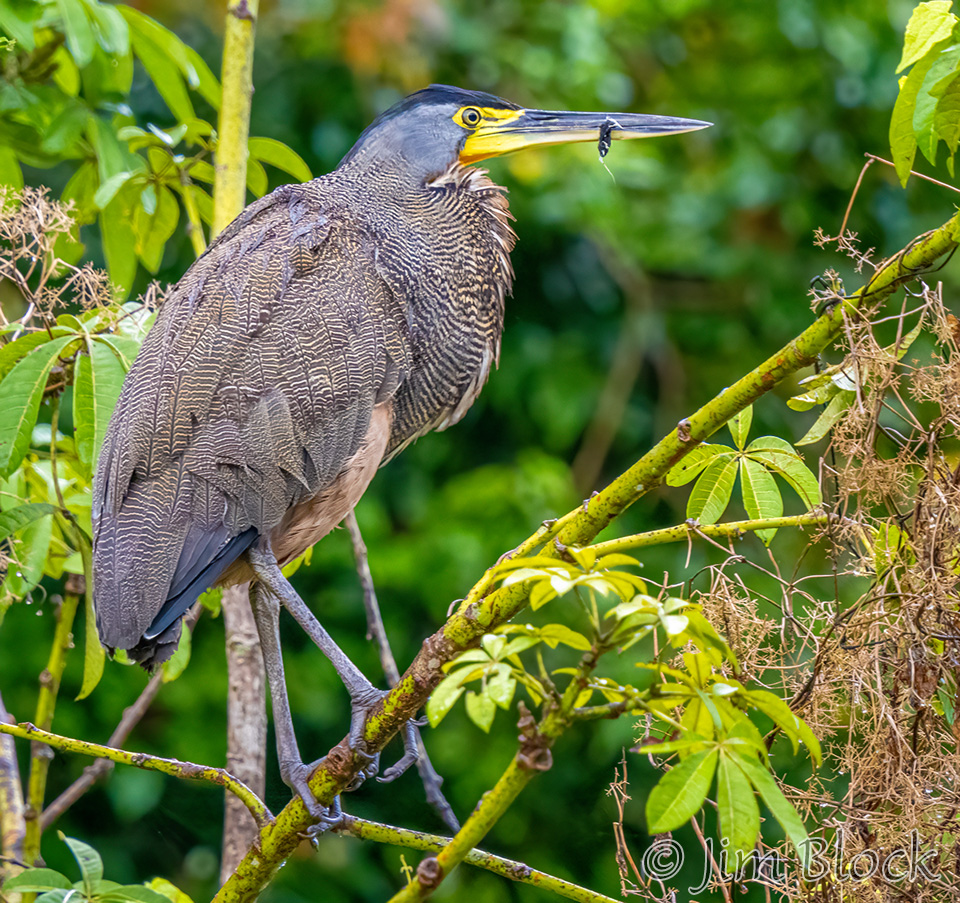
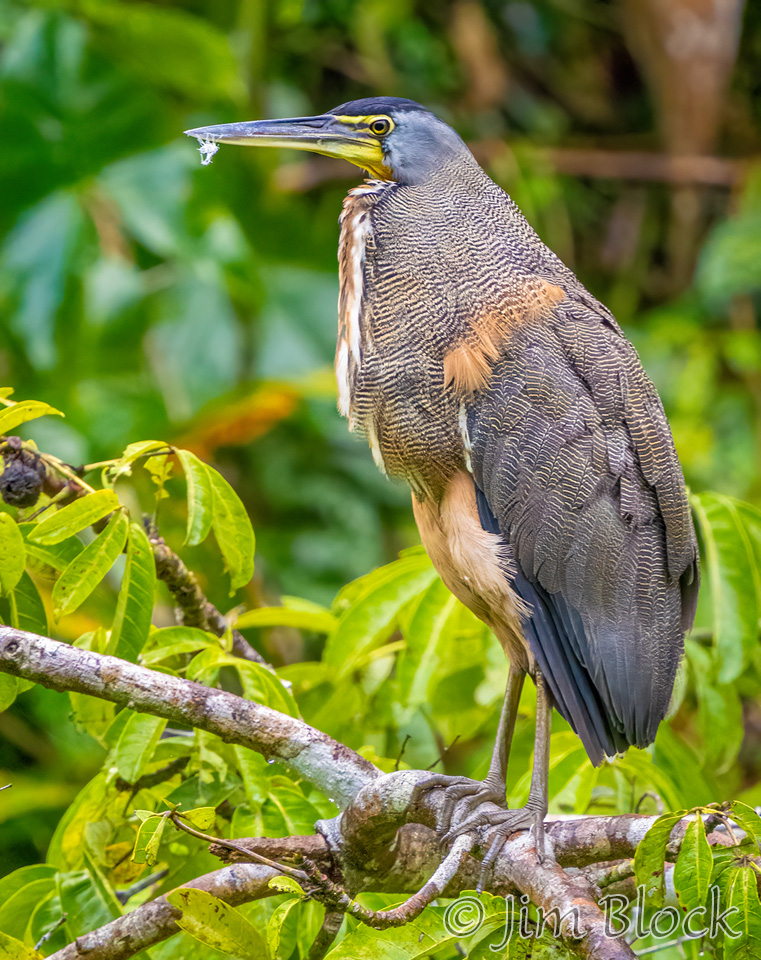
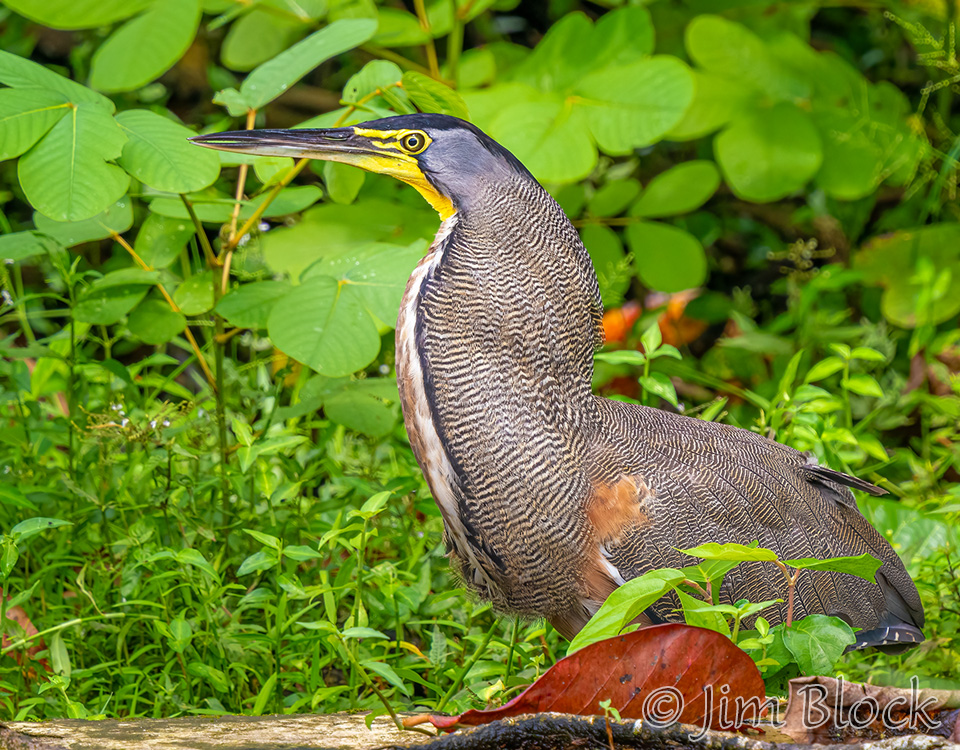
We saw several Bare-throated Tiger Heron with catches.
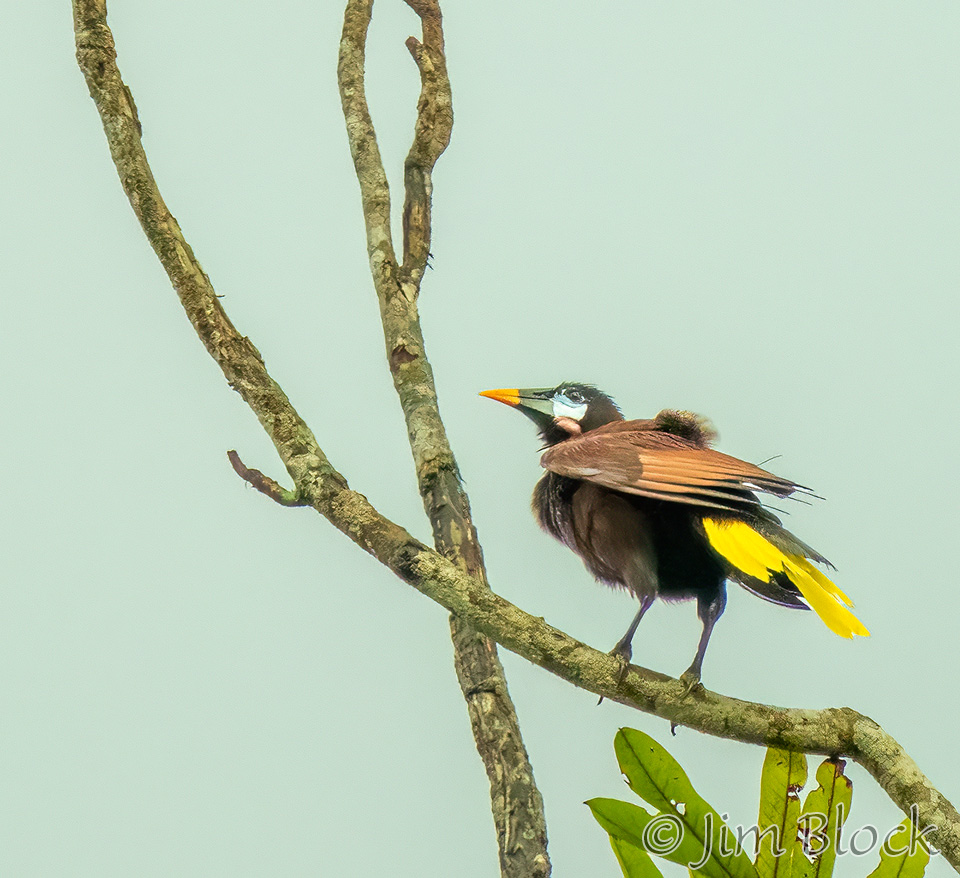
There was a distant Montezuma Oropendola.
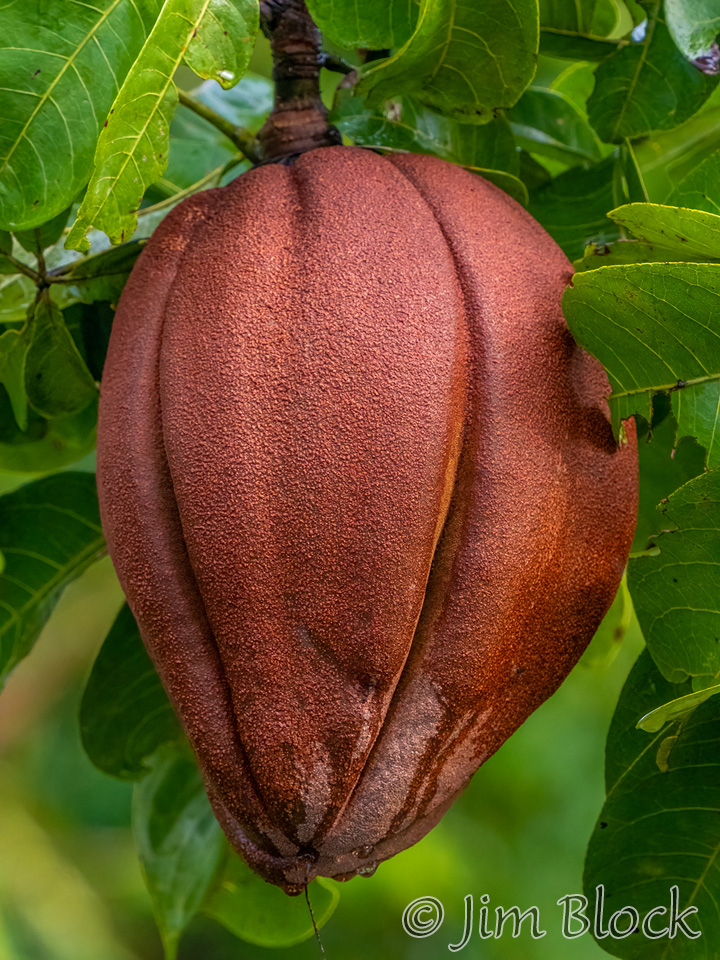
And a close-up fruit of a provision tree.
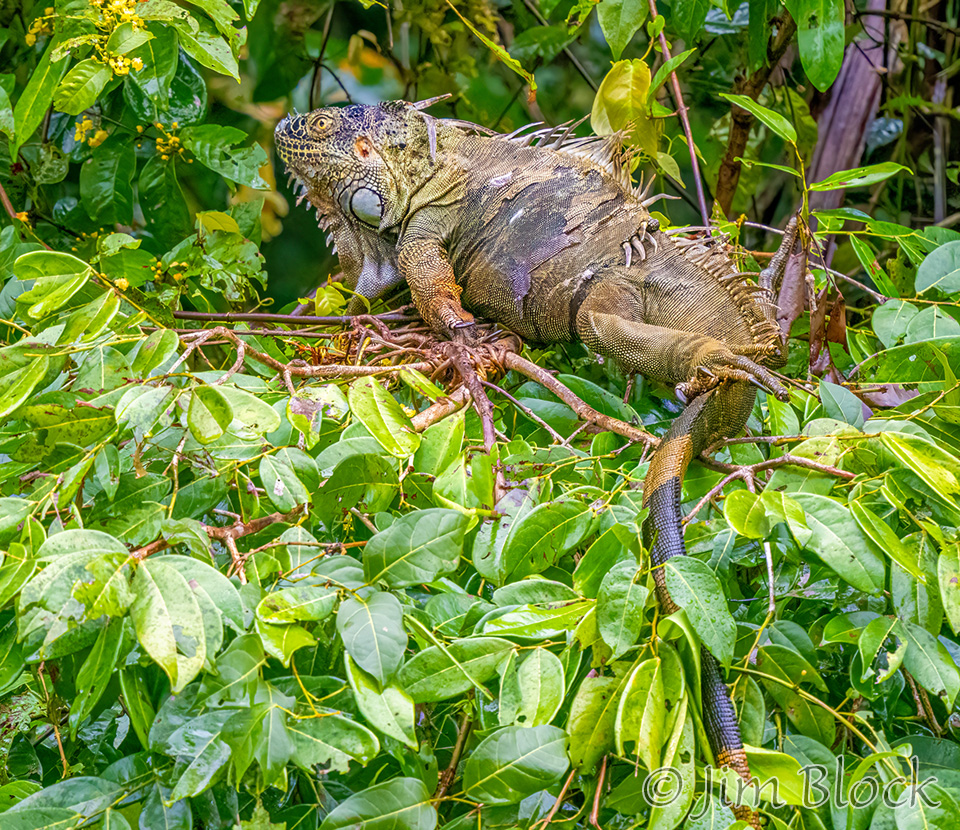
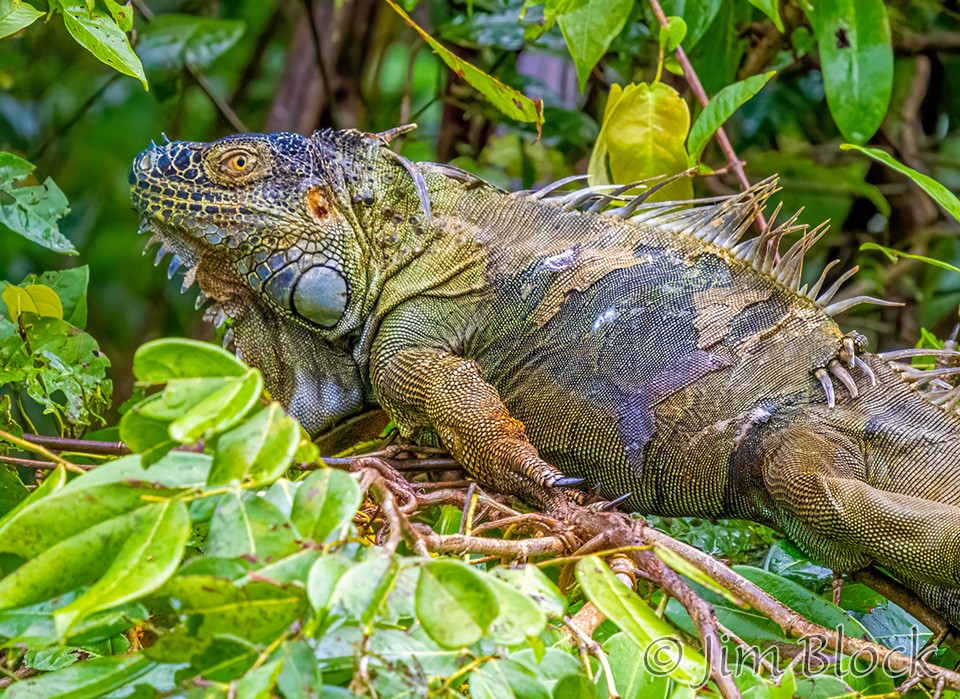
We came upon a Green Iguana.
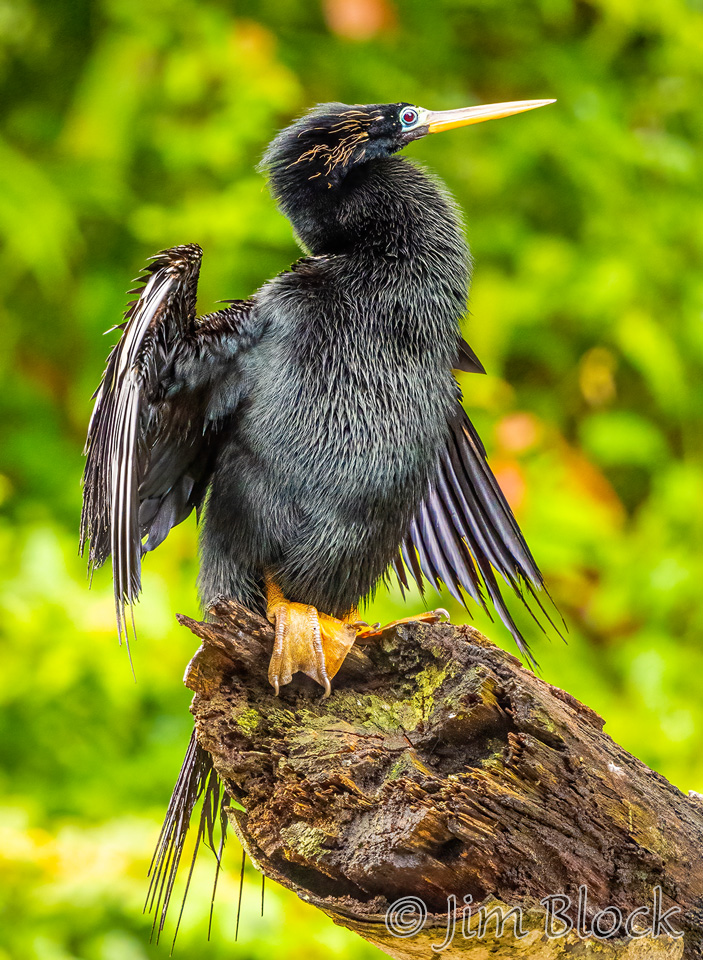
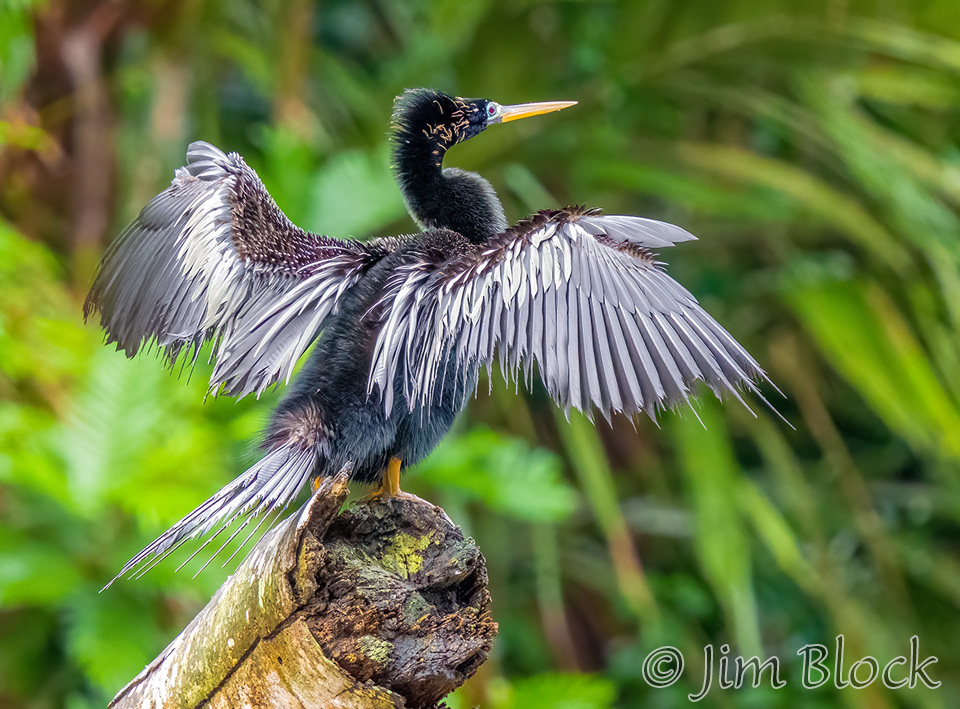
An Anhinga was drying its wings.
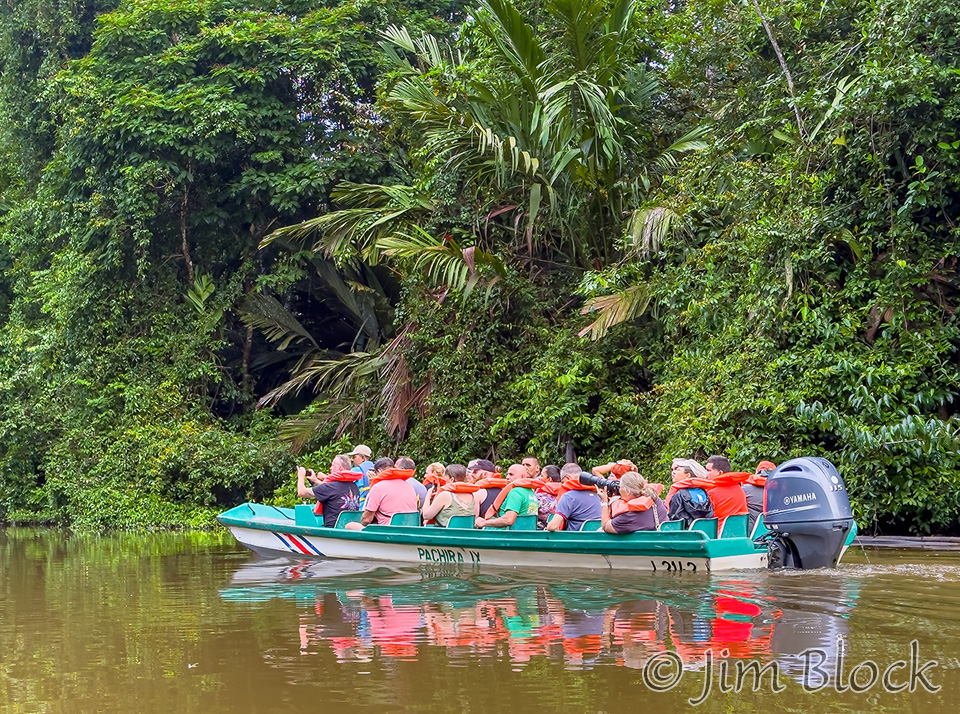
There were many boats of various shapes and sizes touring this complex network of waterways. Some were small canoes with just a few people; others were larger. This one was jammed with people. I’m glad we each had a window seat (on our completely open-sided boat).
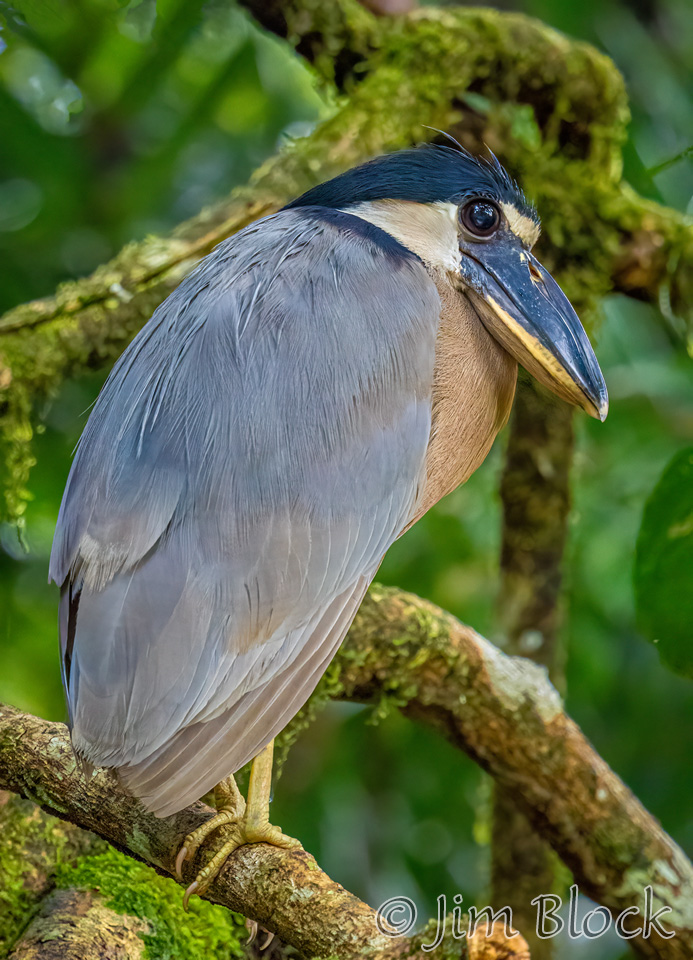
We saw several Boat-billed Heron. The first was in a tangle and at the end of a narrow passage and hard to photograph. We got a better look at this one, though just a brief one.
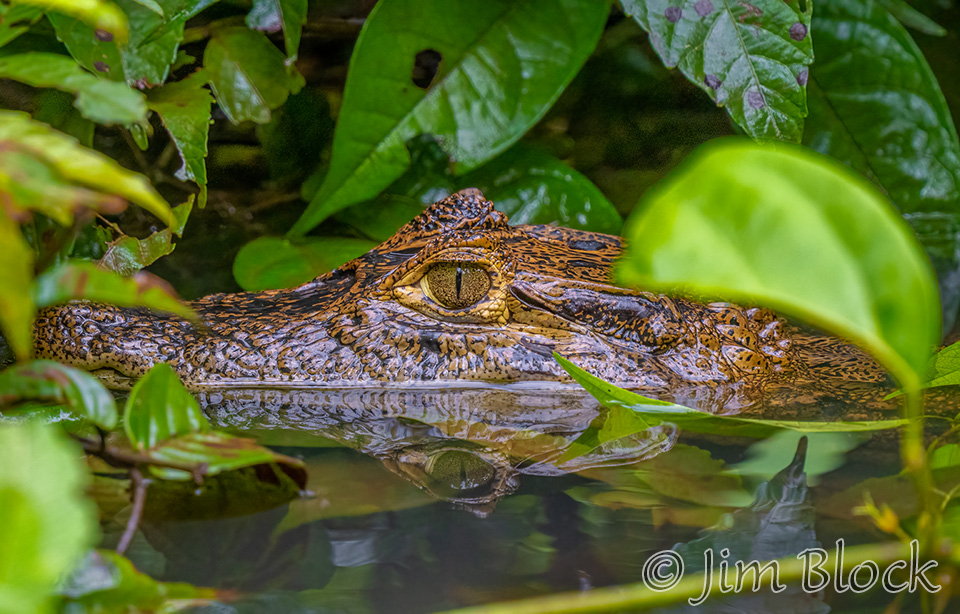
Several speckled caiman were floating in the water waiting for a meal to arrive.
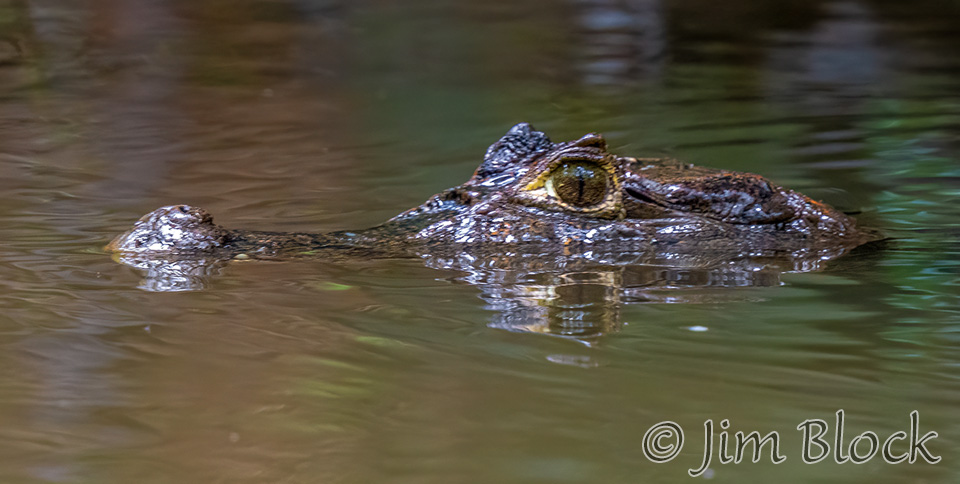
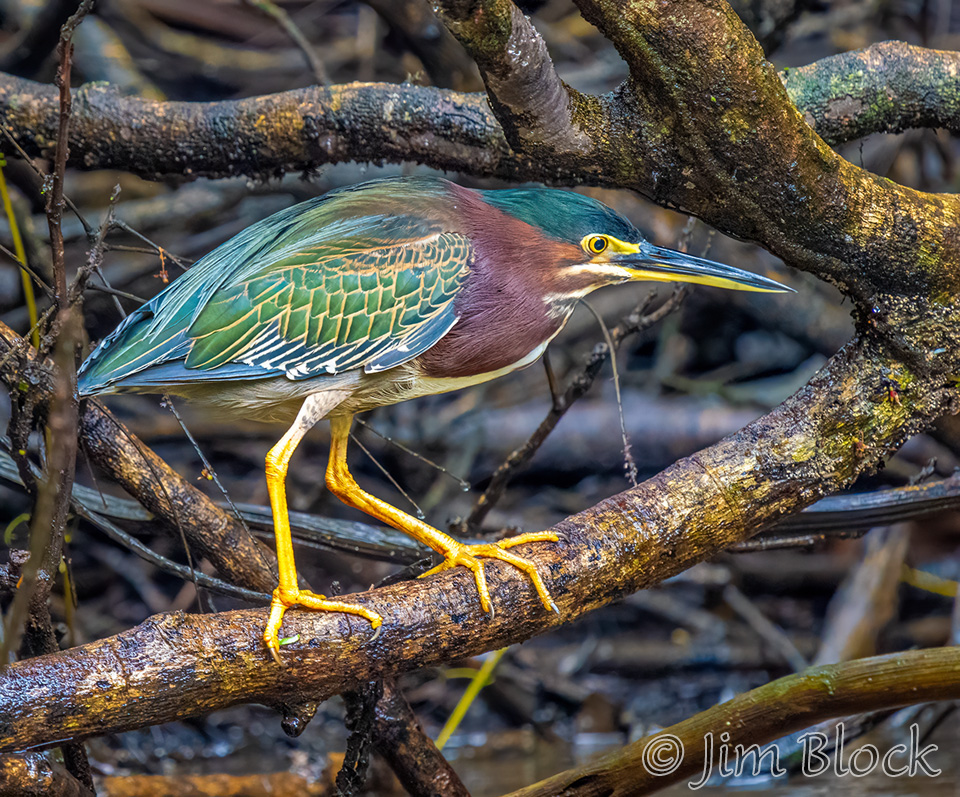
A Green Heron prowled the shore.
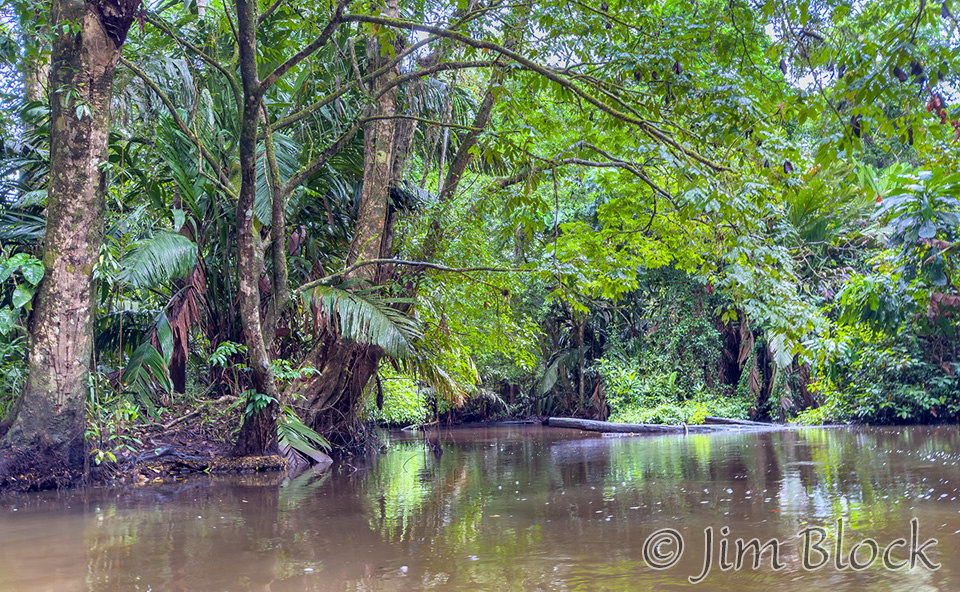
Perhaps this photo gives a feel for this maze of water channels.
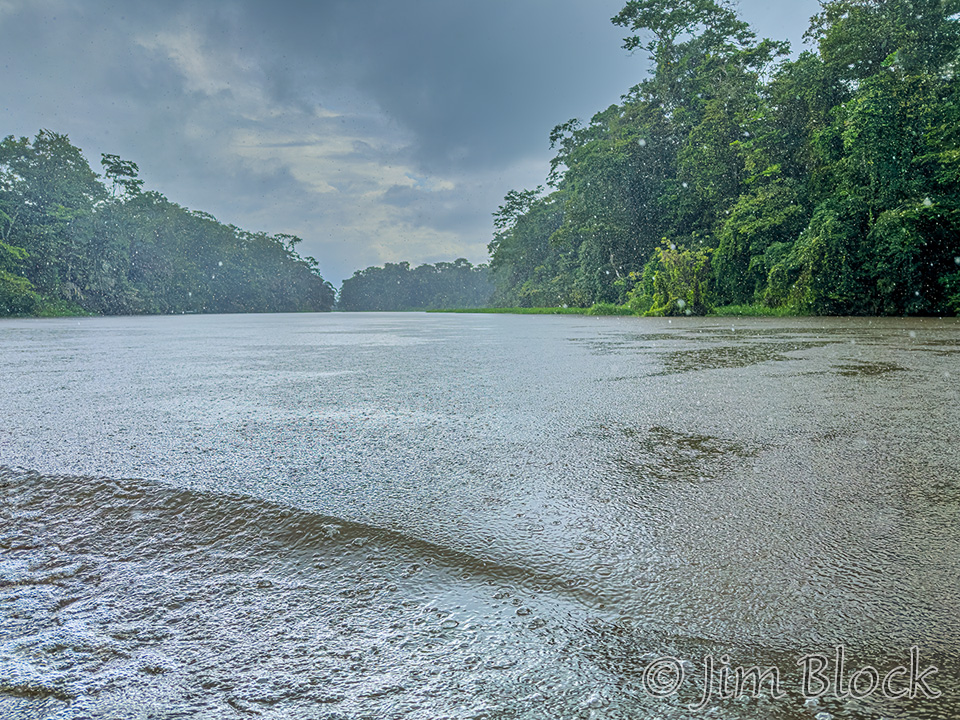
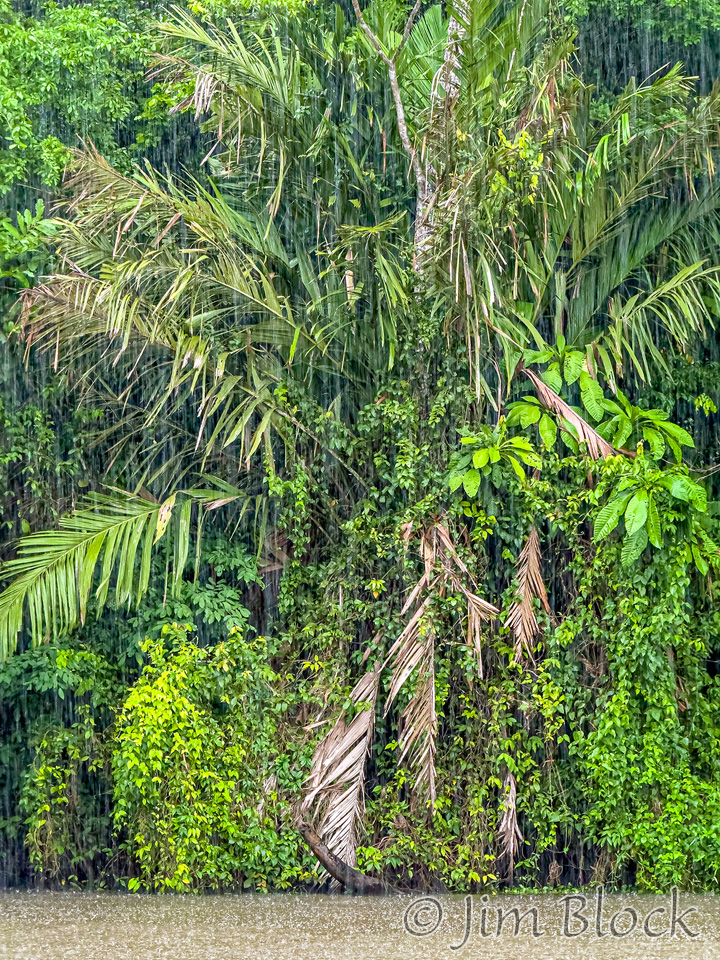
It started to drizzle and the driver pulled the canvas roof over the boat. And then the downpour came.
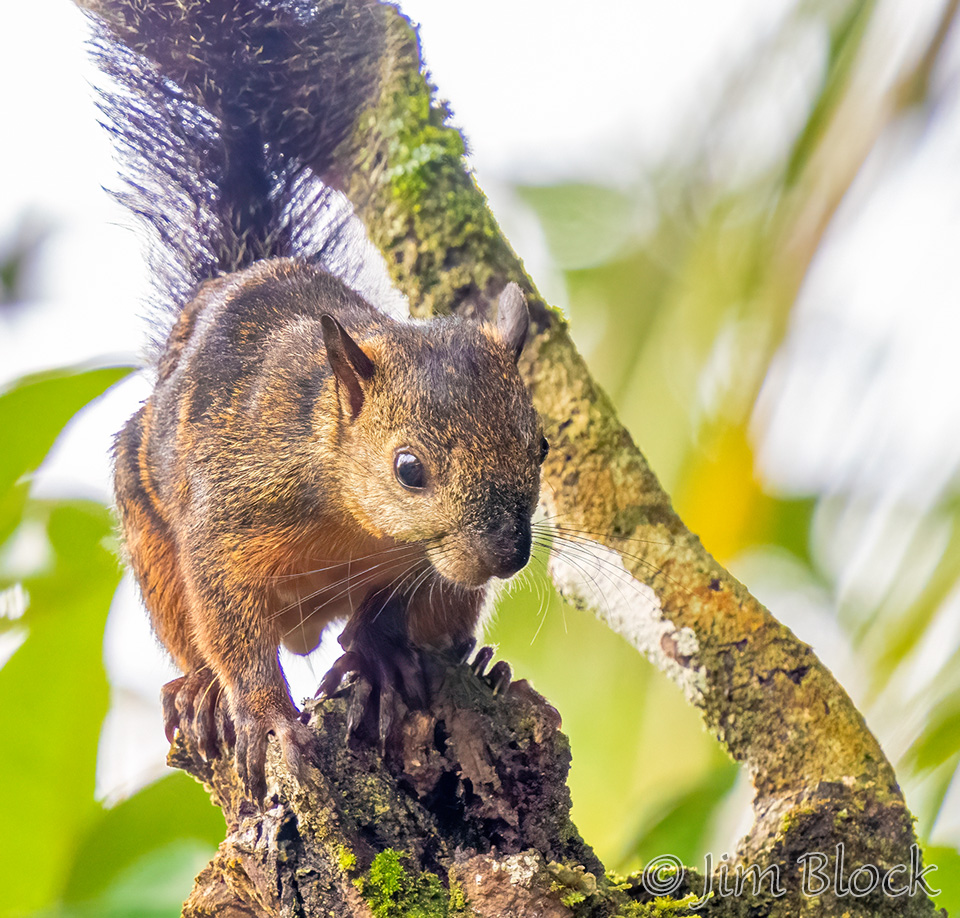
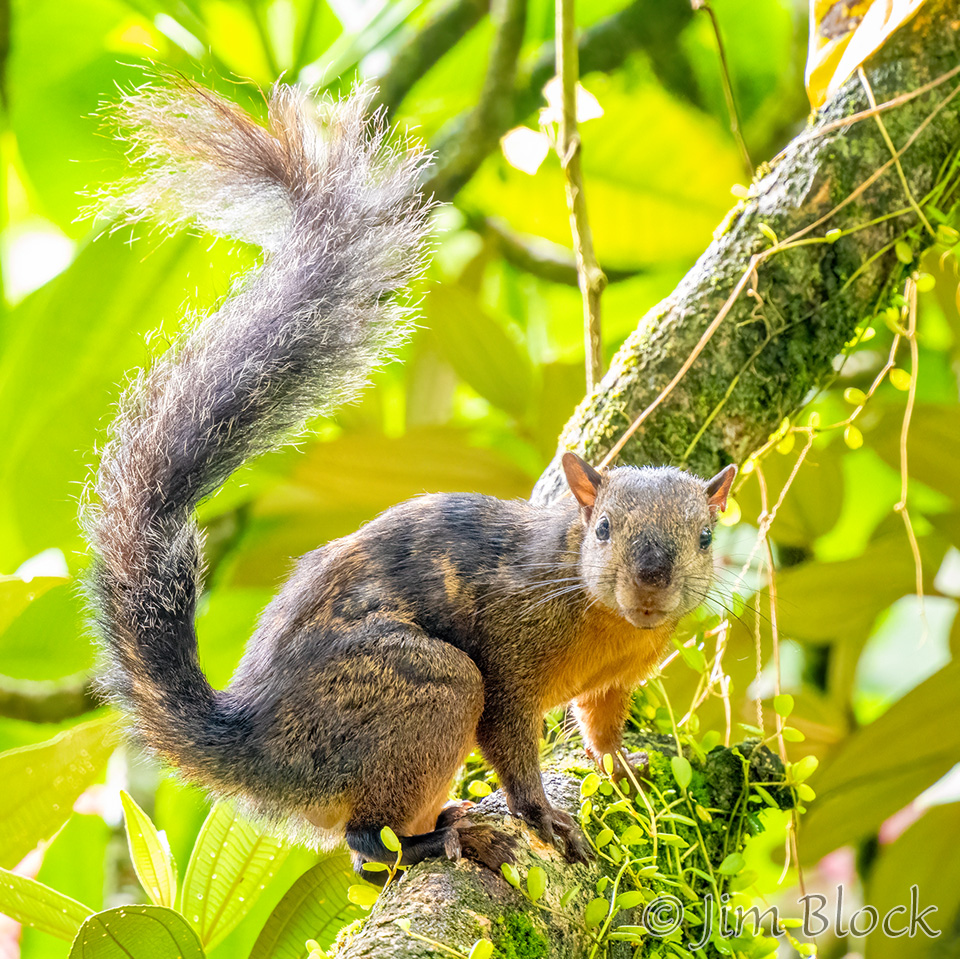
Sometime around 9 a.m. we had breakfast and then were free to explore on our own until lunch. I retraced the path just off the beach and then looped through town. I photographed a variegated squirrel.
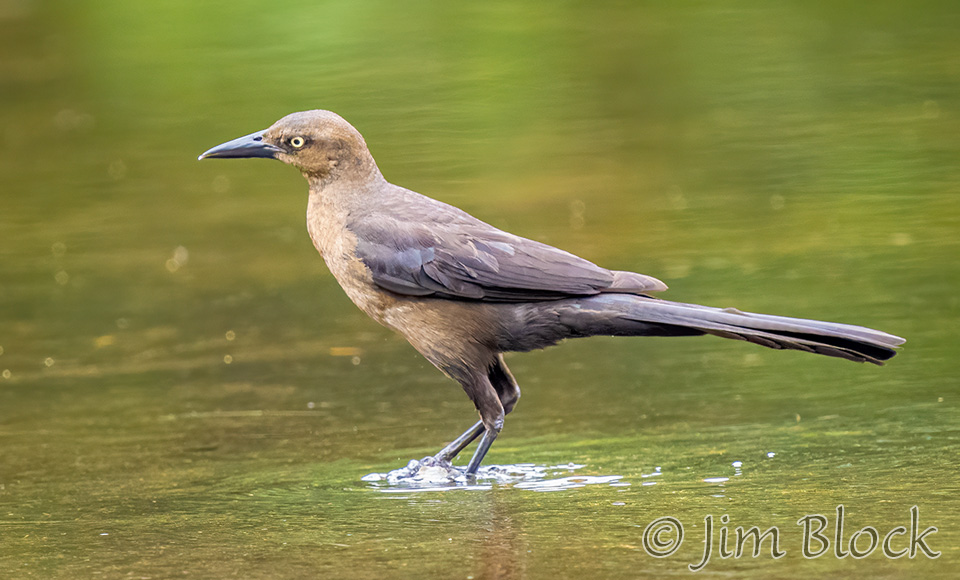
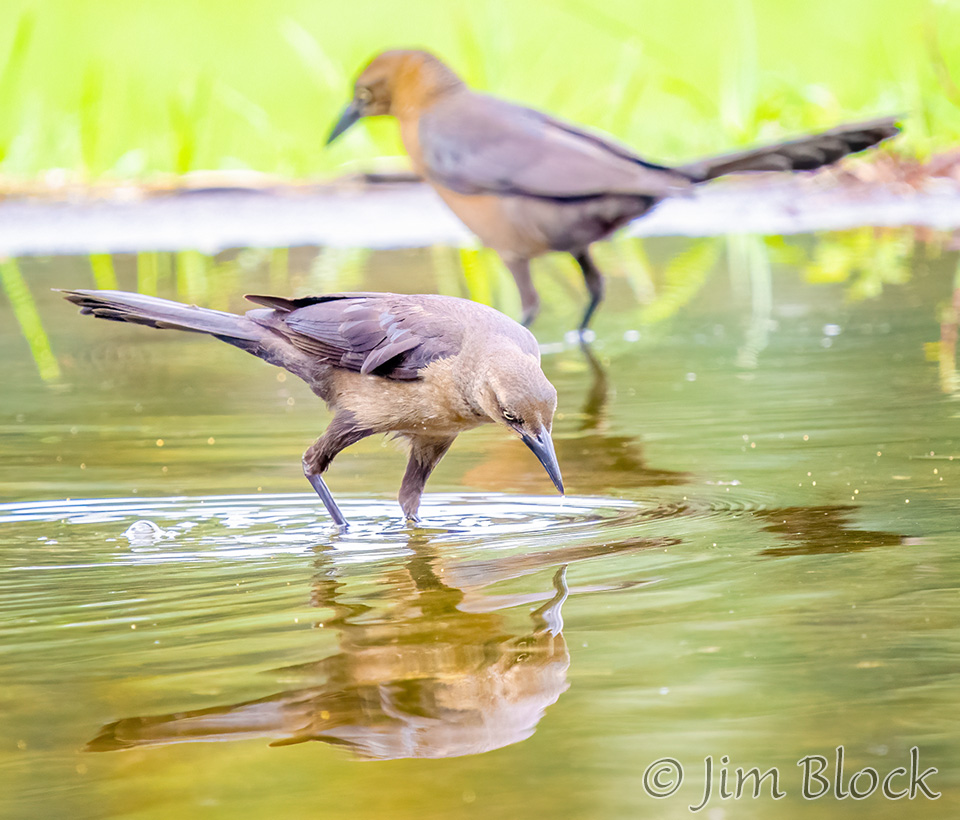
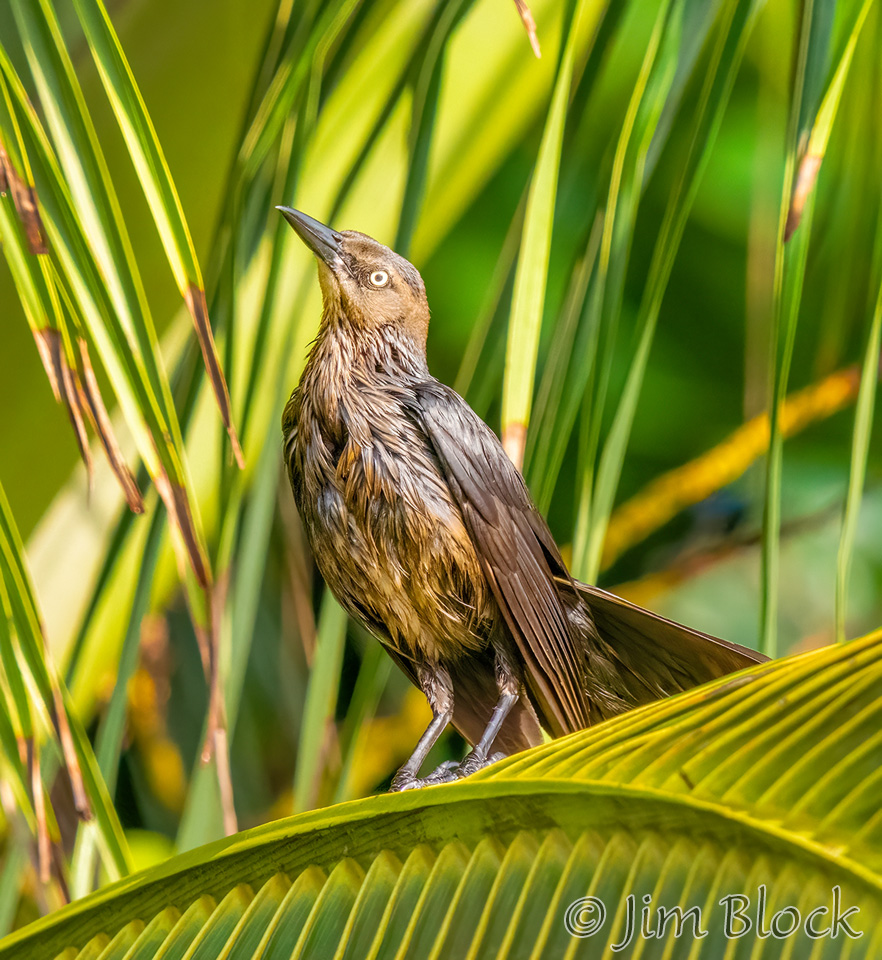
A pair of Great-tailed Grackle were searching for something in a small puddle.
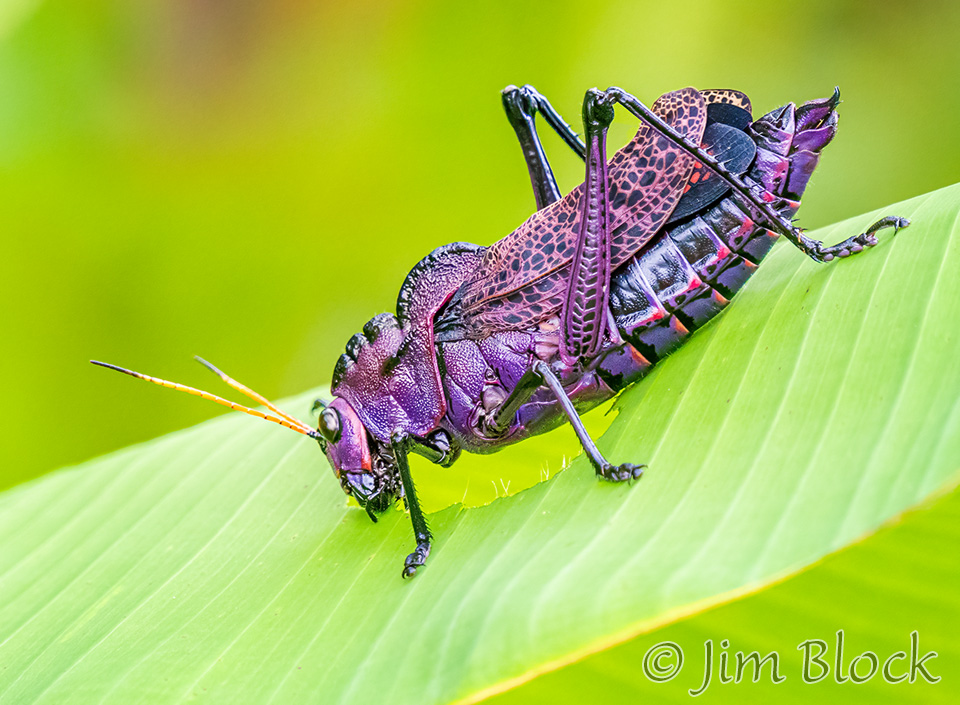
I found some reticulate lubber grasshoppers.
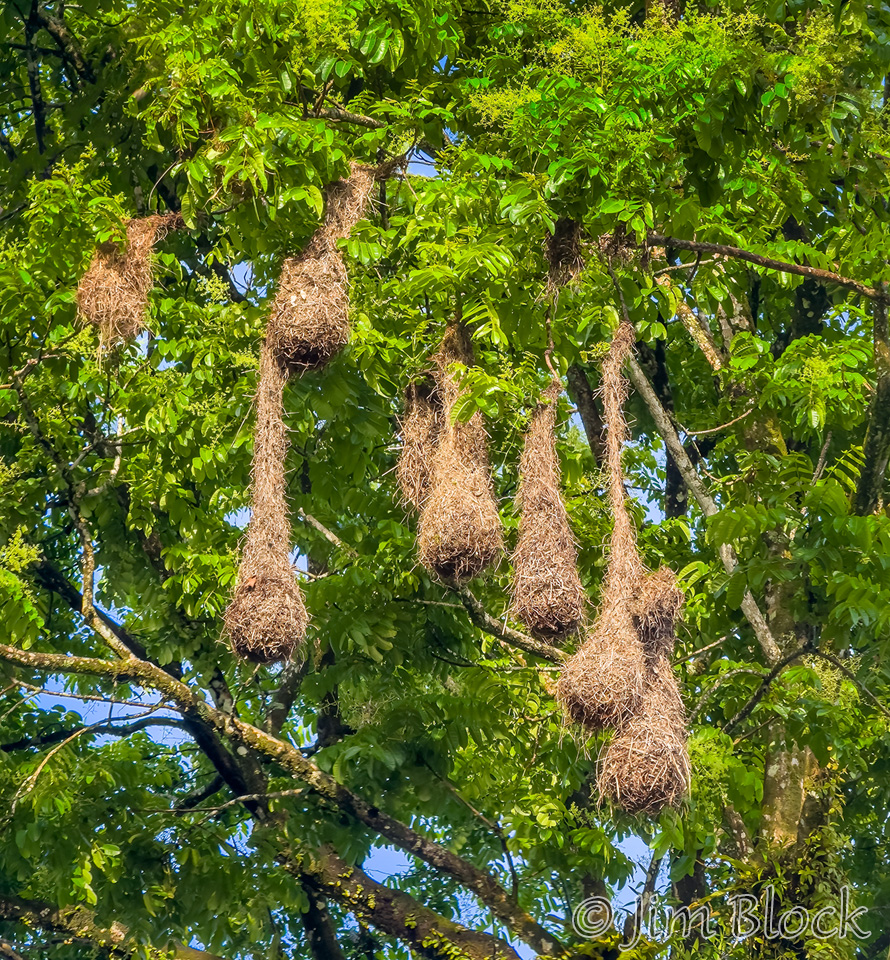
I was fascinated by the huge “oriole” nests of Montezuma Oropendola so I took another photo.
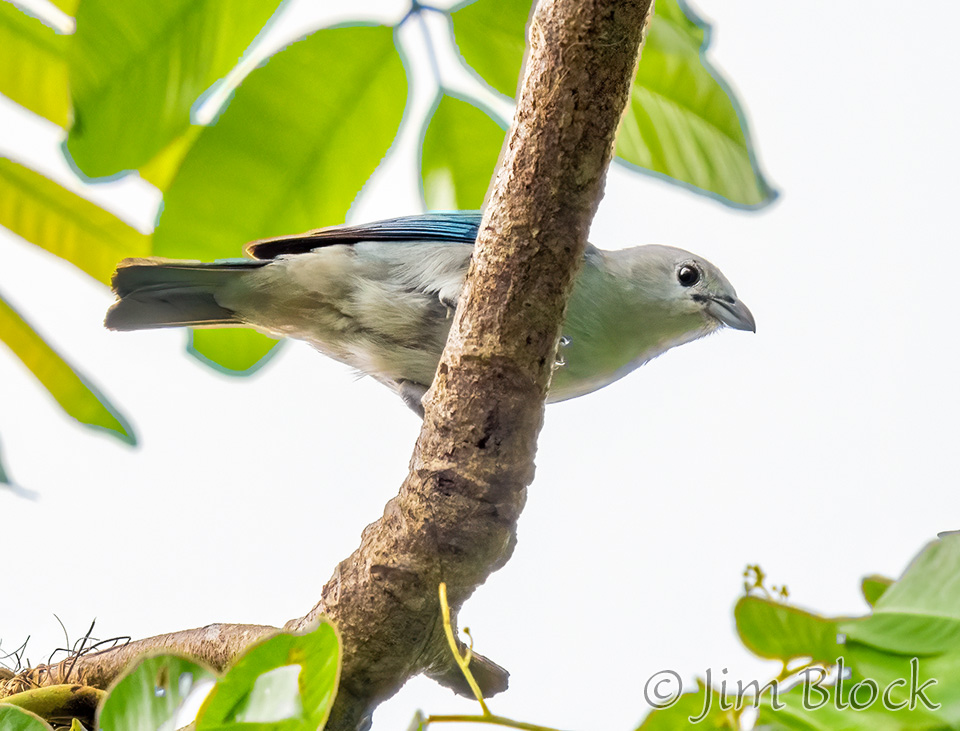
Blue-gray Tanagers seemed to be fairly common in Costa Rica.
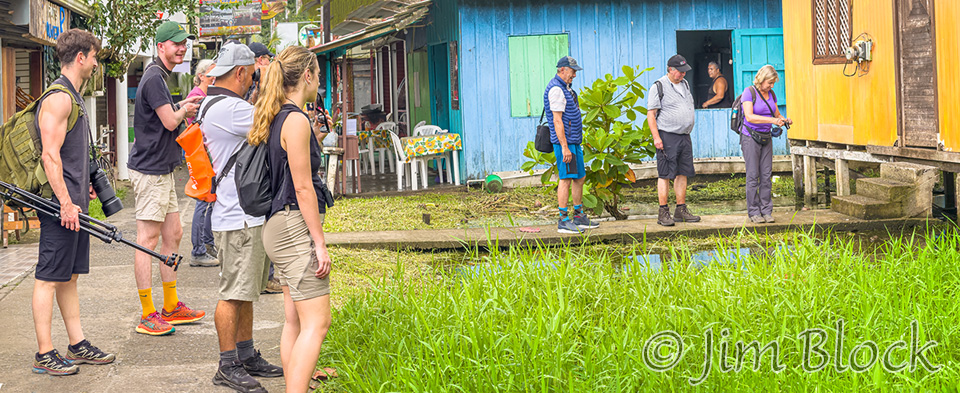
Walking back through town I found a crowd in front of the house with the flooded yard that I had photographed the previous day. This five-photo panorama was taken with my iPhone as I only had a long Olympus lens with me. What could possibly be the attraction here?
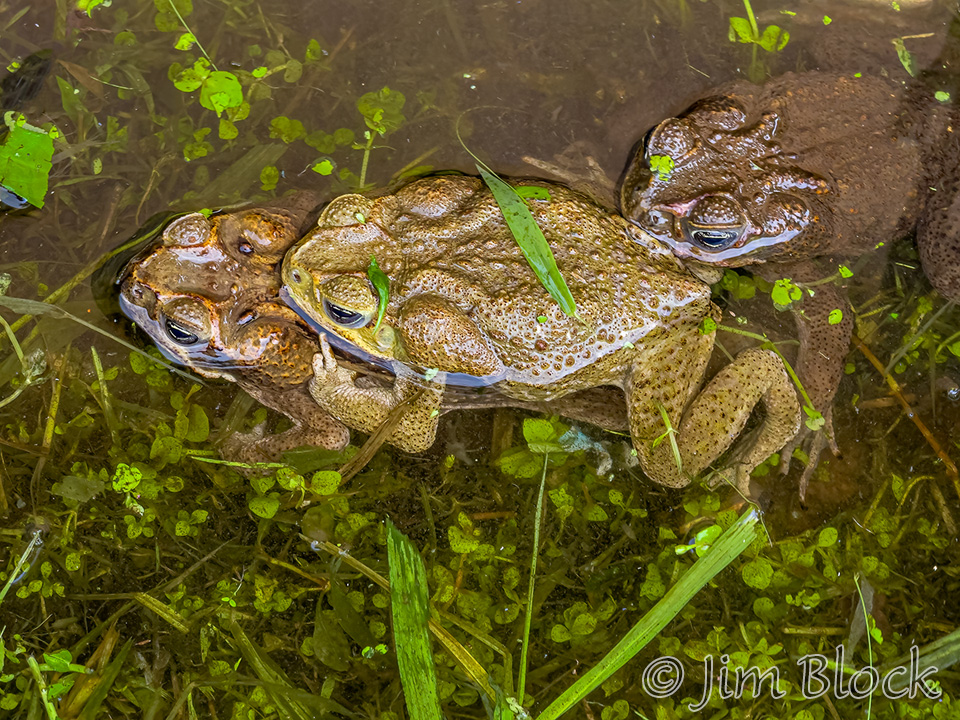
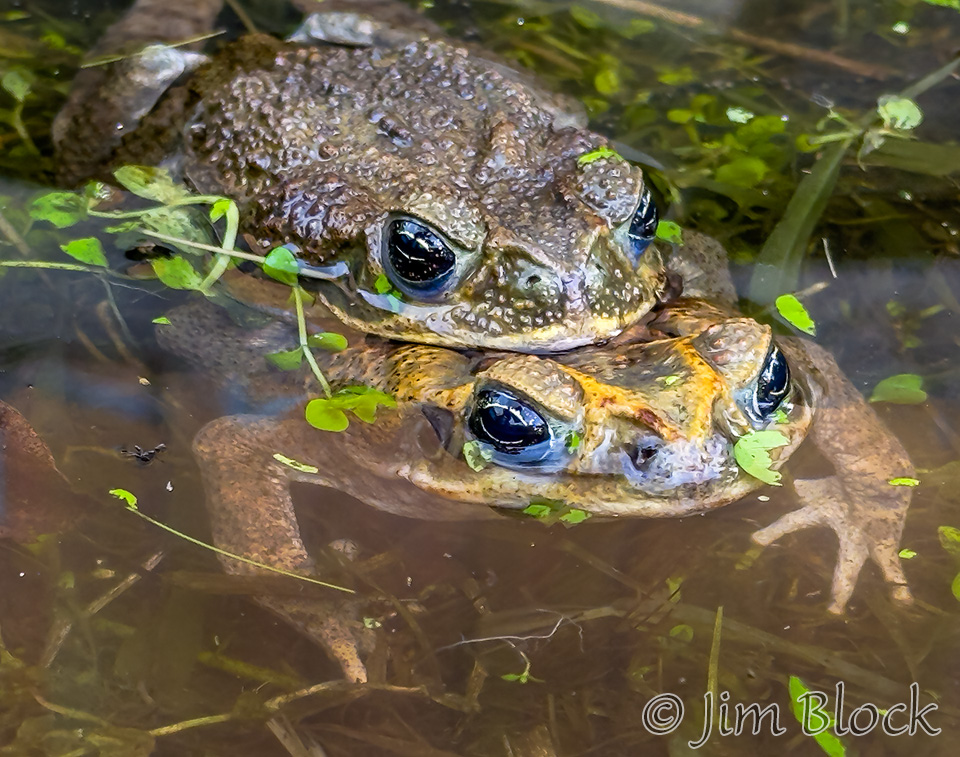
It turned out the “yard” was filled with many pairs of mating marine toads. The guys are 6 inches long.
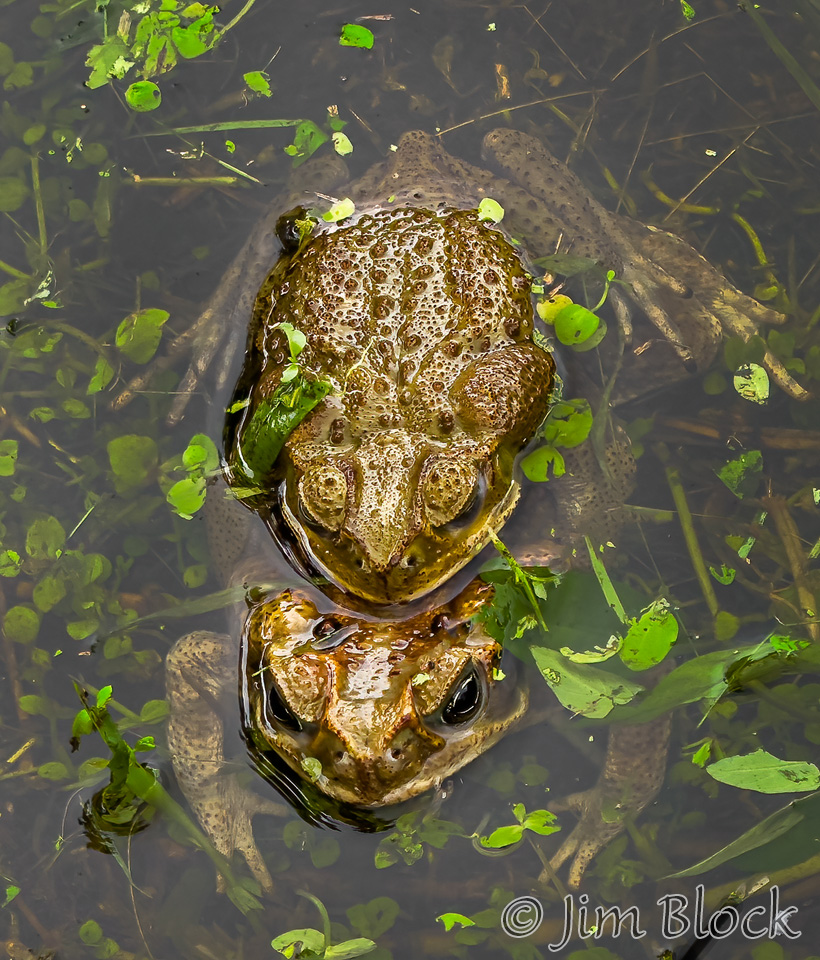
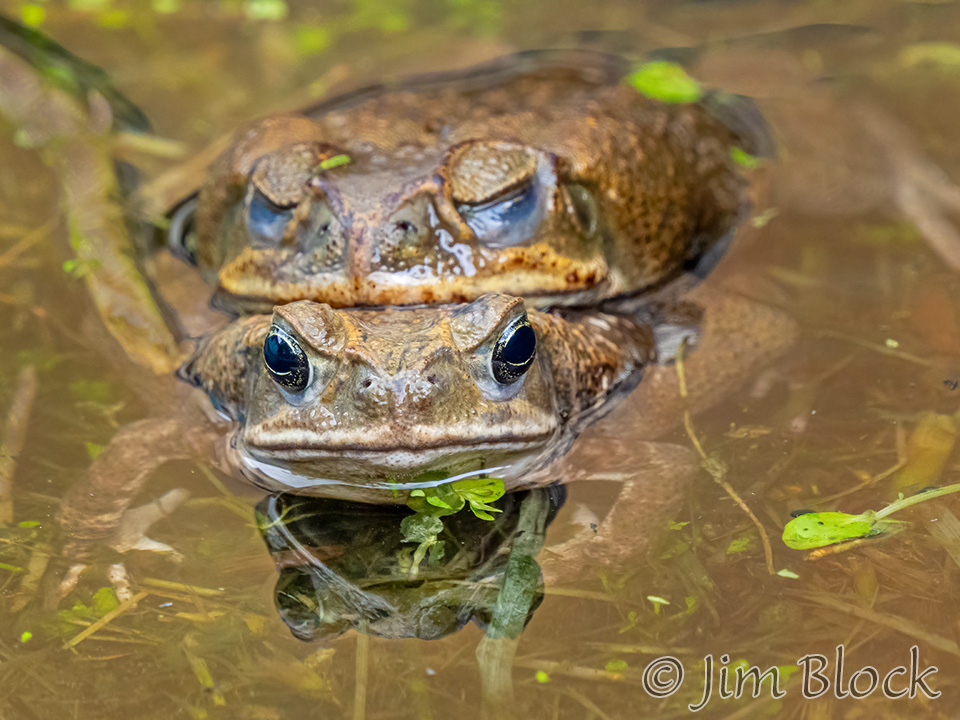
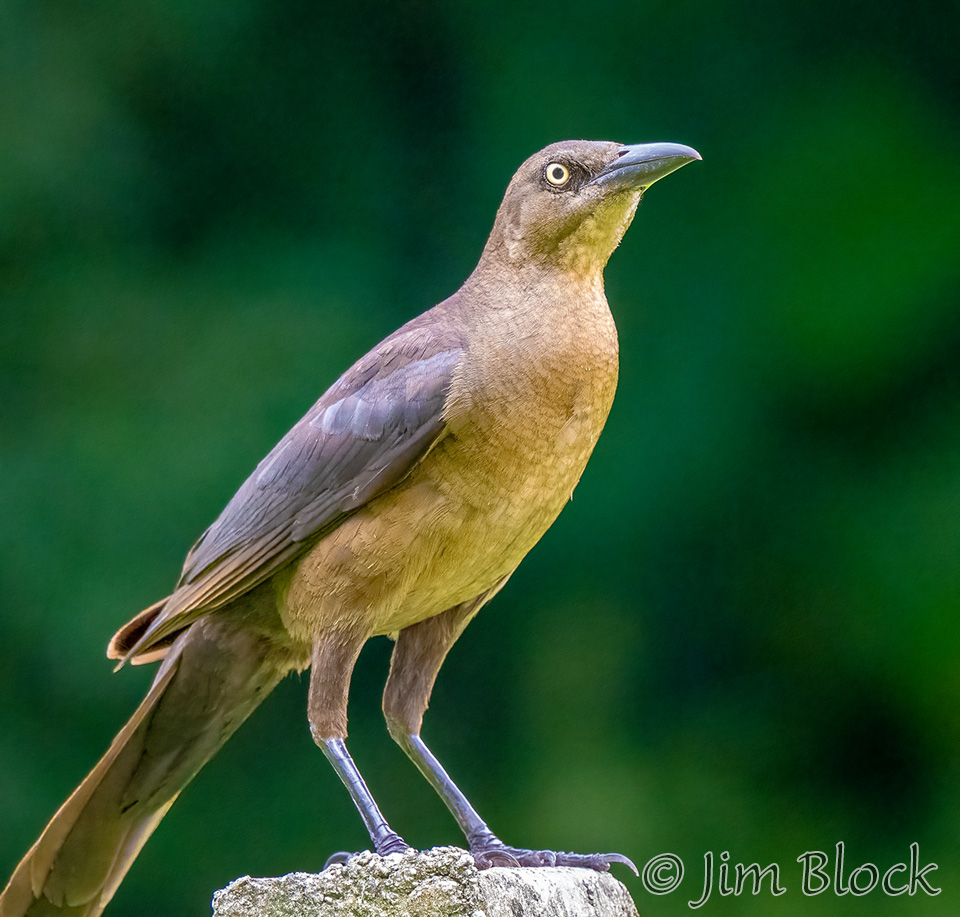
Along the short path off “main street” toward our hotel I found a Great-tailed Grackle.
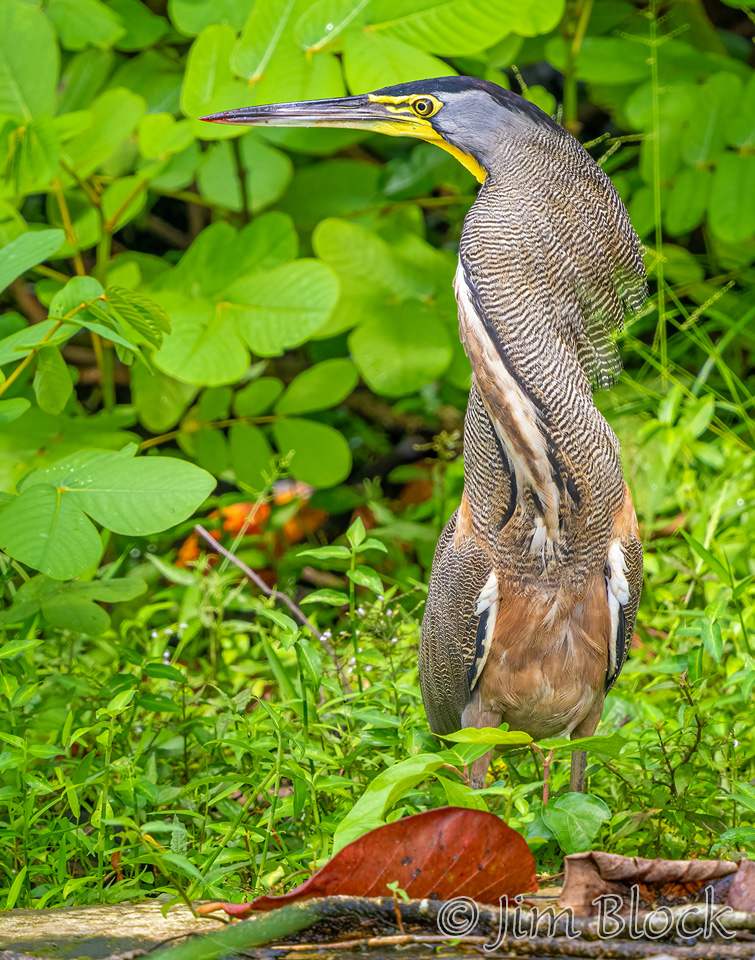
After lunch we hiked through Tortuguero National Park which was at the southern end of town. Near the house with the marine toads stood a Bare-throated Heron.
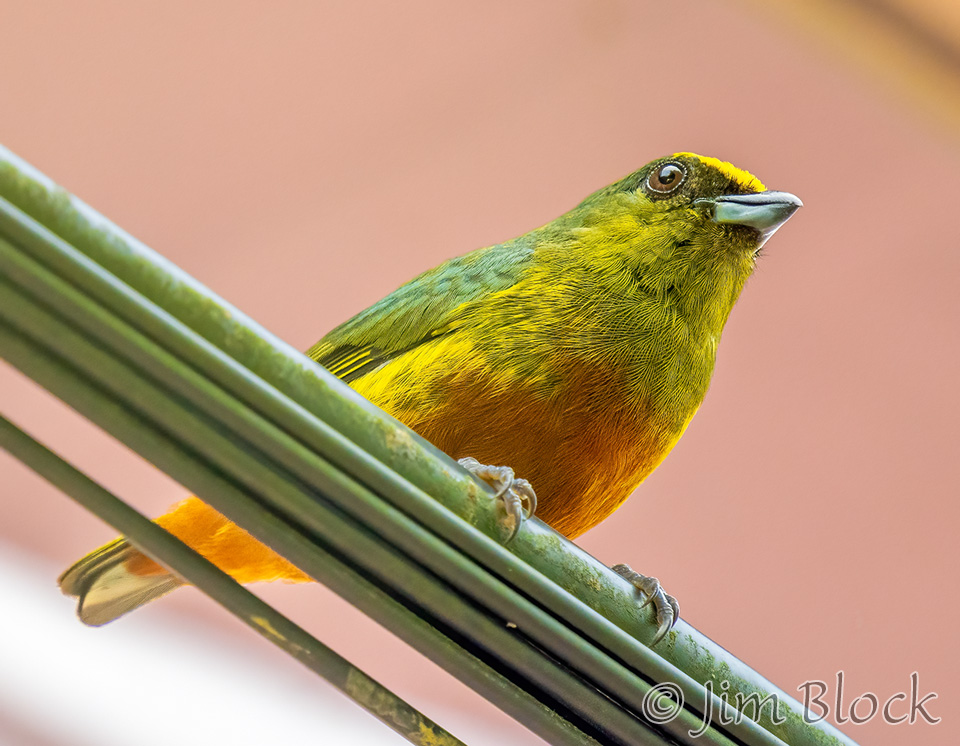
Right along the main road we saw an Olive-backed Euphonia.
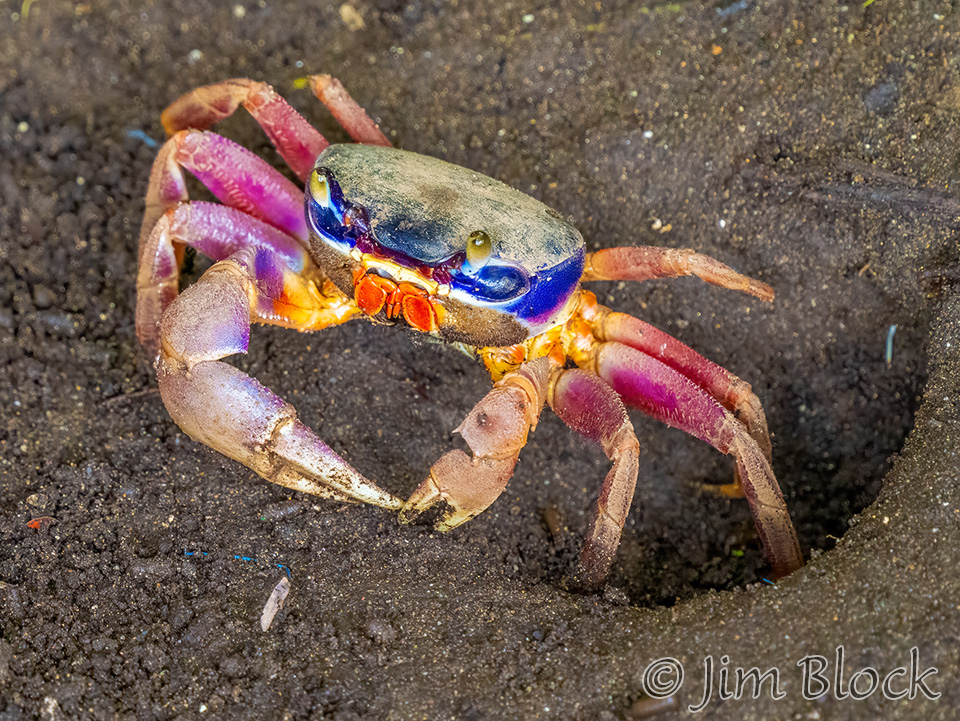
Just before entering the park I was able to photograph a favorite crab, a Sally Lightfoot. What a great name! One source suggests the crab was named after a Caribbean dancer due to its ability to climb vertical slopes with exceptional agility.
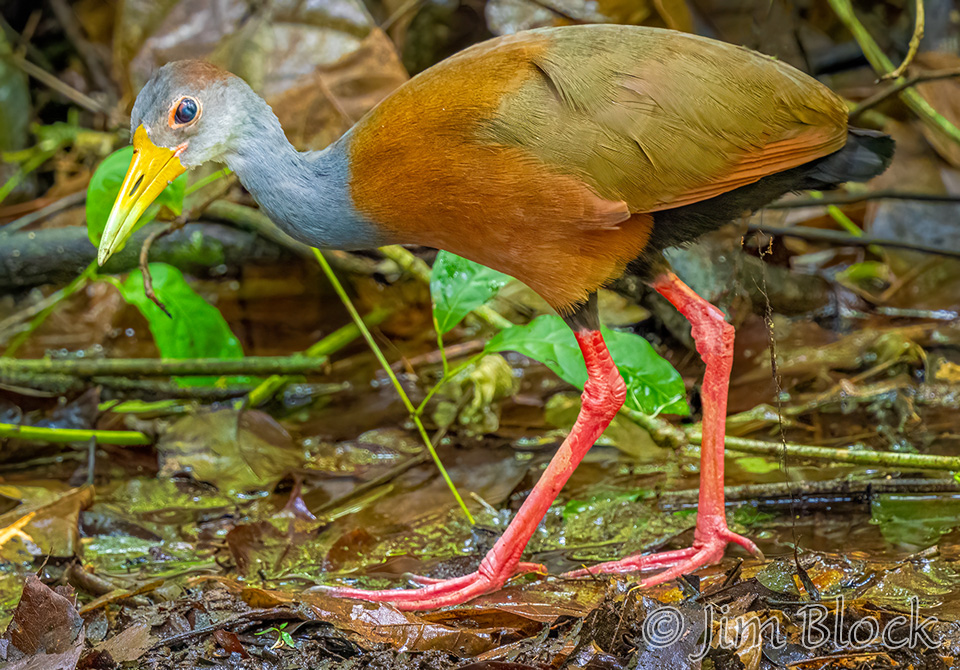
The first bird in Tortuguero National Park was a Grey-cowled Wood Rail. It would be one of the few birds we saw in the park itself.
Reptiles made a showing with a strawberry poison-dart frog and a Central American whiptail.
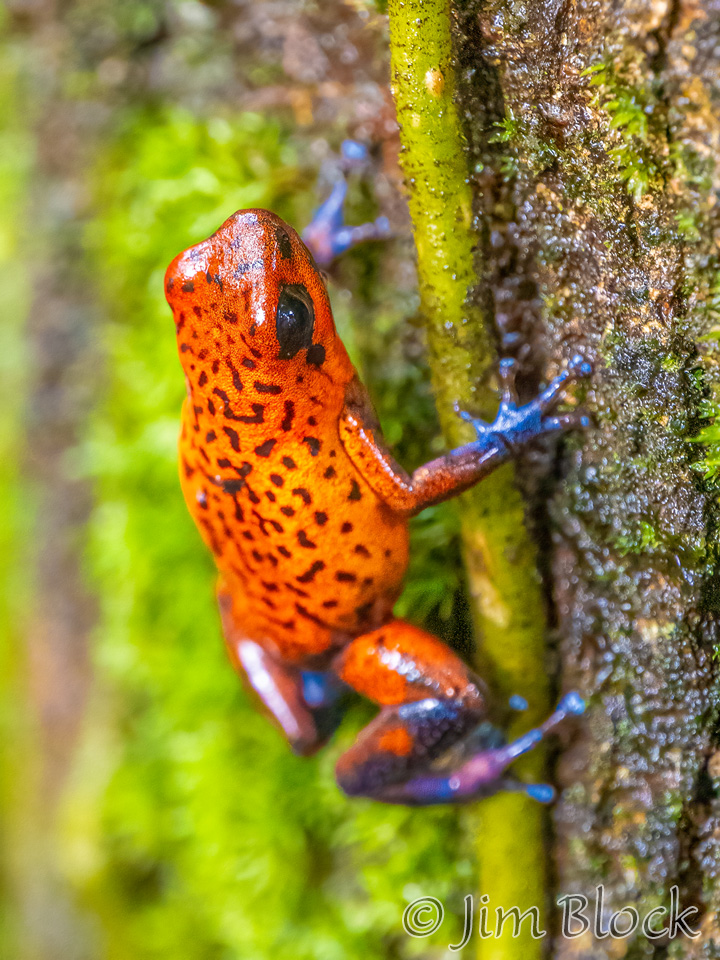
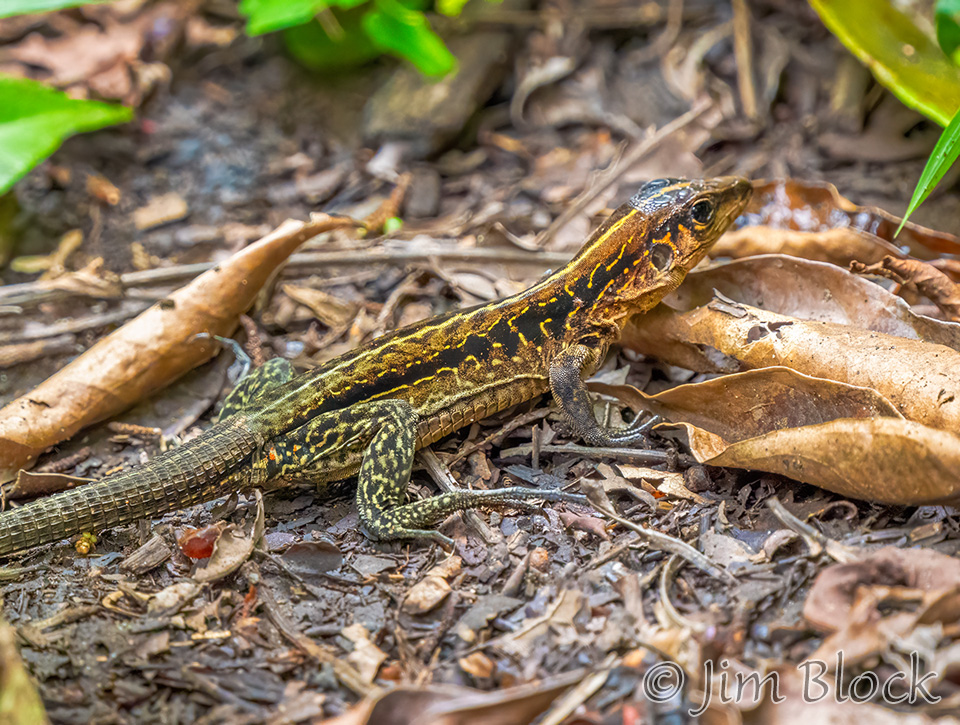
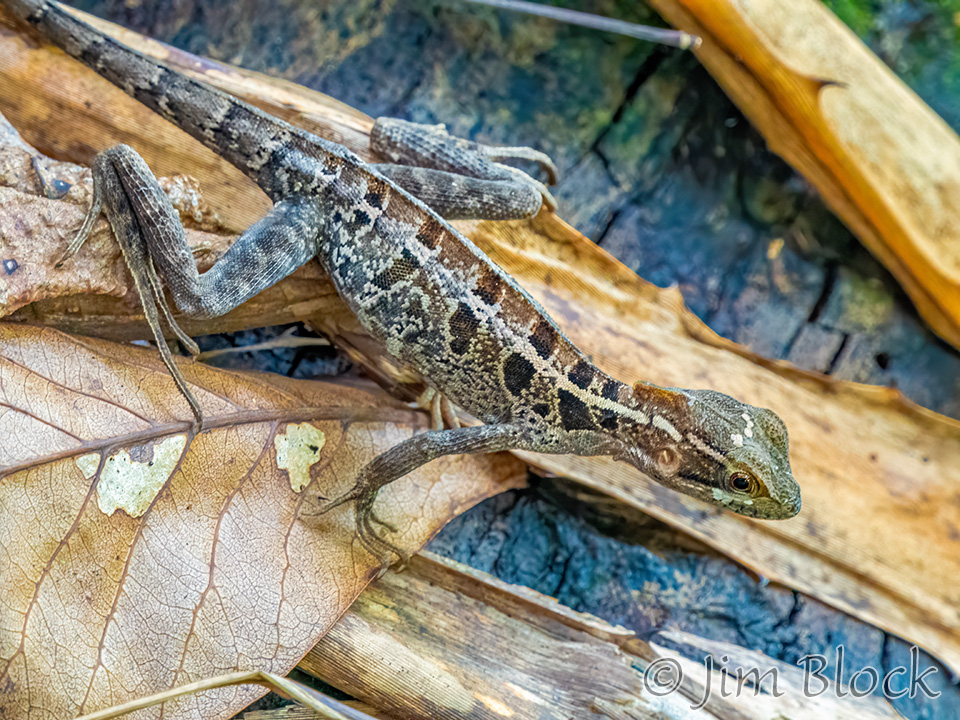
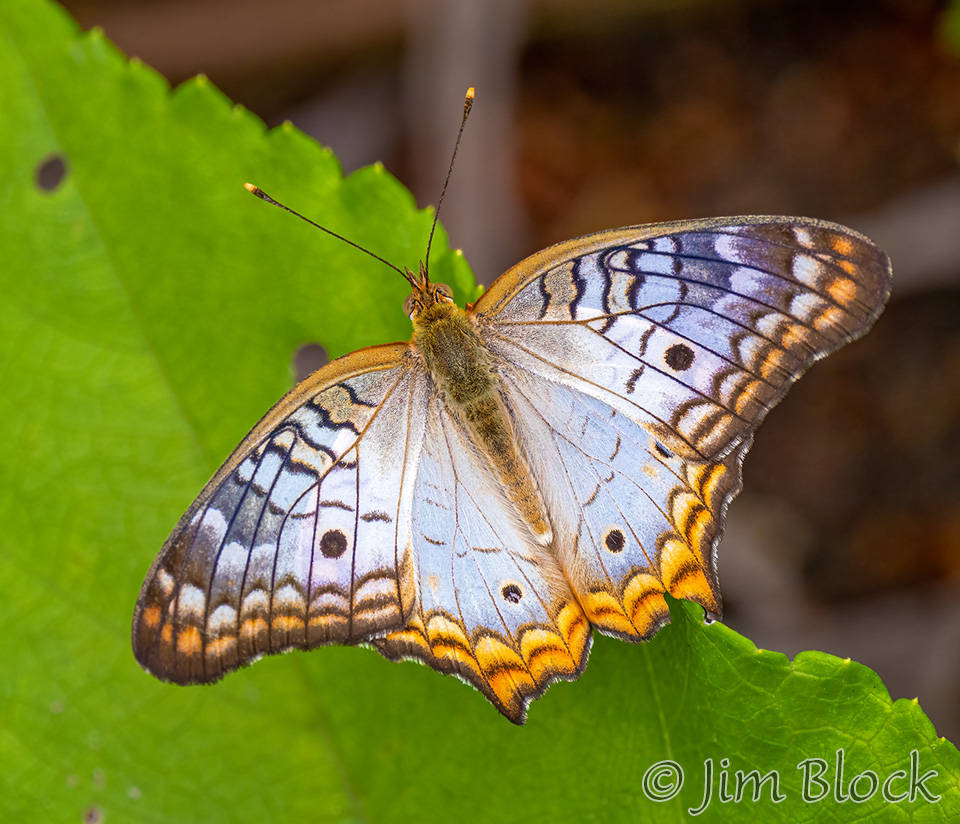
We stepped out onto the beach and found a white peacock butterfly.
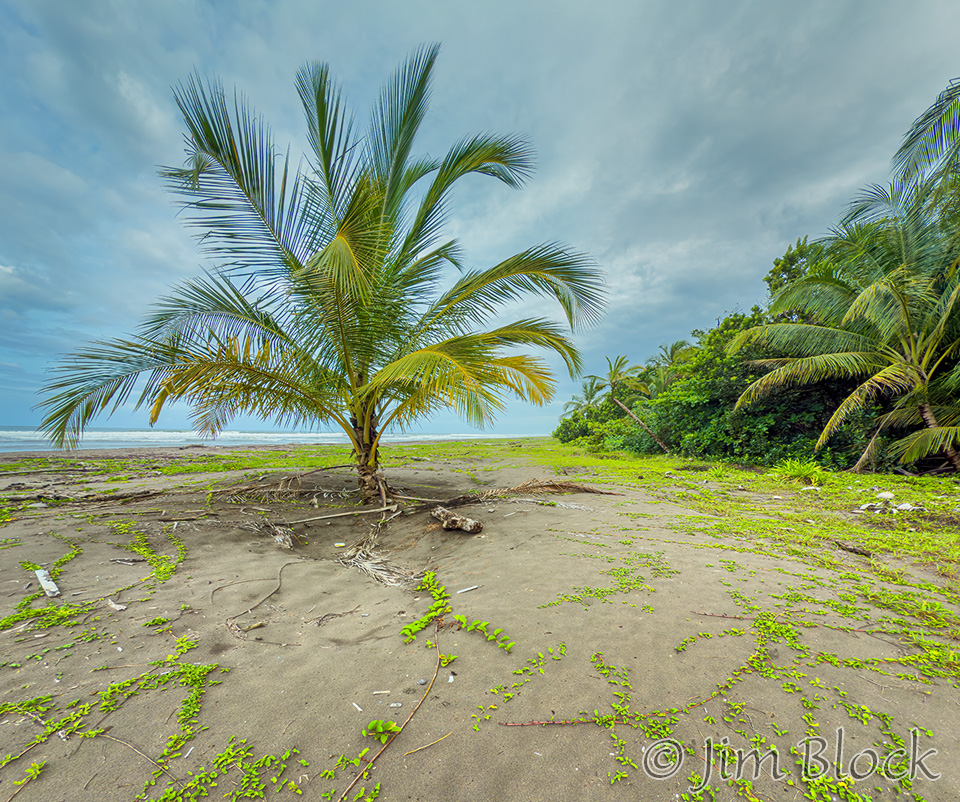
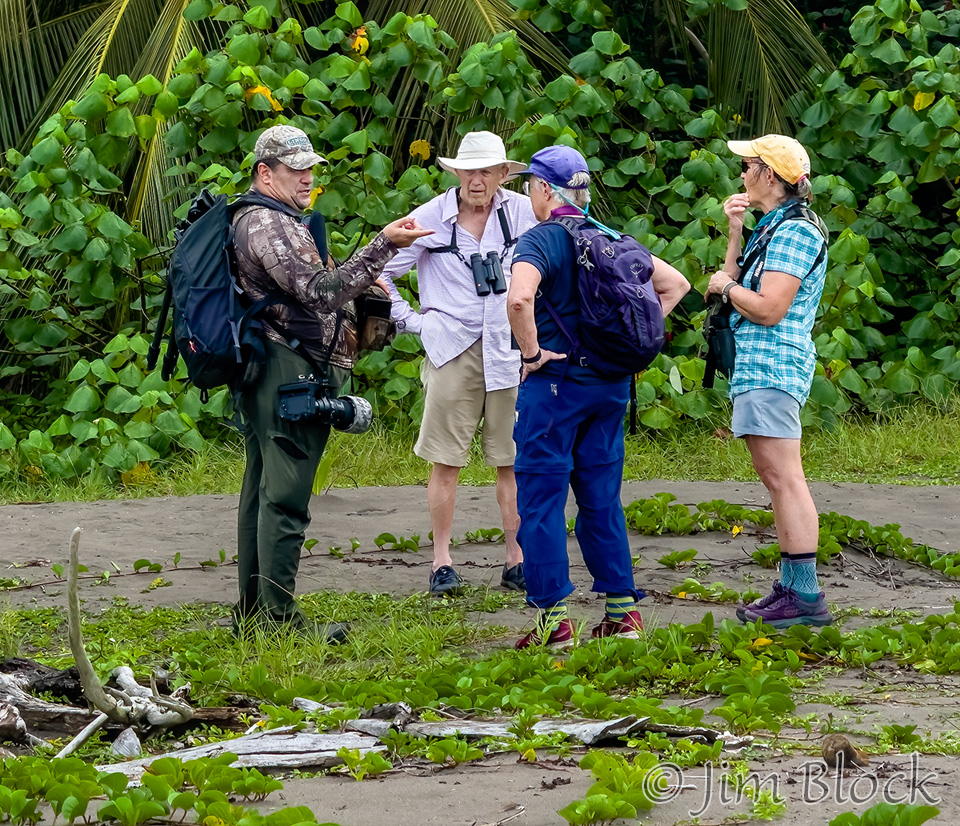
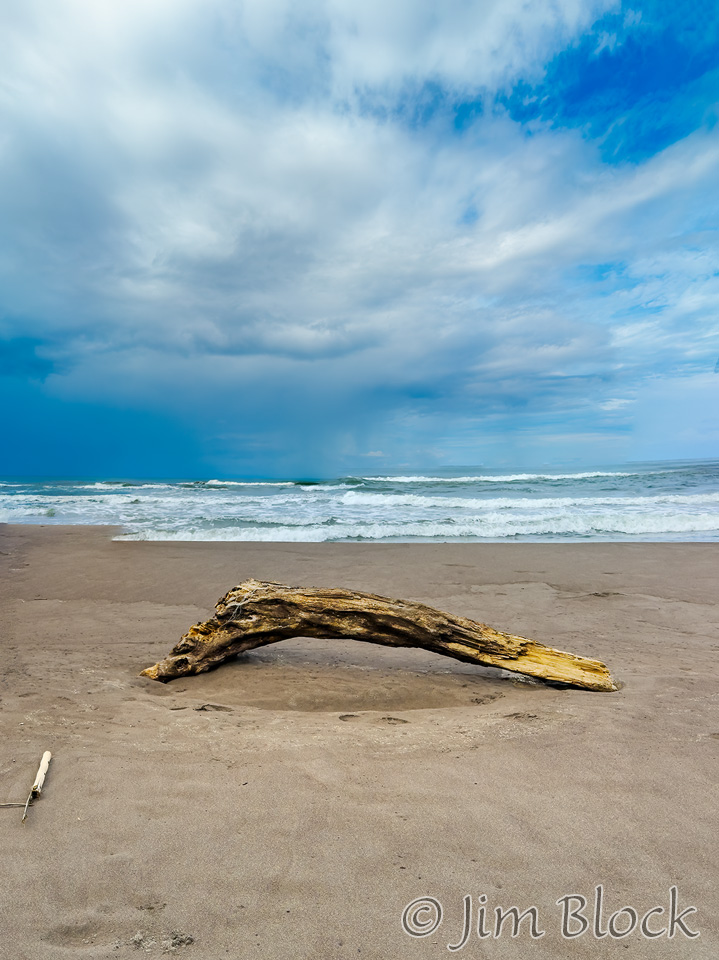
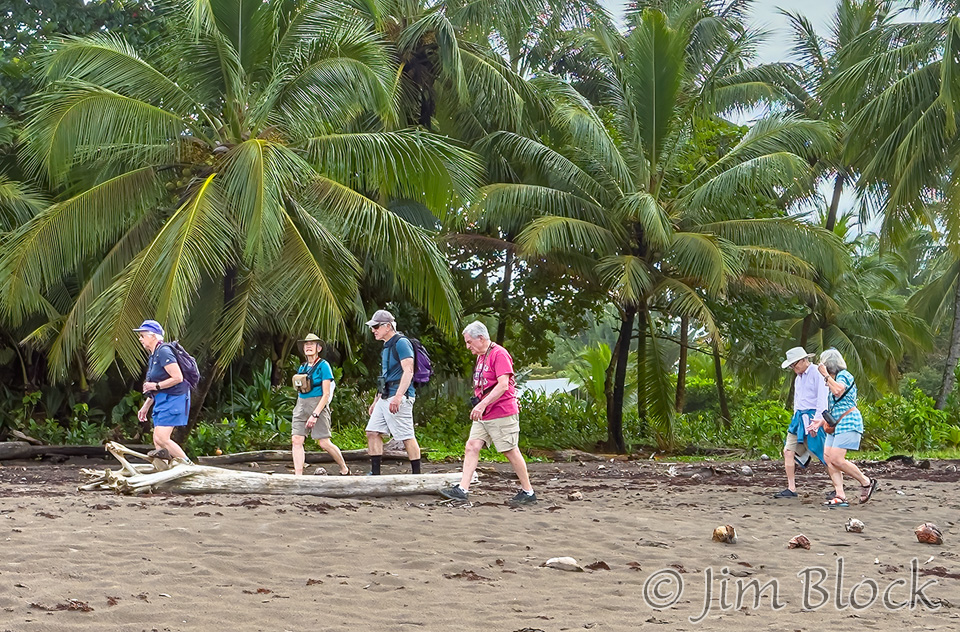
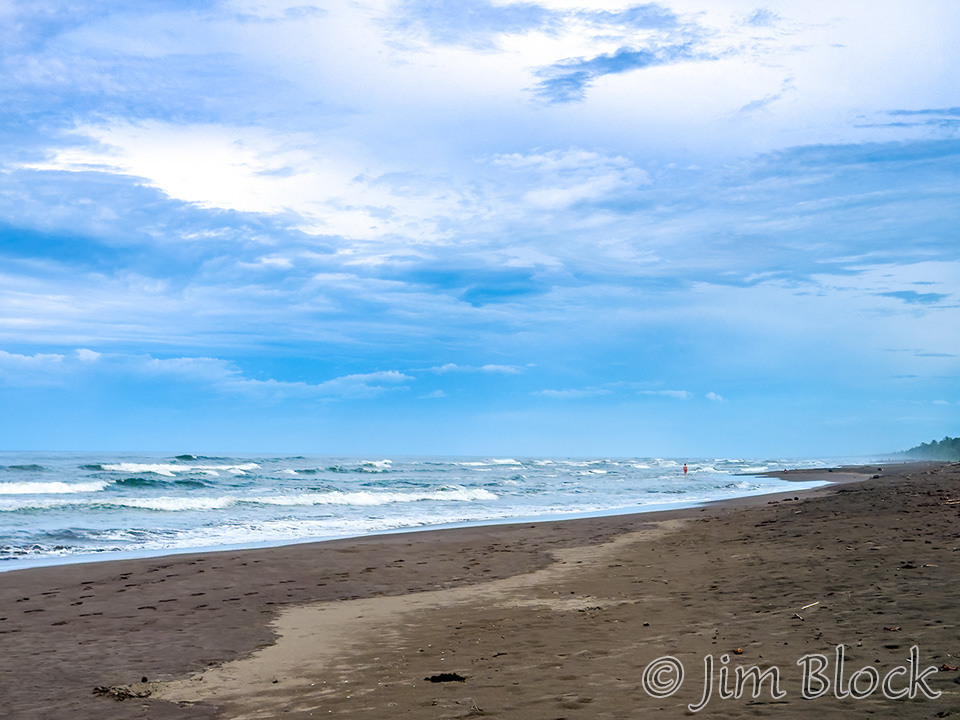
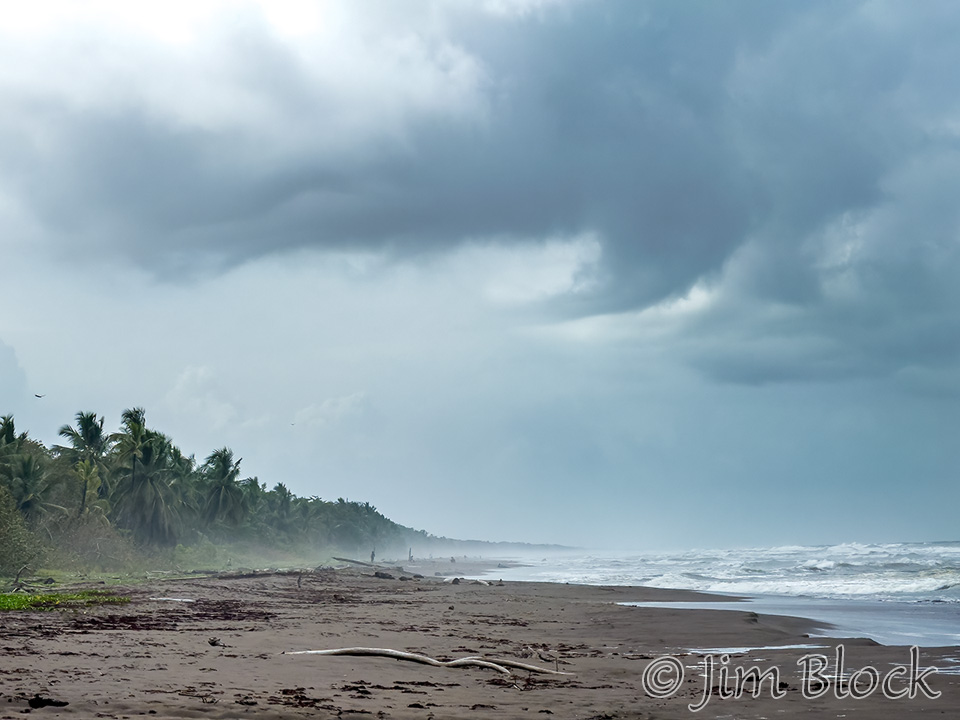
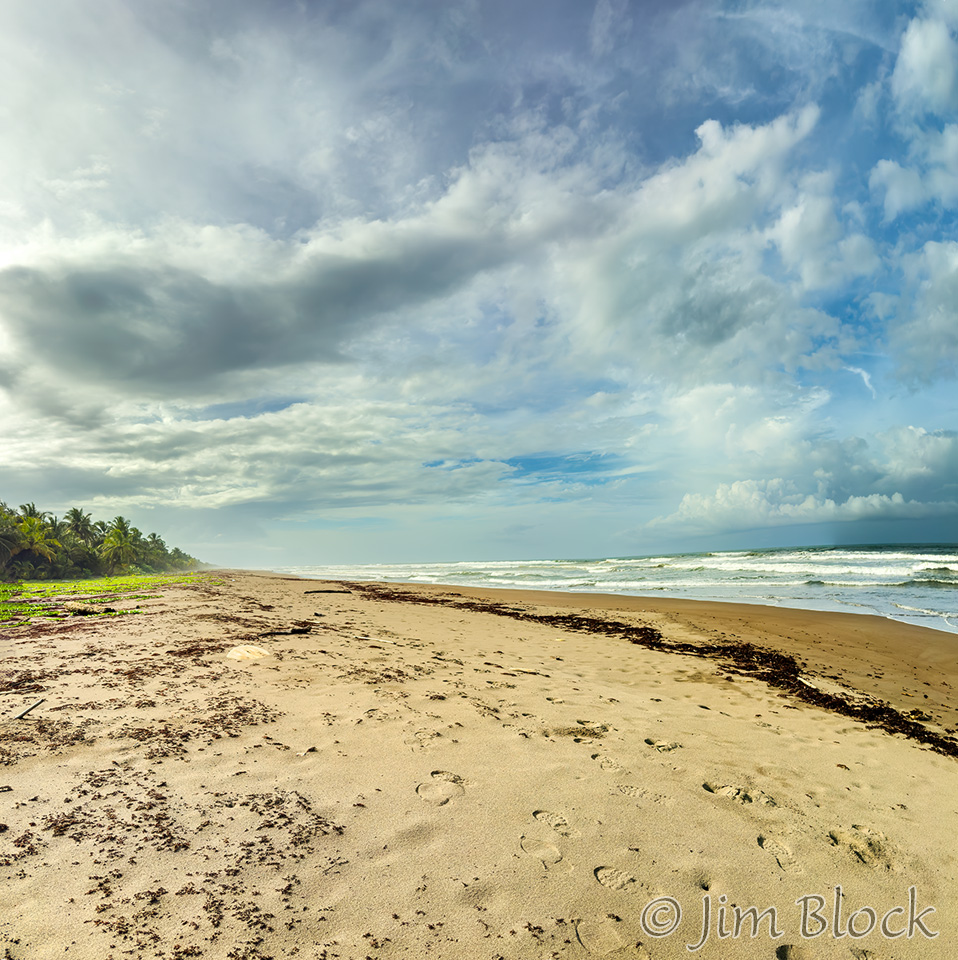
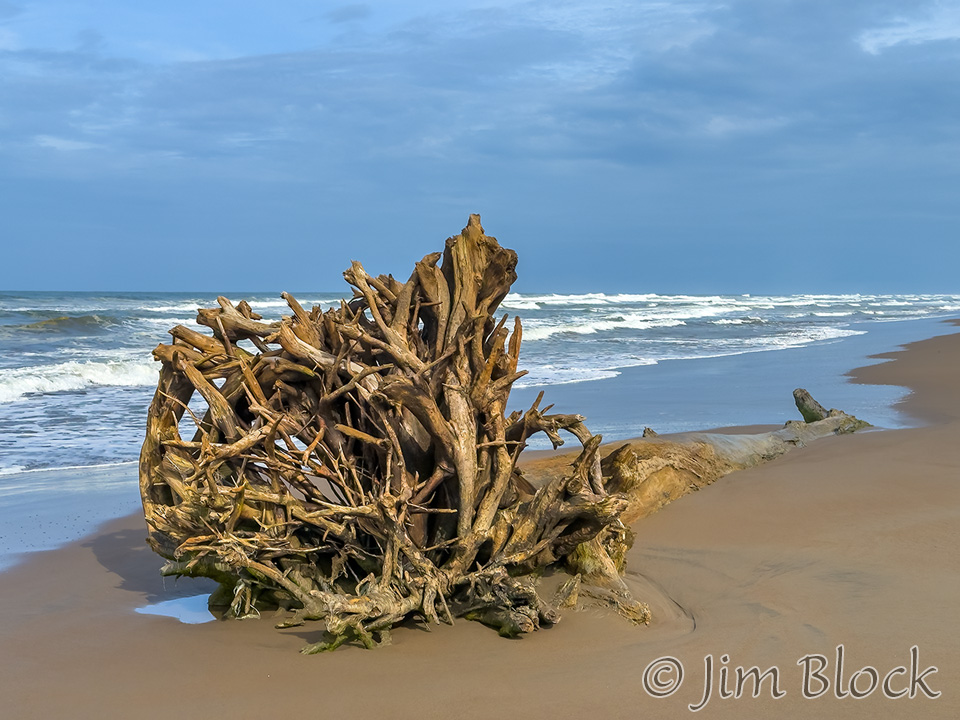
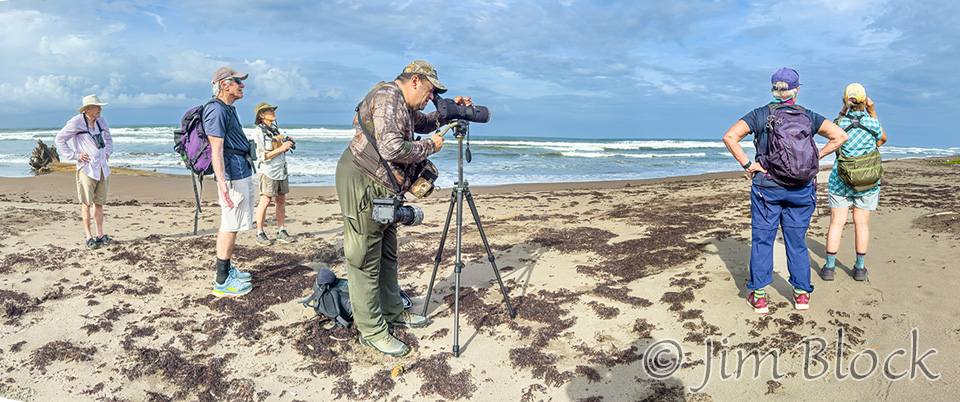
In many ways the beach was more interesting than the forest in the park.
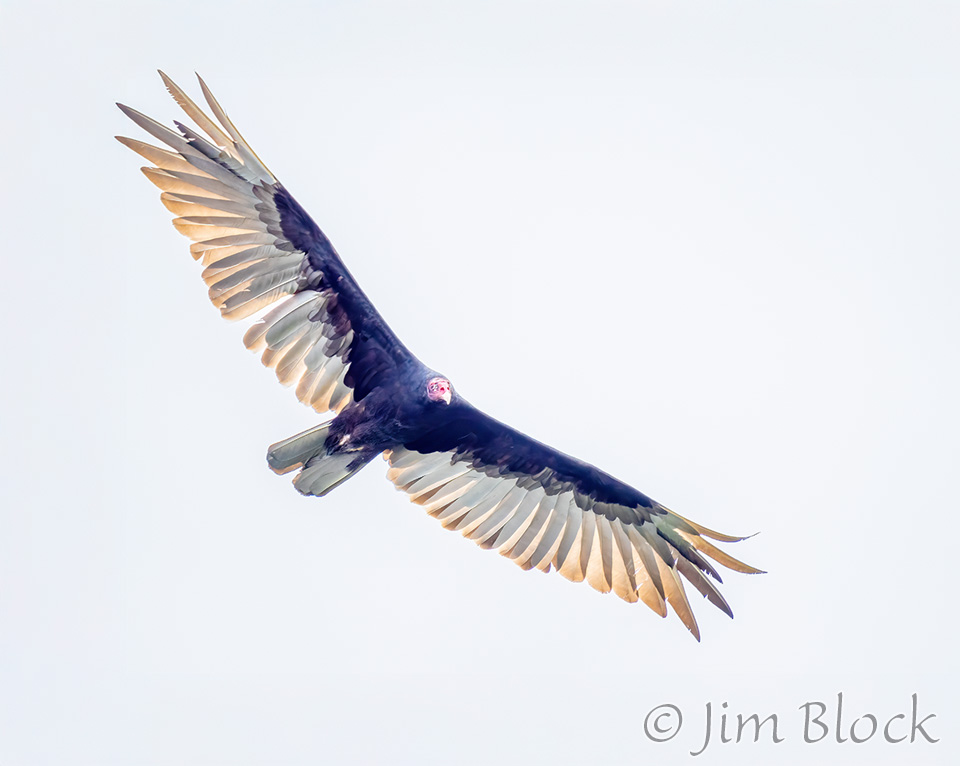
A Turkey Vulture flew overhead.
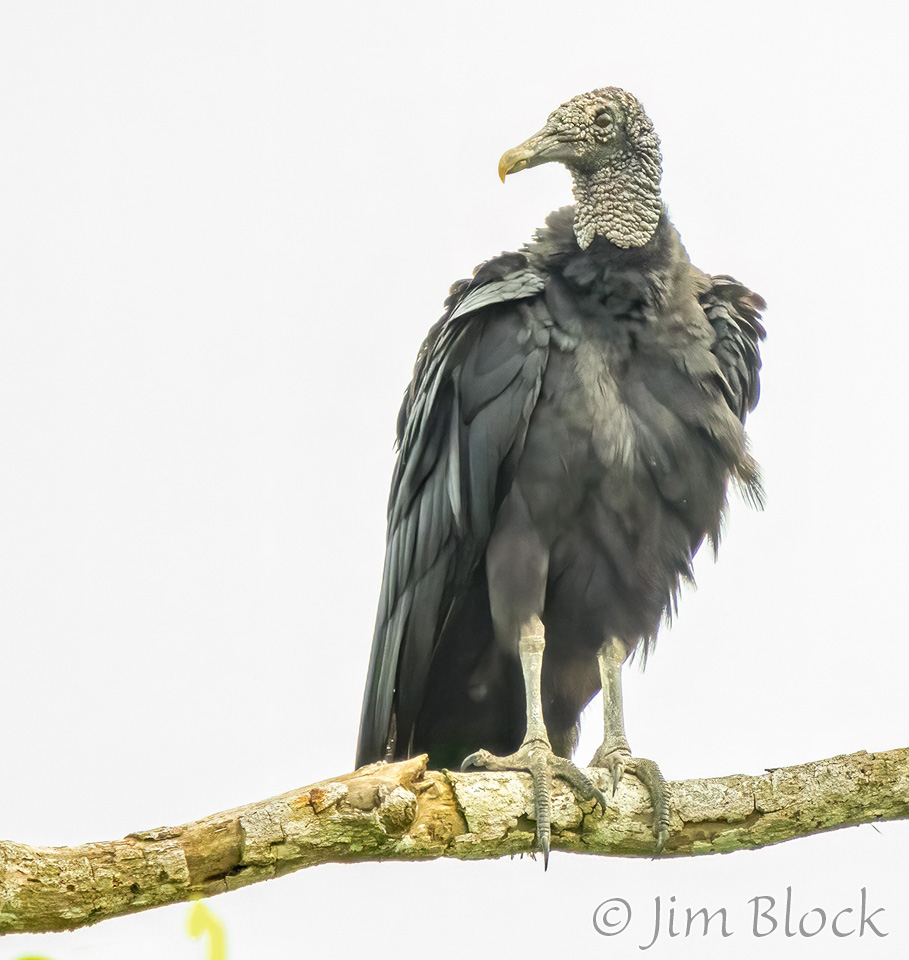
A Black Vulture watched us from a perch.
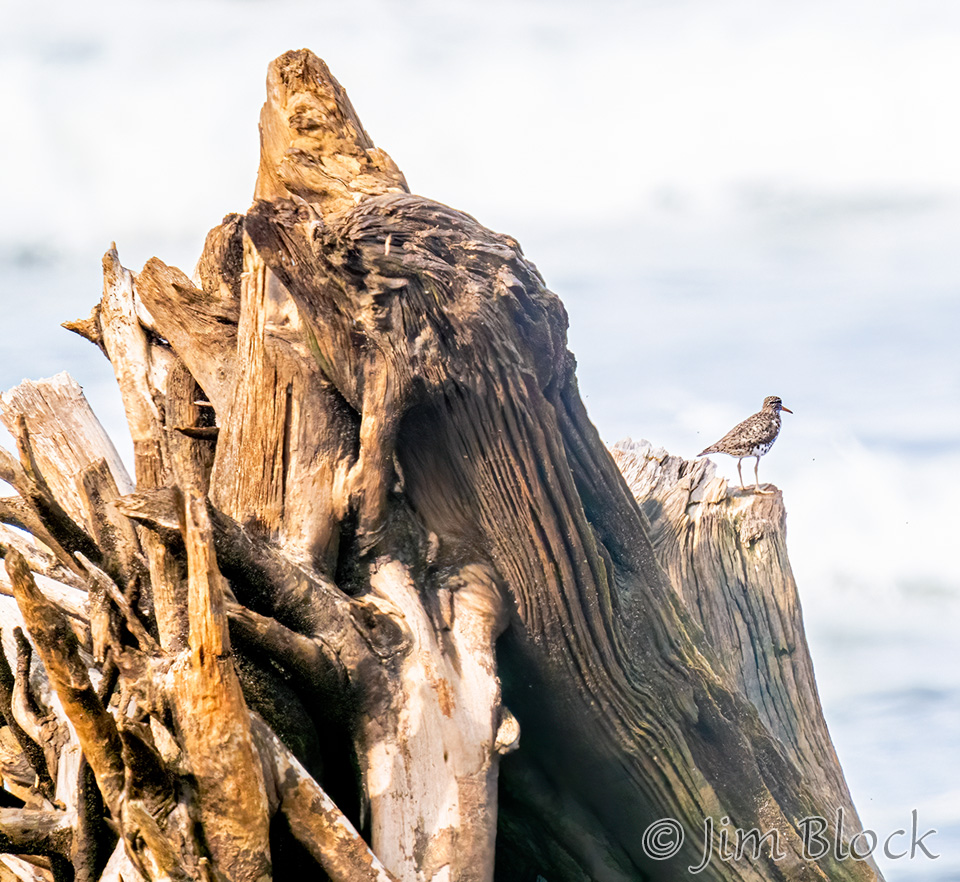
I took a distant photo of a Spotted Sandpiper, a bird we see in the Upper Valley.
We found a turtle shell. Gil believed the turtle might have been taken by a jaguar years ago. Ted held up a piece of it, and I photographed other pieces on the sand.
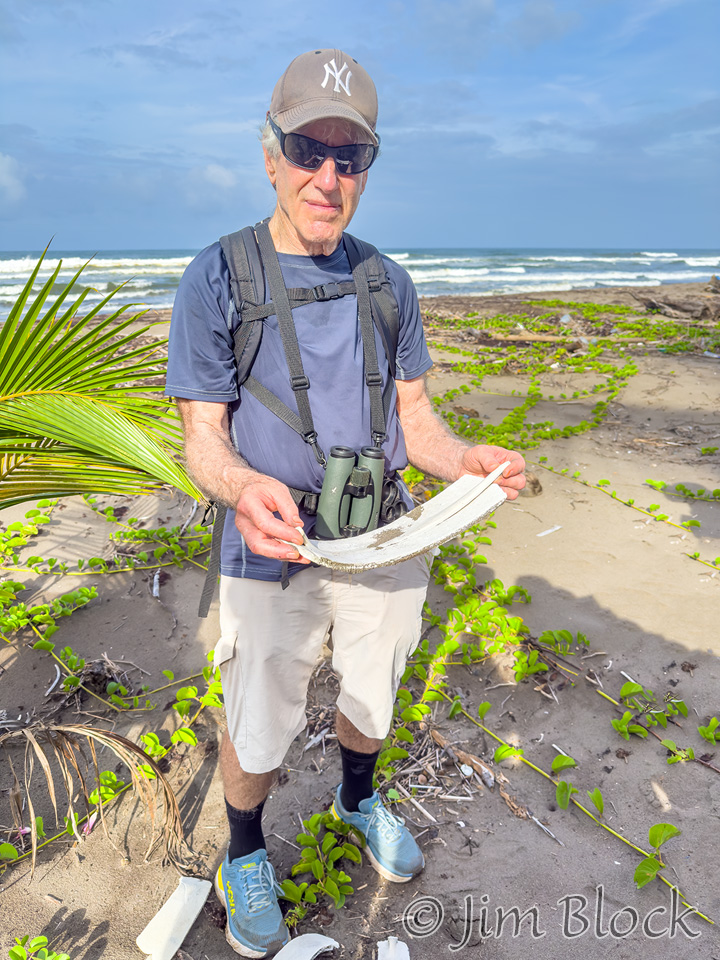
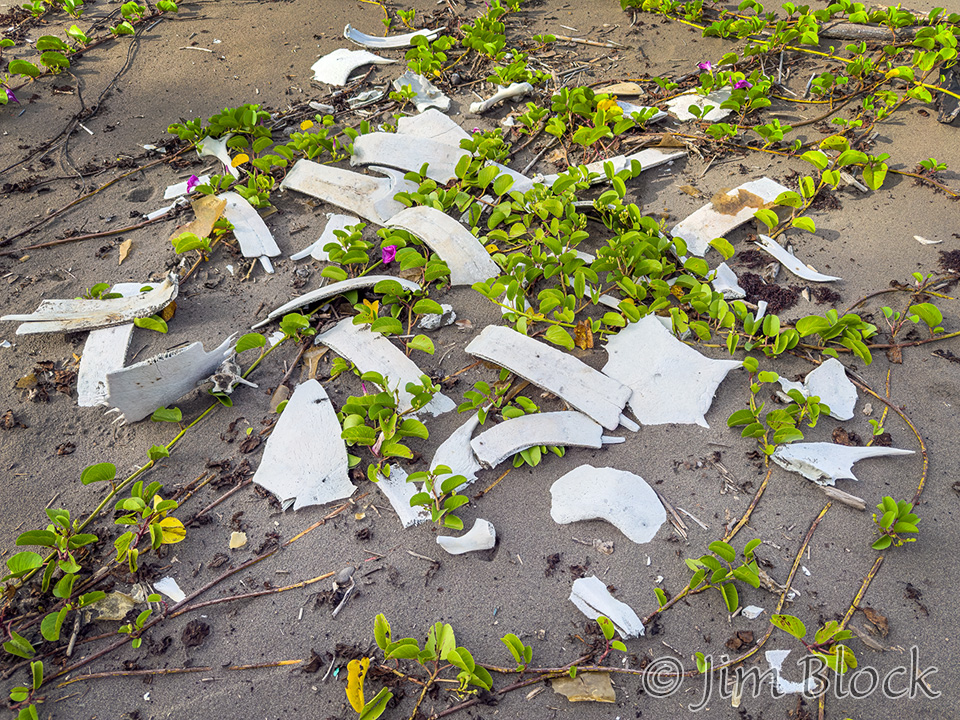
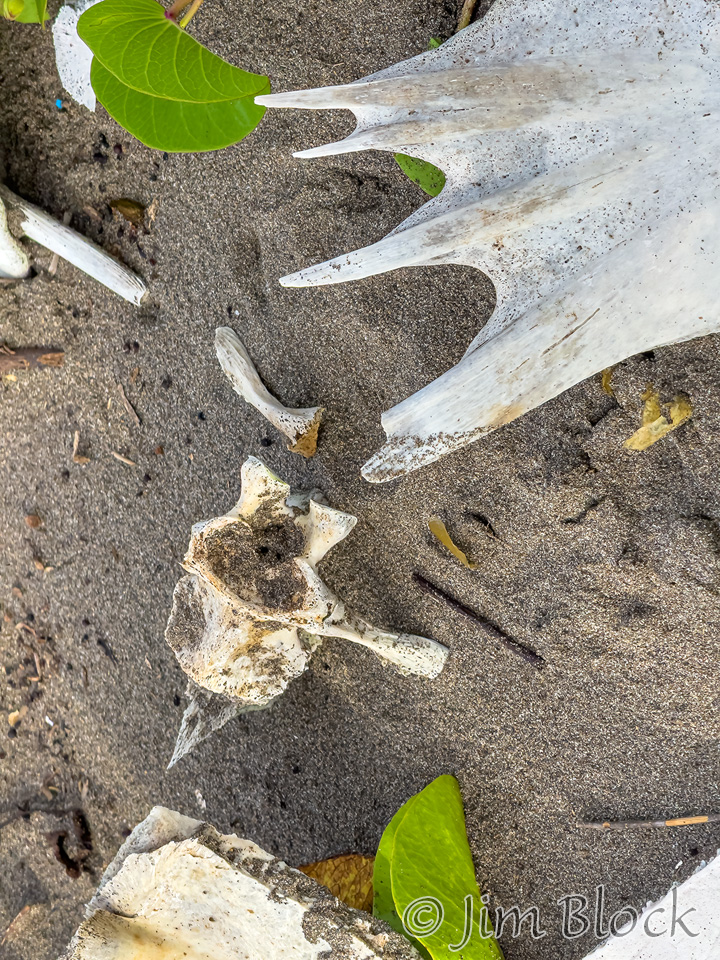
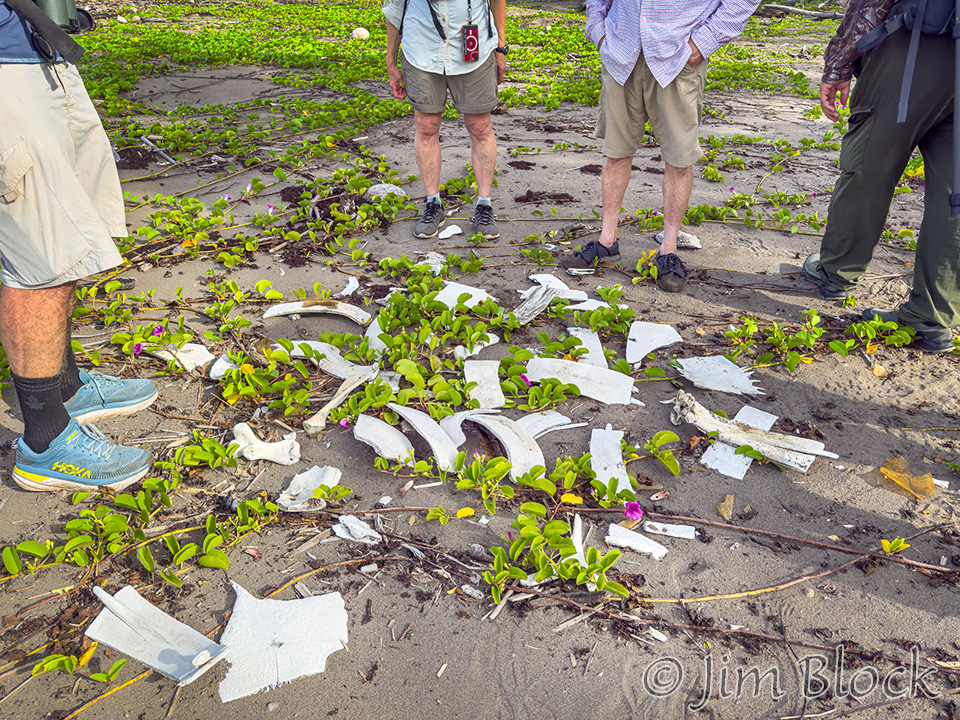
Some of us walked back along the beach. I wish I had, but I went back through the forest. I did get to photograph a Northern Tropical Pewee.
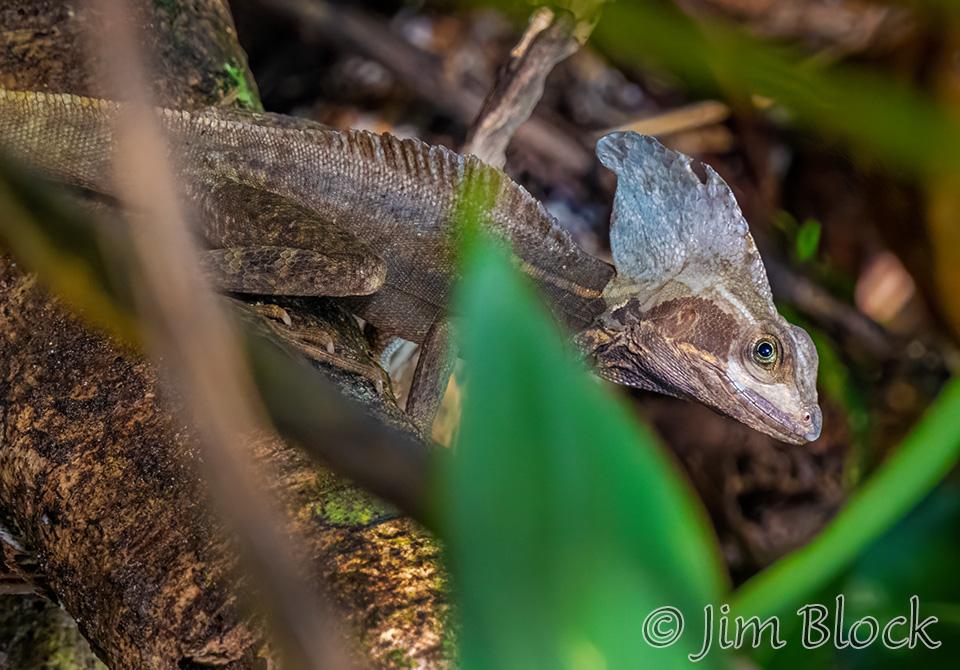
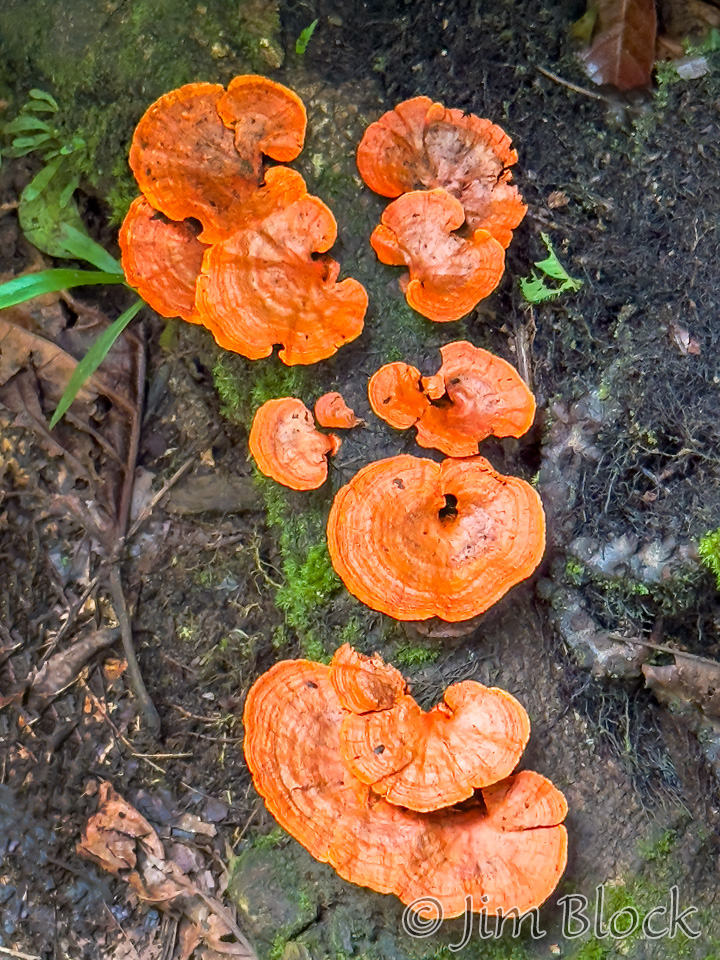
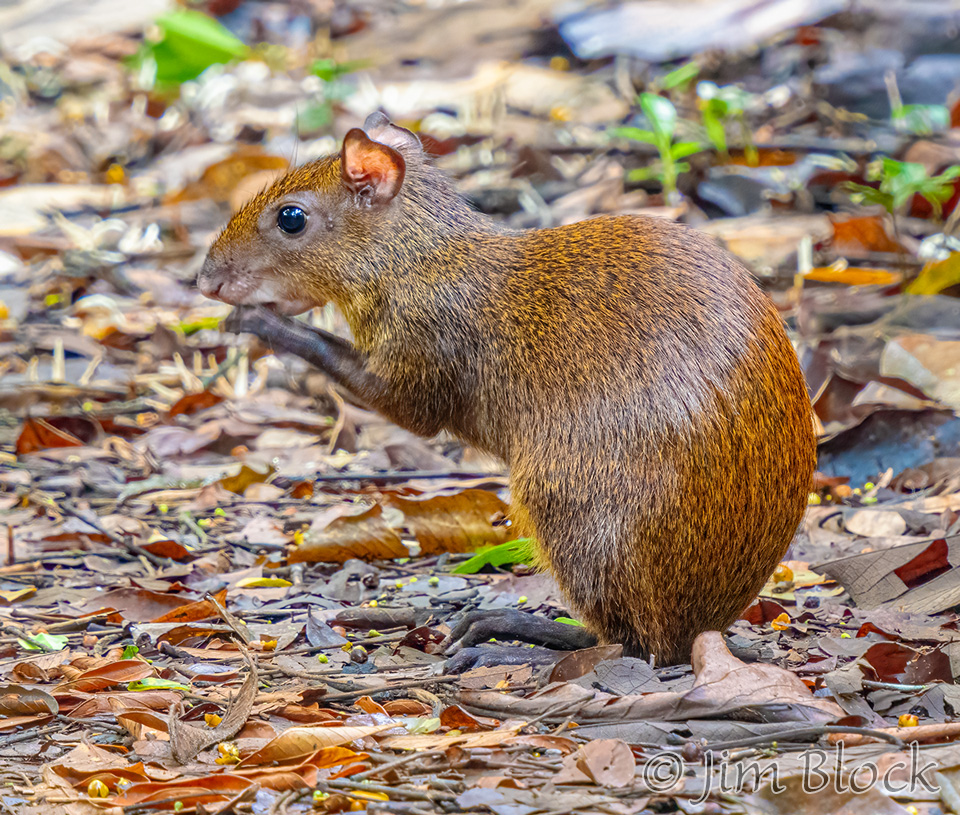
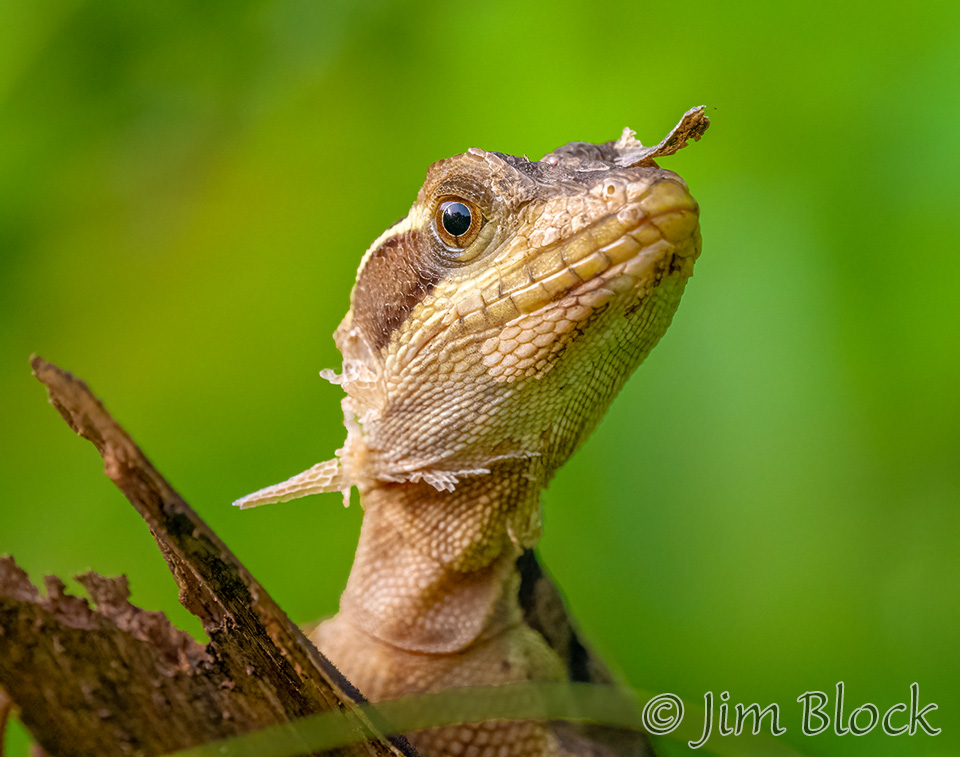
Before we exited the park we saw a Brown Basilisk, some colorful fungi, and a Central American Agouti.
Back along the path outside the park, a Great Green Macaw was feasting on a Sea Almond.
A Brown Basilisk sat on a piece of a dead tree.
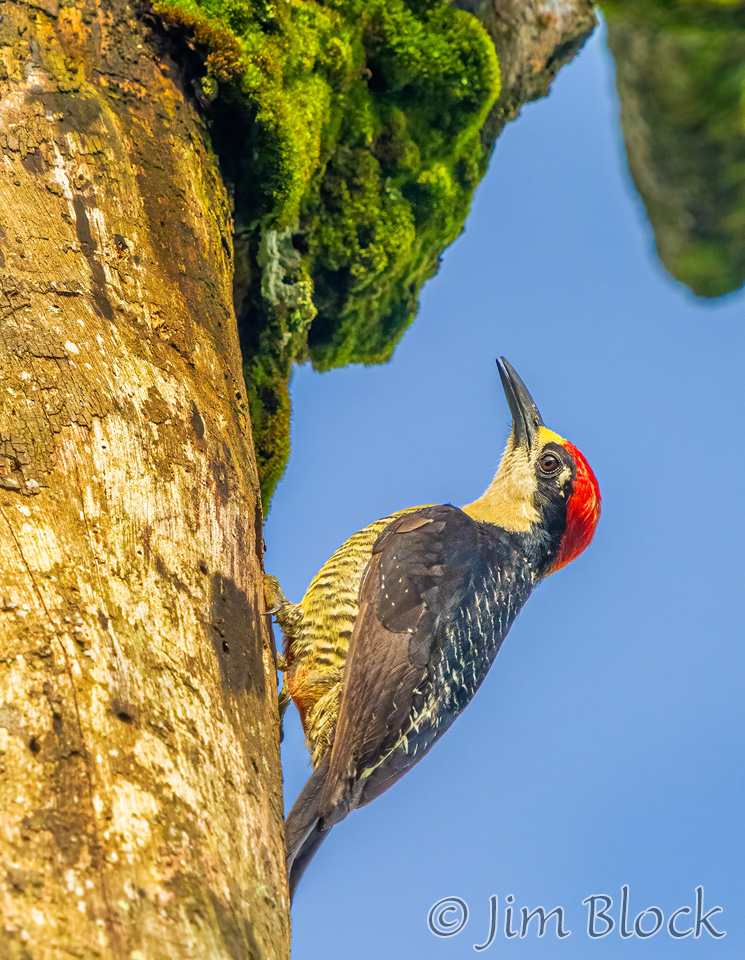
A Black-cheeked Woodpecker worked its way up a tree.
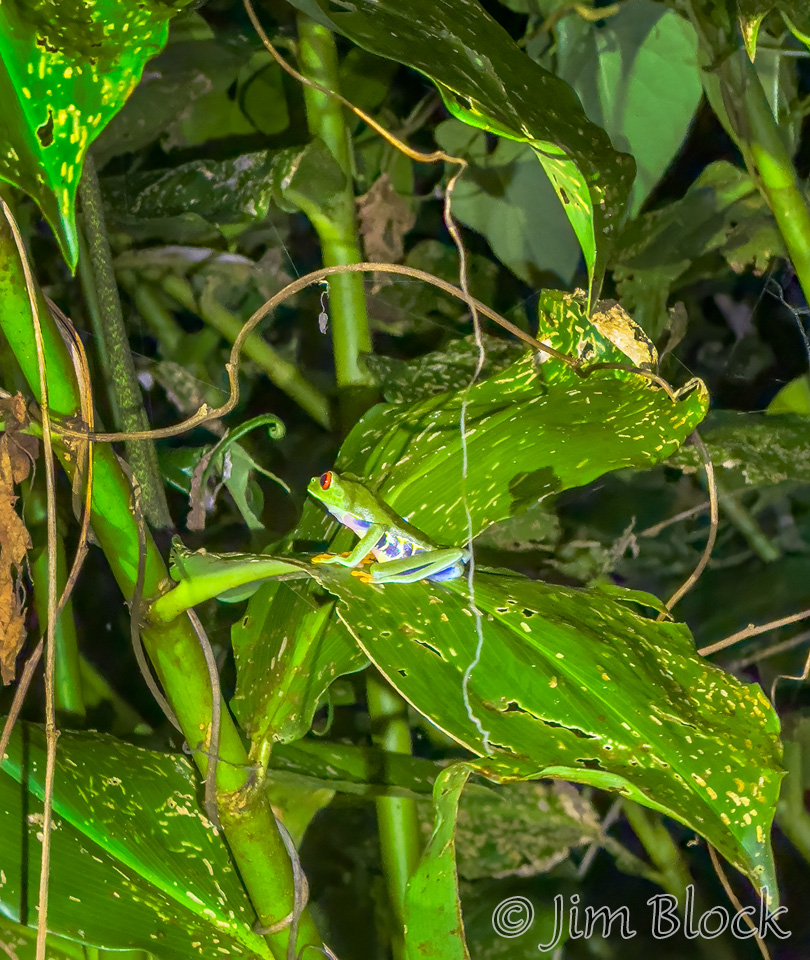
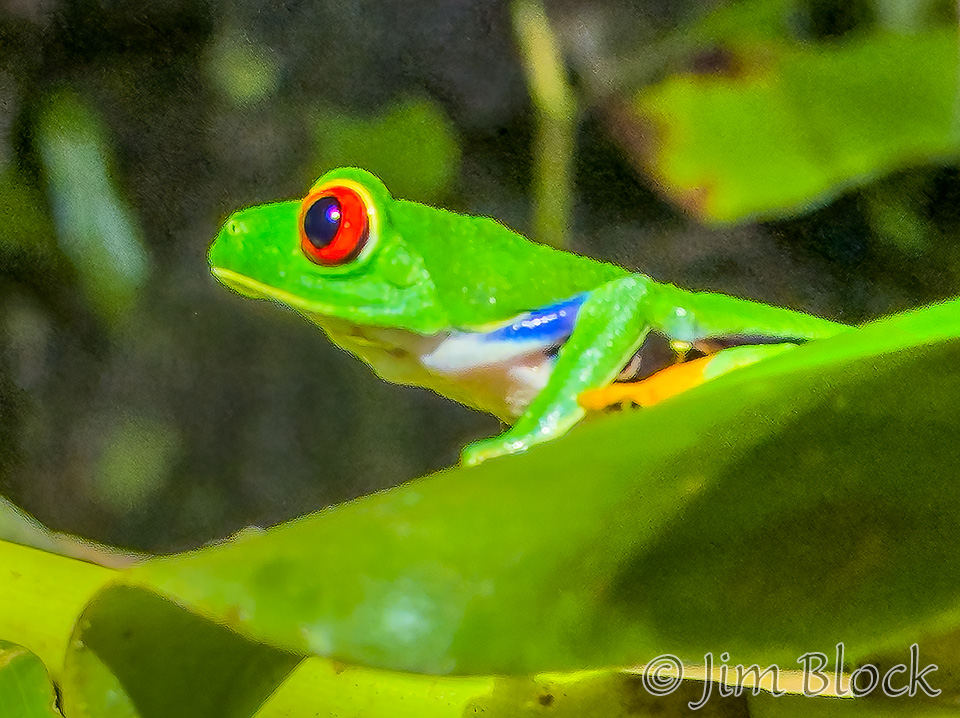
On an after-dinner walk with flashlight and headlamps we saw a distant two-toed sloth, and I photographed a red-eyed tree frog.
Our last day we caught a boat back to civilization immediately after breakfast. I spent 50 minutes before breakfast hiking the town and again visiting the fascinating Montezuma Oropendola.
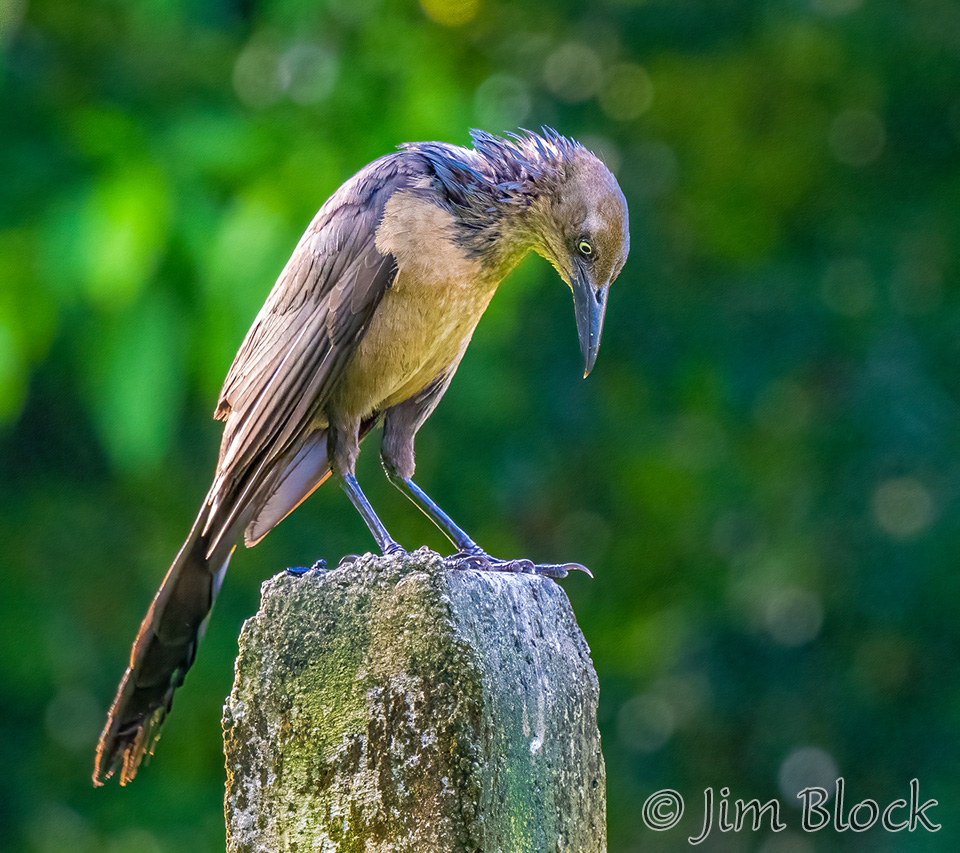
On the way to their nests I photographed yet another Great-tailed Grackle. There seemed to be many around.
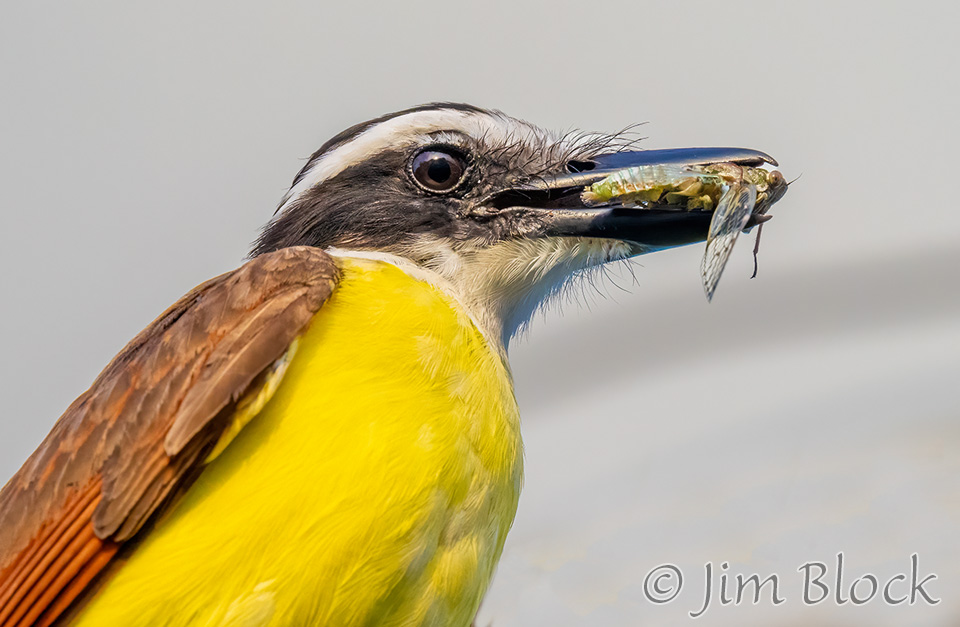
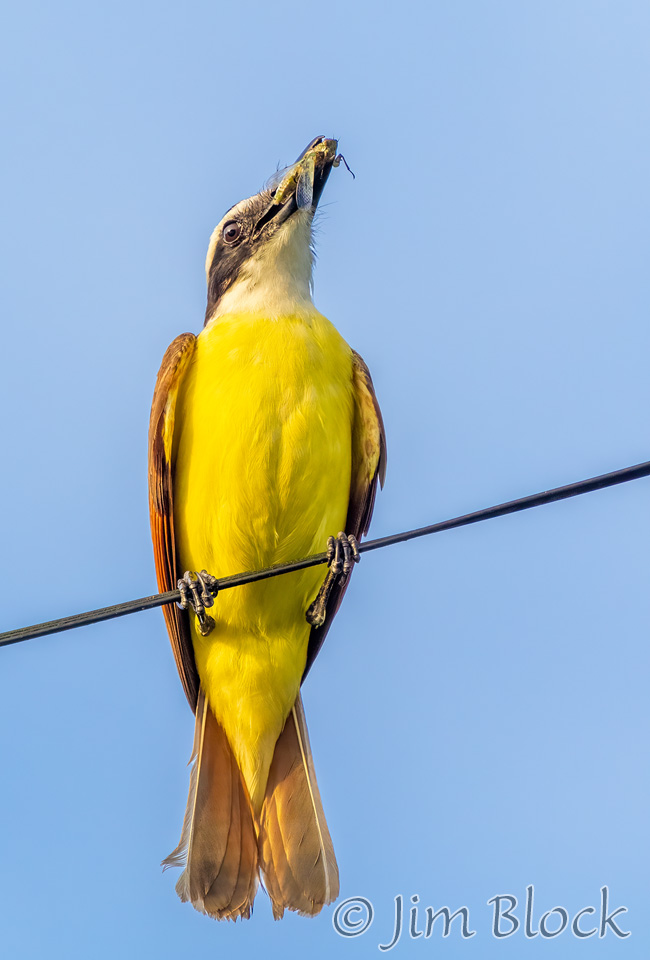
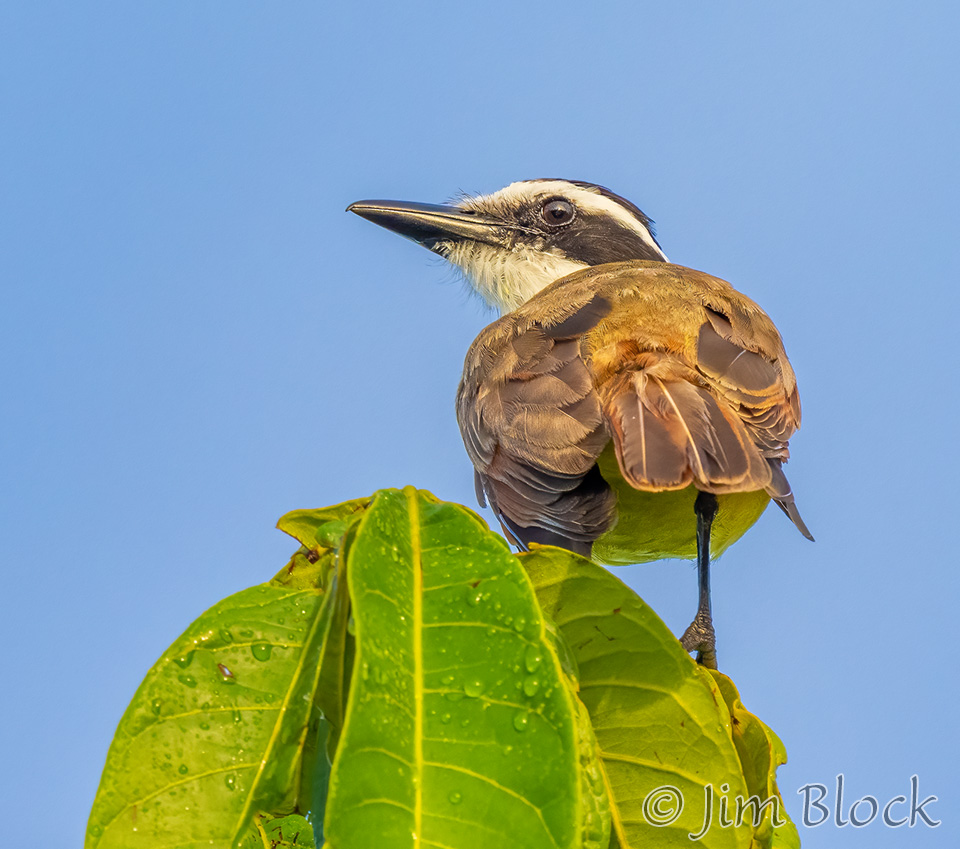
Along the main street (and really the only N-S road), I found a Great Kiskadee with an insect. It had a nest nearby and was likely planning to feed a chick.
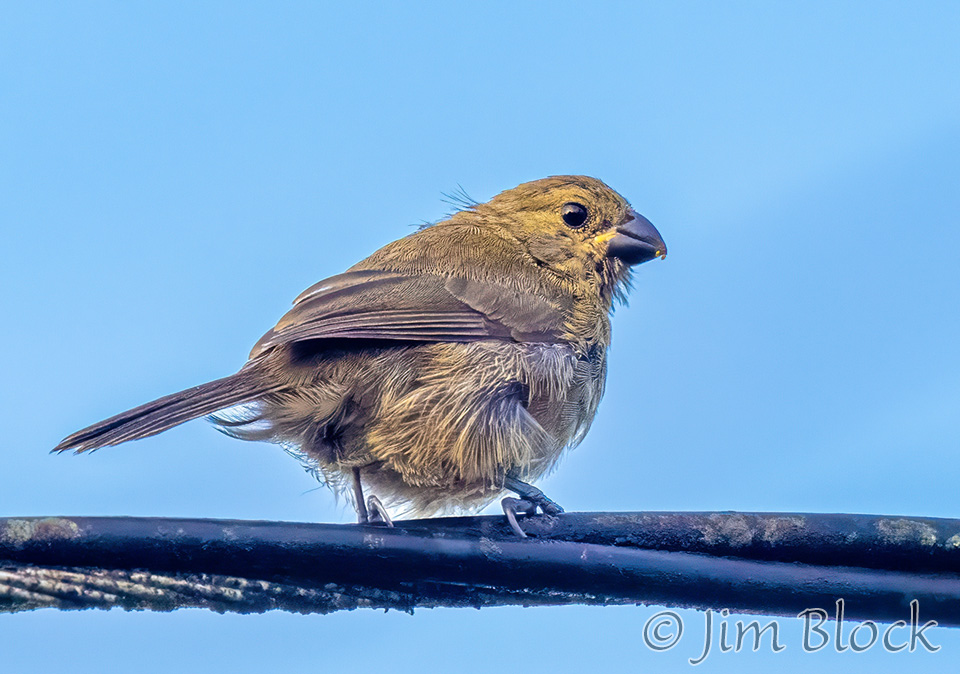
In the same area I photographed a Variable Seedeater …
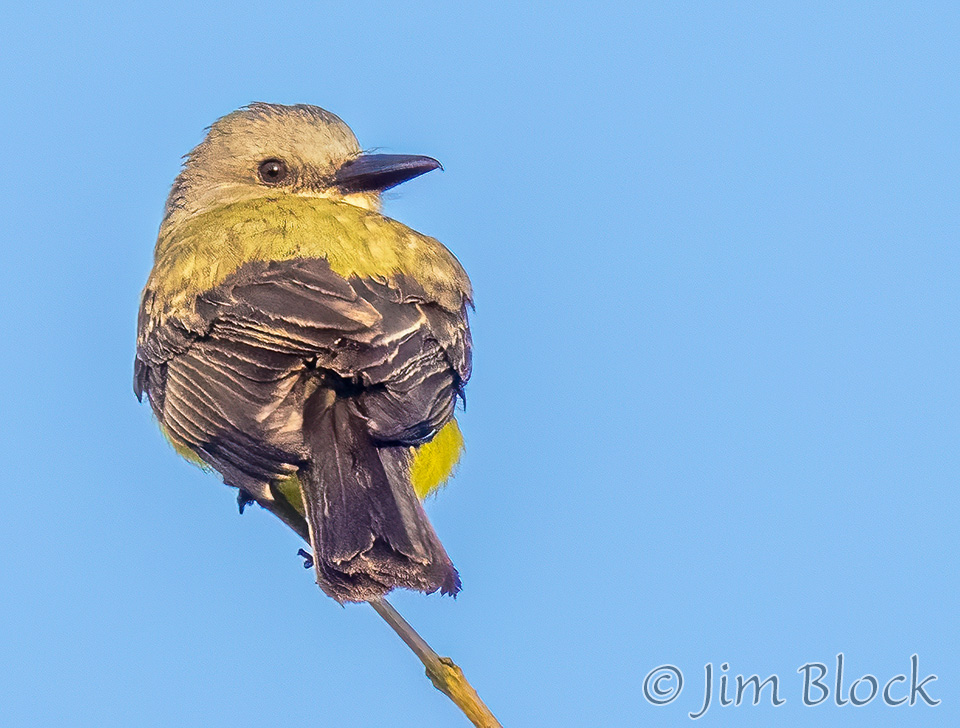
… a Tropical Kingbird …
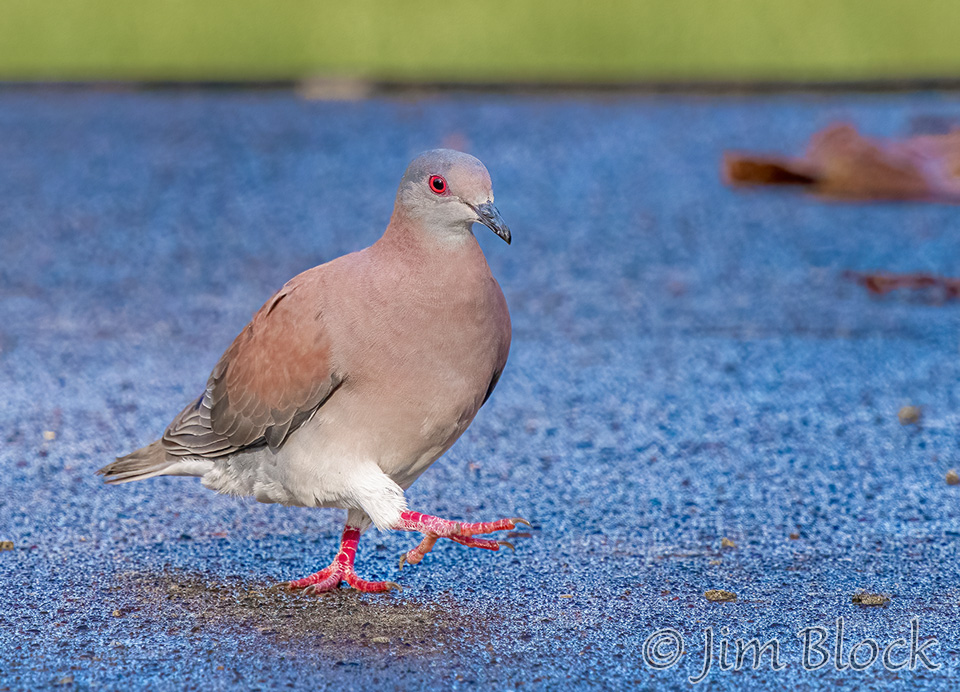
… and a Pale-vented Pigeon.
I close this page on Tortuguero wildlife with a slide show of Montezuma Oropendola nests and nest building.
The following page will show more of the actual town of Tortuguero.