La Rosa, La Pas, and many stops
First 24 hours in Costa Rica
Our alarm sounded at 2 a.m. I knew Jann would have a lonely two weeks with only two quilt guild meetings to provide stimulus. I am very thankful she has been so supportive and encouraging about my foreign travels. Throughout the trip I would send her photos and texts each day. She drove with me to the Dartmouth Coach terminal where the 3:25 a.m. bus from Lebanon took us to Logan.

I got my 5 miles of rapid walking in for the day at the Miami airport. By 2 p.m. local time (one hour behind Hanover), Ted, Martha, Stephen and I were together at the San Jose airport ready to start an amazing adventure — a tour of Costa Rica natural history and wildlife led by Ted Levin and Gil Calvo.
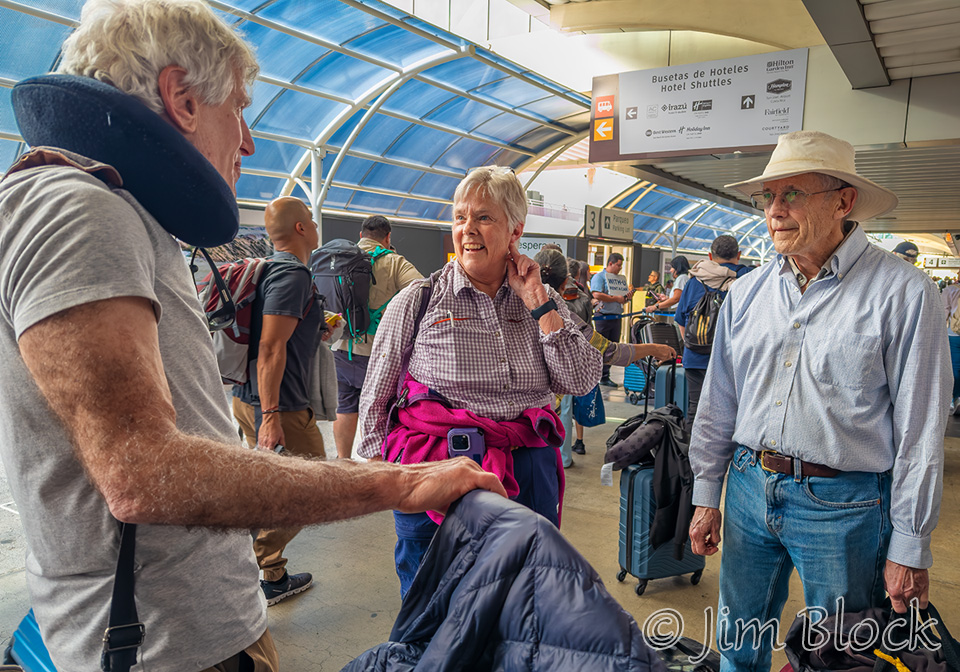
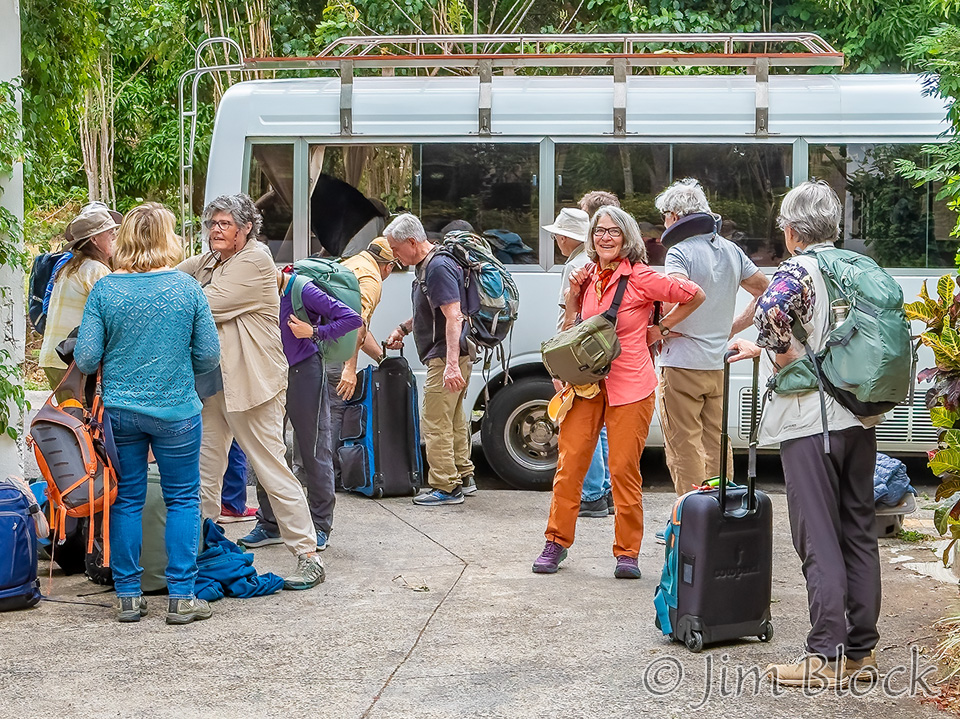
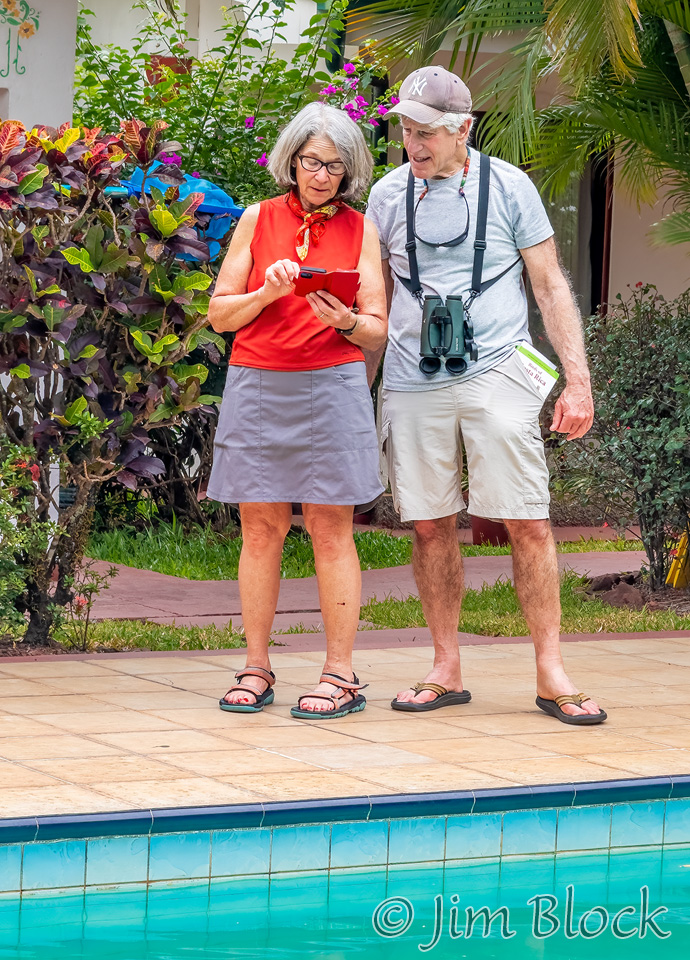
By 3 p.m. we were at the Hotel La Rosa not far from the airport. We would stay there three non-consecutive nights. It is a pleasant, small hotel with enclosed grounds. Many of the birds we saw from the grounds were actually in trees over the walls. It had a swimming pool that went unused except as a place to sip drinks and chat.
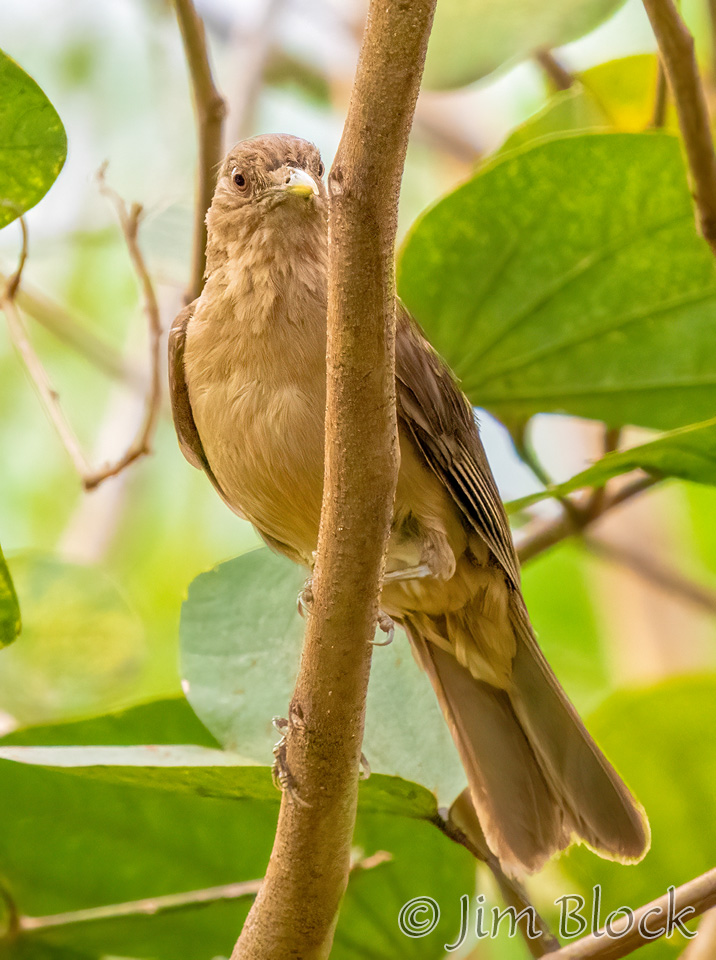
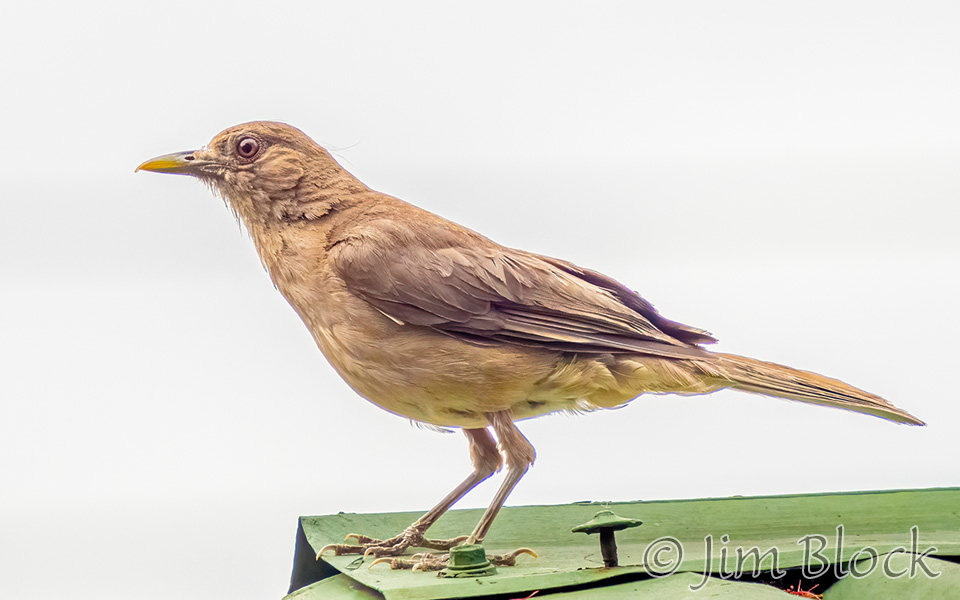
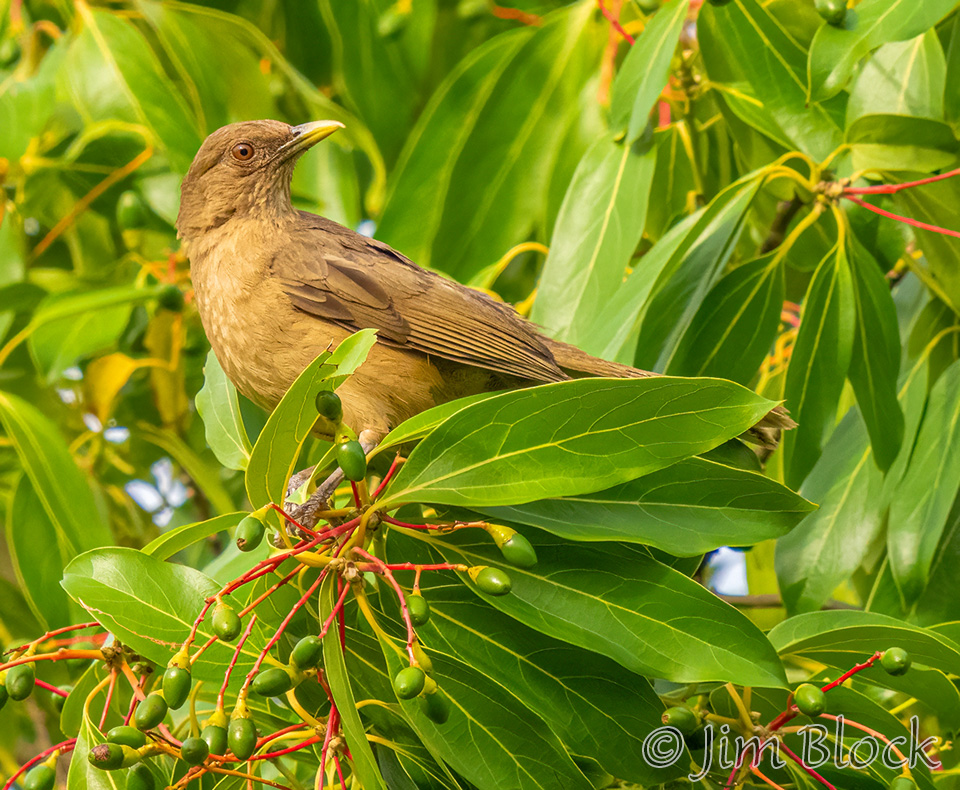
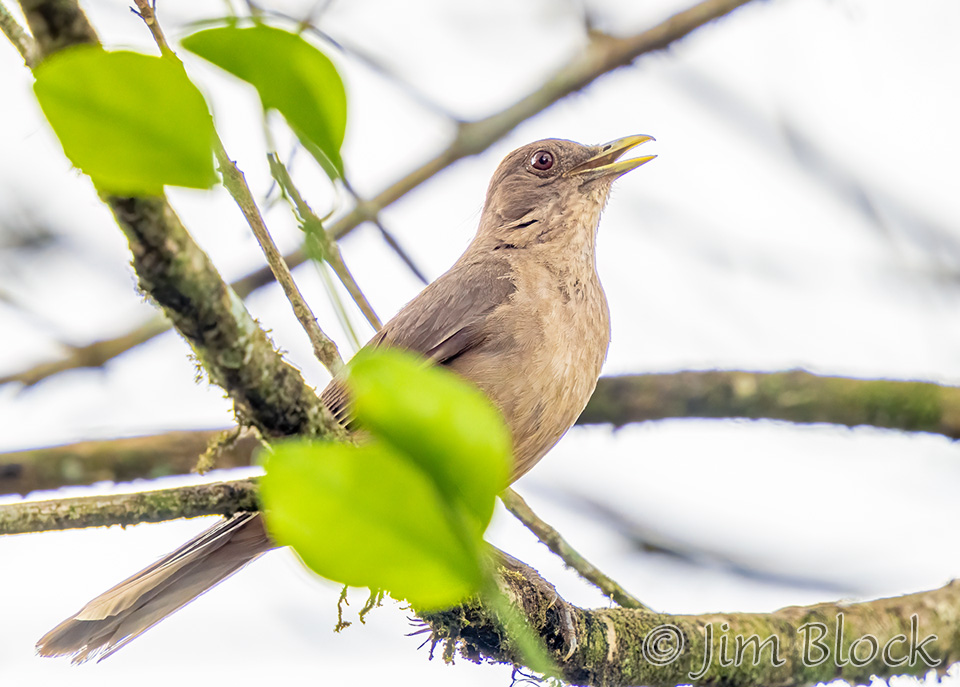
During our trip, sunrise was roughly 5:15 a.m. and sunset 5:50 p.m. Before 5 p.m., I took my first photo of a bird, appropriately a Clay-colored Thrush, the National Bird of Costa Rica.
It was too dim for bird photography by 5:30 p.m., but before then I captured five other species.
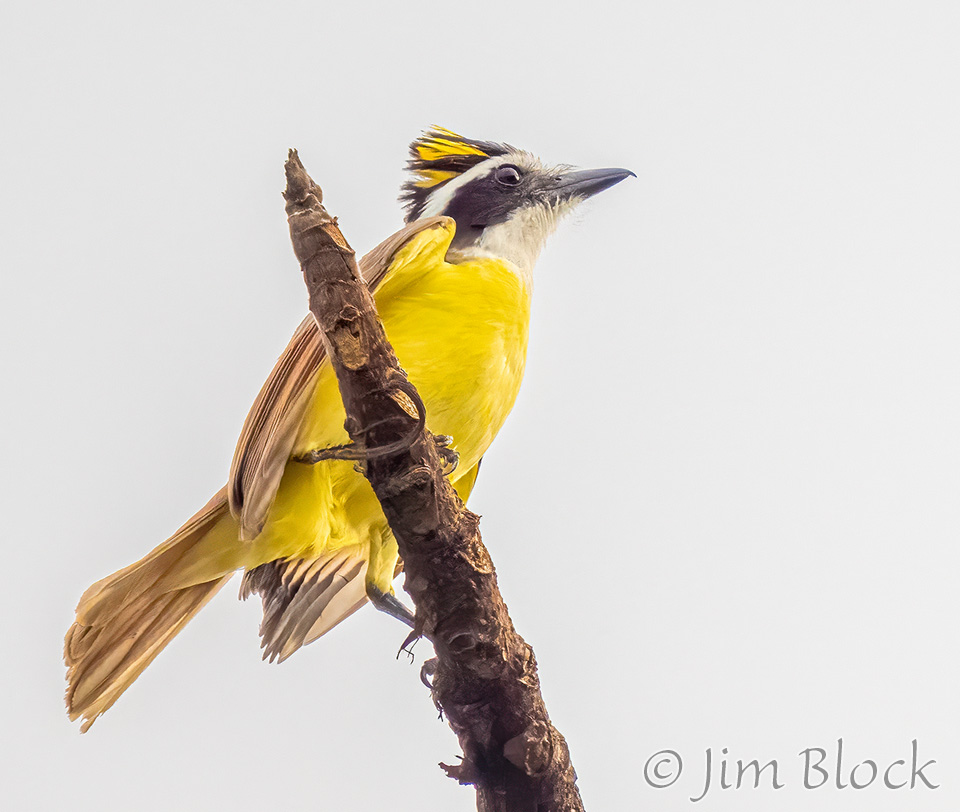
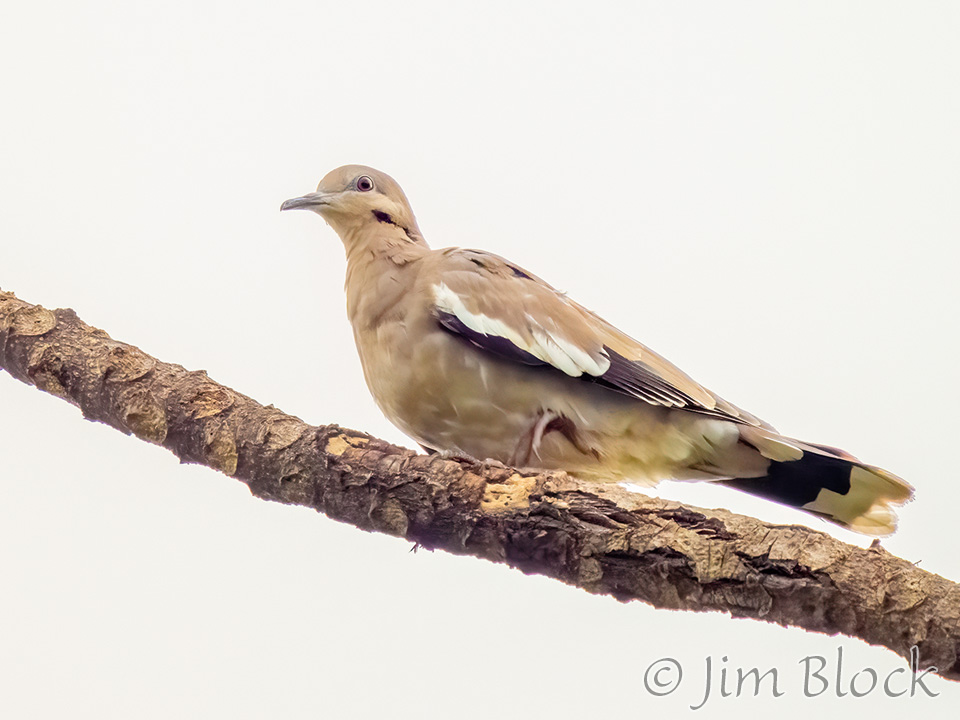
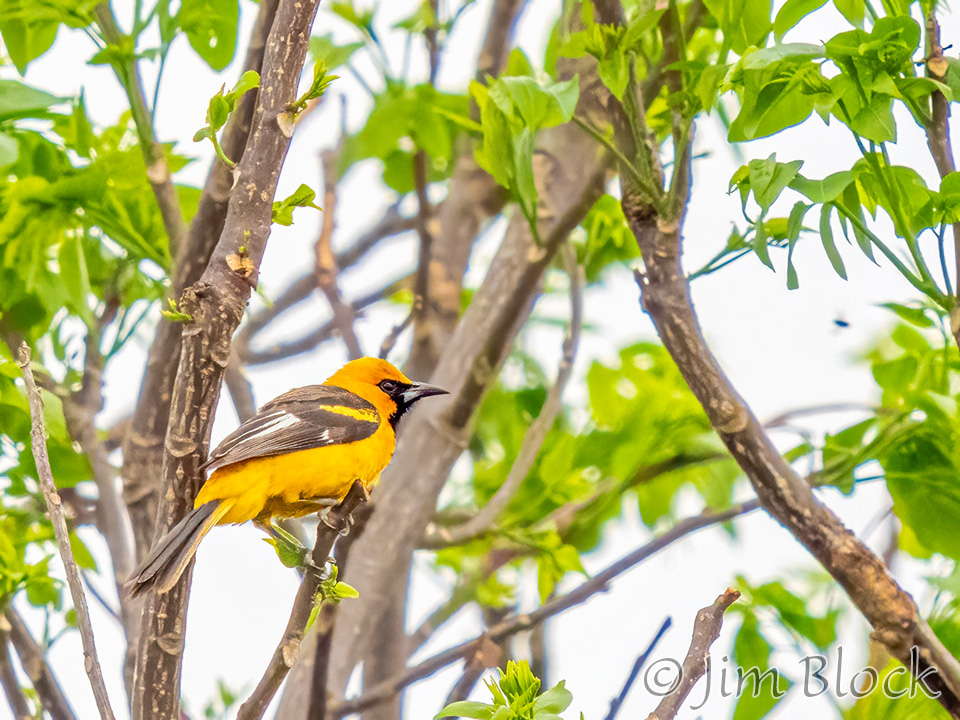
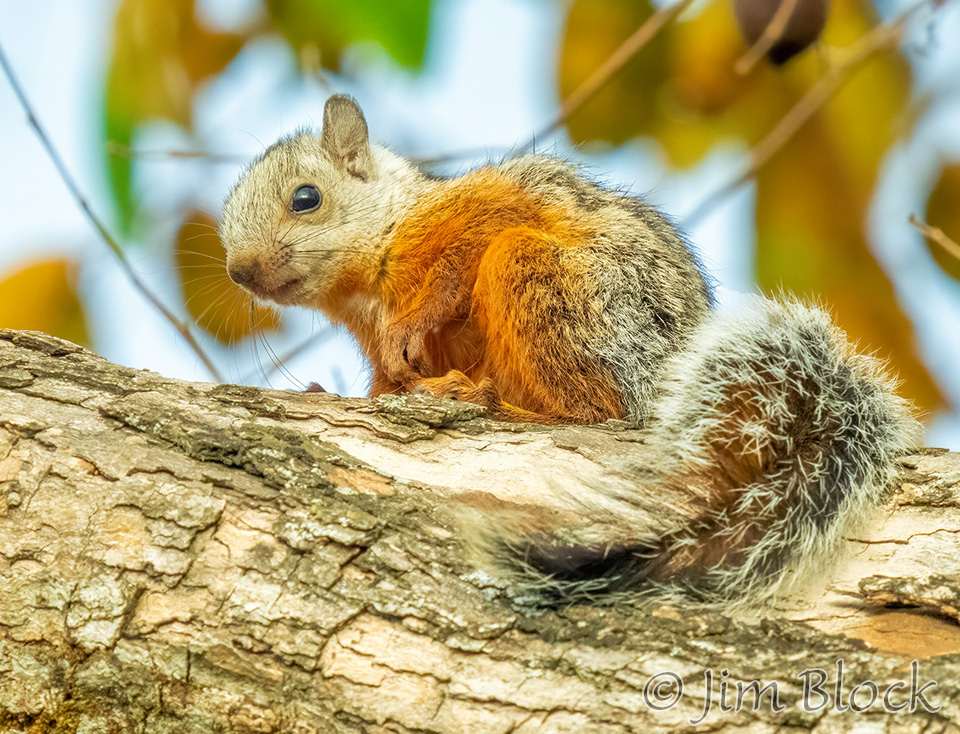
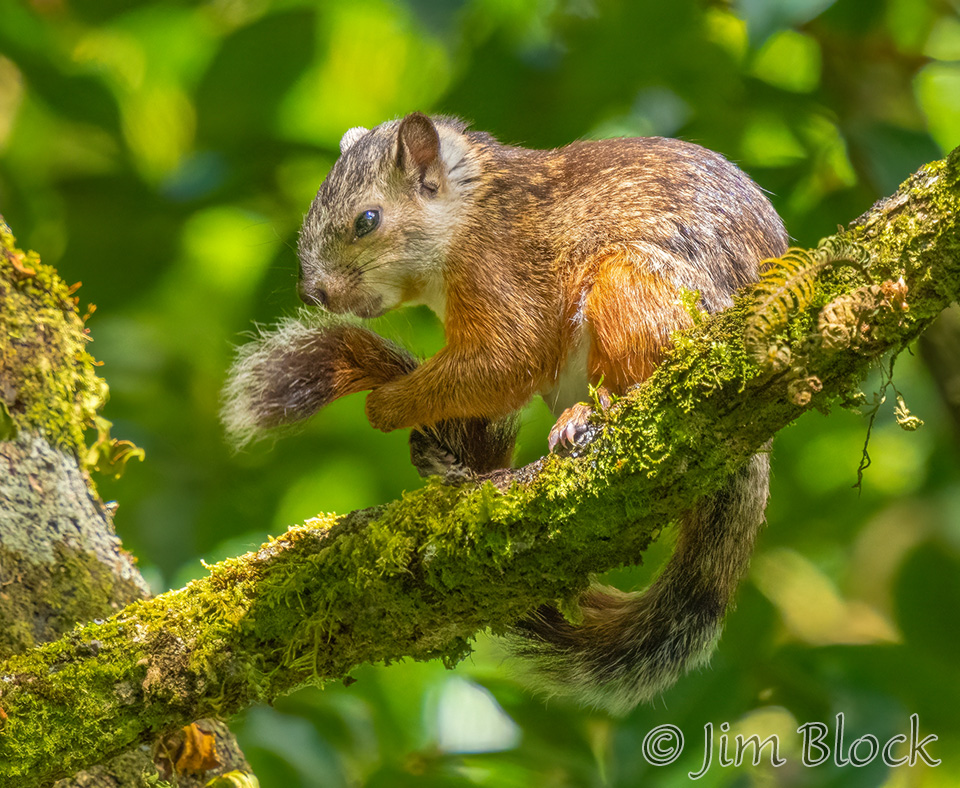
By 6 a.m. the next morning it was light enough to photograph birds and squirrels from the hotel grounds. We would see Variegated Squirrels at various locations during our trip.
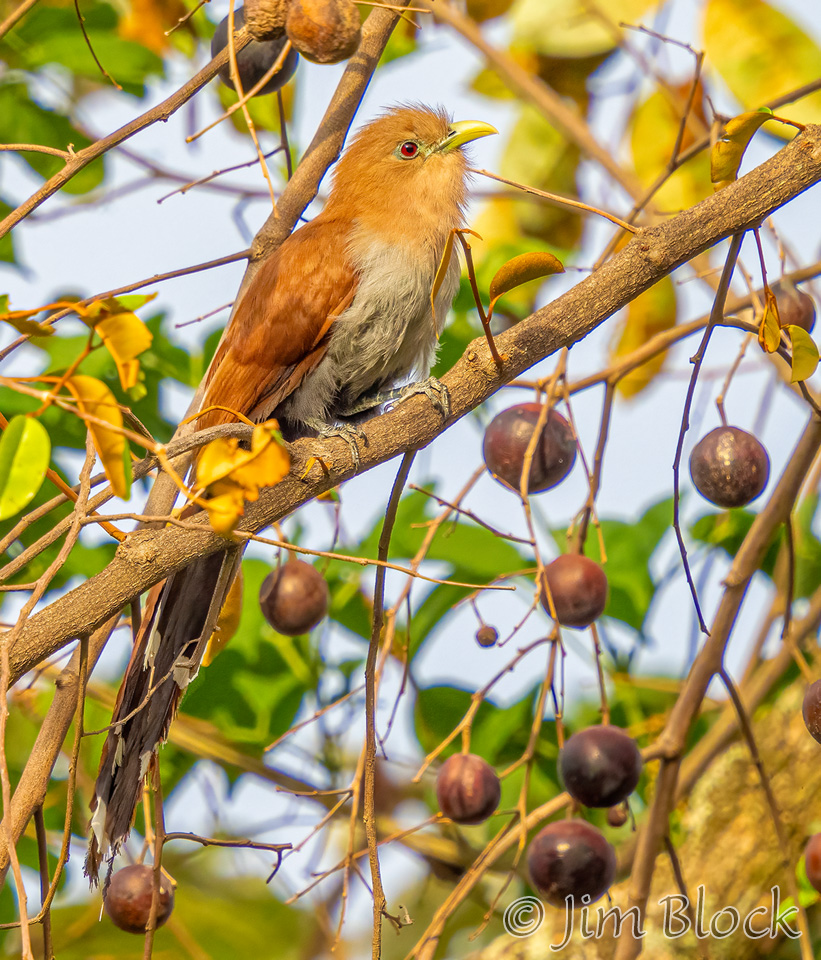
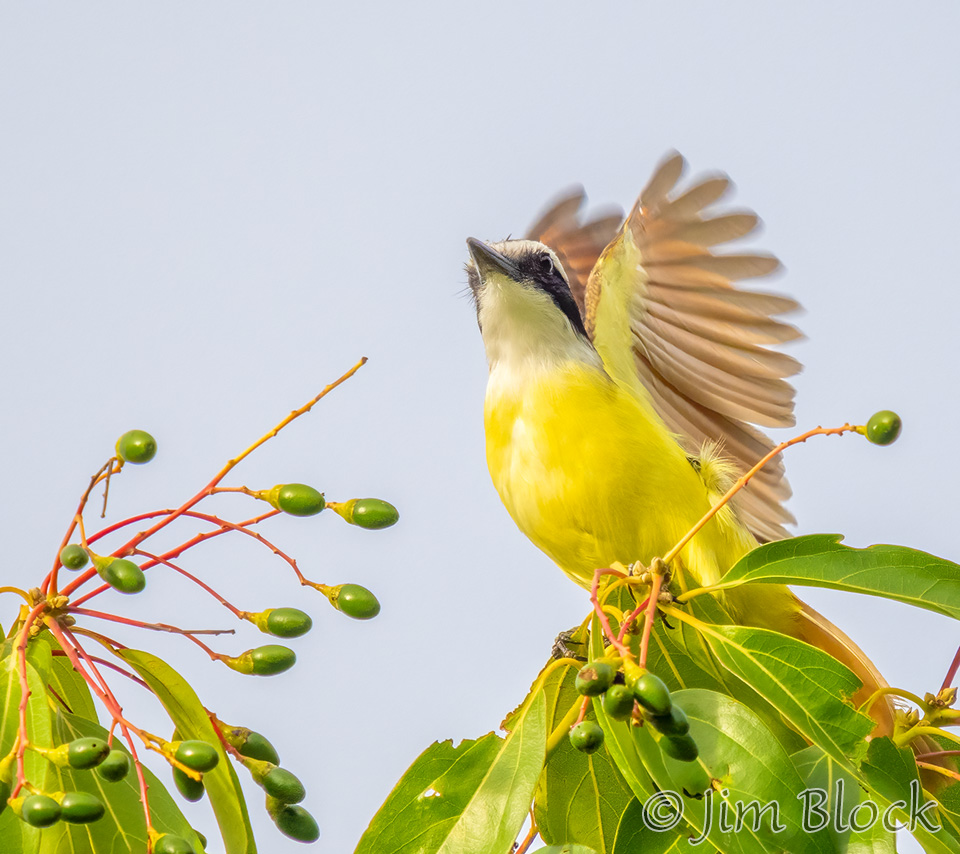
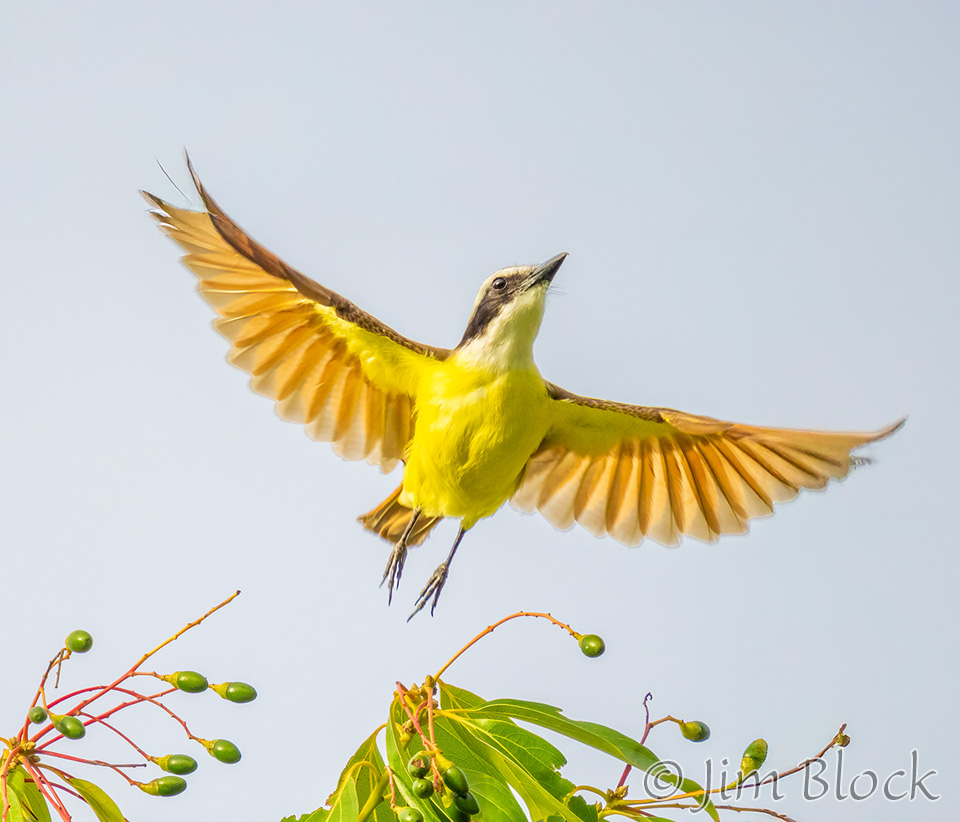
Before breakfast, I photographed seven bird species from our hotel grounds:
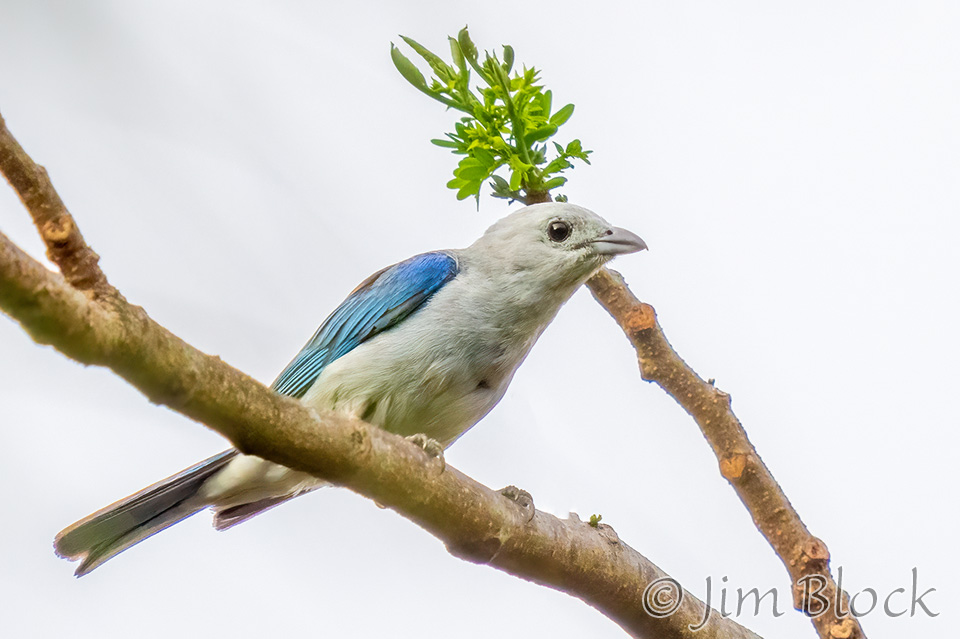
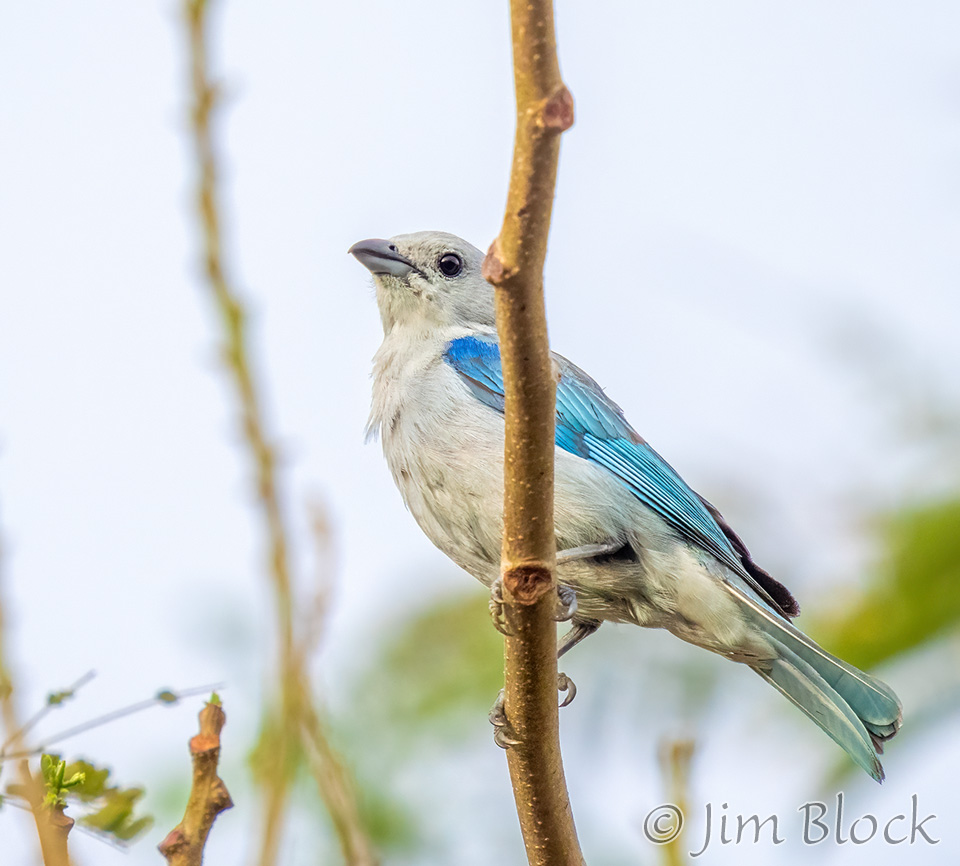
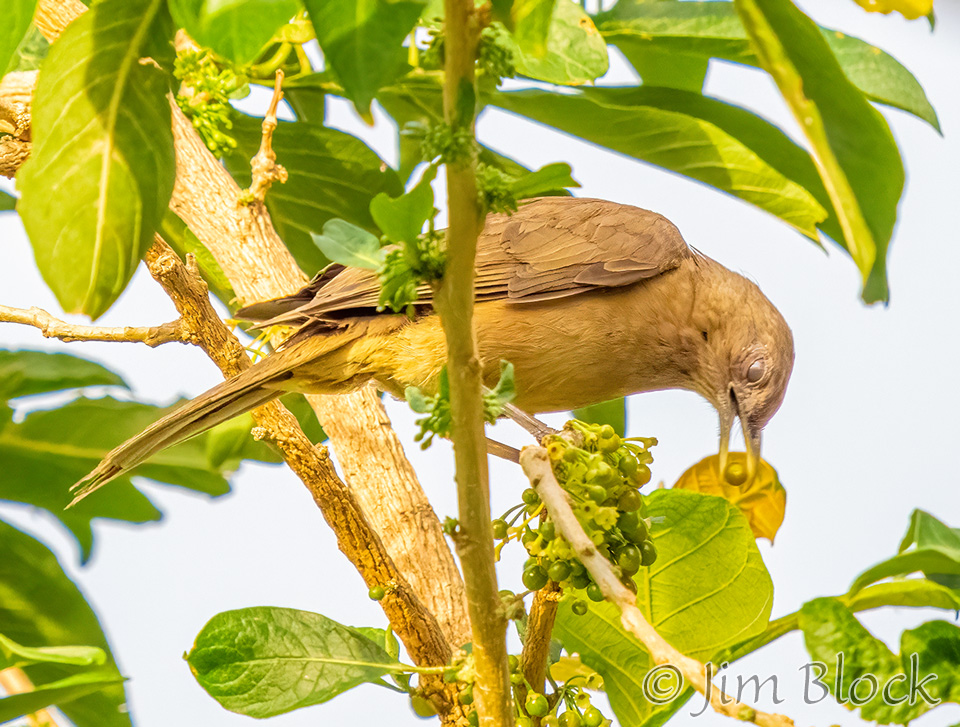
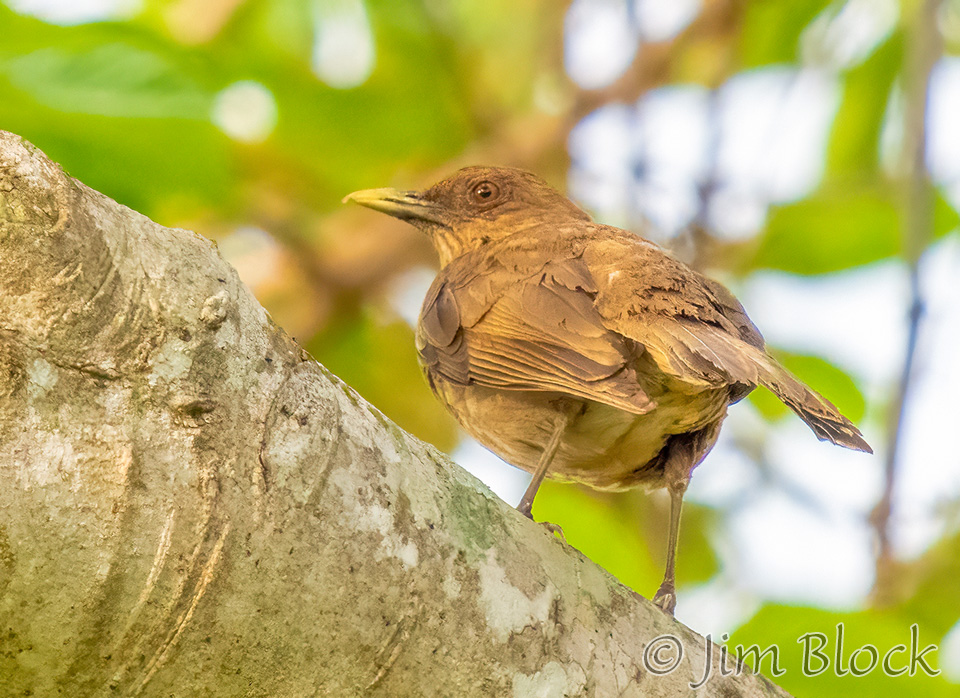
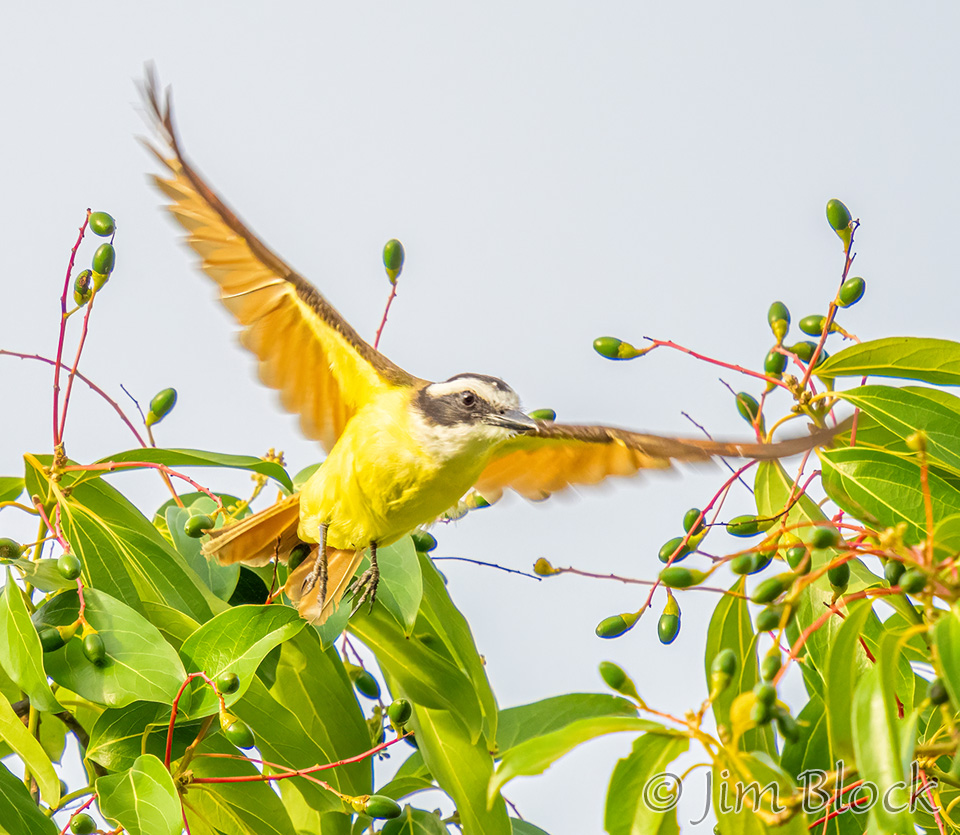
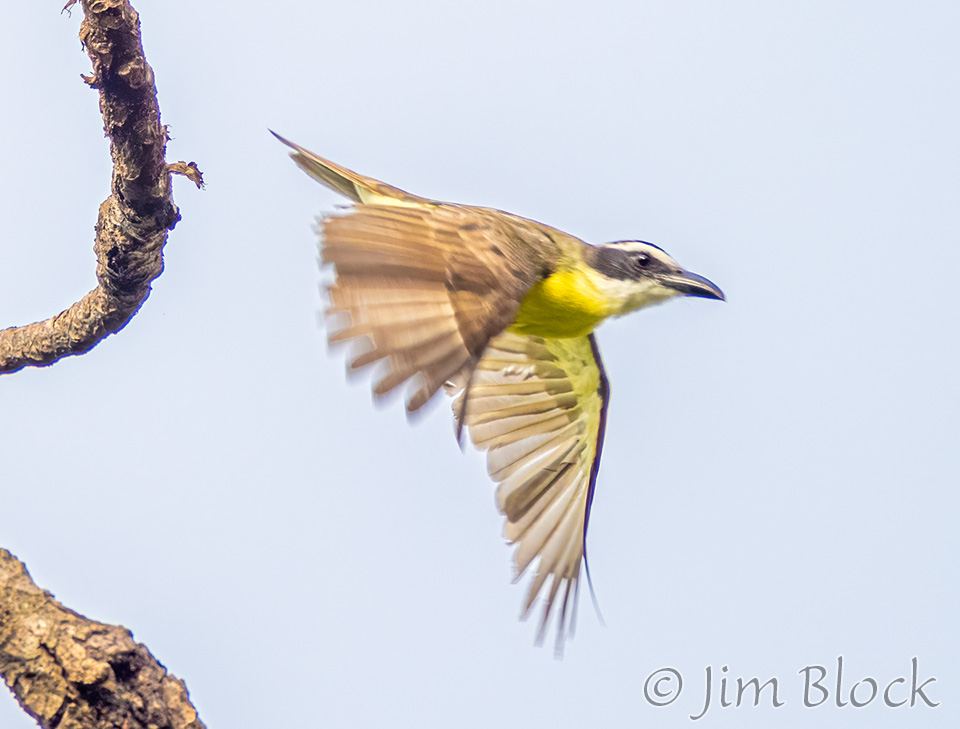
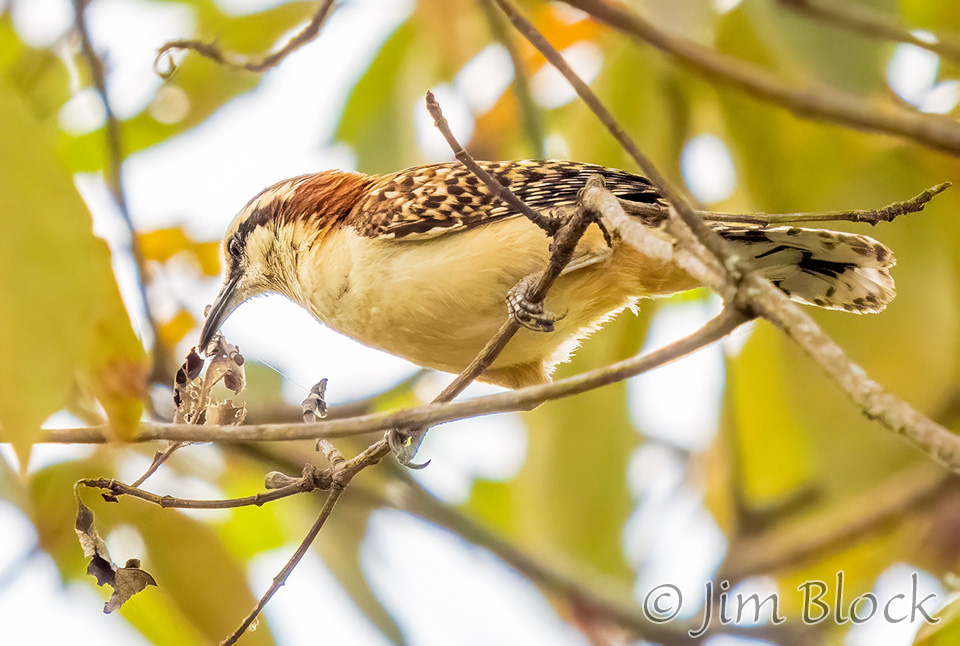
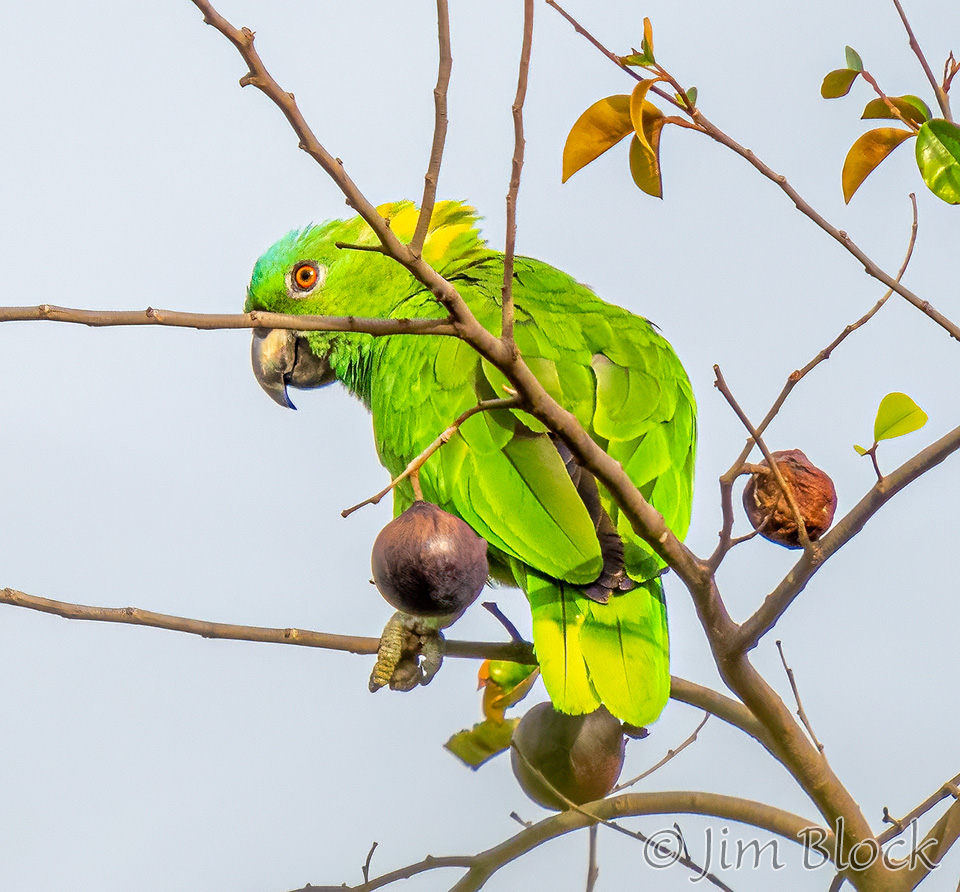
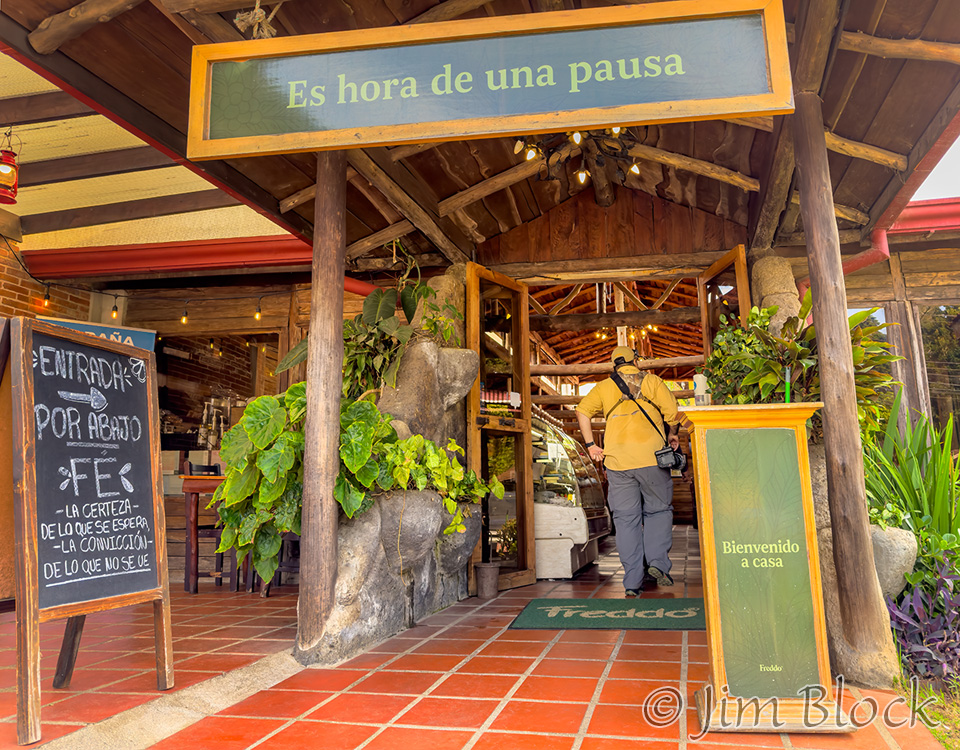
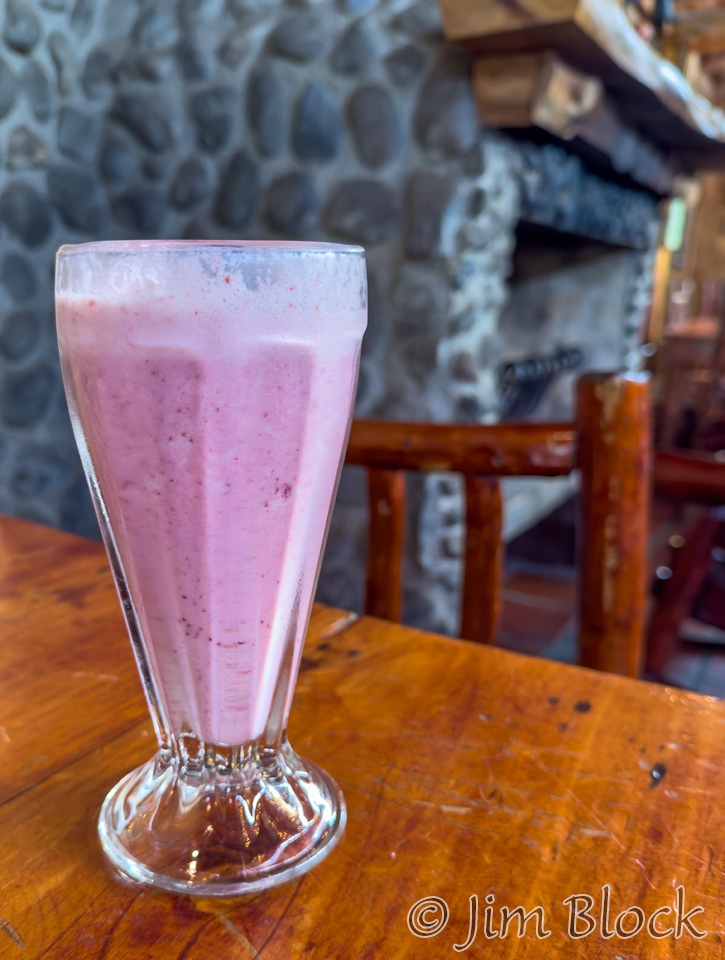
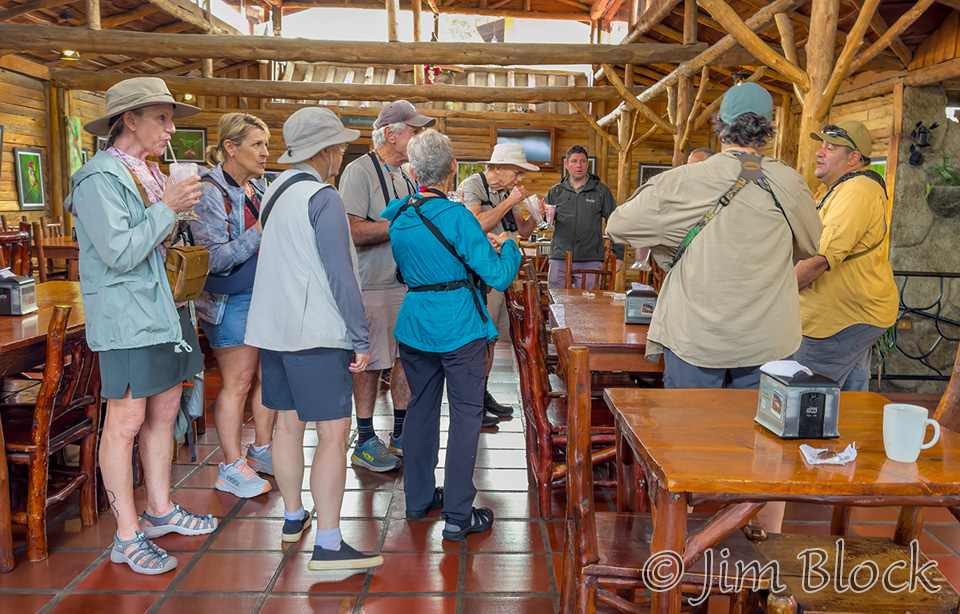
We didn’t travel far after breakfast before we stopped at 8 a.m. at Freddo Fersas where Gil treated us to a delicious fresh strawberry drink. I had mine with milk; others chose water. Freddo was a young kid selling strawberries on the street like a lemonade stand in the US. Long story short, he now has a beautiful restaurant. Gil is on the far right in the third photo below.
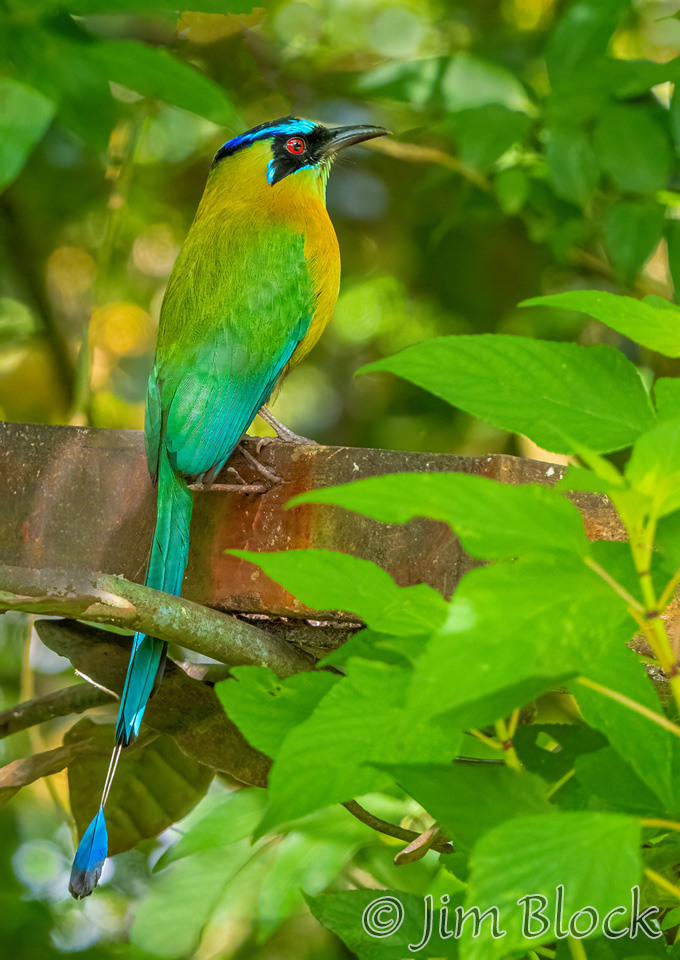
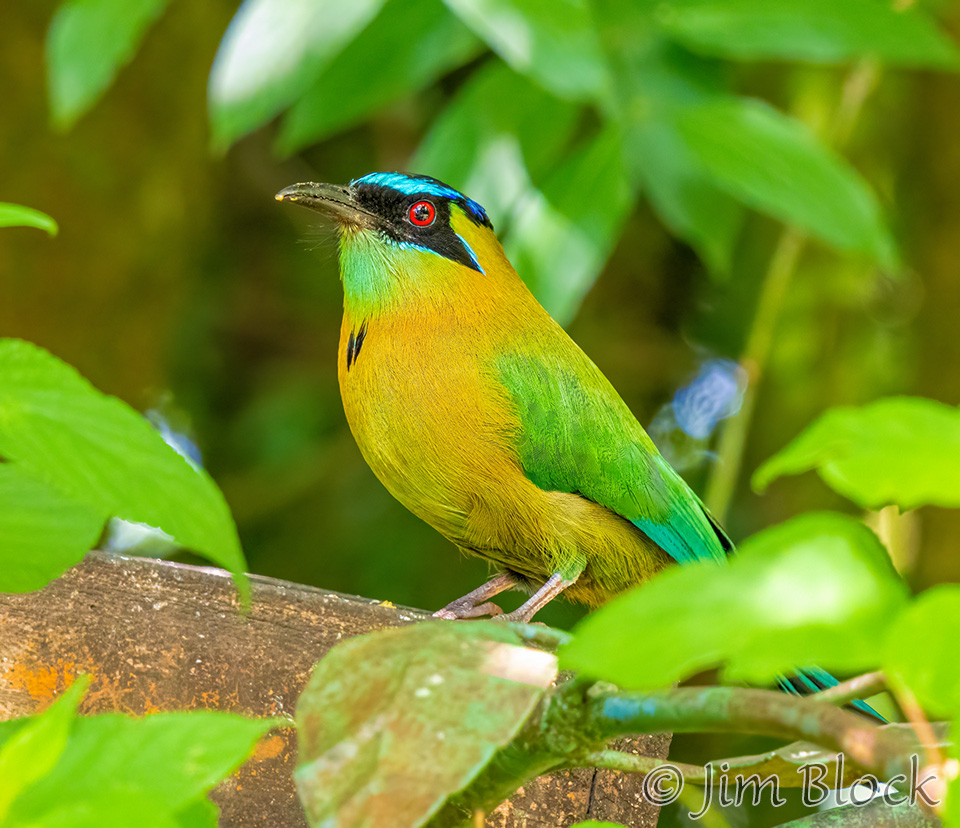
Almost directly across the street was a small garden. There we found a beautiful Blue-crowned Motmot. Note the long tail with feathers at the very tip.
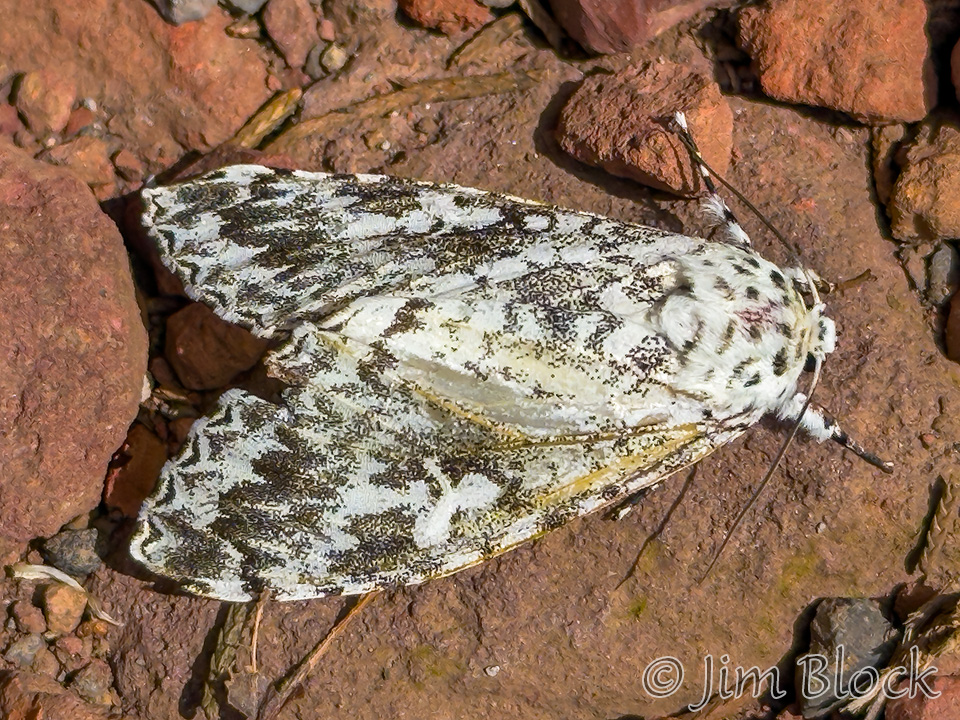
I also photographed a Black Archer moth.
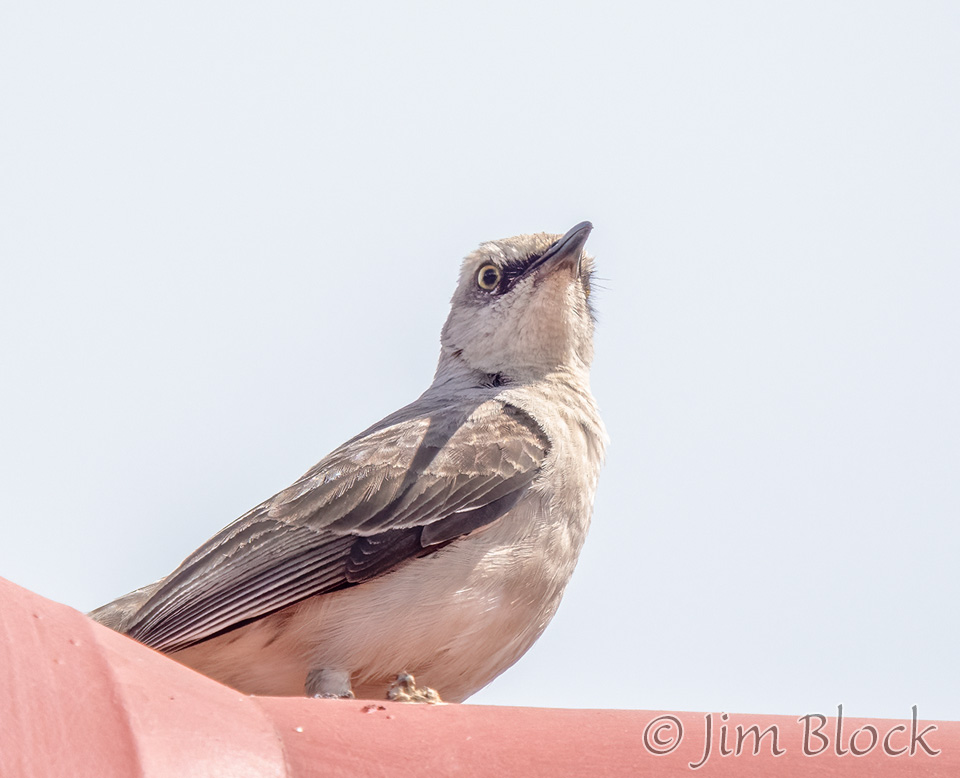
And back across the road, a Tropical Mockingbird.
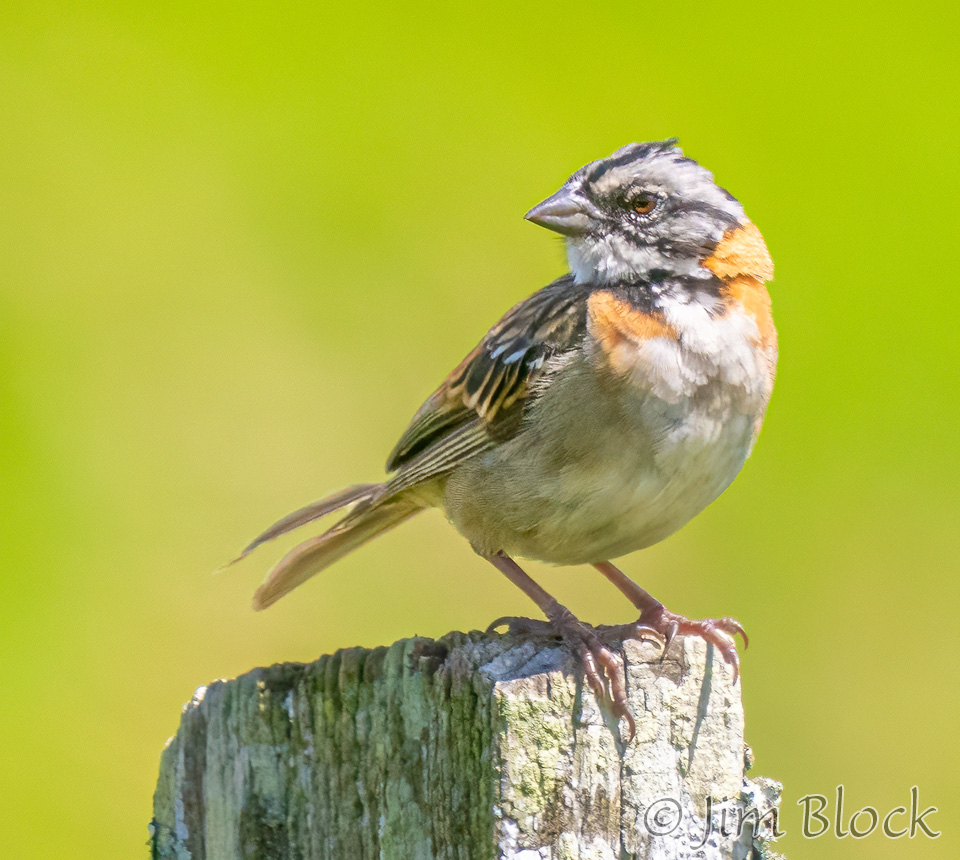
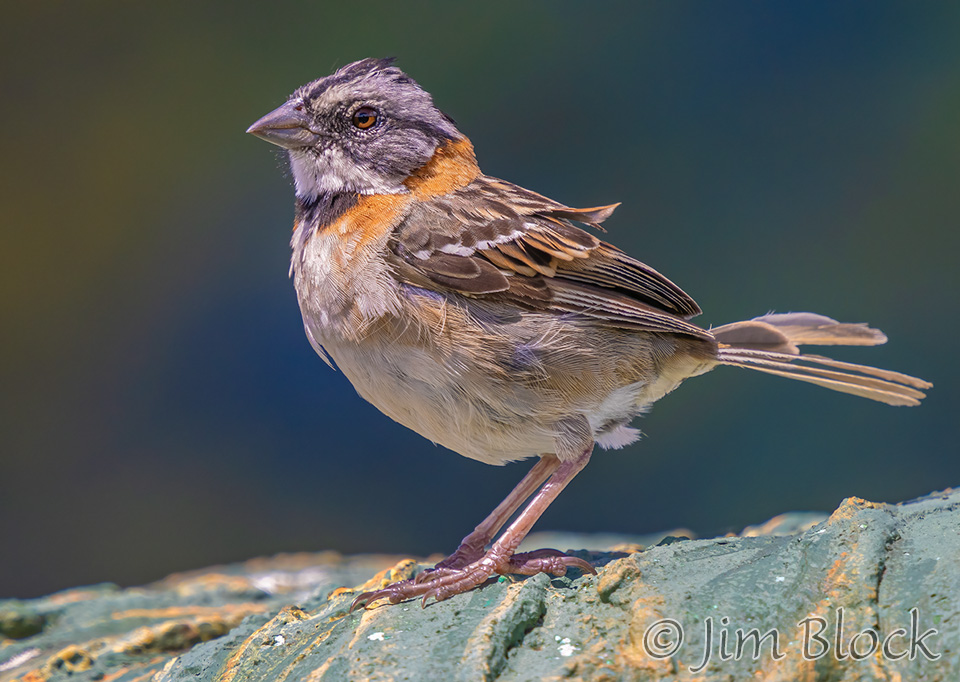
Thirty minutes later we made a short stop at a small garden. There I photographed a Rufous-collared Sparrow.
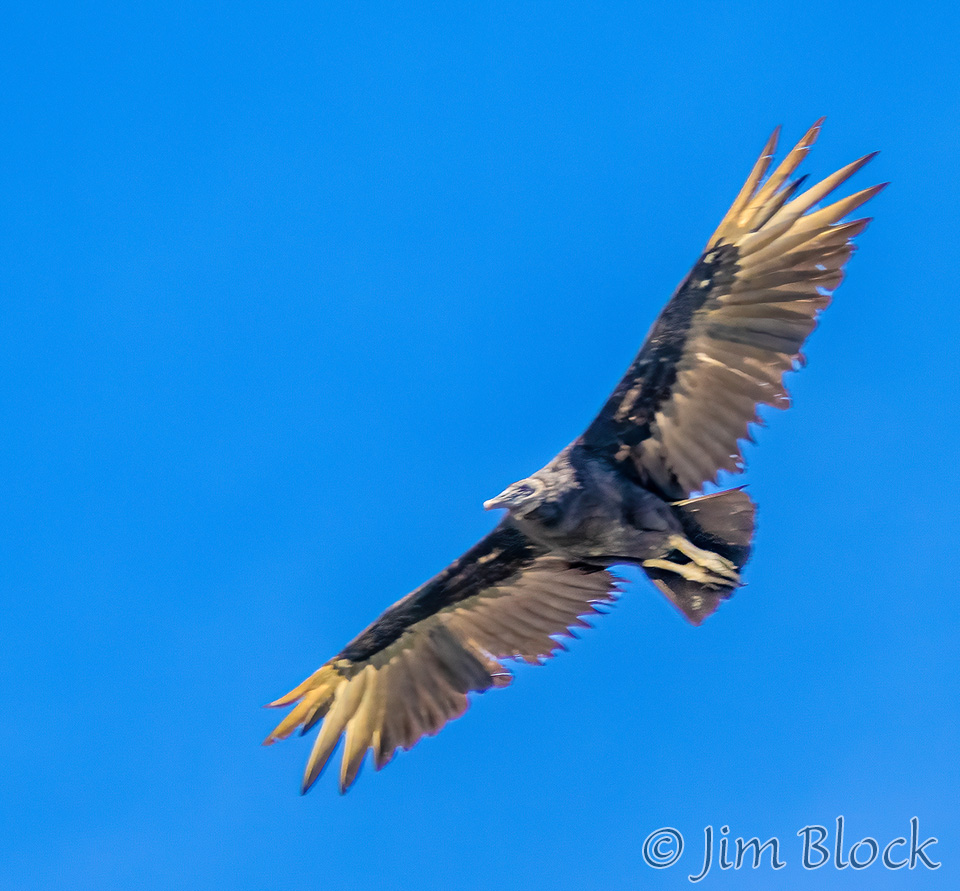
Flying high overhead was a Black Vulture.
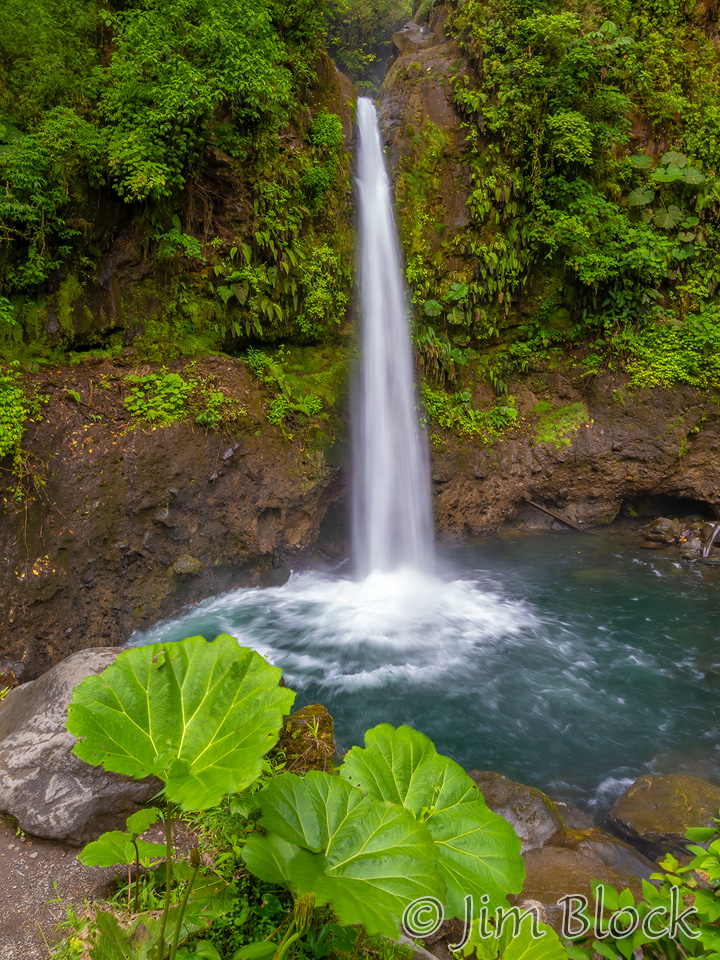
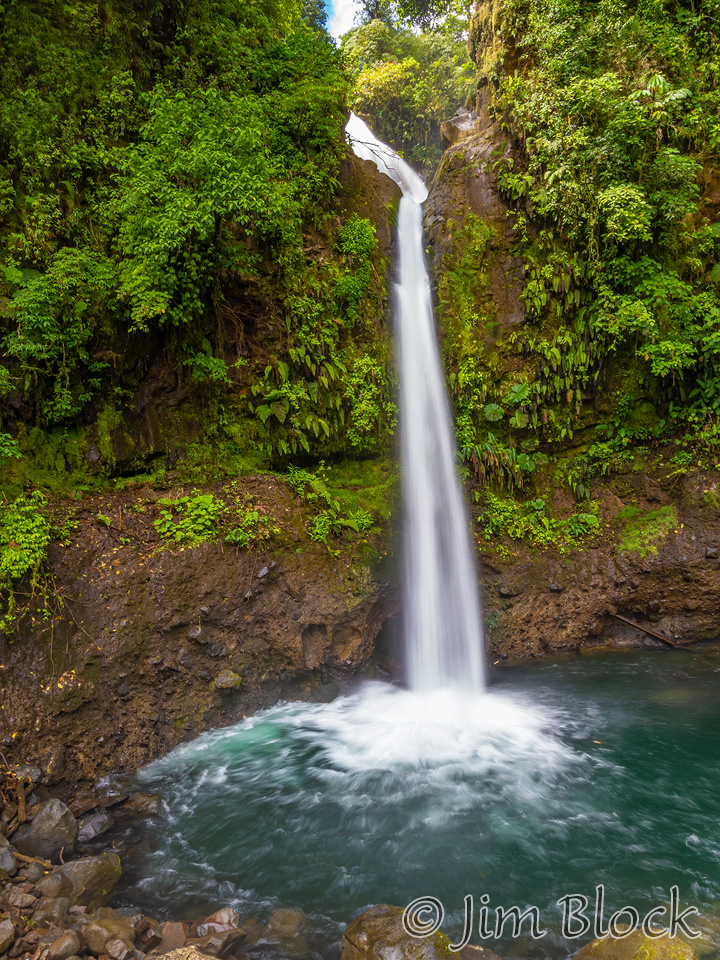
The La Pas waterfall was down a long, curved, and steep road.
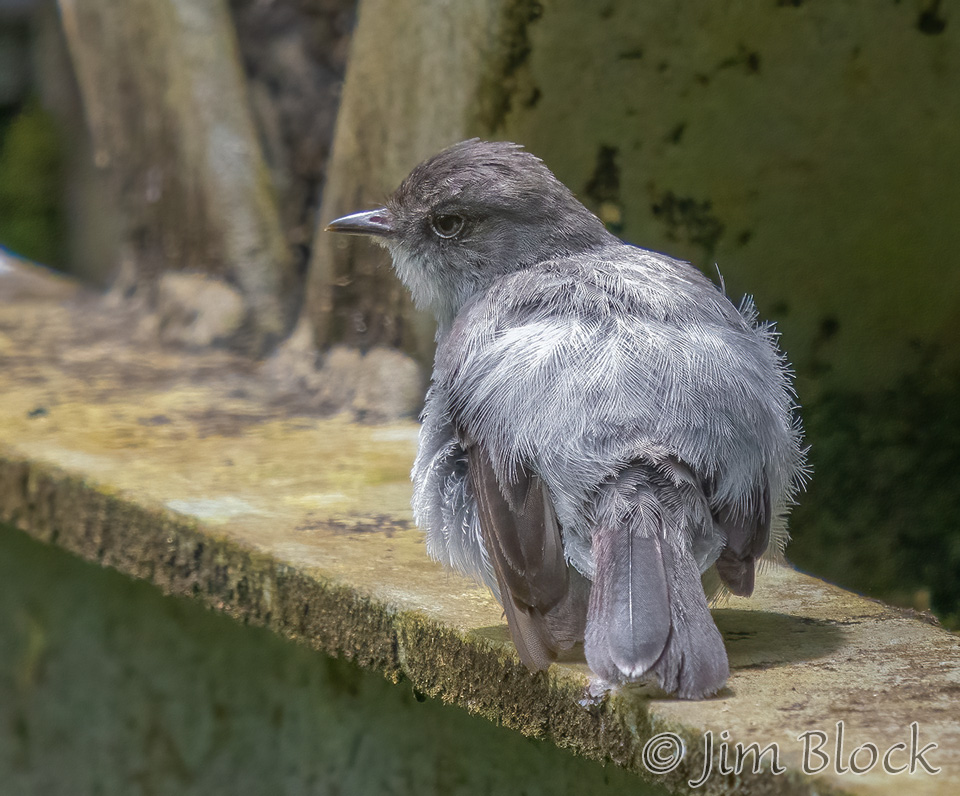
A Torrent Tyrannulet, a flycatcher species, was sitting under a bridge near the waterfall.
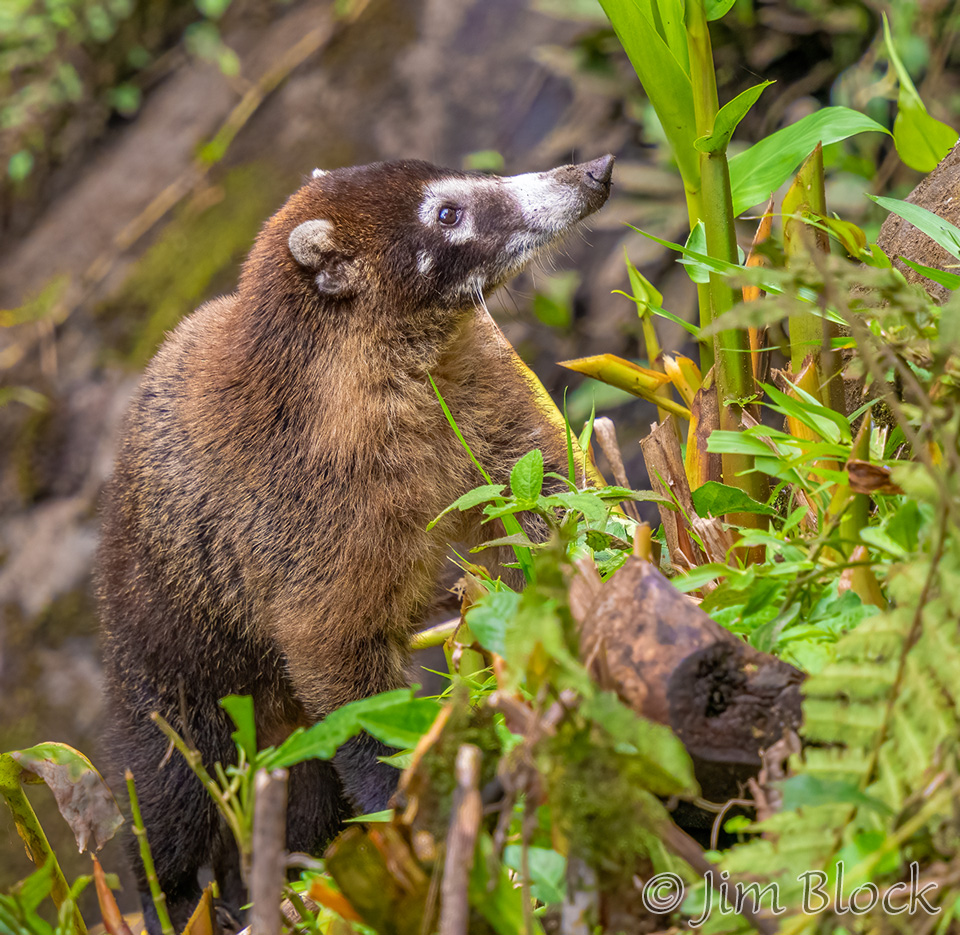
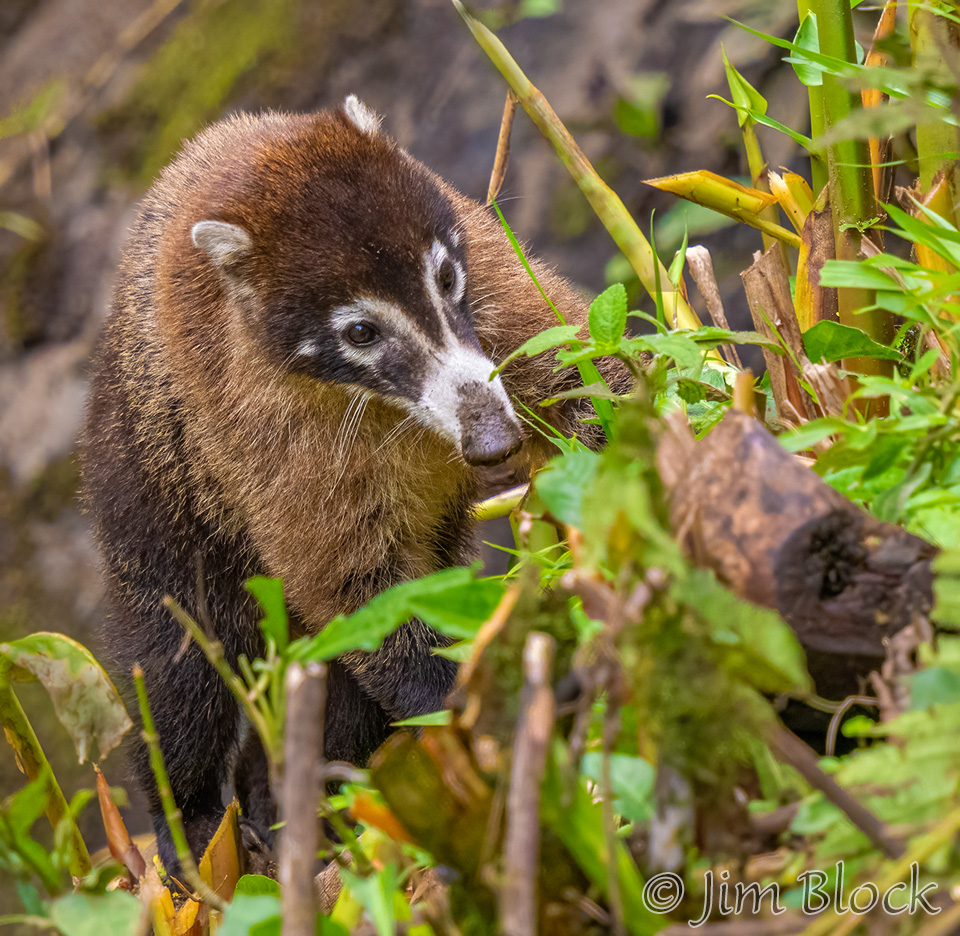
Also near the waterfall was a Coatimundi.
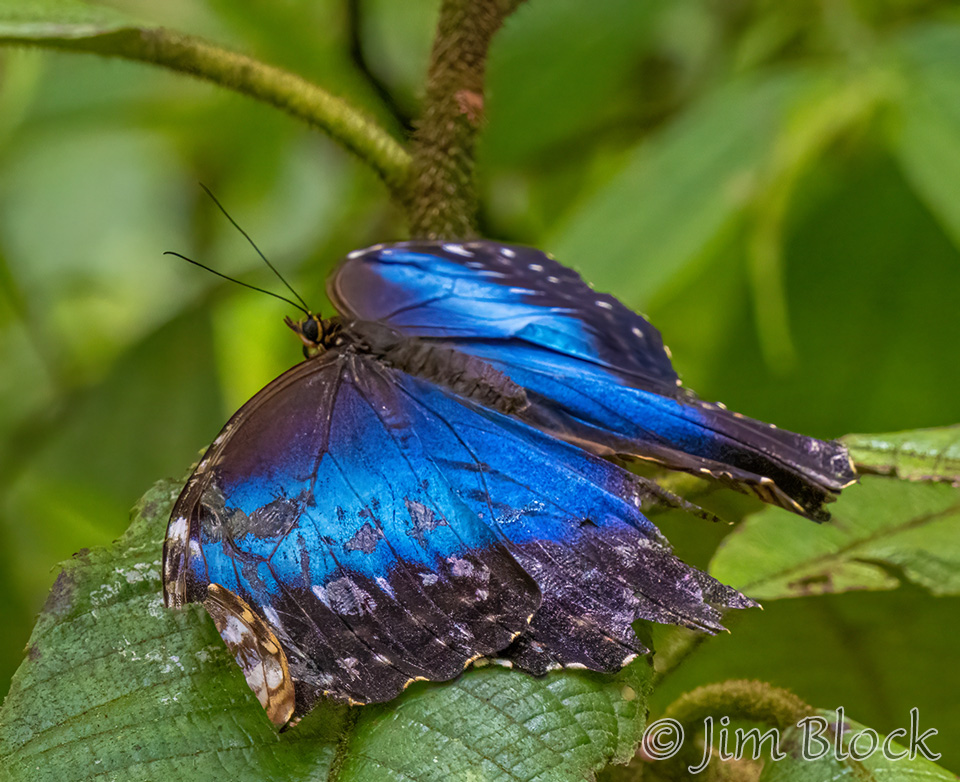
And a beautiful Blue Morpho butterfly.
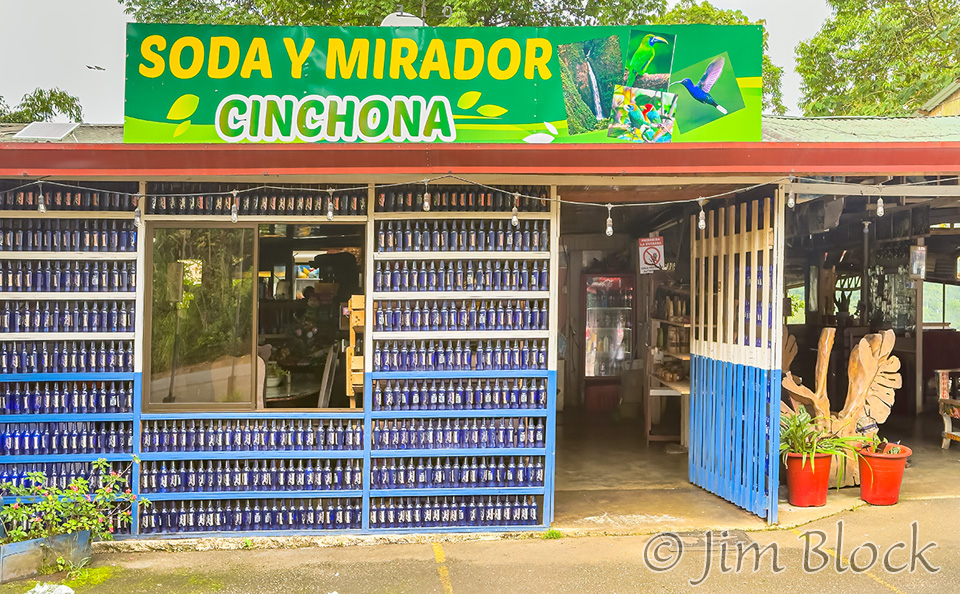
This would be a morning of many short stops. The next was the best for birds, although it did not look at all promising when we stopped in front of a beer bottle wall. Gil told us to take our cameras and binoculars in and walk to the back deck.
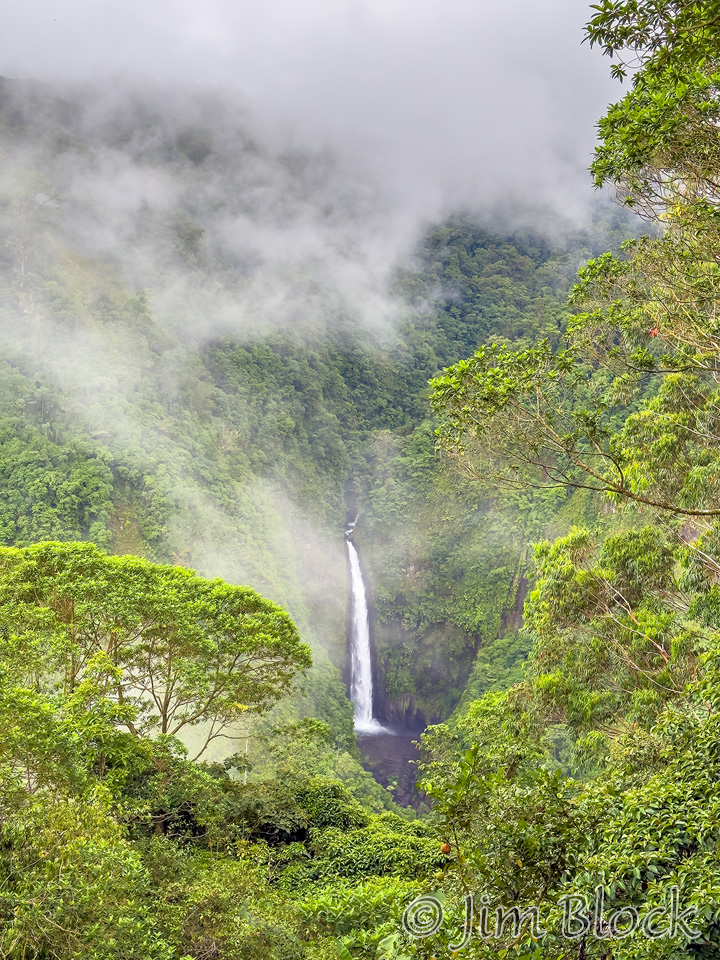
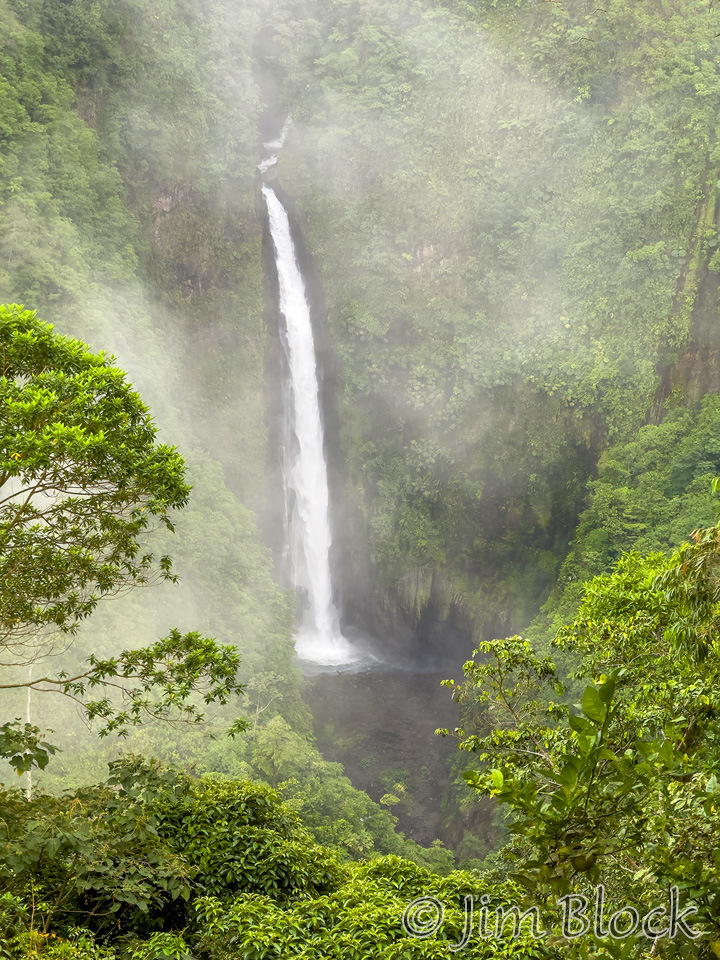
From the deck we could view a distant waterfall across the valley.
But the real treat was the birds very near the deck:
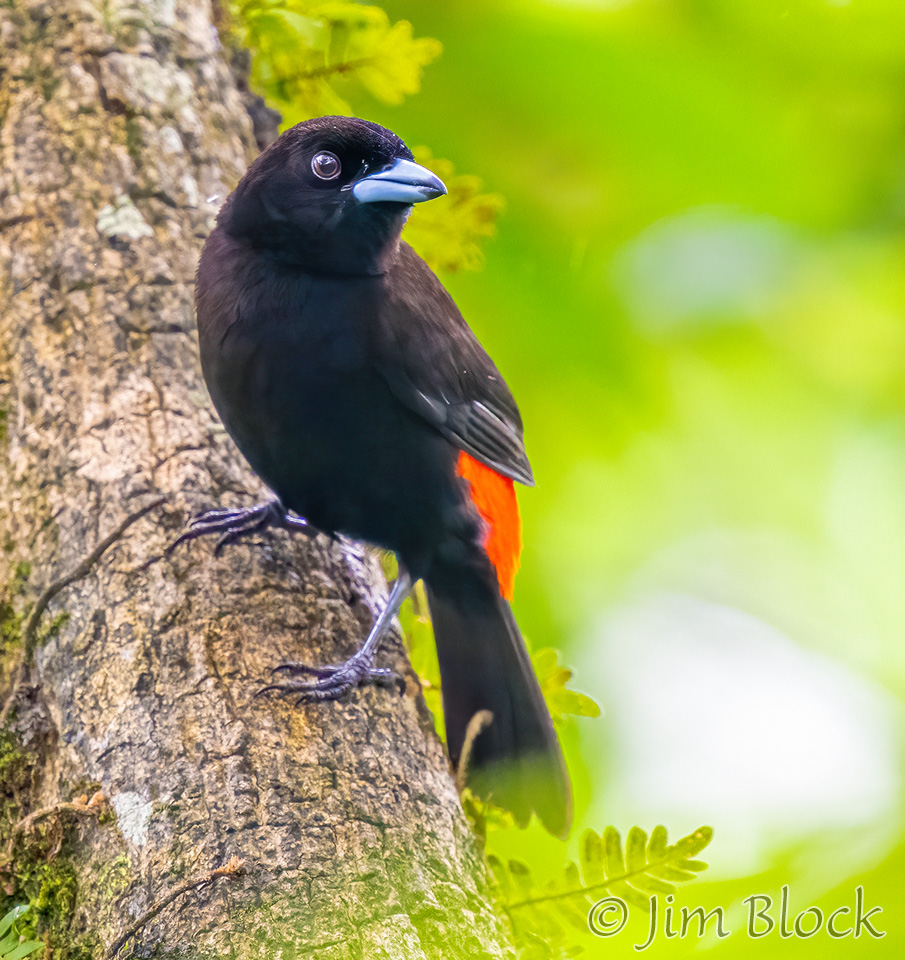
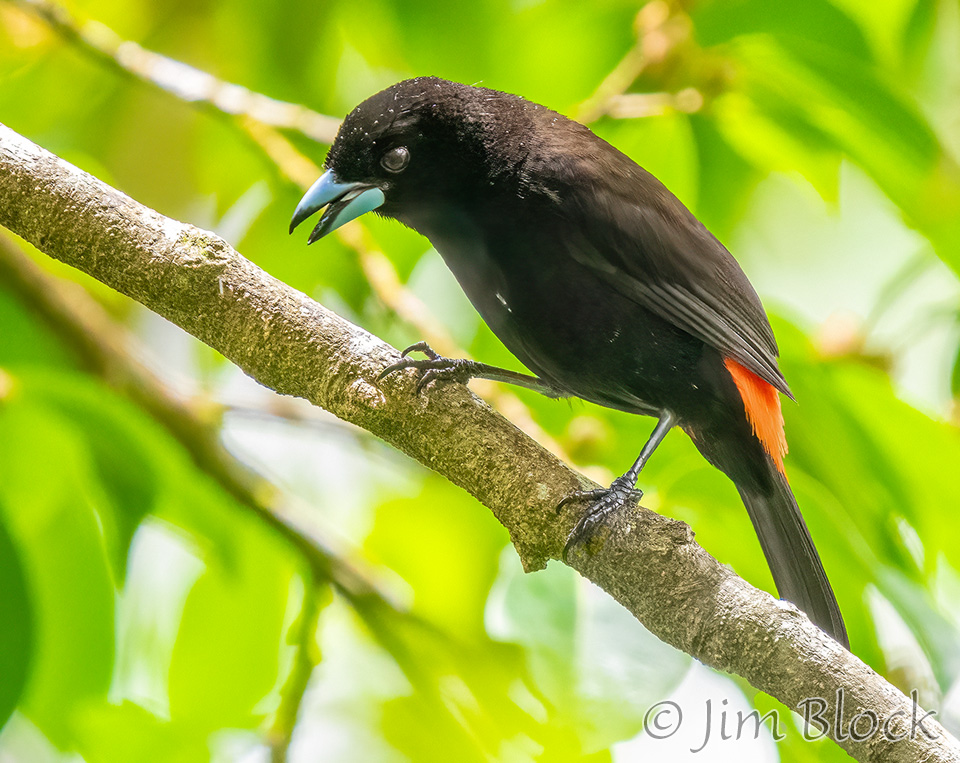
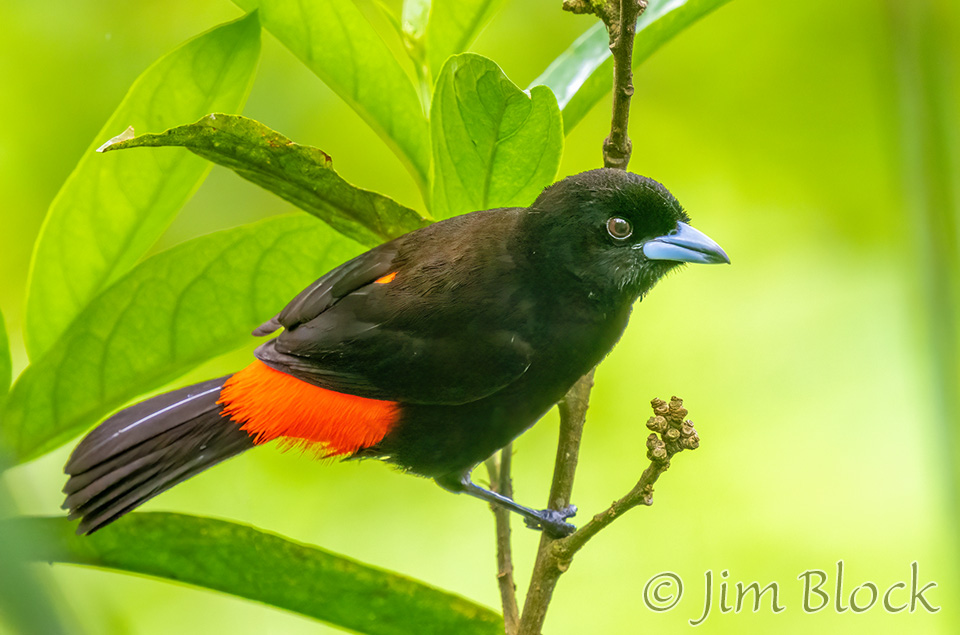
Passerini’s Tanager also know as Scarlet-rumped Tanager for obvious reasons. Here is the male.
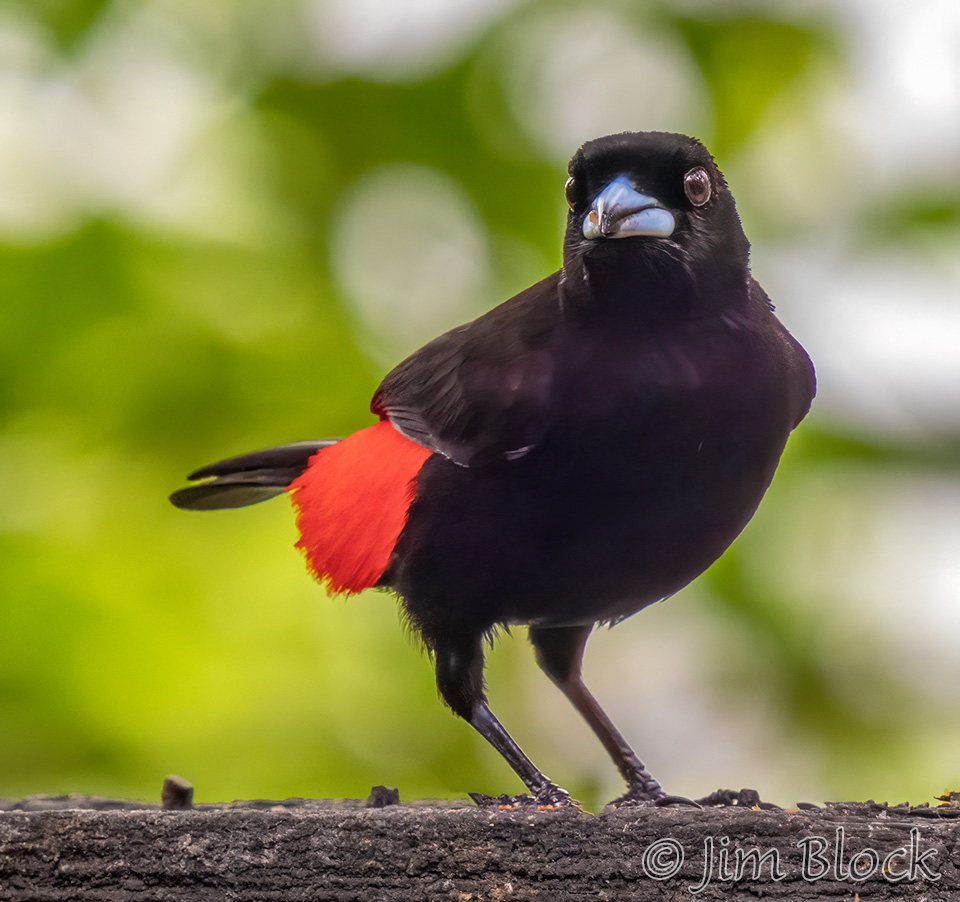
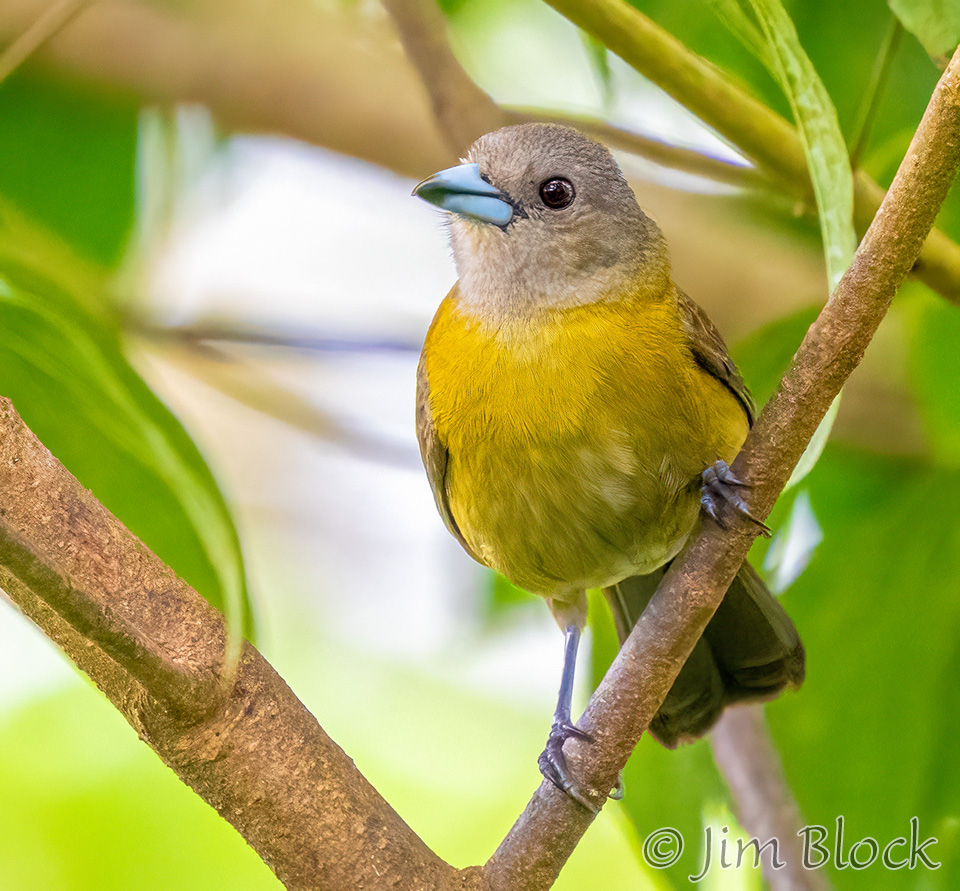
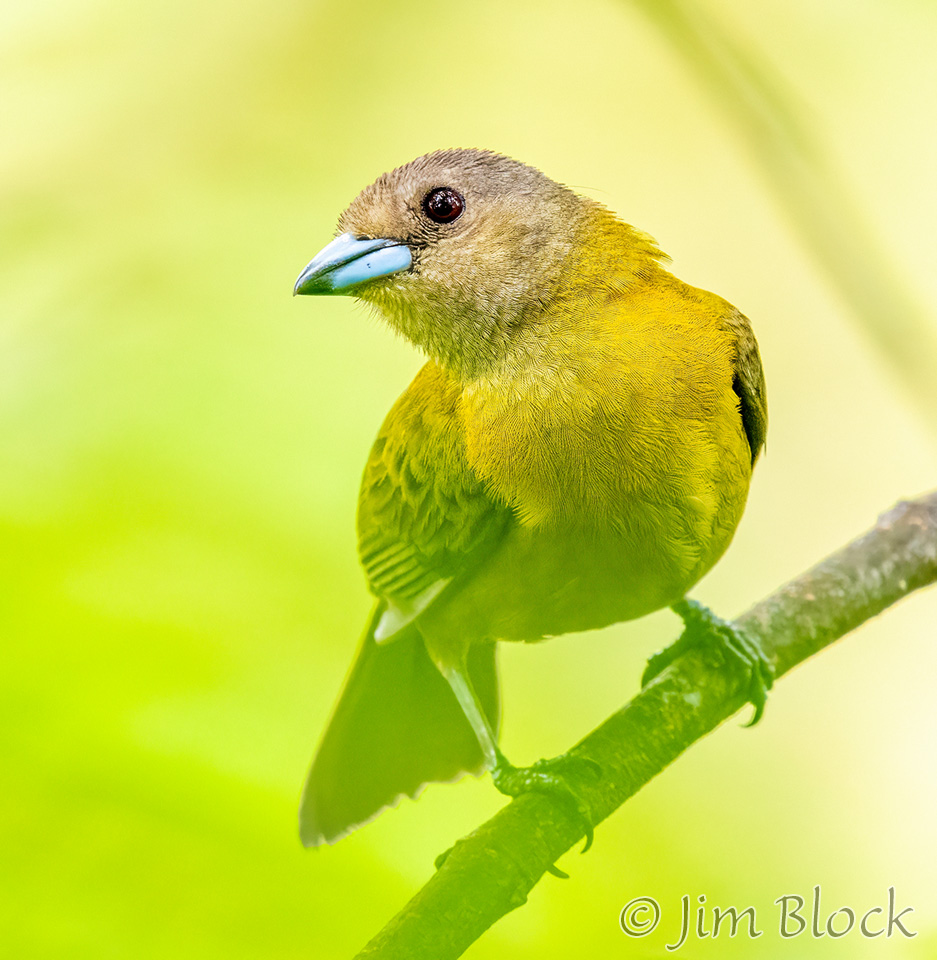
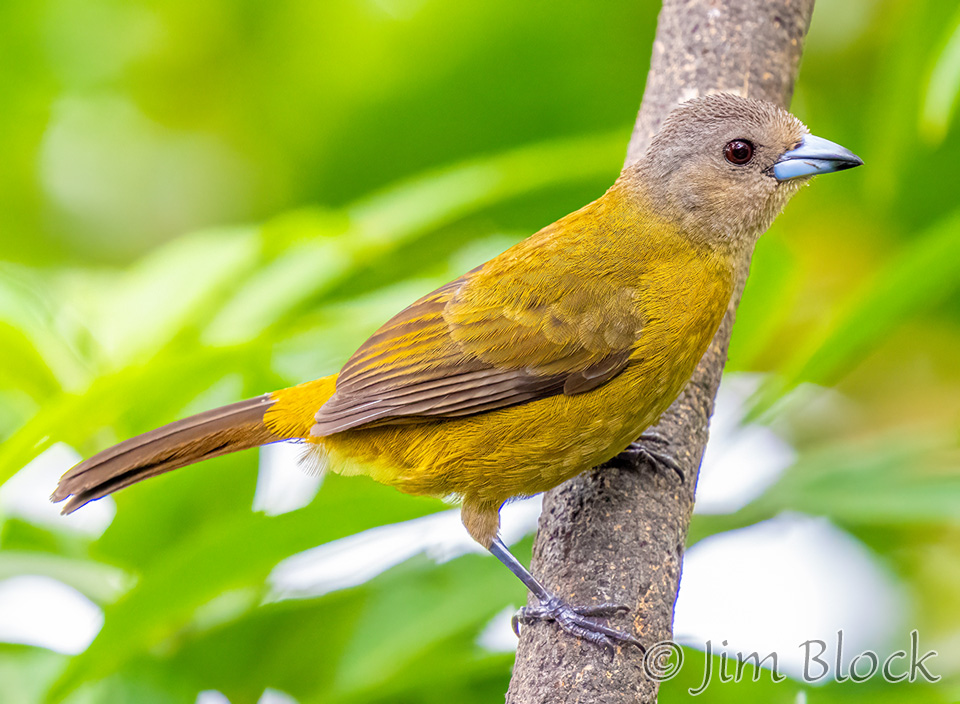
But the female Scarlet-rumped Tanager is very different.
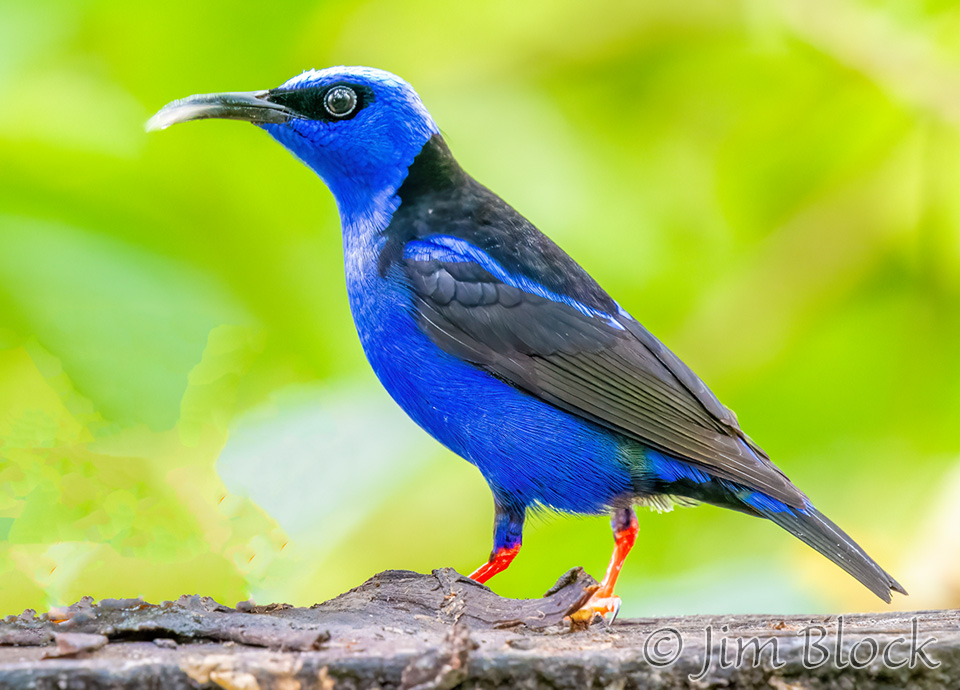
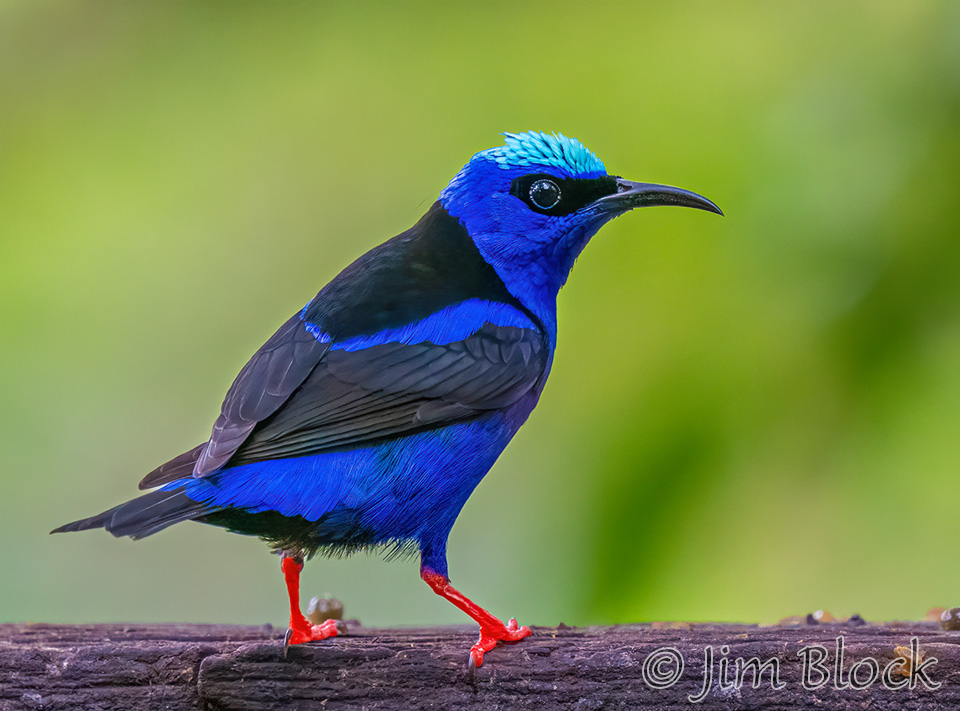
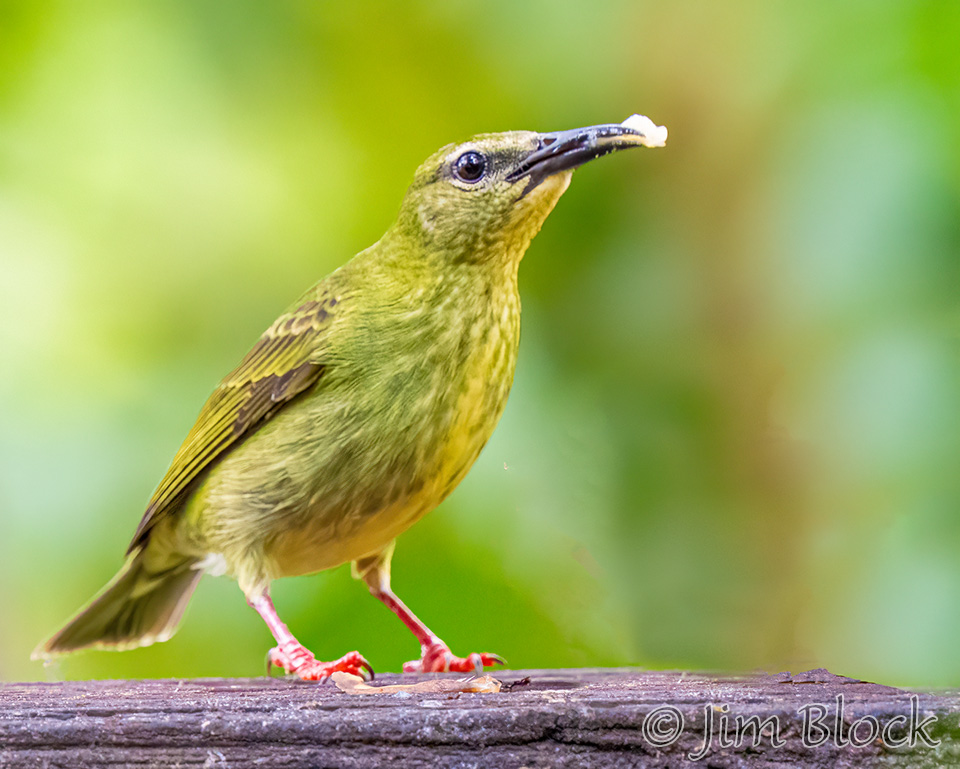
Another aptly-names tanager with sexual dimorphism is the Red-legged Honeycreeper. It is easy to tell that the third photo below is the female.
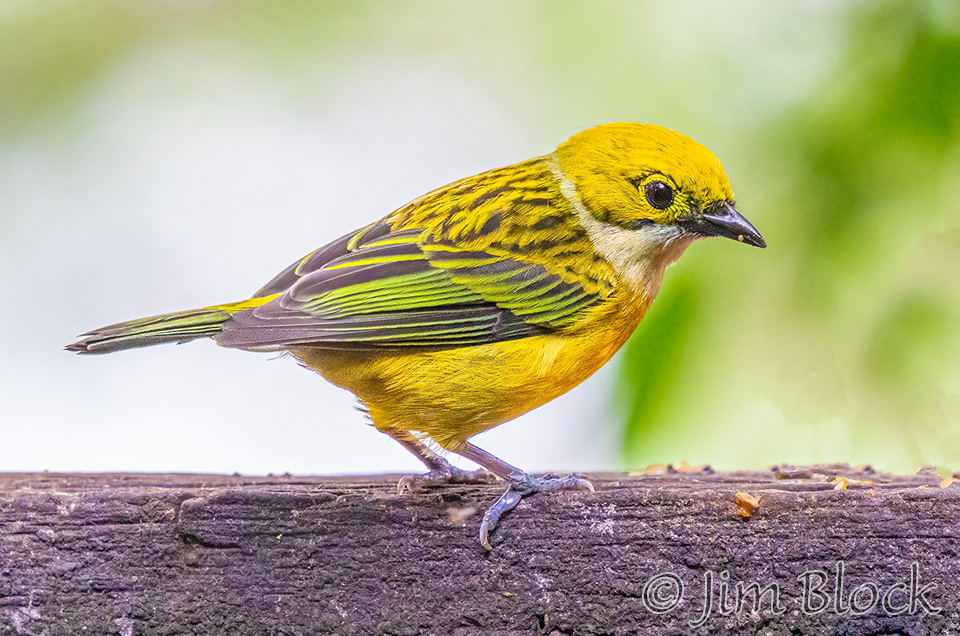
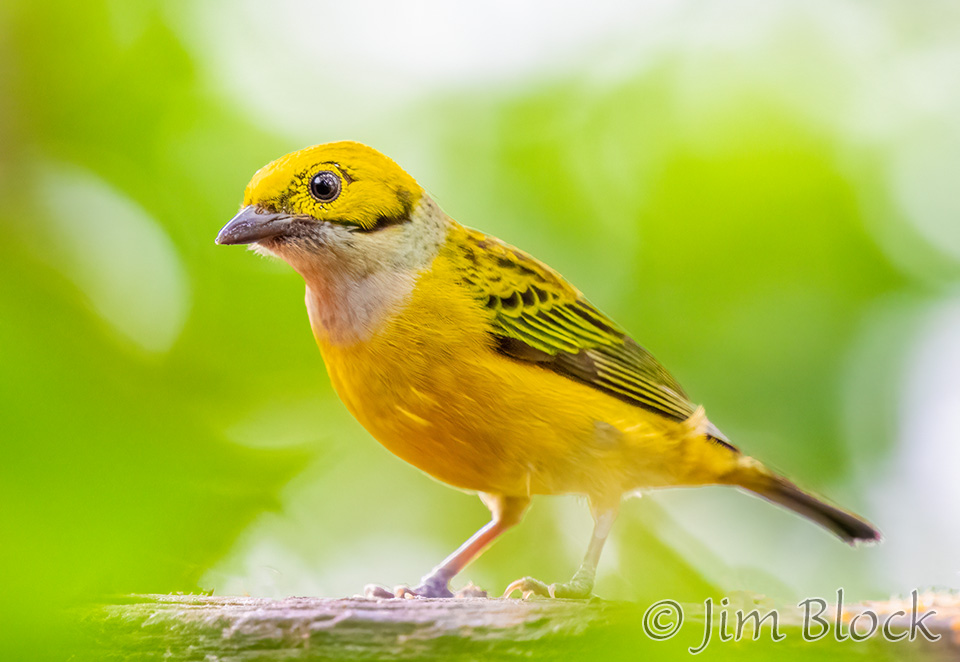
Yet another tanager species present was the Silver-throated Tanager.
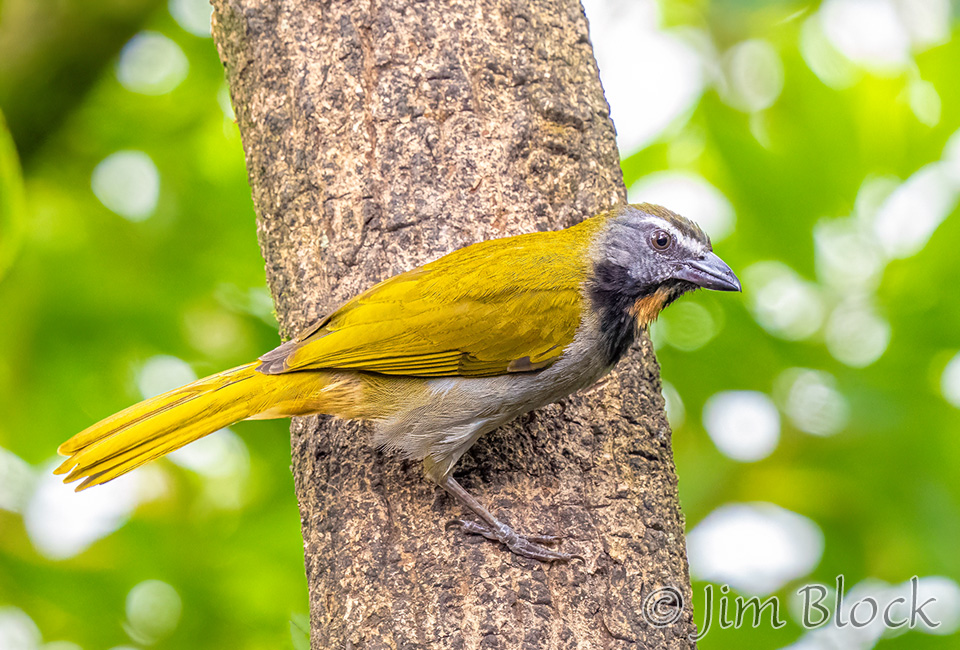
The Buff-throated Saltator is also a tanager. Tanagers abound in Costa Rica. In New England we only see a Scarlet Tanager and, rarely, a Summer Tanager.
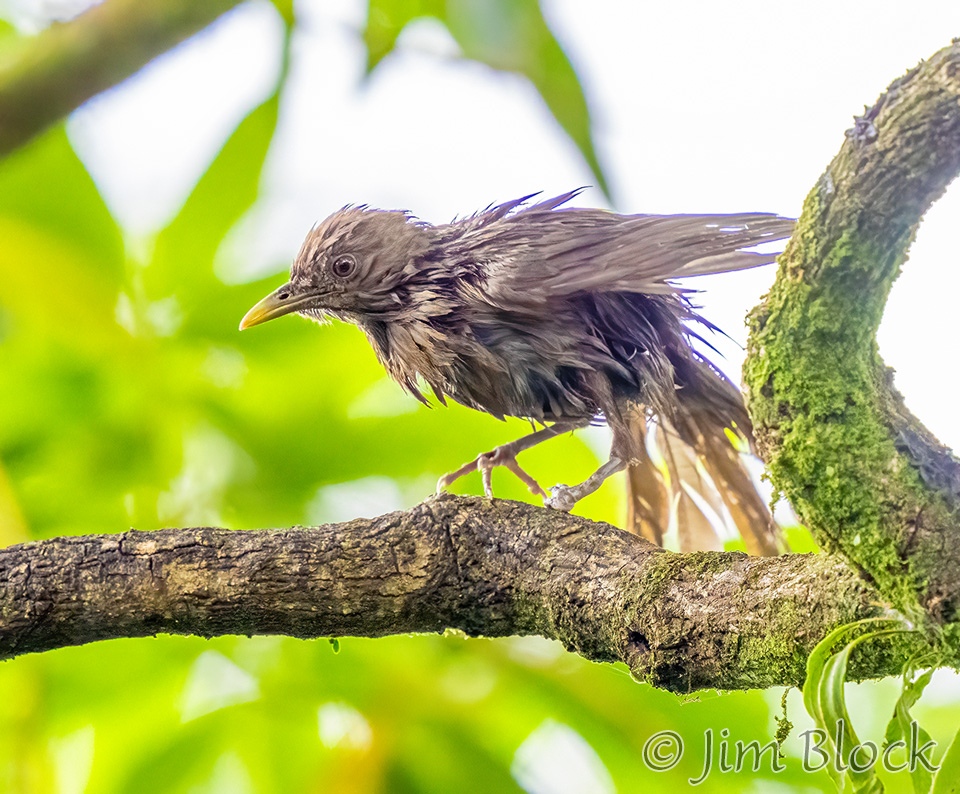
There were Clay-colored Thrush around.
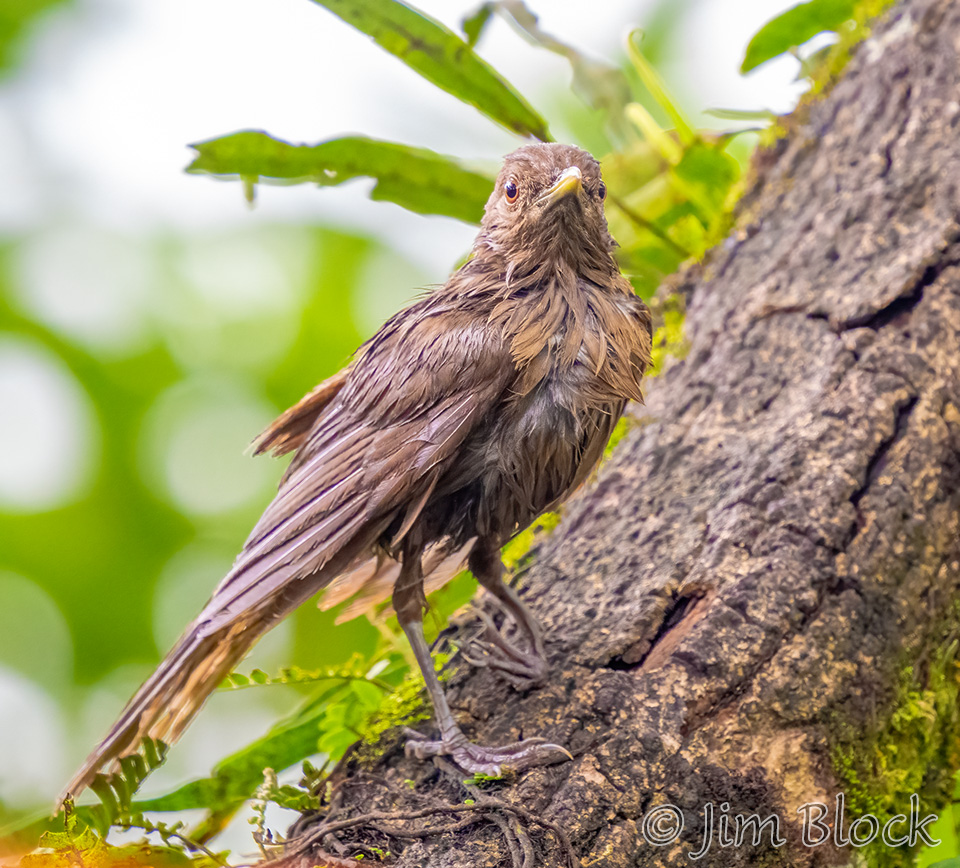
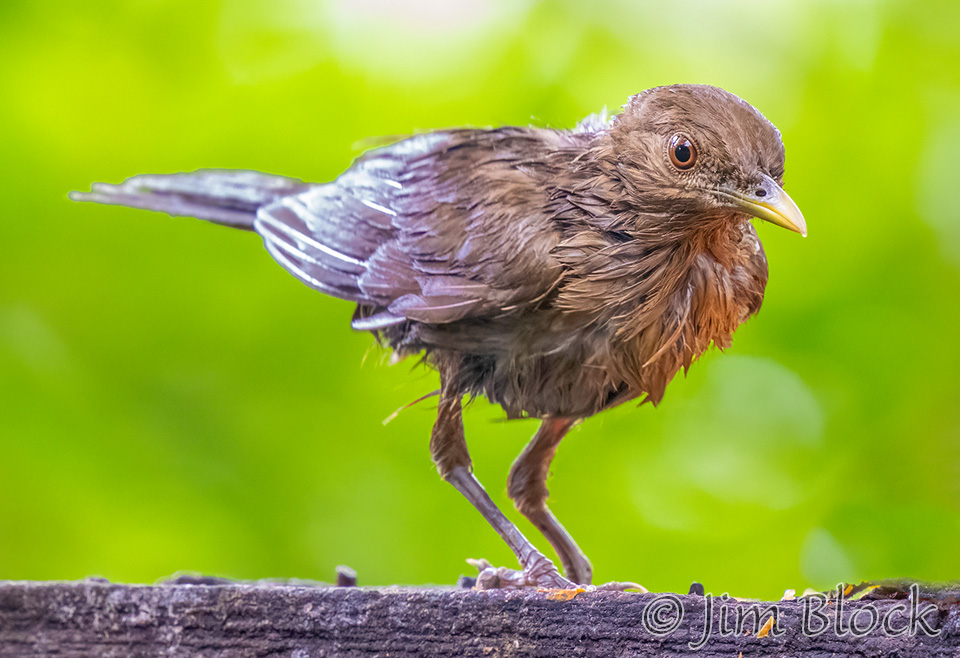
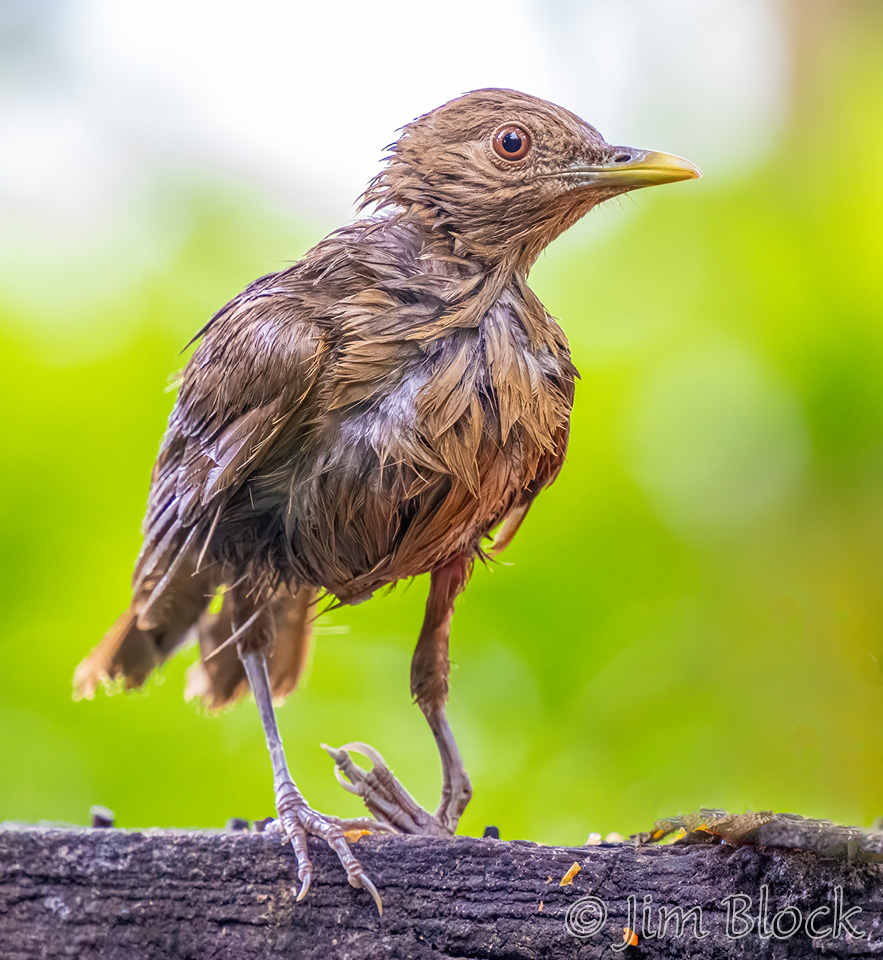
And what appeared to be a juvenile Clay-colored Thrush.
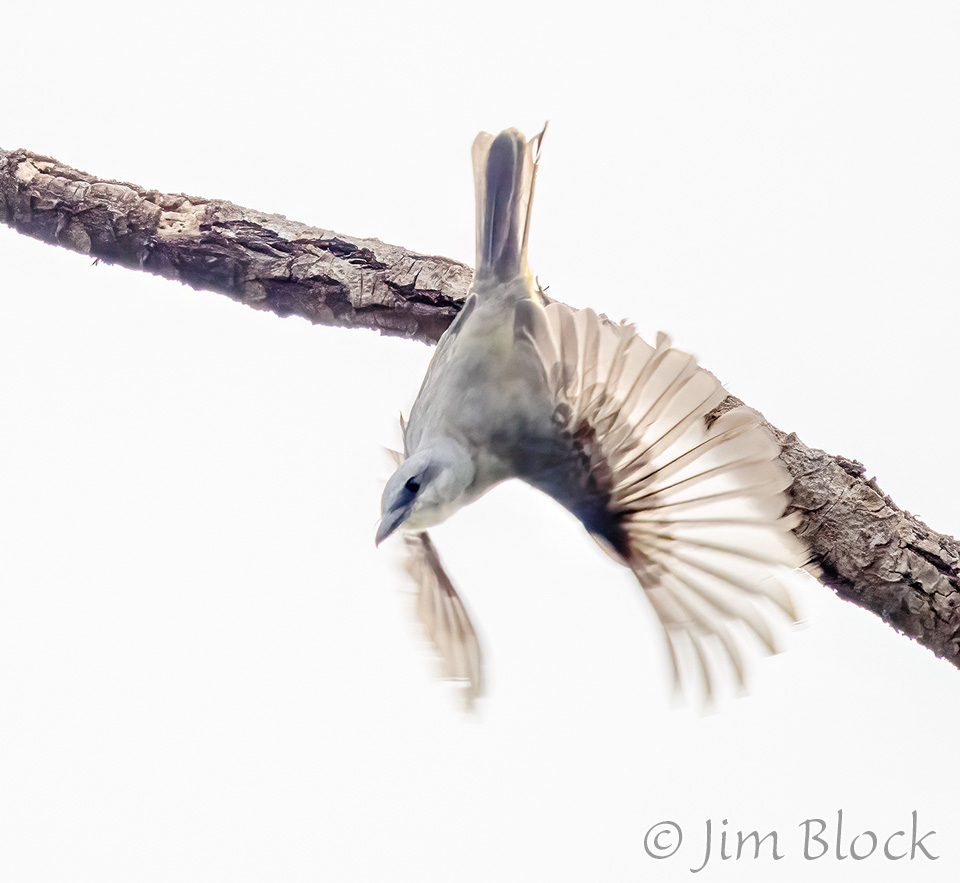
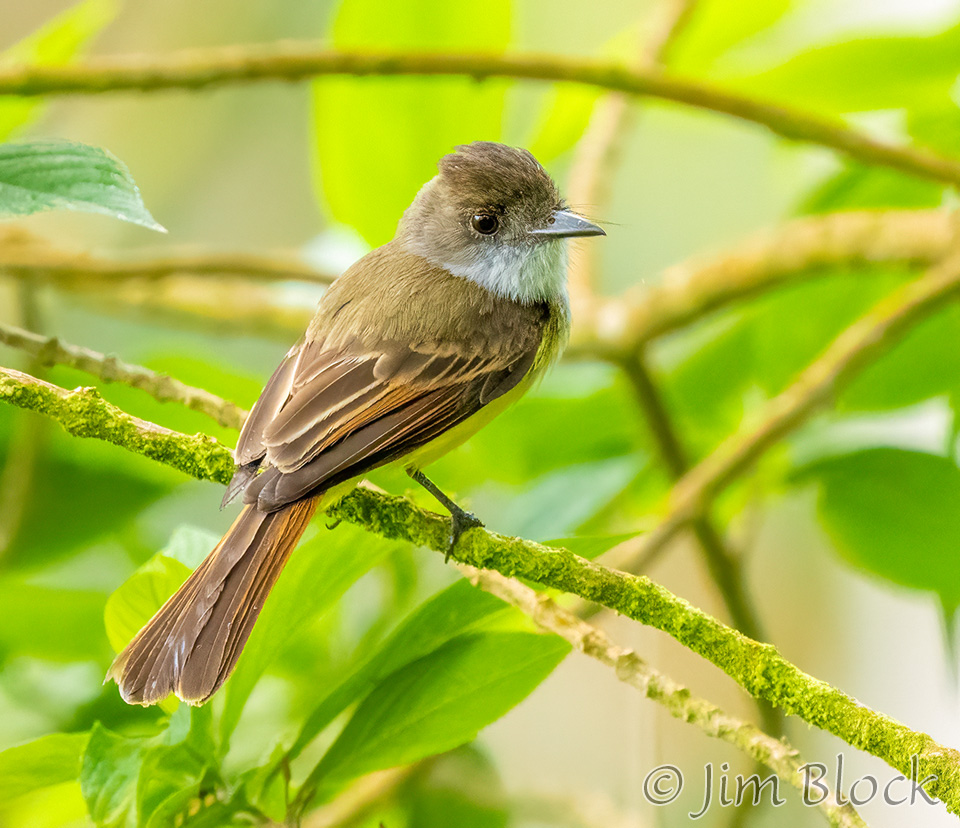
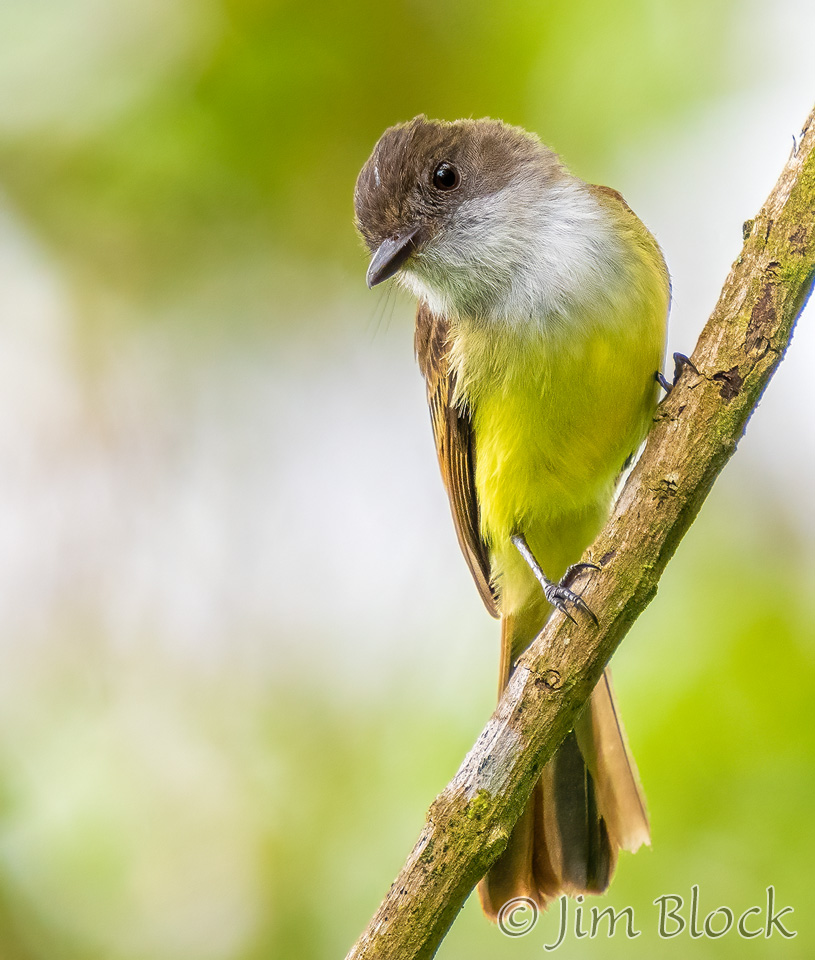
The Dusty-capped Flycatcher is quite beautiful in a low-key way.
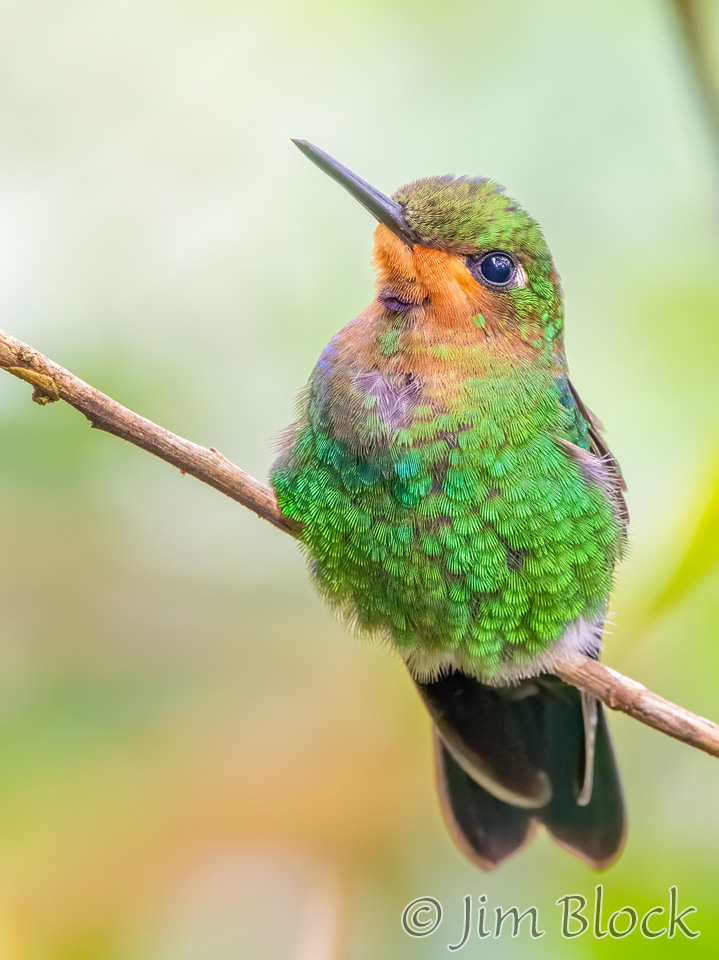
Five species of hummingbirds were present. We rarely see any but a Ruby-throated in New England.
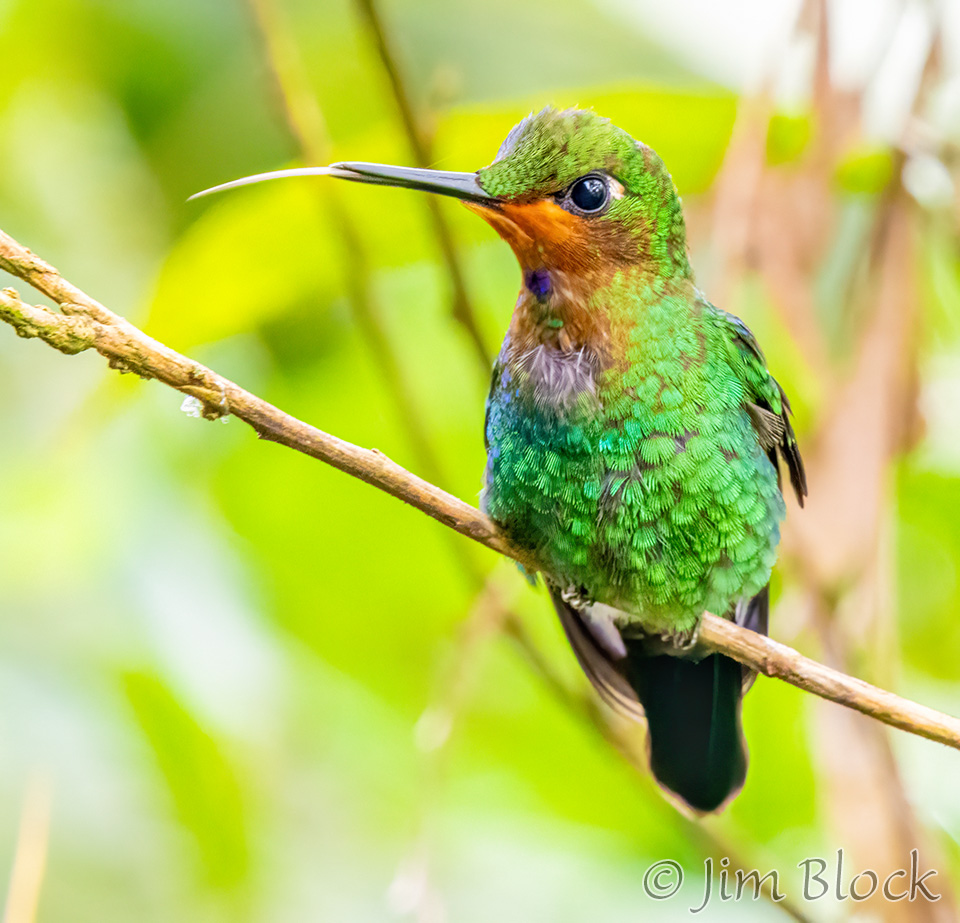
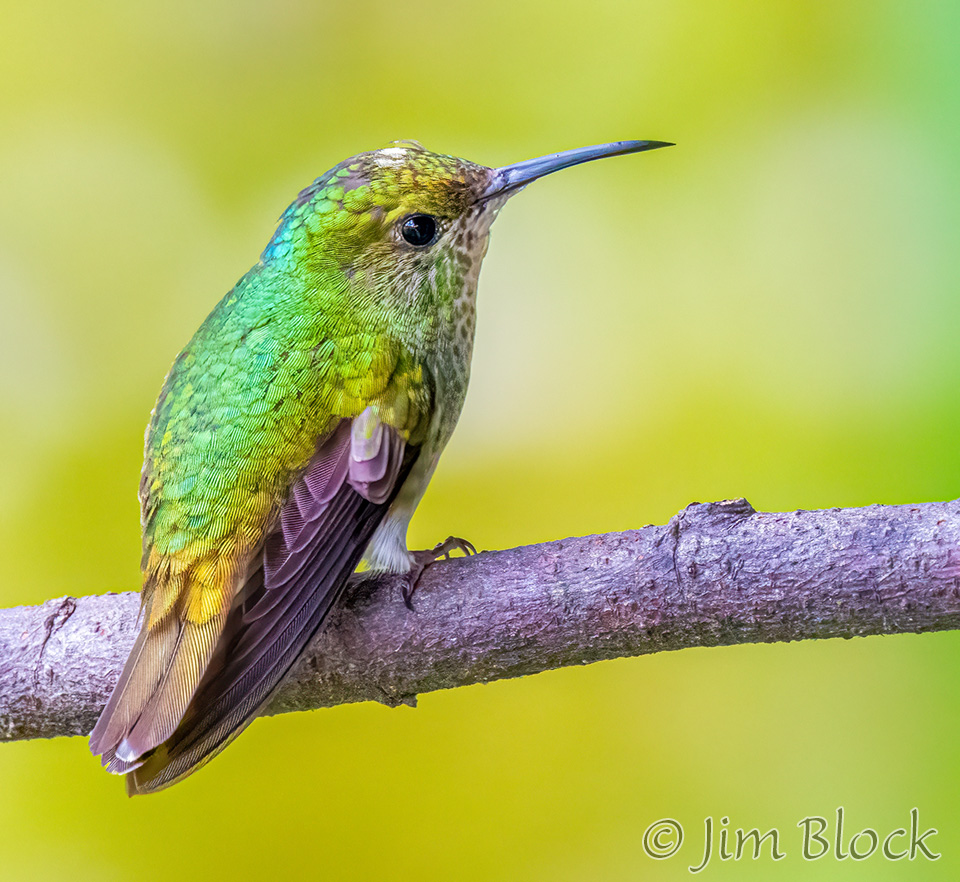
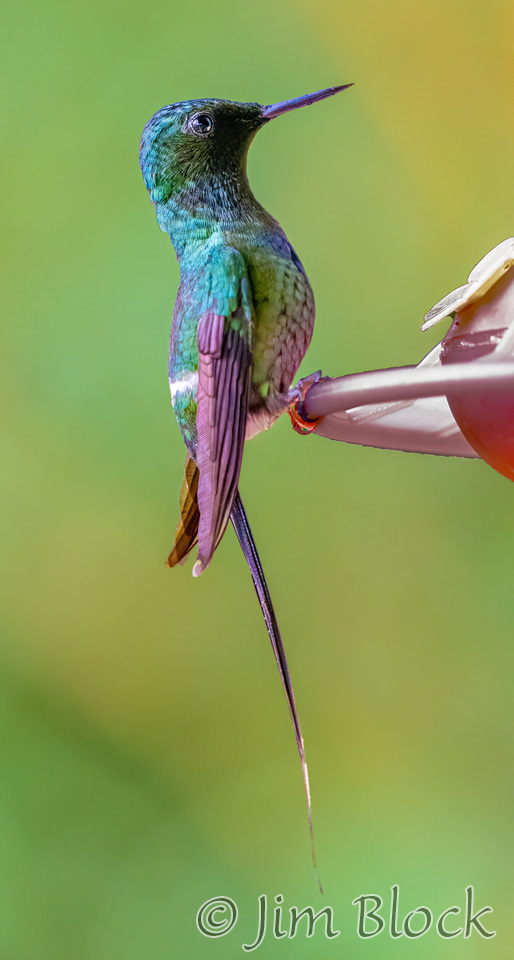
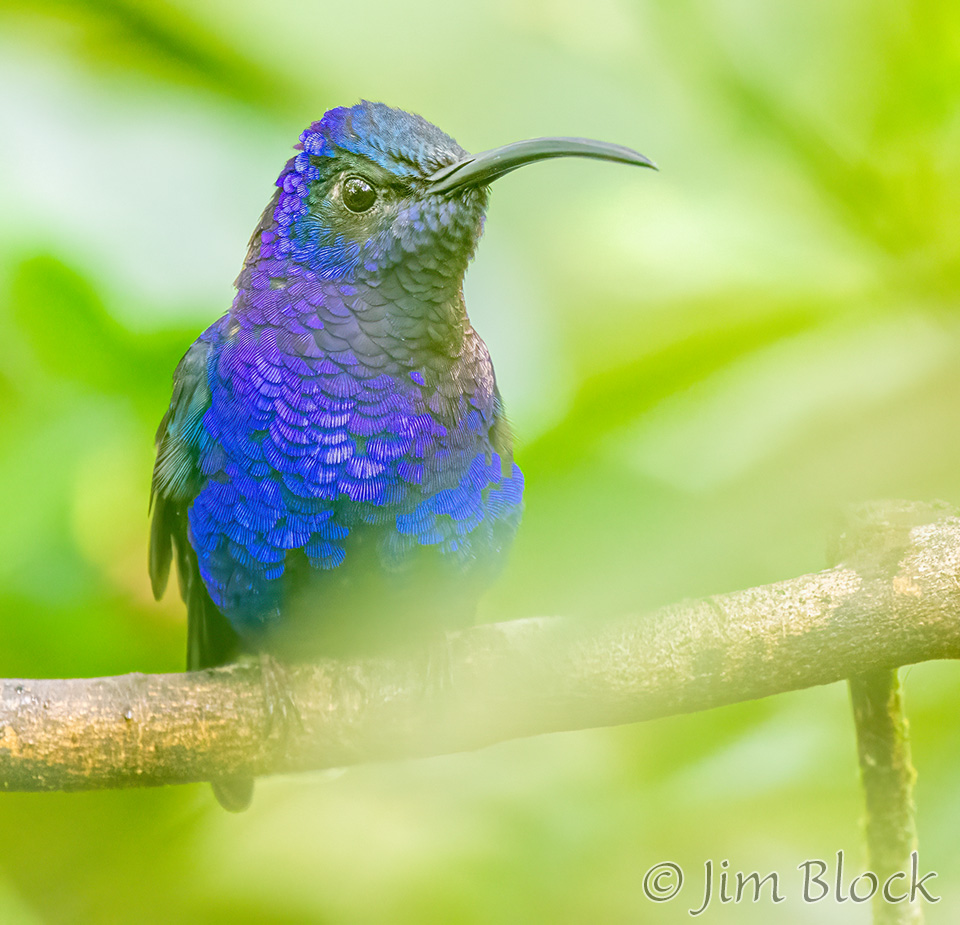
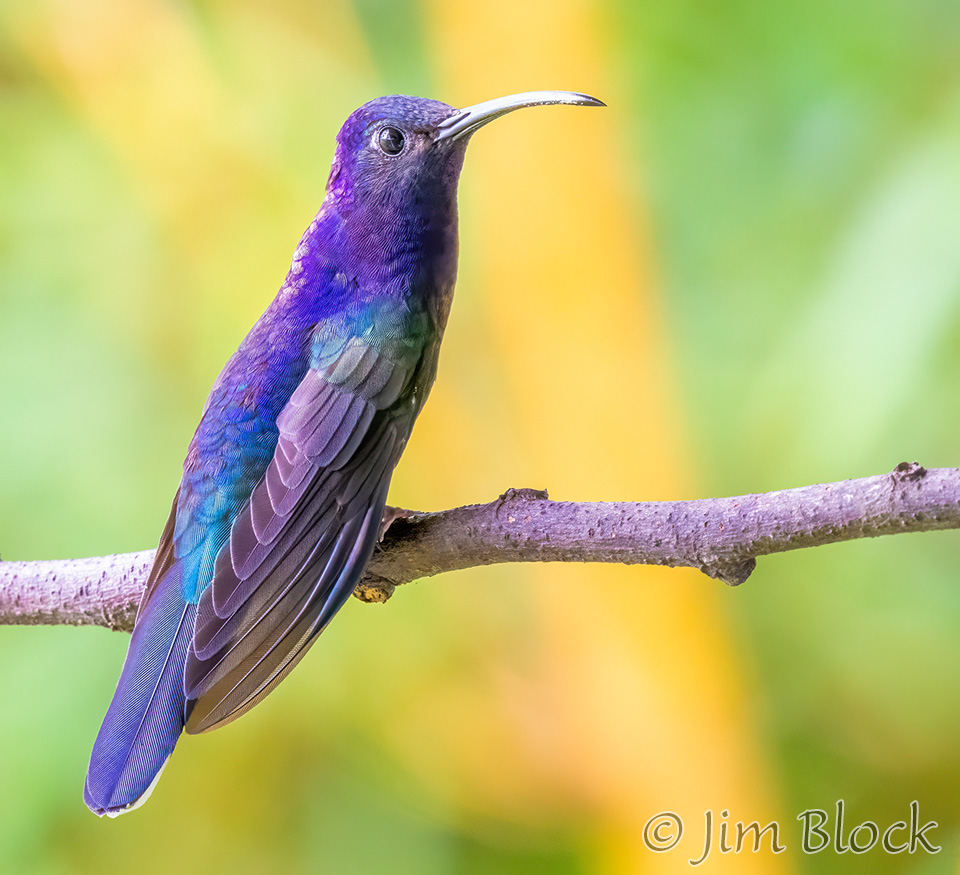
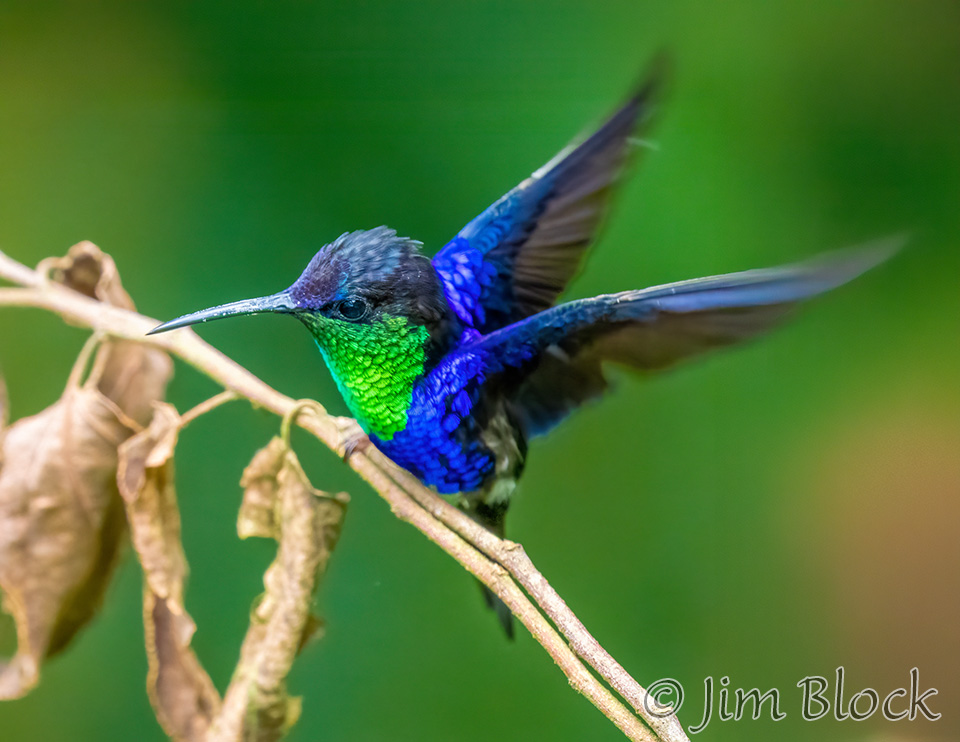
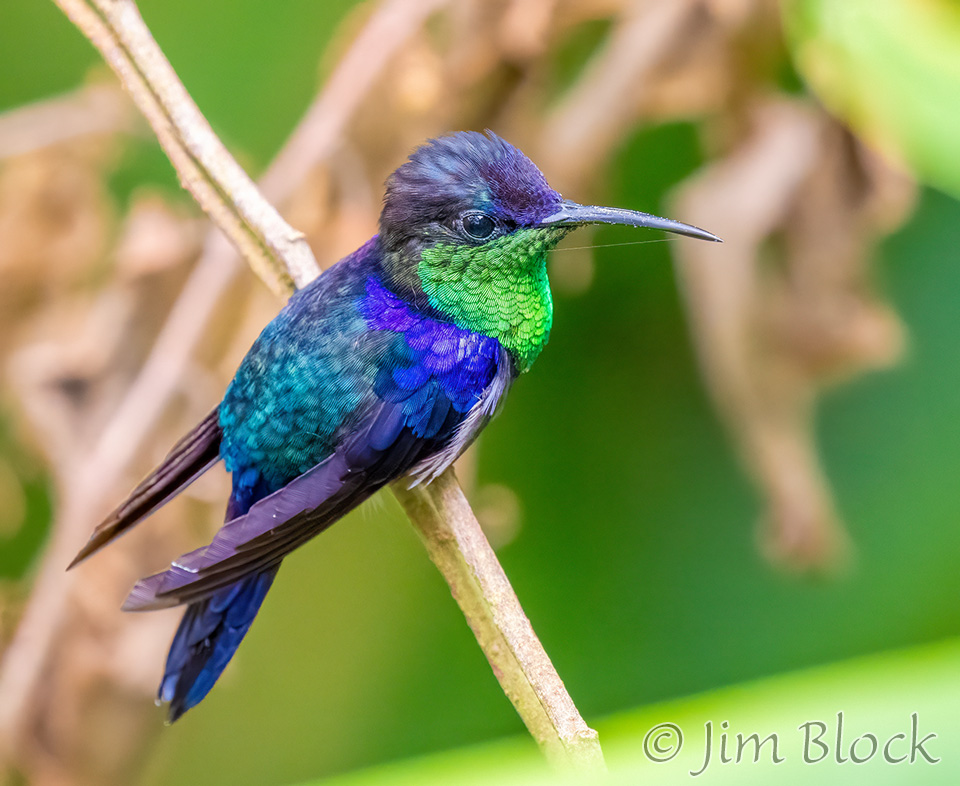
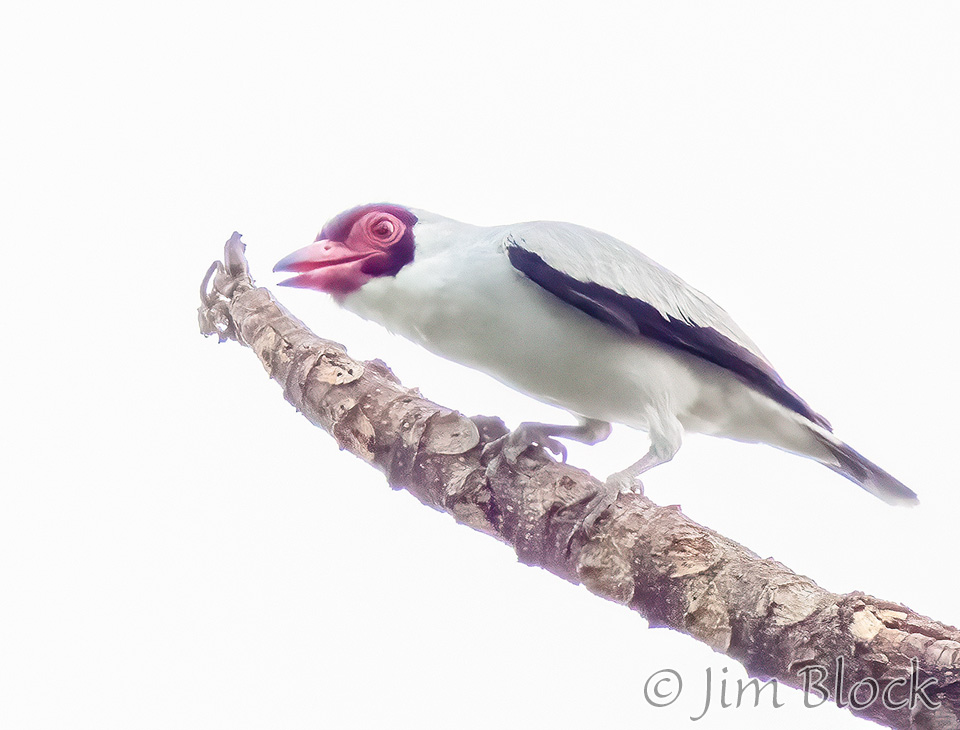
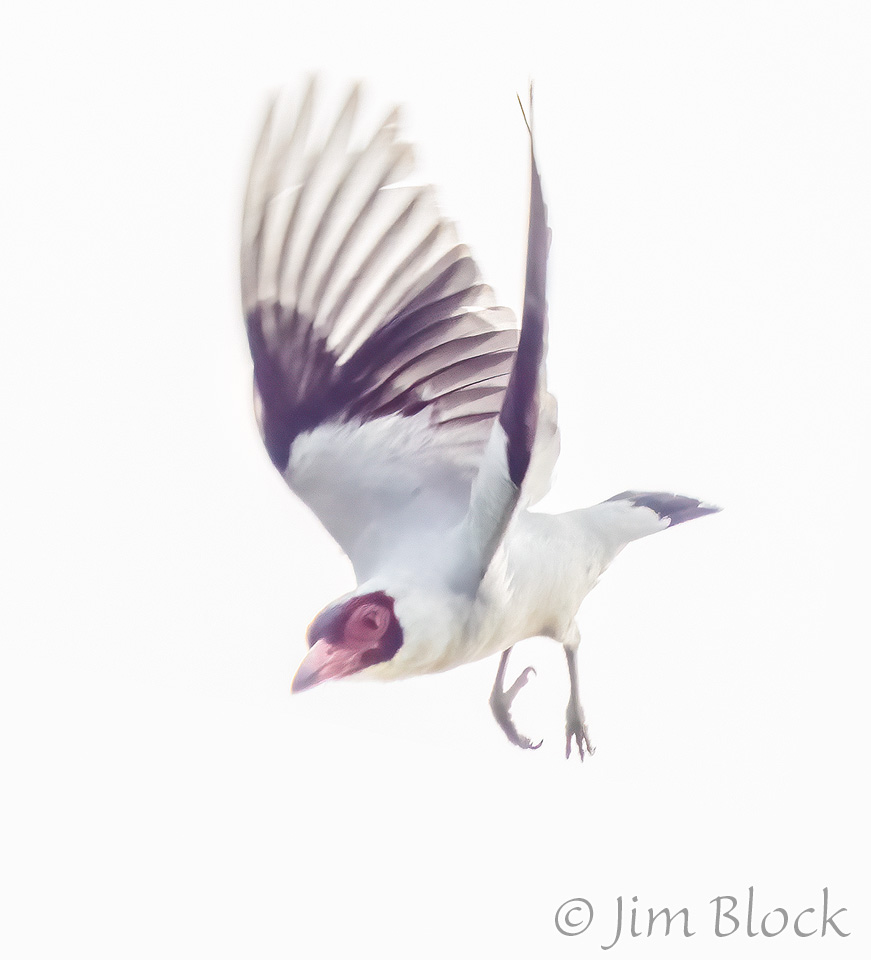
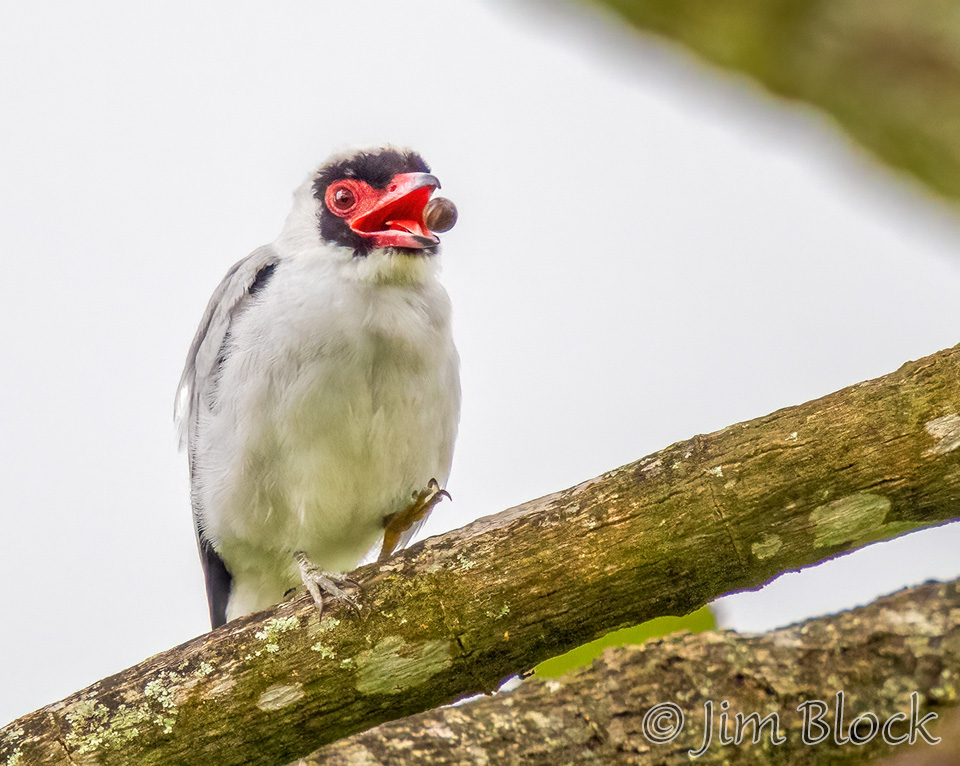
We moved on and soon Gil spotted a Masked Tityra high in a tree. We stopped briefly for a look.
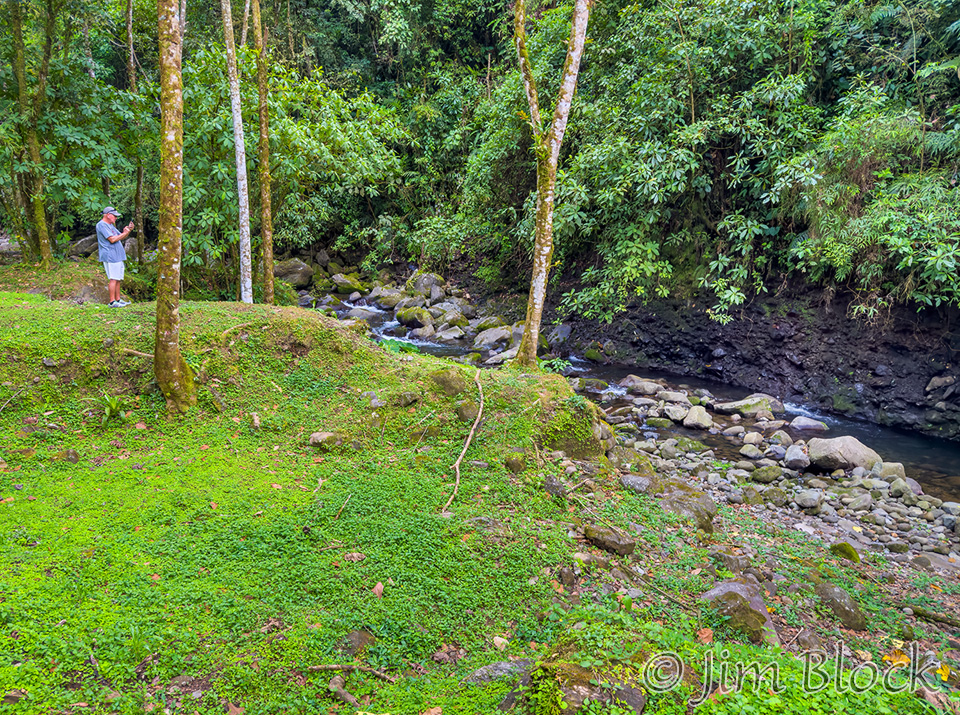
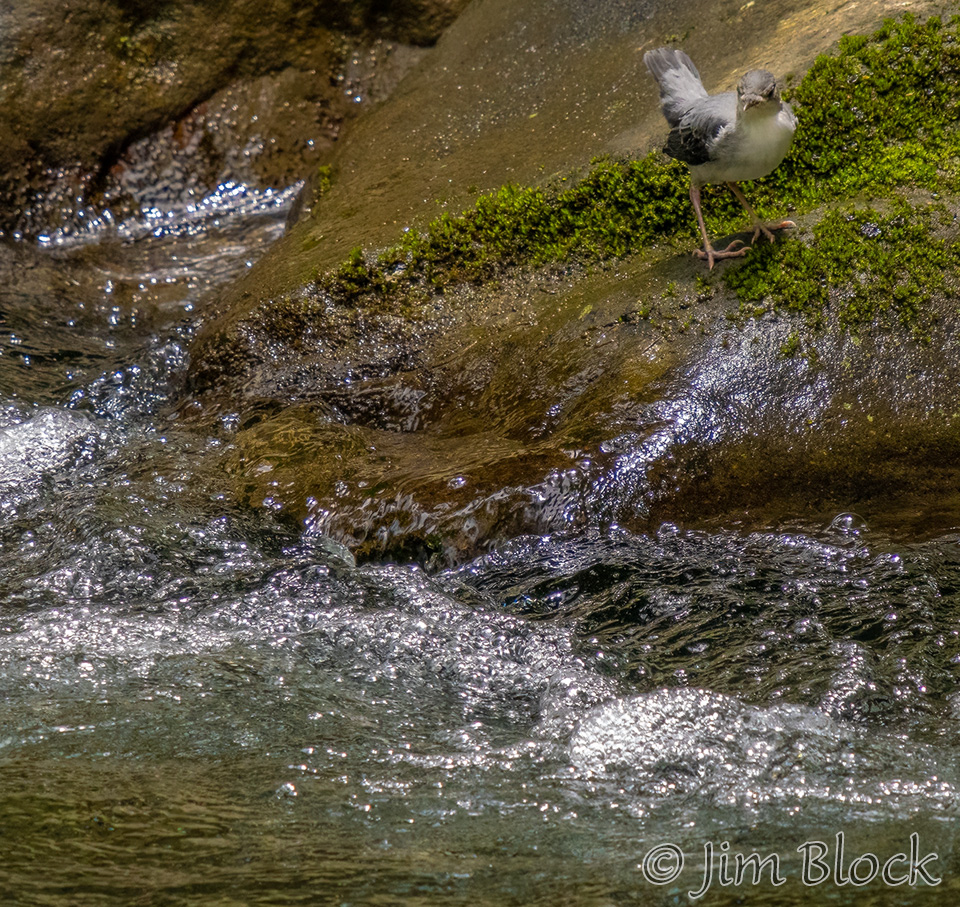
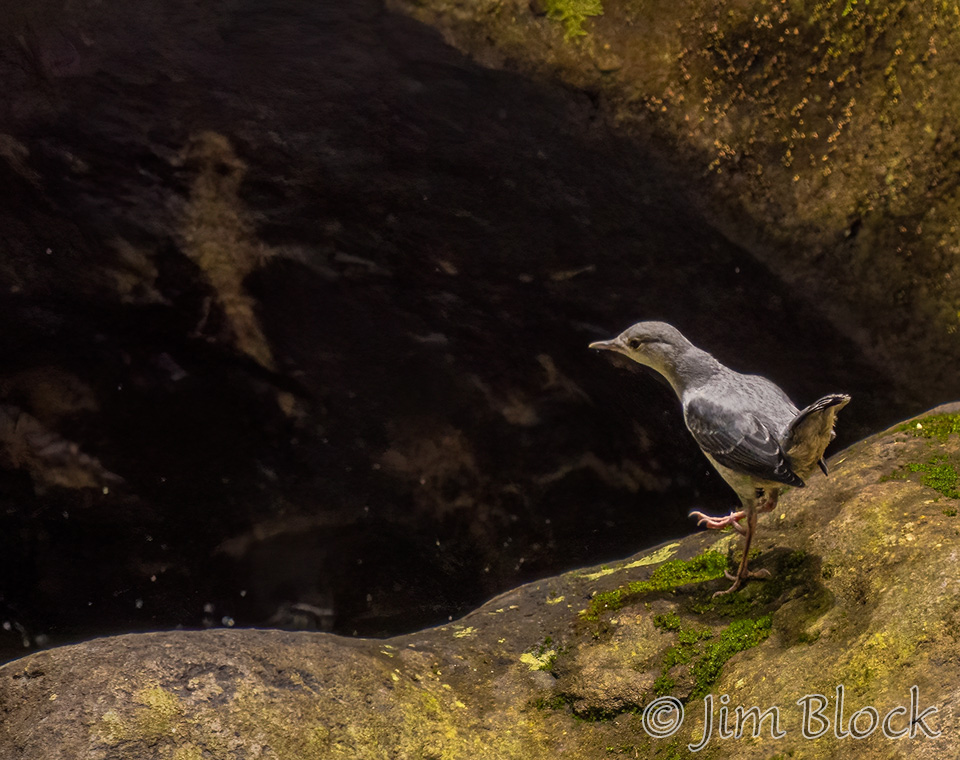
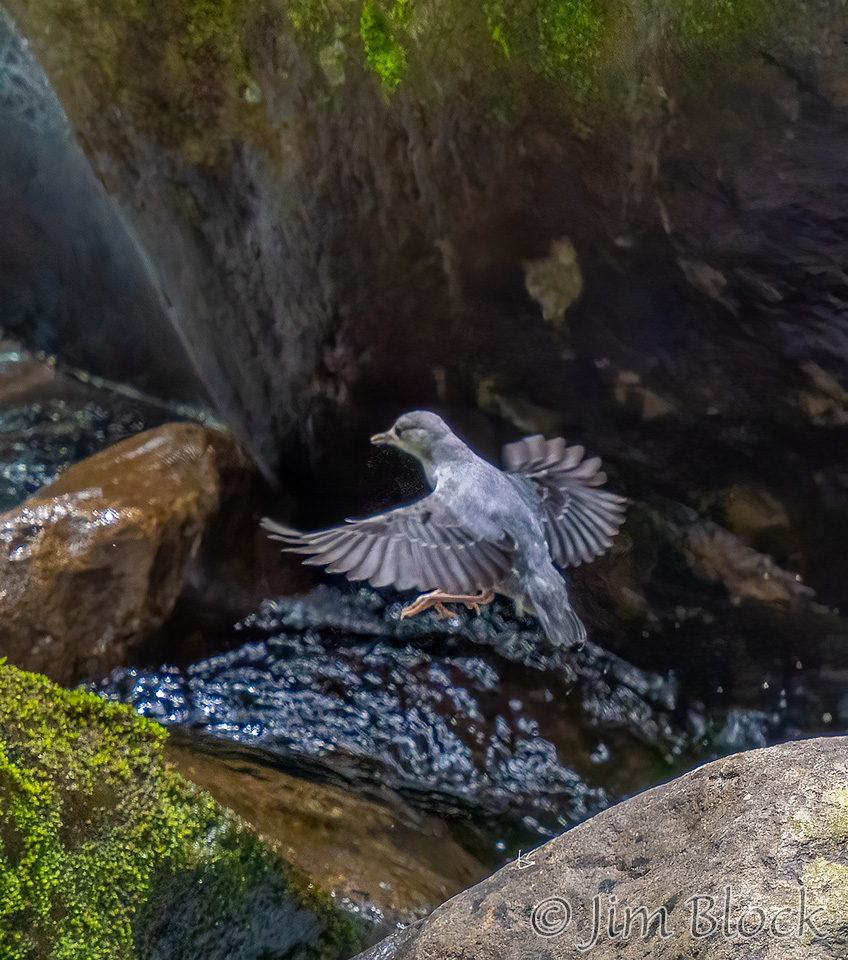
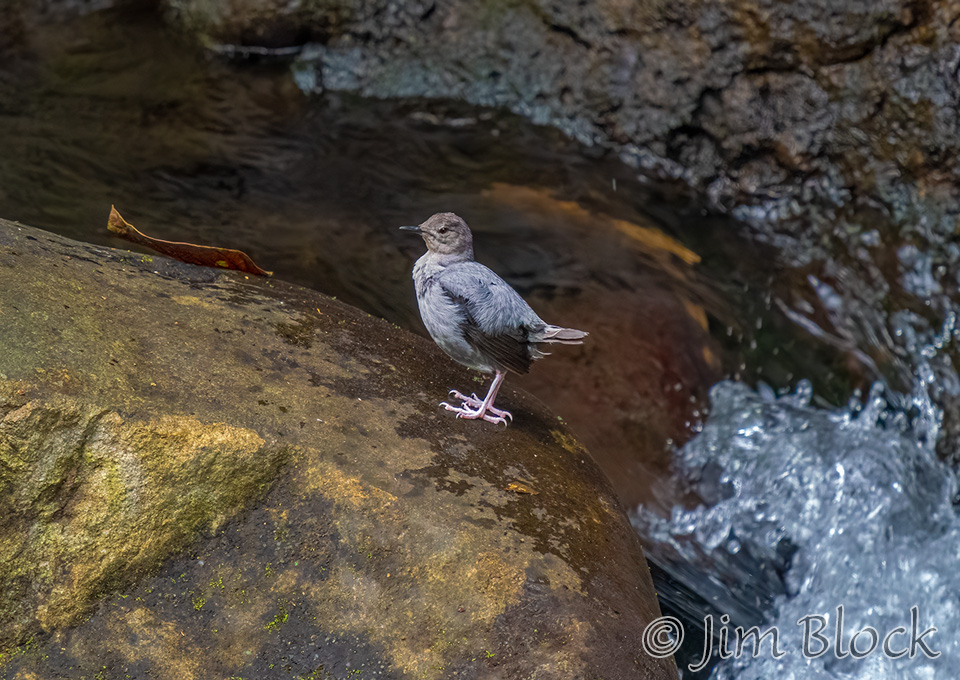
At noon we stopped at a small stream where there were American Dipper. An amazing bird that swims underwater. I first saw them in Glacier National Park. When Stephen and I did the Jomolhari Trek in Bhutan I saw them and amazed our guide when I identified them from a distance.
Here is the stream.
And here are the dippers.
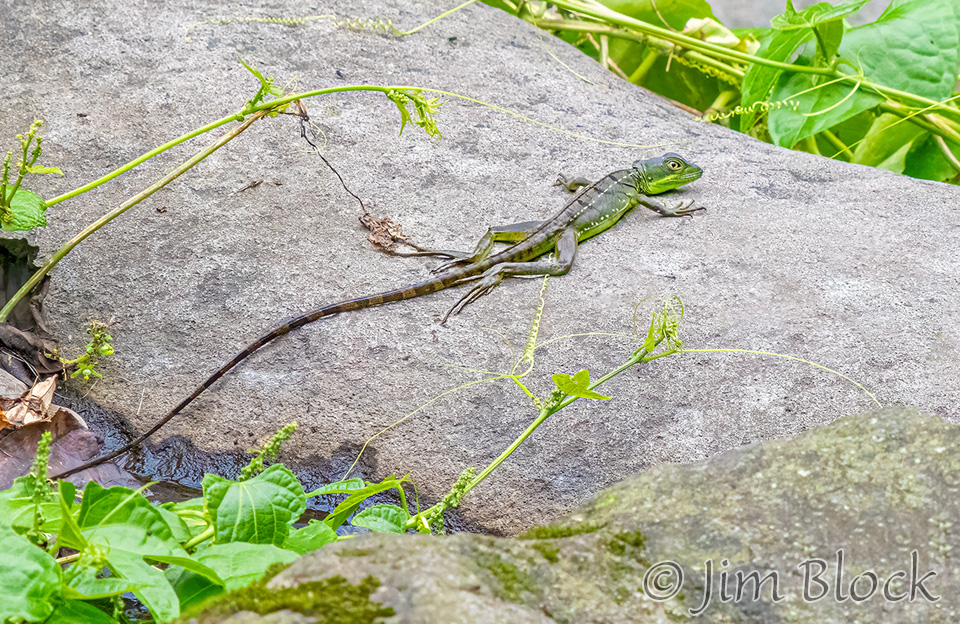
Across the road from the dippers we saw a Green Basilisk, also know as the Jesus Christ Lizard because of its ability to run on water.
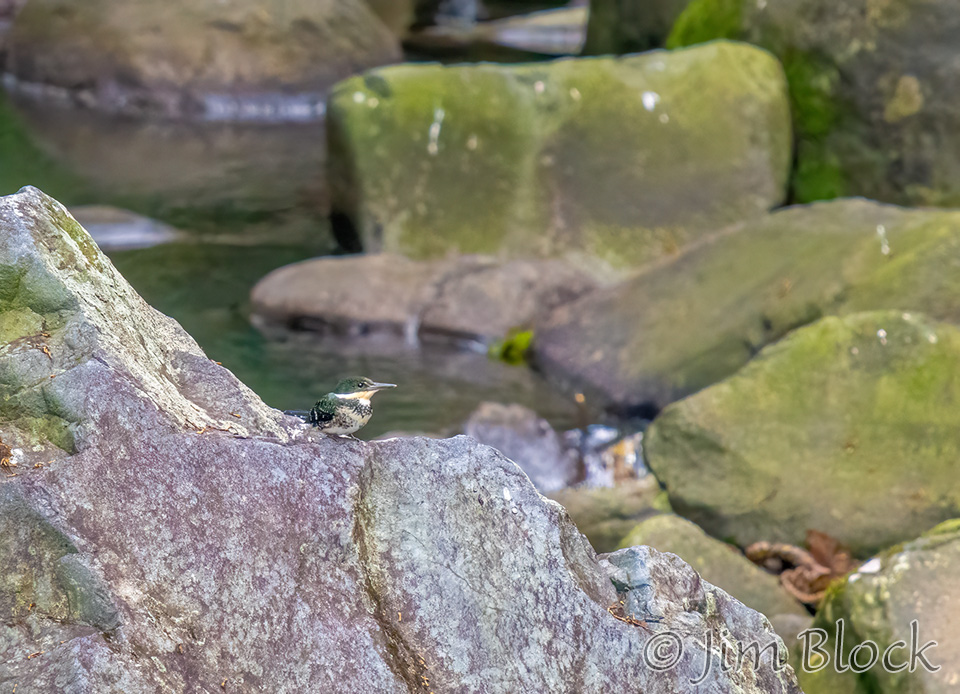
Far downstream was a Green Kingfisher, a cute, small kingfisher that we will see in several locations.
It was a fabulous first 24 hours in Costa Rica. We didn’t really go anywhere special, but I got a lot of nice photos of birds, all of which are were new to me. I hoped every day would be as good.